
A minimal capacity for self-critique is normally expected of an institution when it prepares to organize a commemorative event marking its 50th year. Meanwhile, what seems to have prominently escaped the São Paulo Biennial Foundation as it planned, with little time, its Biennial at 50 years, was the need for an exhibition homage to the Brazilian biennial show’s ideologist, the businessman Francisco (Ciccillo) Matarazzo Sobrinho. Clearly, the event serves a dual purpose: to commemorate an important date, and, simultaneously, to justify the early opening of the XXV Biennial, originally planned to open its gates in 2002, four years after the previous edition.
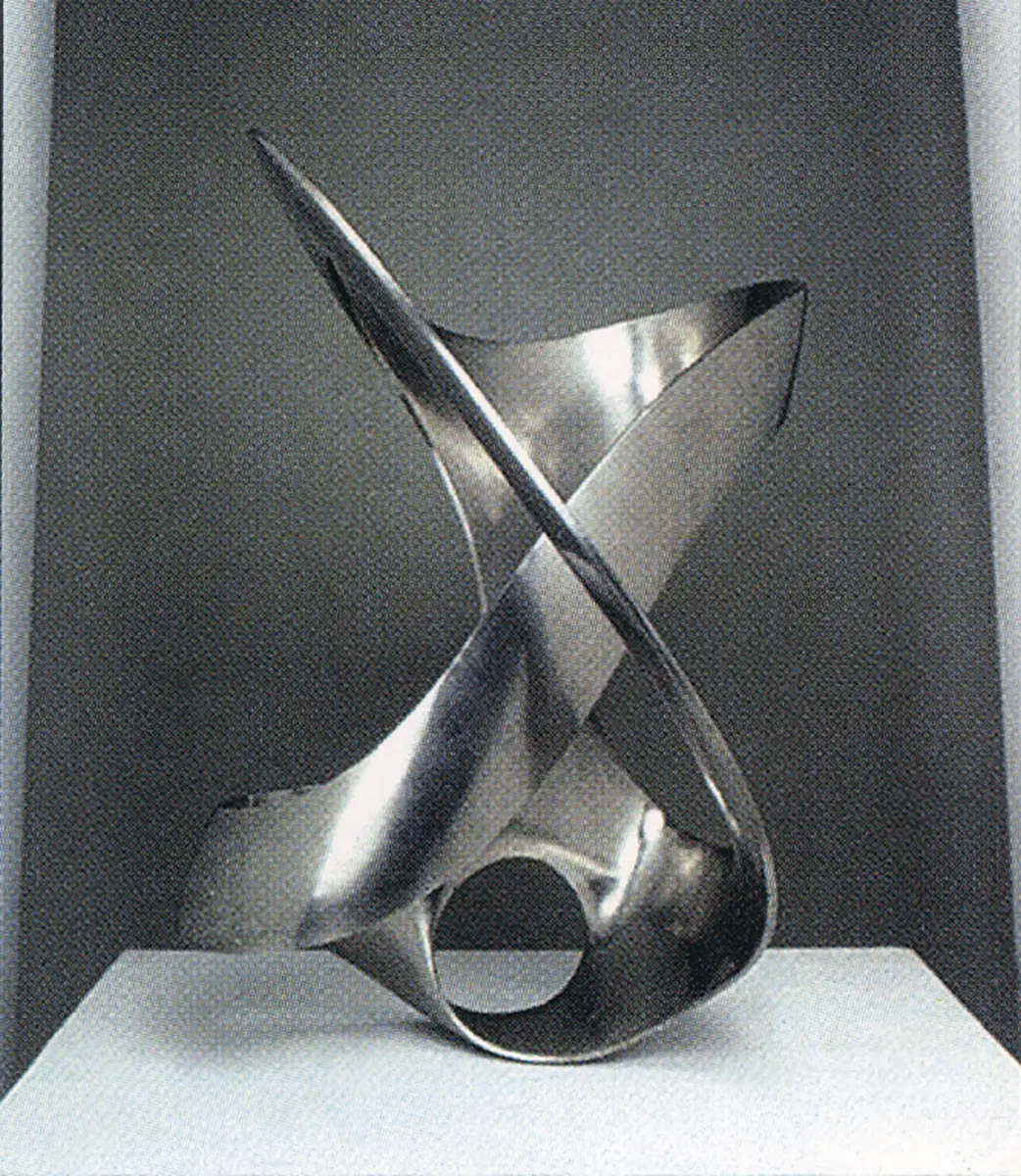
The show, currently on the Parque Ibirapuera Pavilion’s third floor, mixes the historical and the contemporary. The historical element encompasses 50 award-winning works from the first seven biennials (from 1951 to 1963), all of them linked to several versions of abstract art, and all of them currently part of the notable collection at the University of São Paulo’s Museum of Contemporary Art. Of course, it is always enjoyable to be able to view Max Bill’s Unidad Tripartita (Three-part Unity), winner of the sculpture prize in the I Biennial and an important watershed in 20th-century Brazilian art. This, along with such trailblazing works as those of Sophie Tauber-Arp, Soto, Calder, and Magnelli, together with those of Ivan Serpa and Lygia Clark. Nevertheless, the simple juxtaposition of works in the exhibition space by the most alert spectator it only generates a measure of curiosity. In the same hall, a 50-meter wall functions as a timeline, a sort of chart where every edition of the Biennial is remembered through its promotional poster, its awards, and some distinguished works, all of which is linked to events in the country’s political and artistic history. The result strives for didacticism but achieves mostly a high-schoolish character.
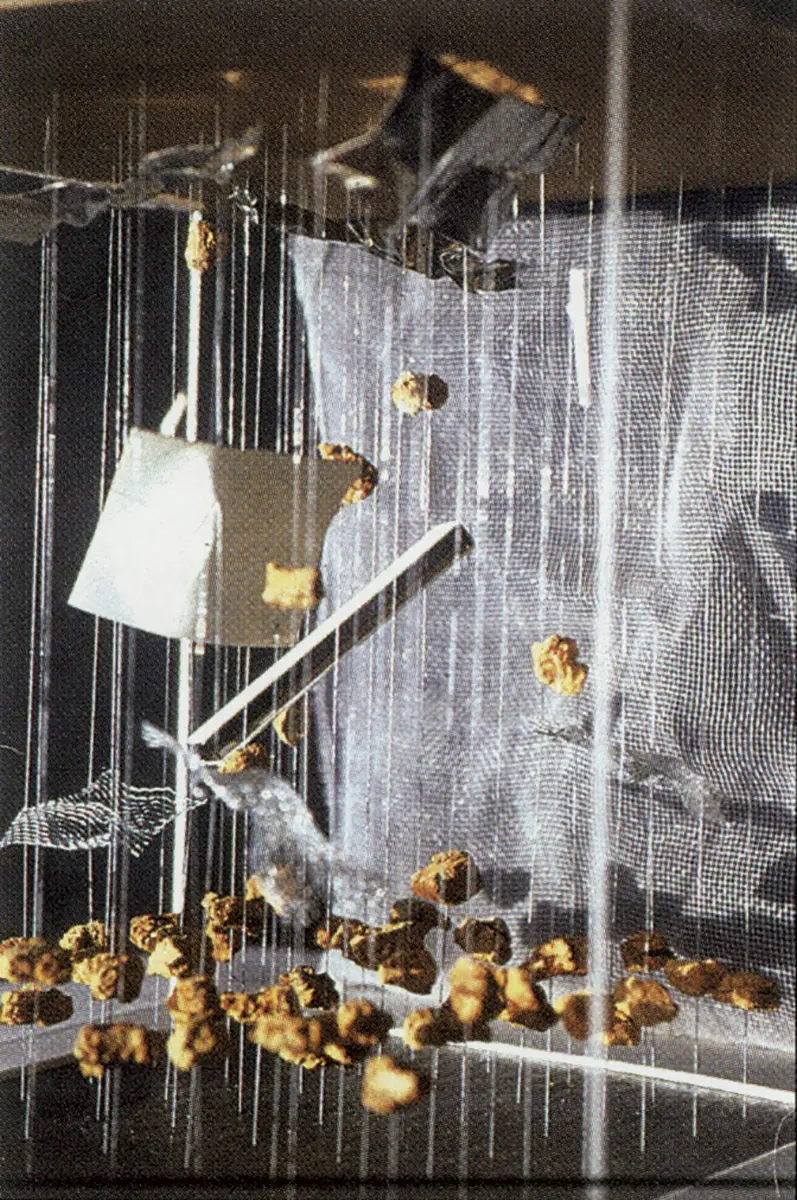
The Red de tensión (Network of Tension) exhibition marks the institution’s commitment to contemporary life. This show was conceived with the worn-out concept of “integration of the arts” as its pivot. This concept is characteristic of 1950s rationalism and belongs to the moment when the São Paulo Biennial got its start. With the purpose of promoting such “integration of the arts,” the show’s curatorship was divided in three areas: Visual Arts, Architecture, and Design. Professionals from each field were invited to reflect on life in a megalopolis —such a fashionable term— comprised of many places at once, where we are constantly on the move, where languages live side by side and in juxtaposition, and where a “new sensibility” is created for contemporary life.
As a result of having three disciplines share a single space, the show gives a chaotic impression, related less to an attempt at reproducing the chaos of the city—which follows a certain logic— than to the lack of a museographic design capable of making the curatorial intent comprehensible. “Integration” could perhaps have been articulated through the show’s spatial organization, but that was not the case. The designers were less inclined to dialogue, visually isolating their works or acting directly upon the more utilitarian elements of the show —like Fernando Jaeger, who designed the well-stocked visitor bar. Architects, in turn, responded only in the more basic way to the wide scope of the show, certainly not because of ignorance of the city, but because of their unfamiliarity with the practice of art exhibits as such. Among the visual artists, those with a solid international career are also the ones deserving special note, such as Mauricio Dias & Walter Riedweg, present here with their installation Your Name on My Lips, or Miguel Rio Blanco and Ana María Tavares.
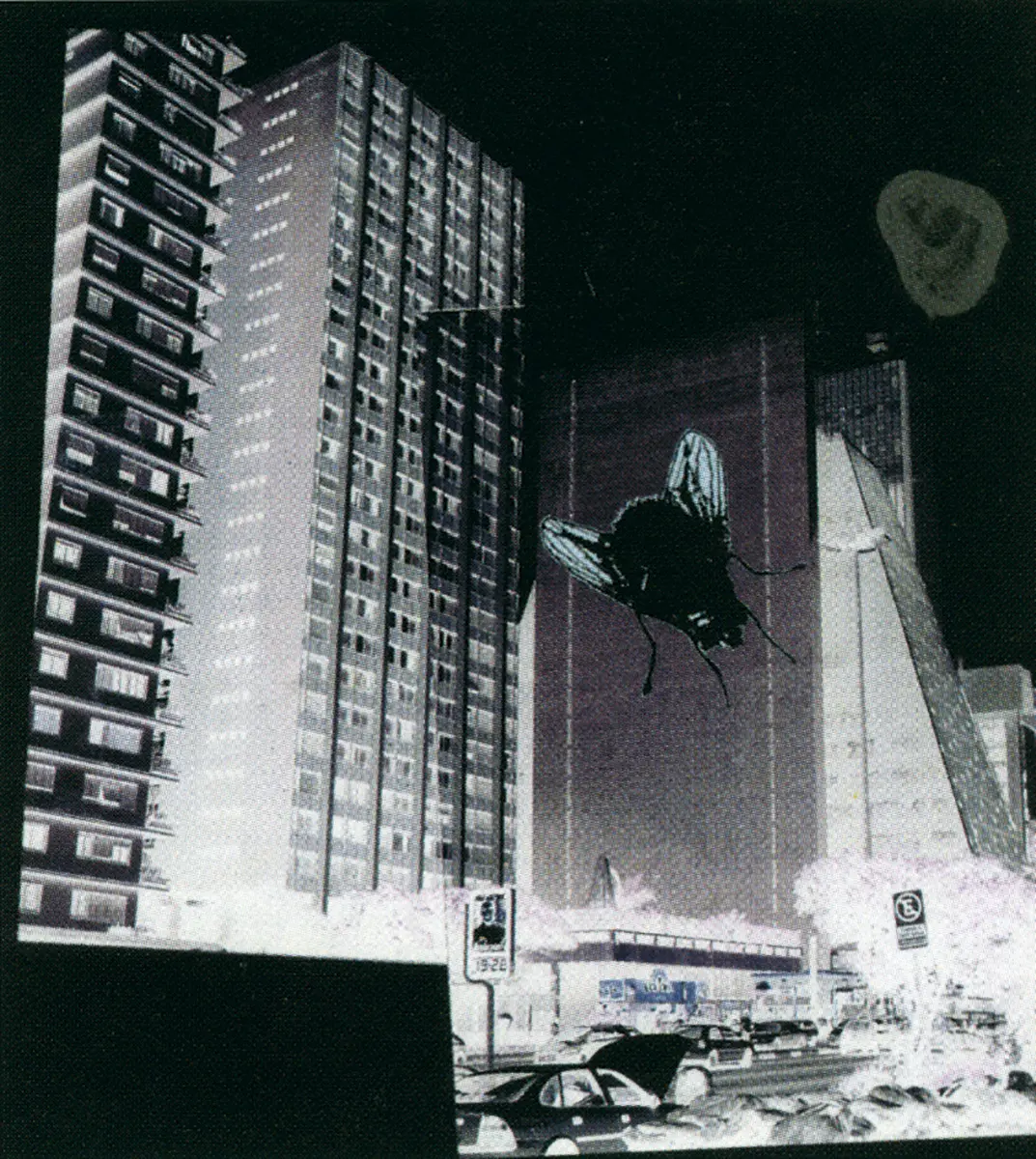
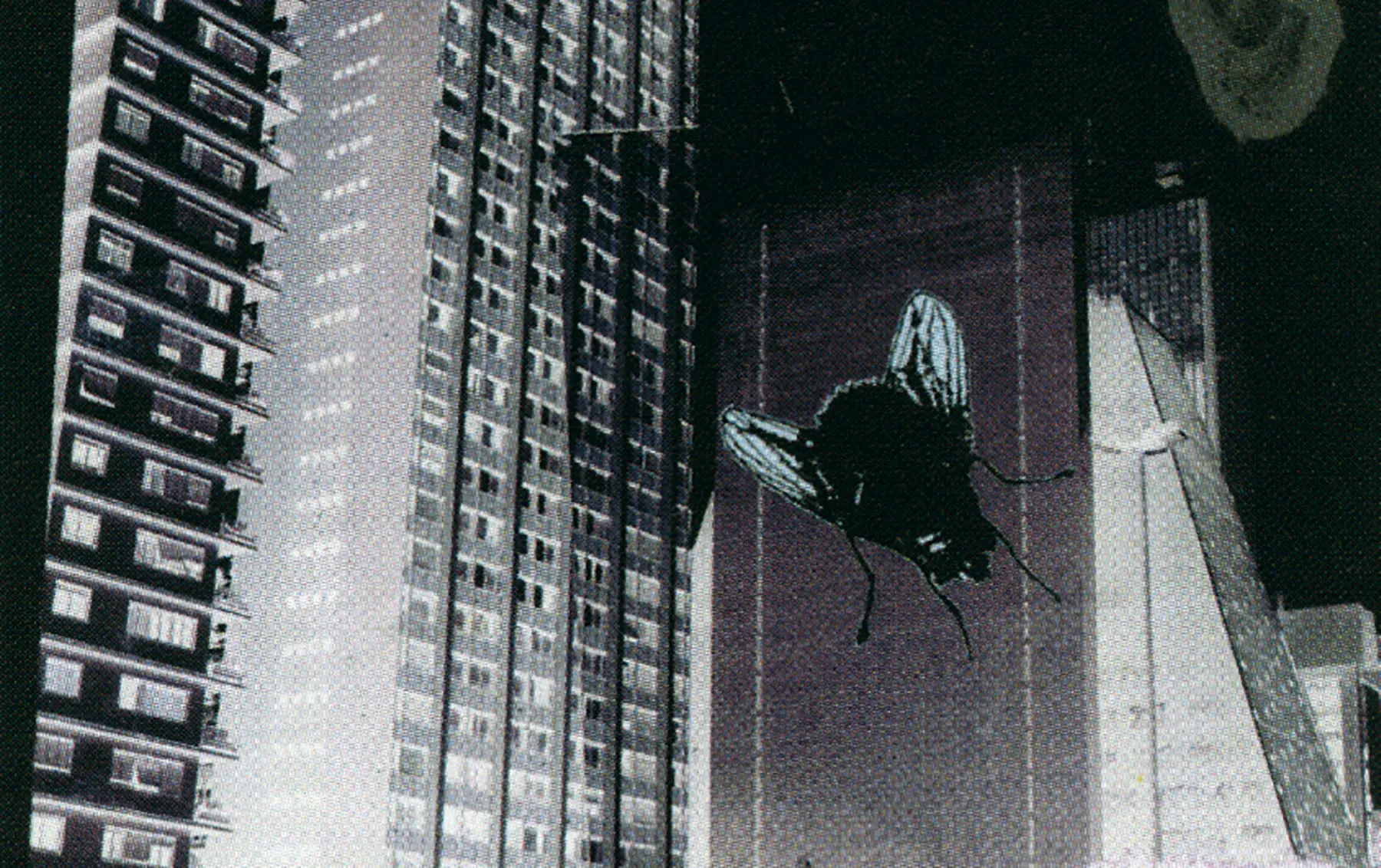
Surprisingly, the visual artist Regina Silveira and the architects from the MMBB Bureau chose to intervene outside the Biennial building. Silveira’s proposal was to project a giant fly intermittently walking on the city’s blind façades. A group of architects came up with a light beam joined to a locomotive, which ran for nearly two months on 200 kilometers of São Paulo’s little-used rail transport system. This train of light, however, completed its route only once.
In choosing to make its 50th Anniversary celebration an homage to Ciccillo Matarazzo, the Biennial Foundation lost a strategic opportunity to generate what, in fact, would have been a necessary discussion: ¿What is Matarazzo’s real legacy, and in what measure, 50 years later, this enterprise is still justifiable? This exhibition homage is nonetheless highly revealing. As it is presented in Ibirapuera, it shows, unequivocally, the Foundation’s inability to reflect today on its past role, even as it is trying to define what it’ll be in the future. Announced throughout the city with the slogan Osada, creative, genial (Bold, creative, genius), this modest Biennial at 50 years is an exhibition with no masks: it allows us to see the conservative impulse of an institution ever so far from understanding the real significance of the São Paulo Biennial for Brazilian and world art today.
VALERIA PICCOLI