One of the constant processes in the work of Mauricio Alejo (Mexico City, 1969) is to photograph objects of everyday life that have been abandoned or have not been taken care of. By doing this and by changing their dimensions, something photography can easily do, they also change contexts. As a result, the form does not merely define its function as it usually does, but it mutates to manifest its aesthetic quality. Alejo opts for large formats, switching from color to black and white, depending on his objectives and also on the series and on the specific point he wants to express. In Seis imágenes para un mundo mejor (Six Images for a Better World), Alejo chose black and white, and, unlike his previous series, the object in question appears only in the photographic universe with a neutral background. Now the plastic figures are surrounded by their similar counterparts, making it difficult to tell which are the protagonists and which are the accompanists.
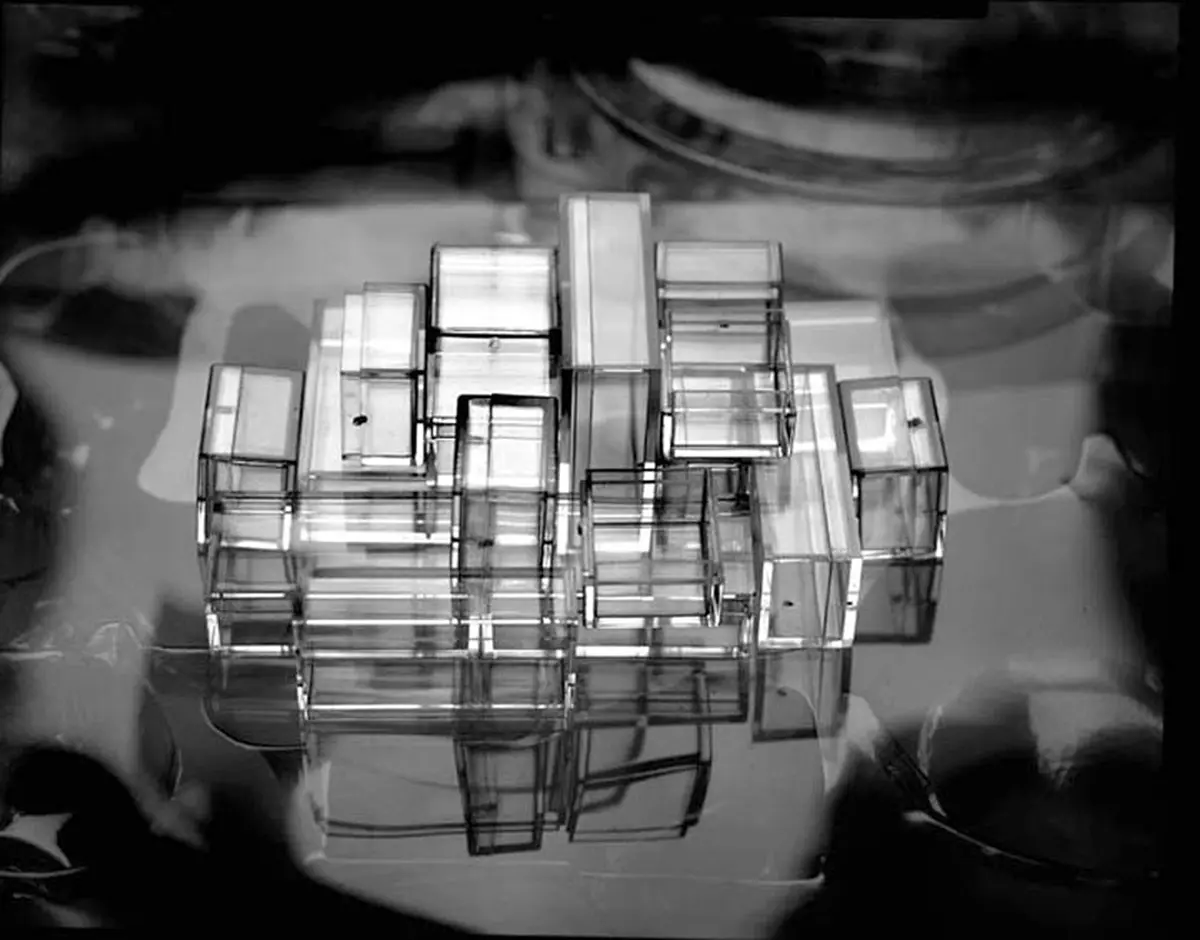
Alejo captures images of plastic molds and toys in Seis imágenes para un mundo mejor, and takes us back to childhood. The finished figures and the molds from which the toys will be produced are charged with a nostalgic, evocative nature. For this show, Alejo used objects produced by the millions, before they had been used. Since they are still in the process of fabrication and have not yet reached the outer world, they do not have a personal history nor are they charged with anecdotes. This aspect allows the figures to manifest the idea rather than the object itself. In other words, the object is generic, it ideally represents all of its kind. This series makes this point very clear. The molds and objects in the process of production do not yet show the specific characteristics acquired by the objects once they have been exposed to the public. They, in fact, manifest the idea of mass production, the lack of individuality, before they actually acquire a personal history. That is why this notion makes me think that Alejo believes the ideal world, as represented, is in objects or beings that have not been corrupted by use value, and that have not acquired a history because they are in a pre-natal state.
Each one of the images is titled. The titles help us understand the world Alejo is inviting us into beauty, heroism, order, and landscape as paradise. To make the reading of the images easy, Alejo included a "help manual" for this series, where the values in question are reinforced with steps to be followed. The spectator will: 1. Reconsider the use and benefits of violence. 2. Ponder about the idea of order. 3. Ponder about the idea of progress. 4. Relate the idea of order with the idea of progress in their only possible permutations. 5. Aim for sexual neutrality in his/her friendly relations. 6. Meditate, reflect, compare, and shall present results.
By adding this guide, Alejo offers us a parameter not only to understand his images but also to incite reflection about the present state of things. Without making value judgments, he incites us to think and meditate about the issues that may mean humanity's monster or its hope.
Alejo's technique is surprising: the way he handles light, the composition of the pieces, and its conceptual structure show the work of an artist who is totally committed to art. Considering his previous work and this present exhibit, Alejo shows outstanding tenacity and individuality.
FRANCISCA RIVERO LAKE