
The 2000 edition of the International Fair of Contemporary Art had opted to devote itself, through 200 personal shows, to the essential relation that links the gallery with the artist. In spite of the divided opinions of the professional medium, the imposed option of the one-man show achieved unanimity due to the level of quality proposed.
The recent 2001 edition took place from October 10 to October 15, under the sign of a "bland" consensus, because the selection of works was made with a certain prudence (the market obliges), although the level of quality was preserved, and the directors of the FIAC made an effort to open up toward current art. Its image of modernity was reinforced with the invitation to the "Perspectives Sector" of seven young galleries (among them, Shanghai's ShangArt, Turin's The Maze, London's Shine, and Vienna's Steinek), as well as a space reserved for video called Video Cube. At the same time, FIAC welcomed larger galleries for the first time, like Belgium's Micheline Szwajcer, Great Britain's Waddington, and the U.S.A.'s Metro Pictures. In general, the artistic options aspired to be "traditionally modern," in a balance where both risk and safety remained within the limits of measure.
But the new forms of operation have been unanimously considered by the press as overly elite: the dissuasive raising of the price of admission (more than a 20% increase, which means for the public a ticket costing around $12), the gallery owners complaining that the fair attracted too many passersby, the drastic selection of participating galleries (from two hundred in 2000 to one hundred sixty-three in 2001), as well as the luxurious welcome of five hundred rigorously selected VIPs, collectors, dealers, and museum directors. During the entire FIAC, a "private tour" was organized in order to submerge—literally—these guests into the Parisian art of today: a visit to shows like Dan Graham (Museum of Modern Art in the city of Paris), the opening of "Paris-Barcelona: From Gaudí to Miró (National Galleries of the Grand Palais), Tunga (National Gallery of the Jeu de Paume), Jenny Holzer (St. Louis Chapel of the Hospital of La Salpêtrière), A popular art (Cartier Foundation for Contemporary Art), and the The Modelwife (Les Égéries) at the European House of Photography, just to name a few. The opening of the first big solo show in Europe of U.S. photographer Nan Goldin could not be carried out on account of a strike at the Georges Pompidou Center.
The announcement of the coming inauguration of prestigious private foundations dedicated to contemporary art also had to reinforce the somewhat faded image of Paris as the capital of art, under the buzzword of an "identity in motion" (as the FIAC formulated in one of their official documents): the Pinault Foundation in the industrial site of Billancourt, 2004; the Salomón Foundation in Annecy; the opening of a space dedicated to contemporary art in the neighborhood of the Bastille (26,900 square feet under the momentum of art collector Antoine de Galbert), and the Hamon Foundation in Issy-les-Moulineaux.
With nearly 70,000 visitors, in spite of the climate of tension and disquiet generated by the attacks on 11 September and the war in Afghanistan, the buyers expressed themselves by choosing quality (in the refined sector of classic modernism) and affordable prices, with the purchase of works by young artists. One event has confirmed that, in spite of the depression of the market, a new generation of collectors is beginning to declare itself: the organization of a public auction on the afternoon of the fair's closing was considered one of the most important of the last ten years in terms of sales volume. The boom of new French collectors, who emerged from the well-off middle classes—and are called "BoBo" (bohemians-bourgeois)—has shown its opening up to current art and to ephemeral, even at times restrictive, works, like those of French artist Christophe Cuzin who works in situ and modifies the personal space of the viewer.
Twenty of the eighty-five galleries that presented group shows opted for thematic exhibitions, exploring movements and their historical contexts or contemporary problems: the pop years, with U.S. Art of the '60s at the Beaubourg Gallery (Paris), and The Sculpture Object of the '60s, at JMG (Paris). In the field of current art, The Chinese avant-garde was outstanding at London's Chinese Contemporary Gallery, and Young French work, at Antón Weller (Paris). Latin Americans were present in a rather classic choice of historical figures: A look at Latin American art, at the Trigano Gallery (Paris)—Botero, Lam, Tamayo, Matta, etc.—and also a very beautiful Francisco Toledo from the '60s, and new canvases with very structured images by Dominican artist José García Cordero.
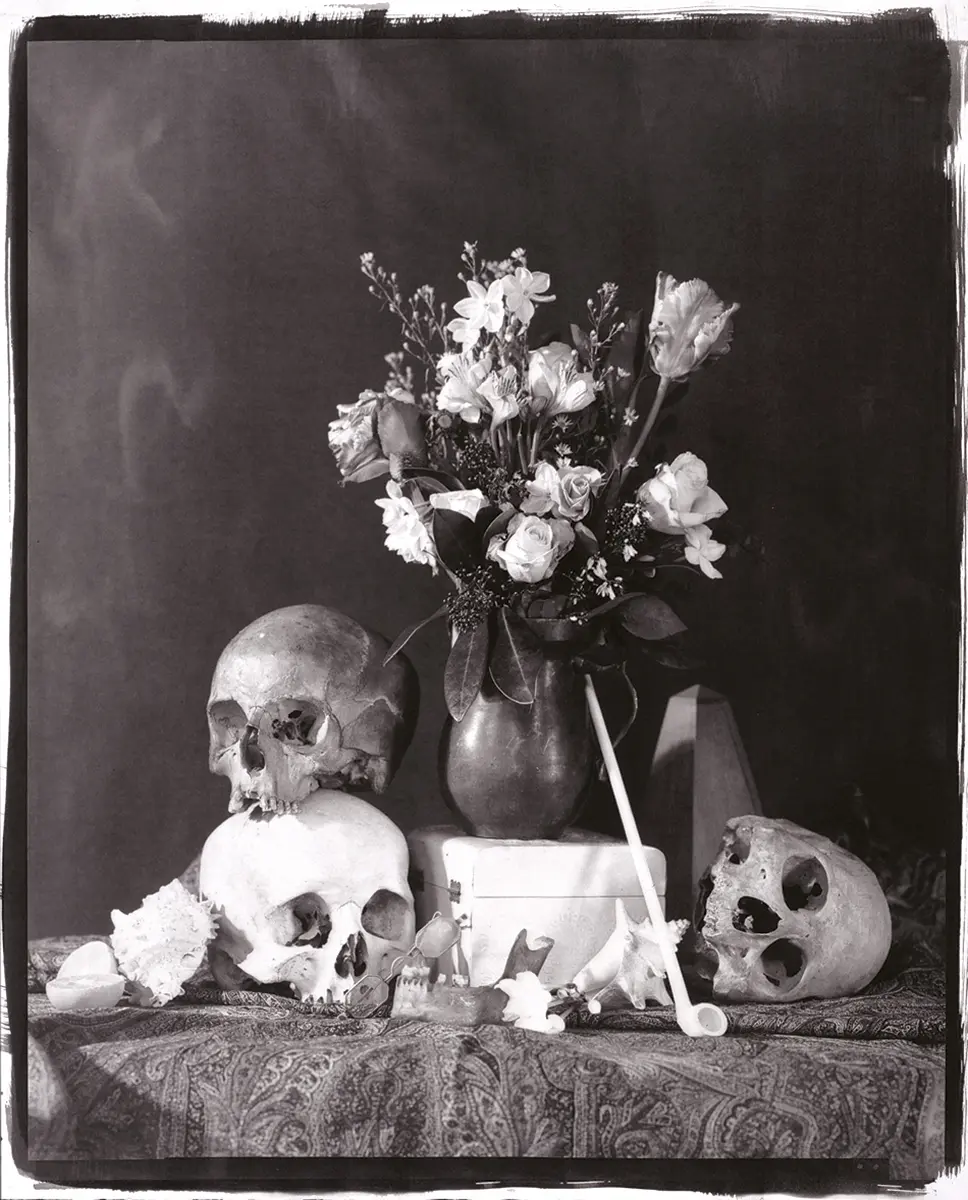
The Jérôme de Noirmont Gallery (París) stood out with its presentation of a magnificent show with impressive scenography with black walls and a highly studied illumination that dramatized the atmosphere. In order to illustrate its theme of death and the skull, the group show Memento Mori gathered excellent pieces by Jean-Michel Basquiat (painting), Andy Warhol (acrylic and serigraph inks), photographs by U.S. artists MacDermott and MacGough, humorous sculptures by English artist David Mach, photographs by French artists Pierre and Gilles, as well as Tony Oursler, A. R. Penck, and Francesco Clemente. An accrochage worthy of a museum hall.
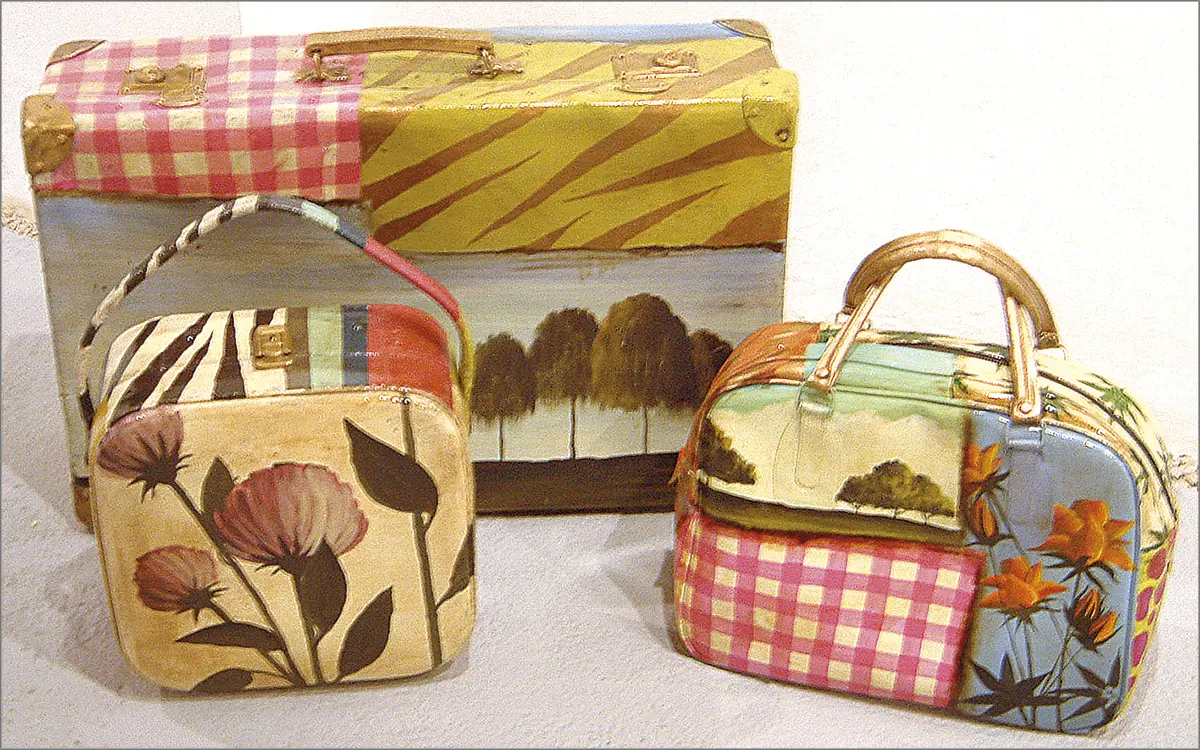
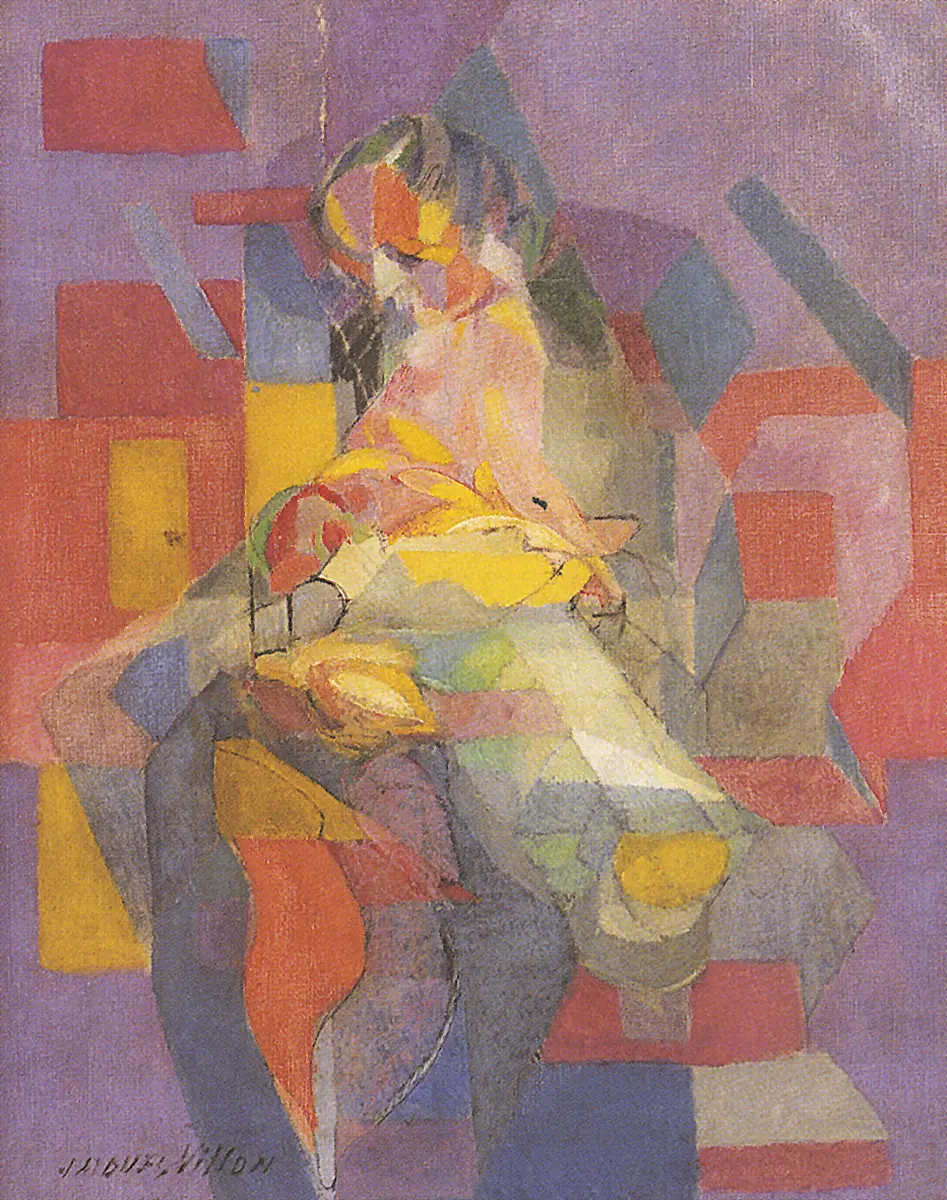
Regarding the solo shows, we saw safe and classic choices at the Marwan Hoss Gallery (Paris) which presented a homage to Louise Nevelson with two sculptures, collages, and magnificent drawings from 1932 to 1985. In addition, two one-man shows dedicated to French artists deserve particular attention. The Louis Carré et Cie Gallery (Paris) offered a long show of canvases by Jacques Villon (1875-1963), brother of Marcel Duchamp, constructed in the sweetness of acidulated colors. In a different vein, Jeanne Bucher (Paris) showed, like last year, works by Paul Rebeyrolle (1926) with tormented and terrible landscapes, true wars with nature in which pebbles, wood, and sand are mixed with painting. Other surprising solo shows—with confirmed artists—also stood out, such as that of Meret Oppenheim (1913-1985) and her crazy objects, like the beer mug with a squirrel-tail handle (Hamburg’s Lévy Gallery); Mimmo Rotella (1918) at Milan’s Zonca & Zonca, and the Belgian Panamarenko (1940) and his unidentified artifacts at Deweer (Otegem, Belgium).
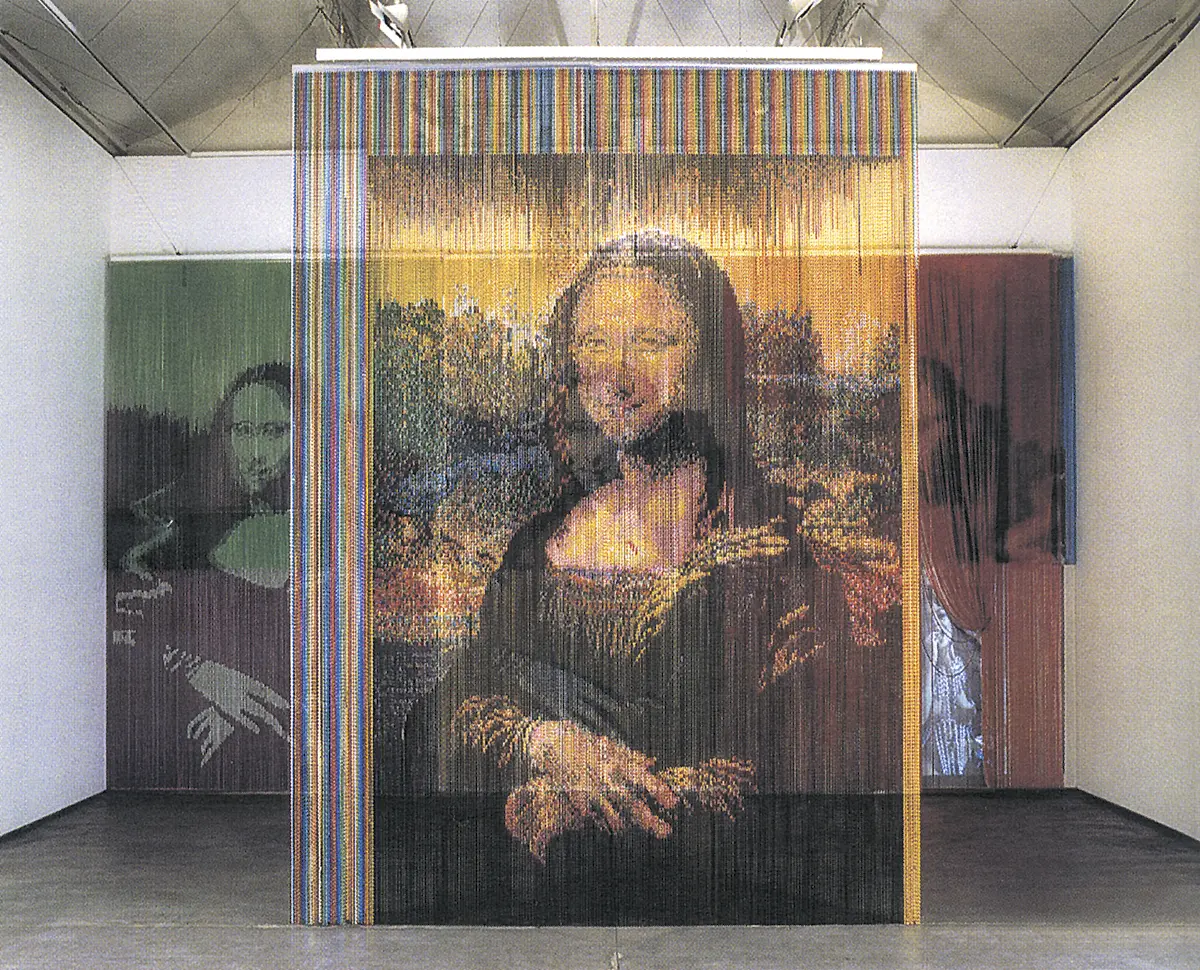
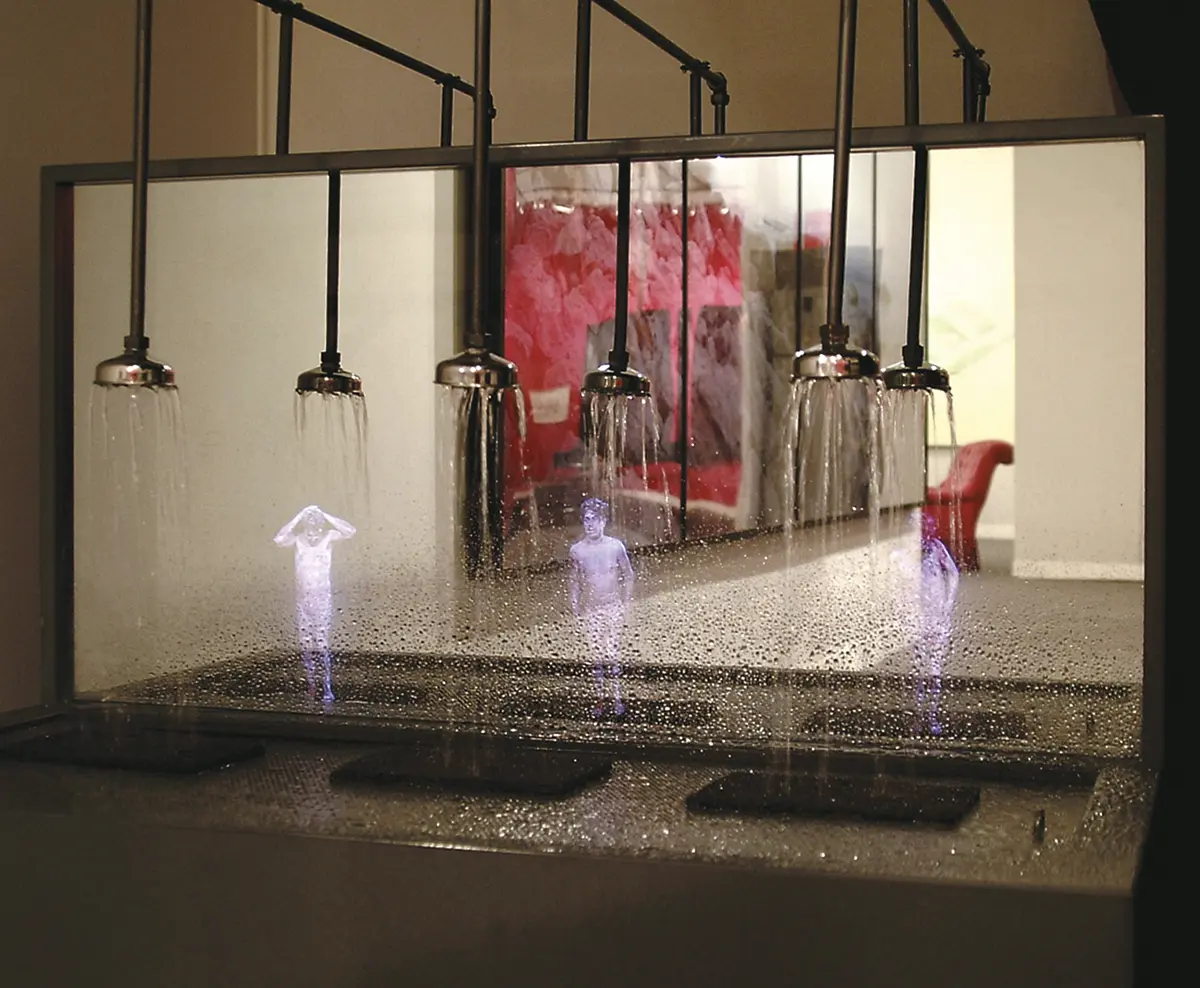
Two artists caught the public’s eye. U.S. artist Philippe Bradshaw at Thaddaeus Ropac (Paris), with a group of plastic paraphrases on the Mona Lisa, Hokusaï, and Pollock, in which the vertical suspension of small colored chains created a fabric for photography and video that turned the installation into a vibratory, kinetic, and virtual game with spectacular effects. The Rabouan-Moussion Gallery (Paris) also caused a sensation with the new video-holographic installations by French artist Pierrick Sorin (1960), whose satiric and derisory dimension of daily life treated as a repetitive and, as a consequence, humorous mechanics (of his own daily life, since he is the only character of his short stories) adds the quality of infinite renovation to a very inventive work. At the same time, the gallery presented photographs of the Ukrainian artist Oleg Kulik (1961).
Photography increasingly affirms its presence in diversity: Brazilian artist Vik Muniz at Xippas (Paris), Iranian artist Shirin Neshat at Mennour (Paris), and Barbara Kruger and Nan Goldin at Yvon Lambert (Paris), as well as the two galleries specializing in contemporary photography: Francoise Paviot (Paris), with a single solo show (one photo from each artist of the gallery), and Le Réverbère (Lyon), with a show about The human figure.
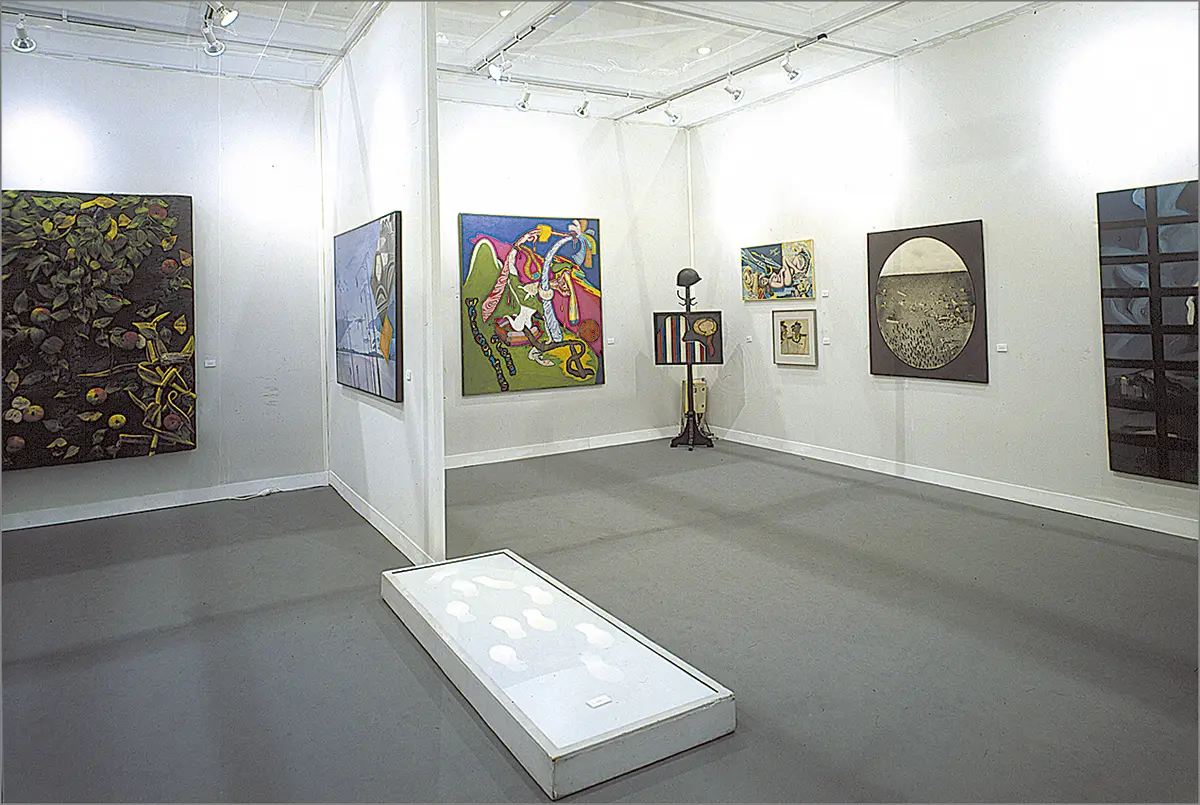
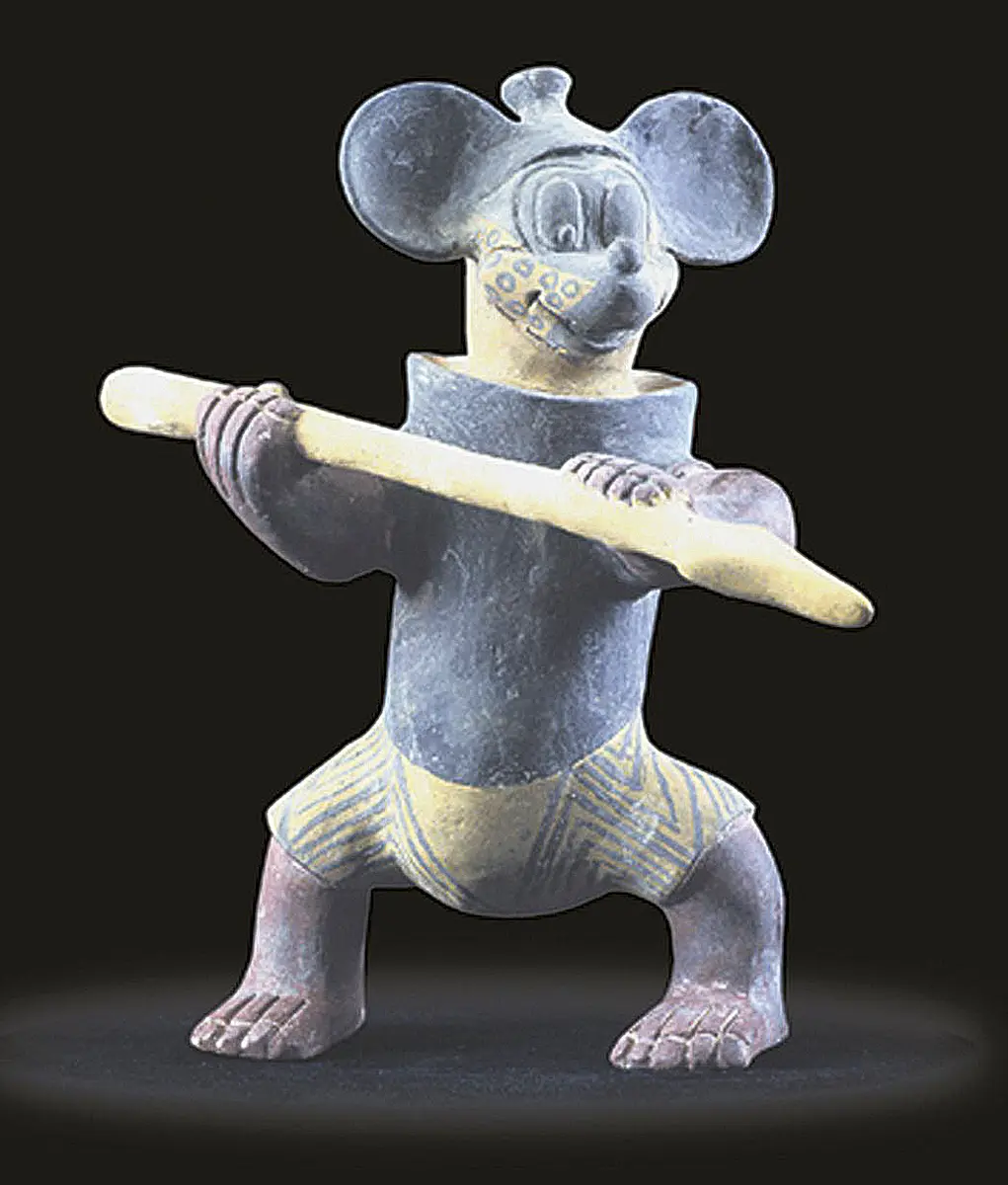
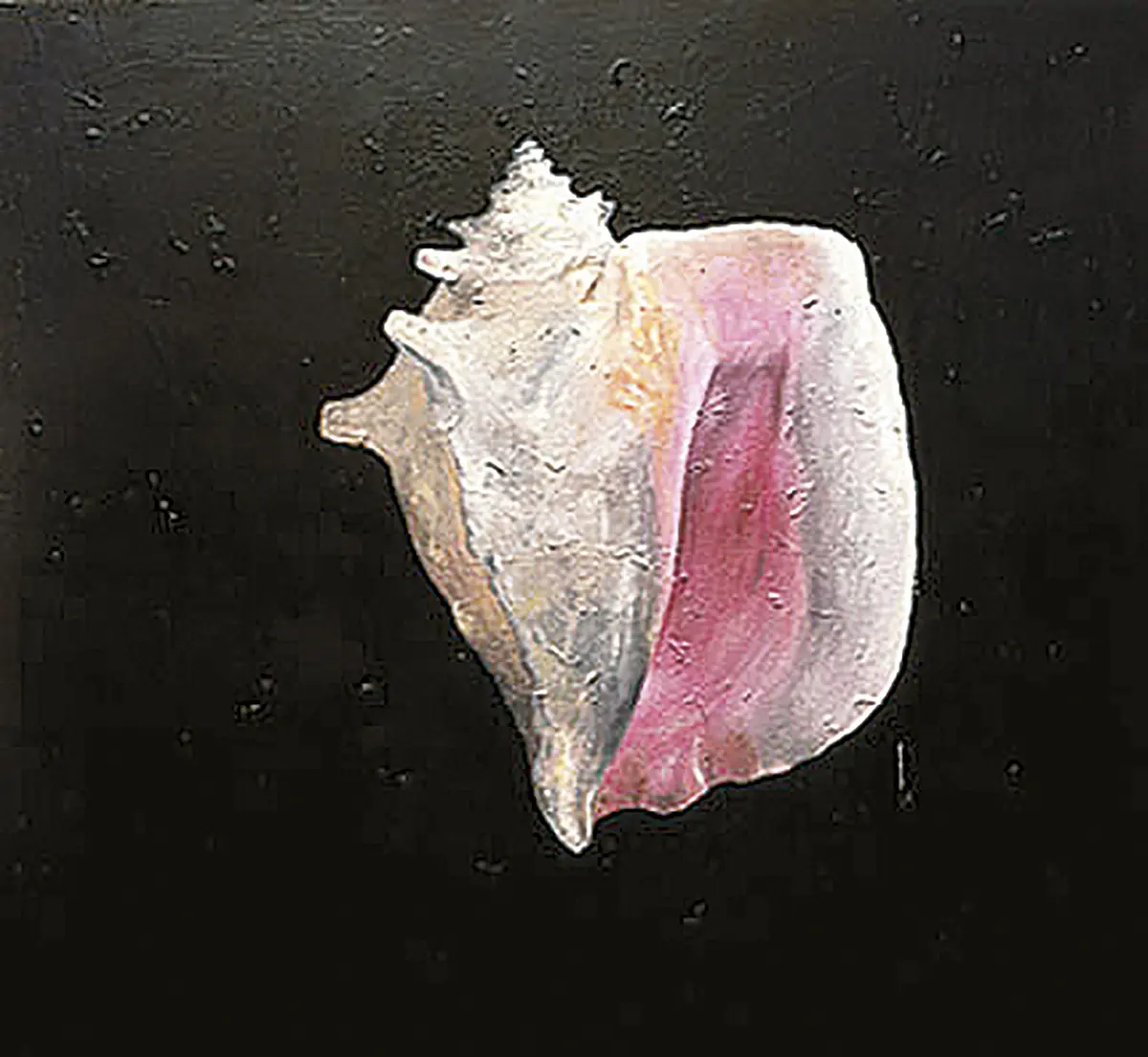
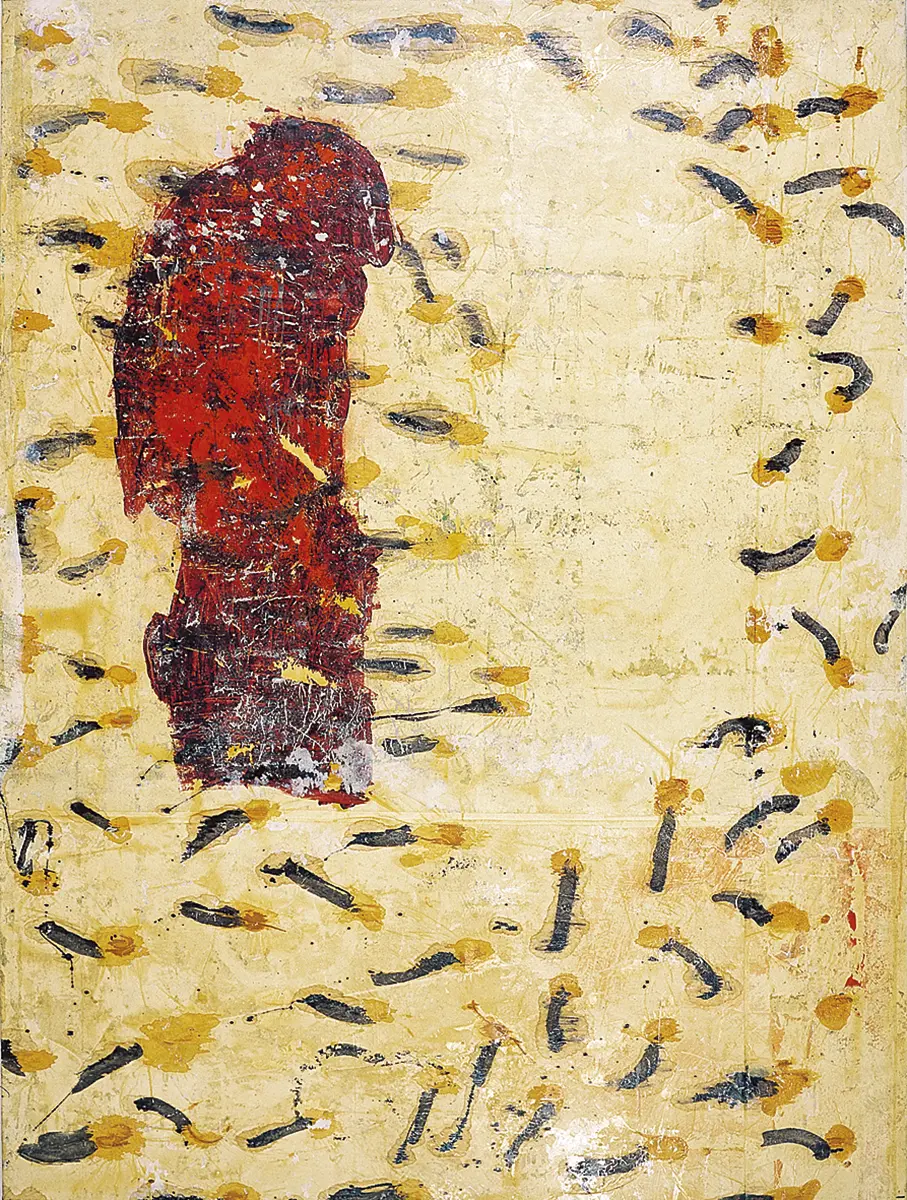
As for the Latin American presence in the solo shows, large formats are what stood out: new overflowing canvases by Antonio Seguí, at Claude Bernard (Paris), and serene and meditative landscapes by Cuban artist Tomás Sánchez, at the Marlborough Gallery in New York. At the El Museo Gallery in Bogotá, the variations (a bit repetitive) by Colombian artist Nadín Ospina, bring together Mickey, pre-Columbian art, and humor to the point of satiation. For its part, Nina Menocal (México) presented the work of Cuban photographer Manuel Piña, while Ramis Barquet (New York) selected beautiful paintings by another Cuban artist, Enrique Martínez Celaya, in an accrochage of great coherence.
We should also point out the Jean Boghici Gallery of Río de Janeiro, which presented the new figuration of the '60s with works of artists from Brazil and Europe. The Diana Lowenstein Gallery had a show of its artists, among which was Eduardo Hoffmann who, in turn, had a solo show at the Cultural Center of the Ville de Mans.
Also noteworthy is the Yvonamor Palix Gallery (Paris), which exhibited a quality collection (Aziz+Cucher, Orlan, Alicia Paz, Víctor Rodríguez, Ruth Gurvich, Pablo Reinoso, and Pep Guerrero) staged in a space of different colored walls, and organized with much discernment.
The Video Cube was the great novelty of FIAC 2001: a space dedicated entirely to video art. Divided into fifteen modules, the Video Cube, measuring 5,380 square feet, received video works dealing with gallery proposals, and was selected by a panel of collectors and experts; eight artists, and works on sale. Video is a genre that occupies increasingly more space in large contemporary art shows (the last Venice Biennial showed nearly one hundred fifty videos, gathered in the Arsenal). However, market recognition formulates for video the crucial question about the statute of the object, just as happened a few years ago with photography. Is video an artistic object? The ease with which it is reproduced brings in its wake a series of unknowns concerning the author's rights, and the copyright, from the notion of the first recording to the problem of unlimited reproduction. The BVD (bureau des vidéo), created in 1995 by Nicolas Tremblay and Stéphanie Moisdon-Tremblay, seeks to tackle these problems and these questions. The BVD sells videos by Pipilotti Rist, Thomas Hirschhorn, Carsten Holler, Claude Closky, Sylvie Fleury, and others, at moderate prices (around $30). And at the core of this business, all the contradictions stirred up by the moribund myth of the unique work of art.
CHRISTINE FRÉROT
Art historian and critic whose work involves both research and teaching. École des Hautes Études en Sciences Sociales, Paris.