
Beyond Preconceptions: The Sixties Experiment is one of those curatorial experiences that impetuously transcend their original goals (to present a show of Sixties art) and generate a sort of dialectic interplay, wherein the very idea of displaying past art in the present becomes a subject for reflection. The terms in which this sharp historical articulation is presented follow two clear lines. On the one hand, the show's idea is not to strictly identify a period in Twentieth Century art History (as the title would seem to suggest), but a spirit, a germinal, foundational element of a break with Modernism in the visual arts. On the other hand, there is an even more particular kind of provocation in this curatorial decision: The show makes evident the geopolitical asymmetries that cause (in different but simultaneous situations) the emergence of a new artistic sensibility capable of responding to the practical and theoretical crumbling of the Modernist project.
Curator Milena Kalinovska, working in a New York City Independent Curators International, created a list of authors and works from four regions. Despite their many differences, these regions have (as Kalinovska writes in the show's catalog) "something fundamental in common." In the artist's case, it was the intention of discovering the new in its radical emergence, and not through theoretical formulations centered around the history of art. As Beyond Preconceptions well indicates, such an intention translates into a break with traditional supports and a revolution in insertion strategies for the artist in the marketplace —and in society. Two processes can be discerned, both of them still ongoing and still indebted to the conceptual imagination, as well as to a whole series of social transformations. Among the latter, May 1968 is a significant point of reference, as a vortex from which Leftist ideological dogmatism, already demystified by the bankruptcy of Communism, was brought into question. Similarly, the curators attempted to illuminate the efficacy of their method as they were employing it; that is, they sought to not only illustrate a previously articulated concept with a number of artworks but to let the latter's juxtaposition reveal the ideas behind the curatorial choices. This method is, perhaps, derived from dialectic principles that could be defined as the attempt to "unveil phenomena and to find the contradictions ultimately behind them" (Fredric Jameson). The forces of Beyond Preconceptions converge on this metacritical register, in the selection of artists as well as in the selection of the represented regions.
The geographical axis focuses on two regions of the Americas — the northern (USA and Canada) and southern (Brazil and Argentina) regions — and two regions of Europe — the eastern (Poland, Czech Republic, the former Yugoslavia, the former Soviet Union) and the western (Germany, England, Belgium, Italy) regions—.
The artists are Lawrence Weiner, Bruce Nauman, Sol Lewitt, Eva Hesse, Betty Goodwin; Cildo Meireles, Lygia Clark, Hélio Oiticica, Ana María Maiolino, Víctor Grippo; Edward Krasinski, Jiri Kolár, Karel Malich, Dimitrije Mangelos, Ilya Kabakov; Joseph Beuys, Hanne Darboven, John Latham, Marcel Broodthaers, Piero Manzoni. The show also includes Japanese artist On Kawara, identified with the New York scene since the 1960s. From being a historical show to which a number of new interests are added, Kalinovska's curatorial expression ends up achieving a certain political synthesis, in the dialog as much about the period's art as about our own contemporary idea of what that art is.
From a global perspective, it bears wondering about the absence of Asia and Africa in this selection, since similar initiatives in the detection of the emergence of postmodern art in the 1960s were already carried out in shows such as Global Conceptualism (Queens Museum of Art, 1999). The answer, however, can be justified in its own terms. The relationships that the curator must stimulate are resolved in the selected geopolitical ambits since they represent regions with strong ties of proximity/alterity. Kalinovska undertakes an approach to these issues after extensive work as an independent curator, always interested in the arts of exile and of the so-called periphery. Her trajectory began in the 1980s, after contacts in London with British critic Guy Brett —versed in South American art— and then with her own knowledge of East European art (Kalinovska is of Czech origin). It is not, then, a kind of approach that would privilege the encyclopedic; these artists and regions are already linked to the curator's own work.
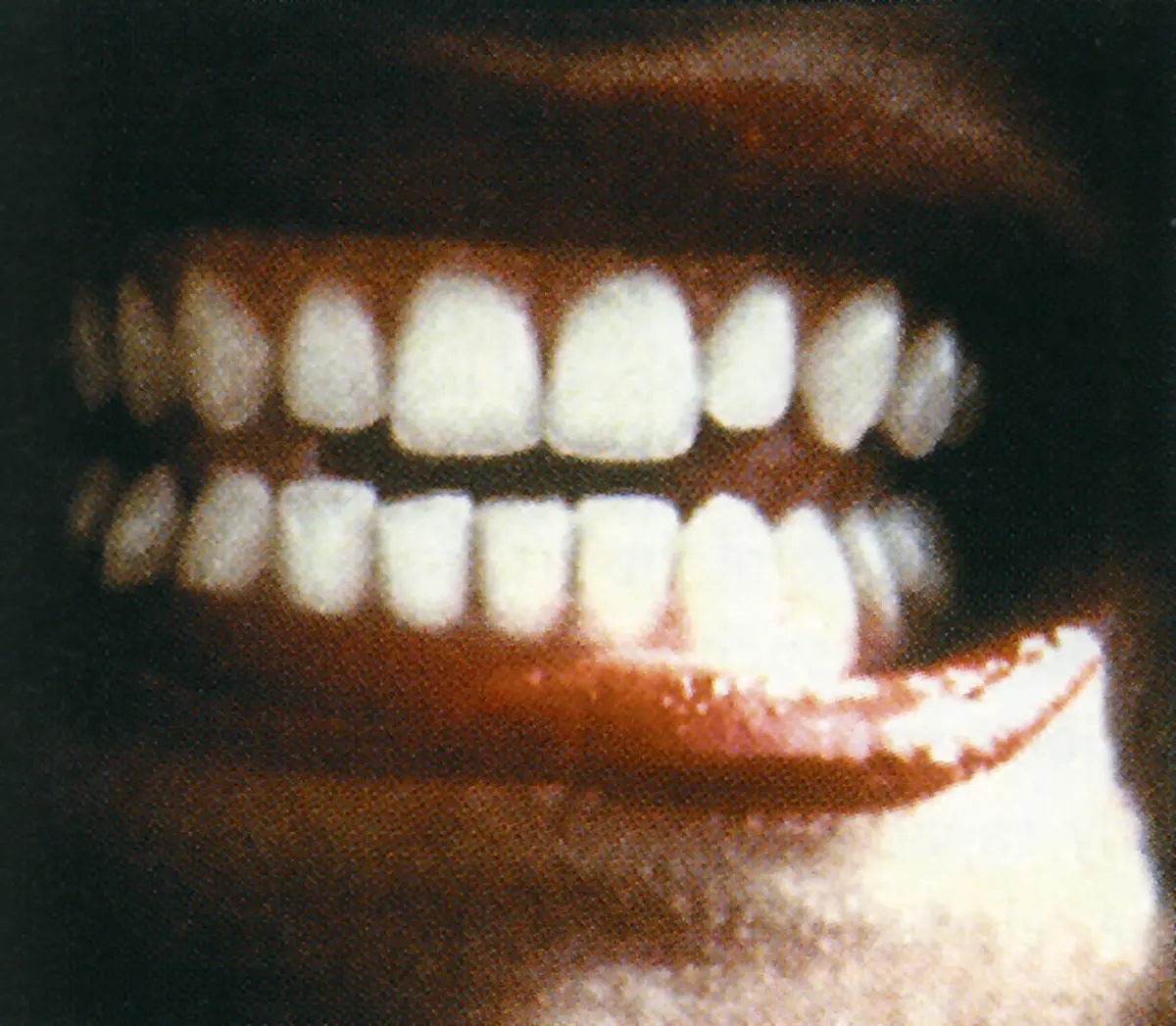
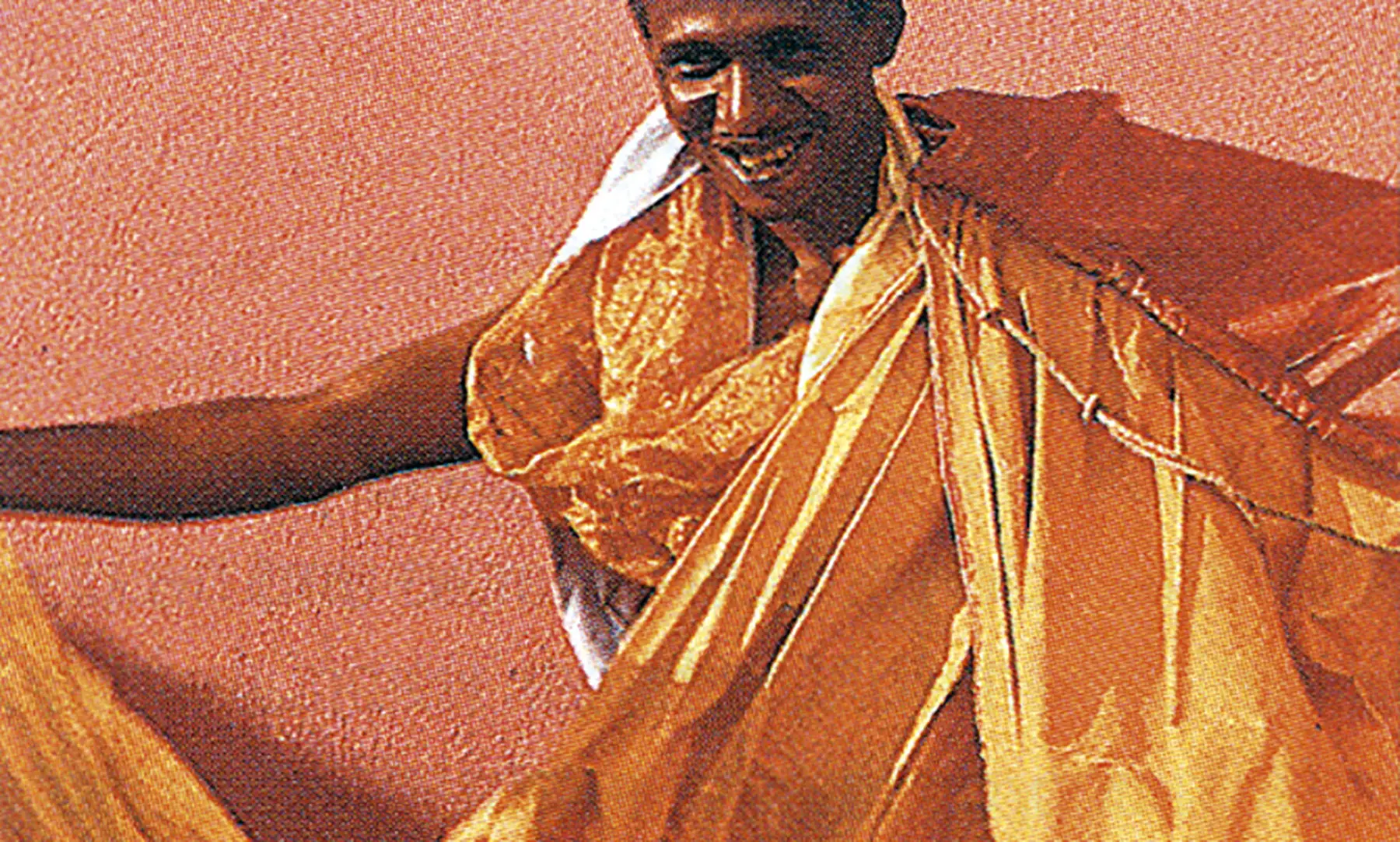
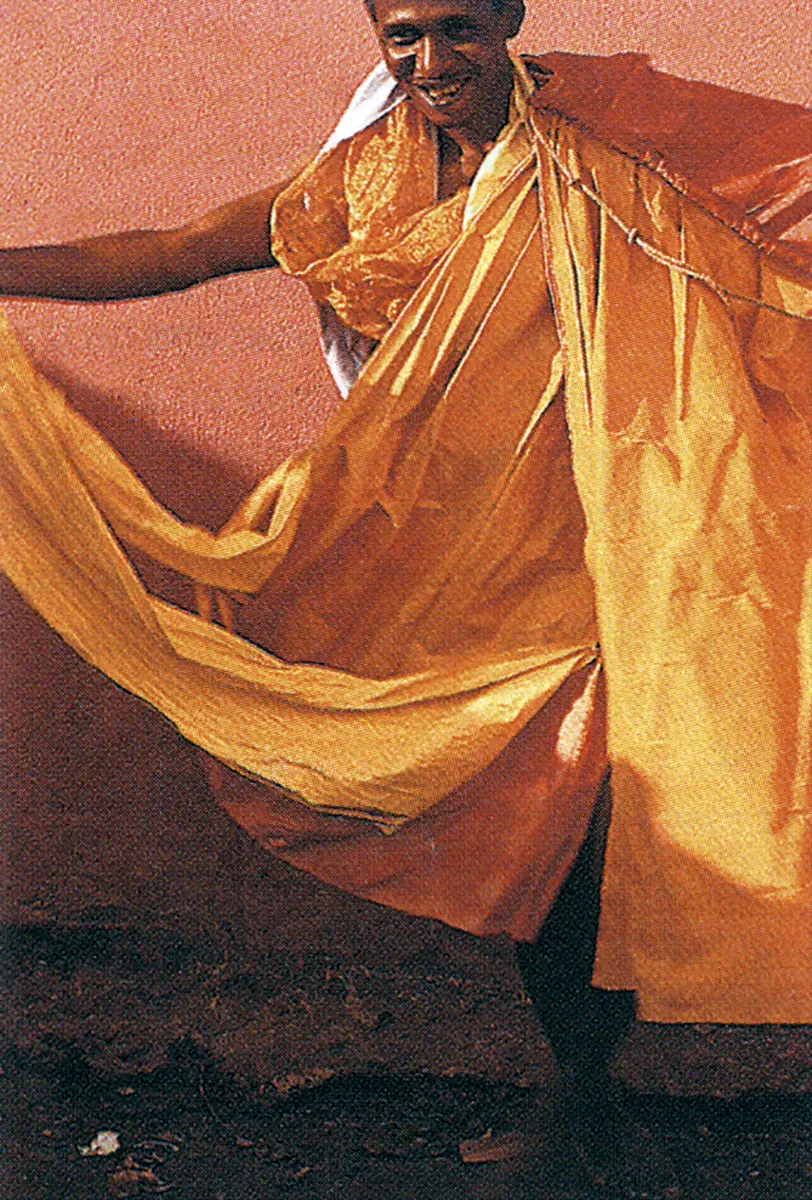
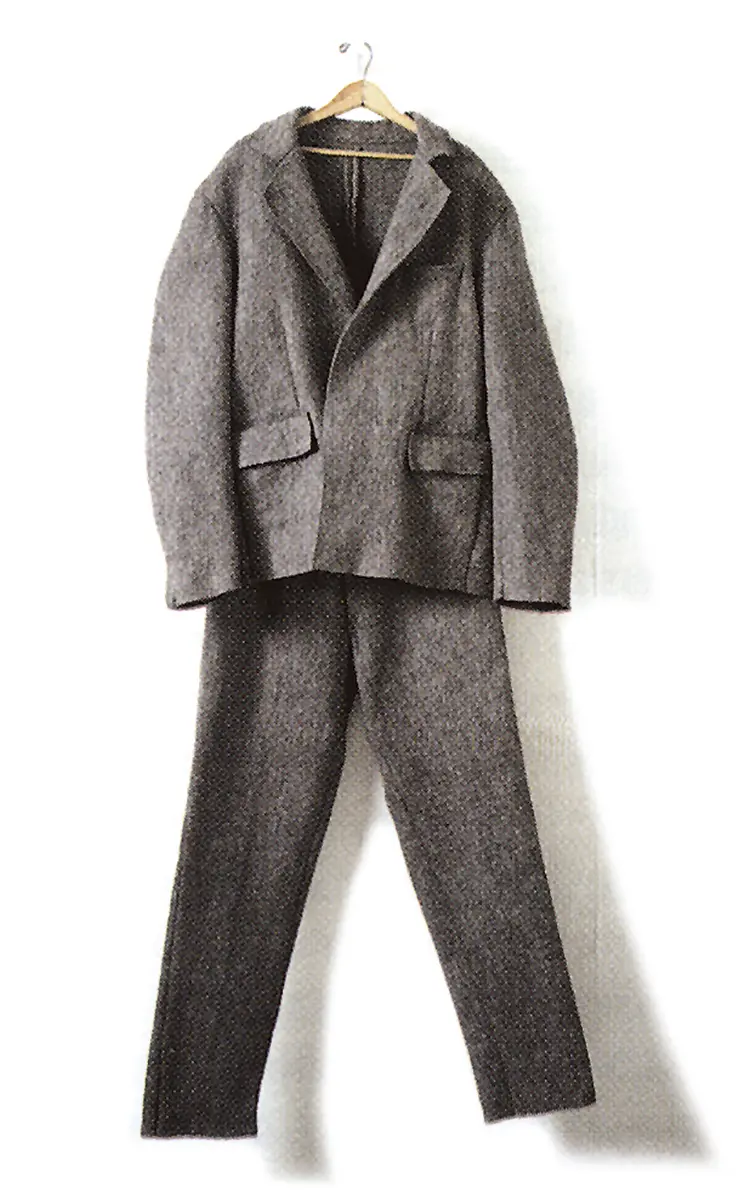
The show's arrangement, with artists from different regions intermixing with one another, achieves more in the way of semantic connotation than of actual approaches, as in the juxtaposition of Hélio Oiticica's Parangolés (1964) and Joseph Beuys's Saco de fieltro (Felt Sac) (1970). These works are the result of two different struggles: class differences in Brazil, and the Second World War in Europe. They are two almost diverging articulations of wearable art, in which the material contrast emphasizes differences: in one case, it is a matter of lightness, reached through the presence of color as sensation; in the other case, the point is the lugubrious and the somber, emphasized by the density of the materials. In Beuys's work, individual experience has almost mystical connotations: the artist finds an answer to the emptiness created by the trauma of representation of the death impulse in the creation of art, as a social process for the liberation of the individual. In Oiticica, in turn, the constructivist spirit finds, in a possible reconciliation of culture in society, the motive for the common individual's active participation in the expressive process in its widest sense —a sense from which the individual is alienated—, but which would not exist without him of her. In both works, there is a sense of innovation in the duration of artistic experience.
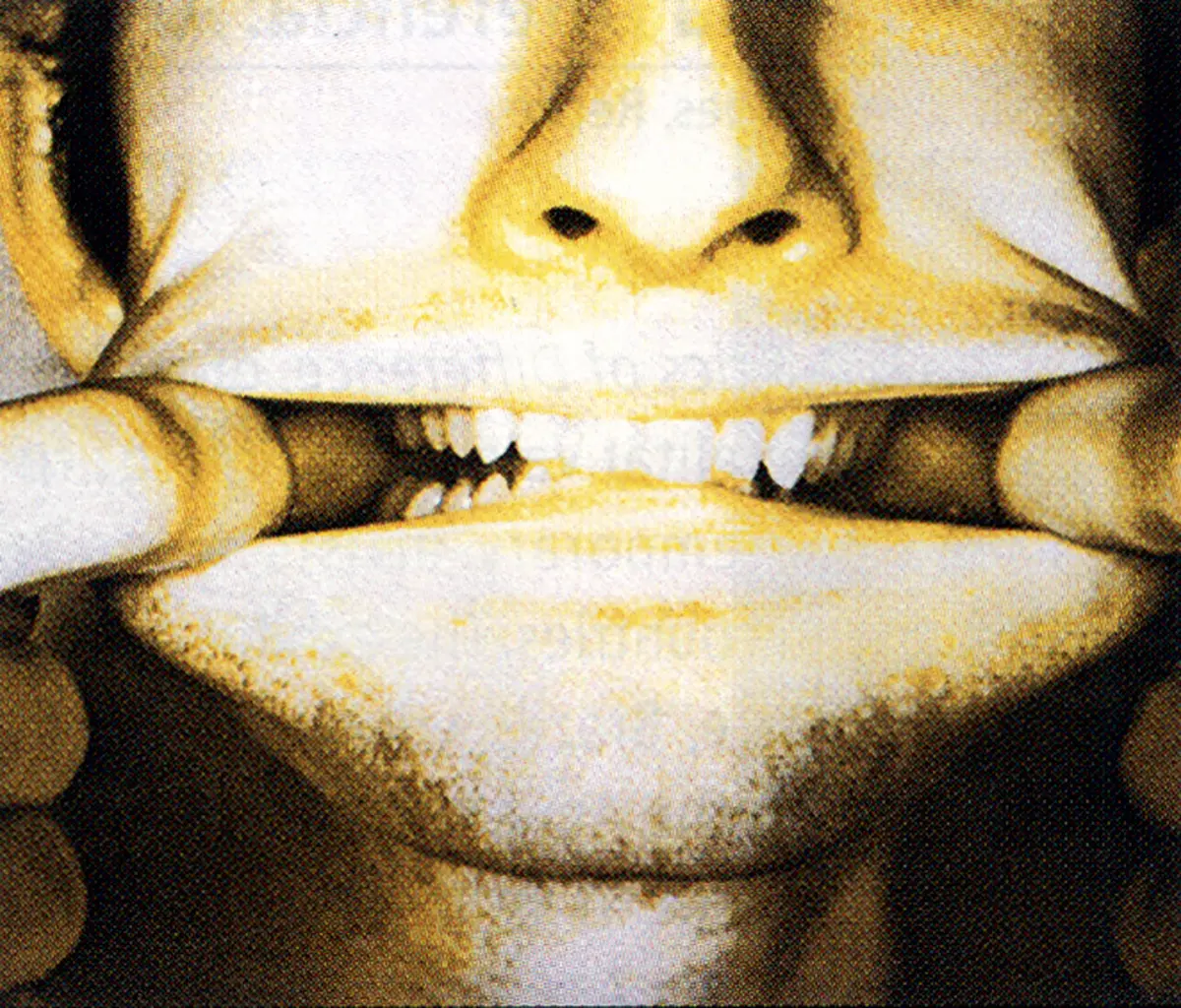
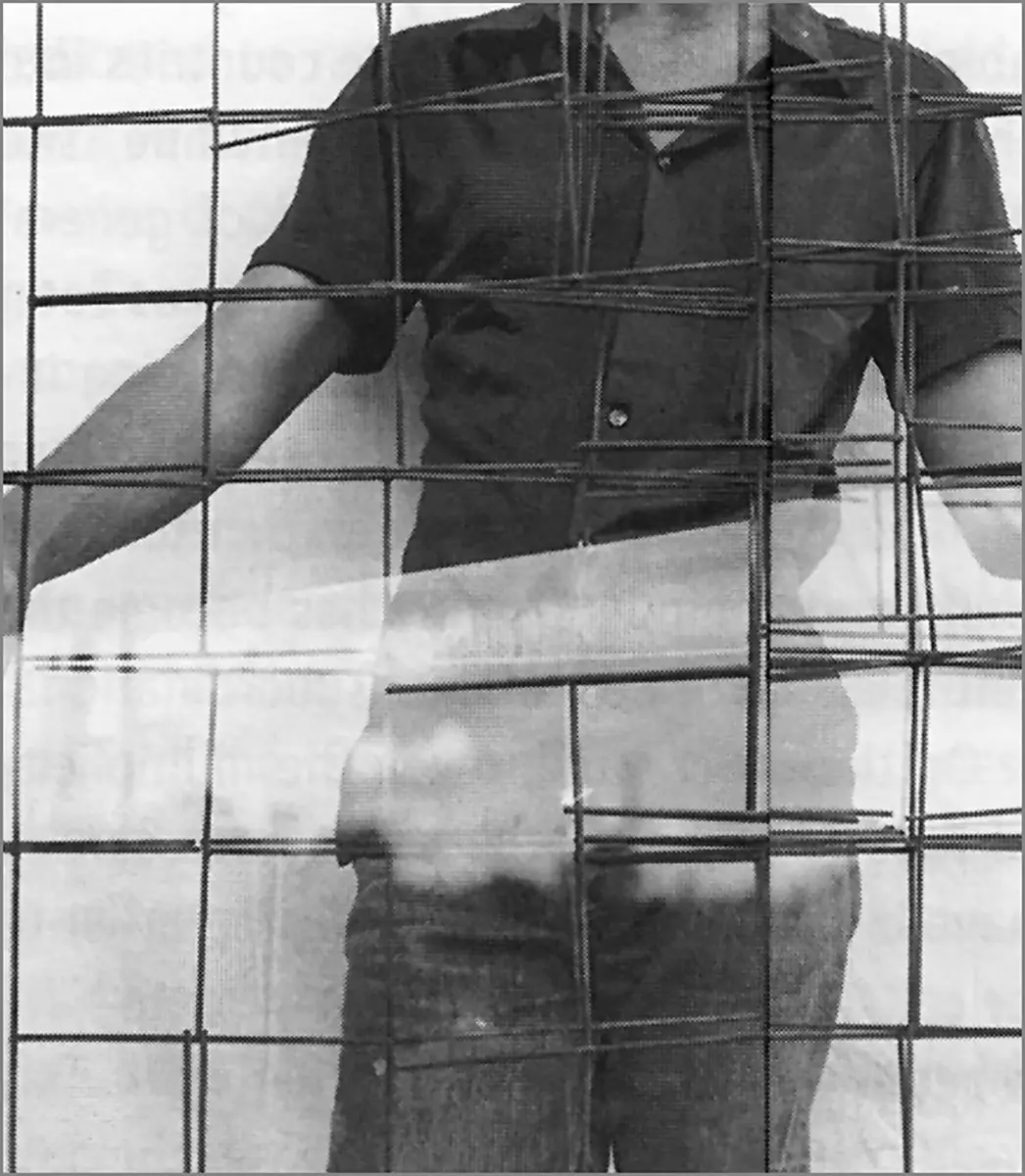
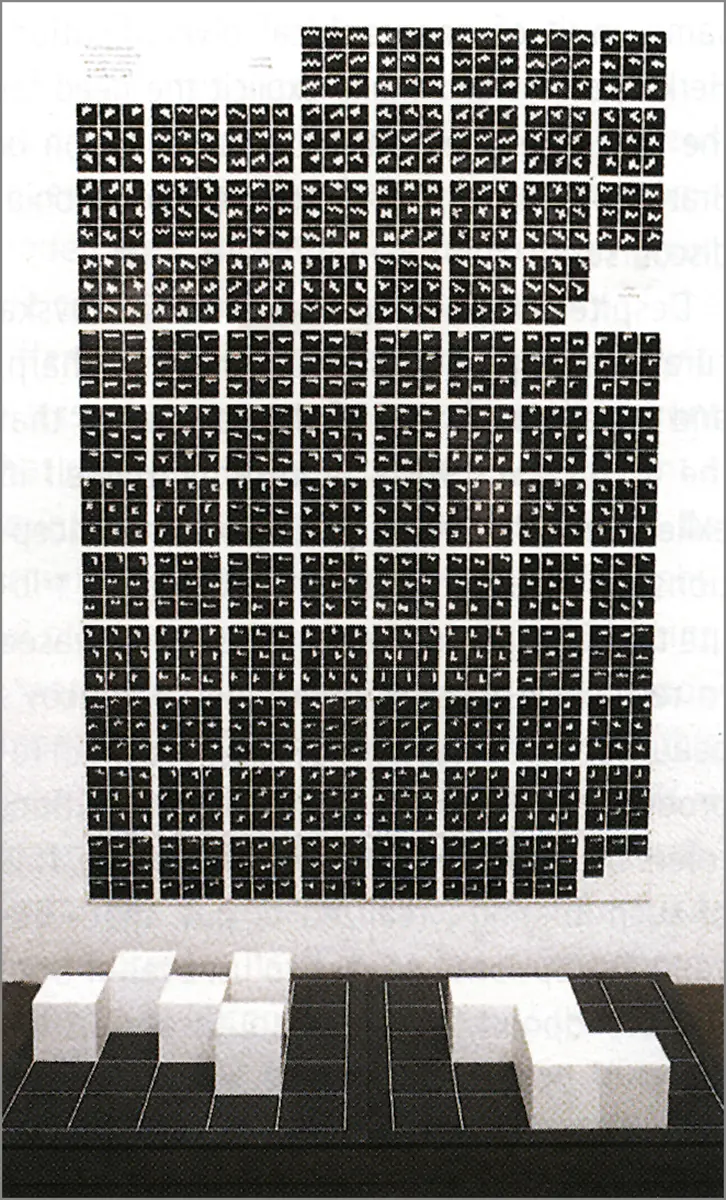
Similar articulations, where the dialectic interplay deepens in the clash of asymmetrical visions, are present as well in the different relationships generated by the appropriation of the geometric grid in Sol Lewitt and Cildo Meireles (with works such as Malhas da Liberdade/Meshes of Freedom/Mallas de Libertad, 1976); the thematic renewal of the body (no longer the classical synonym of alterity and ideality, but the artist's body assuming the center of representation) in Ana Maria Maiolino's 1973 film In/Out (Antropofagia), which dialogs with Bruce Nauman's Studies for Holograms (1970); the possibilities of absence in Lawrence Weiner's verbal sculptures and Mangelos's fictional alphabet. Different choices emphasize this conjugation of visions, thus bringing various poetics from distance to proximity, it being one of the show's conditions to visit countries on which it focuses, extending its geopolitical reach in an itinerary that includes Warsaw, Buenos Aires, Rio de Janeiro, and São Paulo.
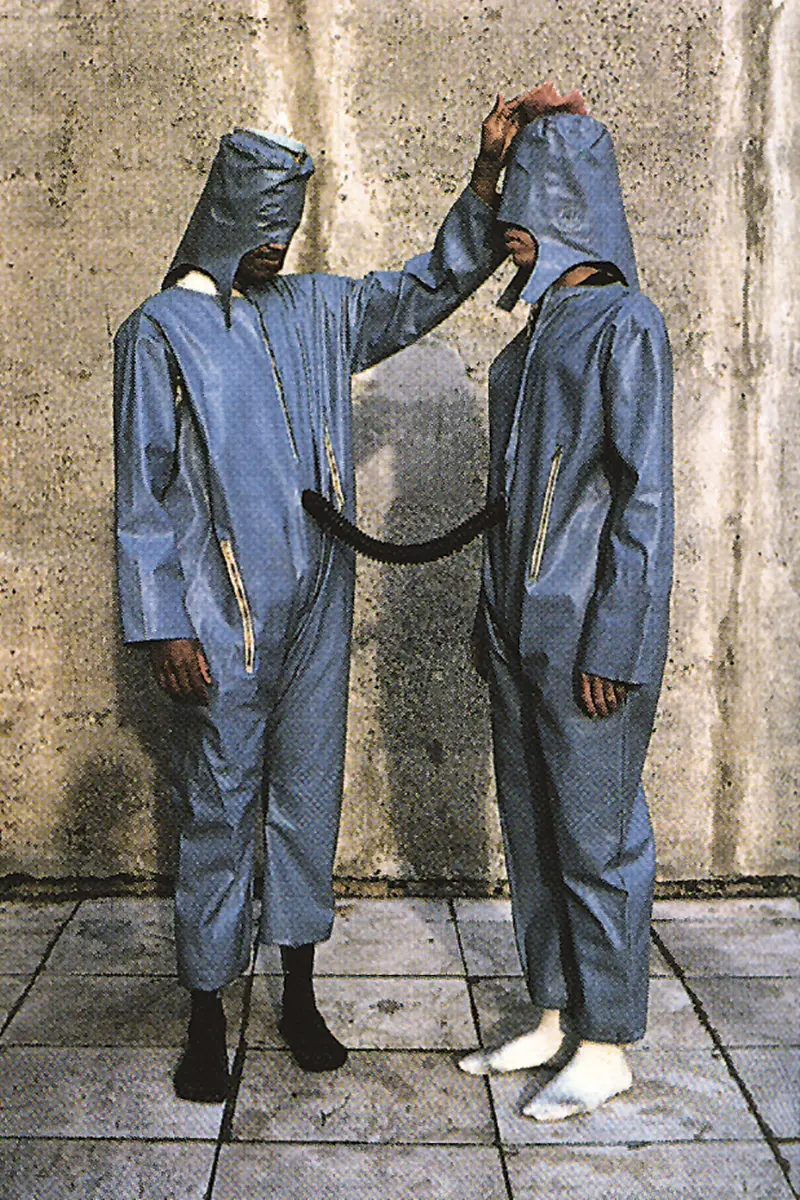
In the case of Brazil, the vision is certainly not definitive, but it is definitively just. Hélio Oiticica (1937-1980) and Lygia Clark (1921-1988), along with critic Mario Pedrosa, were main figures in a 1960's process of renewal of local production based on a libertarian version of constructivism, promoted by neocentrism. This contribution, supported by institutional activities by curators such as Catherine David and Guy Brett, has been acknowledged more than a decade ago in the international scene. Unfortunately, the curators of Beyond Preconceptions didn't find in these artists' estates the same goodwill as other shows (for instance, their most recent retrospectives), and their poetics suffered from the absence of a good number of representative works. The impossibility of interacting with the Parangolés or with Clark's El yo y el tú y los otros (I and You and the Others) diminishes the enjoyment of these pieces signaling a real exhibition problem. Do we live off adversity? Maybe.
Pedrosa, who was a key player in this period of Brazilian history, appears in the show's concept as a large shadow whose voice can be heard in a prophetic quotation from a 1966 article where the critic identifies a "postmodern art"; this quotation is made by Paulo Herkenhoff, an important presence in the show's catalog. Herkenhoff is one of the essayists invited to give their views, along with Kalinovska, Michael Newman, Jiri Sevcik, Jana Sevcikova, and Lawrence R. Rinder. In a context where critical contributions to the catalog maintain the show's same spirit of geographical diversification, Herkenhoff's views make explicit the need for the foreign element in the comprehension of Brazilian art as such, in a decidedly postcolonial discourse.
Despite some absences, Malina Kalinovska's curatorial approach is innovative and sharp, and it tells a history of the revolution that the art of the 1960s represents. Herself in exile from her country, in Beyond Preconceptions the curator presents, above all, a tribute to the men and women who never ceased to resist and seek liberty. Ilya Kabakov's beautiful Flying Kamarov (1972), shown in reproduction as a closing for the exhibition, refers us to art as an element of passage. It is of such longings, realized or not, that Beyond Preconceptions speaks to us. Even if from this standpoint, from the south and in the midst of postliberal anomie, what's "here" and what's "there" is not all that easy to tell.
RODRIGO MOURA