

The VII Salón de Arte Bancomer, titled Tendencias, took place at the Museo de Arte Moderno (MAM) in Mexico City. This year marked a greater visibility for the Salon, as it was the first time that it was presented in a museum. Apart from the new venue, the Salon was also the first since Bancomer merged with the Banco Bilbao Vizcaya earlier in 2001. However, its primary goals remain the same: to promote contemporary art and reach out to a new generation of collectors, thereby, according to Grupo Financiero BBVA Bancomer president Ricardo Guajardo Touché, "stimulating the production and consumption of art."
Tendencias was curated by Olivier Debroise, Luz María Sepúlveda, and Luis-Martín Lozano. Prominently displayed in the Sala Fernando Gamboa, a separate building of the MAM, the exhibition stands apart from the permanent collection. It is a handsome, though eclectic selection, consisting of traditional mediums such as painting, sculpture, and photography, as well as more contemporary genres, including video, object art, multimedia works, and installation. Thirty-seven artists of varying trajectories are featured, about half of which were born after 1965.
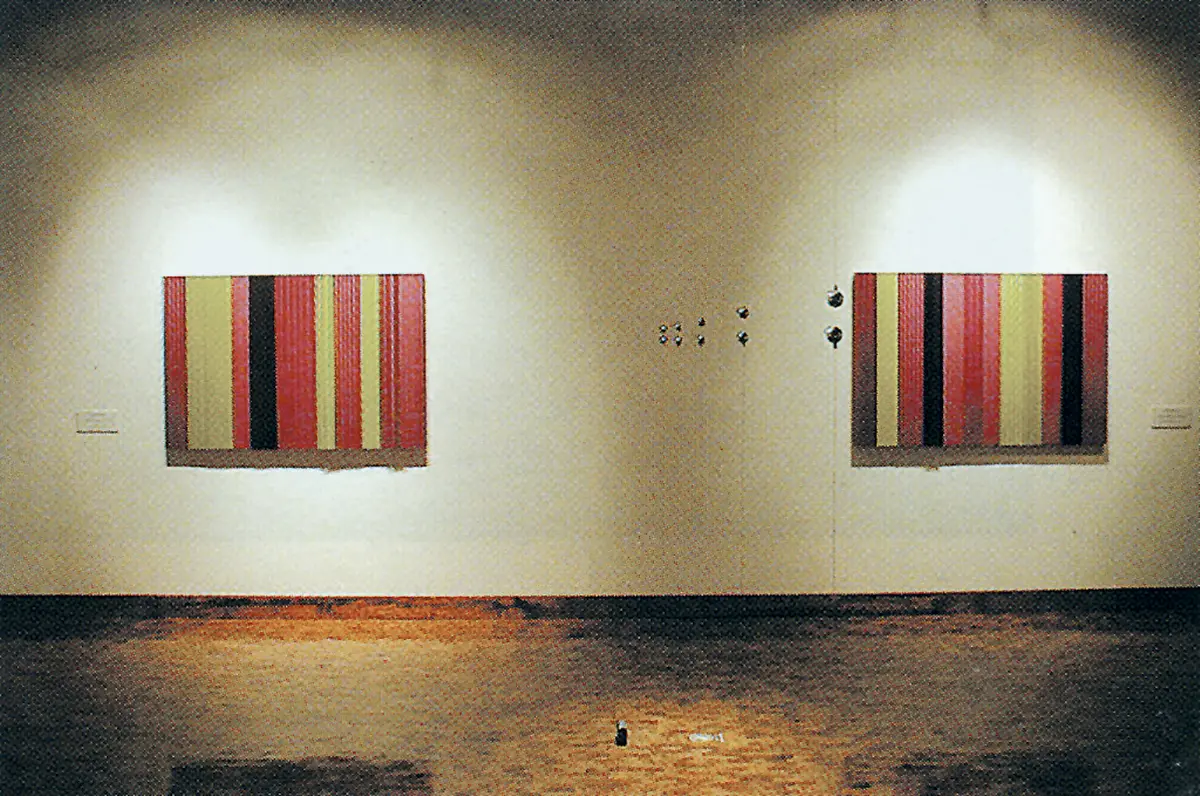
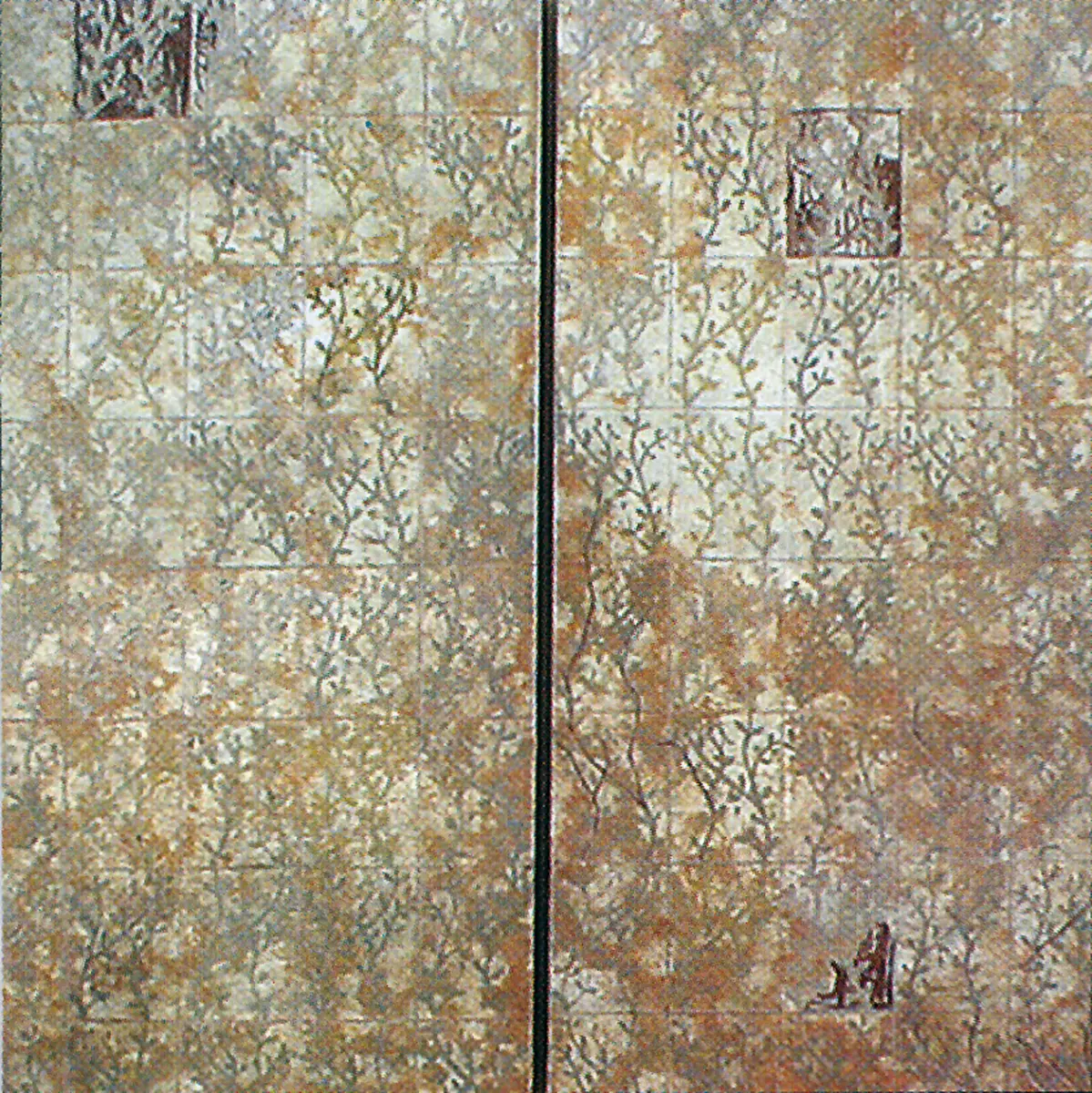
In contrast to previous Salons, Tendencias shows a greater willingness to embrace more contemporary artistic languages. Still, paintings make up about one-third of the works on view, though their styles widely differ, ranging from the abstract modernist work of Teresa Velázquez to the Pop-influenced creations of Fabian Ugalde and Edgar Orlaineta, to the hyperrealism of Víctor Rodríguez, and the postmodern inflections in the paintings of Marco Arce. Noteworthy paintings include those that explore repetition and seriality, such as Melanie Smith's irregular grid painting Skywalker Núm. 3, or the diptych Enredadera by Franco Manterola, which juxtaposes the organic to a rigid grid format. Given the strong emphasis on painting, the satirical work of Franco Aceves loses some of its irony. He exhibits a round black painting with three silhouettes in the middle accompanied by the caption, "Curators disconcerted before the inconceivable: an exhibition of painting in the XXI century."
Photography is also given pride of place in Tendencias. Three of the artists exhibit work that engages with the landscape of Mexico City in ways that could not be more different. Pía Elizondo's black and white images from the series Periférico depict the urban landscape in shadows and movement, giving the city a ghostly, otherworldly feel. Alejandra Echeverría's photographic re-constructions subvert the tradition of urban straight photography as well as the photograph's duplicability by creating unique objects from superimposed images set in the streets of Mexico City. Laura Cohen's stunning black and white image Cada cabeza es un mundo (Each Head is a World) uses the Torre Latinoamericana, the country's first skyscraper and an icon of Mexico City, as a backdrop for a sophisticated study in lines and forms. Also noteworthy are the three-dimensional images of Adriana Catalayud (3-D glasses were provided in the museum and are included in the exhibition catalog), which recall nineteenth-century experiments with optics and question assumptions about perspective. Through a humorous interplay of text and image in the series Monsters and Gurus, Rubén Gutiérrez explores the possibilities of digital photography and meditates on issues surrounding mass media.
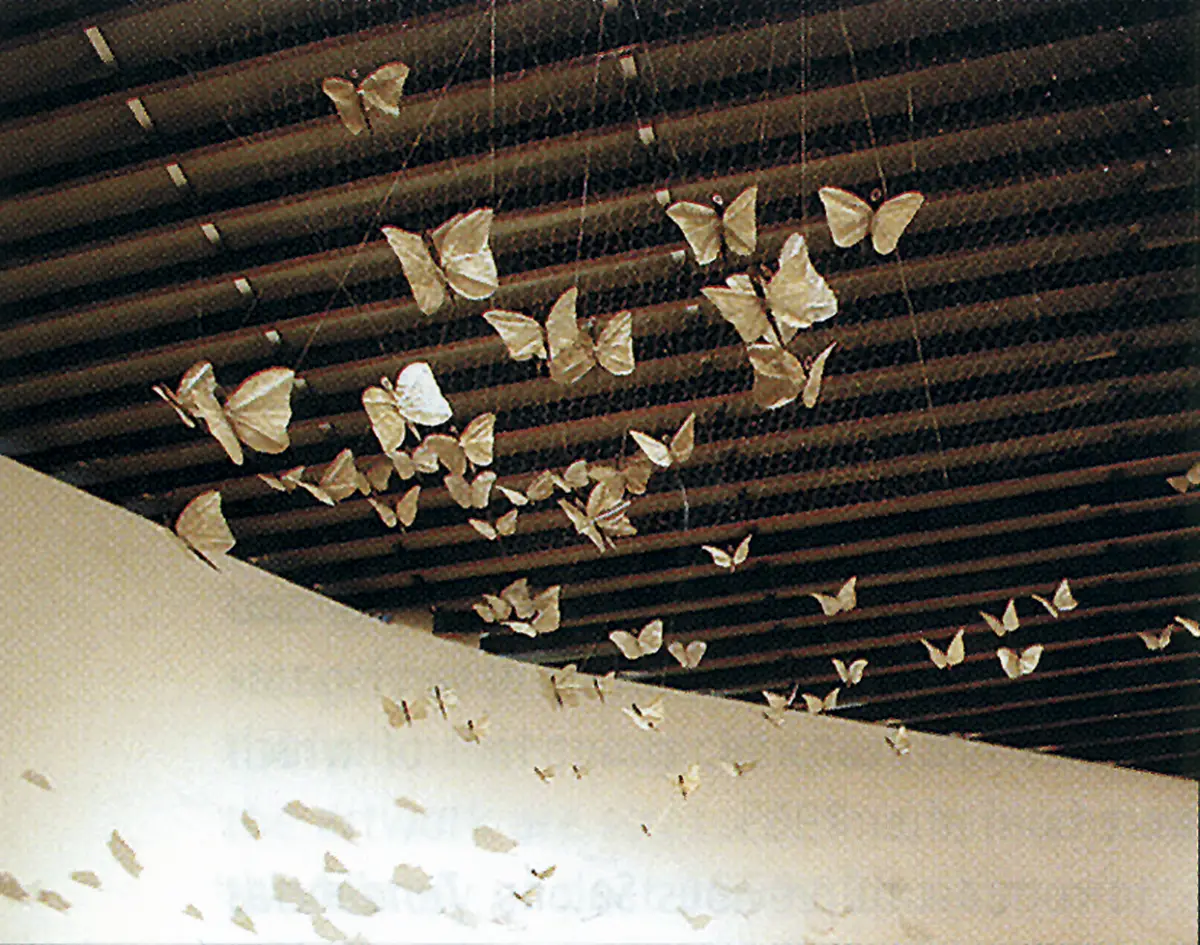
Although sculpture and installation art are represented to a lesser degree, there are some striking pieces in the exhibition. Luciano Matus' untitled installation made from attracting magnets is a paragon of simplicity. Within the context of the exhibition, it is a self-effacing piece, tending to disappear into the larger space but as soon as the installation captures the viewer's attention it has a hypnotic effect. Thomas Glassford's aluminum reliefs are more demanding, drawing one's gaze through their lush colors and glossy surfaces. Their simple geometry belies their complex appeal. Finally, Yolanda Gutiérrez presents a memorable installation titled De noche un viento frío las trajo (At Night, A Cold Wind Brought Them), which consists of 160 "butterflies" made from dead leaves and thorns from the maguey plant. Ethereally, they hang from the ceiling, casting delicate shadows, a testament to beauty and fragility.
Tendencias stirred some controversy in Mexico City over the ethics of mounting a commercial show in a museum space. Whatever its intentions, the Salon succeeded in attracting numerous visitors to the MAM and featured some works that definitely could be considered "museum-quality."
TATIANA FLORES