
Once again, artists, critics, gallery owners, the general public, and a few collectors have gone to ARCO. If the last edition, dedicated to the celebration of the twentieth anniversary of the fair, was characterized by immoderation, this year just the opposite occurred: with a new and controversial spatial formulation, ARCO 2002 was moderate in all respects.
The architectonic reformulation of the fair played a lead role in the public and private commentaries regarding this event. Taking advantage of the fact that this year ARCO moved to pavilions 7 and 9—the latter barely finished—the organization put the project of the fair's ephemeral architecture into the hands of architect Vicente Salvador and artist Ximo Lizama. As indicated by this team, it was a question of "generating a micro-universe in which the accumulation of works of art does not become an overwhelming saturation, but rather a delight," that is, of giving the fair a museum quality. The results received unequal acceptance: it is clear that the move to Pavilion 9, practically twice as large as the previous Pavilion 5, already represented a step forward in terms of space. In addition to this, clear improvements were executed, such as the expansion and design of the rest areas, and the two pavilions were connected both in front and back. The result was a clearer integration between the gallery section and the Project Rooms," which for the first time did not look like a row of shoe boxes lost behind everything else. Pavilion 7 also demarcated more clearly the section devoted to the invited country, in this case, Australia.
The general result of the spatial restructuring was a "museumification" of the fair: as is the tradition at ARCO, the quality of the montage was impeccable, the stands looked soothing, the distribution and arrangement of the pieces were cleaner, and even the pieces that formed part of the program "Open Spaces" (public art) were more tightly integrated into the fair area than last year, and some of them (Mehr Licht by Chema Alvargonzáles and Malleefowl Nest 9 by James Darling, for example) even took advantage of their location inside the gigantic spatial dimensions. The problem is that a fair is not a museum or a contemporary art center, and what proved favorable for the public's visit was not necessarily beneficial for the commercial side of the event.
Thus, not all the solutions proposed were successful. One of the most controversial was the creation in both pavilions of an enormous central hallway that logically became a sort of privileged avenue in which—coincidentally?—we found the galleries most closely tied to the fair's organization or enjoying the greatest power within the Spanish art world, while the rest of the hallways really did not have much space. One gallery owner, quoted in the newspaper, even referred to the unequal spatial distribution as "the grand boulevards and Chinatown." Another decision strongly questioned was that of creating an isolated space for the publications and bookstores. Although these stands were located at the strategic intersection between the two pavilions, the enormous walls of light that concealed them hindered the more constant flow of the crowd toward the stands, thus considerably reducing the visitors to that section. On account of their size, pavilions 7 and 9 turned into parallel worlds between which there was hardly any interaction.
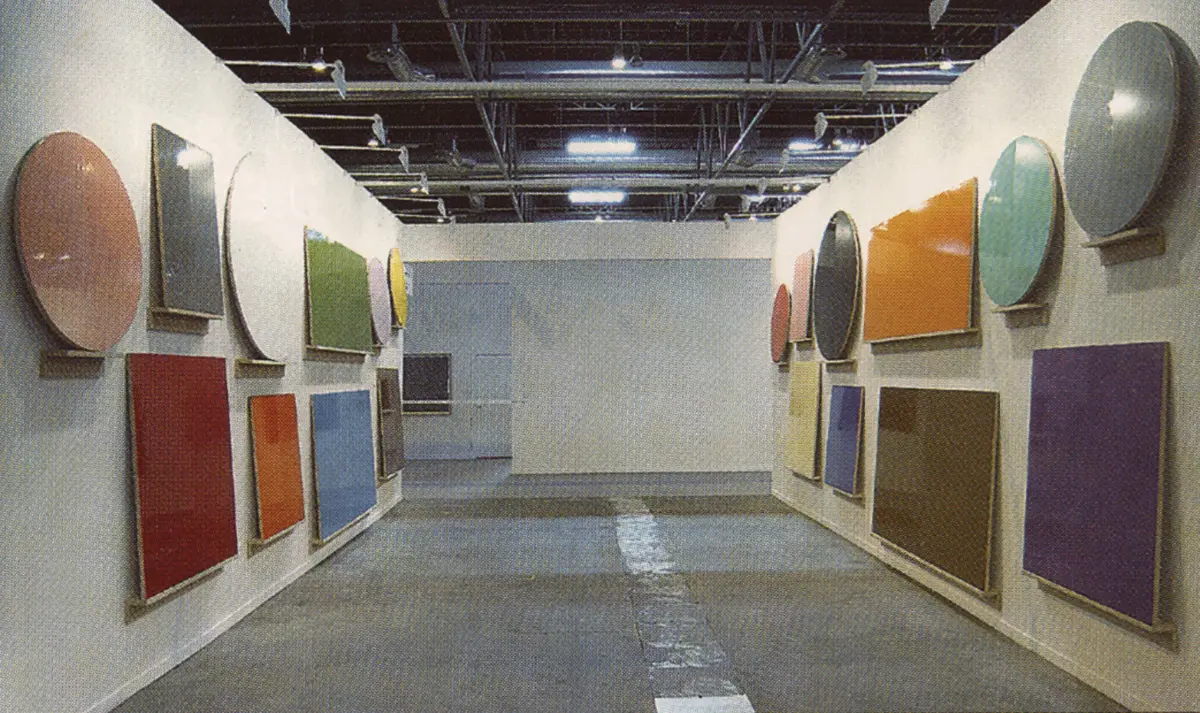
It is obvious that things have changed since 11 September. If ARCO already seemed like an important fair in terms of public projection and diffusion, it is no secret that it is economically maintained thanks to the local, primarily institutional, market. This year, the world situation has made clear some of its most desperate needs in this sense: the representation of top-notch North American, Swiss, English, and German galleries was practically null, especially in pavilion 9, which was devoted to contemporary art. The exception was the Lisson Gallery, which brought one of the most impressive proposals within the panorama of current art (Martí Anson, Anish Kapoor, Douglas Gordon, and Francis Alÿs, for example). Overall, the proposals of the Portuguese galleries were extremely interesting. Among them, Porta 33 had the most memorable stand. It presented Pedro Cabrita Reis's project Cabinet d'amateur #3 (Madrid): a series of monochrome elements—squares, circles, and rectangles—completely covered the walls of the stand, imitating the arrangement of paintings in the room of a nineteenth-century collector. The distinction between painting and sculpture became blurred. Also, the installation functioned as a commentary on the reification of art—painting—and on the element that is not merely decorative but also simply accumulable.
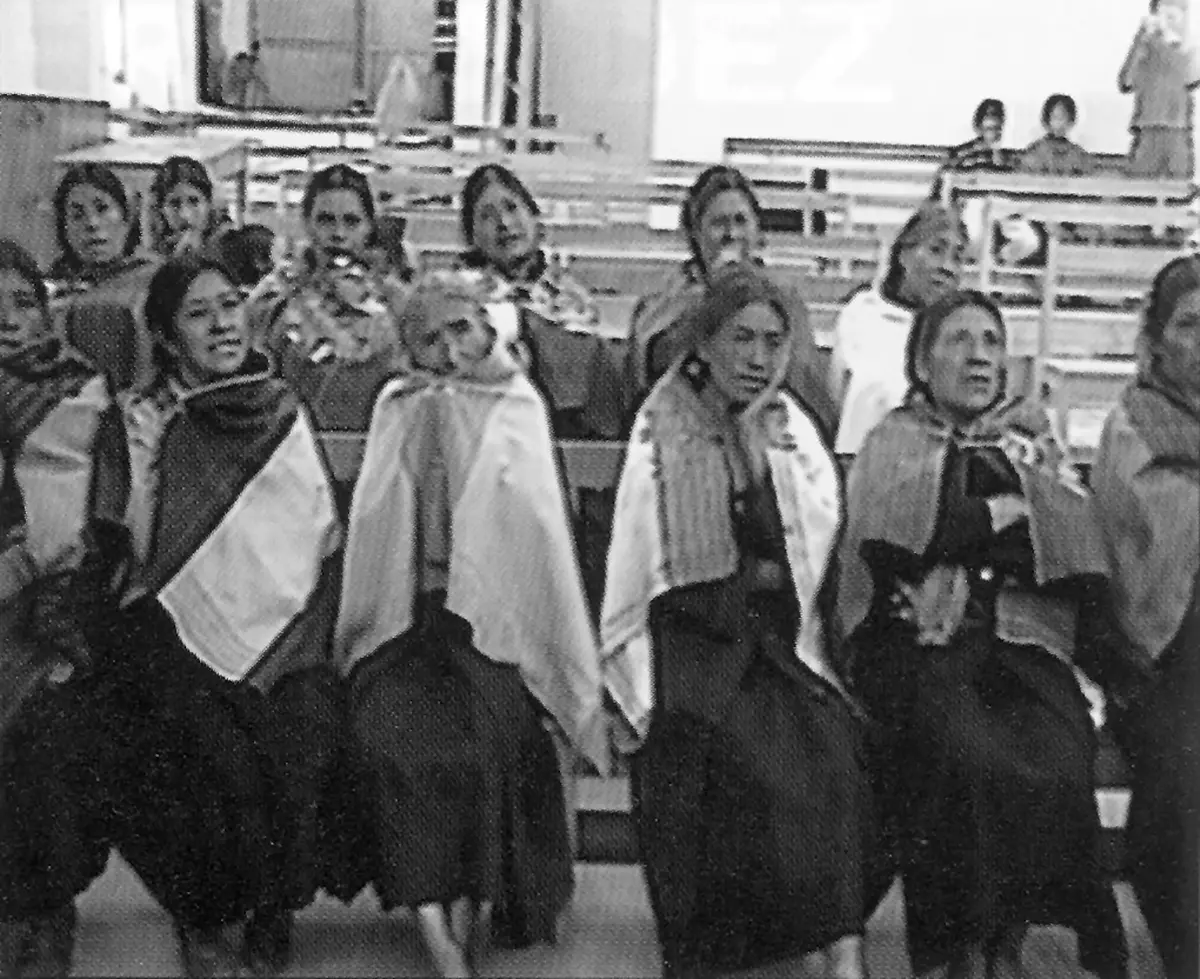
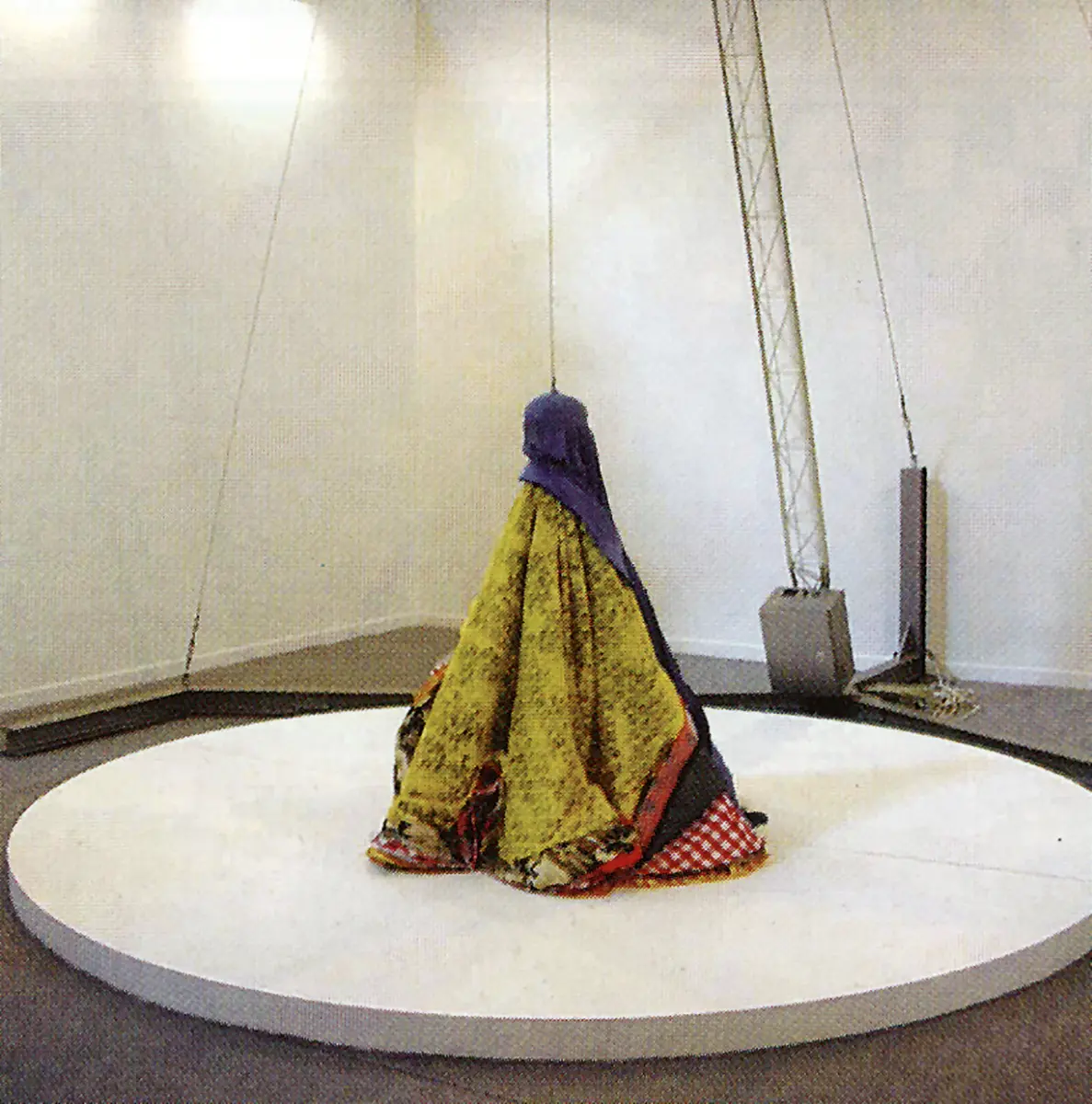
Joana Vasconcelos presented one of the most powerful pieces of the entire fair: Burka consisted of just that, a life-size burka created with multiple layers of fabric that alluded to a wide array of female attire—both Western and Eastern. By means of a pulley, the burka rose until it remained suspended in the air and took the form of a body that then fell noisily upon a wooden plank. African artist Meschac Gaba presented one of the versions of his Virtual Museum of African Art: a group of wooden pieces that, like Lego, were offered to the public for them to construct a model museum. Another group of noteworthy galleries were those from Asia. In particular, Song Dong’s videos (Broken Mirror, 1999), Su-Chen Hung’s televisions kissing each other (The Kiss, 1996), and Chung-Li Kao’s hand-drawn animations caught our eye.
One area in which we did spot important growth was in the Latin American presence at ARCO: around thirty-three galleries from Central and South America presented their proposals this year. In addition to the traditional presence of Brazil (Casa Triângulo, Baró Senna, Fortes Vilaça, and Brito Cimino), Mexico (OMR, Enrique Guerrero, Kurimanzutto, and Nina Menocal), and Argentina (Arte x Arte and Ruth Benzacar), this year witnessed the participation of less evident galleries, like Guatemala’s Sol del Rio and Puerto Rico’s Botello, Nouveau Gallery, and M+M Proyectos/Michelle Marxuach. Also present were Costa Rica’s Jacob Karpio, Cuba’s La Acacia and La Casona, Uruguay’s Sur, and Venezuela’s Sala Alternativa Elvira Neri and D’Museo.
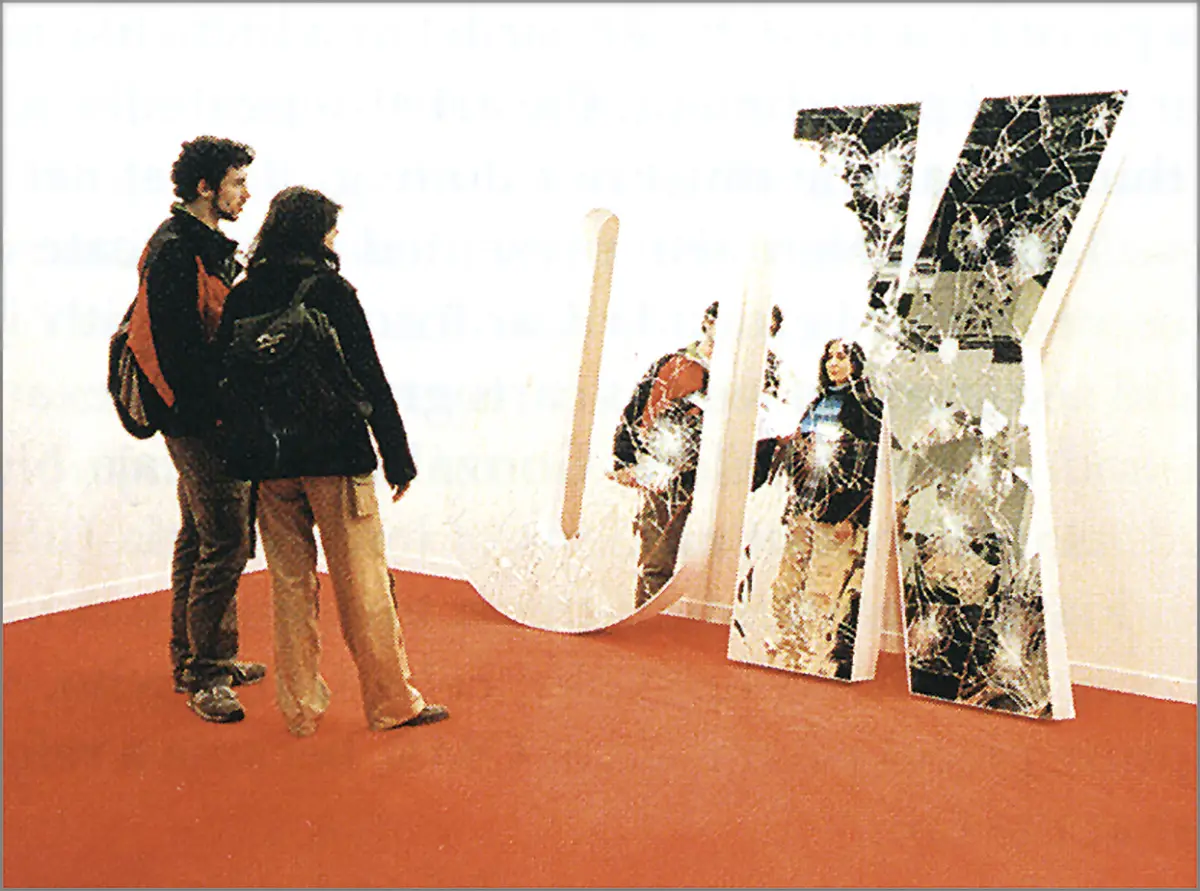
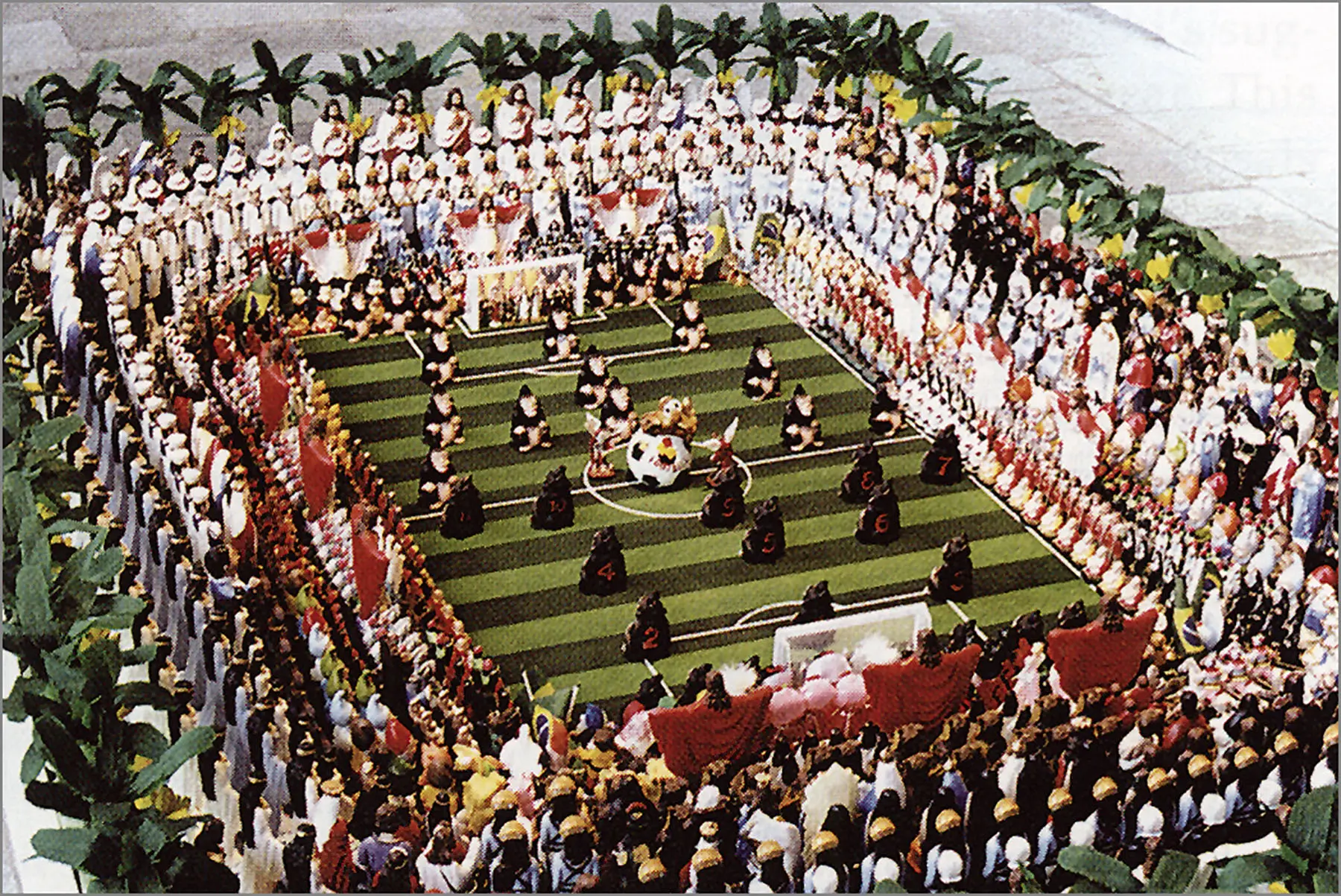
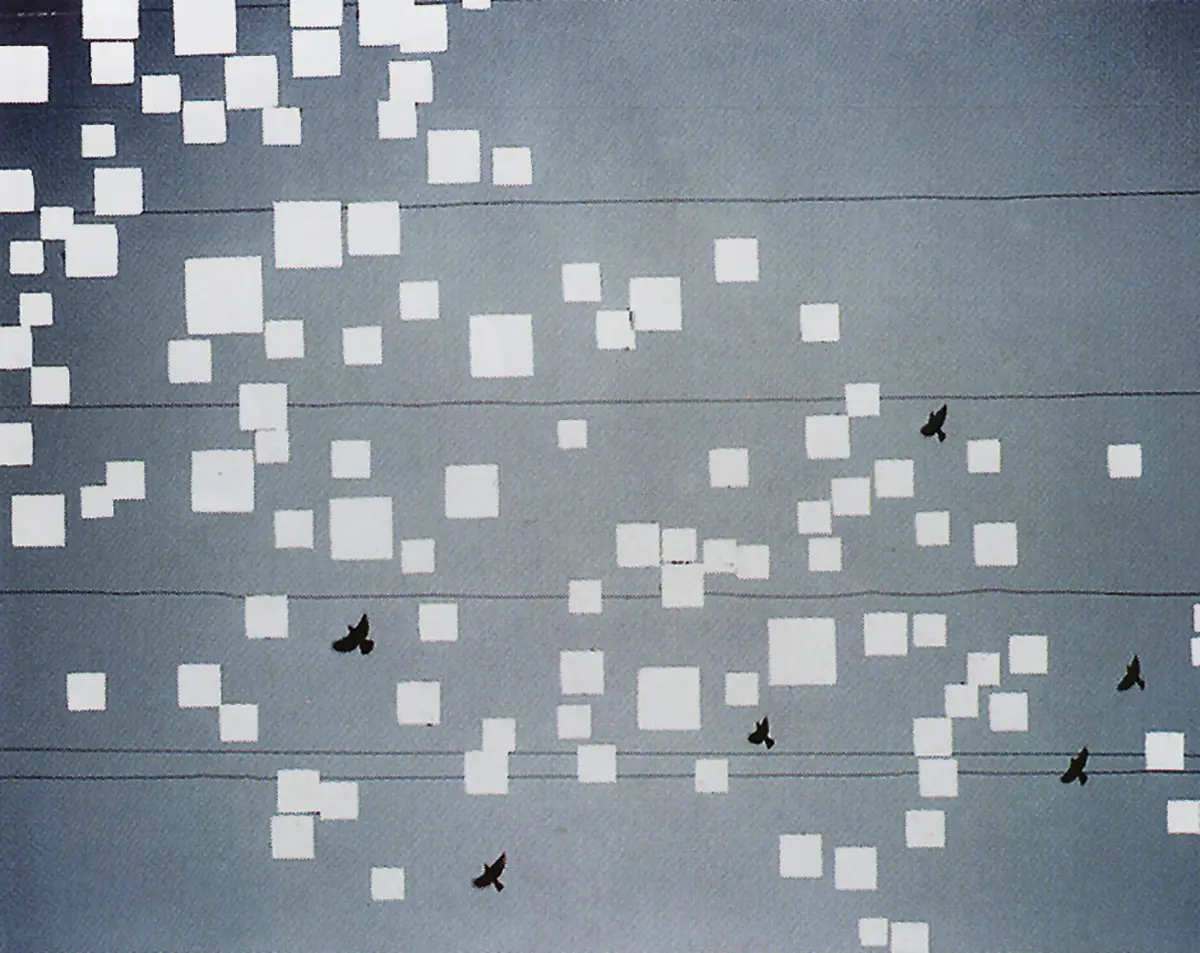
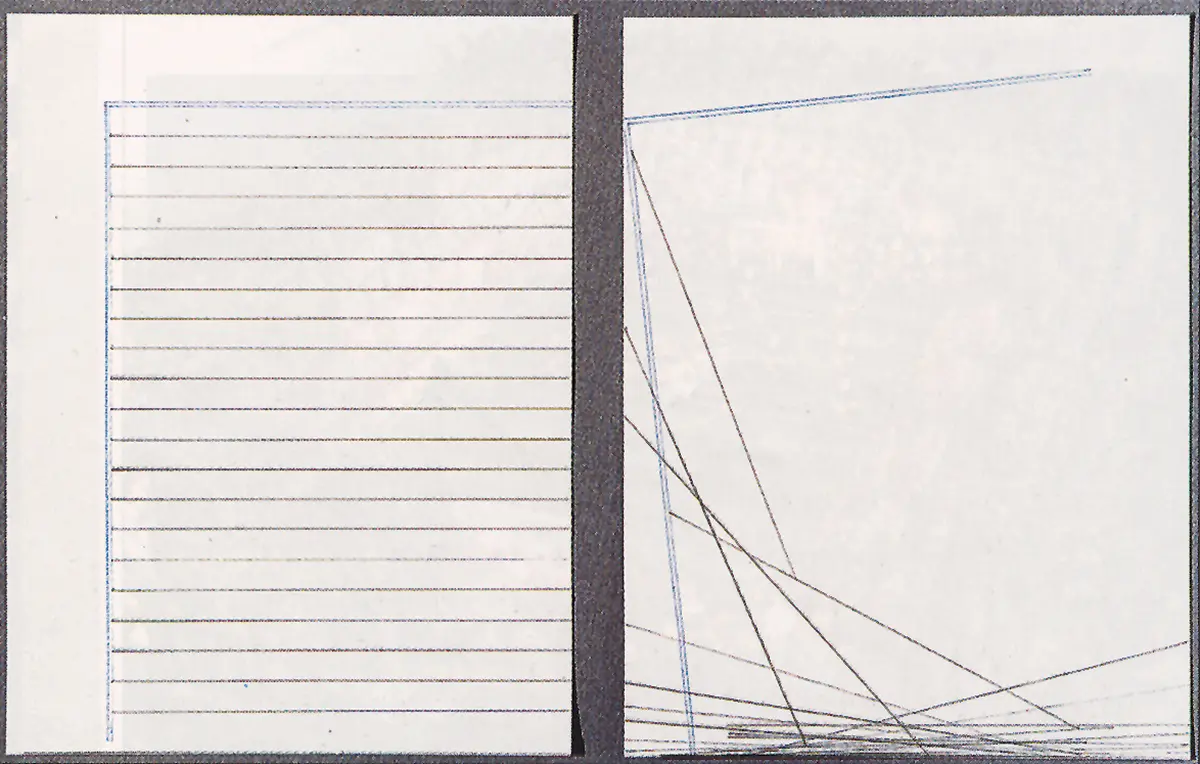
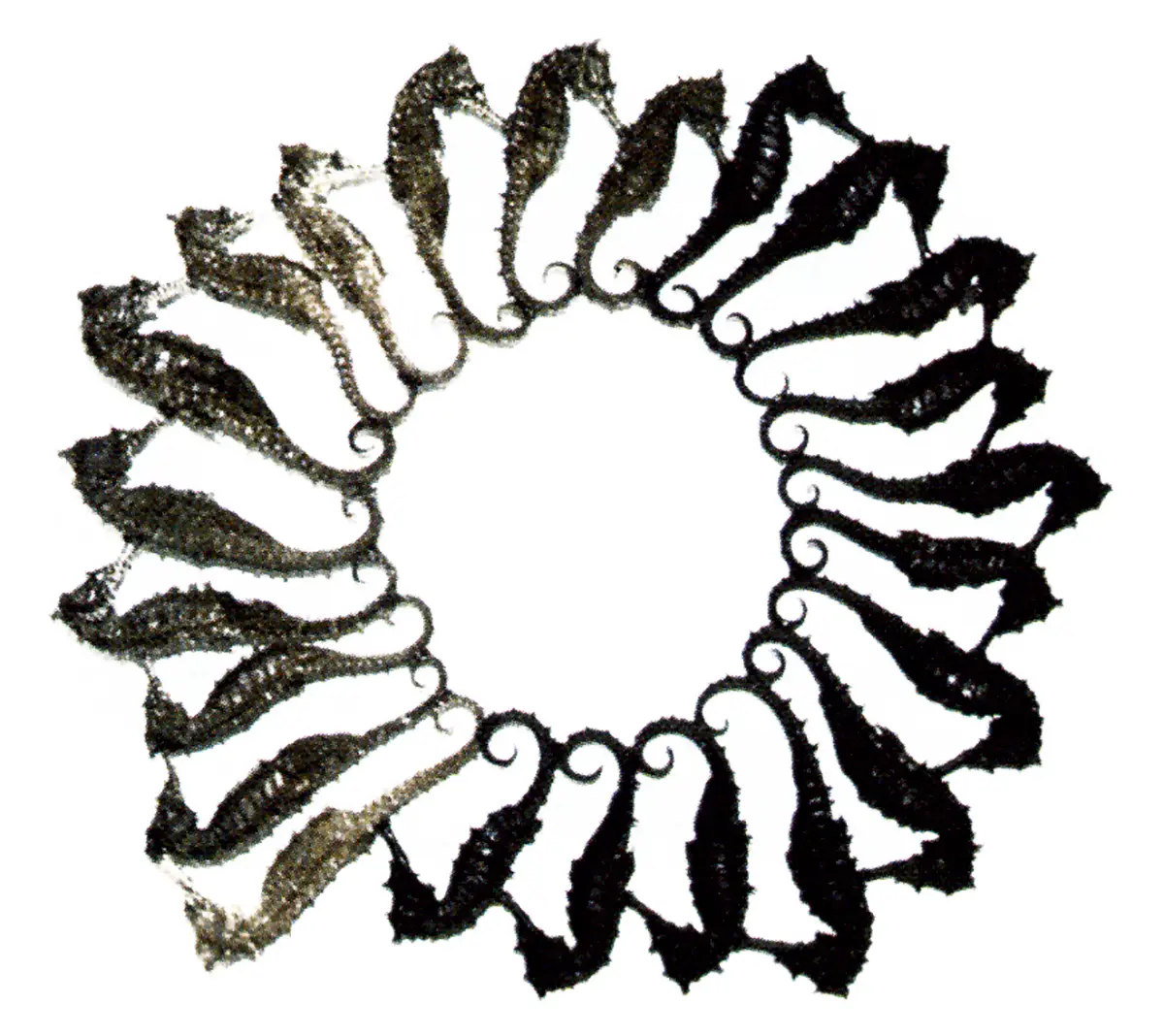
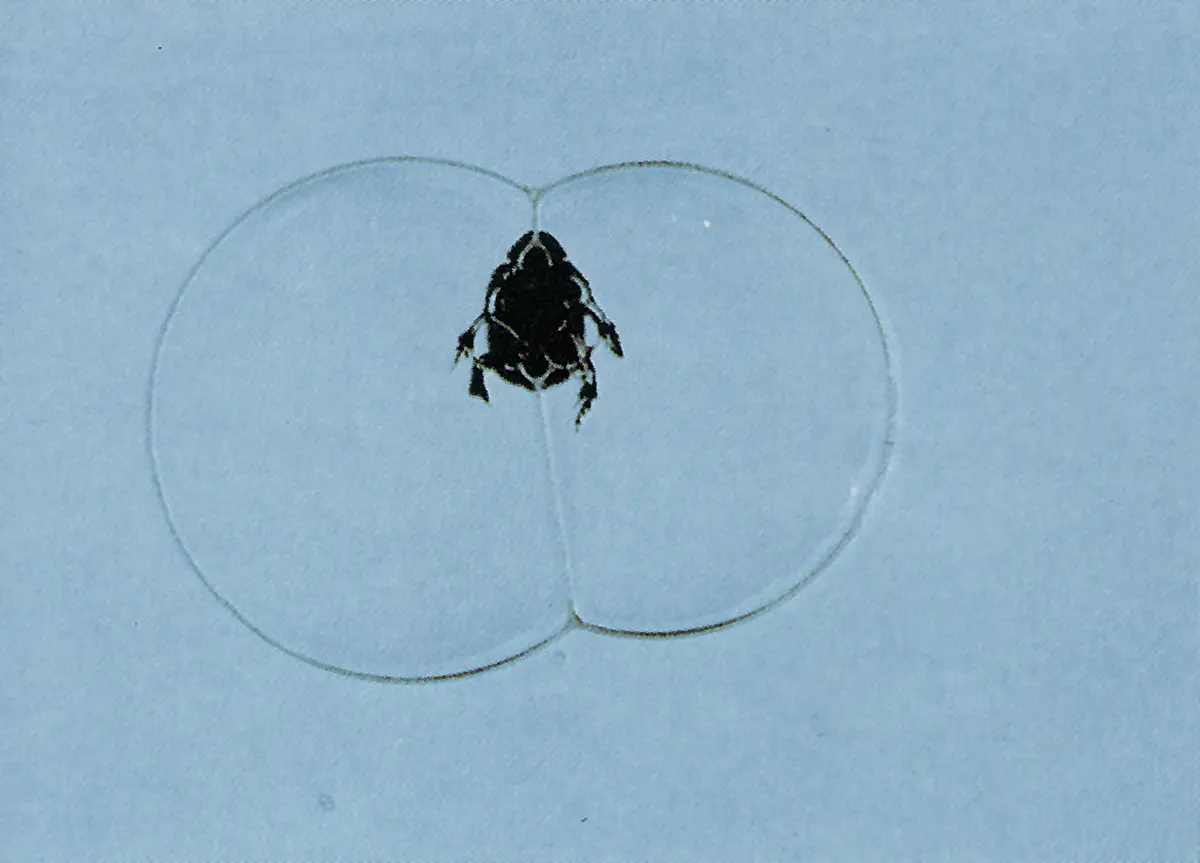
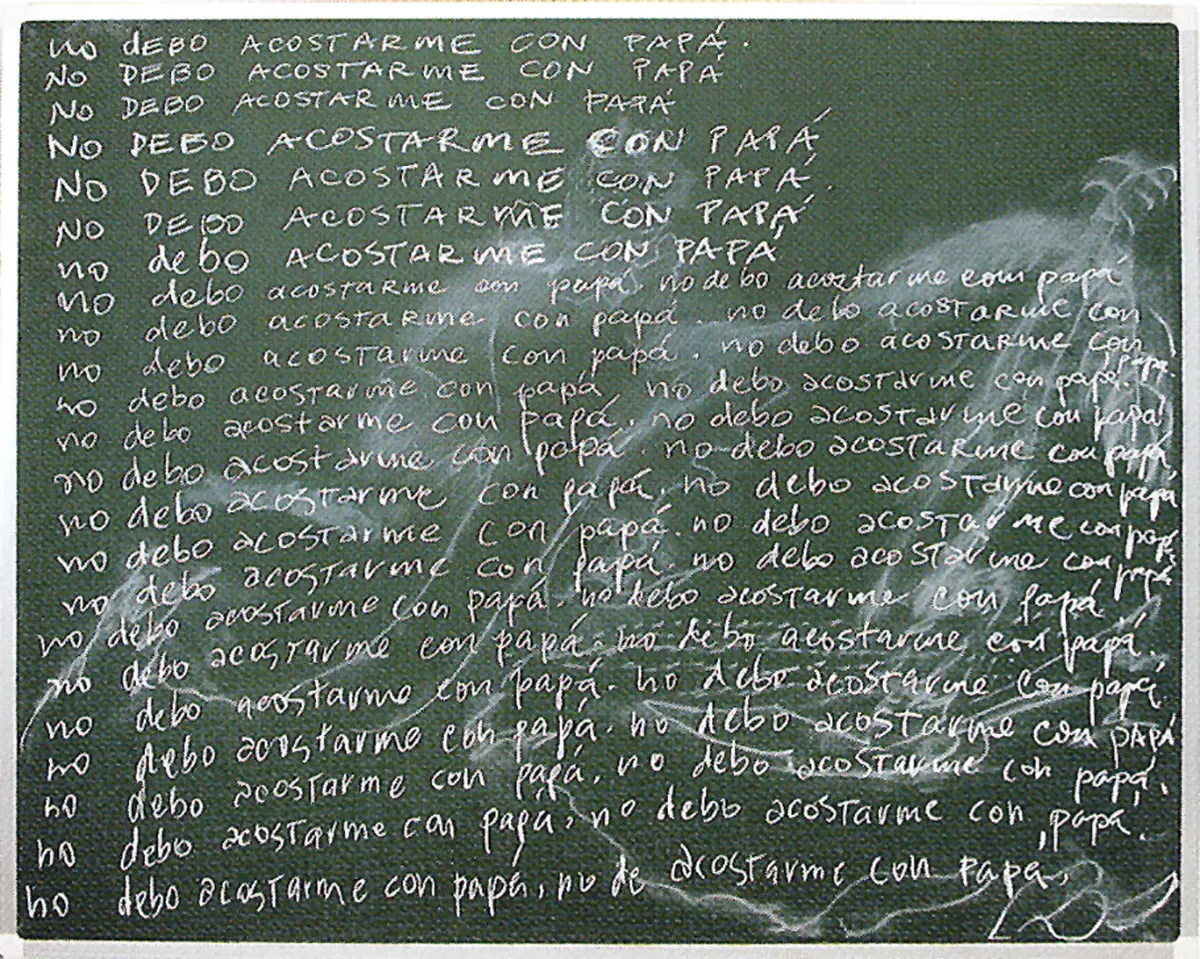
Among the Latin American artists, Jorge Macchi’s suggestive Feuilles Mortes stood out at Ruth Benzacar. This artist surpasses himself year after year in his proposals for ARCO. Equally noteworthy were Jonathan Hernández’s "Project Rooms"—two enormous letters made of broken mirror that formed the word “OK”—and his Couples et célibataires. Among the Brazilians, Brito Cimino showed off the most spectacular piece, which was also the most attractive to the public: Nelson Leirner’s Futebol. Another of the most interesting proposals from Brazil was Regina Silveira’s self-adhesive acrylic work: groups of people and artifacts that cast enormous shadows onto the wall. At OMR, Laureana Toledo presented a very beautiful series of photographs titled Patrones migratorios (Migratory patterns), and Rivane Neuenschwander constructed a fragile and suggestive Marinha at Fortes Vilaça. Peter Kilchmann presented the documentation of a paid project by Santiago Sierra, and Jacob Karpio showed Priscilla Monge’s piece Pizarras (Chalkboards) in which, like some grammar school punishment, the artist repeatedly wrote several things that she must not do (e.g., "I must not fuck art critics..."). Elvira Neri also presented the delicate constructions of María Fernanda Cardoso made with little horses and sea stars, as well as cartography by Alexander Apóstol and Mercedes Elena González. La Caja Negra exhibited its most recent editions of Jan Hendrix (lithography and serigraphy), in addition to a short edition of photographs and neon lights by Félix Curto who, with his sculpture pieces presented at OMR, became a referential artist at the fair.
This strong presence of artists and galleries from Latin America and Portugal is something that must be explored, from the perspective of both the organization of the fair and the galleries themselves, especially now that the scant interest that ARCO represents for some of the most established galleries within the European circuit seems to be made evident. This could be the gold mine—the natural relationship with Ibero-America—that reawakens and renews an established fair that nevertheless has not been able, at least in recent years, to renew the panorama of gallery owners or the interest of local private collectors. In this sense, the fair has taken place as a sort of somewhat uncomfortable déjà vu: very few novelties, very few happy faces, and fewer celebrations than in previous years.
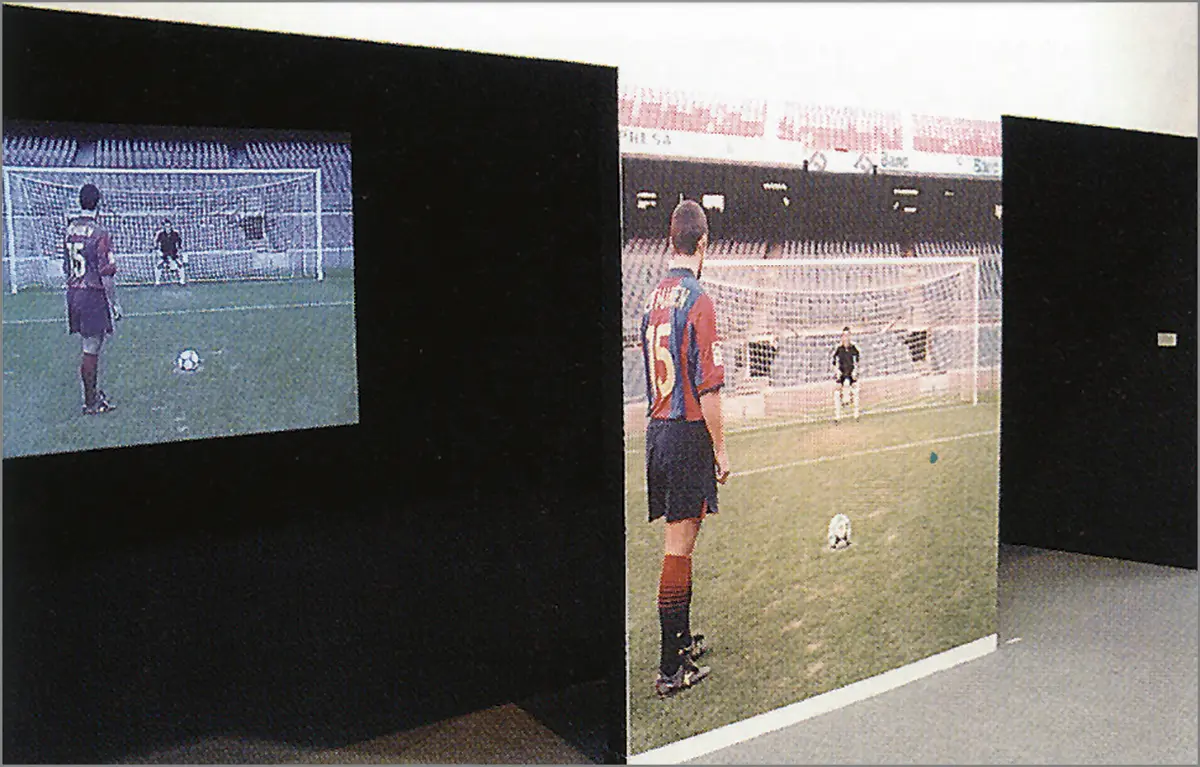
This has been a complex year, not only for the art world. The events that occurred after the attack on the Twin Towers (which were already marked by a growing economic recession) have been received, first and foremost, with unequal expectations and results. Martí Ansón’s excellent "Project Room" seems to symbolize the state in which we still find ourselves: a projection shows us an empty soccer stadium (however, there is an audio recording in which the public cheers at the top of their lungs). There are two individuals in front of us: the goalie in his goal facing a player about to shoot his penalty kick. The tension of both players is visible. We notice the minimum bend of the kicker’s knee, the uncertainty of the goalie, and his careful swaying, trying to guess where the shot will go. But the film is a loop and the player never shoots. It is the emotion and uneasiness of that suspended moment, that solitude before the imminence and uncertainty of what is to come, which was breathed in at the most recent edition of ARCO.
ISSA M. BENÍTEZ DUEÑAS
Art historian, a specialist in contemporary art and art theory. She Is currently a doctoral candidate at the Universidad Carlos III de Madrid.