
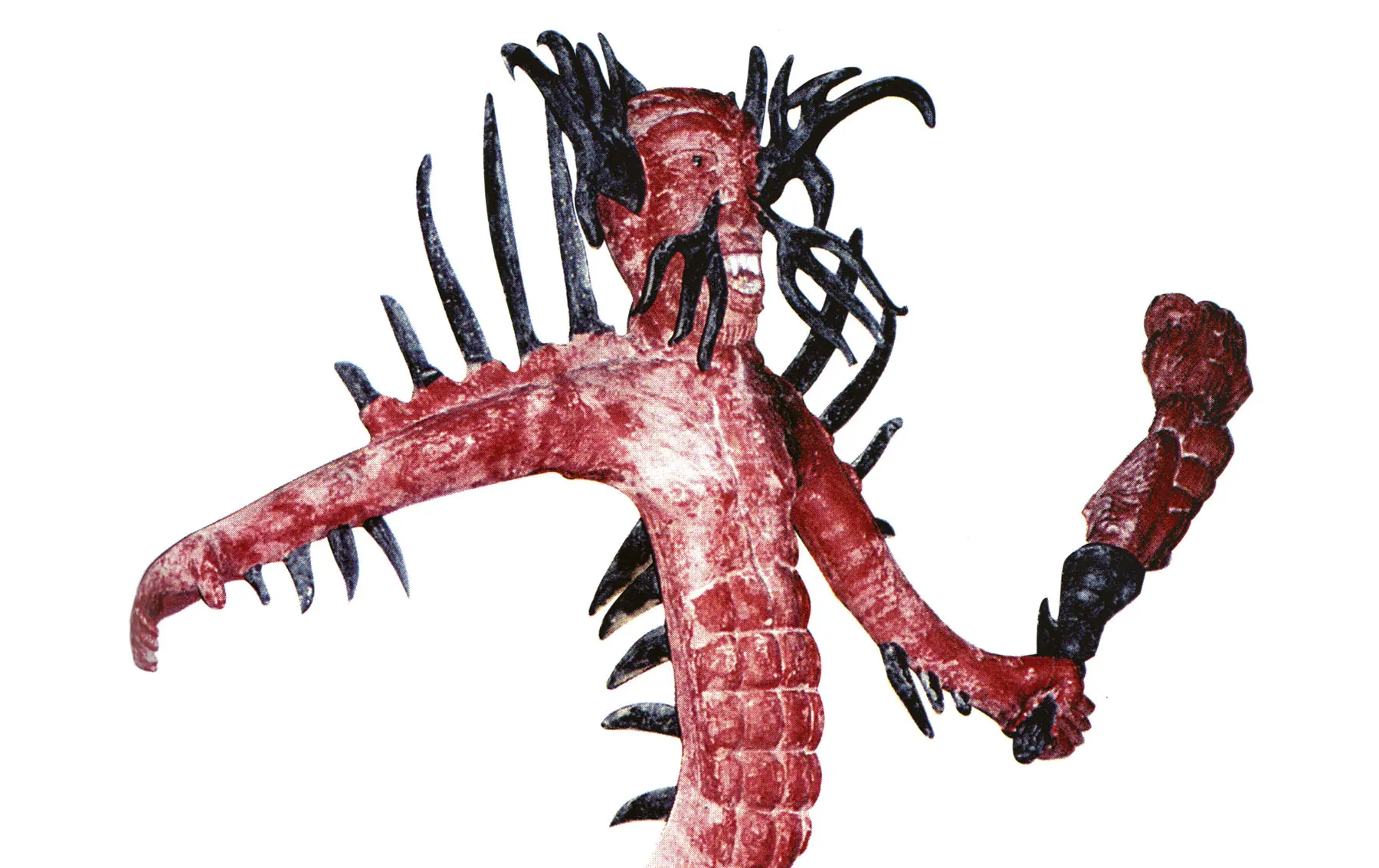
In the context of the 4th Caribbean Biennial celebrated last November (2001) in Santo Domingo (Dominican Republic), the show El arte y la fe en el vudú haitiano (Art and Faith in Haitian voodoo) opened at the Centro Cultural de España, directed by Ricardo Ramón Jarne. The exhibition was a collection of ethnographic objects as part of the 8th Anthropological Festival of Afro-American Cultures. This extraordinary collection was presented in the upper hall of the center, while the main hall of the entry displayed large format canvases with great resolution and magic by Cuban artist José Bedia, and in other halls: Haití como hilo conductor del arte caribeño (Haiti as the thread running through Caribbean art) with works by Barbara Prézeau, Burtón Chenet, Paskó, Valerie Cristhelle St. Pierre, artists whom we could label as primitive naïve or ingenuous if we were to judge only by appearances.
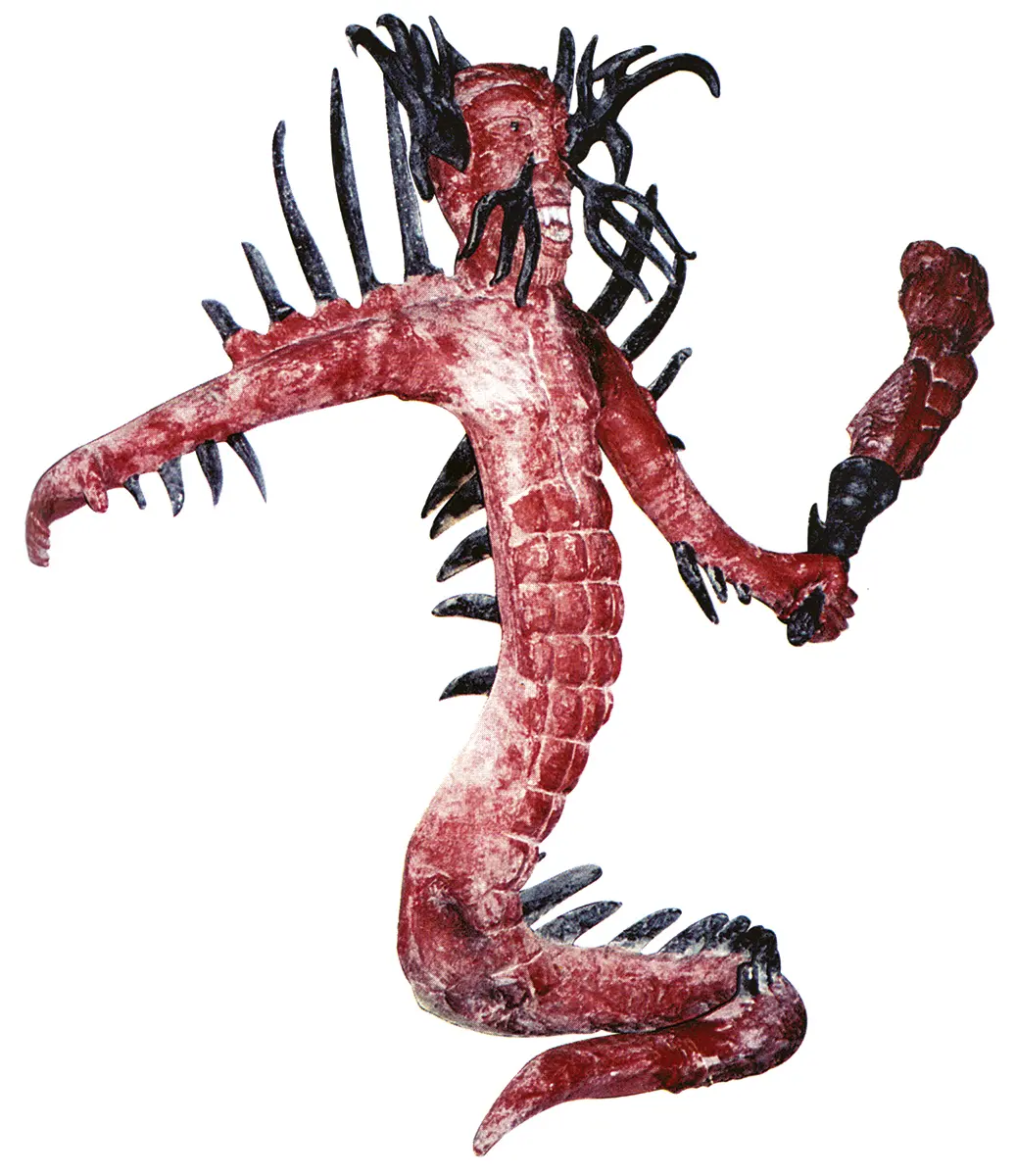
Considering the fact that the central theme of this biennial was migration, this show brought us to the forefront of the unique border shared on one single island—Haiti and the Dominican Republic—on which Alanna Lockward had already focused our attention recently on several occasions. "This year," writes Ricardo Ramón, understanding the importance of comprehending the immigrants who live in the Dominican Republic, "the festival is devoted to 'Haitian cultural contributions' who, as we know, comprise the largest group of immigrants. Thousands of Haitians cross the border and come to the Dominican Republic every day with the hope that, on the Dominican side, they will be able to change their precarious living conditions. They cross full of dreams, hopes, and a complex culture, several elements of which they have been able to transplant, some guarded with iron will by their descendants. One such element is their religion, which has been influential in a noteworthy way on its artistic manifestations: dances, music, plastic arts, and forms of personal decoration, such as the elaborate hairdos."1
Among these incorporations into Dominican culture is the deeply-rooted cult to the baron of the cemetery, which introduces into its ceremony the adoration of nature, present in the cult to the trees and the deities that dwell in them. But the best-known manifestation of Dominican voodoo is the gagá, the cult to the strong, aggressive, and bloodthirsty gods of the voodoo pantheon, who are venerated during Holy Week in order to control their wrath and to rely on their protection and shelter. Here we find a clear fusion of the sacred and the profane.
Haitian art continues to be a source of inspiration for Dominican artists, as it was in the past for Rubén Suro and Jorge Severino, and now for Miguel Gómez, Charo Oquet, and Polibio Díaz.
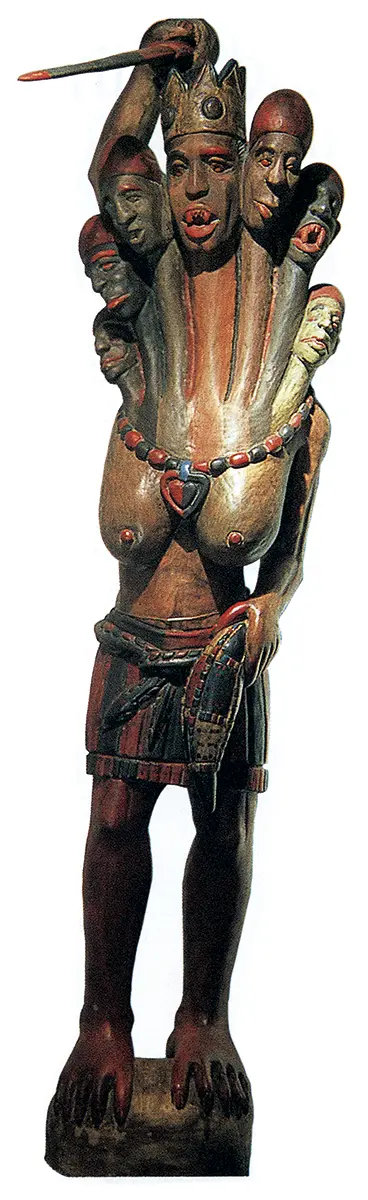
But limiting ourselves to the Colección Etnográfica de la Fundación para la Preservación, la Valorización y la Producción de Obras Culturales Haitianas (Ethnographic collection of the foundation for the preservation, appreciation, and production of Haitian cultural works) presented at the Centro Cultural de España, this cultural heritage is comprised of pieces that have been "gathered with rare perseverance" writes Rachel Beauvoir "by Ms. Marianne Lehmann, in the city of Pétion-ville, Haiti." They are part of the foundation's collection which makes up a totality.
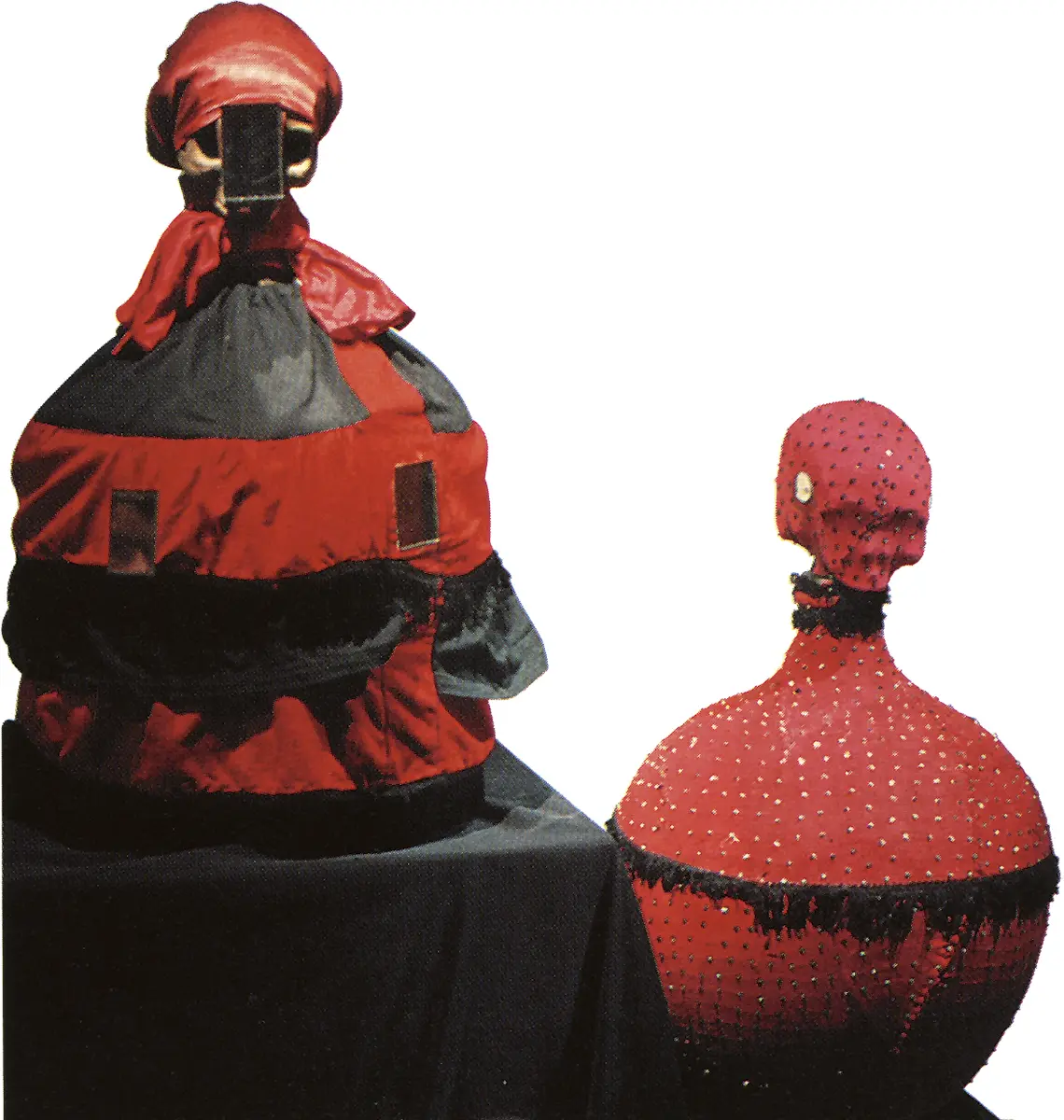
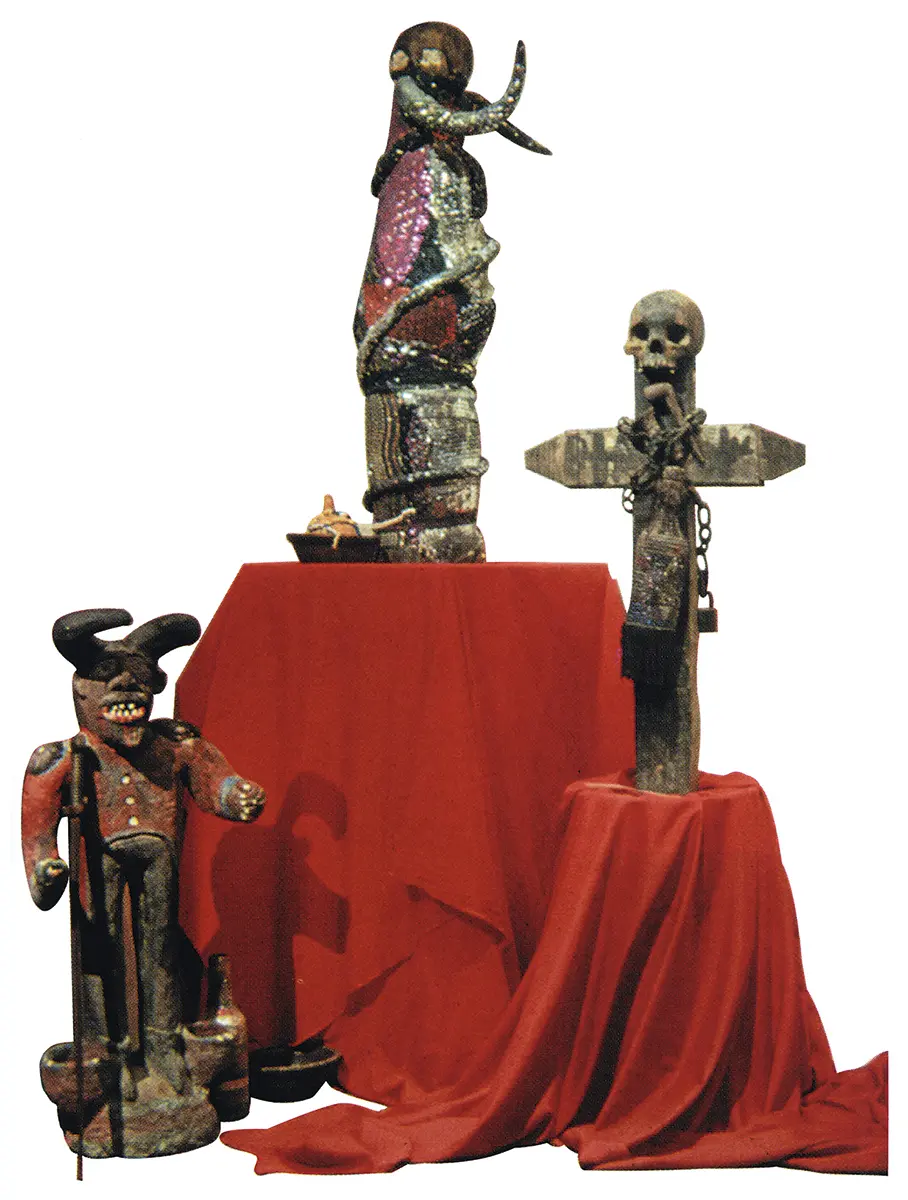
There is wood, stone, and earth—all of it spiritually charged and full of concealed intentions, nearly visible transferences, and interferences. All of the pieces stem from the cult in the voodoo temples, sacred enclosures dedicated to the ceremonies taken to Haiti by African slaves, through which they express their devotion to the gods who show themselves through diverse scenographic paraphernalia, sacred spaces, and altars, where flags, bottles, chairs, and other objects are vehicles full of spiritual life.
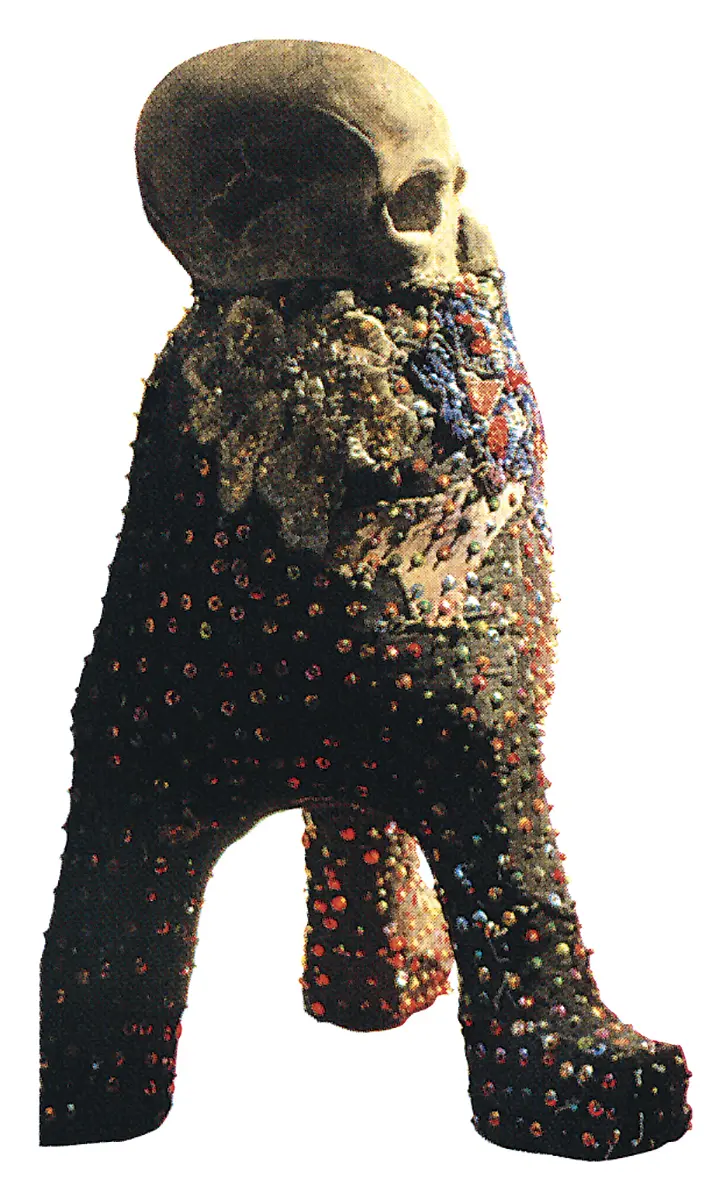
Some contain healing or curing gods, others are associated with sexuality, war, and death; and all with their attributes: crosses, swords, knives, necklaces, skulls, colors, sequins, and shiny or dark decorative elements. They are rich examples of a necessary reference for those of us who study the religions of the geographical area that shapes the Caribbean.
The flags are the health that the gods deserve. The drawings (the vévé) make them tangible. Both are created in order that they may obey the expectations of a particular group put in touch with the gods by the drums, the beating of the radá, the Bizango statues, the Petwo (Congo) altars, and a legion of darkness associated with Christian iconography.
This unique, attractive, and (for some) overwhelming holy collection brings to mind the excellent show Sacred Arts of Haitian Voodoo by Donald J. Cosentino, which toured various North American cities and gave us decisive access to these popular, sacred artistic manifestations in the late '90s. It also recalls Face of the Gods by Robert Farris Thompson, which showed us African religious paraphernalia, especially that of Yoruba descent, brought to the Americas centuries ago and still alive today. Naturally, I do not recall these shows on account of their importance or size, but rather because of the true magic that runs through them, like the very work of Haitian artists Duval-Carrie, Pierrot Barra, and Serge Jolimeau, which familiarized us with voodoo symbolism.
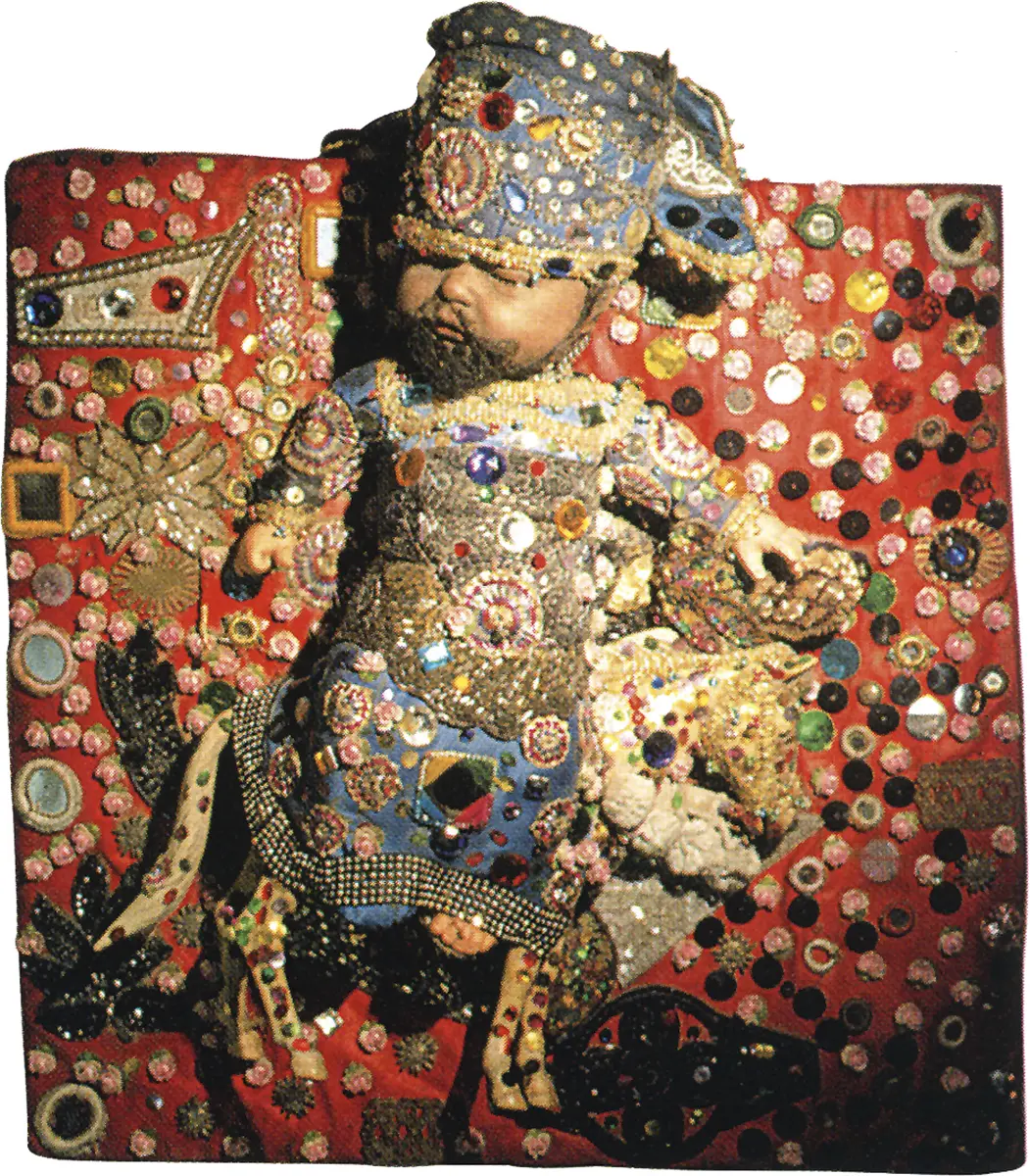
Any sensitive spirit will perceive in the course of observing these objects a great energy within them, sometimes charitable, and more frequently obscure and tenebrous. Along with Agasu (the leopard) and Dange Ayido Hwedo (python); the executioner Ogún (Ogou), Saint Jacques (Sen Jak), Santiago; Legba (the phallus); Danbala and Ayila Wèdo (supreme divine serpent); Zaka (patron of agriculture); Agwe and Lasirén (the ocean and the waters); Gran Bwa (god of the forest); Ezili Freda (goddess of love and lust); Hevioso and Sagbata, Mawu and Lisa (chameleon); Age; Fa and Dan with Ezili Dantó (protecting mother), Gedes and Bawon Samdi and the Marasas (the twins).
NOTES
1. Quotes extracted from the catalog of the show.
ANTONIO ZAYA
Director of Atlántica. Editor and independent curator. Girona, Spain.