
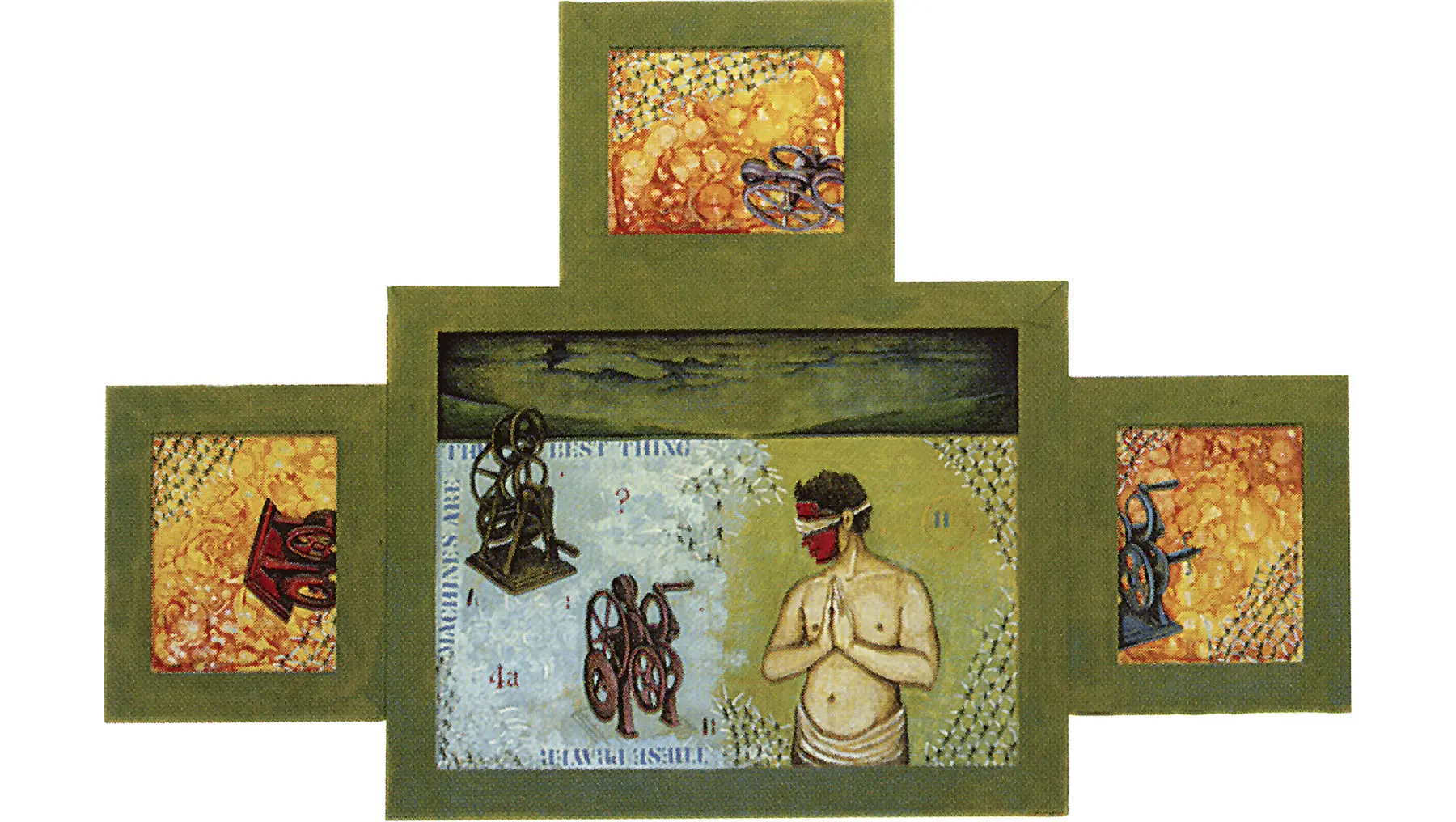
Art Miami continues to reflect the dynamic cosmopolitan environment of Miami, Florida, with its cultural diversity and proximity to Latin America. No other international art fair specializes in Latin American art of the quality and scope of this event, and Art Miami 2002 more than lived up to its reputation with 120 galleries from 24 countries and a full slate of special projects, events, and Internet sites. Fifty new exhibitors joined the notable roster of esteemed and emerging galleries from Latin America, the United States, Canada, Europe, Asia, and Australia to give the public a global sample of contemporary art, both cutting-edge and established. The exhibition hall had a more spacious appearance with wider aisles and easier walking patterns, and the return of the successful "Currents" and "Project Rooms" presented the viewers with the opportunity to see a "show within a show" featuring the latest works by young artists.
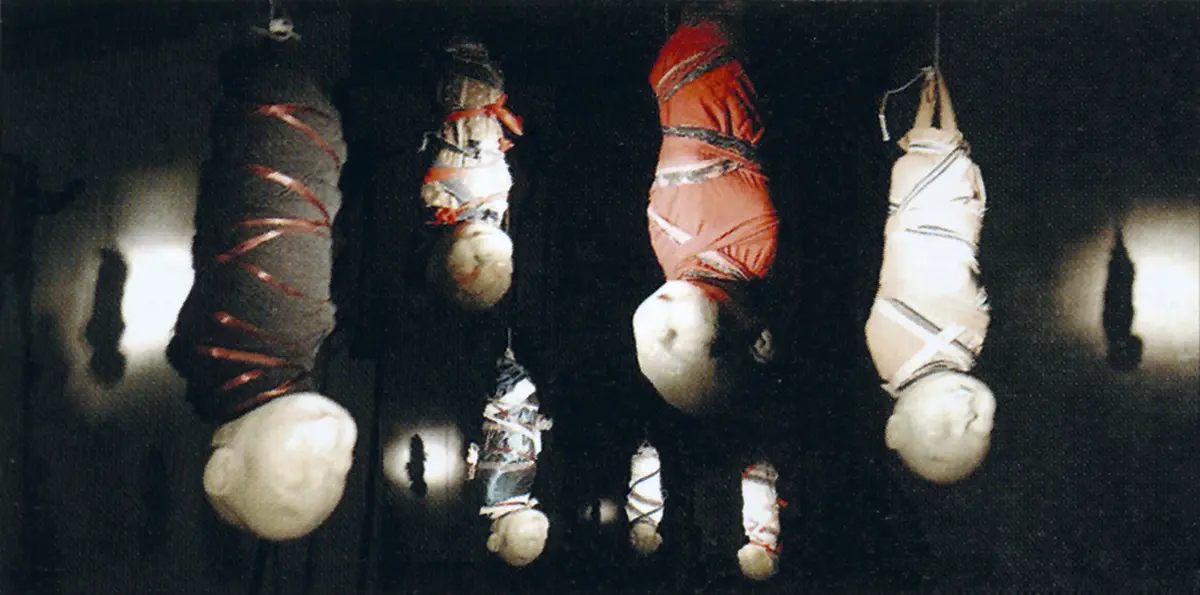
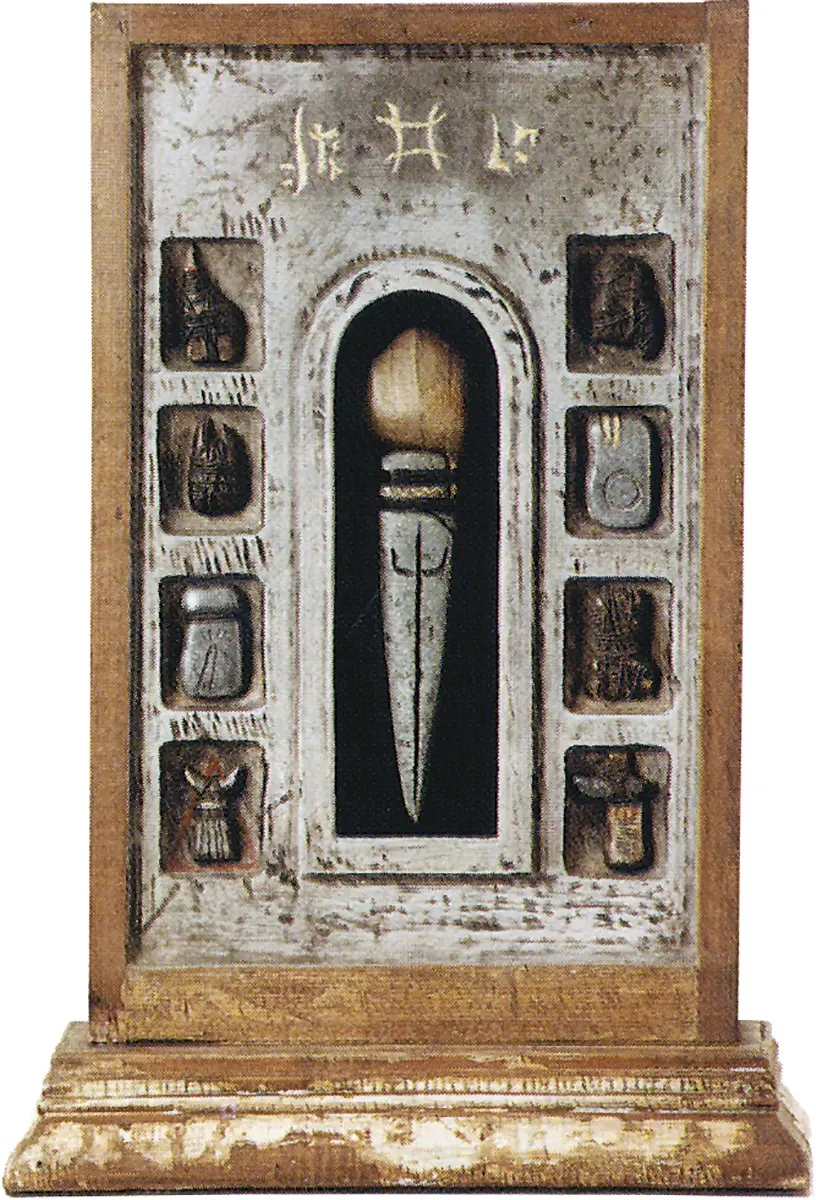
"Currents" is devoted exclusively to emerging galleries with young cutting-edge artists, many of whom work in new media and installations. Miami's Ambrosino Gallery brought Gavin Perry's minimalist enamel on canvas works, while Galeria Luz Osorio (Medellin) featured manipulated photos. ArtcoreLab (Ontario) and The Viewing Room (New York) introduced a diversity of new media techniques in their provocative installations. The hanging baby dolls and wallpaper drawings from internet pornography by Luis Vidal at Galeria Senda/ Espai 292 may have been one of the most disturbing among them, in direct contrast to the strange wood constructions and boxes done in the Old World technique by Alejandro Mazón in George Billis Gallery (New York).
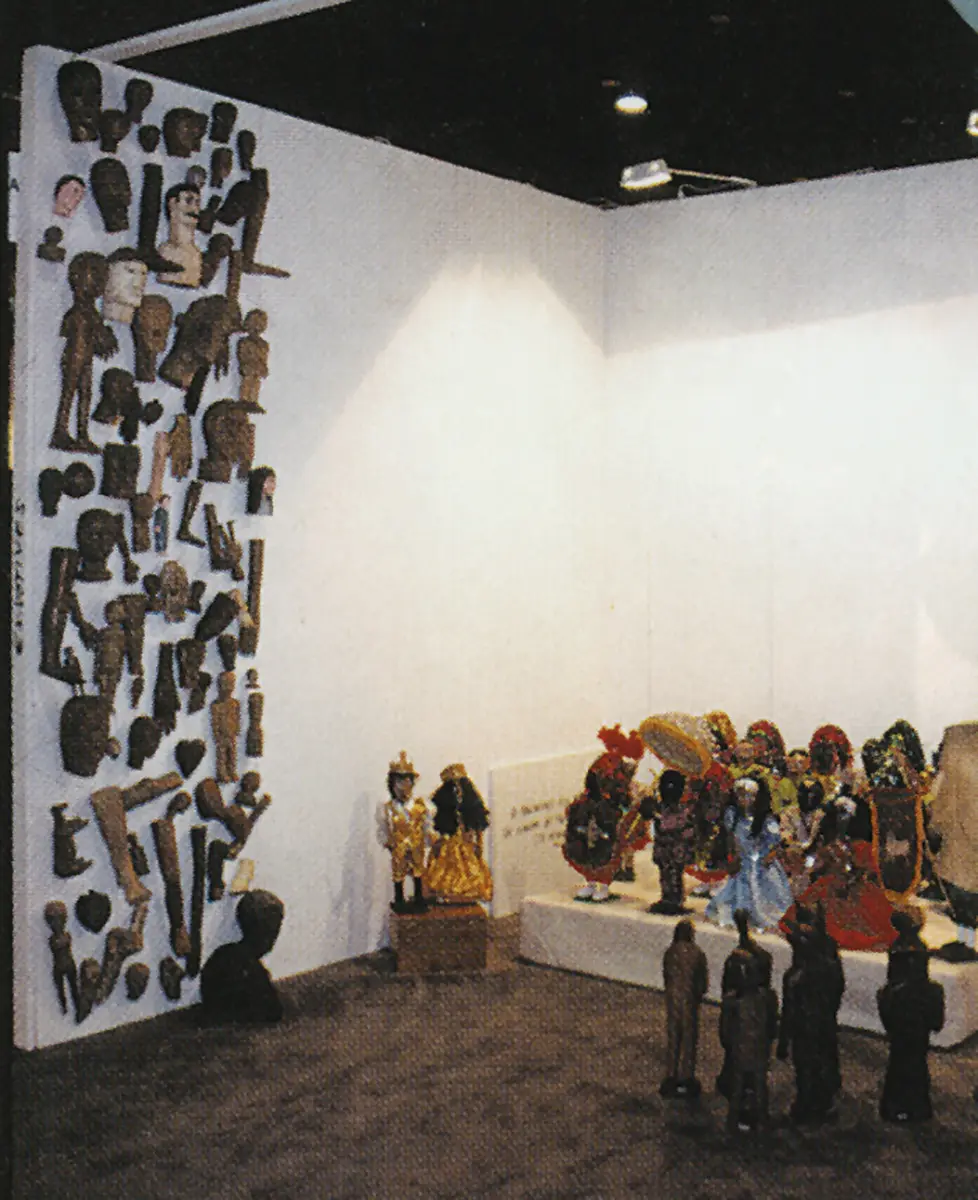
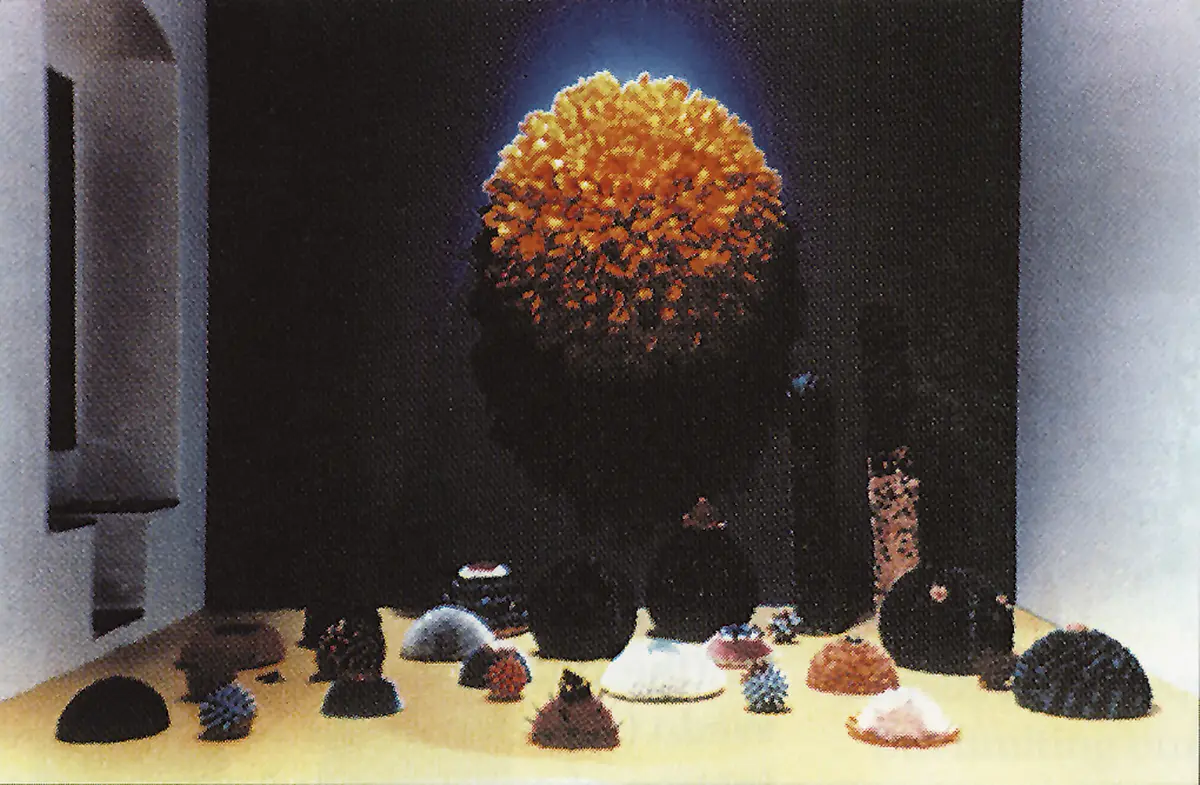
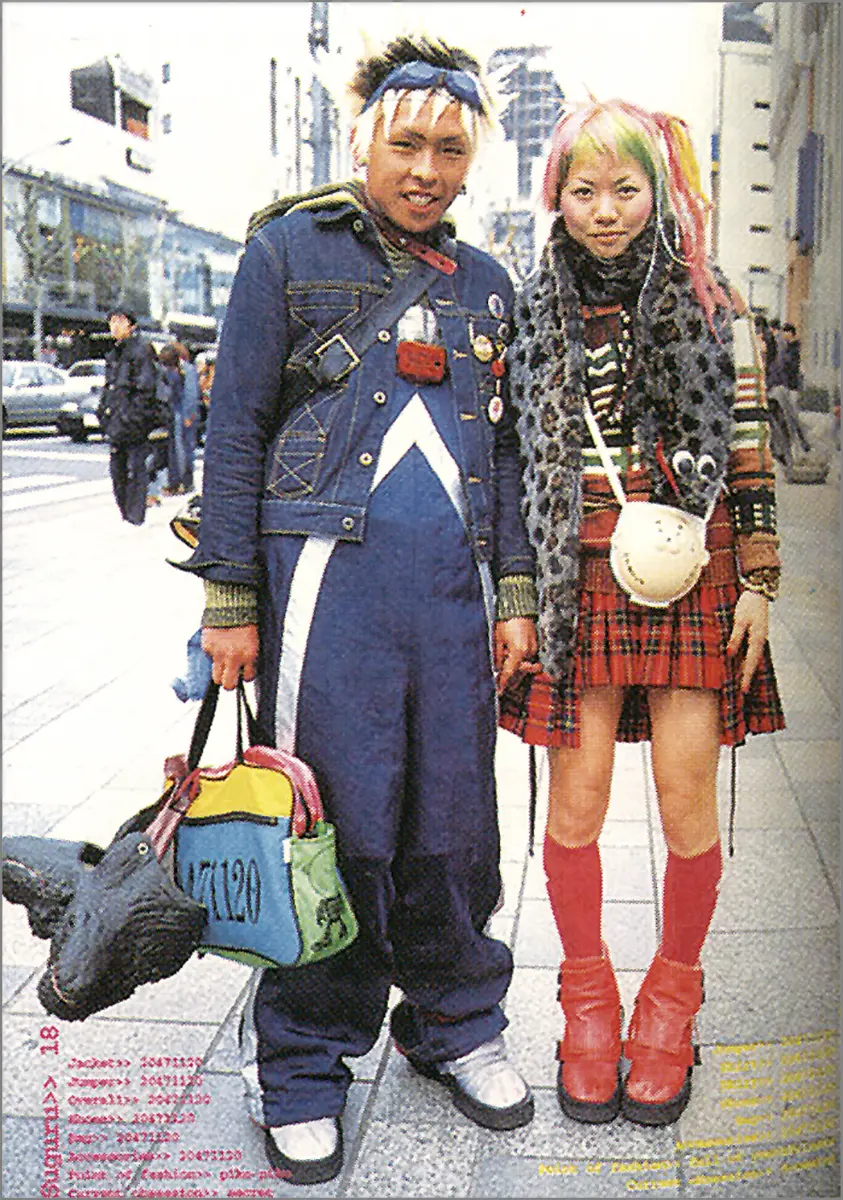
The "Project Rooms" featured seven solo exhibitions selected by local curators Bonnie Clearwater (Museum of Contemporary Art), Peter Boswell (Miami Art Museum), and Diane Camber (Bass Museum of Art). There was a playful entertainment factor that wove itself like a thread through many of the displays associated with the Rooms. One of the most unusual of them for Art Miami was Galeria Baró Senna (São Paulo) which included Brazilian popular art with milagros and wooden ex-votos in the shapes of human body parts, including an extraordinary display of heads. Maria Fernanda Cardosa's Flea Circus, and her new work made from sensual materials ranging from fabric to sugar at Felipe Grimberg Fine Art (Miami), Federico Uribe's strange plastic, and Styrofoam Cactus Garden for Ángel Romero (Madrid) explored life forms as art. A Pop aesthetic appeared in the recycled American ware of Shoichi Aoki at Kevin Bruk's (Miami) and again in Dario Escobar's wonderful Colonial Baroque spins on baseball bats and a surfboard—each exaggerated form detailed with hammered silver (Jacob Karpio Gallery, San José, Costa Rica). On a completely different note, Graciela Sacco's spectral photographs printed on slabs of found wood were a must-see for viewers familiar with her work from biennials in Havana, Sao Paulo, and Venice. Her installation for Berkeley Square Gallery (London) in association with World House Gallery (South Orange, New Jersey) was one of the most intellectually rewarding and a highlight of the fair.
At Art Miami's most prestigious galleries, viewers were able to see the favored masters of Latin America and European Modernism. Berkeley Square (London) brought Picasso drawings, Chagall paintings, and Henry Moore etchings that could enhance the collection of the most discerning. Galerie Marion Meyer (Paris) featured Man Ray and Evelyn Aimis (Highland Beach, Florida) including Lichtenstein sculptures and small bronzes and drawings by Henry Moore among a selection of impressive American and European paintings. The European stars also appeared at Santa Giustina Gallery (Lucca) with Sandro Chia holding court. Visitors looking for Latin American masters are never disappointed with Mary Anne Martin's (New York) selection. A beautiful Gunther Gerzso, Desnudo Rojo, 1961, and a Matta hinged triptych were showstoppers beside DiegoRivera, Elena Climent, Claudio Bravo, and Isabel de Obaldía's extraordinary glass torsos. There were more masterpieces at Artemundi (Miami Beach). Galleria Tega (Milan) brought the Boteros and other works, including paintings by Julio Larraz and monumental bronze sculpture by Jiménez Deredia. The extraordinary fantasy landscapes of Jose Gamarra complemented the fantasy figurations of Javier Rodríguez at Galería Minotauro (Caracas) and other young artists who are well-known internationally could be found at numerous galleries. Works by José Bedia and Julio Galán were shown in a number of galleries. The universal primitivism of Óscar Páez was featured in wood constructions and wall pieces as a one-man exhibit at Diana Lowenstein (Miami). Praxis International, always a dominant installation with its popular selection of Latin American artists, featured Roberto Cortázar, Ignacio Iturria, and Williams Carmona.
Another thread that appeared to run through Art Miami was the clash of cultures. This is not unusual in the work of artists from Latin America and the Caribbean, particularly those who deal with issues of identity and exile and create syncretic imagery that transcends a singular vision. At Art Miami, visitors were able to see the work of well-known Cuban artists Kcho and Manuel Mendive at Joan Guaita Art (Palma De Mallorca). They also had the opportunity to be introduced to other artists from the island, such as the renowned Sosabravo and Flora Fong and Vicente Hernández among the masterworks at Cernuda Fine Art (Miami). Grantpirrie Gallery (Surry Hills, Australia) brought stunning work from Australian artists such as Paddy Bedford and Freddie Timms who give aboriginal designs a contemporary look that is elegant for its abstract and subtle plays on color and pattern while proving that art can transcend stylistic categories and geographic or chronological boundaries. Perhaps the most spectacular and priceless objects were the textiles and pre-Columbian objects at Conlon Siegal Galleries (New Mexico). The Indonesian textiles are Color Field paintings and the Peruvian featherwork defies description.
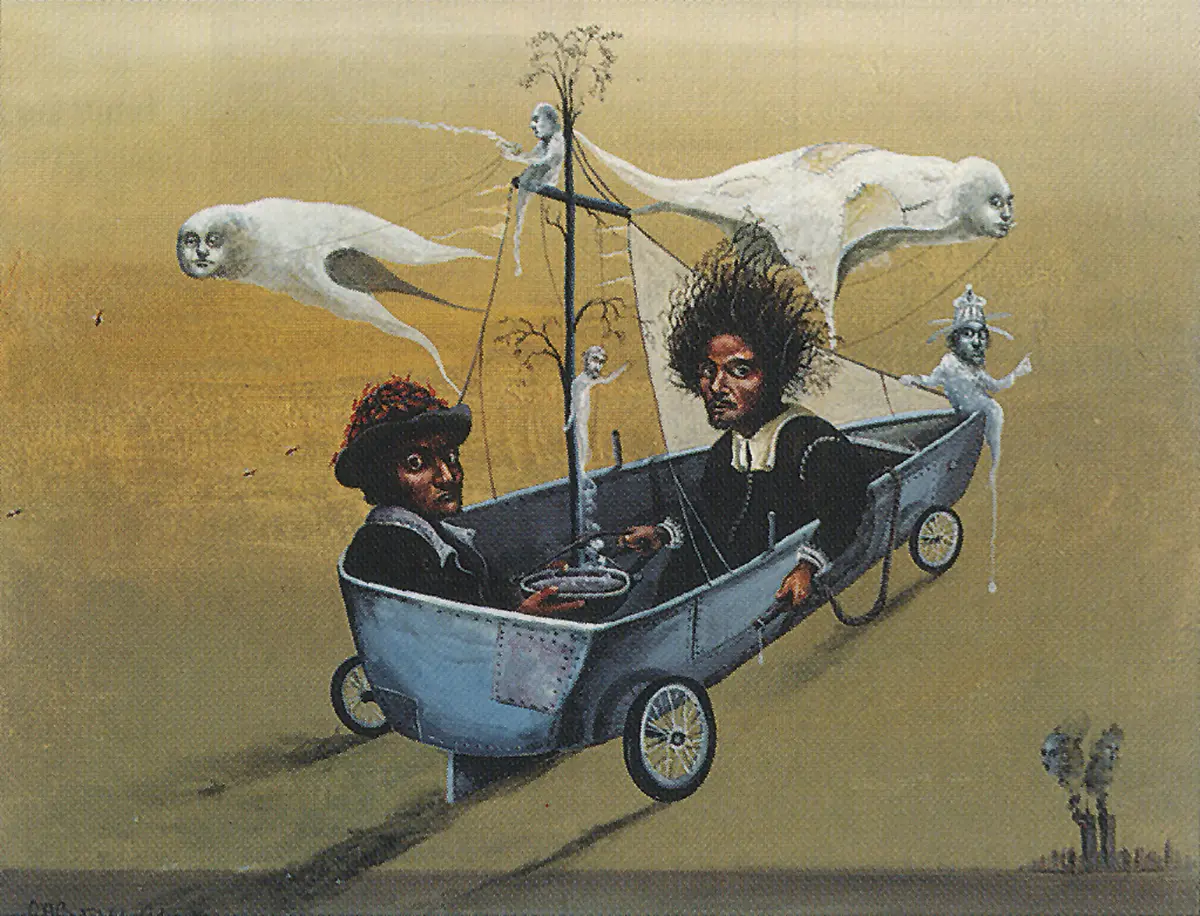
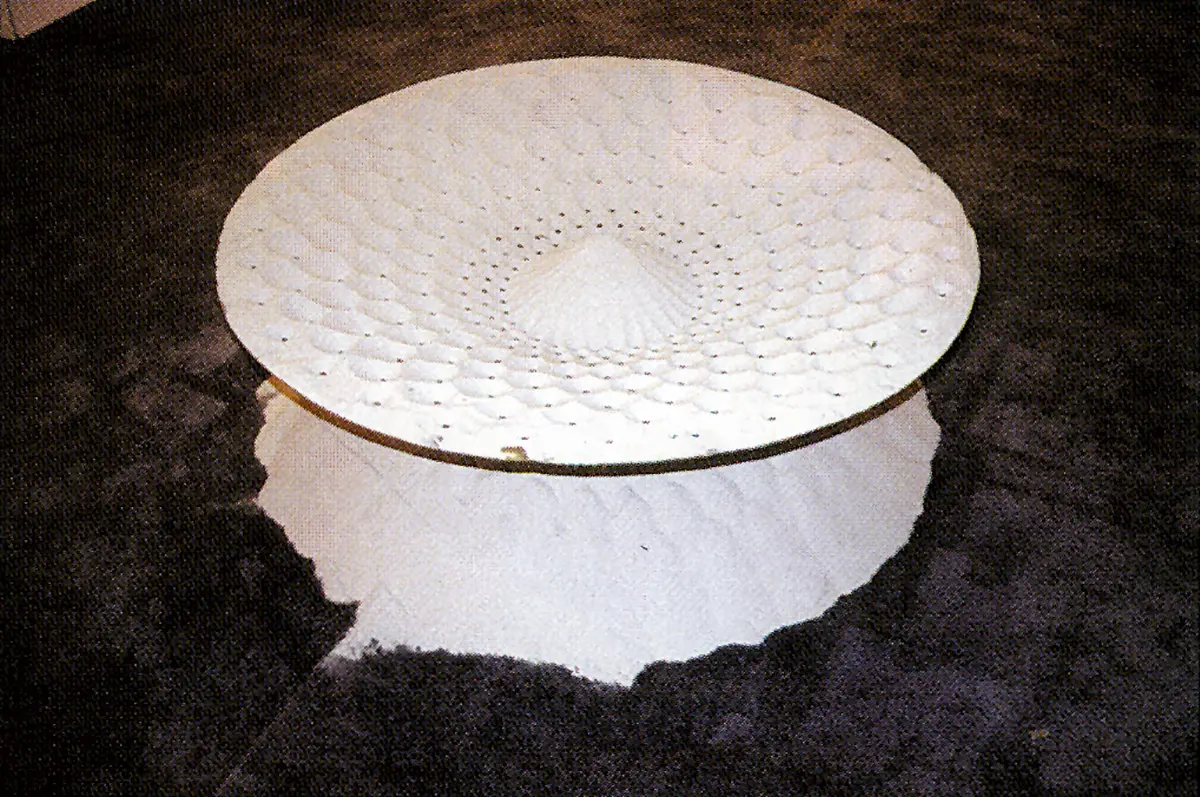
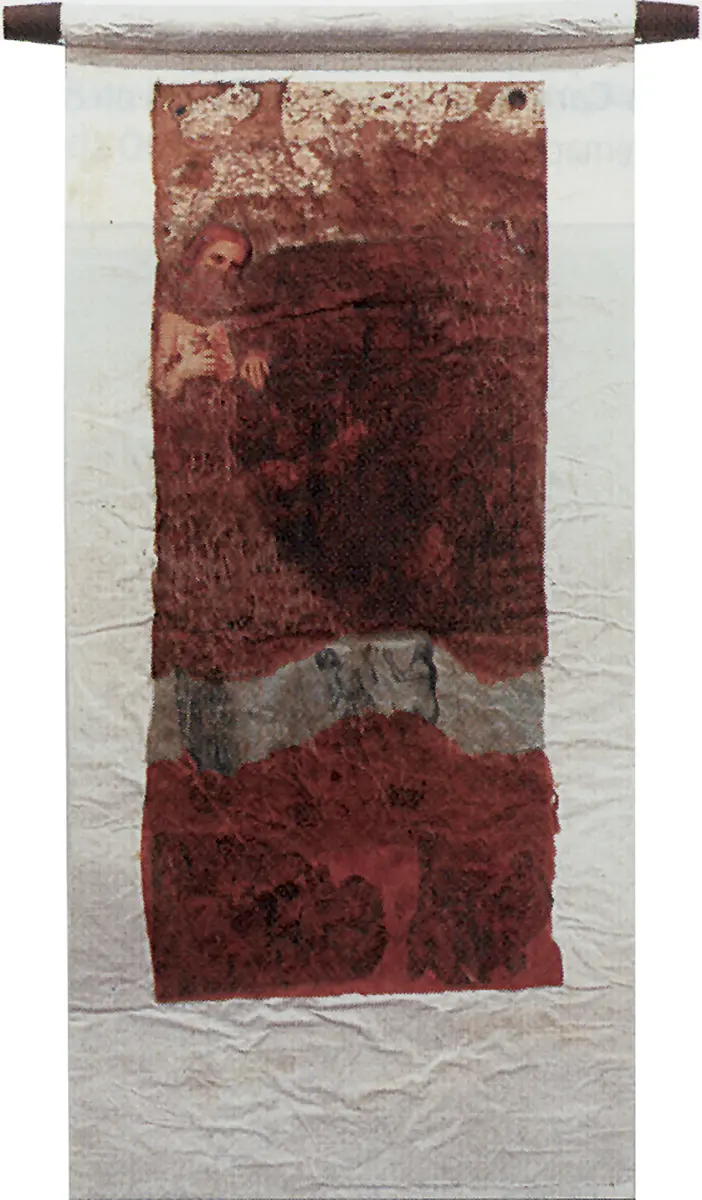
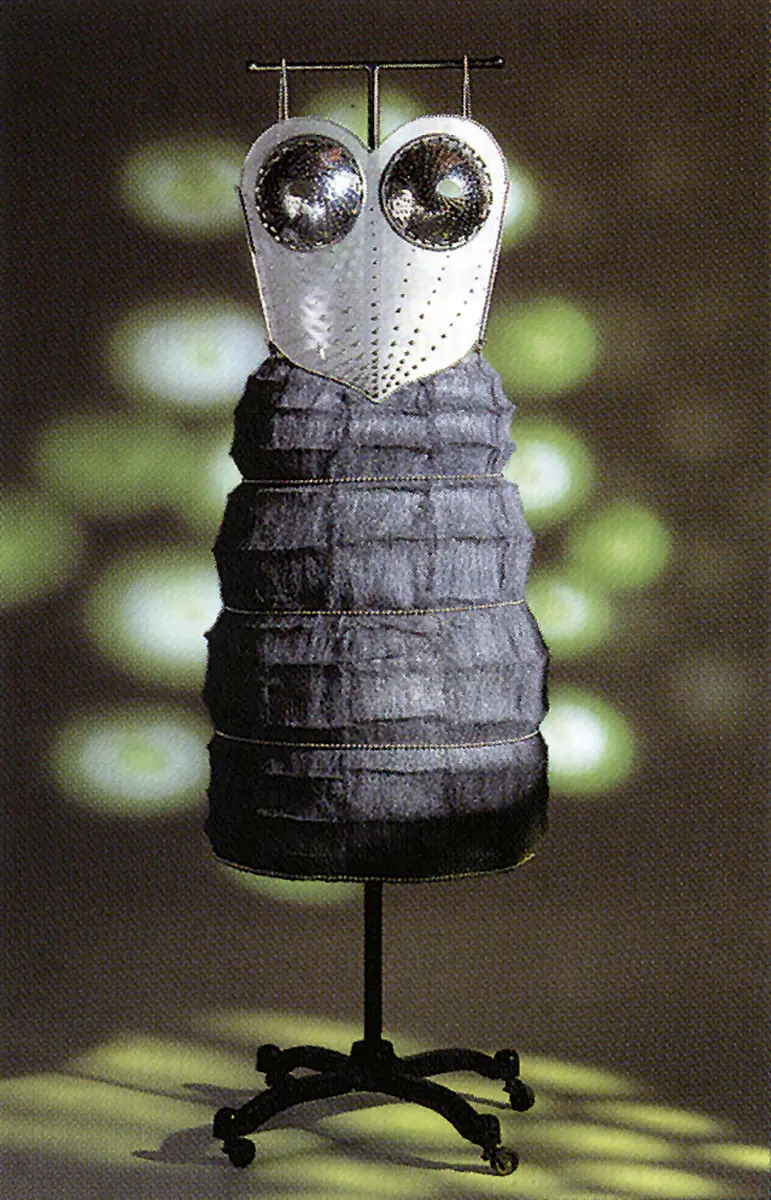
There were unusual objects made of materials that ranged from the most challenging to the most mundane everywhere. Items of clothing by Adriana Carvalho were made of steel wool and would make anyone cringe (Aldo Castillo, Chicago). Bizarre Haitian Sirens by Edouard Duval Carrié looked askance at Pepón Osorio's Beating Heart and the vintage romance novels reconstructed by Donna Rosenthal at Bernice Steinbaum's (Miami). Hands and feet took on an elegant appearance when cast in resin and other natural materials by Cecilia Paredes at Klaus Steinmetz Arte Contemporáneo (San José, Costa Rica) and photo objects by Margarita and Juan Antonio Monsalve at Felipe Grimberg (Miami) showcase the creativity of artists who can transform anything available into astonishing new visual experiments.
The inclusion of more photography this year among the array of new media and manipulated techniques helped to bring Art Miami into competition with other international fairs that showcase more cutting-edge and innovative artists and elevate it above the commercial decorative appearance it has had in other years.
CAROL DAMIAN
Professor and member of the Directive Board of the Department of Visual Arts at the Florida International University, Miami.