
The 4th Caribbean Biennial opened on November 16th due to very unfavorable international circumstances and with a necessary delay due to the national mourning caused by the accident of flight 587 in Queens, New York, which customarily travels the route between New York and Santo Domingo.
Nevertheless, in no way could it be said that this tragic national and international context interfered, beyond the emotional terrain and the moving around of dates, in the later development and noteworthy success of the convocation, even considering the unjustified absences of some invited Europeans and North Americans who had made commitments to attend but canceled at the last moment, doubtless influenced by the tragic and ghostly atmosphere of insecurity and paranoia that has governed the world since September 11th.
Although we could count on one hand the attendees from outside the area, contrasted with the attention and the credit unanimously given to current director Sara Hermann by the large Cuban delegation, the emerging artists of the area, and the many attendees. They were not mistaken, judging by the results of this renewed edition is in a clear state of rebirth.
Sara Hermann has barely been at the front of the Museo de Arte Moderno de Santo Domingo for two years now, and she has already earned at least three great achievements for her country with this biennial: 1) the recovery of the biennial; 2) the articulation of the biennial with the pulse of the city; and 3) a change of strategy and direction in order to overcome precisely that exhaustion of the formula and discourse that silenced her between 1996 and 2001.
Fortunately, with very good criteria and a better vision of the future, the political and administrative authorities of the island who have supported her, with President Hipólito Mejía and his government at the forefront, freed Sara Hermann's hands in order that she might carry out a project that was ambitious on account of the decisive and profound changes that this 4th Biennial presupposed in the face of preceding editions. It would be fair to recognize the merit of personal effort of both Porfirio Herrera, in charge of the biennial itself in previous editions, and Marianne de Tolentino, current director of the magazine Cariforum, as the principal consultant and strategist for the biennial's very existence.
But what does the recovery of this biennial presuppose? In the first place, though not solely, the reunion in Santo Domingo every two years of the art from the region, which implies first-hand access to the vision of the contemporary art of thirty countries typically excluded, marginalized, silenced, or seen in a very dim light among the information in magazines of the European and North American markets.
We should keep in mind the fact that the Havana Biennial (its neighbor) is the result of the selection of artists that a qualified group of Cuban curators from the Centro Wifredo Lam makes periodically in its exploratory travels, primarily to Africa, Asia, and Latin America. As an alternative, the Caribbean Biennial offers us a self-portrait —concave, convex, real, and in time— of every country in the specific region of the Greater Caribbean because it is the countries themselves that select their representation: Guyana, Colombia, and Venezuela, Central America and Mexico, as well as all of the insular Caribbean and, for the first time this year, the transterrados of Miami, an innovation that ultimately considers the territoriality of art proper, previously formulated by Yasmín Ramírez.
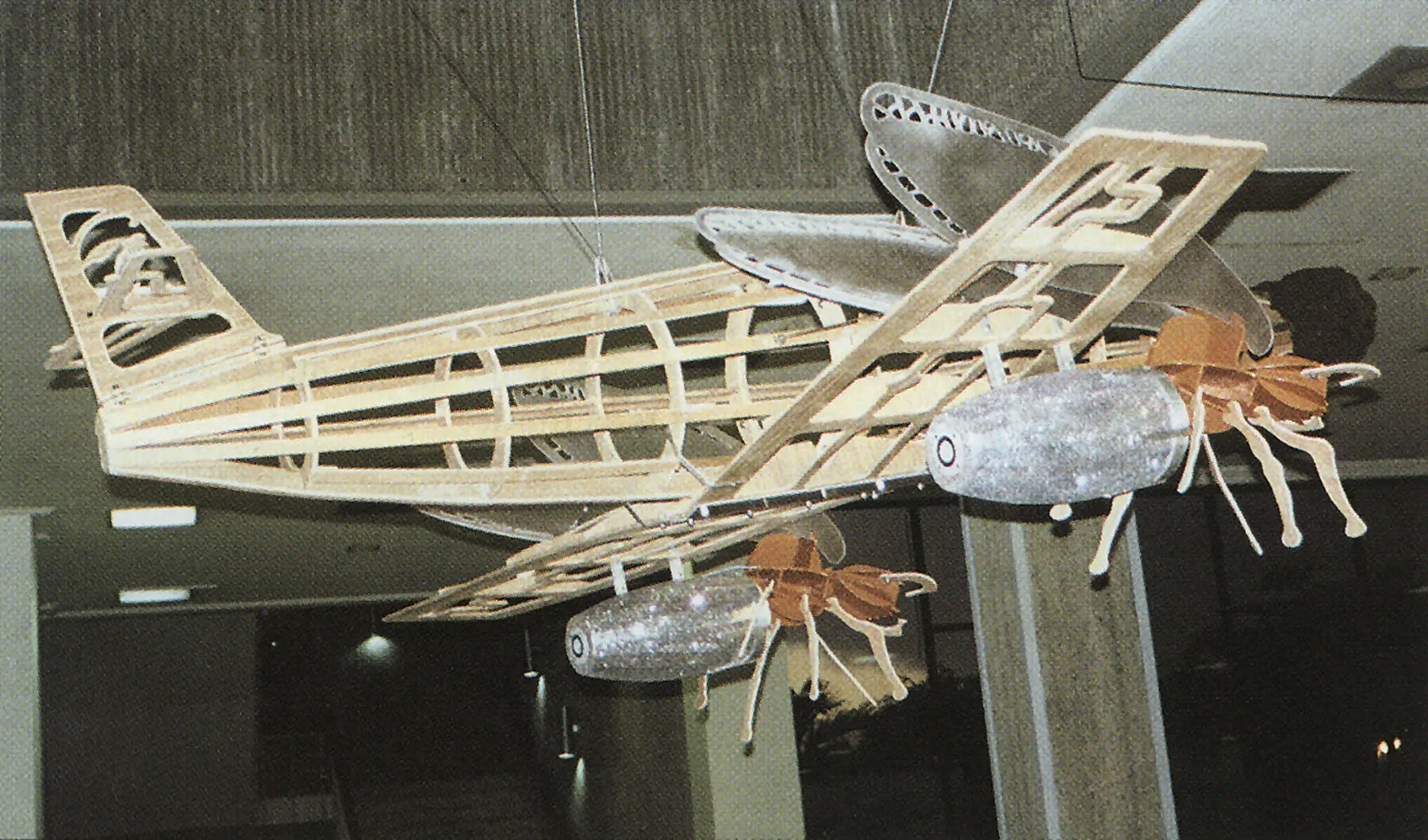
However, consolidating the biennial is more of a priority for the area itself than opening it to the rest of the Americas. In any case, the presence of the transterrados and their unquestionable key role in this edition is on the road that suits the specific interests of the biennial, their independence, and originality. Through that "false" door, beyond homelands, the art of the region finds its true place, beyond the fragmentary territory that sustains it, in its own identitary plurality. In this sense, ignoring Miami (or even New York) would naturally be like ignoring oneself. This attitude coincides exactly with the "migrations" as a central theme of this 4th edition of the Caribbean Biennial, which is reflected in an outstanding fashion by Charles Juhasz's (Puerto Rico) small plane, which was not in the competition, but which hung in the museum's interior entry. The same holds true for the piece by Spanish artist Domingo Sánchez Blanco, also outside of the competition but exhibited in a hallway, on Dominican emigration in Madrid and multiple identities. In a way, this theme is also underscored by Darío Suro himself, to whom this 4th edition is dedicated and whose parallel show was curated by Laura Gil of the MAM de Santo Domingo at the Centro Cultural Rodrigo de Bastidas, in conjunction with Ricardo Ramón Jarne, director of the Centro Cultural de España.
Naturally, representation by countries —precisely because of their plurality and number— has its risks, especially ideological and thematic. But also by keeping in mind the individuality of the proposals and the very existence of the prizes, the excesses are somehow corrected and neutralized in one way or another. Also, there does not seem to be a more convincing alternative to this system of official representation for offering the characteristic image of the entire area. In any case, the change of format¿from a biennial exclusively for painting, as the three previous editions had been, to a biennial open to any expressive tool¿has allowed an updating of the biennial's discourse, foreseeable with the choice of Sara Hermann at the head, through its more updated, open, and professional conception.
However, the impossibility for the judges to keep in mind the artists present who participated within or beyond each official representation, such as the involuntary exclusion of Dominican photography and other public and parallel interventions of the Biennial, are breakdown that must be corrected because it is an attack on the very change of format recently inaugurated at the biennial. The best option is to allow the judges to award the parallel shows, which have determined a certainly radical character of this convocation, as they invade both the city's Zona Colonial and some marginal neighborhoods (La Negreta de Santa Bárbara), which has allowed the biennial to become articulated with the city, at least provisionally.
These changes in strategy, action, and direction have provided the biennial with the necessary and adequate elements to become more competitive and dynamic in the area, which contrasted with the apparent tranquility of the Cuban delegation, visibly satisfied with the prizes and also visibly upset by the disorganization of the conferences (in which Yolanda Wood, Evelyne Jouanno, Alanna Lockward, Nelson Herrera Ysla, Haydeé Venegas, Ivonne Muñiz, Magda González, and Marianne de Tolentino, among others, participated). And the Cubans found themselves very affected indeed by the suspension of all acts imposed by the national mourning and the consequent improvised date change.
Nevertheless, strictly speaking, we should talk about a biennial in transition, not so much because of its expressions and themes, but rather because it is a reflection and pulse of the artistic state of affairs in the Caribbean, now in new turmoil and rebirth. It is not only the biennial itself that may serve as an example in these times of anxiety, but also the birth of a new magazine and of a new gallery, together with the Biennial in the city of Santo Domingo.
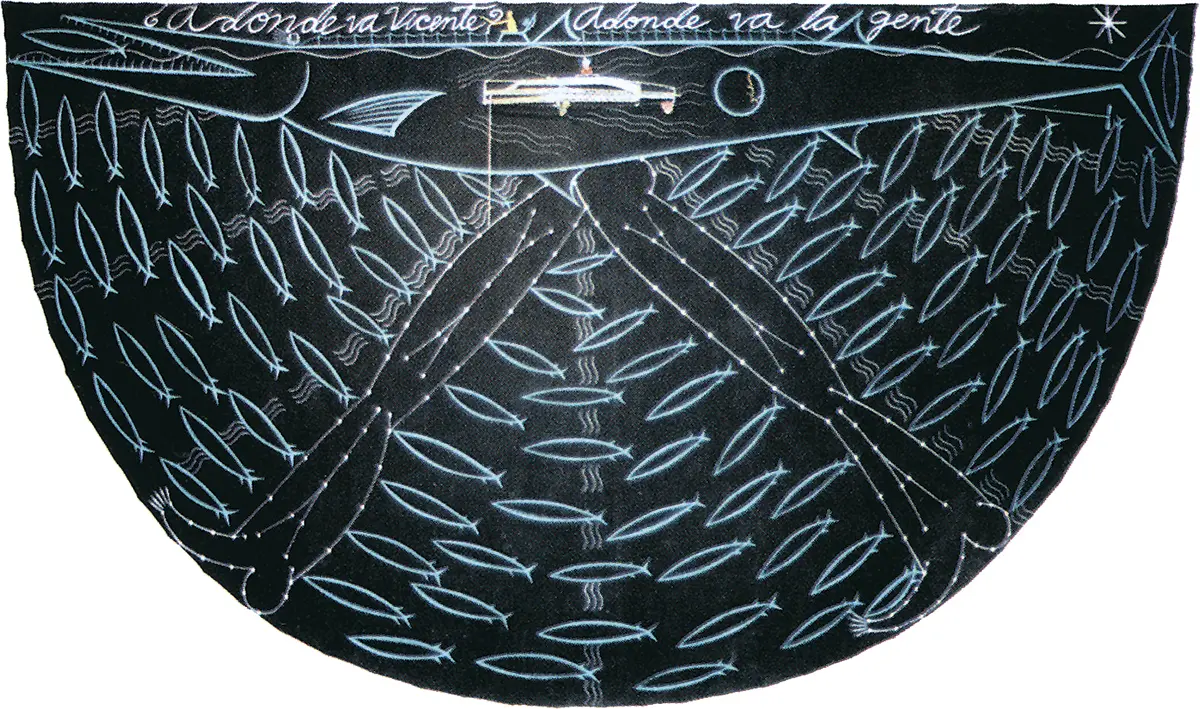
The judges—María Luz Cárdenas (Venezuela), Danilo de los Santos (Dominican Republic), Nelson Herrera Ysla (Cuba), Annie Paul (Jamaica), Michele-Baj Strobel (Guadeloupe), Alanna Heiss (United States), and Haydeé Venegas (Puerto Rico)—awarded the following prizes and mentions. Prizes to countries: Costa Rica, Cuba, Dominican Republic; honorable mentions: Patricia Belli (Nicaragua), Adriana Duque (Colombia), Ron Flu (Suriname), Prudence Lowell (Jamaica), Charo Oquet (Transterrados), Carlos Rivera Villafañe (Puerto Rico); gold medals: Domingo Álvarez (Venezuela), Darío Escobar (Guatemala), Marcos Lora Read (Dominican Republic), Yasser Mussa (Belize), Marielle Plaisir (Guadeloupe), and Roberto Stephenson (Haiti); first prize: René Peña (Cuba).
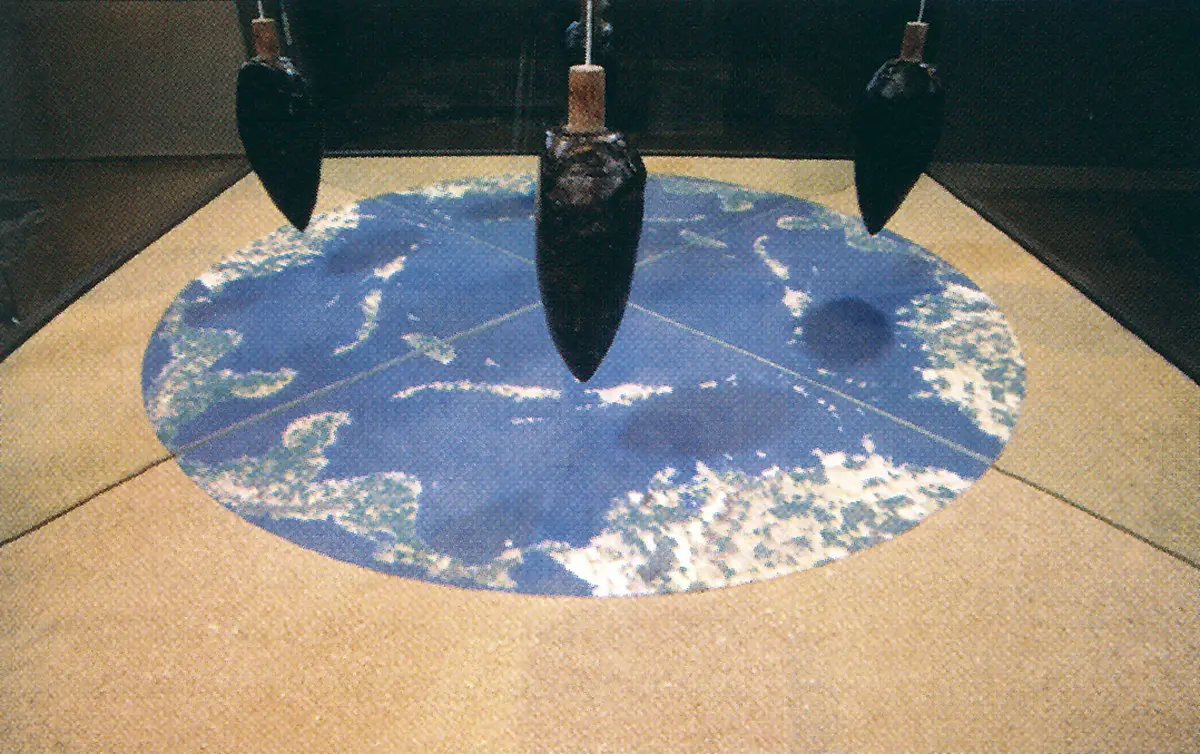
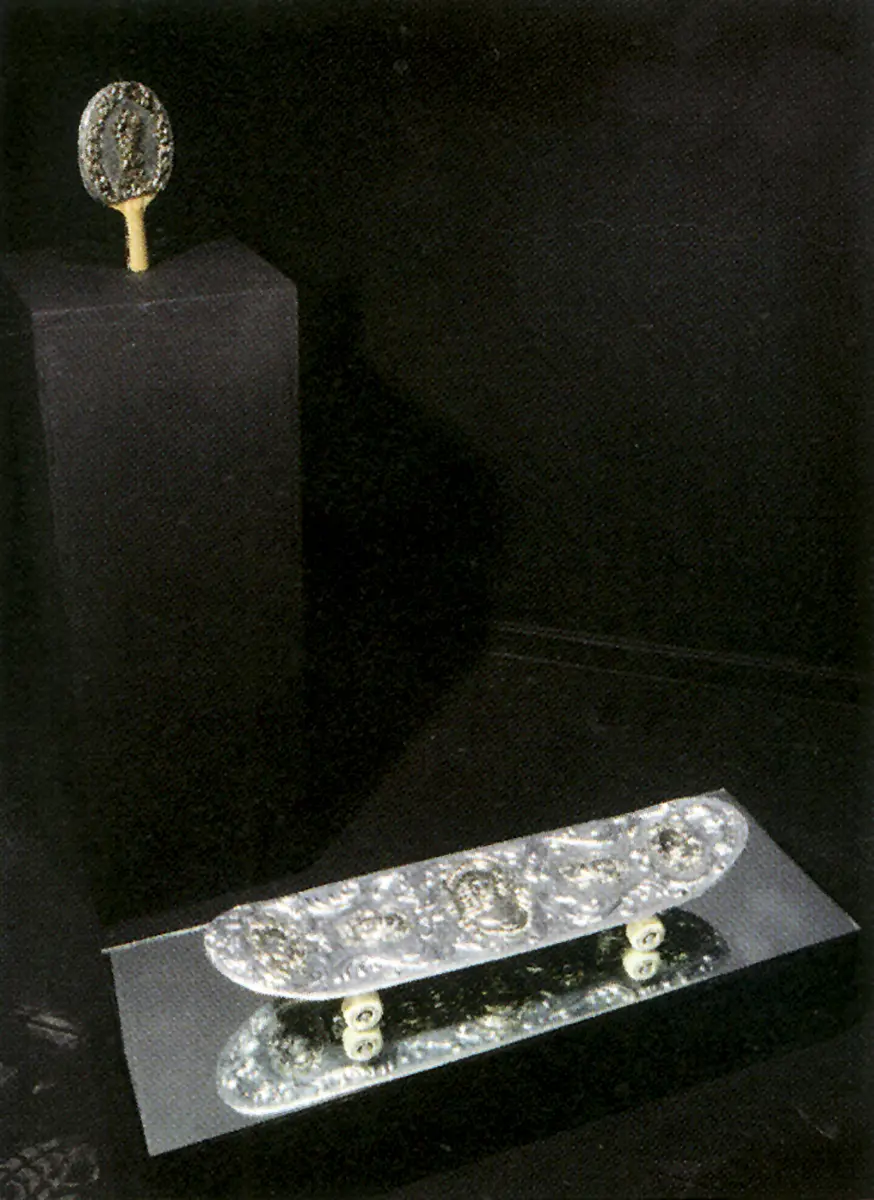
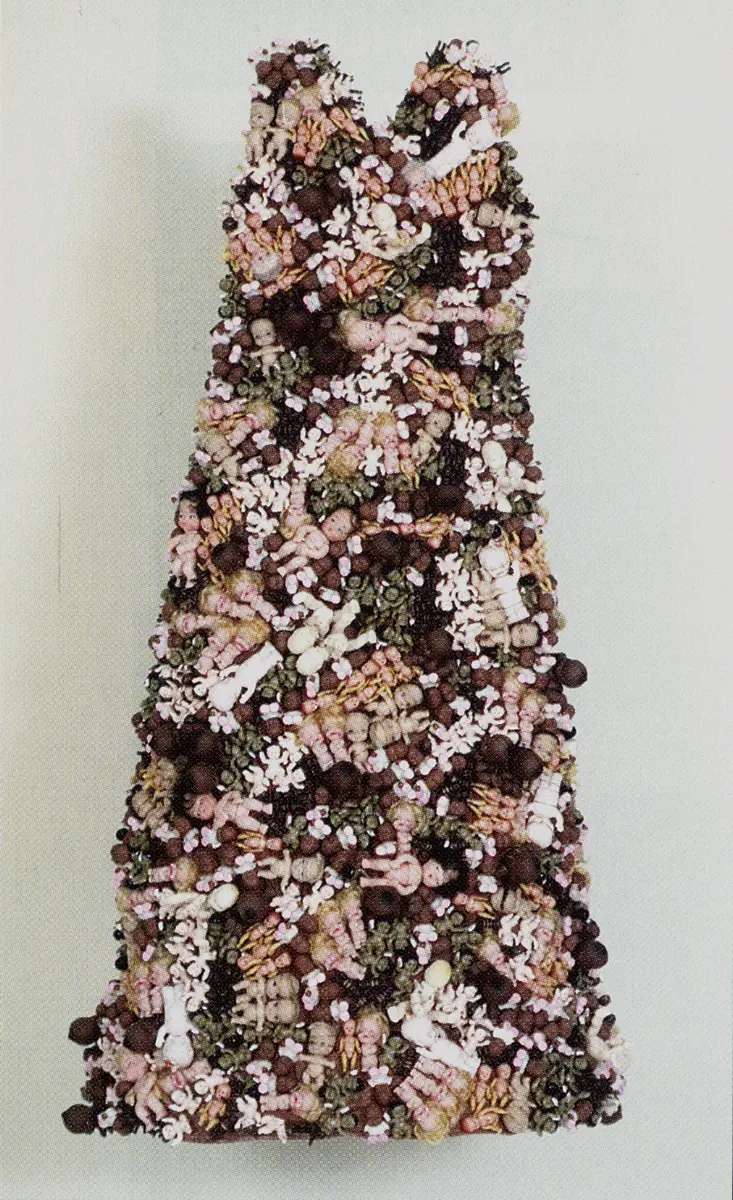
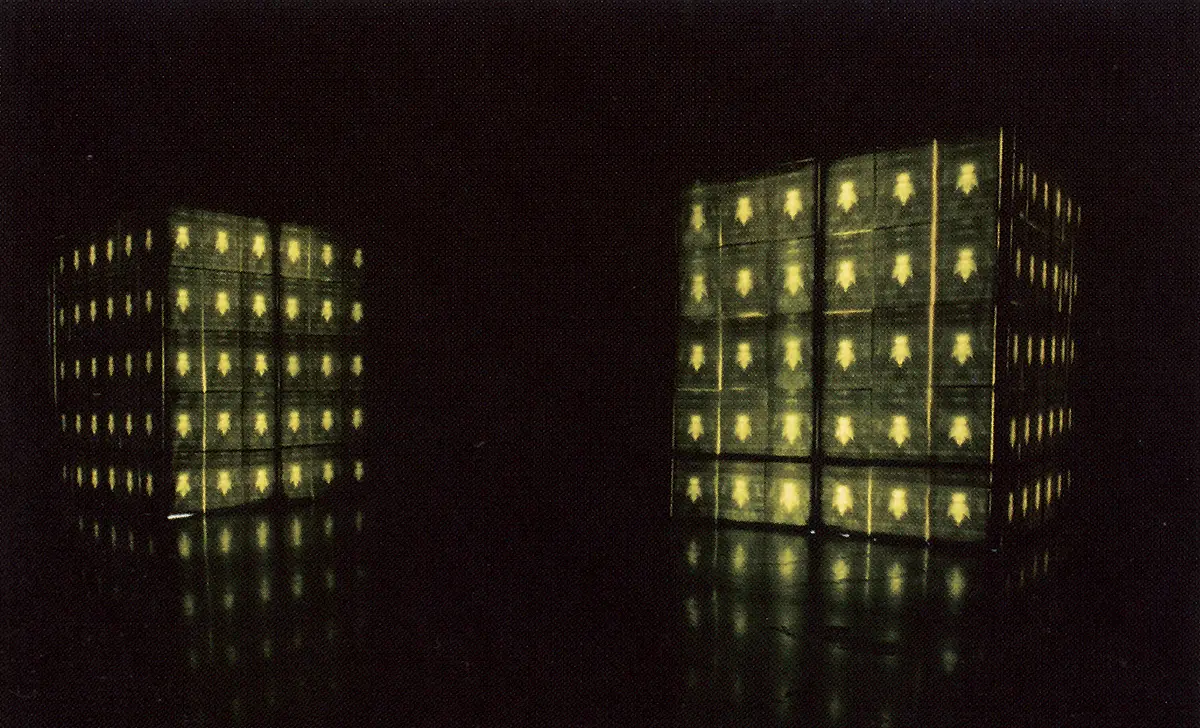
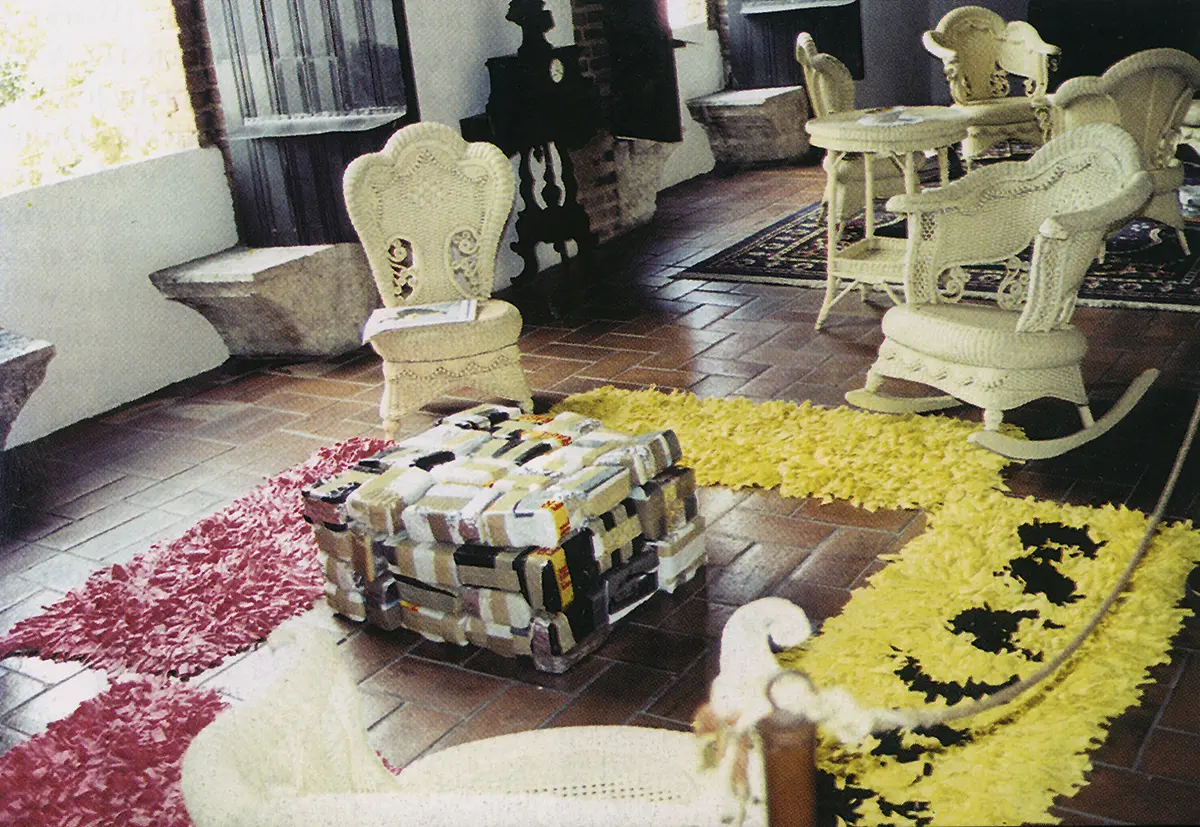
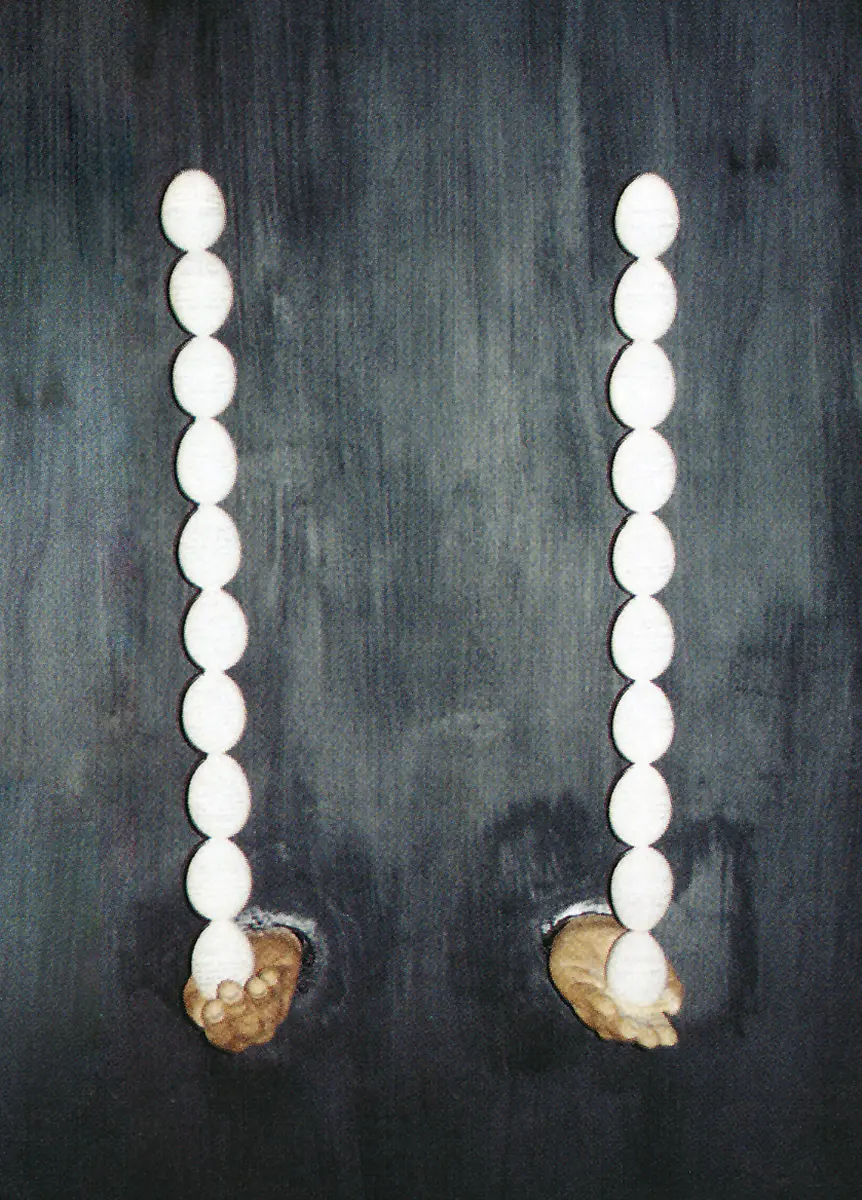
Without getting involved in evaluating the judges' opinion—which was both debatable and debated—the installations share the lead role with photography in this edition. Outstanding among the former were, without a doubt, Charo Oquet's towers and drawings, and Darío Escobar's objects and icons. And among the photographs, those of René Peña, Robert Stephenson, and Adriana Duque were noteworthy. And there were also other magnificent works that merit attention, such as that of Mexican artist César Martínez, with a sculpted wax family (El esplendor del presente [The splendor of the present]) near the Museum, not included in the competition, and that of Carlos Betancourt, with photographs that explore the plastic and ritual corporeity of animism. The same thing occurs with the splendid drawings by Kcho and the photographs by Luis Gómez, as well as the installations of Mario Benjamin and Ana Rosa Rivera.
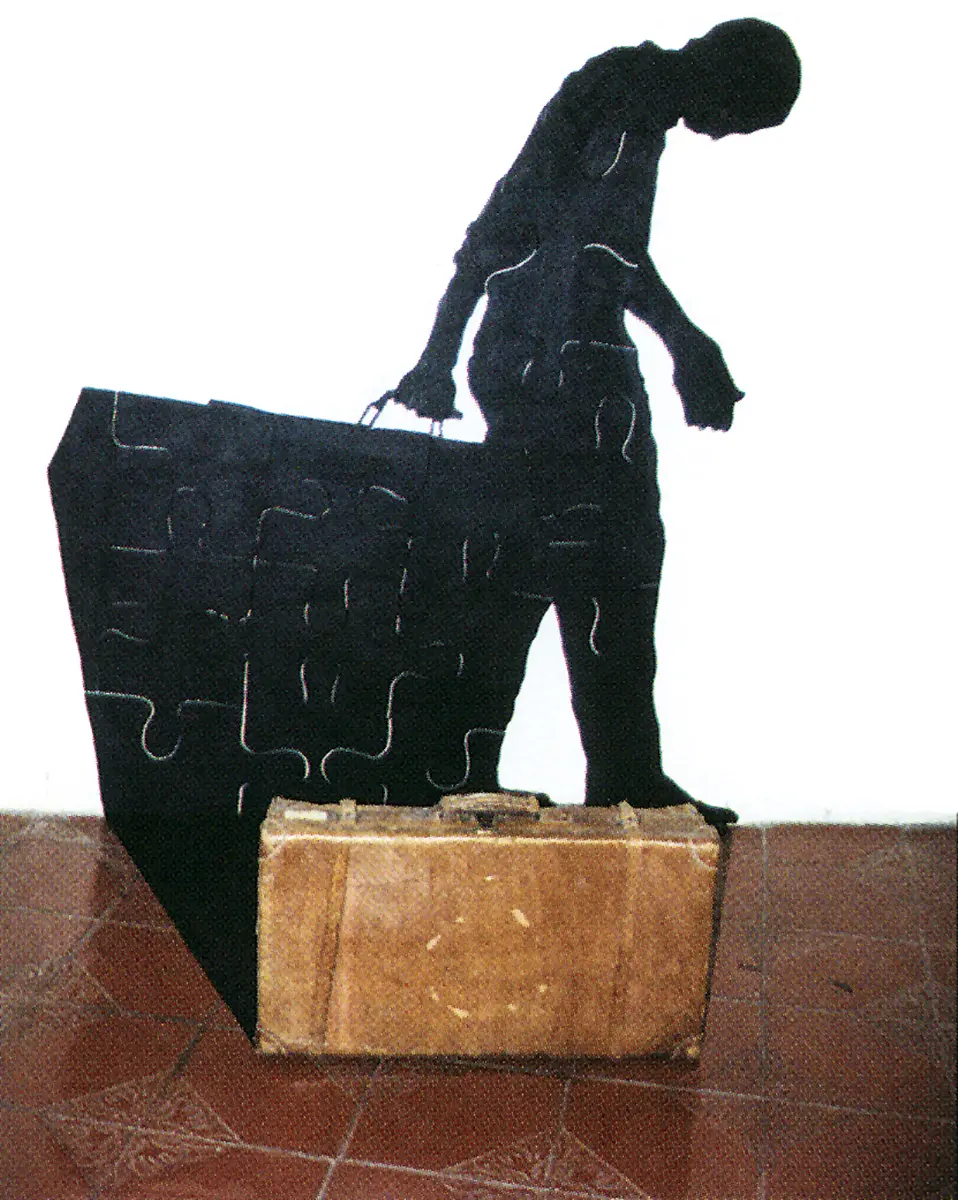
And this is just to mention the official headquarters of the museum. However, a good deal of the biennial took place, as I have mentioned, in the Zona Colonial and in other peripheral and modern neighborhoods of Santo Domingo: parallel shows, art in the public space, and performances, a large part of which were coordinated by Paula Gómez Jorge. Of the fifty or so convocations that followed one after the other all around, we should mention in the first place the excellent public interventions fashioned under the name "Días hábiles" (Working days) conceived and directed by Alanna Lockward. Participation by Josefina Báez (Dominicanish), Nicolás Dumit Estévez (Papa móvil), César Martínez (Happening-performance-cena), and Orlando Menicucci (Honorarios al espíritu [Fees to the spirit]), along with the photographic documentation of Miguel Gómez, was spread out across various street locations, etc., and the works were certainly able to articulate the biennial and the street. Outstanding among the shows were the clothes of Vestial (Capilla de los Remedios), by Dominican artist Raquel Paiewonski, the crude, sophisticated, and migratory allegories of Raúl Recio (La nueva familia [The new family]), at the Casa de Tostado and MIAMI Tierra Caliente (Centro Cultural Ecuatoriano Oswaldo Guayasamín) by Genaro Ambrosino and Charo Oquet, which included the participation of R. Behar and R. Marquardt, Carlos Betancourt, Carlos K. Brown, Westen Charles, William Cordova, Beatriz Monteavaro, Vickie Pierre, and Charo Oquet herself, with installations, photographs, and transterrado and cultural fusion drawings.
We should also mention the shows carried out by both the Escuela de Arte Prats-Ventós and the Centro Cultural de España on the occasion of the Biennial. The former with Nuevas miradas: fotografía contemporánea Dominicana (New looks: contemporary Dominican photography), curated by Carlos Acero, and the second, with two shows, one exquisite show by José Bedia, and another extraordinary show, El arte y la fe en el vudú haitiano (Art and faith in Haitian voodoo), a collection of religious objects that was surprising for its uniqueness and artistic wealth as well as its notable spiritual charge in Marianne Lehmann's collection. The exhibition Proyecto maletas (The Suitcase Project) at Casa del Teatro is also worthy of mention.
Finally, I wish to mention the joint work, between countries—like Belize, Trinidad, and Tobago—and among countrymen, like that of Dominican photographers Miriam Calzada, Andrés Ramírez, Polibio Díaz, and other artists like Ricardo Benaim, Carlos Servando, Che Lovelace, Tony Capellán, Mónica Ferreras, Scherezade García, Quisqueya Henríquez, Milton Becerra, Pascal Meccariello, and Tony Monsanto—among others here—who contributed with their presence and their works to this biennial's deserved success.
* Photos: León Birbragher.
ANTONIO ZAYA
Director of Atlántica. Editor and independent curator. Girona, Spain.