
The first MUESTRA 001 art fair took place in Monterrey between this past April 4 and 7. Verónica Rodríguez and Zélika García, the fair's directors, made the courageous decision to hold the fair in this city despite the hard times. Responding to the call for works were some important galleries from Mexico City, but the galleries from mid-sized cities also constituted an interesting group.
Although it was a small event by all measures, it was able to bring together an important group of 25 galleries —14 from Mexico and the rest from countries like Colombia, Cuba, Spain, the United States, and England. For several of them, this was their first fair.
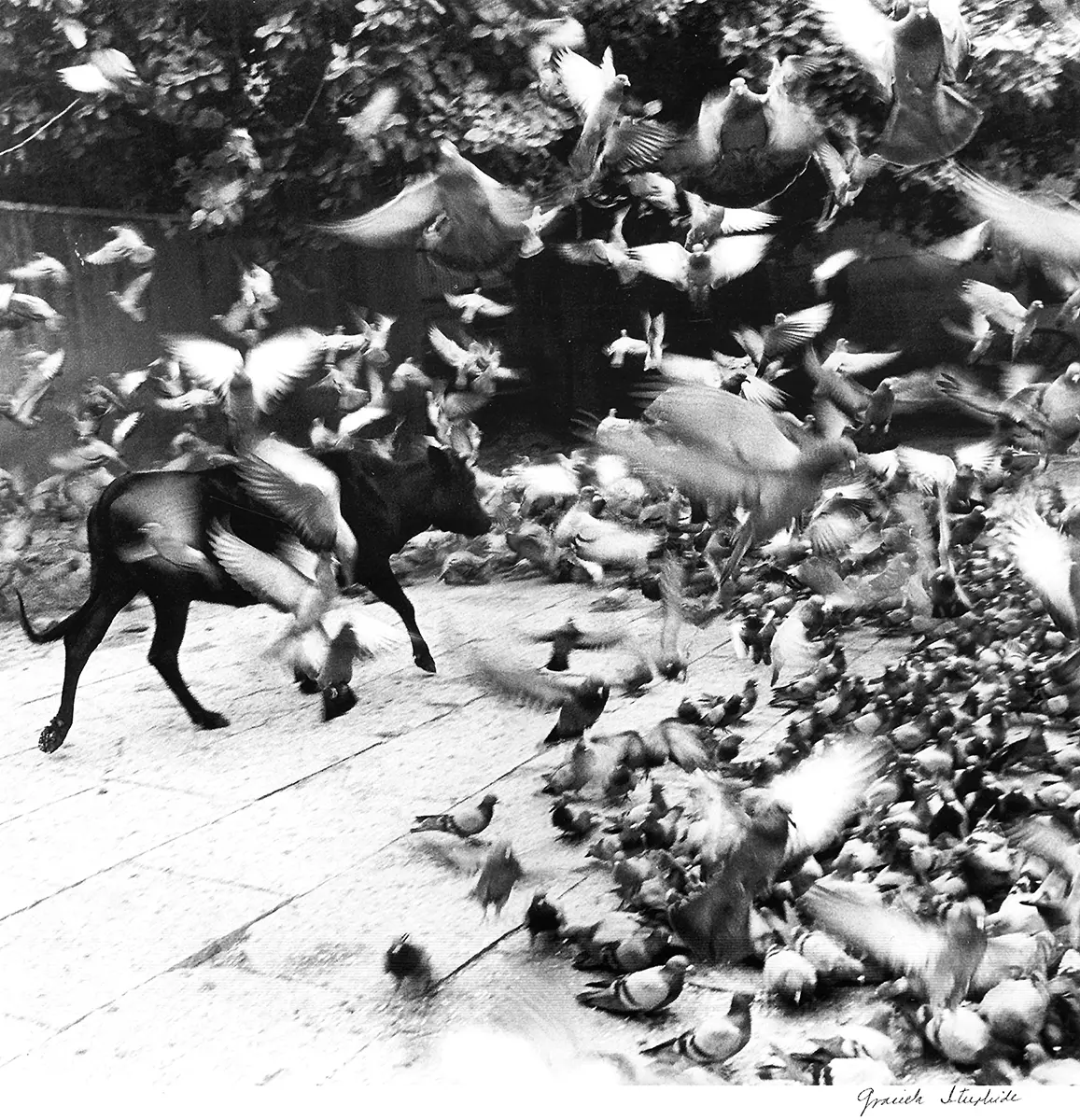
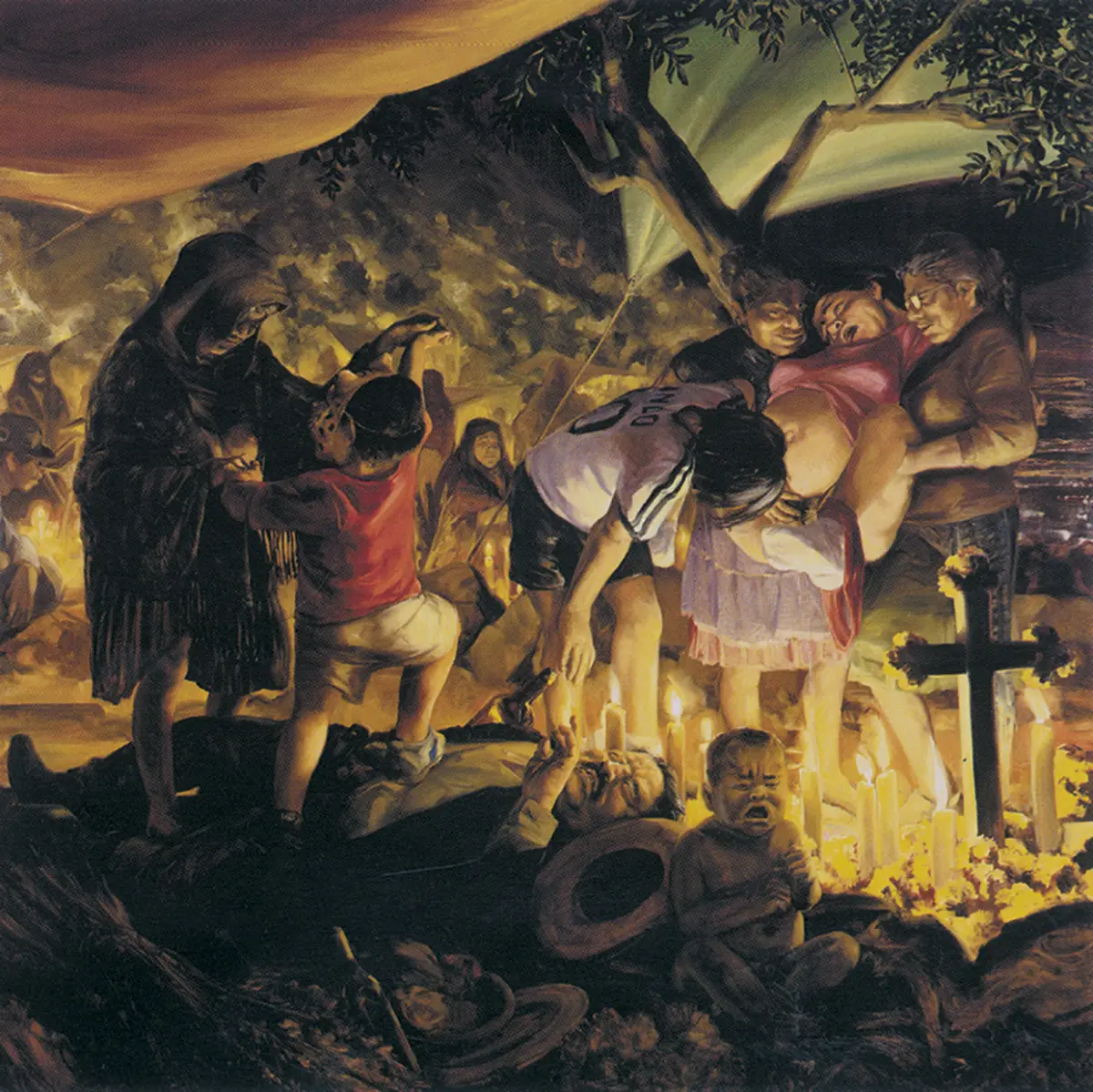
Important among the Monterrey galleries was Galería Emma Molina (GEM), who presented a sample from Graciela Iturbide's photographic work, along with a series of human heads made of clay and placed on the floor on a symmetrical square by María Helena Cuevas. This last piece suggests a human collection of interred bodies that have been arranged by force and stripped of their freedom of movement. JGM Arte Contemporáneo de Monterrey presented a mural of small frames done by Francisco Larios, who has taken advantage of painted and drawn three-dimensional volumes by placing them on a plane and presenting them as a clean and concise digital image. Galería Drexel showed Maribel Portela's work—in this case a series of natural-sized men made of ceramic and painted in earthen colors such as ochre, orange, and black. Also found in the piece are light-colored clay figures, undoubtedly to emphasize racial multiplicity. The figures with basic features allude to a primitive society of hunters and gatherers; their bodies branded with images of animals and ritual symbols remind us of tribal ceremonies. The same space featured a one-person exhibition with Daniel Lezama's pictorial work; his canvases portray a sort of "mexicanization" of epic history, where he mixes classical figures with subjects corresponding more to a current erotic presence.
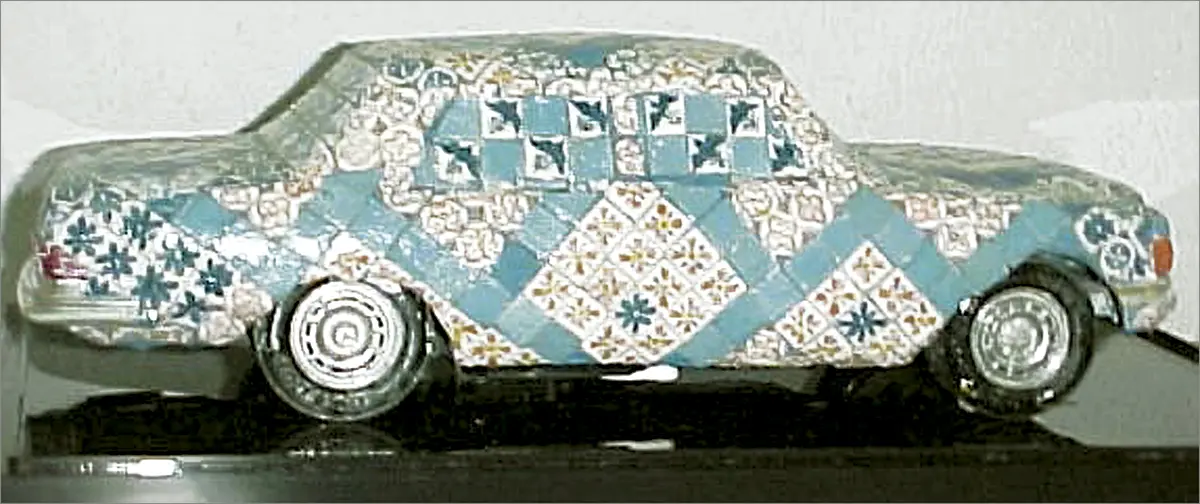
Galería Ramis Barquet, who besides its Monterrey space has one in New York, presented the works by several of the artists it represents. We can highlight Marta María Pérez Bravo's photographs, Marco Arce's watercolors—games of shape and color based on images made by other artists, and Betsabée Romero's maquettes of cars, among which we find old vehicles exaggeratedly decorated. Some of them are covered with designs resembling bathroom tiles from the 1960s, and they have been placed on pedestals as if they were museum sculptures. Also, there are some pictorial works of disproportionate buildings that almost outgrow their format, as well as automobile tires that have been carved as linoleum plates.

As it has become customary in other fairs, Galería Enrique Guerrero presented several outstanding pieces by Julio Galán that date back to the 1980s. On this occasion, a piece from 1984—a representation of the artist's mother calls for attention.
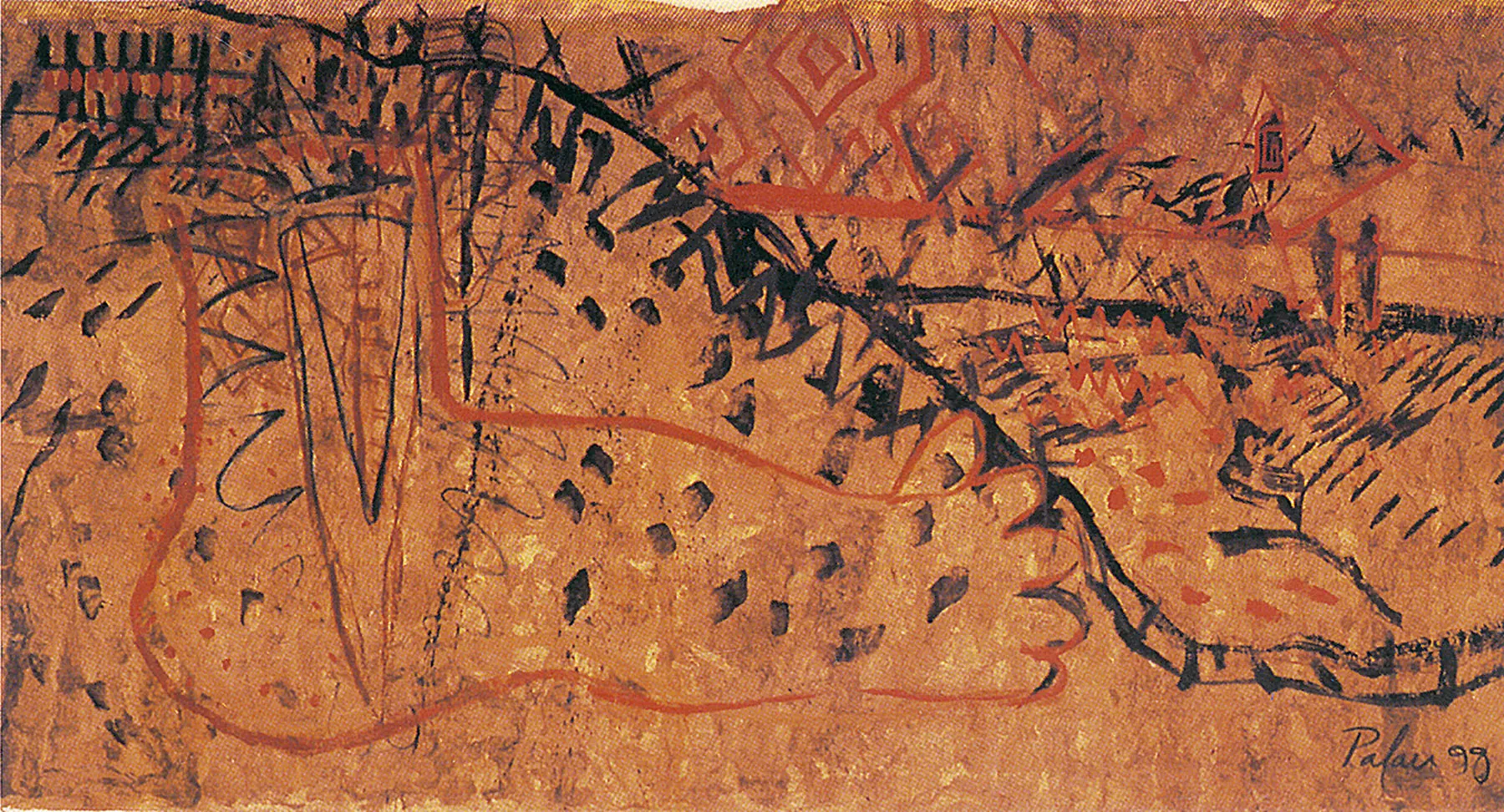
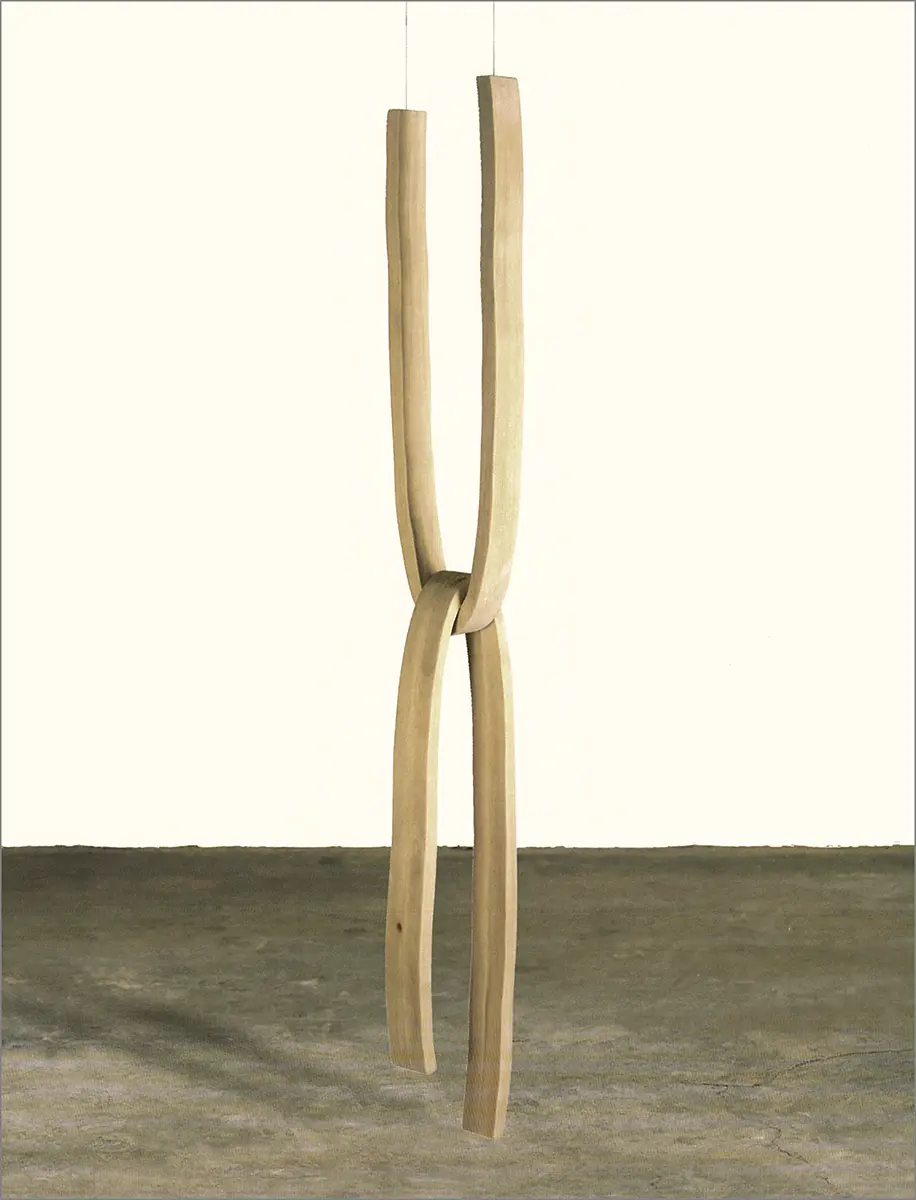
Cristina Garza's sculptural work stood in Nina Menocal's stand. While creating elaborate assemblages, this artist manipulates wood with such mastery that it seems to take on organic forms filled with movement, intertwined with one another in a game that defies the material's possibilities. Kunsthaus Santa Fe presented several of Marta Palau's pieces elaborated with natural pigments on paper and related to the topic of human displacement. In the drawings with strong and simple strokes, we perceive feet treading on trails, plains, and mountains barely delineated in red and black. Praxis México exhibited works by Roberto Cortázar, and Offil Echeverría, and beautiful photographs by the young artist Graciela Fuentes. In her chromogenic prints, Fuentes superimposes the reflection of everyday places into domestic objects such as kitchen utensils, bathroom soap, or chairs. To conclude with the Mexican spaces, we can highlight Liliana Porter's latest video, presented by Casa Arte 3. Other Mexican galleries present at the fair were: Arena México, Galería Haus Der Kunst, Galería Punto y Línea. Arte Contemporáneo, Oscar Román, and Galería Quetzalli.
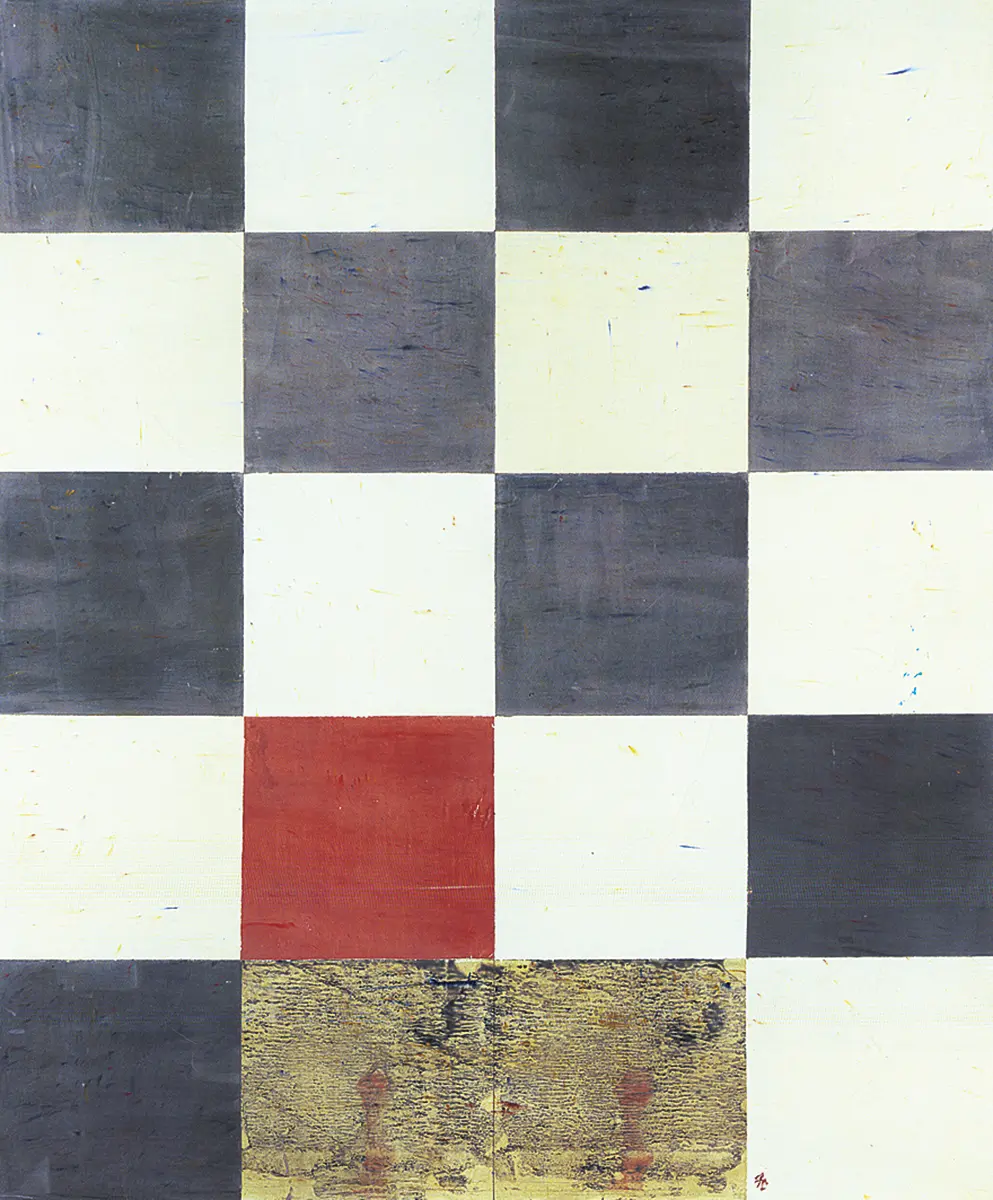
Among the U.S. galleries were Rare Art and Chac Mool. Chac Mool presented only the works by Francisco Castro Leñero, who works with acrylic on canvas. Here, images are superimposed with textures and frames as if in a fragmented chessboard, and from the frames emerge abstract strokes, light color stains, and transparencies.
Cuba's Galería La Casona presented an installation by Tania Bruguera, in which she sewed tea bags onto a plane. Galería Habana presented Metamorfosis (Metamorphosis) by Ibrahim Miranda. The piece is a sequence of xylographs with images of wrecked airplanes. Trailing the planes are other pictures of smoke and flames; we also witness drawings of anguished faces, posters, photographs, and everyday objects. The piece caused a great stir among the visitors. Europe had a presence with the Timothy Taylor Gallery from England. An English gallery whose specialty is Chinese contemporary art was also present. This constituted a special opportunity for the Monterrey public to see works from the Orient. Horrach Moyá and Luis Adelantado participated from Spain. As always, Luis Adelantado had a stand of excellent photographers, among whom we can highlight Santiago Ydáñez, who uses black and white photography to elaborate portraits with magnified gestures, taking advantage of the light contrasts to emphasize the white paint covering the faces.
Two Colombian galleries were present: Galería La Cometa, with excellent recent works by Édgar Negret, and Galería Mundo, with works by Ana Mercedes Hoyos and Carlos Jacanamijoy. Jacanamijoy works with colorful oils and acrylic abstracts dedicated to landscapes and tropical themes of nature and fauna.
The plan in 2003 is for the fair to be held in Mexico City.
MARÍA JOSÉ RAMÍREZ
Editorial Coordinator for ArtNexus.