
Months before the realization of the ninth version of FotoFest, The Classical Eye and Beyond, its directors, Fred Baldwin and Wendy Watriss, had stated that it was "one of the most challenging and complex events we have attempted to date."1 To say that the mise en scène of a festival that spanned almost the entire breadth of the history of photography—from nineteenth-century travel photography to digital video and online art—was complicated is an understatement. Nevertheless, it is the conceptual diversity and intricacy of the exhibits that best support Baldwin and Watriss' claim. Never before had the task of being thorough in reviewing FotoFest seemed so difficult. This necessarily short review will follow the bilateral structure suggested by the festival's title involving so-called "classic" photography and that which goes beyond it. Both notions are difficult to spell out in unobjectionable terms.
"Every classic has been modern," said Renzo Piano recently. Given the elusiveness of the terms "classic" and "modern," we need to travel the path from retrospect to prospect with a semantic compass. At one extreme of photography's chronology—and closer to "classic"—were the exhibits Russian Pictorialism and The Cordero Archive: A Portrait of La Paz, Bolivia (1900-1940). Curators Evgeny Berezner and Irina Tchmyreva stated, "Pictorialism was scratched from the historical record of Russian photography. It is only thanks to Mikhail Golosovsky, who, disdaining the official history of Russian photography, made a point of collecting works produced by pictorialists."
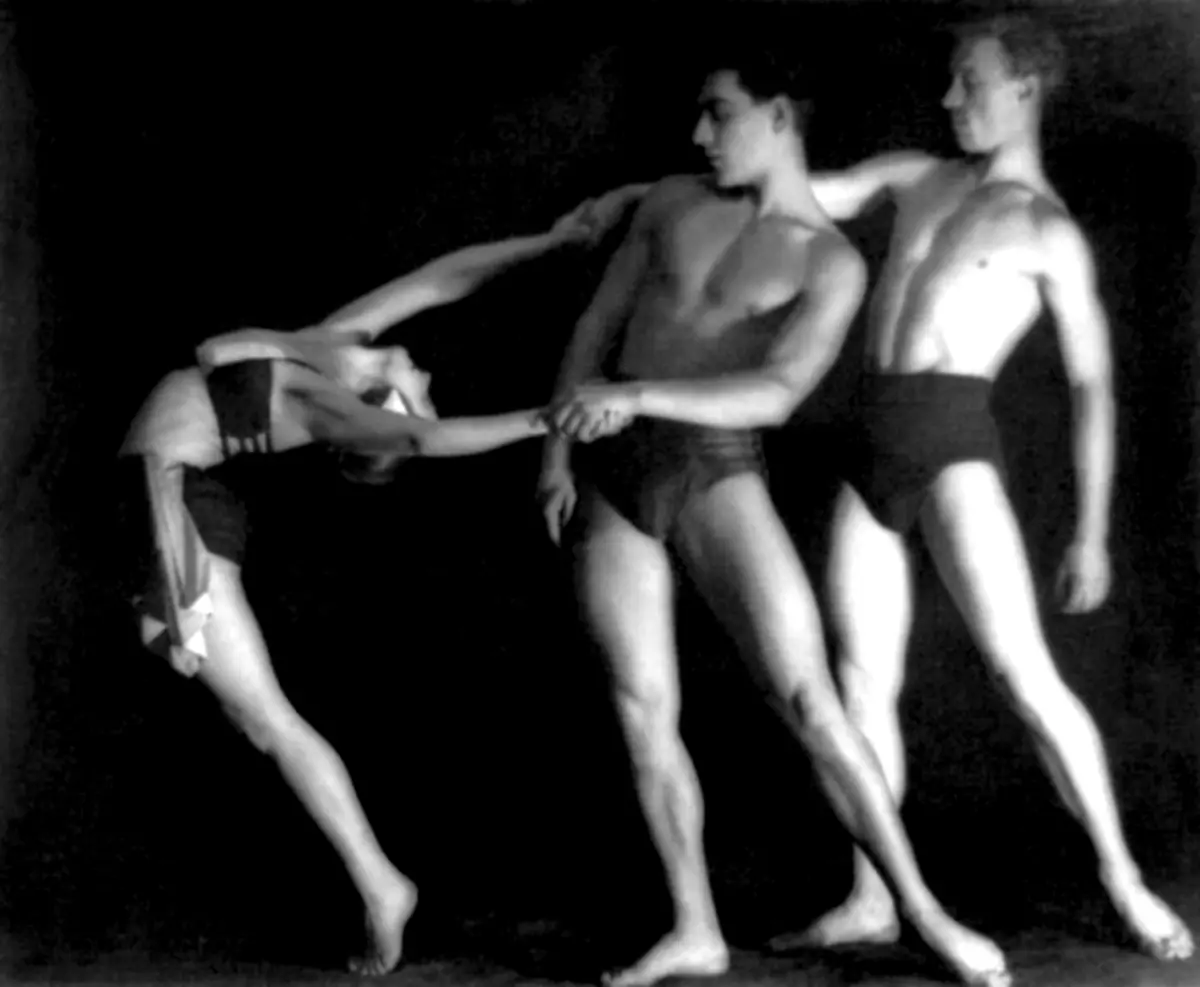
The reader uninitiated in the jargon of photography might think that "Pictorialist" is simply a dictionary term as "documentary" is sometimes assumed to be—even by people in the art world. The fact is that "Pictorialism" denotes a specific movement, circa 1900, whose basic tenet was that a photograph was artistic inasmuch as the hand of its maker intervened in the final print to make it look like other accepted types of art such as drawing or lithography. To enhance the "artistic" effect, Pictorialists preferred a soft-focus rendering of their subject matter. Pictorialism was perhaps the first global photographic phenomenon. Its followers published magazines in Europe, the United States, and South America, whose international circulation propagated the work of various artists and provided information about printmaking techniques such as bromoil and gumbichromate. With few exceptions, the aesthetic of Pictorialists was that of European art of the second half of the nineteenth century: somewhat Romantic, a bit Barbizon Realistic, and occasionally rigidly Academic. Although it is philosophically misleading to say that Pictorialists imbued their work with the subjectivity intrinsic to art, it is not inaccurate to say that they sponsored a depiction of the world that was very influenced by art movements—like Romanticism— where the feelings of the artist and/ or viewer played an important role. Thus it is not surprising that Pictorialism in Russia should have found itself on a collision course with Marxist materialism.
Outside the Soviet block, Pictorialist photography was gradually displaced by what may be somewhat reductively called "modern photography" or more narrowly, "straight photography"—a photography that did not hide its origins and whose sharp-focus aesthetic aimed at a more urban, technological and objective vision.2 It is necessary to add that both approaches to photography co-existed for decades and overlapped substantially, often making moot a clear-cut distinction. An interesting fact about Russian Pictorialism is that during the Soviet era, although Pictorialist work may have been regarded as bourgeois and/or even "decadent," the Pictorialists themselves were absorbed by the revolution. Berezner and Tchmyreva wrote, "Several outstanding pictorialists worked at Moscow's film studios as photographers and cameramen." In other words, they worked in the quintessentially modern medium of cinematography. Others became teachers in Soviet photo schools, and their students "became the 'worker-correspondents' who formed the first generation of professional Soviet photo reporters." The connection is instructive for anyone interested not only in the history of Russian photography but, more generally, in the Romantic side of Soviet iconography.
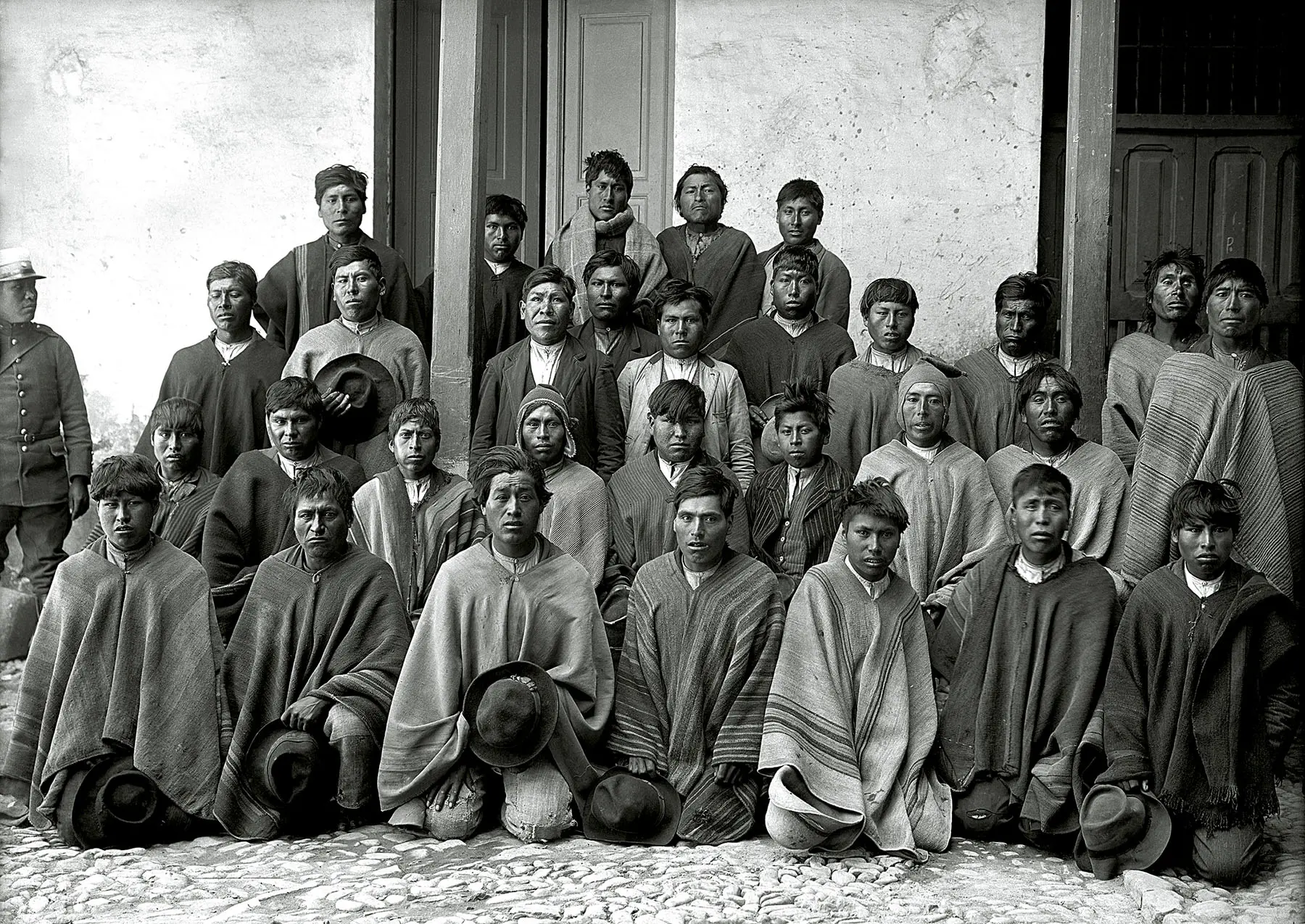
Although no information is available about any Pictorialist inclinations Julio Cordero Castillo (1879-1961) may have had, the images in the Archivo Cordero exhibit about Bolivia, on the other side of the world at roughly the same time, show little interest in showing the hand of its maker—except as reporter.3 Cordero's vision of life in Bolivia weaves a compelling narrative of its modern history from the belle époque señoritas walking the streets of La Paz in fashionable Parisian attire to indigenous peoples in their traditional ponchos arrested for subversion. Photohistorian Adelma Benavente states "As an official photographer of two of Bolivia's Liberal party presidents... Cordero documented scores of military parades, civic ceremonies, and political events. He also photographed factories, mines, offices, and the bustling, everchanging boulevards of La Paz... Cordero's studio work also included first communion, wedding parties, magicians, musicians, dignitaries, diplomats, vaudeville performers, sideshow freaks, society matrons, and a cornucopia of groups." Although most of Cordero's photographs may have been intended to serve the official state view of the country, there is no doubt that many images responded to his natural penchant for revelation and may have even been contrary to the aims of the Bolivian state.
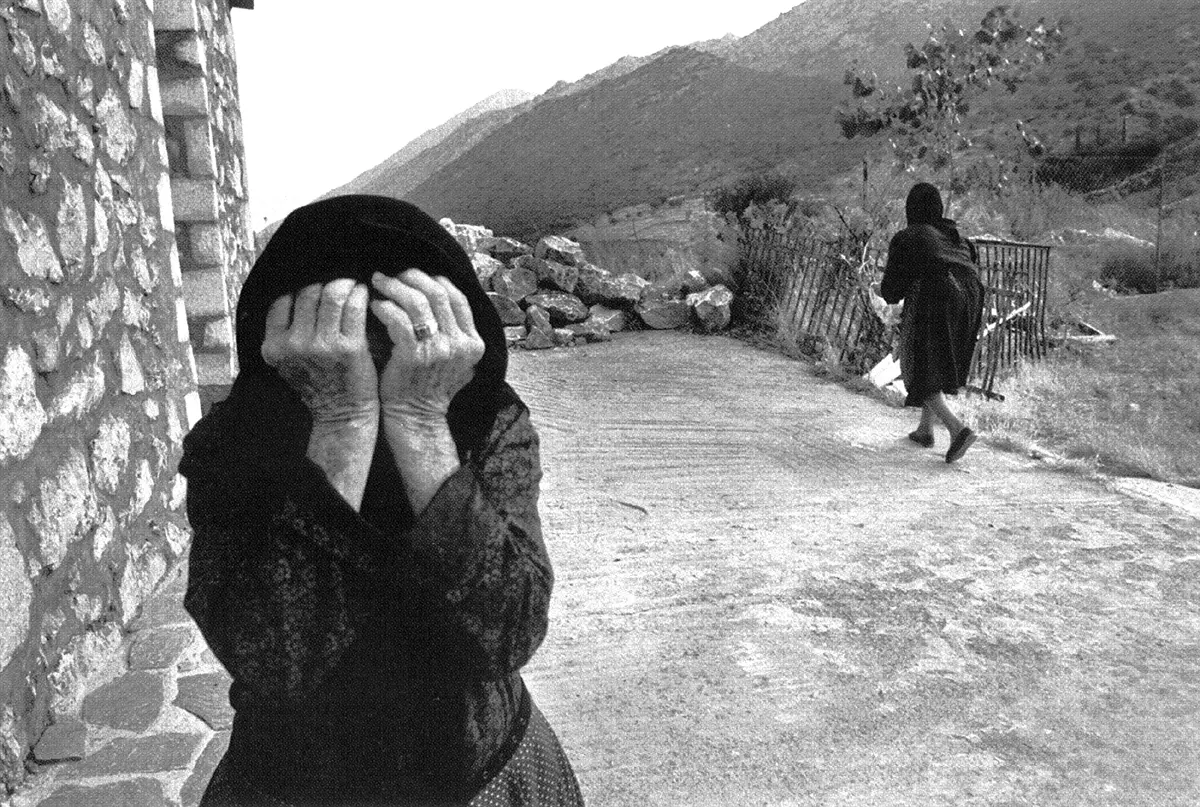
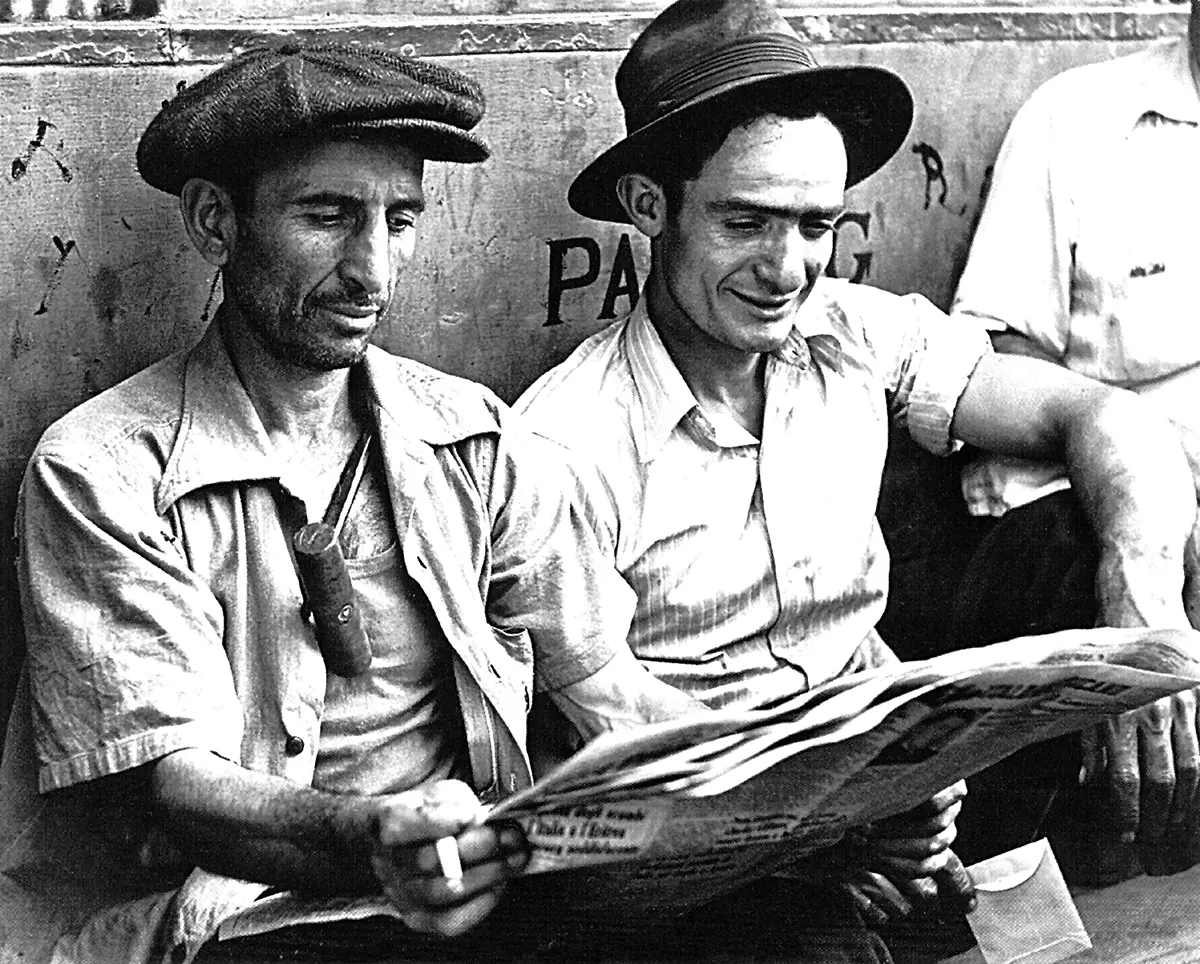
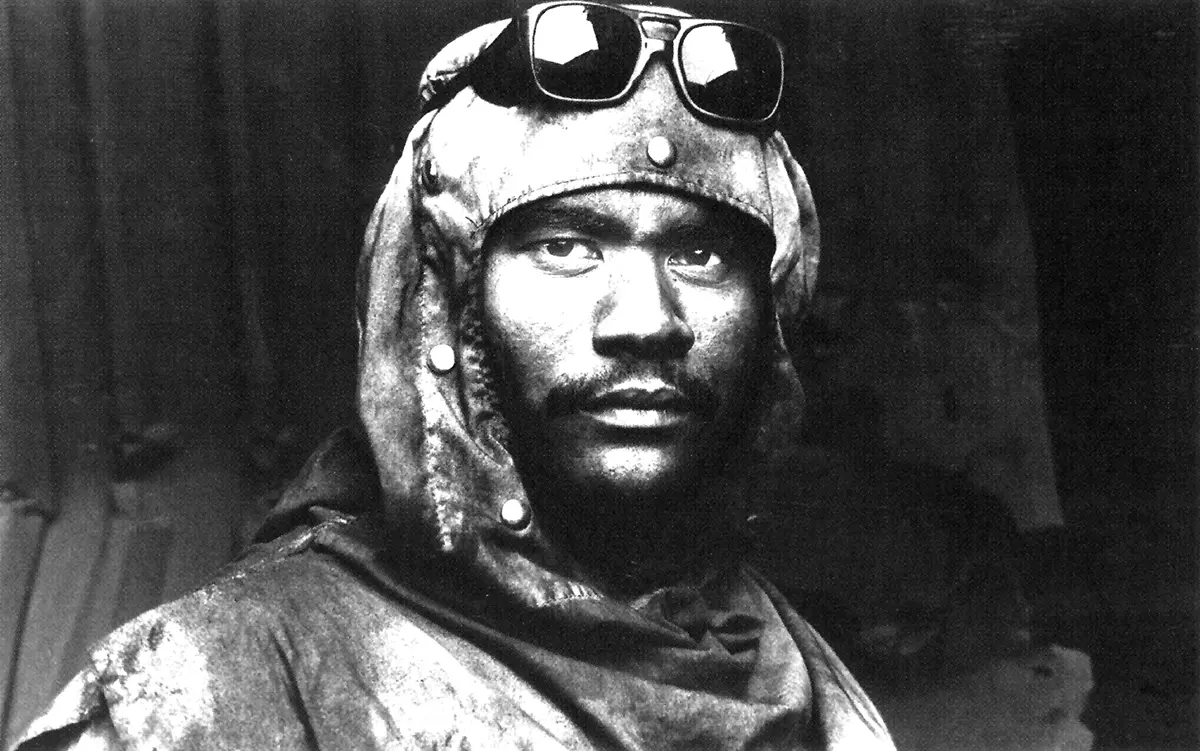
The point of departure from classic photography must fall outside so-called modern photography because by and large the aims of the latter were fairly "straight." Although an exhibit like that of Clemens Kalischer—a German Jew who photographed newly-arrived European immigrants in New York after World War II—is modern compared to Pictorialism, it is supposed to be part of the "classic" tradition. Works like that of Greek photographer John Demos, Shadows of Silence, is also classic in the FotoFest sense. In spite of that fact, Finn Thrane, Curator of Museet for Fotokunst, Denmark, compared Demos' work to that of two modern masters: "Its style and attitude recall great artists like Henri Cartier-Bresson and Josef Koudelka." A third FotoFest classic exhibit, Matanzas, Industrial Zone and Men of Charcoal, is the work of fifteen years of Venezuelan photographer Luis Lares. It consists of portraits of workers and images of industrial architecture. The exhibit sets the brutal and dark interiors of the Matanzas industrial complex face to face with a somber side of the charcoal miners' lives, reflected in their attire and demeanor.
Having established by examples the proper sense of "classic," we can add some more classic exhibits. At the Houston Museum of Fine Arts, there were three: Louis Faurer: A Retrospective, Dancer: Photographs of Irving Penn, and Post-War Italian Photography. The former was the most ambitious of the three, and according to MFAH photography curator Anne Tucker, "Faurer developed a radical new aesthetic style that reflected the energy of New York City street life." Although he also did fashion photography, Faurer's forte is the most photographic of all genres called street photography. In Faurer's Bus N° 7, 1948 the rear window of a bus frames a city street at night: a perfect counterpart for Billy Strayhorn's musical composition, Take the A Train (1940). Faurer's work is an almost musical celebration of the modern city in that it follows the vital rhythms of the city. In contrast, in Tulsa, Larry Clark's self-revelatory work of the late sixties shown at John Cleary's Gallery, Faurer's optimism for modernity has turned in Clark's work into pessimism for a life in suburbia corroded by violence and drugs.
At the Art Car Museum, Japanese photographer Manabu Yamanaka exhibited life-size black-and-white portraits of people who in the United States on account of their appearance would probably be regarded simply as derelict and homeless persons. But in Japan, they are arakan, holy men who have freed themselves from the burdens of life and thereby found enlightenment. The white background in the portraits does not play the same decontextualizing role as in Richard Avedon's famous portraits; instead, it suggests the arakan have detached themselves from the world and material possessions in order to reach a state of spiritual purity.
Two Houston photographers— George Krause and Geoff Winningham—found in new technologies a different output for their work. In Photogravures Winningham incorporates the latest developments in this printing technique—digital films and polymer plates—in his cityscapes and landscapes in order to imbue them with a Pictorialistic surface appearance. While Krause in Sfumato Portraits cleverly uses the traditional tools of photography to reconstruct the light of a skylight he came upon in Tylee Cottage. This is a light that reveals the valleys and mountains of the human face like a topographical map reveals the surface of the earth. According to Peter Ireland, Krause's "Tylee Cottage portraits, by contrast, have the light source at the back, producing the strange sfumato effect whereby it is the principal features that are in shadow and the secondary features that are highlighted." In combining traditional with digital technologies and the way they concern themselves with how the subject matter is shown, the exhibits of both Krause and Winningham stand at a point of transition between "classic" and "beyond."
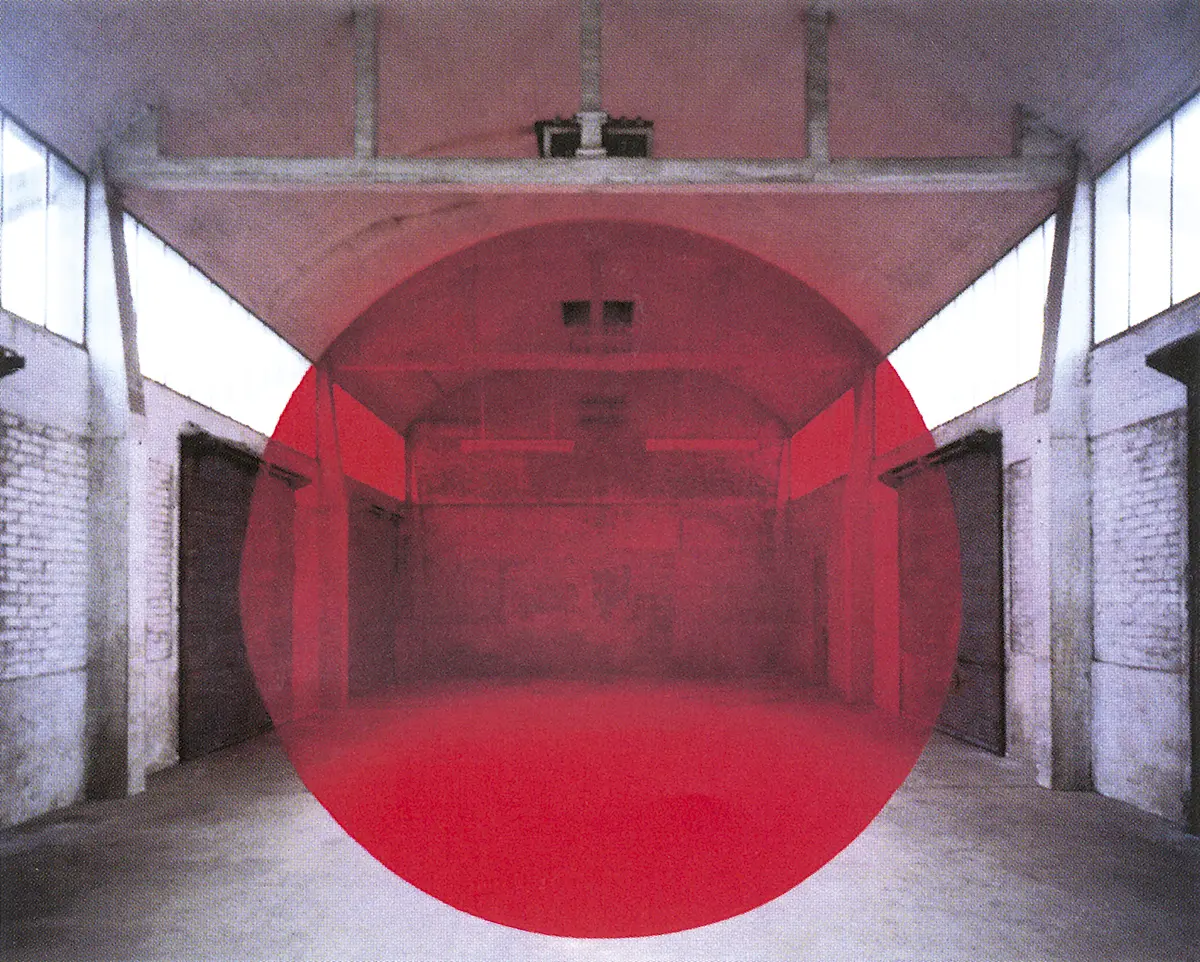
That artistic ingenuity does not require high technology was further shown by Georges Rousse's Memory of Spaces and History at the Barbara Davis Gallery and Óscar Muñoz's The Ends of Process at the Sicardi Gallery. Rousse's work has three stages, the first one is the painting of an interior architectural space or the building of a structure in that space; the second one is the photographic shoot; the third one, is to compare, if possible, the actual print with what resulted in the first stage. Looking at the final product, Turin (2000), for example, the viewer might be led to believe that he is looking at a transparent overlay of a topographical map over the photograph of an interior space. However, the map is actually drawn on the interior space and photographed from a unique vantage point with such virtuosity that it produces a sort of trompe l'oeil in reverse because the image tends to persuade the viewer that there cannot be in reality what it shows. The "A" and “L" on the map, presumably of the word "Italia," appear to be the same size and type because they have been drawn on the floor and wall misshapen and in different sizes in order to look "correct" in the image. Rousse's work deconstructs the metaphor of photography as a mirror of the visual world: in one sense, it shows that it is not a mirror, in another sense, it is a mirror—if only at one point. A tangential but important fact about Rousse's work is that he recruits former juvenile delinquents to help him with the first stage of his work. One can only guess the impact that this work about visual perspective may have on these youngsters' perspective on life.
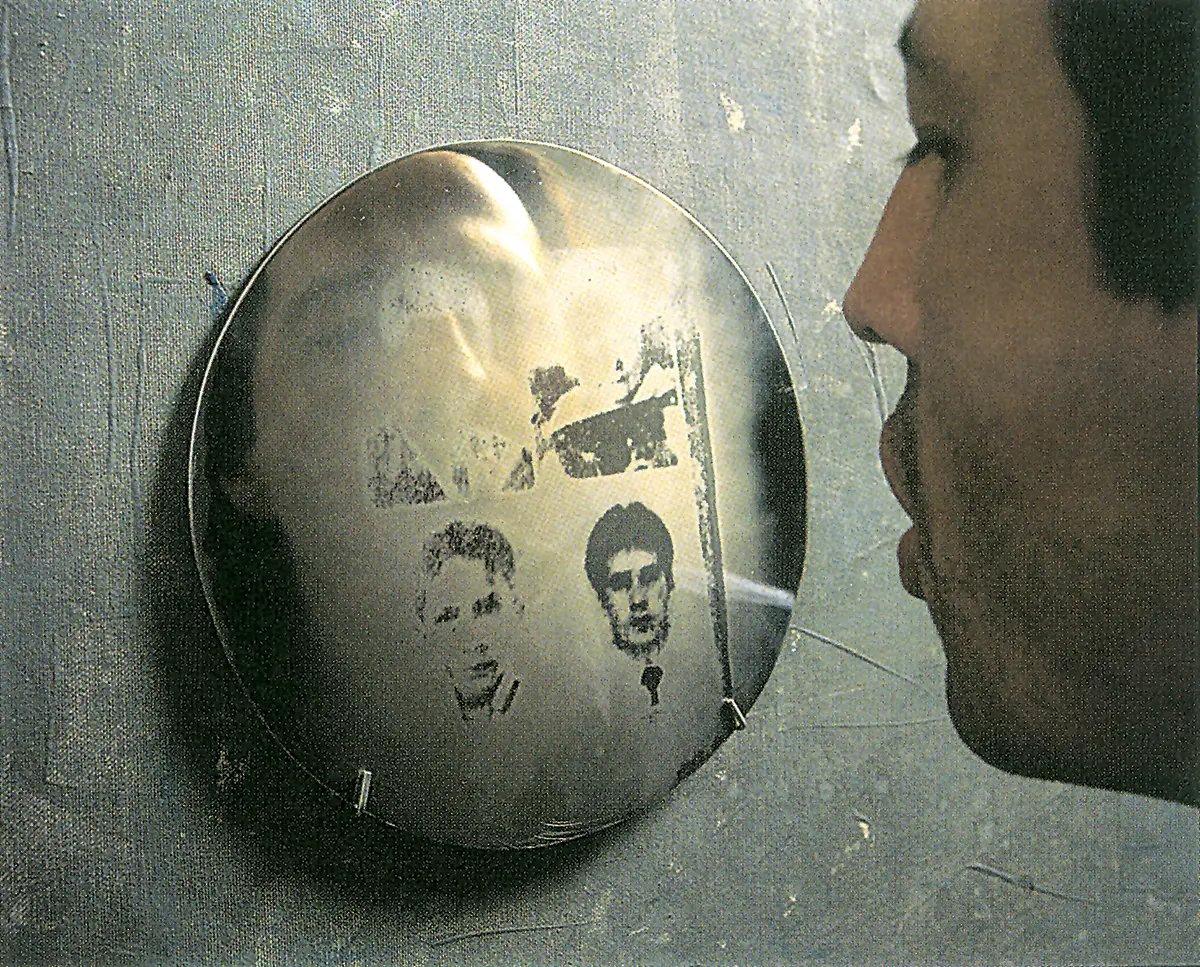
The exhibit of Óscar Muñoz's work, The Ends of Process, transcends ingenuity in order to address issues of narcissism and the other. Indeed, the best known of Muñoz's works is Narcissi, a series of photographic self-portraits transferred onto a silkscreen whose normal process is then aborted in lieu of using the screen as a mask through which charcoal dust is sprinkled. The charcoal dust that goes through the screen draws the image of the portrait on the surface of the water that is placed under it. The unstable image floats on the water and becomes distorted as time, movement and wind ravage it. As the charcoal dust precipitates to the bottom of the Plexiglas tray and the water evaporates, it leaves traces of the original face. These self-portraits give credence to the notion that self-contemplation is not only vain but that its object is ephemeral. In the series Breath, the faces of people who have been victims of political violence appear as the viewer fogs a polished steel mirror on which they have been transferred by means of an invisible greasy medium. The face of the victim disappears and the viewer sees herself again as soon as she stops fogging the mirror with her breath. Poetically speaking, the viewer brings the victim back only to the extent that she makes herself vanish with her own breath. Many of Muñoz's works are characterized by mutability and can be described completely only as one describes the process of their disintegration or their interactivity with the viewer.
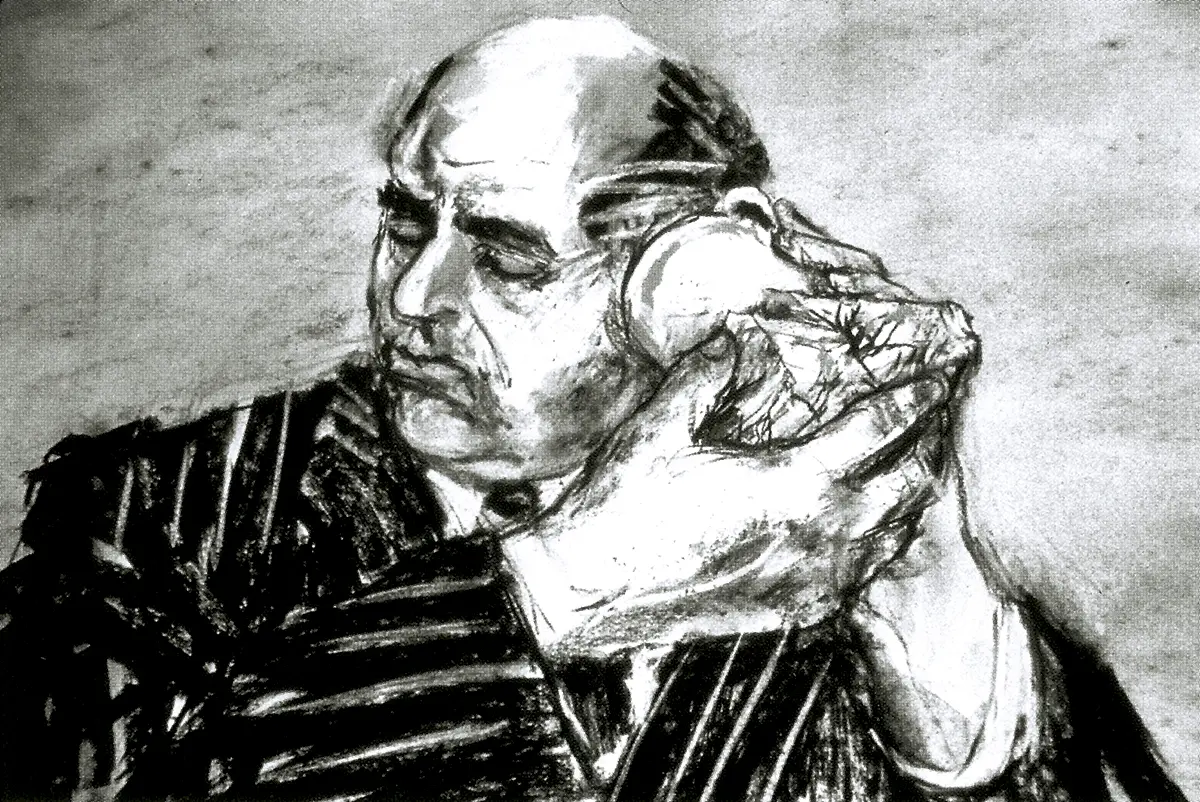
Several exhibits of videotaped images moved FotoFest further in the direction of "beyond" traditional photography. The most outstanding was the American retrospective of South African artist William Kentridge at the Contemporary Art Museum. The exhibit included eleven of his animated videos, over 60 of the drawings on which the videos are based, two installations, and videos of his theatrical productions. Kentridge's animated videos show his artistic hand to the utmost degree as he animates them by adding and erasing his drawings. Not only is Kentridge an extraordinary draftsman but his noir, almost Goyaesque sense of addressing human issues like illness, aging, violence, desire, social malaise, industrialization, ethnic discrimination, and existential alienation is unparalleled in the contemporary visual arts. The main character in most of Kentridge's animated videos is Soho Eckstein, an industrialist whose conscience is burdened by the building and destruction of many lives, including his own. Perhaps one would have to engage Beckett and/or Kafka to draw a sufficiently illuminating analogy about Kentridge's work.
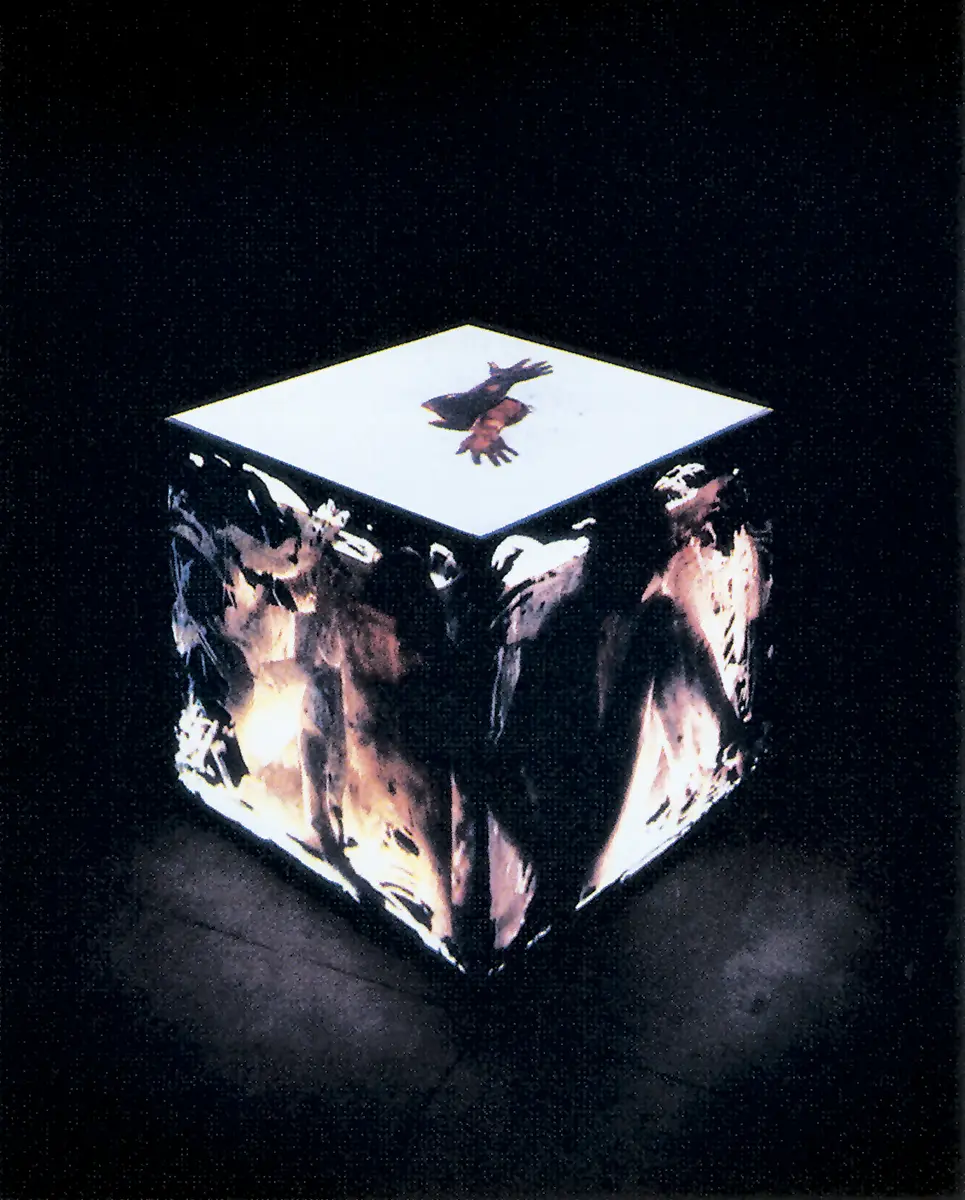
Peter Sarkisian's installation Dusted at the Glassell School of Art uses digital technology and video. When the lights are on, and the videos are off, its support is nothing but a white cube about one cubic meter. When the lights are off, and the videos are on, an image of a naked man and woman inside the cube is projected onto each of the four sides of the cube. At the onset of the video, the inside walls of the original cube (probably made of transparent plexiglass) are covered with black paint. As the bodies move they rub against the walls and they wipe off the paint so the viewer can see more and more of the bodies. This gradual revelation turns the viewer into a voyeur. As the viewer walks around the cube, she sees on the cube how it would look if she were looking inside the original cube from that side. A hole in the cube is also projected onto the upper face of the cube and occasionally the hands or arms of the enclosed couple stick out of it as if trying to get out, albeit more out of curiosity than out of despair for ending their captivity. The illusion is quite effective as a sort of virtual sculpture performance, but what does the work mean? What does the nakedness of a couple inside a structure represent? Are men and women trapped by ways of thinking about their relationships? Is their nakedness their vulnerability, their freedom, or their sexuality?
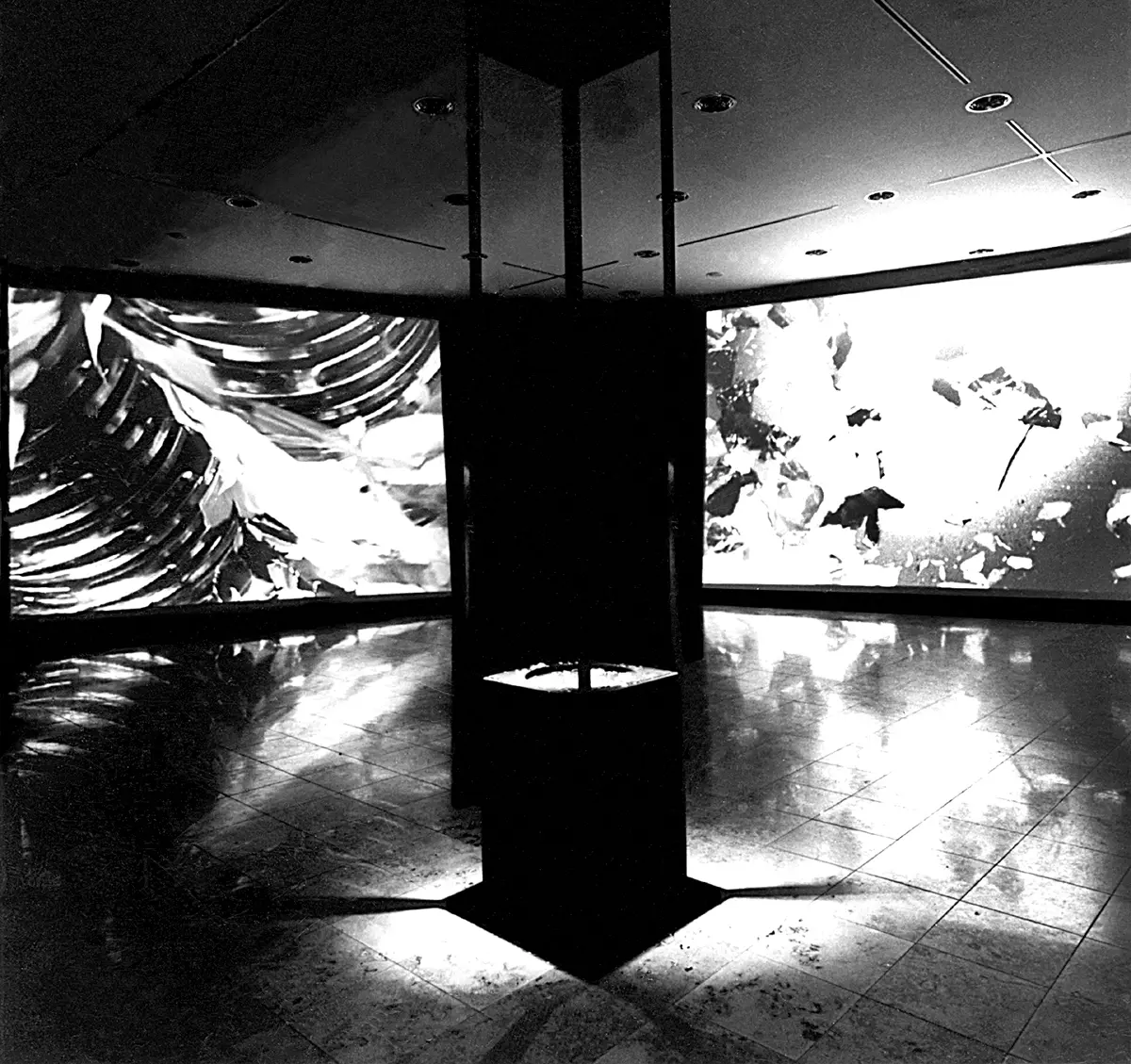
If the Russian Pictorialism exhibit marked the outer reaches of the "classic," Jeremy Blake's exhibit All Mod Cons, set one of the bounds of the "beyond." To quote Terry Sultan, director of the Blaffer Gallery, "Blake is a skilled draftsman who has convincingly mastered digital media as an artistic vehicle capable of creating inventive visual narratives. While his images certainly project cinematic certitude, they are not photographed or filmed but are constructed directly on a computer screen using traditional drawing techniques. Ambiguity is a key element in his work— a kind of futuristic, kinetic painting based on rendered interior spaces that spin into pure abstraction." Blake's DVD projections are a sort of stream-of-consciousness of pure color abstraction. At any point in this continuous flowing stream of DVD, the image may be frozen in order to produce a digital print. One of the logical possibilities of producing art in this fashion is that from a temporally finite composition, an infinite number of different images may be frozen and printed.
This fascination for the infinite is also present in a FotoFest exhibit not included in the official catalog; the onsite installation at the Menil Collection of Vik Muniz's Model Pictures. On a visit to the museum, Muniz came upon a scale model of an exhibition salon of the Menil Collection that included miniature hand-drawn replicas of the original paintings. Muniz photographed these rough replicas for his installation which is a 1:1 model of the original salon or maybe, a magnified model of its model. What practical purpose does a 1:1 model serve? One is reminded of the brief Borgesian paradox, The Exactitude of Science about a group of cartographers who—in their quest for exactitude—produced a map as large as the empire it represented. In the installation, the only "original" is the scale model that Muniz found at the Menil. However, inside this model, there is a smaller model of the model probably added by Muniz. Presumably, this addition hints at the existence of an even smaller model of the model of the model, and so on, ad infinitum. The photographic reproduction of the replicas of the paintings—which include their drawn frames—were mounted on foam core in Muniz's installation. One could not help but derive some perverse delight at the opening of the exhibit from witnessing the bewilderment of wealthy collectors—perhaps unaware they were inside an installation—at seeing the photographic reproductions of replicas of famous paintings hanging from the walls of the Menil Collection. Did they perhaps have a terrifying vision of heading towards an age of photographed replicas of masterpieces mounted on foam core?
Much more of FotoFest 2002 that was not discussed in this review should be mentioned and will be, if only rhapsodically. Andreas Müller-Pohle's video Entropy, in which a machine shreds the material support (paper) of meaningful prints, and his Pythagorean reduction of Niepce's first photograph to numbers; MANUAL'S minimally perceptive concatenated stills of a changing tree in The Protracted Image; the unwritten 19th century frontier novel The Bone-Grass Boy by Ken Gonzales-Day with Ken Gonzales-Day himself impersonating its heroes and heroines (Is his name a variation of the name of pictorialist F. Holland Day?); the parking lot video-vans of the RAIN project which were an emergency (though inventive) solution to an outdoor video projection impeded by the inclement weather; Buff, Charles Cohen's pornographic videos stolen from the Internet and silhouetted to protect the innocent; Zone V: Remnants and Threads, the middle gray fashion line made of lint collected from a clothes-dryer by Linda Hayward and Carrie Markello; On Art, Beauty and Persuasion, the clip-on wardrobe of Sara Rytteke featuring an image of the artist herself as paper doll; Abelardo Morell's brilliant shadow response to the curatorship of Voyages (Per)formed in Old Travel ScrapBook, The Pyramids; the collaboration of artist Harvey Bott and photographer Hans Staarjes in Liquid Architecture; Busy Hands, images produced by Agnes Eperjesi using the transparent wrappings of domestic products as negatives; and Night Journey, the curtains with oneiric images of childhood of Susan Kae Grant.
Just before the previous FotoFest, the central preoccupation of most people in the "advanced" world was the possible cyber-effects of Y2K. This last FotoFest was preceded by another fateful date: September 11. The latter was an event, like most important events in the 20th and 21st centuries, registered photographically. Photography's role in modern life has been more ubiquitous and constant than that of any other medium. The ongoing transformation from a photochemical to a digital base of photography has not affected modern photography. The manipulation of the image that Pictorialism once sought is now possible with the numerical fingers of "digitalization." The endangered fragile glass negatives of the Cordero Archive are now forever preserved as immutable numbers. Müller-Pohle's numerical Niepce alludes to precisely this reduction of images to numbers. A world without numbers seems almost incomprehensible, but a world only of numbers is lifeless. The digital revolution is not necessarily the point of departure from the classic, for one may very well remain within the tropes of straight photography in the digital medium. The point of departure may very well be how image-makers break away from the merely semantic function of photographs that connects the image to the visual world as if they were simply opening a window. "Beyond" may very well be defined by works that allude to how and why the window is opened, what the window does not show, what we actually see in what is shown, who opens the window, and for whom it is opened. In some sense, it is clear that while classic photography has remained modern, what may be called postmodern image-making occasionally has reached for strategies used by Pictorialism: Other times it has reflected upon the myriad ways in which images have been used. In very few instances, it has come up with new kinds of images.
NOTES
1. The title of FotoFest 2002 changes from The Classical Eye & Beyond to Classicism & Beyond depending on whether you are looking at the cover of its 348-page catalog or at its title page.
2. The modern photography of Laszlo Moholy-Nagy and Man Ray is not "straight."
3. There was a Pictorialist periodical called Foto Magazine published in Argentina with which Cordero was probably familiar. The Vargas Brothers in Arequipa, Peru, not only distributed the magazine but produced Pictorialist work themselves at roughly the same time Cordero was in business.
FERNANDO CASTRO R.
Peruvian art critic based in Houston, Texas.