After 9/11, the world in general, and the art circuit in particular, have been wondering what might happen, especially in the economy. The state-of-the-art market has been under speculation since last fall, and somehow the whole world has been preparing for the worst. Even if the worst has not yet happened, the situation is ambiguous at best. This lack of enthusiasm, which was noticeable in other art fairs, also affected Art Basel’s latest edition. Grandiloquent works were avoided completely, and many of the works presented this year could very well have been seen in last year’s edition. In other words, no unnecessary risks were taken. But the fact in no way affected the fair’s general quality, which once more satisfied all expectations.
One of the main differences from last year’s show was the elimination of the Basel Photography section. This can be seen as consistent with the times, in a fair whose photo section covered at least a third of the exhibited works. The section’s elimination constitutes a symptom of the need to revise, in other fields of the art system, some of the categories under which the most contemporary arts are classified. The near future will undoubtedly question the pertinence, or at least the viability, of a section such as Basel Edition, dedicated exclusively to the graphic arts but this year did not see many innovations. The debate over the nature of the multiple objects, not as a sub-product of the original work but as independent objects, with their own set of values, remains open. The fact that the galleries are the ones who handle multiple editions as objects of equal value as the original is reason enough for thought, as well as the fact that they are the publishers of the original works’ sub-products ("miniatures" and "cheap" works).
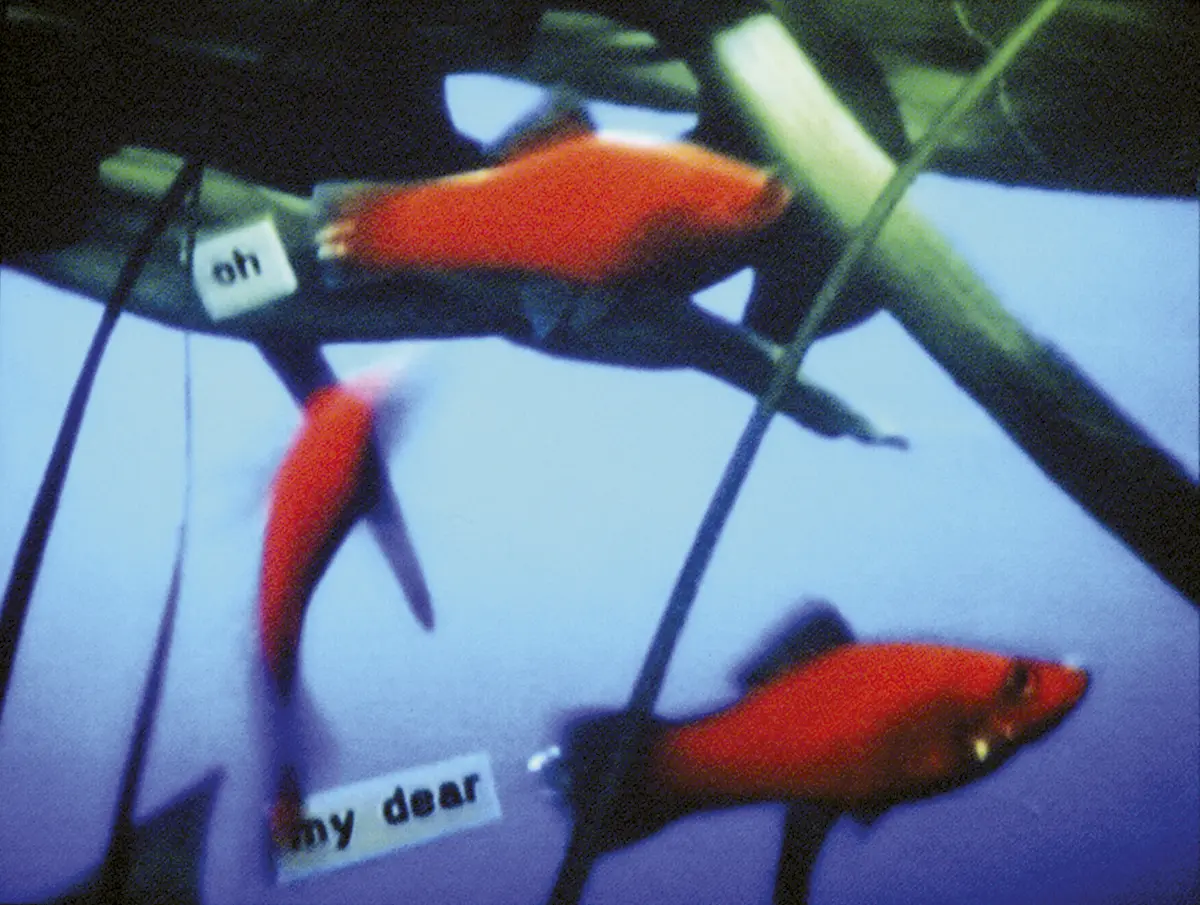
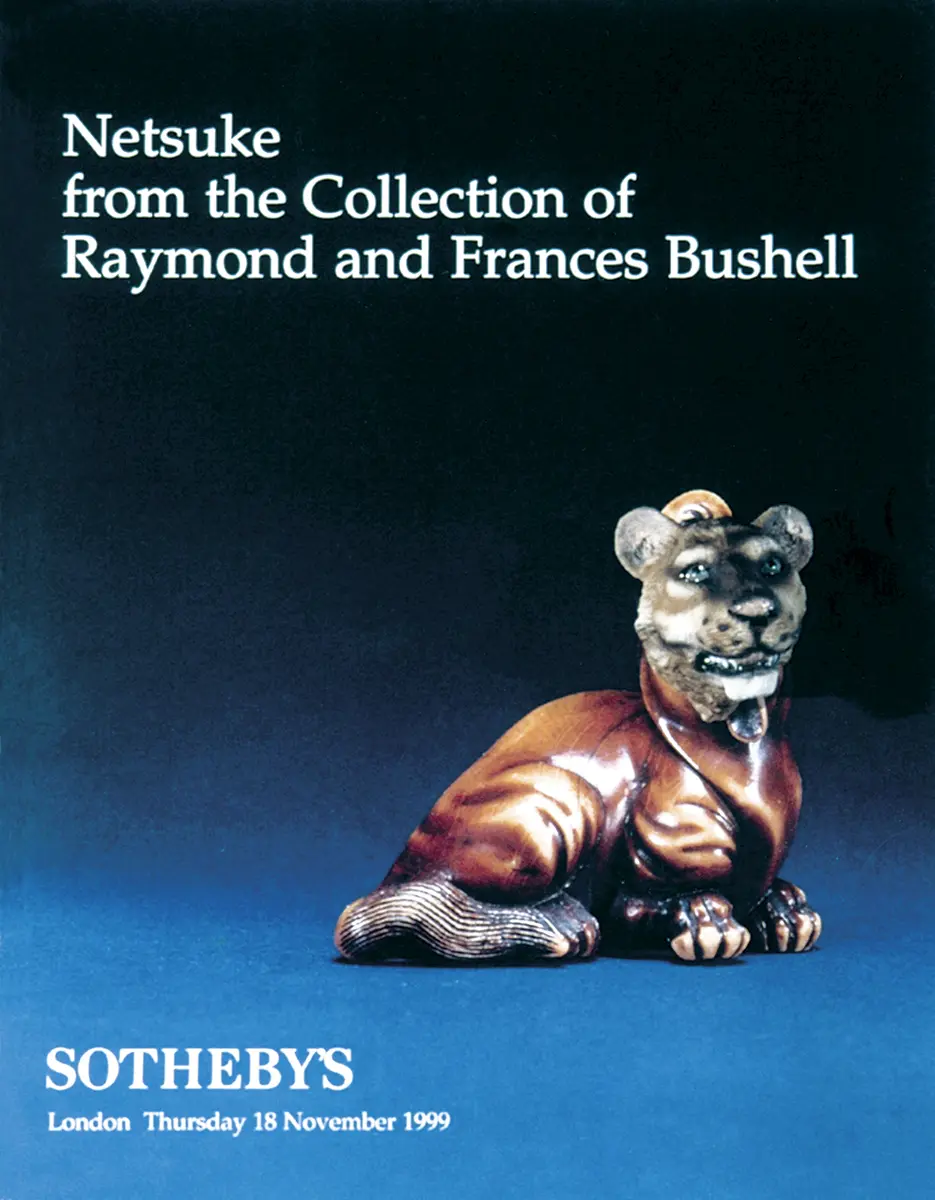
By the same token, if we accept Art Basel as the barometer to gauge the situation in which contemporary art today finds itself, a privileged place from which a reading on the state of art can be taken, we will have to pay attention to the transformation the category of "Latin American art" has undergone within this panorama that must be identified, with no qualm whatever, as belonging exclusively to the Western world. There was a large group of Latin American artists, both classical and contemporary, represented by many of the more than 200 galleries participating at Art Basel. This bit of information is significant if we take into account that the number of Latin American galleries is notoriously less than galleries from elsewhere in the world (barely six: Brito Cimino, Fortes Vilaça, Luisa Strina, Nina Menocal, OMR, and Diana Lowenstein). This proves that Latin American artists have an important place in the development of contemporary art and that they are profitable. If there aren’t more Latin American galleries present at the fair, it might be due to the high expectations in the selection of participants, and the difficult social, political, and economic conditions found today in the Americas. As it has become customary, the presence of Brazilian galleries is first-rate. Noticeable in Fortes Vilaça is Rivane Neuenschwander's works; he also presented his Found Alphabet in collaboration with Stephen Friedman. Exhibited in Brito Cimino’s stand, Nelson Leirner’s intervened covers of auction houses catalogs were also interesting. This gallery also presented, in Art Unlimited, Ana María Tavares’s Rotterdam Lounge, a huge ladder leading nowhere. Luisa Strina presented, perched atop a wall, a "cloud eater" by Marepe.
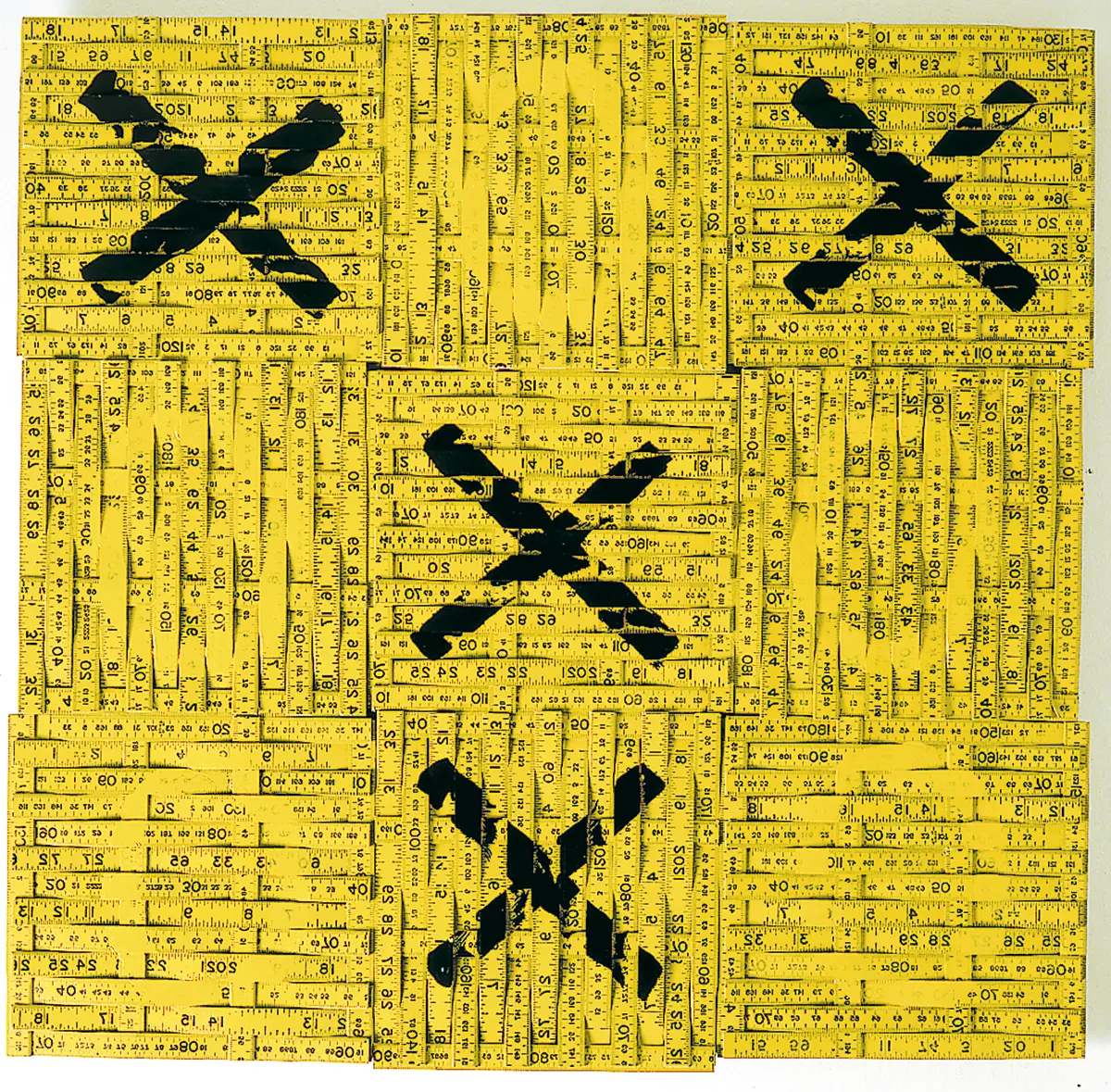
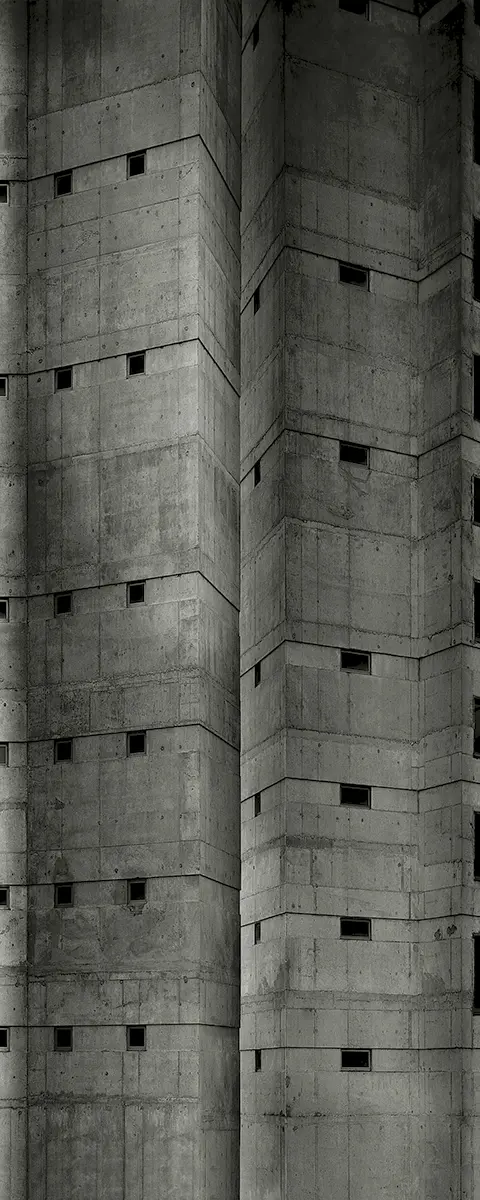
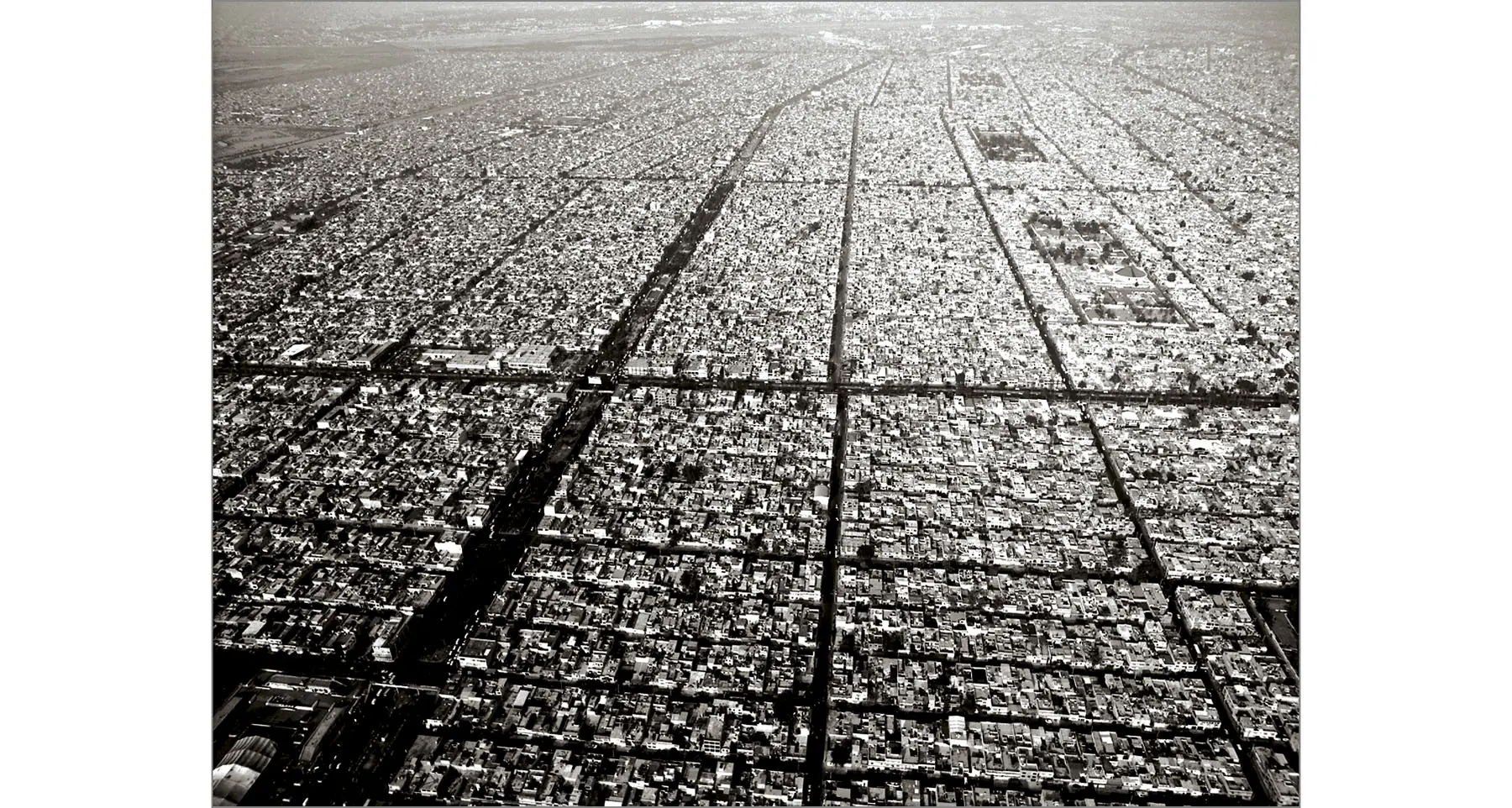
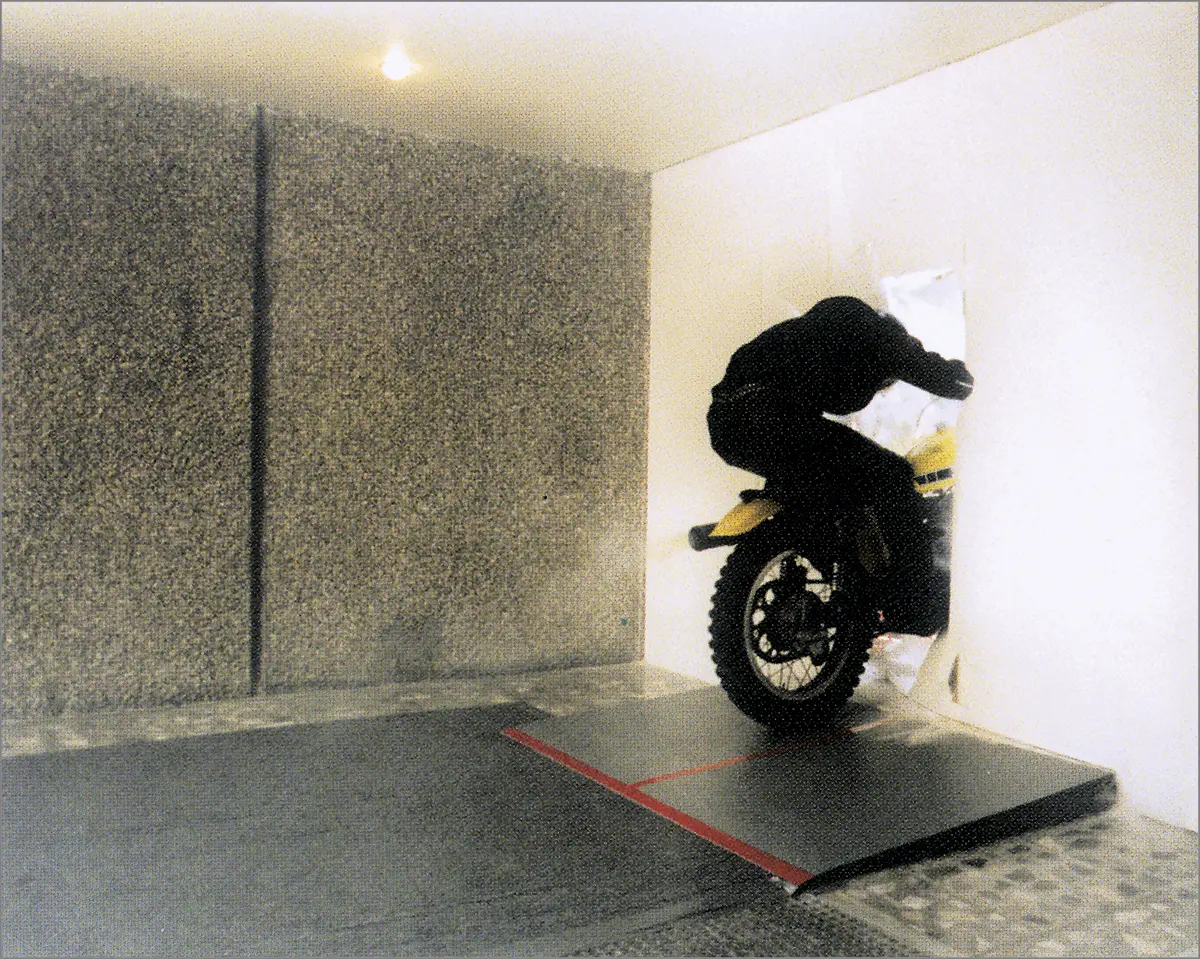
Joining the contingent of represented Mexican artists were OMR and Nina Menocal, showing the vitality and gradual recognition of today’s Mexican art. With OMR, Laureana Toledo’s intervened photographs could be amply admired. Also present was an installation by Félix Curto, along with some of Pablo Vargas Lugo’s best works ever; and Gustavo Artigas’s impressive photos of Mexico City, as well as Emergency Exit, the intervention he did recently at the Museo Carrillo Gil and then presented in Art Statements, Art Basel’s section dedicated to individual projects within the fair. Among other things, in Diana Lowenstein's space, we found Laura Limiel’s photo installations and Aitor Ortiz’s architectural photographs.
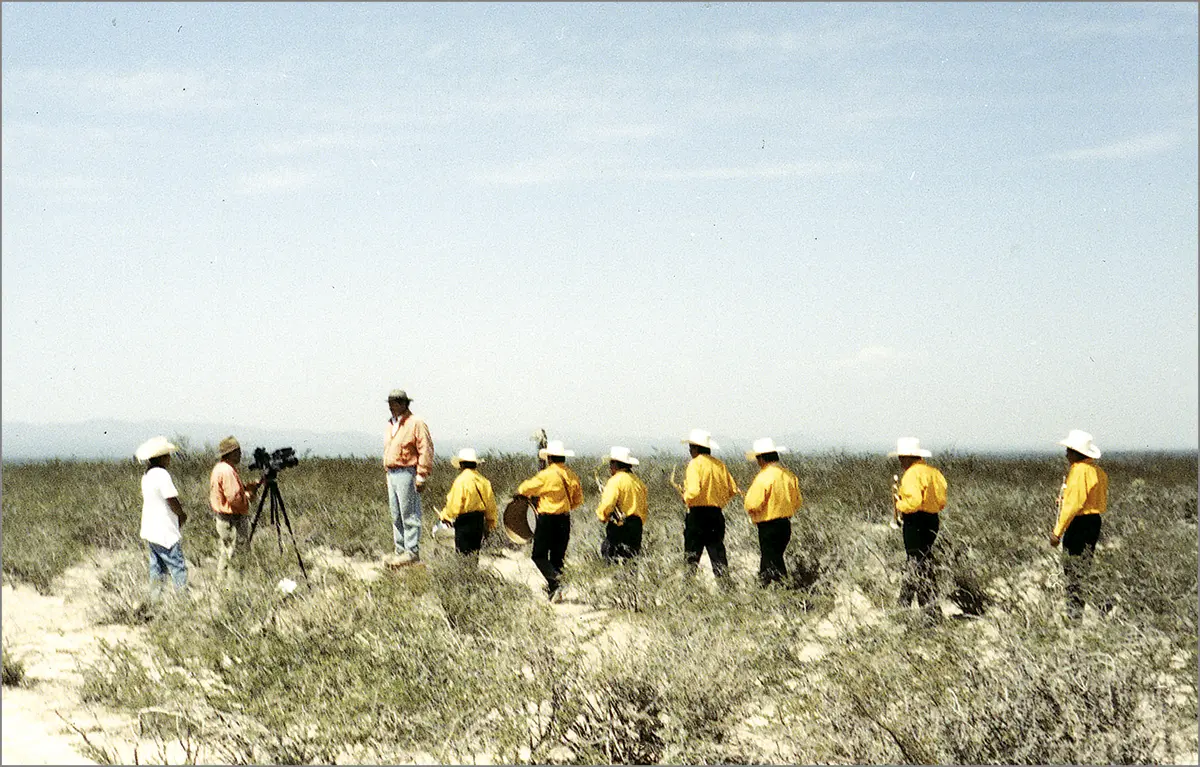
If the general representation of Latin American galleries was more than dignified, we were also attentive to the numerous works by Latin American artists represented by other galleries around the world. We had a range that went from paradigmatic and integrated artists such as Alfredo Jaar, represented by both Art & Public and Lelong, to those artists who have joined the ranks of Art Basel’s heavyweights: Carlos Amorales with Szwajcer, Miguel Calderón with Andrea Rosen, Jorge Prado with Petzel, or Francis Alÿs with Lisson, Kilchmann, and Yvon Lambert galleries. Alÿs also presented in Art Unlimited the suggestive and exceedingly beautiful video installation called Cantos patrióticos (Patriotic Chants).
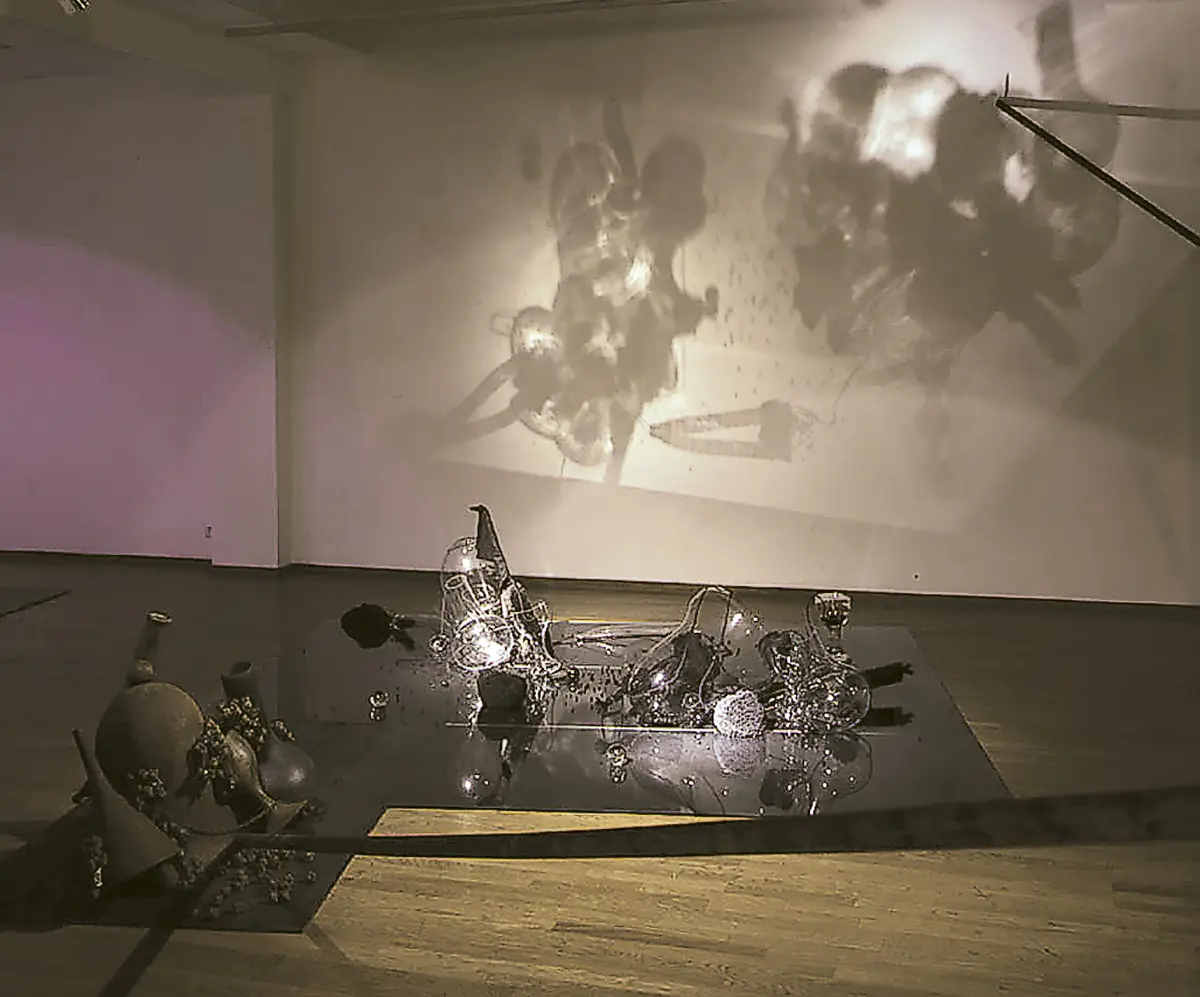
Among the remaining artists was the notorious and extensive presence of Thomas Hirschorn’s "blurred" works: installations, maquettes, and prints made from refuse, photocopies, plastic pieces, and newspaper fragments. The insistent presence of an artist characterized by his thoughtful and openly political proposals, confirms contemporary art’s renewed interest in social politics. On the other hand, it also marks a contrast with more traditional supports such as painting or even large-format photography that have been developing recently. Hirschorn’s ungainly works, dispersed throughout Basel’s hallways, marked a clear departure from the glossy and brilliant photographs that were so prevalent in the last edition. It seems like the art world as a working subject has lost strength against a refreshing and necessary immersion in contents and situations found outside the circuit. This was particularly visible in the increasingly important Art Unlimited, the space dedicated to those projects that are too large to be included in the fair’s traditional hallways. In this section, filled mostly with videos and large sculptures, there was an important Latin American presence: not only the works by the already mentioned Lÿs or Tavares, but also Miguel Ángel Ríos’s three-monitor video No me busques... no me encuentras (Don’t Look for me... You Won’t Find me), the stunning Fío (Thread) by Cildo Meireles, and Tunga’s impressive installation Lucido Nigredo et son ombre.
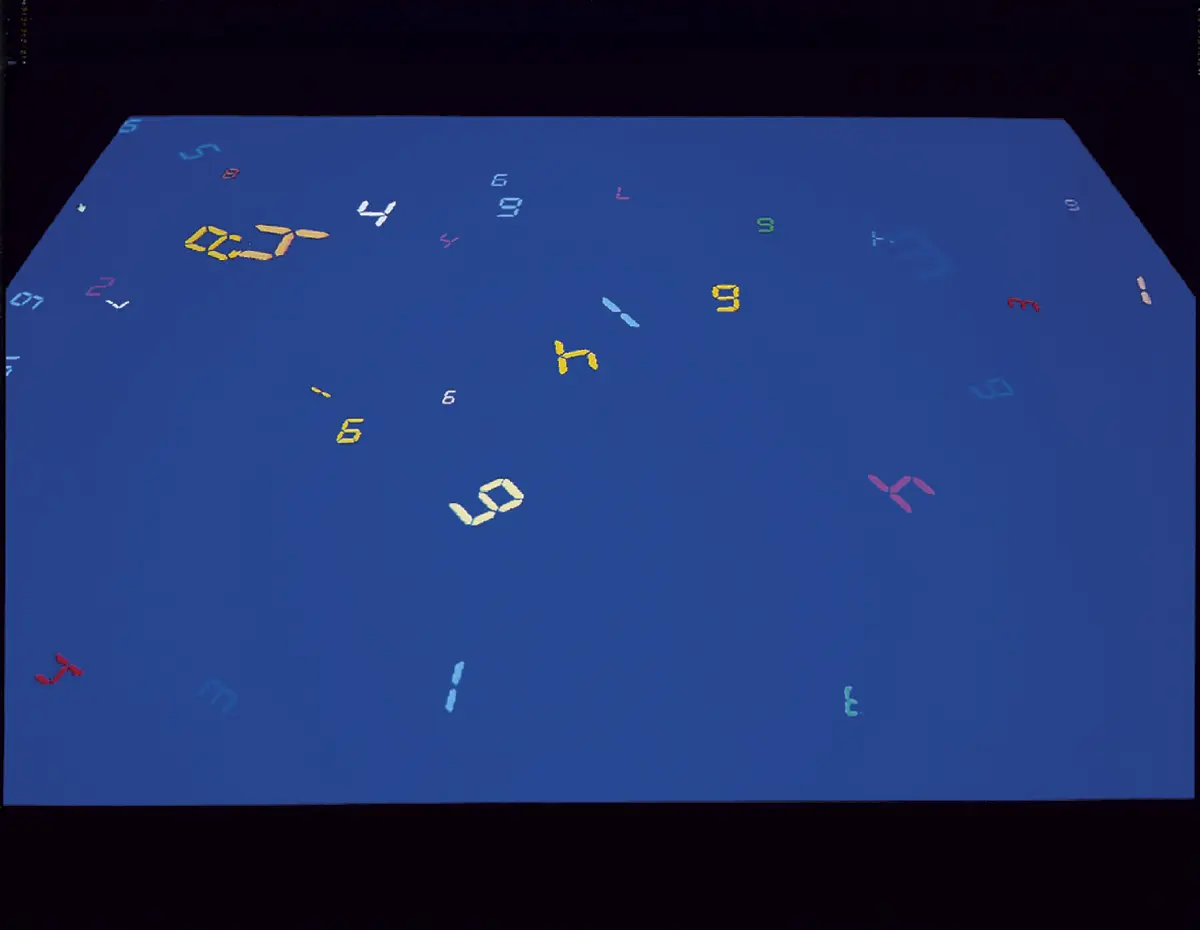
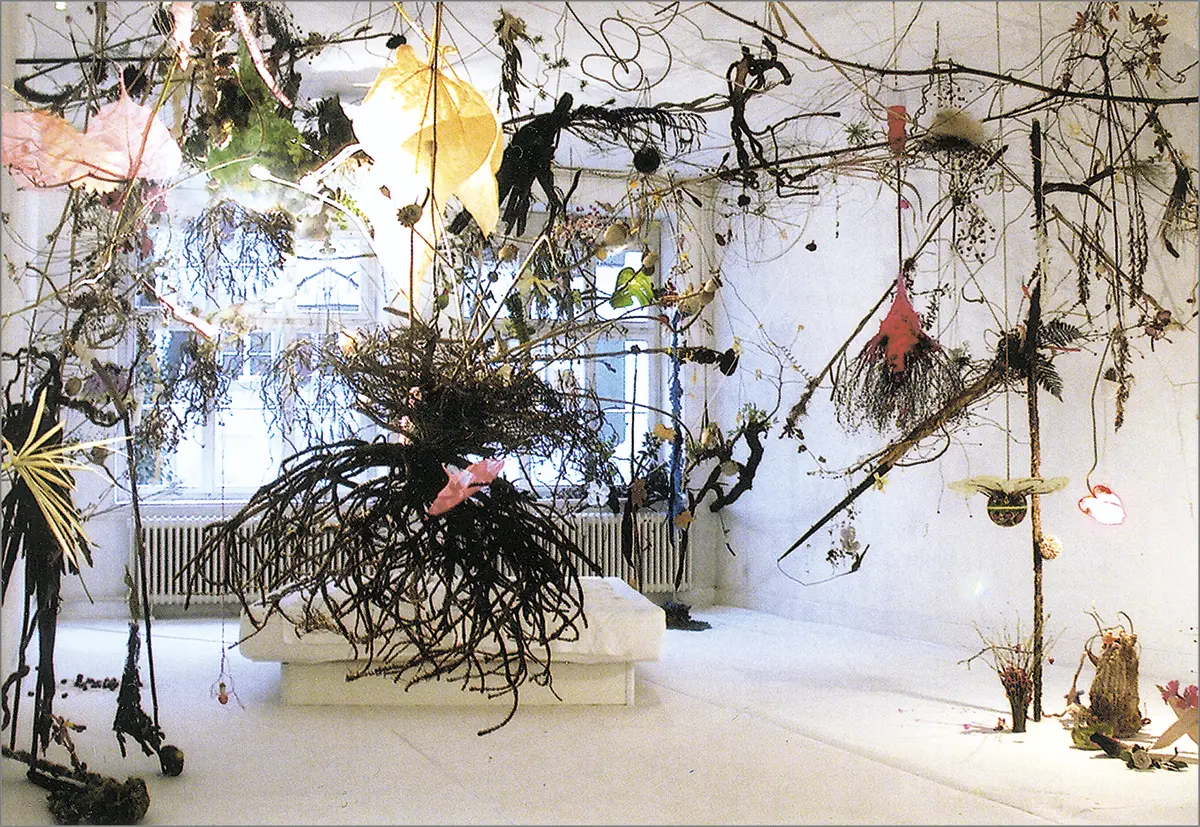
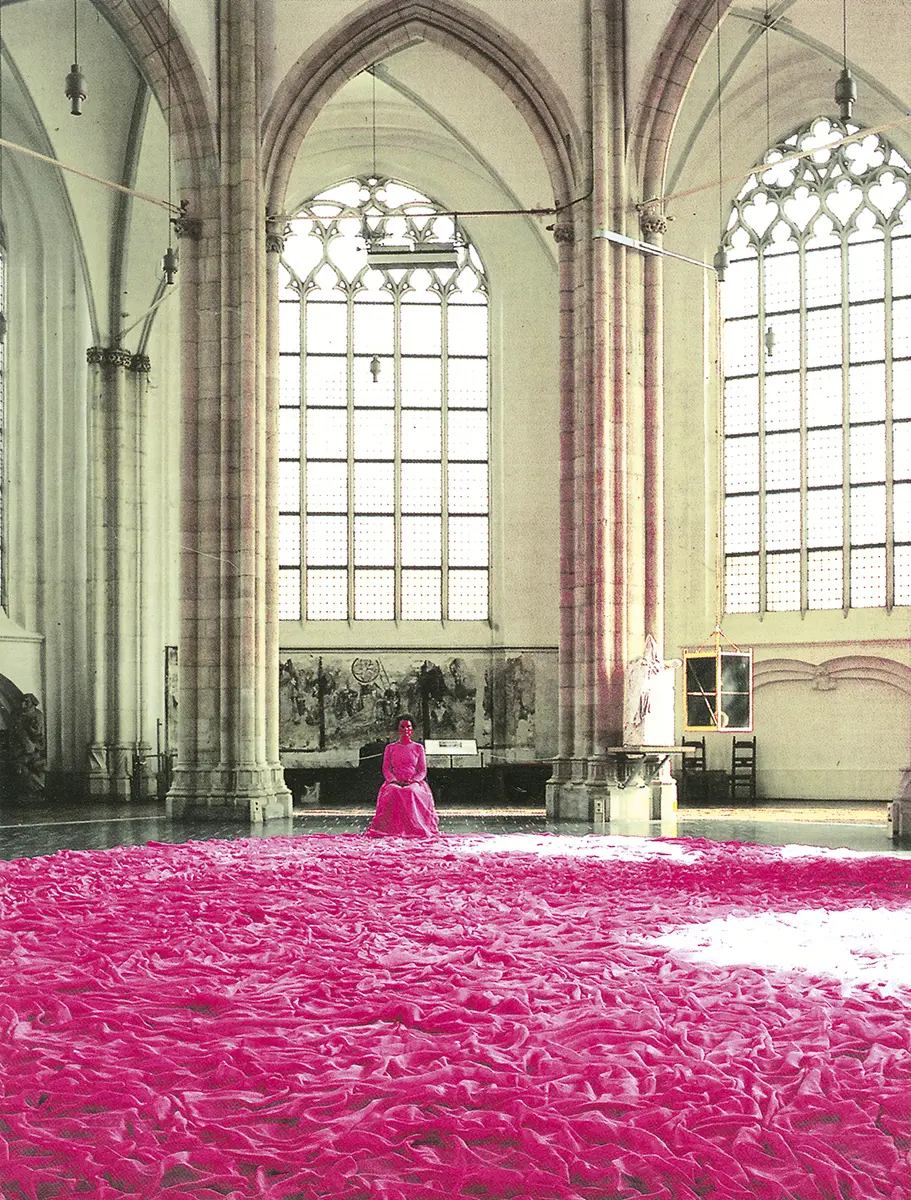
In my opinion, this particular edition of Art Unlimited included some of the most interesting pieces created in recent years. In her video Lasso, Finnish artist Salla Tykkä tells the strange story of an impossible love affair between a frigid voyeuse and a rodeo fan. In Der tag nach der Kiesgrube, Sweden artists Gerda Steiner and Jörg Lenzlinger built a fantasy world from crystals, rocks, fossils, pieces of plastic containers, lights, and hygienic material from which innumerable tiny fantastic beings could detach themselves at any moment. For Petunia, U.S. artist Beverly Semmes constructed a huge pink dress that serves as a rug, blanket, home, and bed for an unmoving woman who has been tucked inside yards and yards of tulle, appearing before us as a vision. Tatsuo Miyajima physically disarticulates time in Floating Time (Marine Blue), and Zoe Leonard gathers a sinister army of menacing dolls (Mouth Open, Teeth Showing). Rodney Graham’s satirical sense of humor is made patent in his video City Self/Country Self, in which the main character, splinted into two personalities, follows himself indefinitely in the midst of a suspiciously aseptic 19th-century city. In his video installation Kasparov, Nabokov, and the Enchanted Hunters, Slater Bradley immerses us inside a young chess player’s mind, presenting us with an intense reflection on the meaning of life.
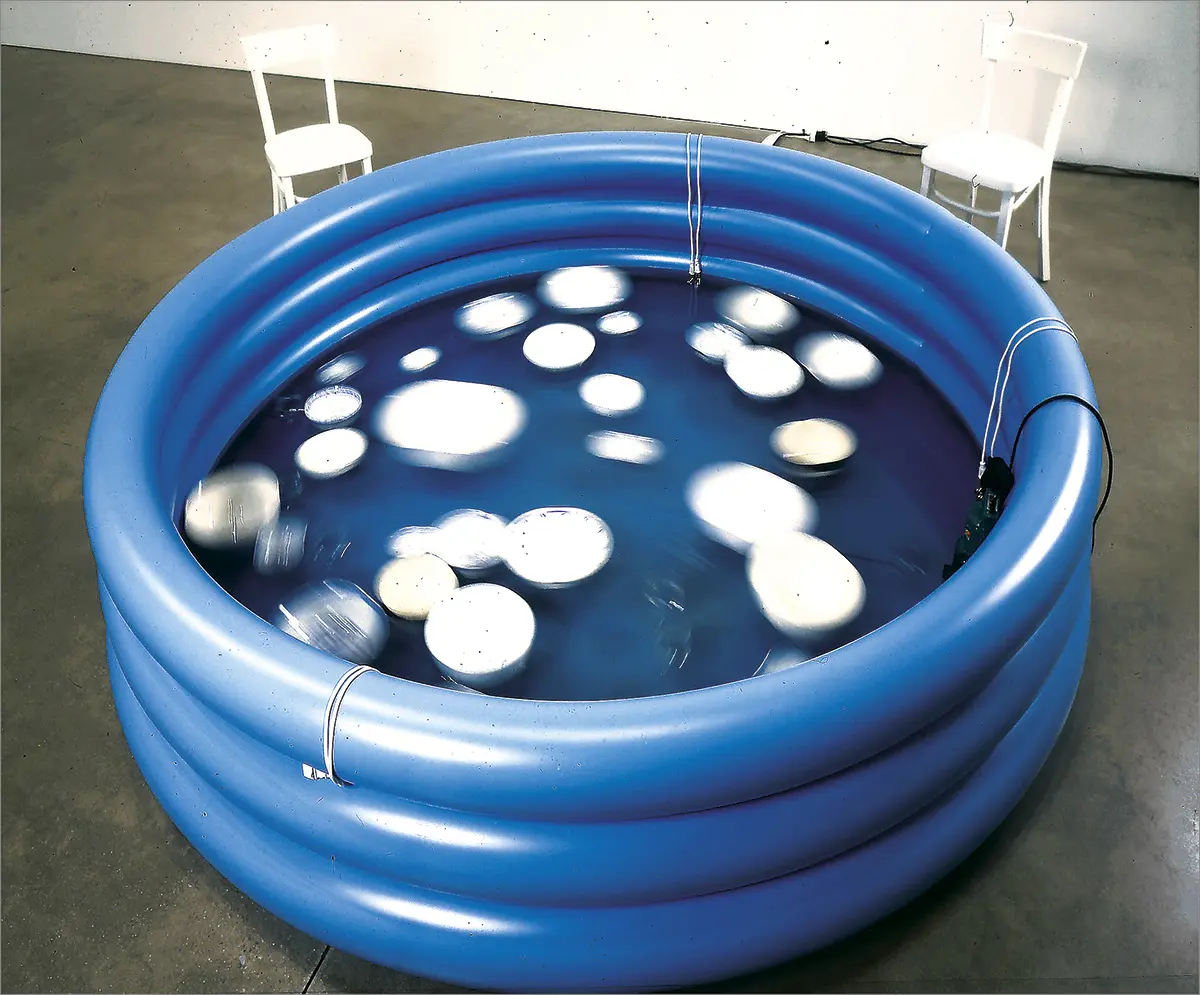
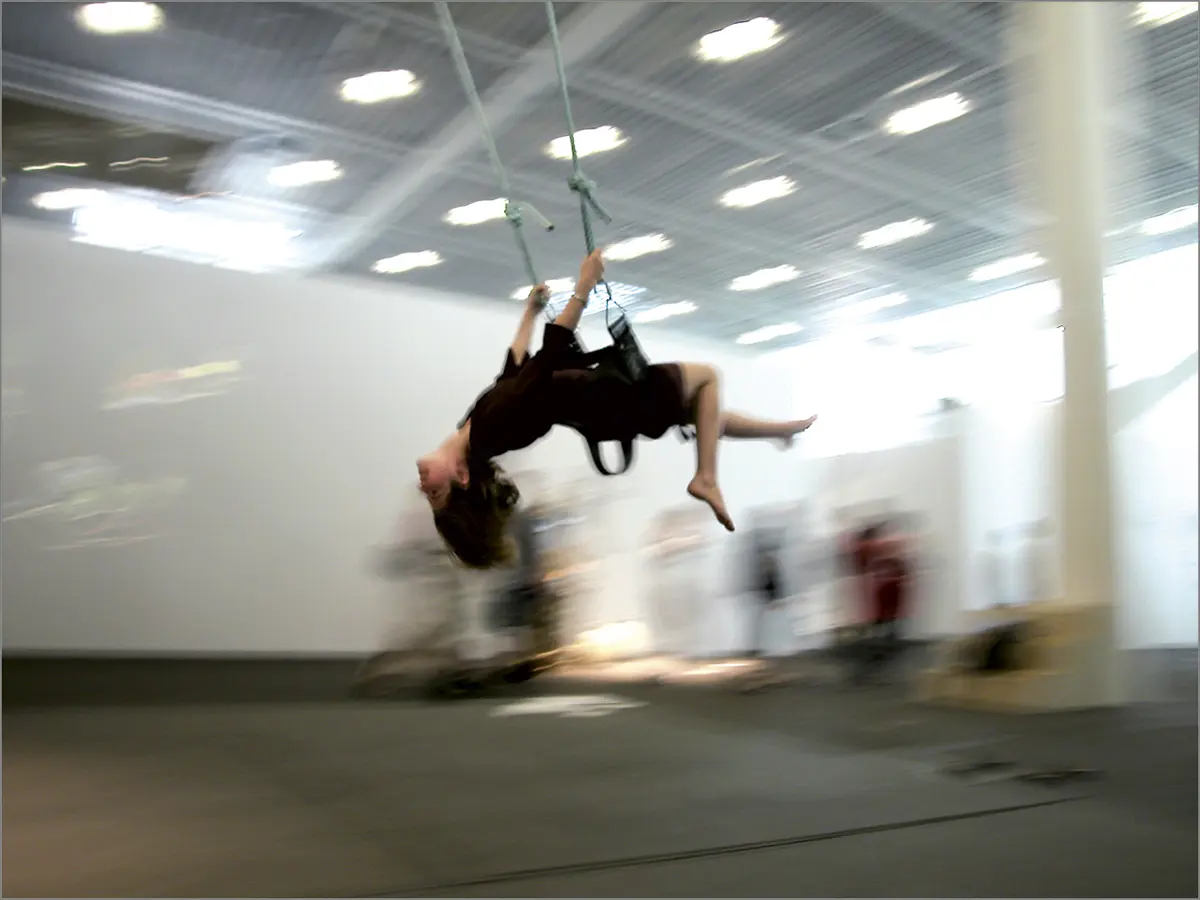
All these works appear to offer an alternative to the recurring discourse of art as being a local affair. A return to the search for the relationship between art and life appears to be imminent, in some cases from works with a sociopolitical context, but also from a perspective that’s somewhere between playfulness and contemplation. Two key pieces can serve as examples, mostly for initiates. In Untitled, French artist Céleste Boursier-Mougenot installed four small pools made of blue inflatable plastic. Inside each floated a variety of crystal and porcelain pieces —plates, cups, and glasses. They moved about in circles powered by a small motor, crashing softly against one another and producing something very similar to celestial music. Several chairs were placed around the pools, and from any of them, one could enjoy the fortuitous and absolutely magical concert. Polish artist Jan Baracz hung a swing from Art Unlimited’s high ceiling, inviting anyone to use it. The piece’s title? Life is Short.
Not a small reason to go out in the sunny central area surrounding the fair and take a break.
ISSA MARÍA BENÍTEZ DUEÑAS
Art historian, a specialist in contemporary art and art theory. She’s currently undergoing her doctoral studies at the Universidad Carlos III in Madrid.