Contradictions abound when we talk about art fairs. There isn’t a shortage of opinions, either, when it comes to their utility, function, or whether they play a role in the advancement of the arts or they are simply a marketing tool. Since it’s obvious that fair deals mainly with the object in the marketplace, its gaze, and esthetic reflection are geared toward the value of quality in terms of investment value. Critique and musings are done between the initiate and the non-initiate. Art fairs are good, bad, better, or worse than previous editions, with only one consideration in mind: how much was sold. And finally, the general acceptance that they are events of unequal proportions, diverse artistic qualities, and different proposals according to the interests of galleries (in the case of fine arts) who have a single objective: to show a product. Art fairs follow each other uninterruptedly, becoming great and awaited moments, similar to the world of the spectacle, always geared toward excess and festiveness. We can rescue one of their objectives —cultural interest— in the sense that they compare a past with a present; in other words, they conjugate historical vanguards with contemporary ones. Formally and conceptually it’s interesting to see, for example, a Picasso side by side with the work of a young Colombian artist such as María Fernanda Cardozo.
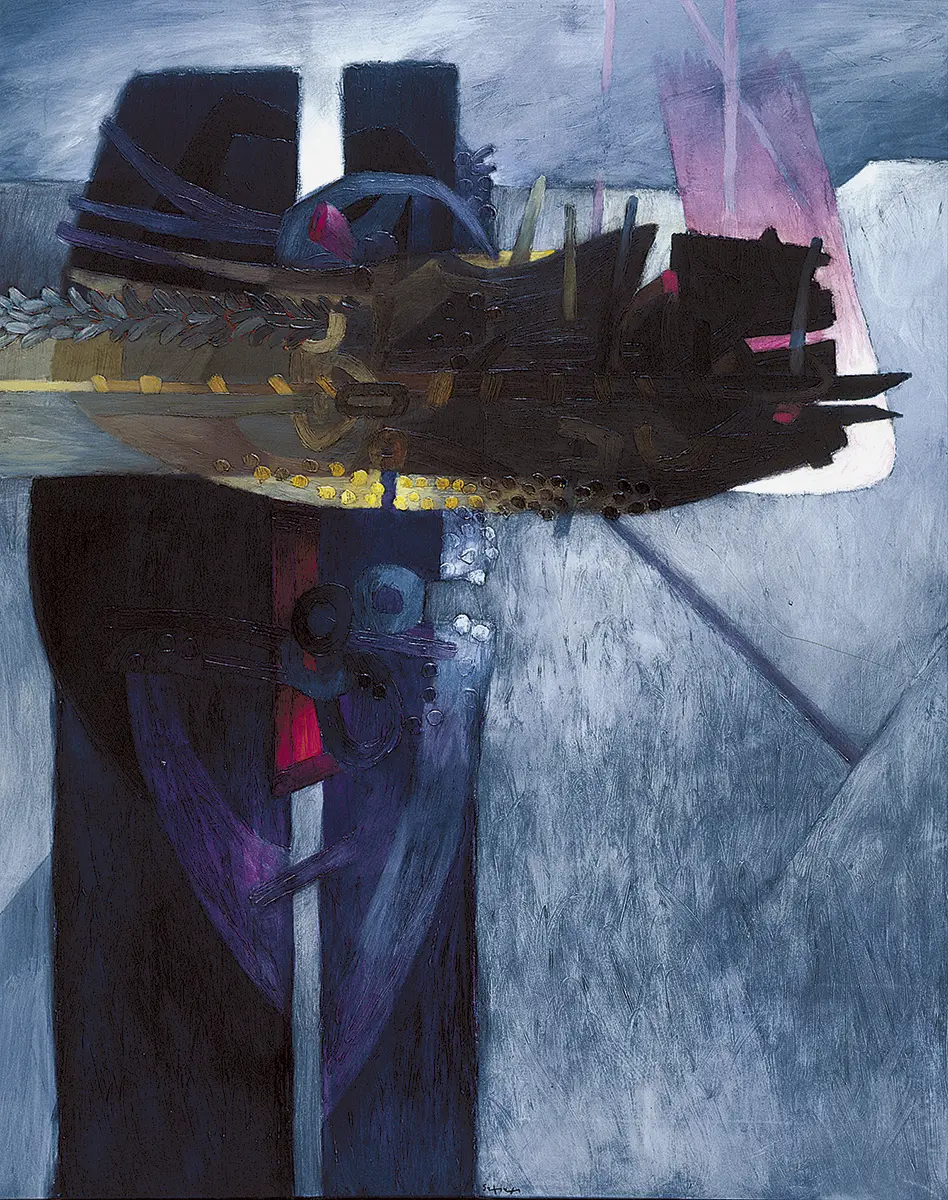
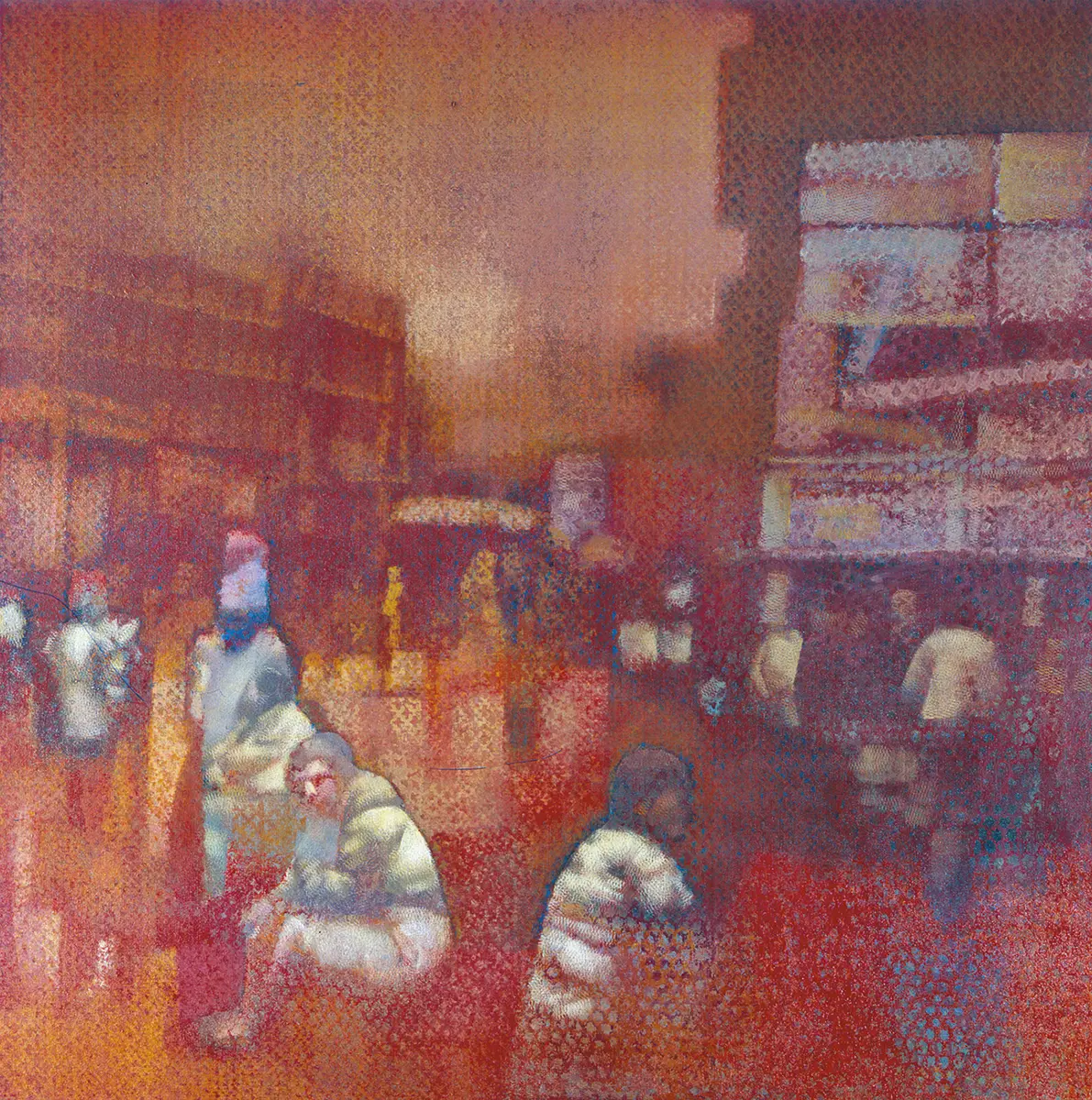
All these considerations must be taken into account before we start talking about FIA’s 11th edition, heroically undertaken between June 4 and 9, despite Venezuela’s grave crisis, known worldwide. The immediate consequence was the reduction of foreign galleries. Despite all this, it was an overall success. Under the slogan of “Caracas, Gallery to the World,” the Iberian American Art Fair, FIA, generates an encounter of great proportions that has a special interest in the visual arts in Venezuela. For a week, Caracas becomes a pole of artistic attraction. In the following weeks, it continues with parallel activities, among them the exhibits Salón CANTV Jóvenes con FIA and Encuentro Iberoamericano de Fotografía. In their 2002 editions, their respective curators were Juan Carlos López (Sala Ateneo, Caracas) and Tomás Rodríguez, along with Lola Garrido (Museo de Bellas Artes). The guest artists were Fernando Szyszlo, from Peru, and Edgar Sánchez, from Venezuela.
FIA is a complex event, only because it is not a showcase of works presented in a dizzying alignment of galleries. It is the responsibility of its curators, Magdalena Arria, Zoraida Irazábal, Ana Josefina Vicentini, and Nicomedes Febres. It’s an interaction with the national art circuit, and that’s why we have the presence of most museums, foundations, and the like that include historical exhibits, publication stands, and theoretical encounters. When analyzing the presence of works, mostly paintings, represented by the galleries attending FIA 2002, we can find, side by side with the inevitable repetition of the same artists, a tendency to conventionalism since, with very few exceptions, there were no major examples of creative audacity. On the other hand, we had the unexpected joy of seeing late 19th-to 20thcentury great Venezuelan art.
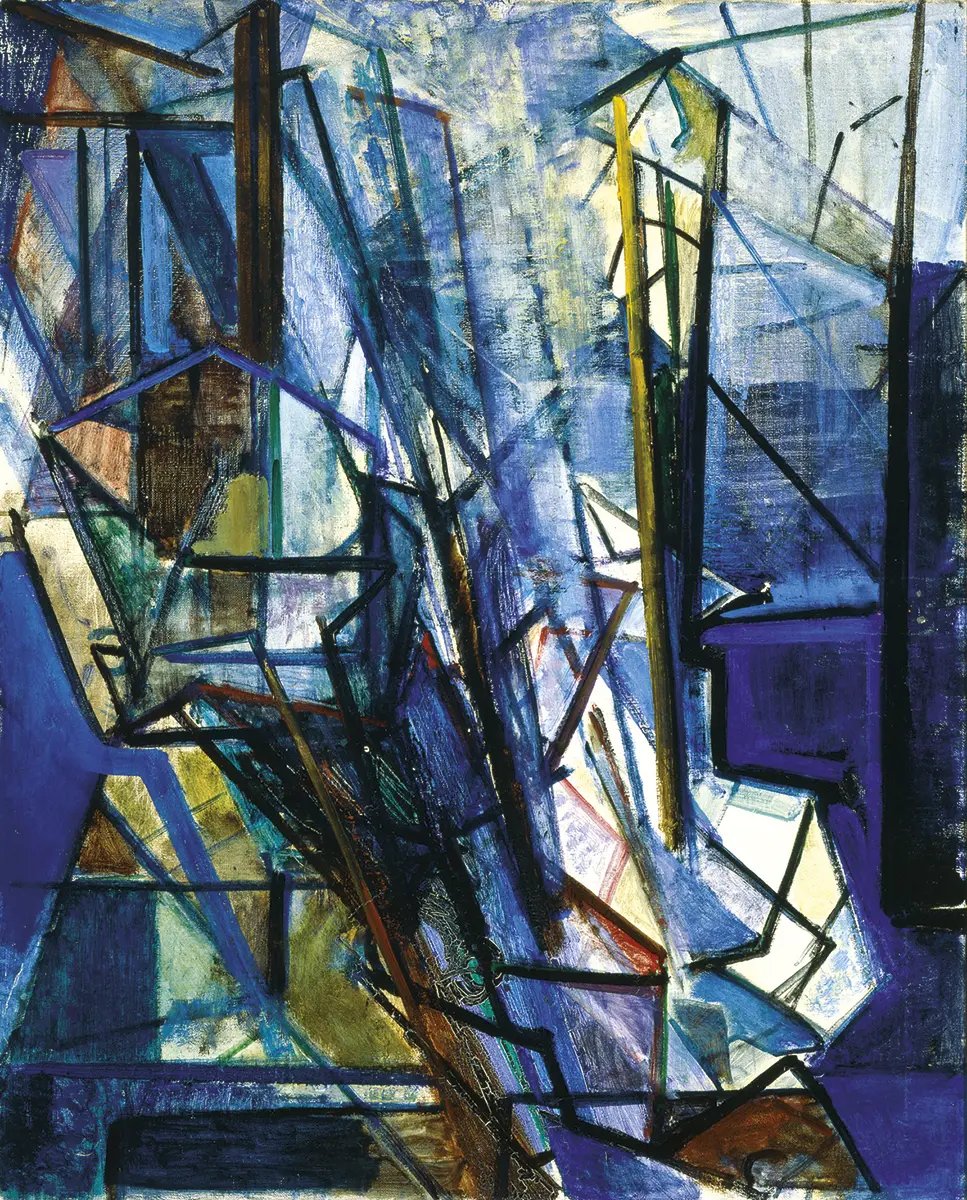
In relationship to this last fact, we will make a historical journey, beginning with the two strong private institutions opening the Fair: the Fundación Banco Mercantil’s great paintings from the series Cafeteras (Coffee Brewers) by Alejandro Otero, which place him as an undoubted master; and the Fundación Banco Provincial’s Una mirada a la contemporaneidad en Venezuela (A Glance at Venezuelan Contemporaneousness), with works by Armando Barrios, Manuel Quintana Castillo, Carlos Cruz-Díez, Julio Pacheco Rivas, Alirio Palacios, Jesús Soto, and Oswaldo Vigas. Both foundations, with their own collections, have been a great stimulus for the advancement of the arts in Venezuela. Directly behind them is Galería Muci who, almost like a museum, presented works from the historical vanguard, highlighting traditional themes with figures such as Martín Tovar y Tovar and Arturo Michelena, from the 19th century, and Manuel Cabré, Marcos Castillo, Carlos Otero, Luis Alfredo López Méndez, Francisco Narváez, Armando Reverón, Alejandro Otero, Francisco Fernández, Tito Salas, and Federico Brandt, from the 20th century, from the so-called School of Caracas, along with Bárbaro Rivas, the naïf painter, Alejandro Otero, and Carlos Prada, the youngest of all. This chapter of Venezuelan painting, which presented works largely unknown by the Venezuelan public, was continued with the Aldo Castillo Gallery, in Chicago, with the retrospective show of individual drawings done between 1946 and 2002 by Oswaldo Vigas, where he explores several textural dimensions, showing the creative force of his pictorial evolution. Taking a detour, we reach the space curated by the Caracas museums, where we saw the works of both Iberian American and Venezuelan artists that are rarely seen in public: Ramón Vásques Brito, Alirio Palacios, Manuel Espinoza, Edgar Negret, Luisa Richter, Juan Genóves, Pedro León Zapata, Miguel von Dangel, Ana María Mazzei, and Jacobo Borges, among others who established a dialog within the vanguard that lead the way toward the second half of the 20th century. In this path, we also found the space for the 1990-2000 National Photography Awards, created in 1990 by the National Cultural Council as part of the Fund for Creative Stimulus: Alfredo Boulton, Fina Gómez, Paolo Gasparini, Bárbari Brandli, Claudio Luis Brito, and Antonio Sánchez —enough evidence to prove the importance of photography in the Venezuelan art circuit. We should stop at the Grupo Li, Centro de Arte, if only to see Retrato de Julieta (Julieta’s Portrait, 1936) and Maestra de escuela (School Teacher, 1937), both by Héctor Poelo; valuable sculptures by the master Francisco Narváez and two pieces by Carlos González Bogen –these last two artists were protagonists in the changes undergone by Venezuelan art during the 1950s. We reach Galería 39, who presented several contemporary artists working on innovative proposals, such as Nela Ochoa, Carola Bravo, and Milton Becerra. Mazzei’s and Ochoa’s works caught our attention because through different proposals they reach an artistic commitment that’s quite current. We end this exploration with Galería Ascaso, which had ample space to show Alirio Palacios’ great works from the last two years, showing a commitment to daring abstract planes. Other artists are Jesús Soto, José Antonio Dávila and his hyperrealist still lifes, and Carmelo Niño, who heralds a change by showing greater strength without abandoning his usual scenes.
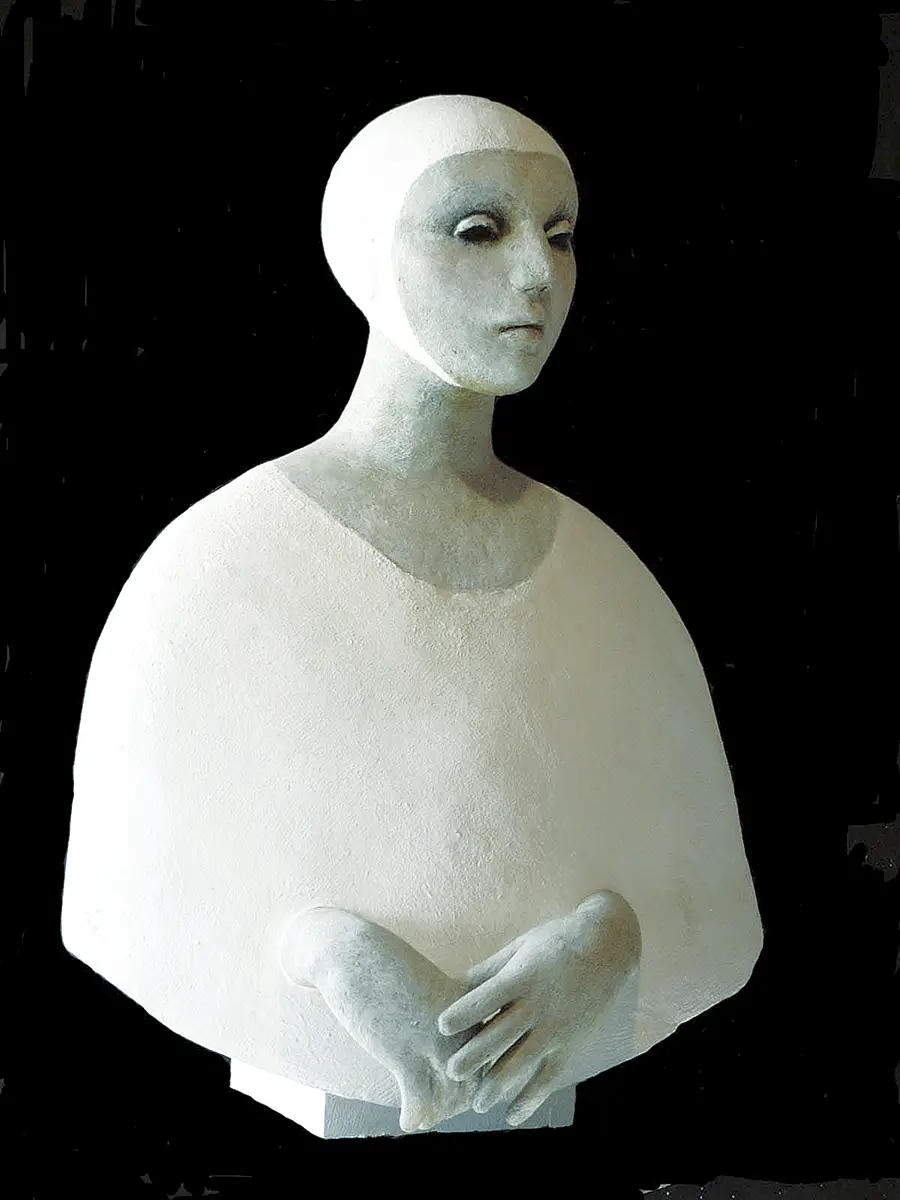
Outside Venezuela, we find Spain’s Joan Guaita Art representing Jesús Soto, whose innovation is that in his works black and white predominate. He also presented Suite Mallorca, a beautiful edition of three silkscreen stellas. His work was presented alongside the works by the Cuban artists Manuel Mendive and Kcho. Galería Forma, from Argentina, highlighted the works of two Central American artists, Ana María Martínez, from El Salvador, and Elmar Rojas, who shows some changes that enrich his already-known work. Standing out we found the sculptures of Hugo Zapata, who is represented by Galería Sextante in Colombia. His series Rituales Primigenios (Primeval Rituals) follows abstraction with themes based on totems and water containers as generators of life, found in ancient Latin American cultures. Adriana Schmidt Gallery, from Germany, brought to the Fair works that are well inserted in today’s life: Guatemala’s Darío Escobar’s skateboards; Joan Fontcuberta’s sensational photographs; and Luis Hermano’s photos, taken from his native Brazil’s popular culture.
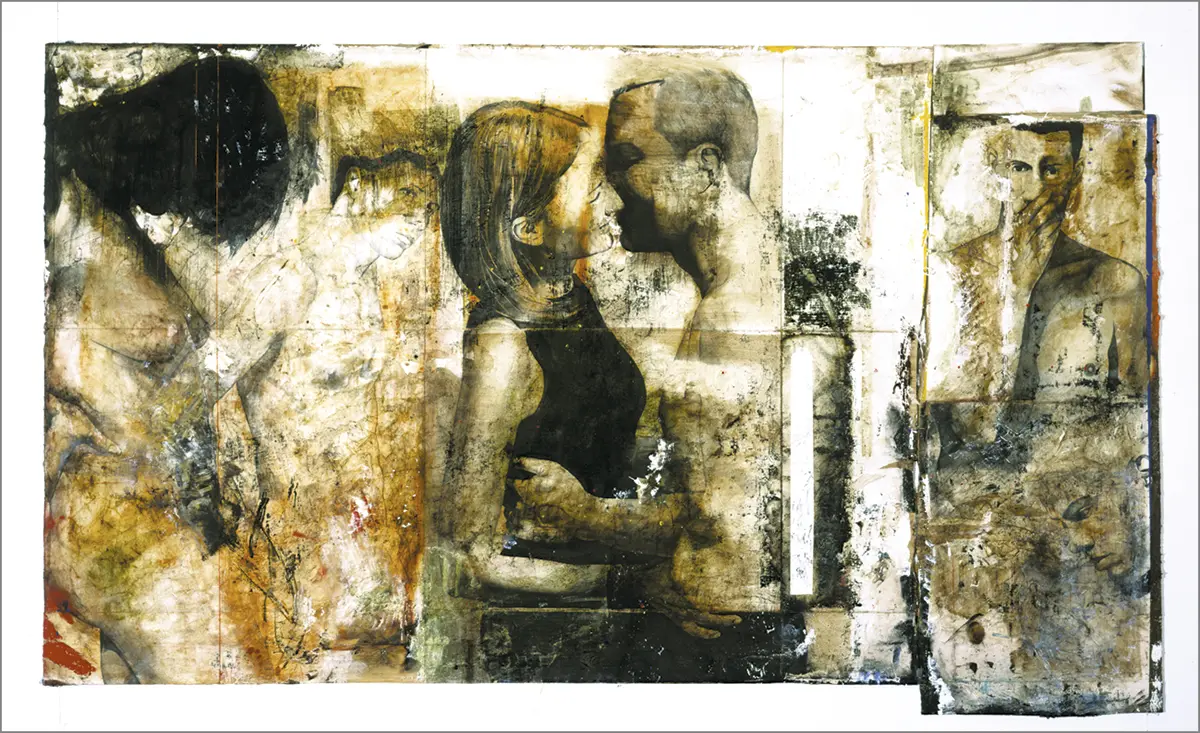
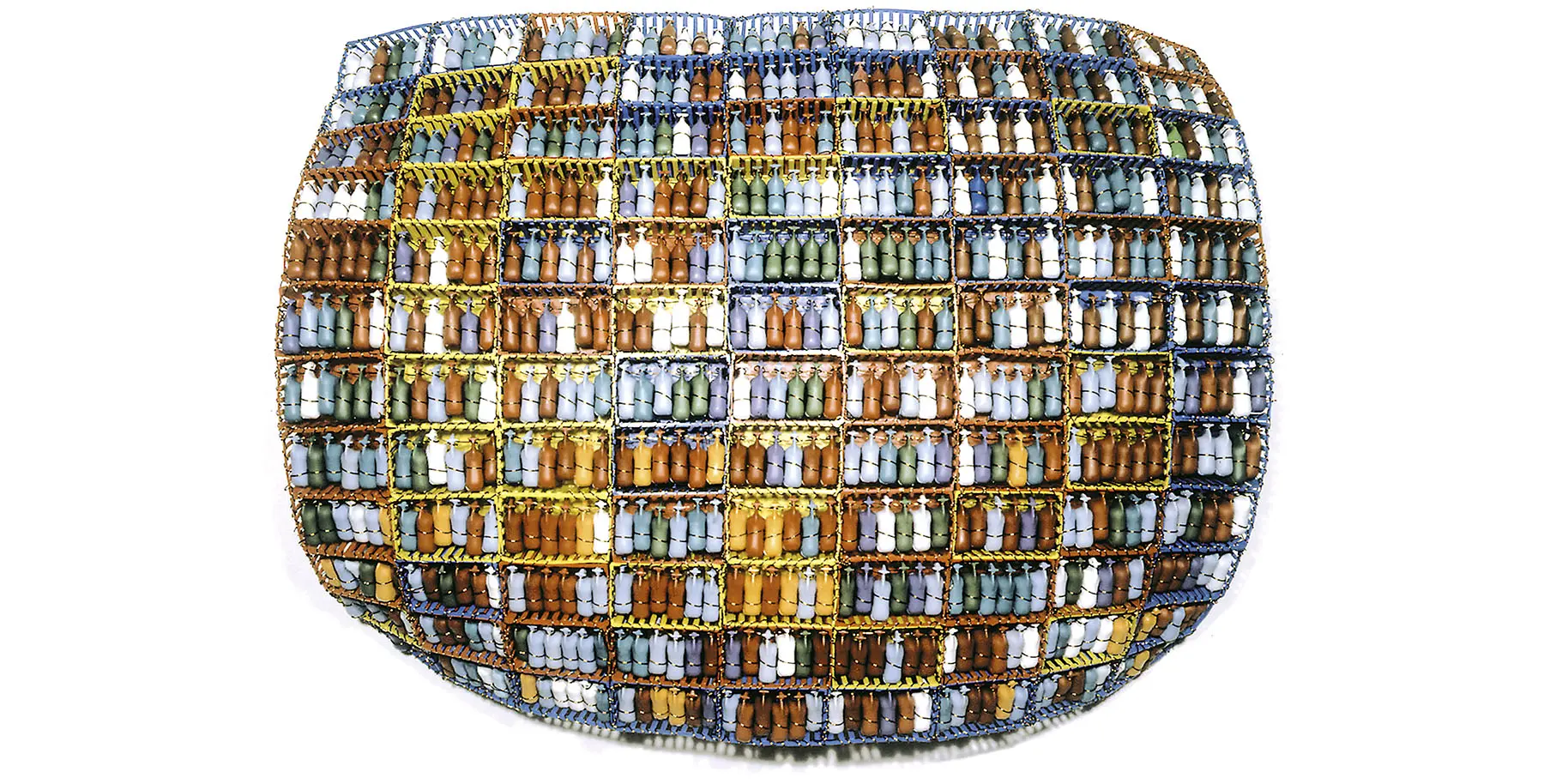
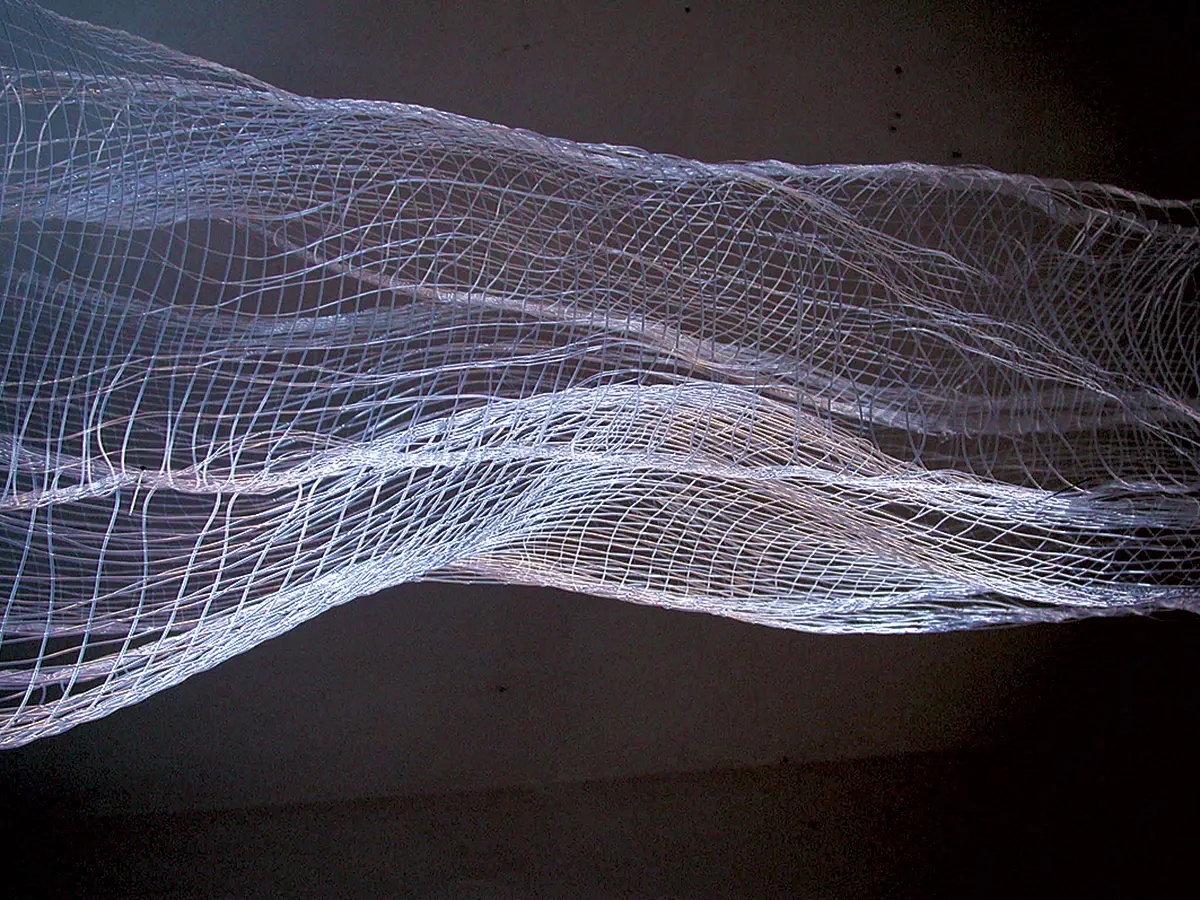
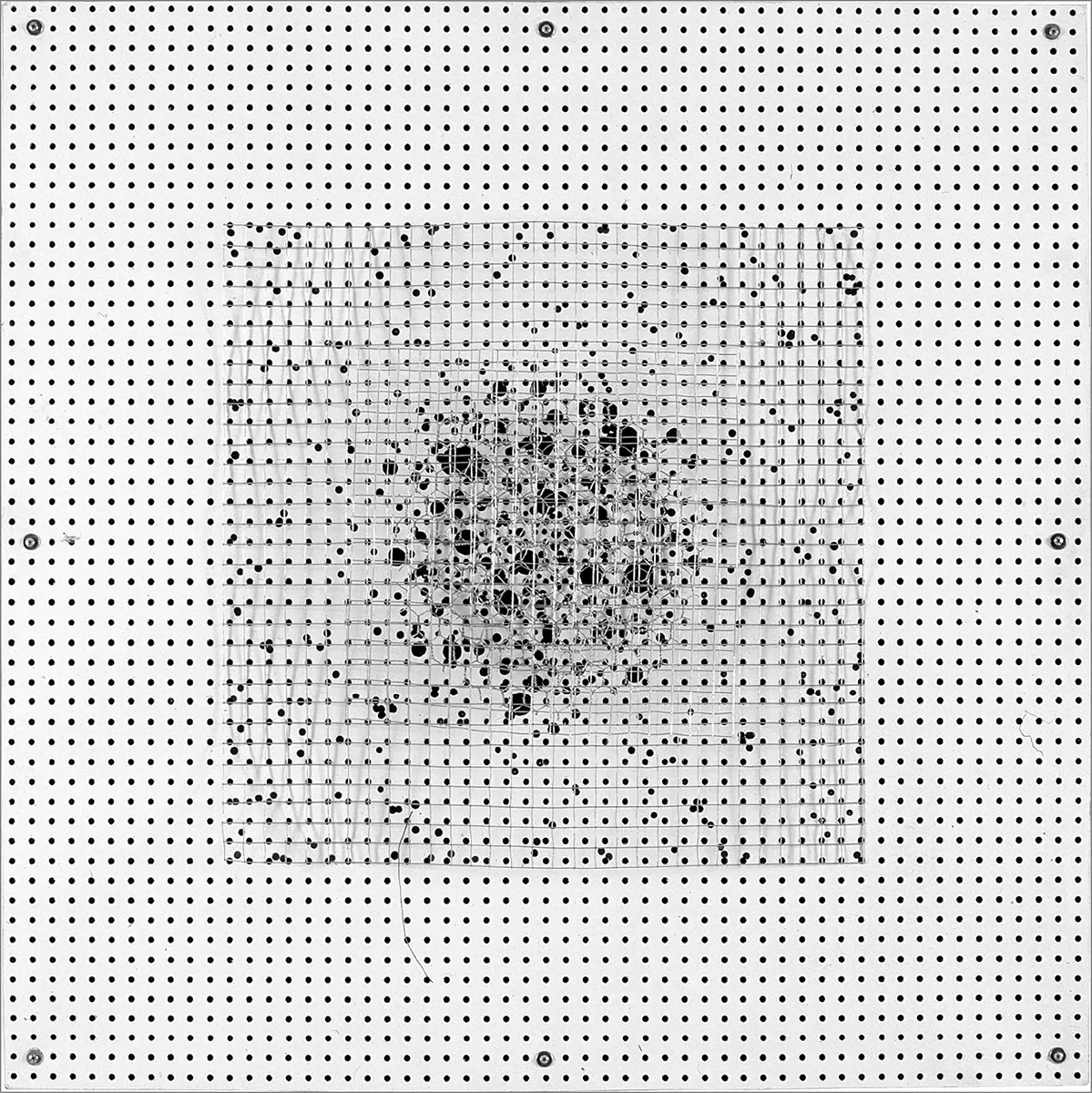
Galería Praxis, from Mexico, was present with Roberto Cortázar, their star artist, who undoubtedly maintains the high quality of his work, standing out alongside Roger Mantegani with his mysterious images set against baroque backgrounds. Galería Praxis, Arte Internacional de Argentina, the Mexican gallery’s associate, could not miss the opportunity to show Ignacio Iturria’s work; this time the famous artist presented a group of sculptures where he explores the themes and images of his two-dimensional works, handling the support with pictorial quality. Galería Forum, from Peru, presented several star artists from that country: Eduardo Tokeshi, Szyszlo, and young Cristina Colichón, whose three-dimensional proposal denies space by means of thread structures sewn onto wire fences, making an echo of optic and kinetic proposals. Colombia’s Luiz Pérez Galería, dedicated its space largely to Venezuelan art; calling our attention were Daniel Suárez’s sculptures, the two Mateo Manaures from 1950, Francisco Narváez’s sculptures from the mid-1940s, a magnificent bronze relief that could have been part of some mural with the mestizaje theme, an impressive painting by César Rengifo from 1980, a Cabeza (Head) from 1947 by Héctor Poleo, a bouquet of flowers by López Méndez, and an unknown bronze sculpture by Alejandro Otero dating back to 1942, and, above all, a small pictorial jewel done by Siqueiros in 1955. All these works are part of the valuable pieces we slowly discovered in FIA’s hallways.
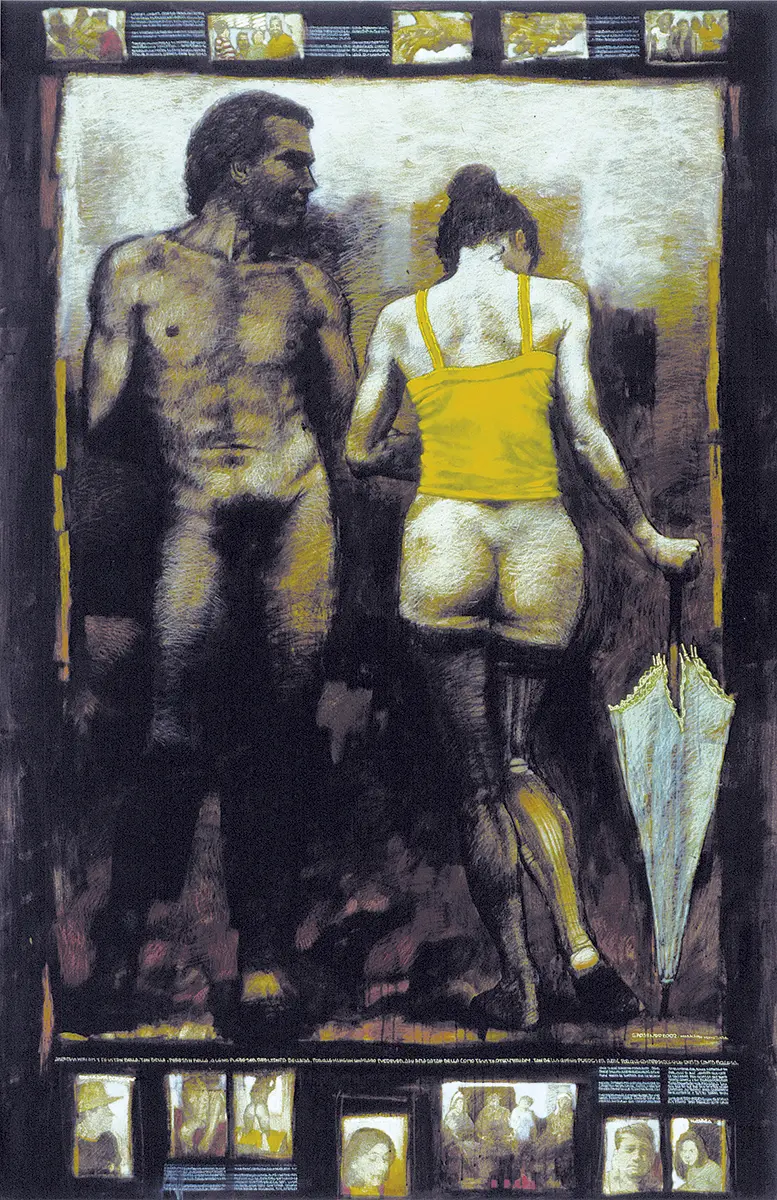
Continuing with the Venezuelan galleries, it’s fundamental to highlight Galería Durban, which presented a small group of 11 different canvases done by the master Fernando de Szyzslo, finding among them impacting works such as Orantía and Mar de Lurin (Lurin Sea). Important in Graphic II were J. J. Moro’s sculptures, along with two pieces by Manuel Mérida, who makes an appearance after a long absence from Venezuelan art. Galería Medicci covers three generations of artists: Luisa Richter, Manuel Quintana Castillo, Asdrúbal Colmenares, and Enrico Armas, protagonists in the production of national art. In Galería Dimaca we saw Armando Pérez’s chair –an acrylic painting on wood that turns the chair into support. We had to stop at Galería D’Museo to admire a fundamental piece: Víctor Valera’s perforated paper; also, two pieces by Pedro Tagliafico and Alí González. They are both interesting for the conceptual proposals they make related to transparency and fragility. Master artists became confused with younger ones in this gallery, a situation that enlivened the space. We had Jesús Soto, Cornelis Zitman, and María Teresa Torras. We could say that Elías Toro’s sculptures dominated Galería Spativm’s space. While in the Galería Juan Ruiz, besides two great paintings by Manuel Quintana Castillo, Elvis Rosendo’s work held our attention. The erotic load spawns from fractured realities that are transferred to the canvas as fragments to be joined by our gaze and thoughts. Here we also found Karim Borja’s painting and Jim Amaral’s sculptures, whose small format confirms the extraordinary way with which the artist handles space and three-dimensional volume. In Galería Minotauro we saw Wifredo Lam’s work, José Gamarra’s landscapes, and Pancho Quilici’s work on paper –all within the gallery’s line of fantastic figurativeness. Galería Altamira represented three artists: Iván Rojas, with paintings and a new sculpture; Gina Mariotto’s abstract expressionistic and abstract paintings, and Orlando Urdaneta, who ventures into the world of violence.
Finally we reach Galería Freites. In its ample space, it presented Edgar Sánchez, its guest artist, with a series of paintings that place him as a master of the second half of the 20th century. There we also saw two paintings by Jacobo Borges that showed new changes in his work. Also, we saw works by Santiago Cárdenas, Roberto Indiana, and Manolo Valdés.
We could conclude by saying that the event supported the fact that Venezuelan and foreign galleries dusted off works mostly unknown to the public. Most definitely, the works were very well inserted into Venezuela’s art history, turning the Fair into a visual banquet.
BÉLGICA RODRÍGUEZ
Ph.D. in art from the Sorbonne. Art critic and historian specializing in Latin American art.