Mexico City lacks the samba exotism of São Paulo, the eventual, refreshing ocean breeze of Jakarta, and the pestilent but romantic flow of the Chao Phraya River in Bangkok. Mexico City is a dirty cauldron perched at 2,380 meters above sea level, infested with crime, corruption, pollution, and extreme social contradictions. According to the New York Times, Mexico City is the kidnapping capital of the world. But this is a recent phenomenon. Standards of living took a severe plunge during the nineties, the city continued growing out of control and it has become probably the largest city on earth—a very dangerous and chaotic place. But far from being an isolated phenomenon, this is the result of poor planning, a debacle of law enforcement, and global economic mayhem, among other factors, that have affected a great number of countries in the last decade. Nevertheless, this prolonged crisis has given Mexico City the privilege of becoming a stereotype of the urban inferno, a category that even intelligent, informed, and traveled people fail to question.
Mexico City: An Exhibition About the Exchange Rate of Bodies and Values at P.S.1 offers a selection of dark, sordid, and ironic works dealing with the city and the fact that its inhabitants have become “bodies,” objects used as currency, merchandise with an exchange value that fluctuates according to bizarre market laws, “goods to be protected, dealt with or exchanged,” according to Klaus Biesenbach the curator of the show. Here, instead of folklore, we have the seduction of risk and the ever-appealing fascination with death. Crime is exploited for its shock value and as some sort of tourist attraction, but the views we are shown do not profoundly reveal the impact or the consequences of a society that turns human bodies into goods.
The journey starts with aerial views of some of the poorest neighborhoods in Melanie Smith’s video and photographs from her series Spiral City (2002). It is revealing that we seem to reach the city as tourists, flying and creating an imaginary map of its labyrinthine and undistinguishable streets from the sky. Paradoxically, this outsider’s look pervades the entire show. The absence of landmarks, green areas, or any other relevant features in Smith’s images makes these views appear more confusing and asphyxiating. Nevertheless, the anonymity of this landscape says almost nothing about Mexico City reducing it to a cipher and a wasteland. These images are part of a larger series and by themselves, they barely convey the idea of the insignificance of the individual in a densely populated metropolis.
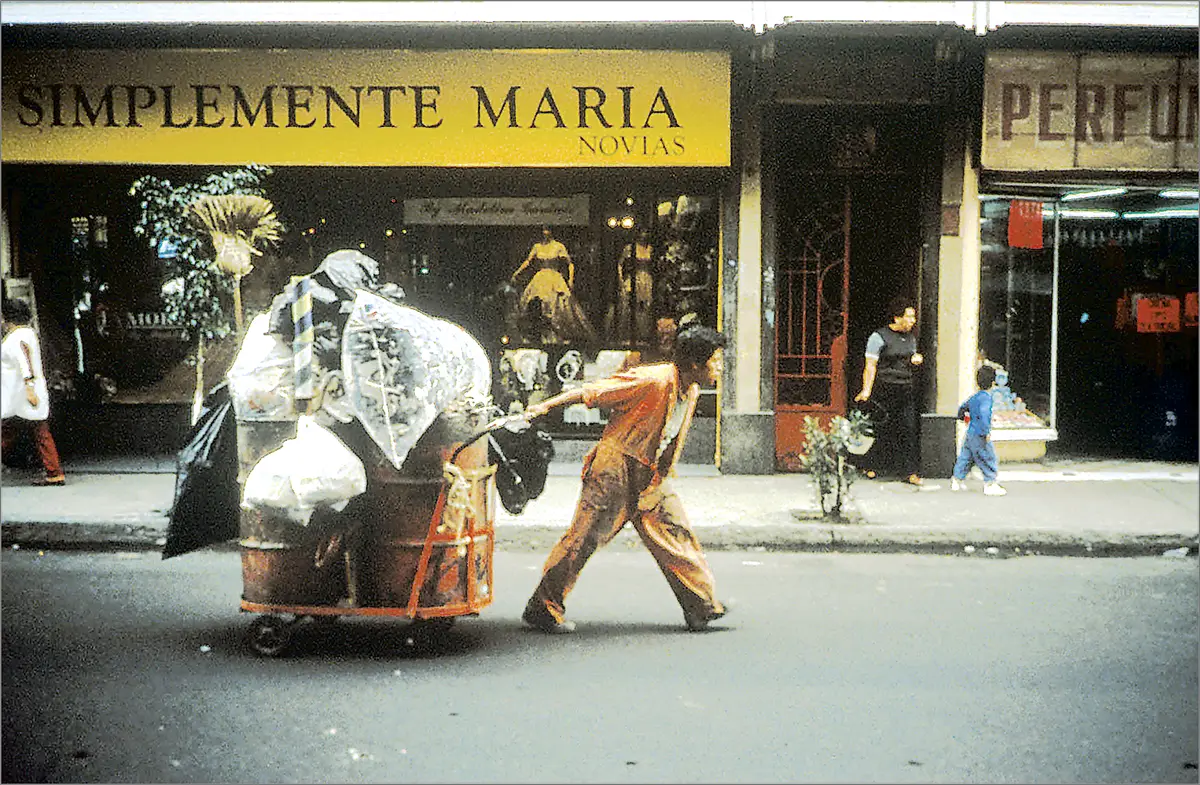
In such a vast and impersonal city, in which notable topographical, urban, or cultural elements get lost, the idea of a portable monument makes perfect sense. Eduardo Abaroa proposes a Portable Broken Obelisk (For Outdoor Markets) (1991-1993), a large structure inspired by Barnett Newman’s Broken Obelisk, made of tubes and the same bright pink vinyl canvases that characterize the itinerant street markets (known in Mexico as “markets on wheels”). The transient nature of this work seems appropriate to a city in permanent expansion and unpredictable flux. Francis Alÿs's piece, Pushing and Pulling (1998-2002), deals with the same notion of a city in movement by showing, in dozens of slides, street vendors pushing their stands through traffic and crowded streets. This piece could be seen as an homage to their Sisyphean task, which could be perceived as absurd and unforgiving. At the same time, we have to remember that Sisyphus was extremely cunning and crafty, and in the words of Homer “the slyest of all men.”
The models in Daniela Rossell’s photos are on the other extreme of the social spectrum. They are mostly young, blonde women from some of Mexico’s richest and most powerful families. The class and social commentary are evident in these portraits taken in exuberant palaces and rooms decorated with such excess that they seem cartoonish. Some of these photographs have already been seen in her show Ricas y famosas at Greene Naftali Gallery. Rossell gives absolute freedom to her subjects to choose how they want to be portrayed, so they tend to show themselves playing roles and assuming cliché personas in the heavily-charged atmosphere of their mansions. Most of these women appear childish, especially in their most outrageous pseudo-sexy poses. These images reflect an almost pathological obsession of the Mexican higher classes to collect their own and accumulate at the expense of any notion of taste. In these photographs, the body becomes an extension of the background, a space to be decorated in order to fit the stage. Social contradiction is also the subject of Chocorrol (1997), Yoshua Okón’s video piece and series of photographs in which he documents the mating of a female French poodle and a Xoloitzcuintli, a hairless, native Mexican dog, originally consumed by the Aztecs. Just as relevant as the images are the reaction of the owner of the French poodle, who according to the artist was furious because he considered the mating of his precious dog with such a male equivalent to rape.
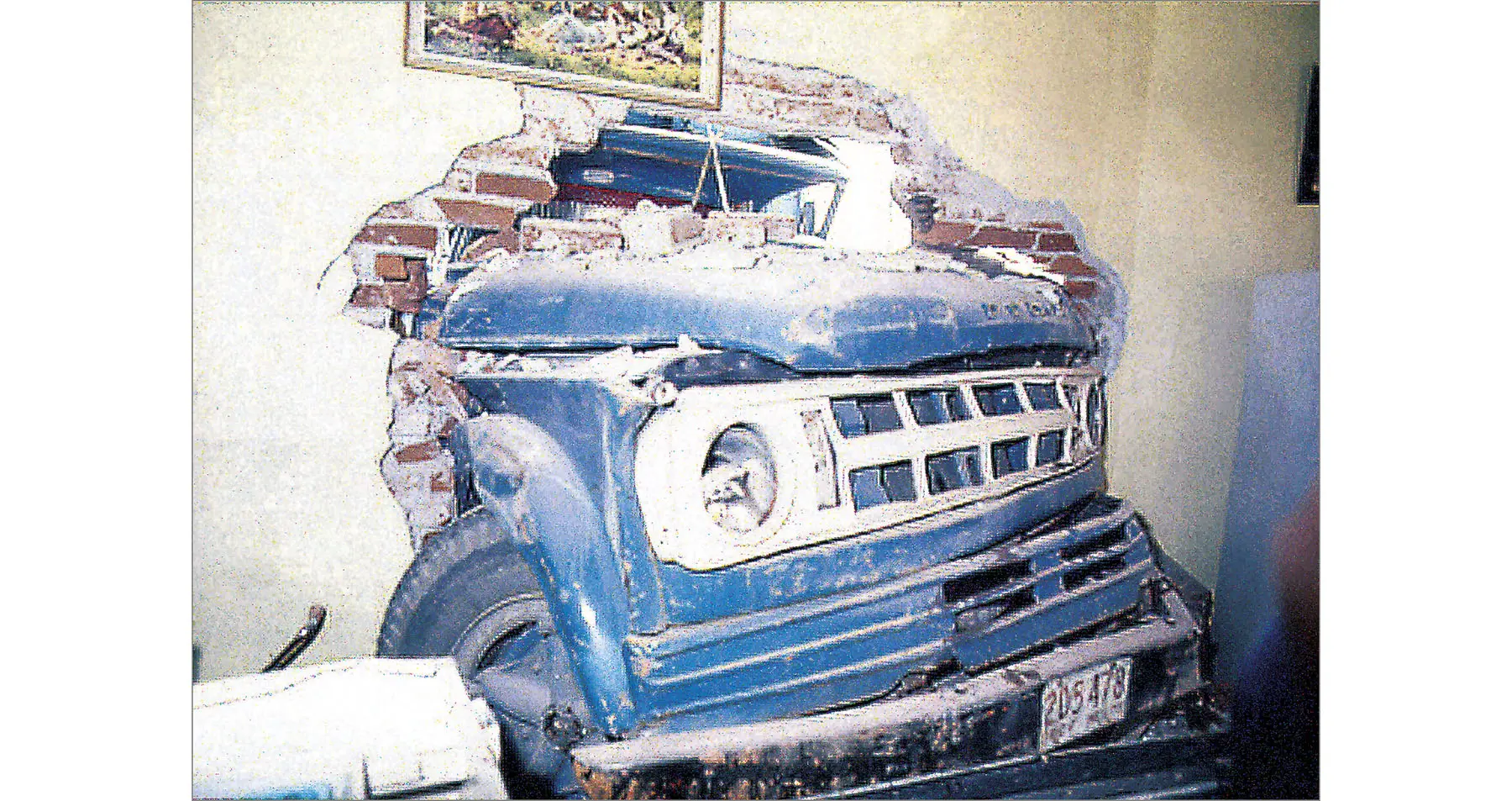
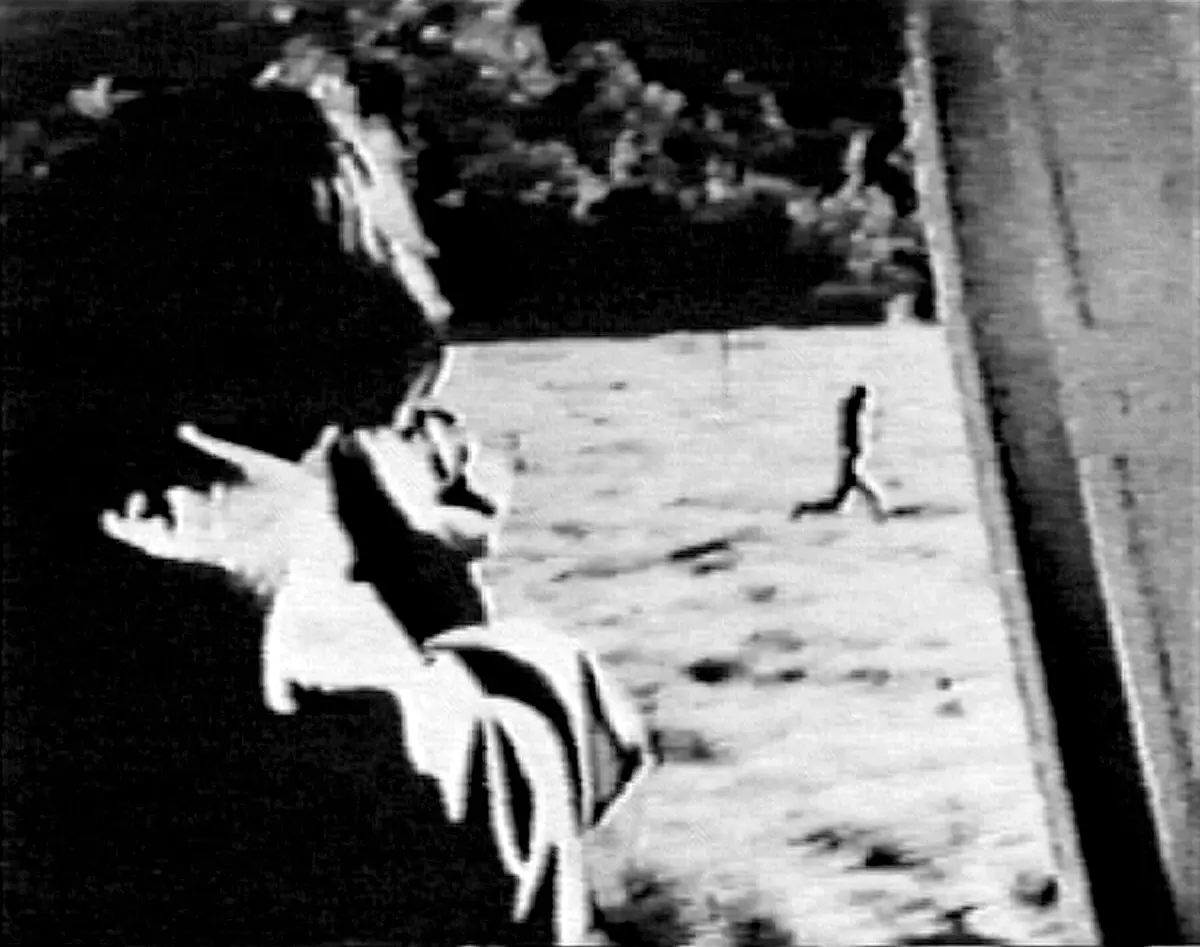
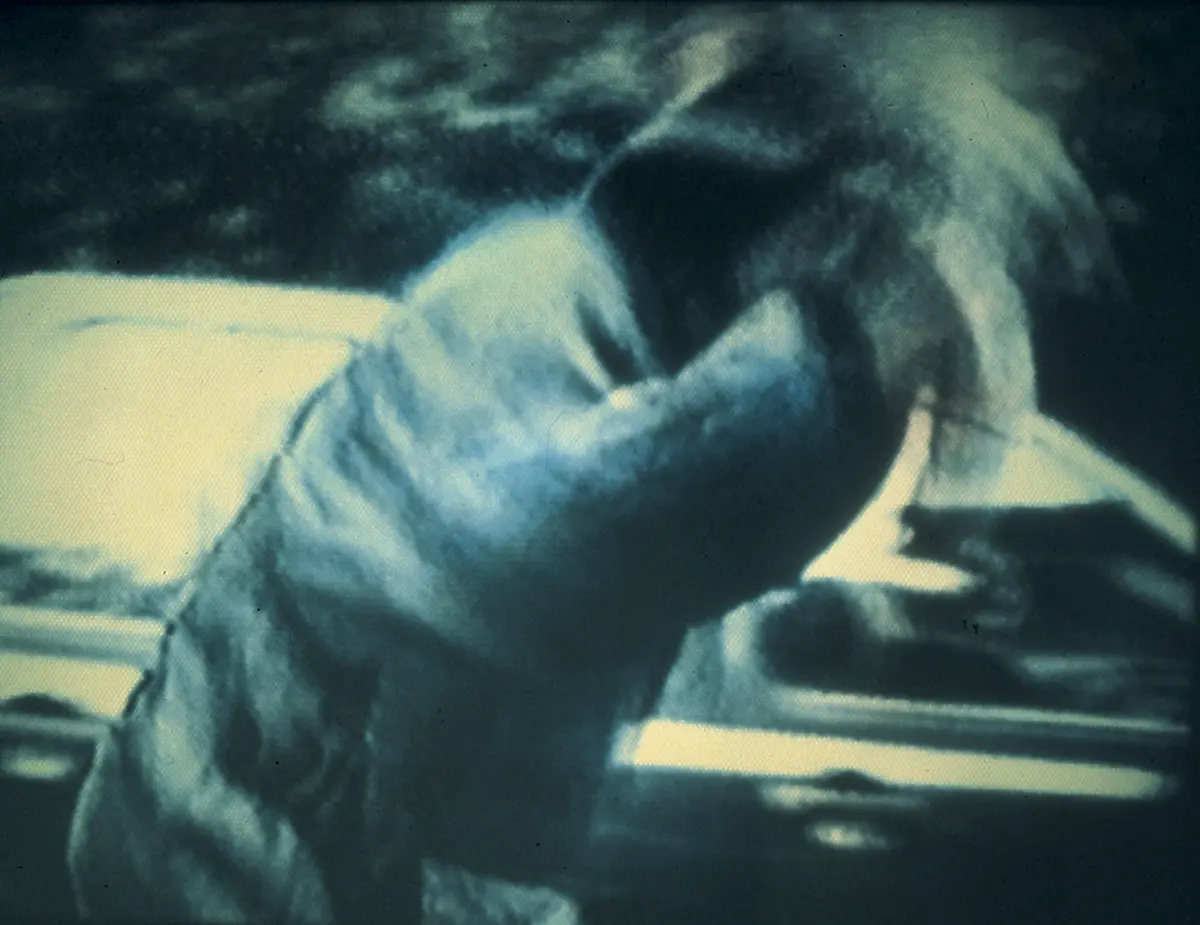
Okón and Miguel Calderon are the authors of A propósito… (1996), a video and an installation documenting a real or staged criminal rampage through the city in which the authors broke into parked cars to steal their stereos. The supposed booty consists of 120 pilfered radios which are piled in front of the screen where the video is projected. Subversive or simply juvenile, this work reflects the tension between real and imaginary risk, a fundamental element in the culture of the city. Another documentation of a crime that may or may not be real is the raw material of Ivan Edeza’s video. The artist bought a bootleg videotape in Tepito’s market—the infamous center of piracy, contraband, narcotics, and other illegal goods—that depicts a hunting trip in which wealthy men shoot down indigenous people from a helicopter in a Brazilian jungle. The images are vaguely reminiscent of Snuff, another movie that supposedly depicted a real crime and was filmed in South America. It turned out that it was a B-series horror movie that was resold to profit from a wave of paranoia created by a rumor during the seventies that “snuff” tapes were being smuggled into the USA. Nevertheless, our appetite for the grotesque and for “reality horror” has spawned a cottage industry of disturbing tapes sold under titles like Faces of Death, that package a variety of atrocities such as police incidents, war images, and real murders, executions, accidents, and surgeries. The artist taps into this obsession but turns it upside down by manipulating the video, affecting its realistic look by introducing static and distorting the images to make them less “visible.” In any case, this serves only to enhance the disturbing power of the film and eliminate any possibility of detecting if it is staged or real. Edeza’s video tries to reaffirm the myth that you can get anything in a place like Tepito, at the same time it offers an obvious metaphor of the extreme cruelty and exploitation of the oppressed by the wealthy, by turning human beings into hunting trophies, a horrifying act that sounds absolutely possible.
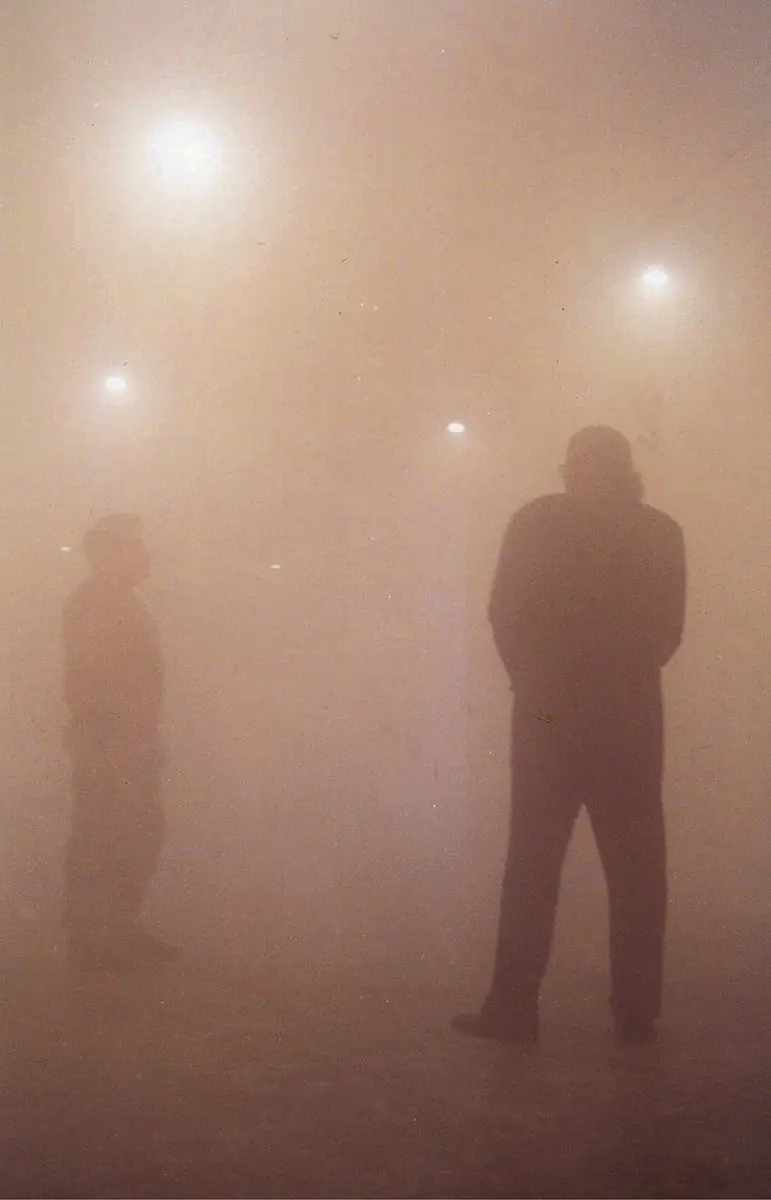
Even more disturbing is Teresa Margolles’ piece, Vaporization (2002). Margolles is a founding member of SEMEFO, a group that has worked for over a decade with the imagery of death, dismemberment, torture, and other taboos. Margolles has filled a gallery with a foggy mist composed of water used to wash corpses in the city morgue where Margolles works. The artist forces the visitor to “feel” the dead and to be immersed in their last wash, just as the inhabitants of the city are surrounded and enveloped by death at every moment. The water has been disinfected but the piece creates a real sense of danger by possibly exposing the viewer to unknown infections, not to mention a disturbing and lingering smell. The empty and silent room submerged in a thick fog seems in a way like a solemn and fascinating chapel for the departed. Dealing also with real death and tragedy is the work of Enrique Metinides, a forensic photographer who has spent more than 50 years taking pictures of every tragedy unimaginable in Mexico City for the newspaper, La Prensa. This tribute is very appropriate because his work documents a macabre history of the city and, in a way, its deterioration from the relatively peaceful and naïve capital of the fifties to the schizophrenic megalopolis of the 21st century—a city that could be conveniently removed from reality to be used as a simplistic metaphor of hell on earth.
NAIEF YEHYA