Paradoxically, the first exhibit at the Queens Museum of Modern Art temporary locale deals with time. Tempo has a particular significance for two reasons. First, it is the first exhibit curated by Paul Herkenhoff, MoMA’s adjunct curator. Secondly, it’s an ambitious curatorial effort that pretends to encompass, through philosophical and trans-cultural elucidations, a vast subject matter in contemporary art.
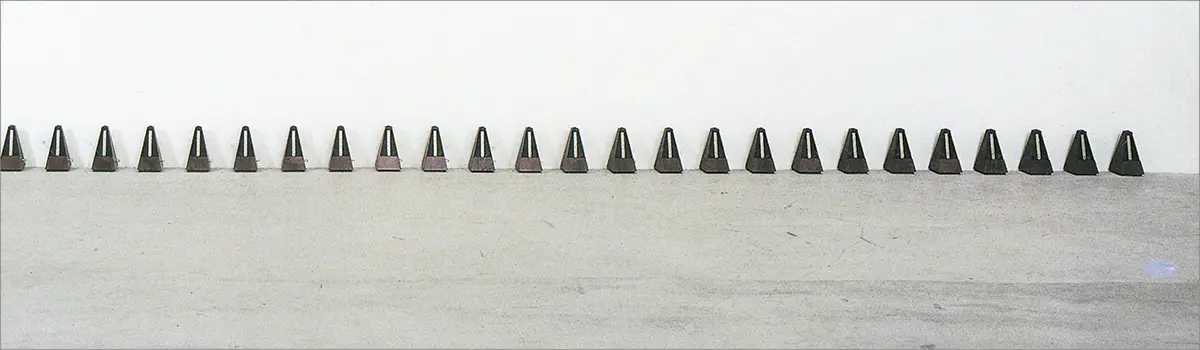
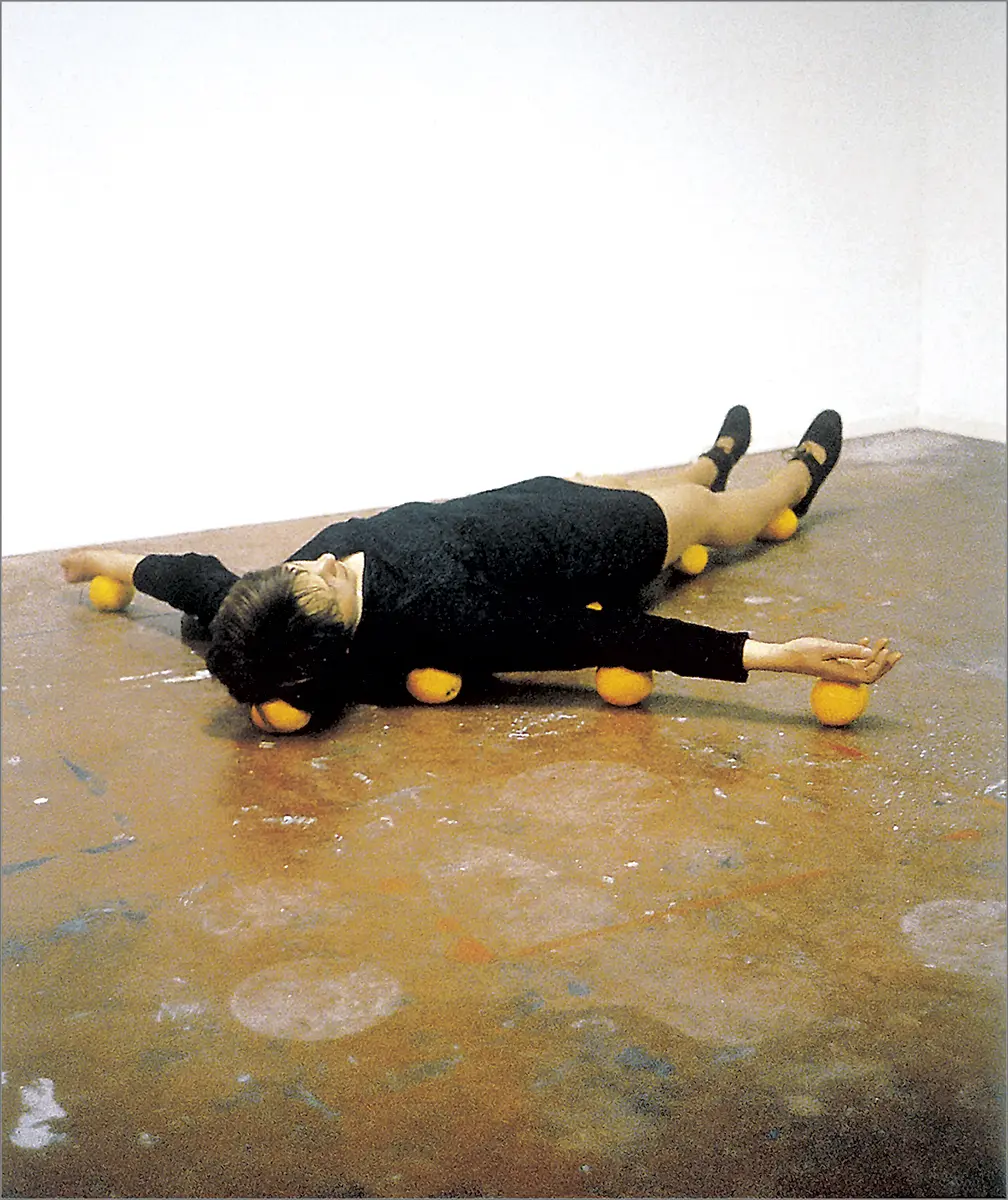
The notion of time is perhaps one of the most extensive and prevalent subjects in contemporary art, both as theme and medium (during recent decades), to such a degree that today we have what we call “time Arts” or “temporal Arts.” Tempo helps us map different ways artists have reflected on time, sometimes incorporating dimension into their works. The exhibit is divided into five sections. The first one, titled “Time Collapsed,” gives us examples of artists whose work tries to somehow counteract time as the official and regimented parameter. Some examples are Louise Bourgeois’, Cildo Meireles’ and Andrea Zittel’s clocks with their numbers in disarray, or a piece by Martin Creed consisting of 36 aligned metronomes set at different speeds. “Transgressive Bodies,” the second section, recovers, through the works of contemporary artists, the philosophical tenets of thinkers like Henri Bergson, who says that time lived can not be measured with a clock’s arbitrary parameters. The biological clock as a counterpoint to the conventional clock is presented with works by Janine Antoni, Pipilotti Rist, and Matthew Barney, all of whom include a performance with the utilization of the body. Also present are Erwin Wurn’s One-minute sculptures, diverse postures or tableaux vivant where the ephemeral intersects the sculptoric.
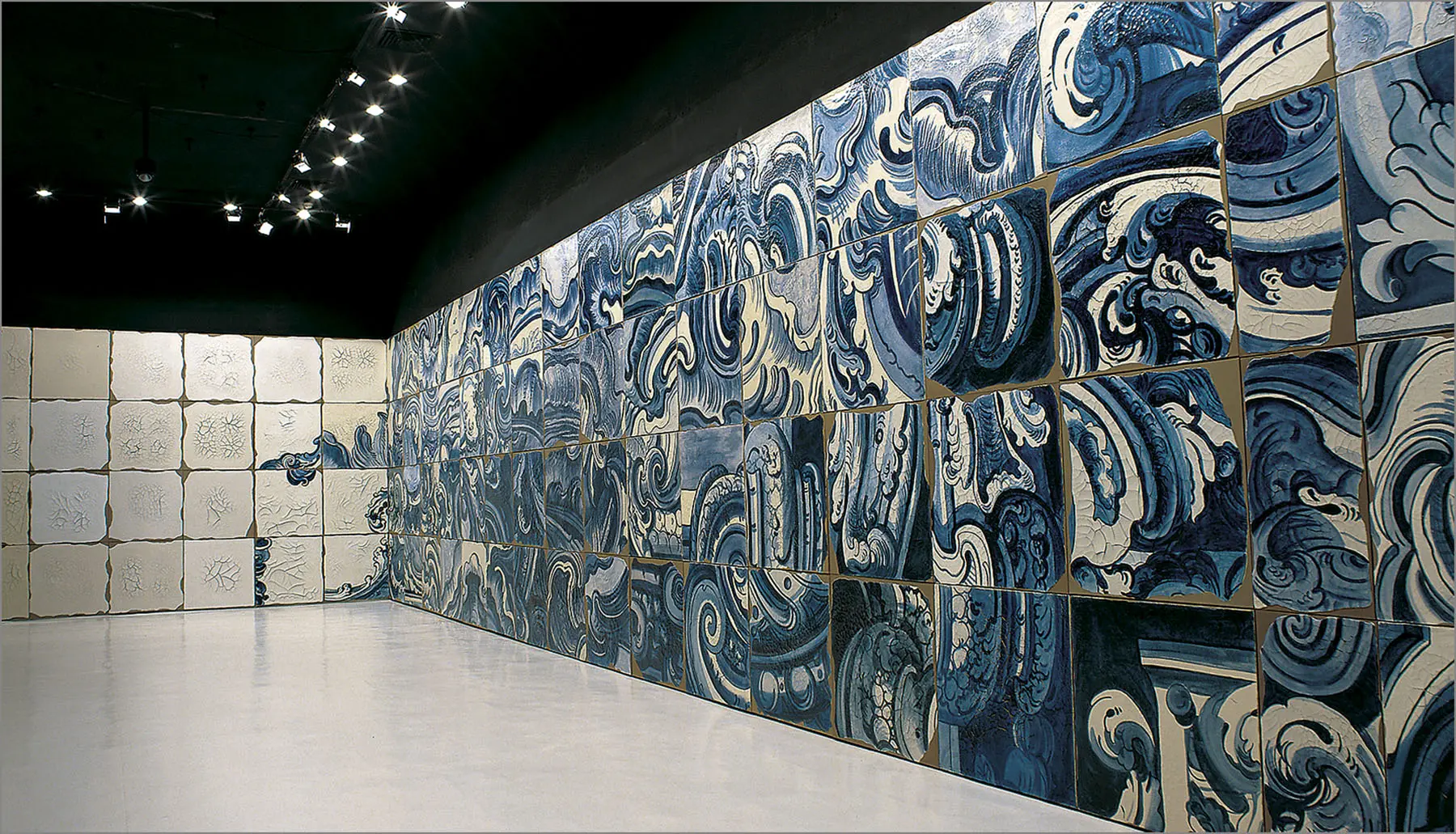
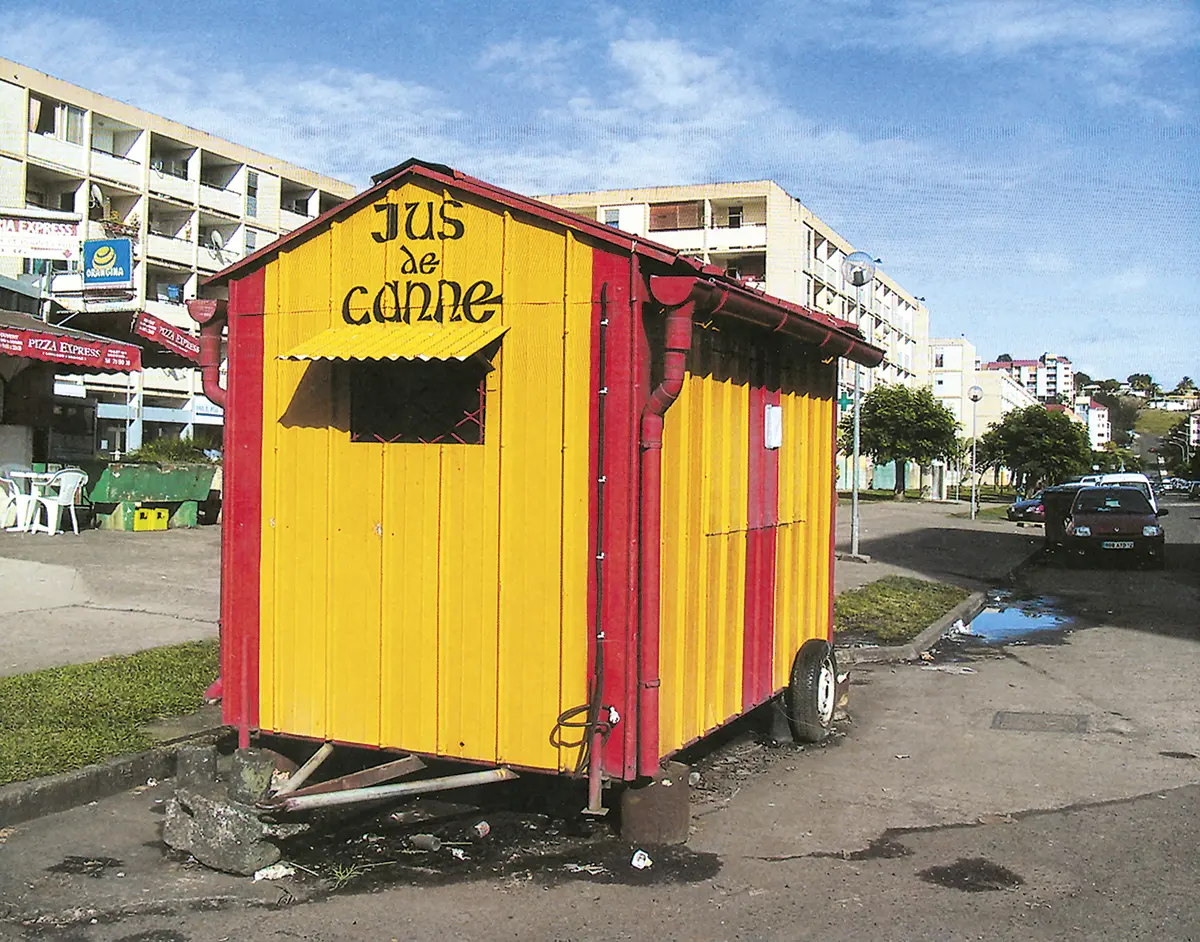
In “Liquid Time,” the third section, the subject matter concretizes through the metaphor of water. Water is a representation of time and has been a source of inspiration for artists such as Félix Gónzalez Torres, Roni Horn, Adriana Varejão, and Kim Sooja, and they all have works in this section. The fourth part, “Trans-Histories,” is perhaps the one with the most ambitious, complex, and interesting premises of the entire project. It tries to trace the relationship between post-colonial discourse and perceptions of time. Here, the interpretation of time no longer is a philosophical idea, but a cultural memory or a society’s collective history. With artists such as Marc Latamie, Kara Walker, Fatimah Tuggar, and Iñigo Manglano-Ovalle, this section could serve as an epilogue of this year’s Documenta, where the criticism of history was of great importance.
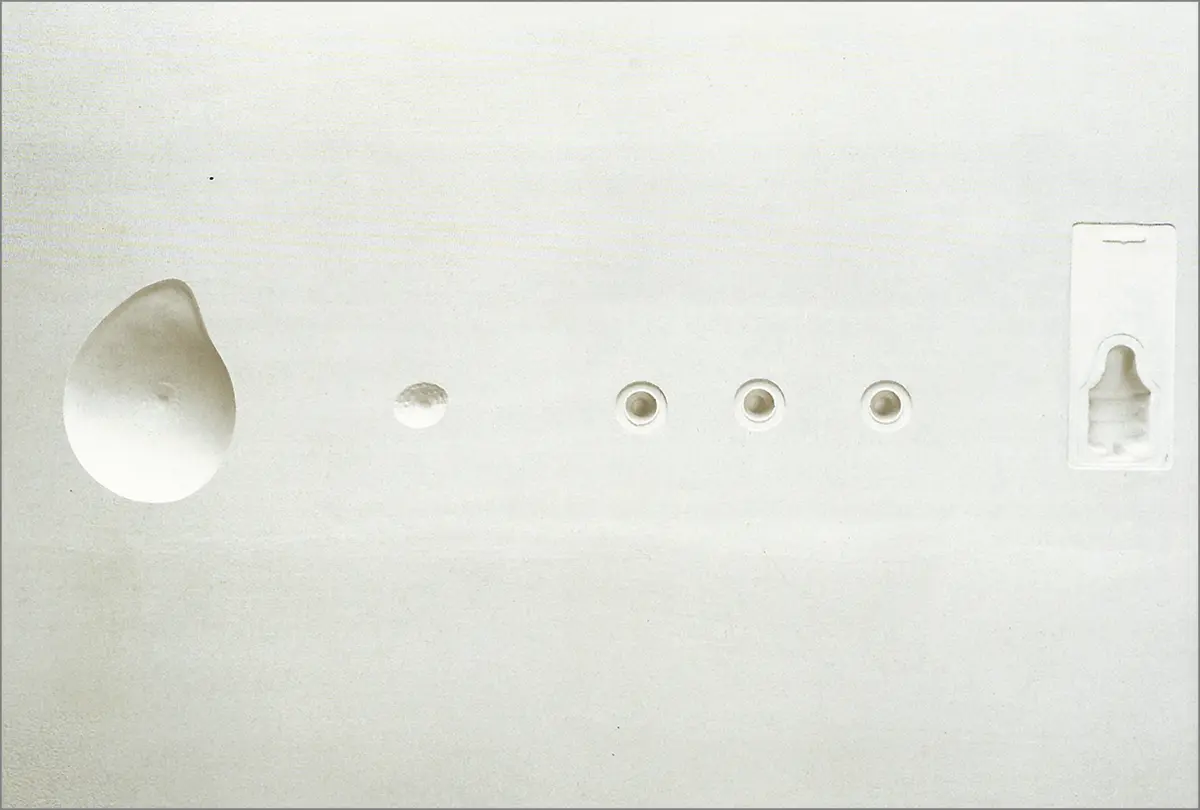
“Mobility/Immobilty,” the fifth section, could be an exhibit in its own right. It’s a return to the abstract reflection on the duration of the first section, but in this case, it is done through fiction. Here we found Gabriel Orozco’s well-known Caballos corriendo infinitamente (Horses Running Endlessly), 1995, consisting of a chessboard with exaggerated squares and horses of different colors, presenting an unsolvable puzzle of a chess game that can never be finished. In his video Ink on Paper (1999), Ceal Foyer shows a hand with a permanent marker that touches a sheet of paper. The circle of the marker’s ink grows imperceptibly throughout the video. And finally, Douglas Gordon’s Monument to X, 1998, shows the image of two persons kissing passionately for 14 hours (although the gallery’s video has been edited down to 14 minutes).
Tempo incorporates an enormous variety of works, sub-topics, and counterproposals while being a relatively small space for an exhibit of this thematic magnitude. With such a classification of the different themes, perhaps its main value is to highlight the enormous importance that time has had, still has, and will have in contemporary art. Its representations are limitless, the same as time.
PABLO HELGUERA