During the 1990s, many critics and thinkers who follow the shifts in contemporary Latin American art said that the Americas were suffering from an epidemic of art biennials, or “acute biennialitis.” Immediately afterward, they classified biennial exhibits according to rank and importance, or whether they had the most innovative or traditional proposals in art. And then, we had the specialized biennials —clay, print, sculpture, etc. The validity of those claims on biennialitis set aside, the truth is that when we have had biennials, we also have had creativity and dialog. Biennials have stimulated artistic movements and even urban social dynamics. I don’t think it’s worth mentioning specific examples, but I think that what I just said is valid for all cases.
We also have to say that if, on the one hand, biennials have become the subject of public policy, they could not exist without substantial participation from the private sector. In fact, many of them have been conceived and supported by private enterprises with the support of national or municipal governments.
To a lesser degree, national biennials have stimulated art production and they have helped identify emerging artistic talents. Such is the case of the VI Panama-Cervecería Nacional Contemporary Art Biennial.
A national biennial’s outstanding characteristic is that it offers a general view of what’s happening in a country. The perception of this Biennial is that whatever it presented was refreshing, stimulating, and optimistic toward today’s Panamanian art. The proposals presented are on “human scale.” The event’s requirements on the maximum size of works apparently didn’t hamper the artists’ creativity. No megaprojects or large-scale works were presented; instead, we saw more manageable products. Proposals seemed to go the opposite way, towards small size, more intimate, looking for a quiet conversation with the spectator. Worthy of note is the quality of the visual, multi-sensory poetry of many of the pieces. There’s a great economy of means materials, media, and languages were handled austerely. Happily, absent were the sensationalism and noisiness so commonly found in similar events, national or international. There’s a noticeably balanced use of languages, both the traditional —painting and drawing— and new technologies such as video art (but we missed not seeing cybernetic art!). There were many paintings and drawings, but they also possessed a contemporary language, using graphism and writings to express themselves. Still, photography had a big presence, both as a traditional product and as an innovative proposal similar to the one used by advertising and journalism, that is, to incorporate photography as part of the thematic and artistic discourse. Also noticeable were the productions with moving images. And of course, ready-mades and installations were there.
The Panama Biennial is one of the few biennials that still gives away awards. In this edition, most of them were given to young or emerging artists (besides the prize of receiving special encouragement). The jury acted with total independence from the established artists, and they evaluated the works taking into account the fresh creative energy of young artists. Prizes have a double meaning and they produce double results: on the one hand, they’re great encouragement to young artists because, aside from the public acceptance implied in getting one, they also give the artists the opportunity to live off their work. The established artists might not need the money so much, but winning an award is always a stimulating and welcomed thing. On the other hand, there’s the possible disenchantment, frustration, or resentment of those who did not win anything. This biennial is considered a national event; maybe the time has come to eliminate the prizes altogether. For the artists, having been selected to take part in the event should be enough honor in itself.
As seen in the exhibit’s guide, a noticeable aspect of this biennial was the participation of professionals with different backgrounds who see themselves as artists. Out of the 35 participating artists, 13 come from the art circuit; 9 from advertising, graphic arts, or visual communications; 7 come from photography; 5 from music and literature (two of those see themselves as musicians, and three as writers); 5 from film and moving images; 5 from architecture; 3 are self-taught; and 5 come from fields as distant from art as law, medicine, economics, and civil engineering can be. Transdisciplinary knowledge is what characterizes the postmodern world, and it has made possible the emergence of artistic vocations that before simply did not bloom. This means a noticeable enrichment to the world of art by including creators with different outlooks and notions. It’s also a challenge and an open invitation to update and diversify the education of the fine and visual arts.
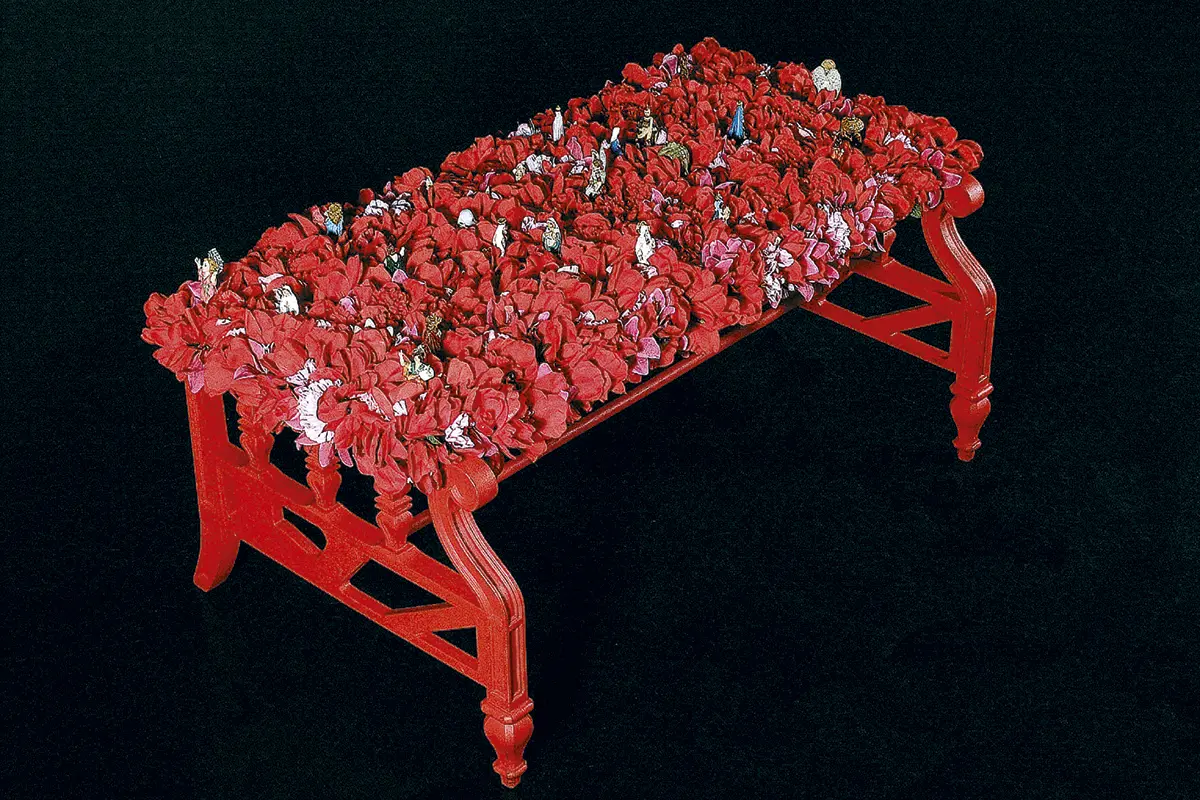
The quality and freshness of the works as a group in this biennial is, of course, the result of the implicit value found in each individual work of art. Among the established artists, the following works caught my attention: Creisi blu (Crazy Blue) by Brooke Alfaro, a piece of trans-sensorial poetry that mixes music, singing, and playful meanings. On the other hand, Rosa is unnecessarily crude and questionable in the use of women as models. In the final analysis, the old whore telling her story is whored once more by the artist in order to achieve affectation. It seems to me that there is a contradiction between the woman’s personal, individual history and the way she’s deconstructed, depersonalized, and made anonymous by the image’s reticular multiplication. Isabel Obaldía’s Guignol has a high poetic quality and artistic delicacy, highlighted by the work’s small scale. The intense dialog between the artist and her subject reached its highest point in El sueño de Sacha (Sacha’s Dream), a series of photographs by Sandra Eleta. Done in the traditional black-and-white printed on paper, the series possesses high photographic quality and thematic intensity. This artist, who has done much to reinsert the indigenous populations of Panama into the country’s social imagery, proposed a highly poetic and equivocal proposal. Eric Fajardo made patent the drama of inner and outer human conflicts with works such as Campo de juego (Game Field) and Mis manos, mi fortuna (My Hands, My Fortune). The testimony of the body, so evident in the above works, is also present, perhaps more symbolically, in Sin título (Untitled) by Elena Garuz, and even more in Lezlie Milson’s Tellus mater, but especially in Club de jardinería (Gardening Club), where the visual and conceptual metaphors join the deepest collective imageries associated with religion and feminine sensuality and eroticism.
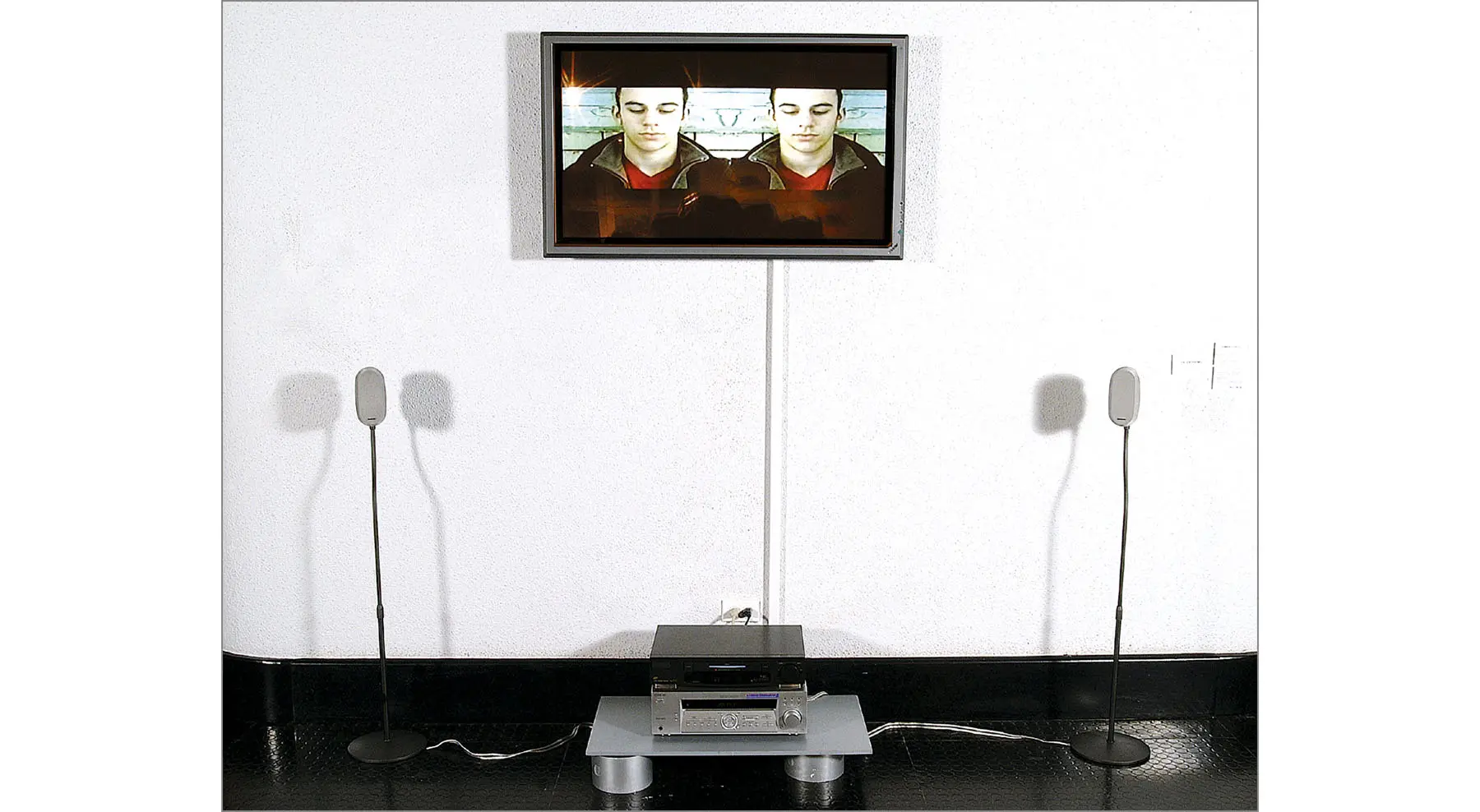
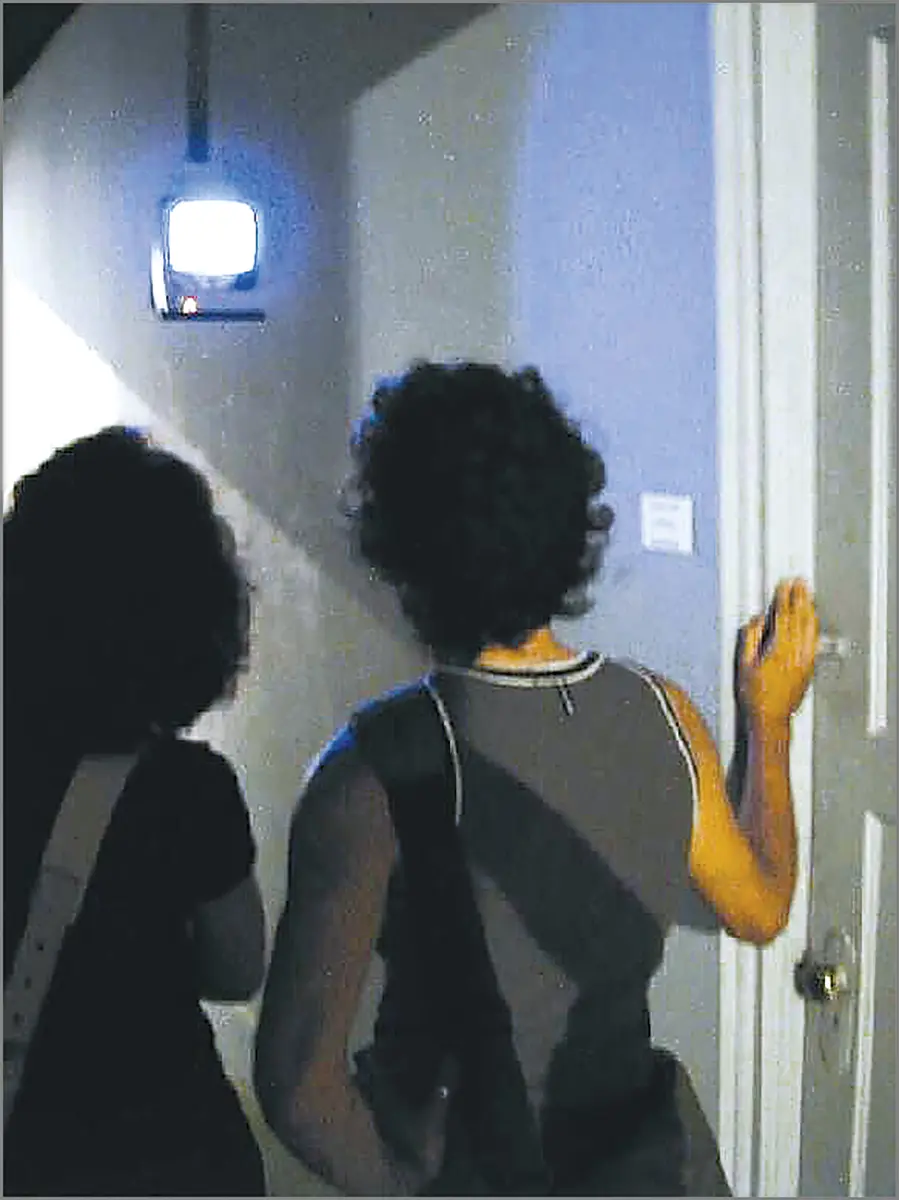
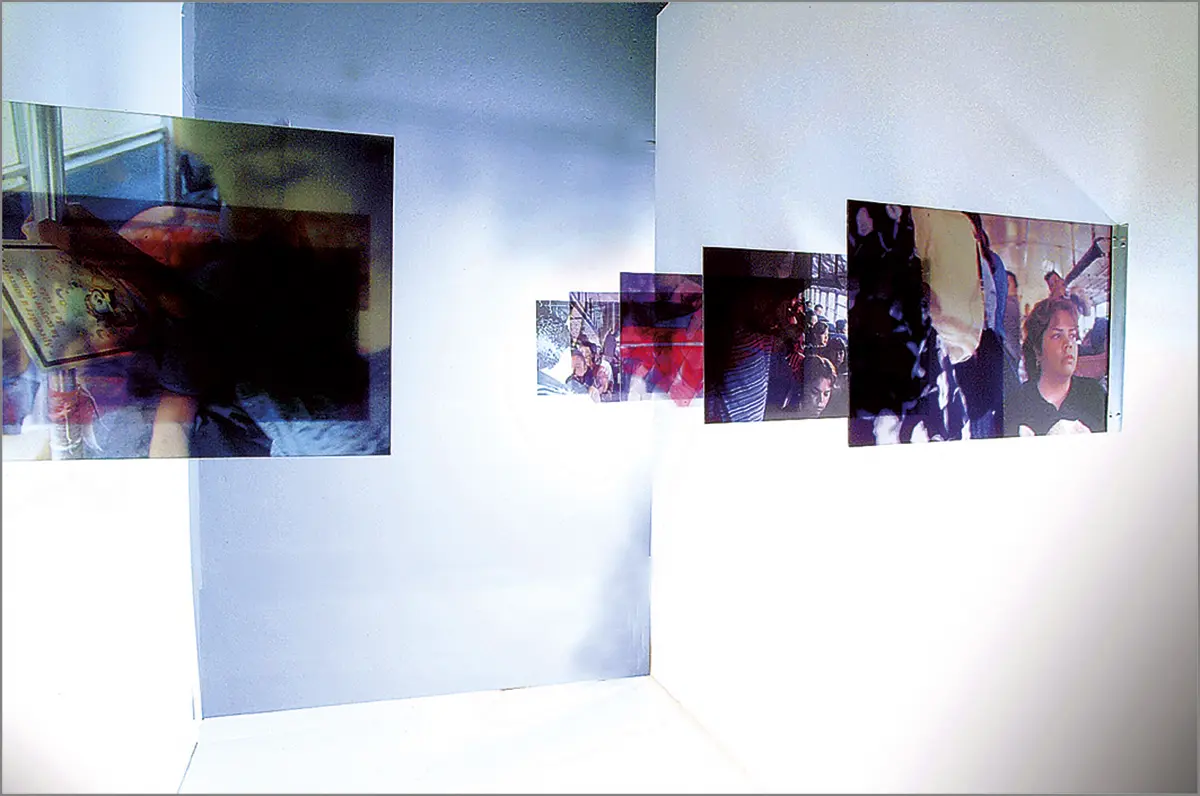
Among the young artists, I was drawn by the excellent handling of the media language in El hombre bipolar (The Bipolar Man) by Adrián Alvarado. The absent body is well presented in Mira Valencia’s Éramos Felices (We Were Happy), rich also in symbolic content. Miky Fábregas ready-mades, Planificación familiar (Family Planning), and San Francisco stand out for their expressiveness and simplicity. El guachimán (The Watchman) by Humberto Vélez has a high visual quality, and the image and discourse are handled well. It also has a sober artistic richness, contrasting with En busca del amor en el siglo XX (Searching for Love in the 20th Century), a huge Concorde-shaped, irrelevant work he presented at the III Lima Biennial. The conceptual and multisensory subtlety places Bus and Ruta (Route), by Ramón Zafrani, among the group’s most significant works. The visual and symbolic poetry of …y el polvo vuelva a la tierra como era y el espíritu vuelva con dios que lo dio (…And the Dust Shall Return to the Ground as it Was, and the Spirit Shall Return to God Who Created it) by Nixon Guerra is among the biennial’s best, mostly because it’s concise and has a good quality, both in terms of photographic language and the installation itself.
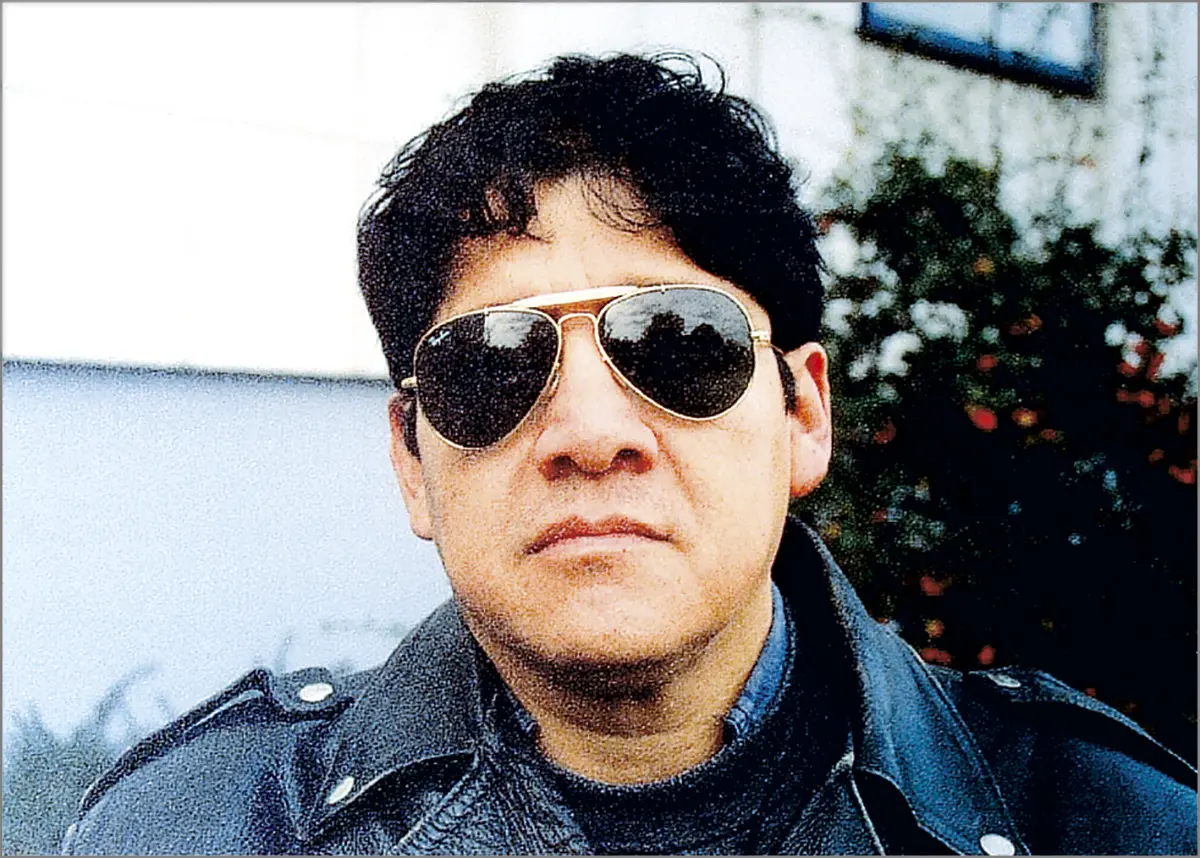
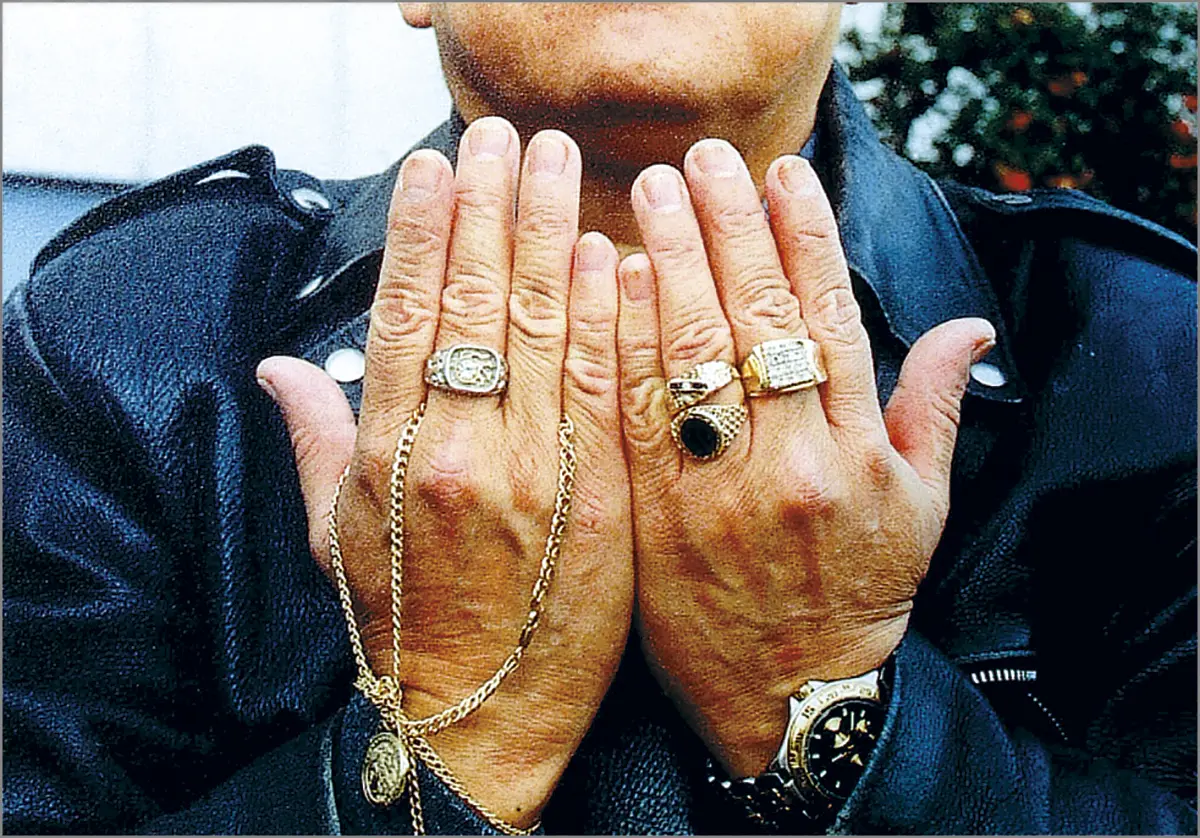
The cryptic and the conceptual are present in the visual obviousness of the first awarded piece, ¿Cómo se llama la obra?, a 5-minute long digital video by Jonathan Harker. The second prize went to Eric Fajardo, for a photo diptych titled Mis manos, mi fortuna. Humberto Vélez’s video installation El guachimán was awarded the third prize. Brooke Alfaro received an honorable mention for his video Creisi Blu, and the Irene Escoffery Prize for Young Art, which is awarded to any artist who’s 40 years old or younger, was awarded to Gustavo Araujo for Sin título (Isla grande) (Untitled [Great Island]), his digital animation.
To visit the VI Panama Biennial is, in many regards, a joy to the senses. The biennial is a success story in the way it has established itself as the country’s art event. This is due to the organizers and the efforts they put into conceiving and holding six biennials so far. It’s also due to the Museo de Arte Contemporáneo, who housed the event, and the artists who gave all their creativity and enthusiasm, and to the Cervecería Nacional for its generous contribution to such an important cause.
PEDRO QUEREJAZU