ArteBA 2002 opened its doors this past July 12, in the midst of the worst year in Argentina’s socio-political-economic history. The doors were closed 9 days later, with surprising results. The Fair’s 11th edition reached new objectives with mottos such as “cultural resistance” and “as always, siding with the artists”. One of the objectives reached was to become more loyal to the real and ample production of art, going beyond expectations in a market-oriented fair that targets the public at large. The collapse of interdisciplinary barriers, particularly the one that has been taking place in the West since the 1960s and that has had a resurgence in the last few years, now is better known by the public who habitually attends art events. In the fair, the new media digital art, photography, and video art naturally coexisted with other arts such as painting, either in its traditional or renewed versions. This widened panorama also included both decorative and personal objects.
The confirmation of the attendance to ArteBA 2002 of foreign galleries was held hostage up to the last minute by the foreign press coverage of the national political and economic events. Nevertheless, the support was unconditional. The largest representation was Chile’s. Isabel Aninat Matthei and Praxis Chile were sent from that country. The strongest presence, for its excellent choice of works, was marked by Thomas Cohn, from Brazil (the only one from that country), and by Sur, from Uruguay. Joining them also were Cecilia Torres, from New York; Estampa, from Madrid; Forma, from El Salvador; and Villa Sonja, from Switzerland, a novelty to the Fair. In the final analysis, what counts are not sales but the promotion of artists and the cultural exchange. With that objective in mind, Ivo Bowman, from Holland, presented Raúl Díaz an artist from Cordoba, Spain.
Coexistence
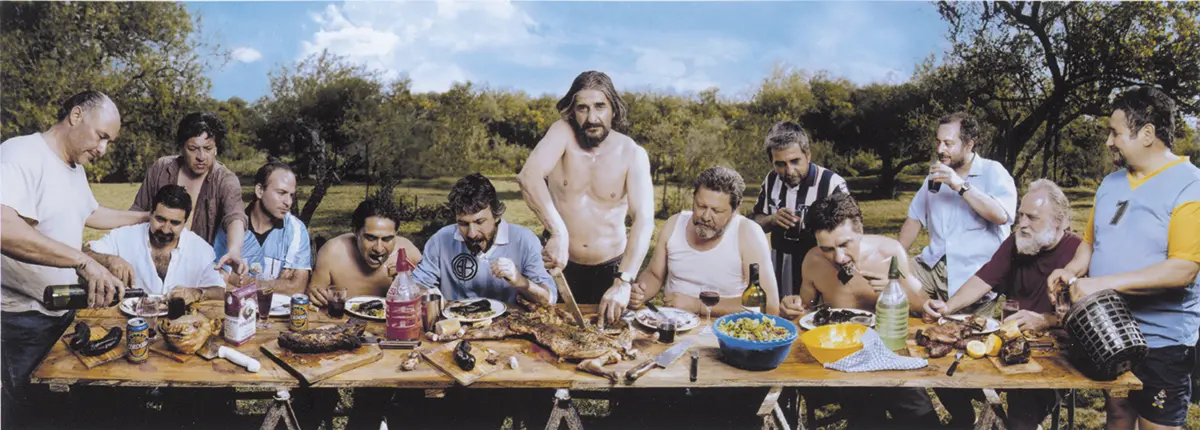
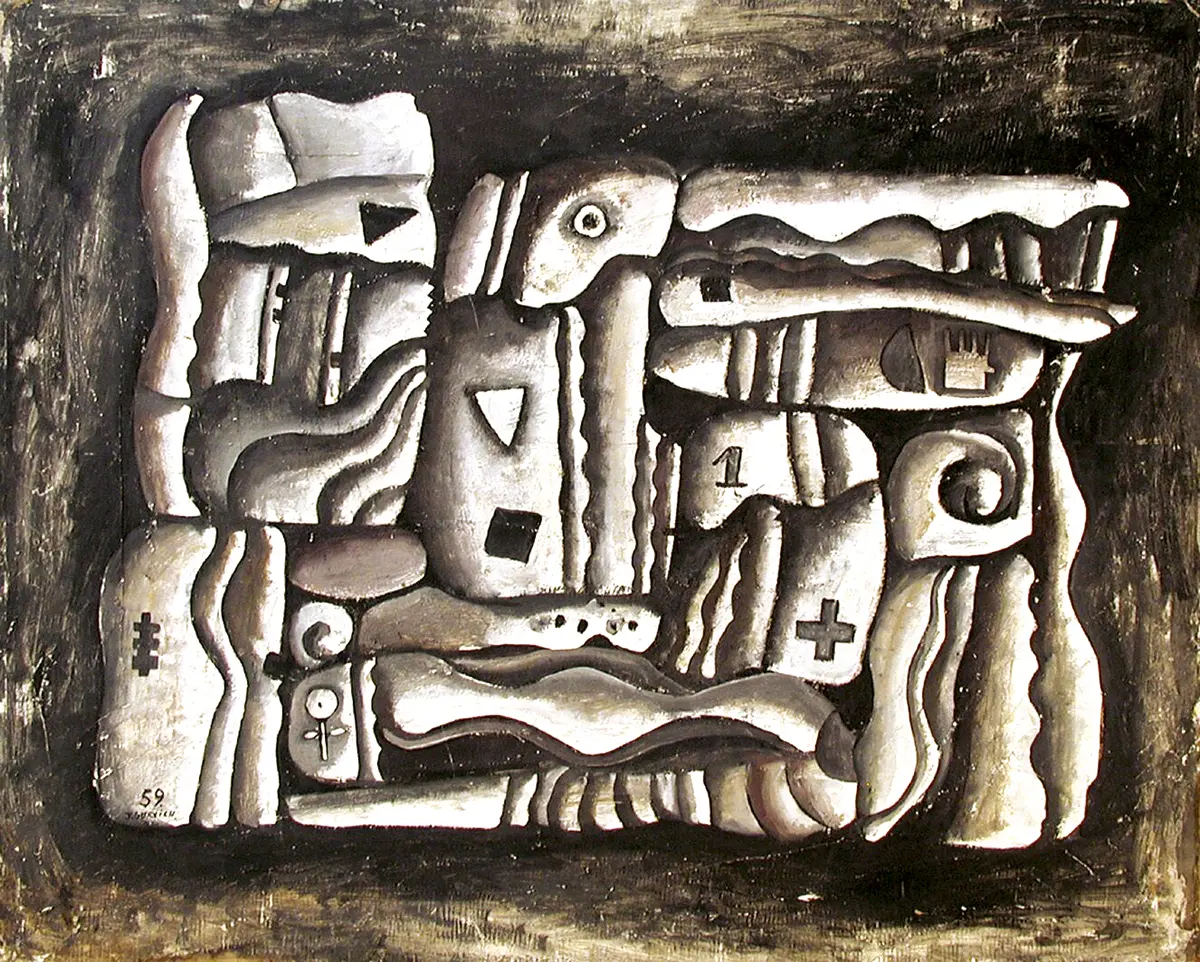
From the informed observer’s vantage point, we consider attractive the possibility of seeing the coexistence between tradition and innovation. The Fair welcomed visitors with Chacareros (Peasants), Berni’s monumental work dating back to 1936. Inside, the Fair offered El sueño del argelino (The Algerian’s Dream), also from Berni during his Surrealist stage. Among the greats we also found Torres-García, Xul Solar, Diera, Macció, and Aizenberg. Most of their works were worthy of museums. On the other hand, the multiplicity of contemporary works, quite difficult to classify, represented not only a solid presence but was also “obvious,” as stated by the press.
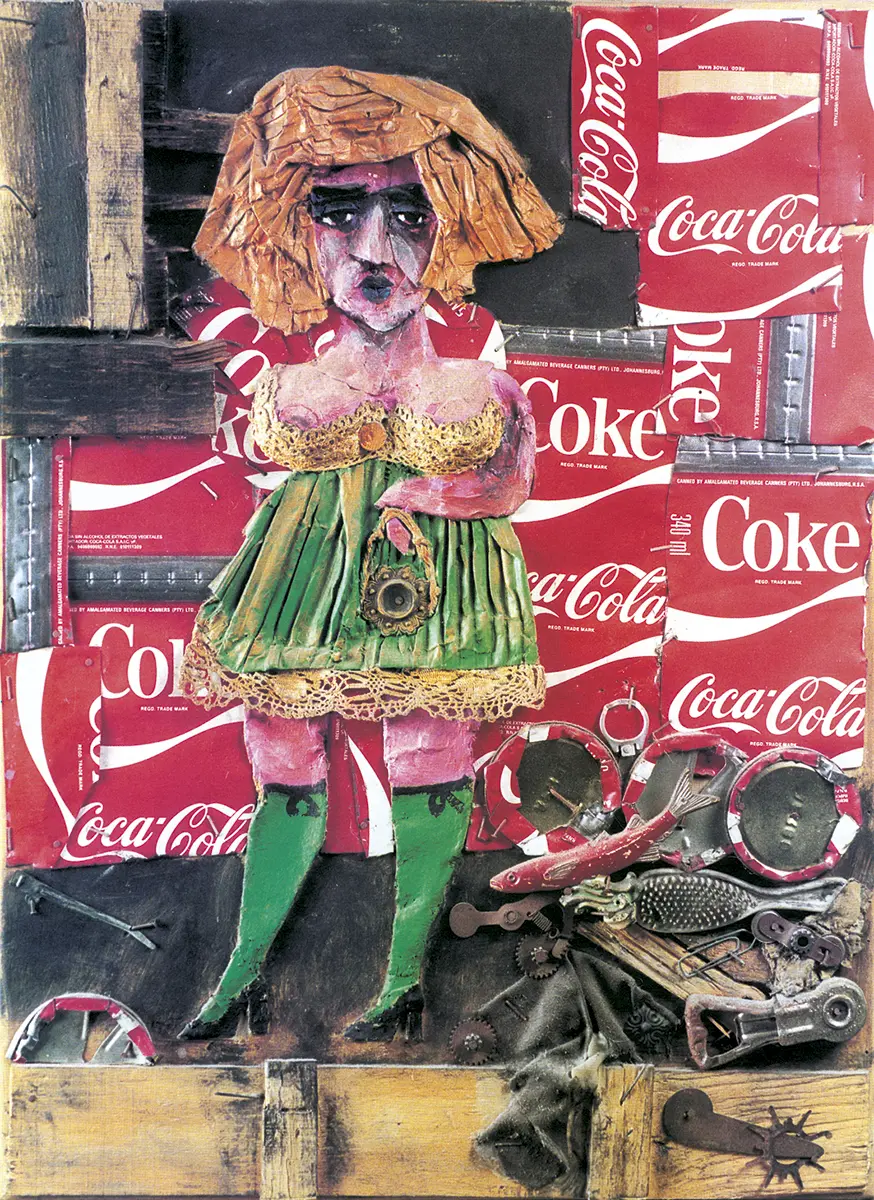
Two years ago, the presence of new expressions was minimal in relation to the entire event. Ruth Benzacar has always been a pioneer in this regard. This gallery represented, among others, the two Argentines invited to Documenta 11, Víctor Grippo and Fabián Marcaccio. Following them was the line-up of galleries representing various strands of contemporary art: Luisa Pedrouzo, Delinfinito Arte, Dabbah-Torrejón, and Braga Menéndez-Schuster.
By means of a system of simultaneous exhibits and the selection of a committee, this year the Fundación ArteBA was able to attract new expressions and alternative spaces found throughout Buenos Aires and elsewhere in the country. Aside from the galleries mentioned above, 10 specific spaces were covered with this strategy
Wearable art was represented by Bettina West, and the artists’ objects, by Oda.
Video and Photography
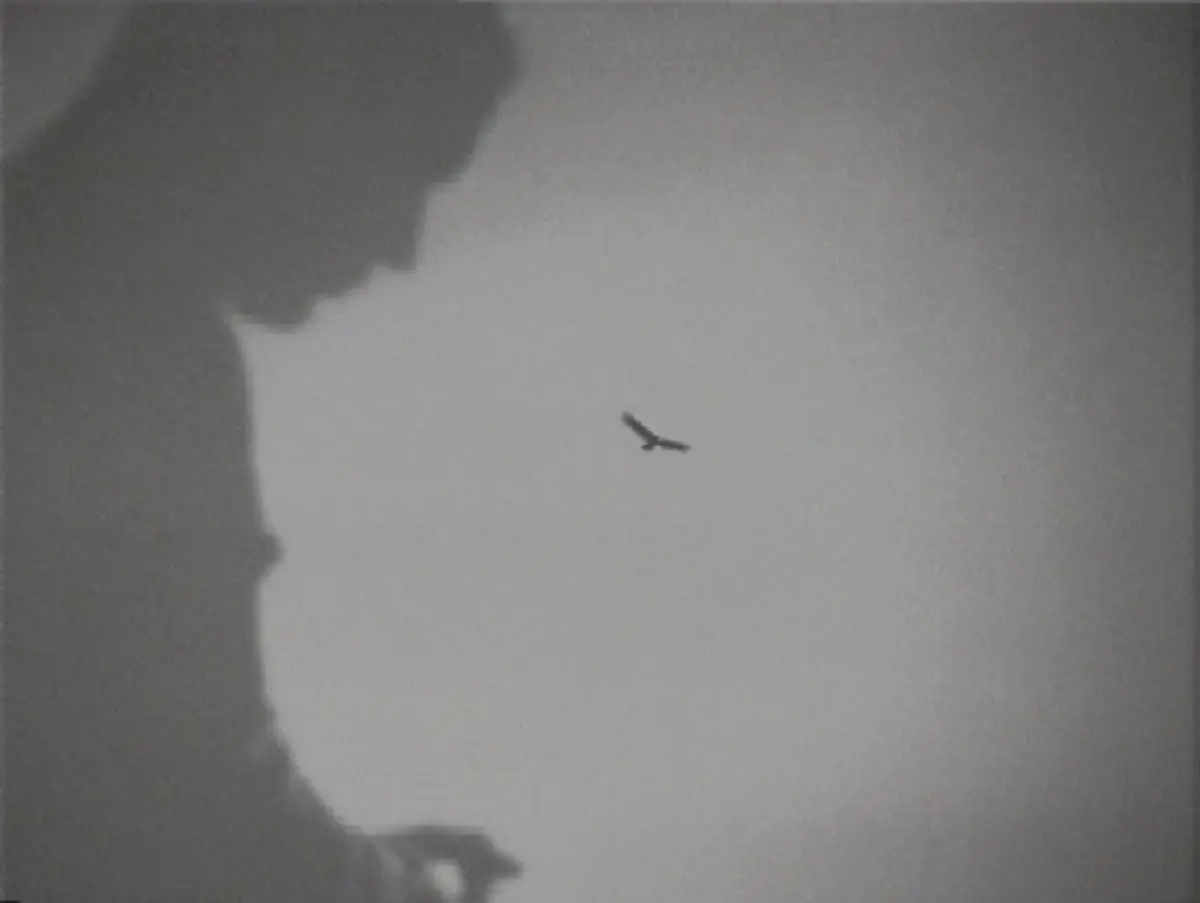
For the first time, ArteBA dedicated space specifically for video installations. It was housed partly in the Generalitat Valenciana’s building. Silvia Rivas, Charly Nijensohn, and Carlos Trilnick presented their works under the common title of Una visión de lo humano (A Vision of What’s Human). With different approximations, these three artists tackled images and themes that had a definite existential cut. Limits, time, the conquest of the natural environment, and the finality of art were some of the suggested themes in this triptych of installations sharing the same environment.
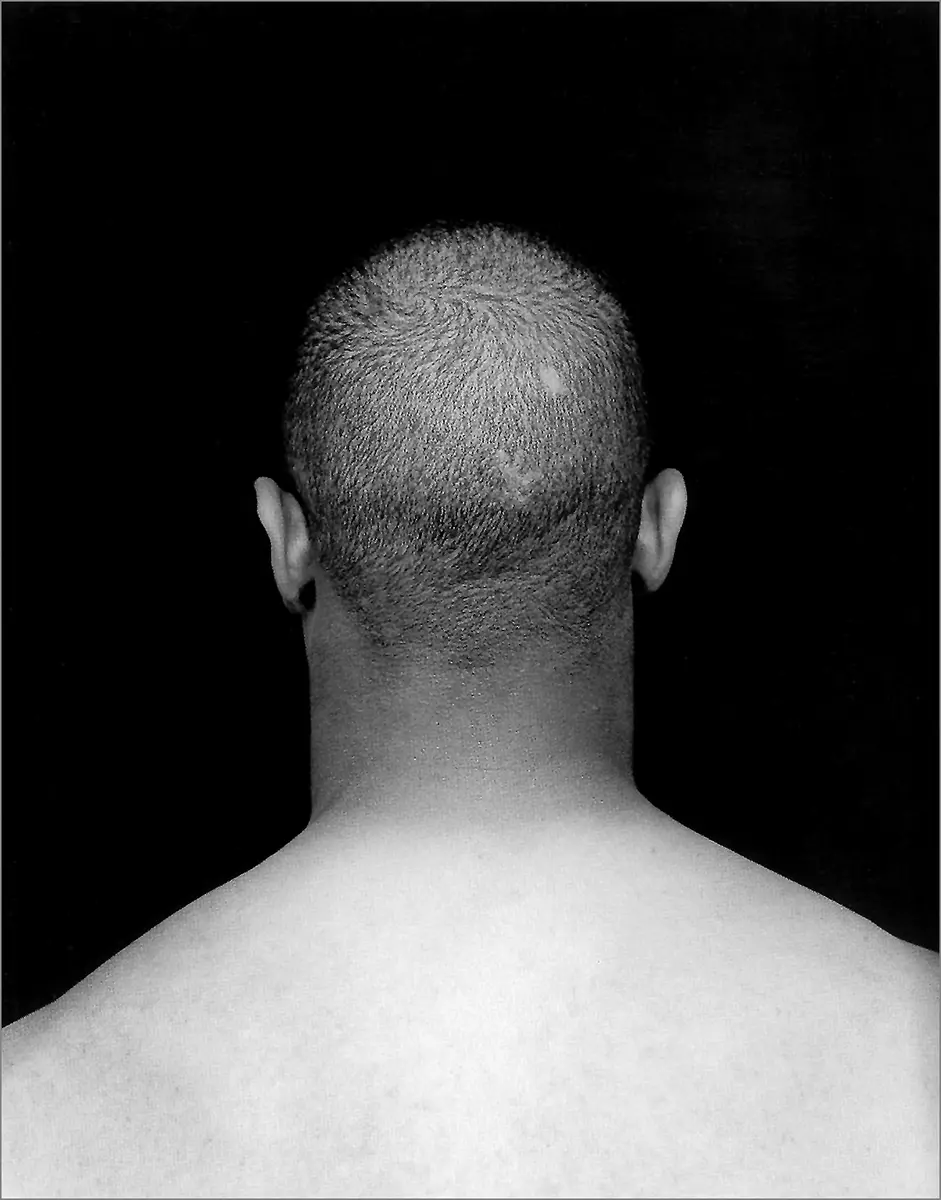
As with the rest of the world, photography today enjoys tremendous popularity in Buenos Aires. But, with some important exceptions, its presence at the fair was less noticeable when compared with other types of works. The spectator could see two main strands of photography the historical and the contemporary. The Fundación Proa, in collaboration with the Fundación Antorchas, presented Un país en transición (A Country in Transition) a series of photographs from 19th-century Argentina by Christiano Junior.
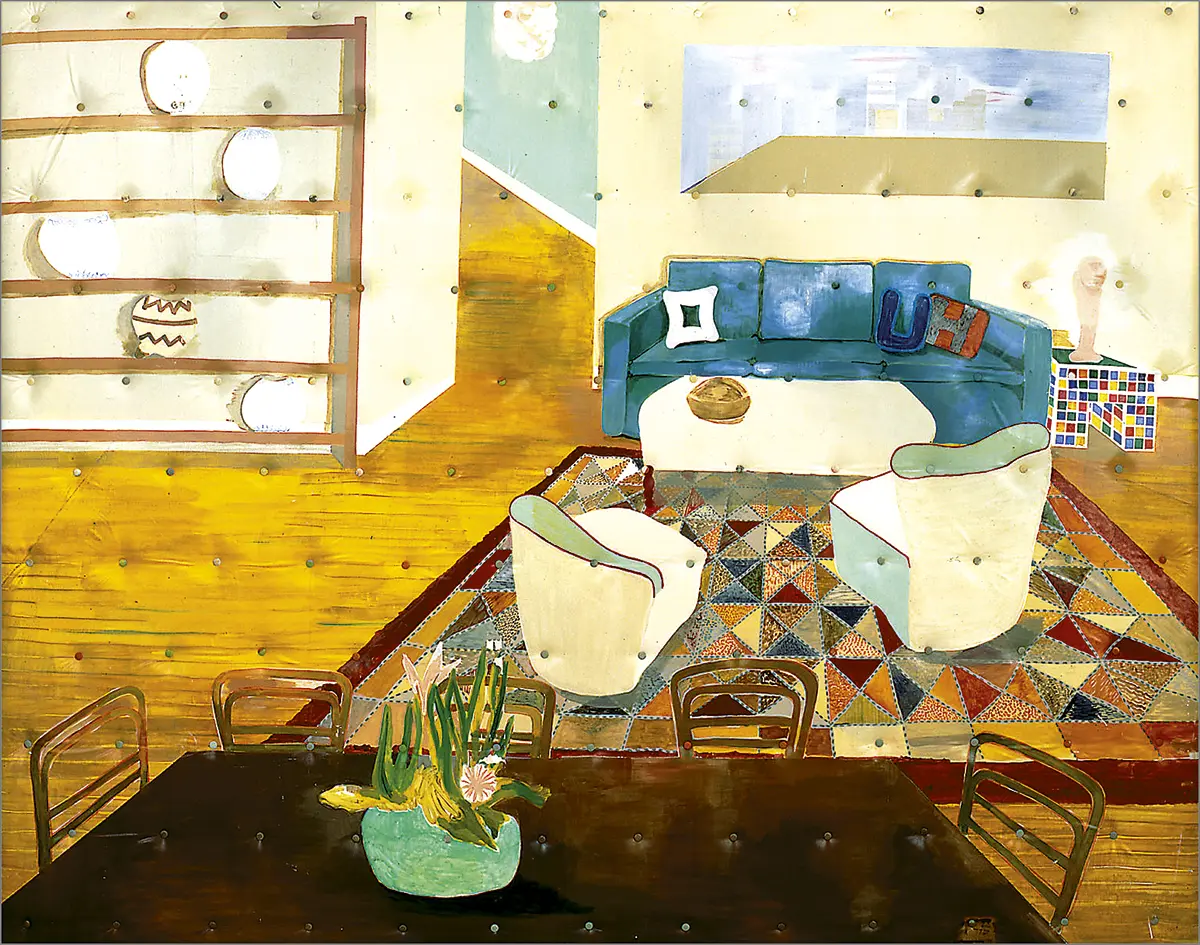
The stand of the City Secretariat of Culture included a small collection of period photographs, especially from the beginning of the 20th century. It also presented another collection of photographs of actresses, actors, and artists, taken by Annemarie Heinrich and Sameer Makarius, belonging to several of the metropolitan museums. The series culminated with a homage to Oscar Bony and his diptych Culpable-inocente (Guilty-Innocent), considered today a historical piece. Along these lines, we had the presence of several paradigmatic Argentine photographers. There was Grete Stern’s Bauhaus series, in the Principium stand, or a triptych by Humberto Rivas, represented by Klemm. In Daniel Maman’s stand, we were able to see two pieces by Aldo Sessa.
Among the contemporary photographers, the most outstanding examples were presented by Gabriel Valansi and his series Zeitgeist, photographs of lentil-shaped materials. With the aid of the Chandon Gallery, one of them became part of the collection of the Museo E. Caraffa in Cordoba. We also saw how Leonel Luna intervened in some historical works from our national paint collection with current newspaper entries. Finishing this section were the works by Marcos López (Braga Menéndez-Schuster), Pilar Vigil, Laura Messing, Carola Rousso, and Carlos Furman.
Warm and Cold
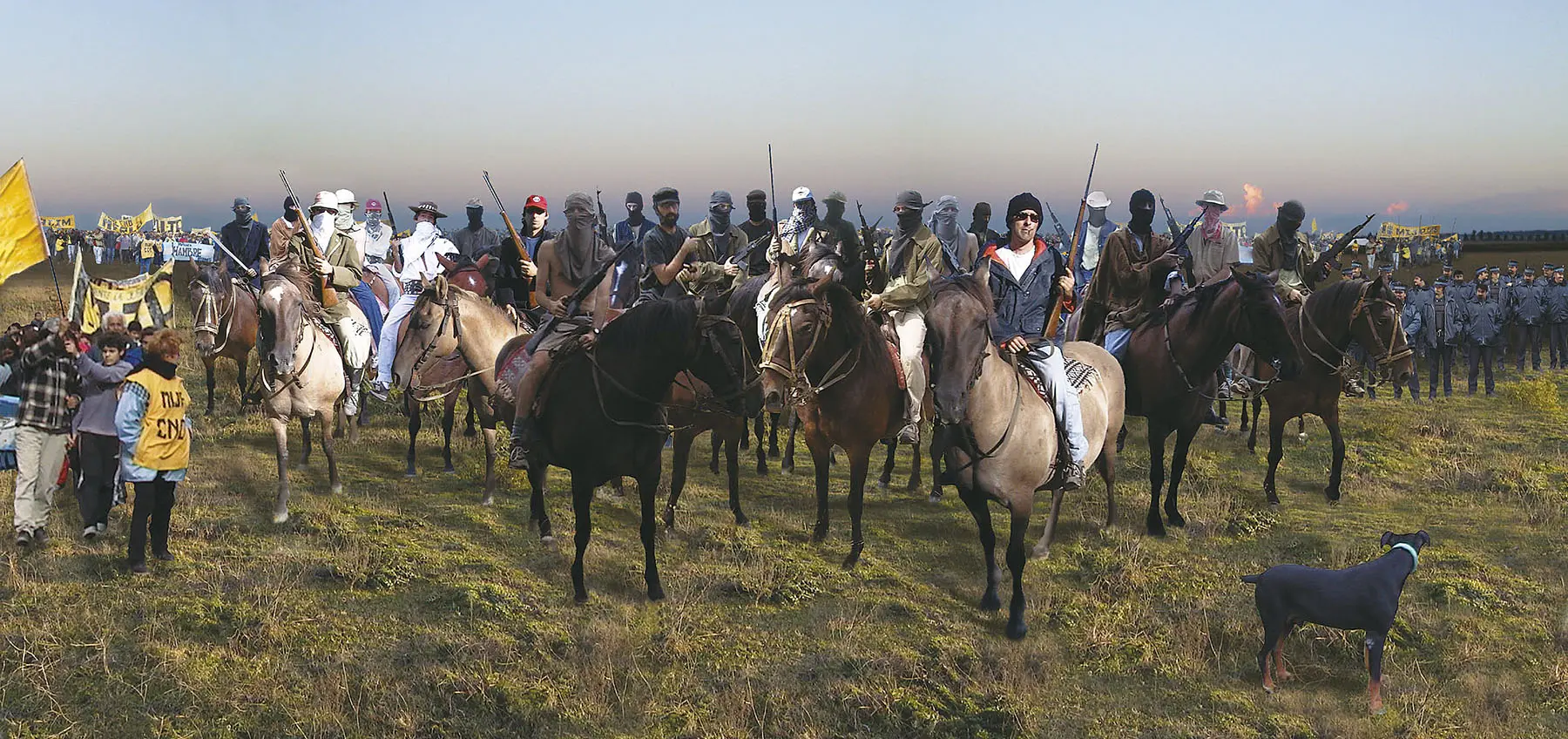
To find a cool or even a cold line called our attention to the unclassifiable tendencies inside the contemporary art panorama. As a counterpart, we found very few references to today’s convulsed sociopolitical context. Some artists tackled today’s reality and they suggested criticism, disenchantment, irony, and finally, questions about whether it all makes sense or not, but they were the minority. Self-reference was the predominant feeling, though this wasn’t the case for Luna, mentioned earlier, or Valansi or Daniel Santoro, who through scenes from the Peronist mythology was able to make reference to the governing political party. Or Fernando Beyoda’s silkscreens, whose “garden gnomes” referenced the identity of our presidents since 1966.
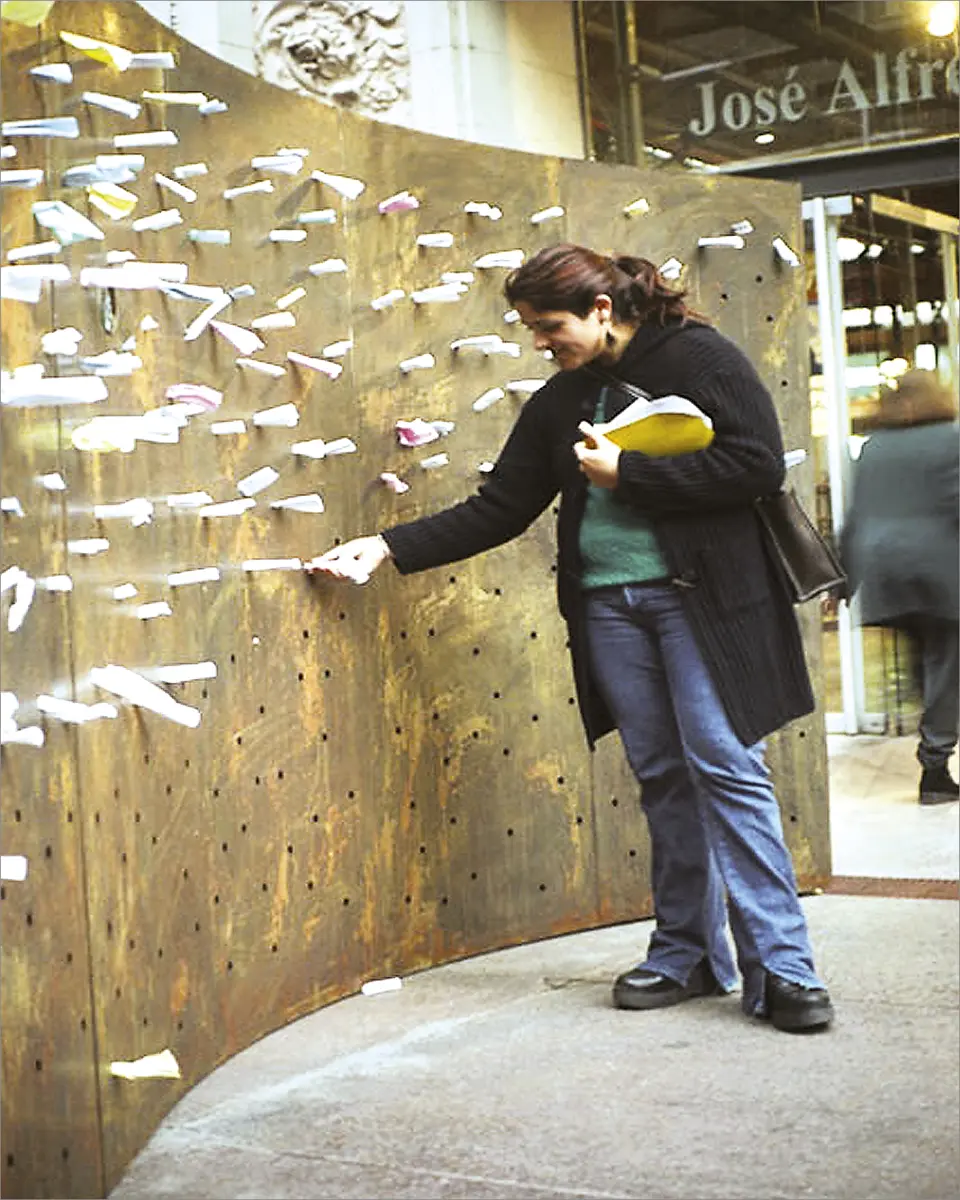
At the Fair’s entrance was Pared Maravillosa (Marvelous Wall), by Oscar Serra. With it, he quoted Richard Serra, his American namesake, but with another sign. This itinerant wall, made with iron plates, was the recipient of the wishes written by the visitors. Its warm sign proposed a necessary catharsis for the collective imagery. The theme of art’s autonomy was still at play.
MERCEDES CASANEGRA
Art writer and researcher. President of the Argentine Association of Art Critics (AICA).