
Plenty of water has passed under the bridge of life since the year 1971 when the Central American Isthmus Painting Biennial had its first edition in San José, Costa Rica. The event’s continuity has been interrupted by armed conflicts, and reinstated by armistices; meanwhile, the Biennial has evolved from the exclusion of all artistic genres other than painting to an elaborate multicultural, and pluralistic discourse of inclusion, incorporating a great variety of techniques and modes of expression that characterize our times and our postmodern condition. Both the 1998 edition in Guatemala City and the 2000 edition in San José were Painting Biennials; this III Central American Isthmus Biennial is the first one to carry the Visual Arts tag, and it was conceived in a spirit of openness and renovation. It is, then, the culmination of many artists’ long-held ambition of incorporating the vast array of contemporary languages, combining media and styles in the widest possible manner: installation, video, sound, photography, graphic arts, drawing, painting, and sculpture.
The six Central American countries that participated in previous Biennials came together again for the latest one. For the first time in the event’s history, Belize was formally invited, but the English-speaking nation could not attend for a variety of reasons. Despite the geographic closeness, factors such as the differing languages and the lack of a common history with the rest of the region have favored Belize’s absence; other guilty parties are the lack of adequate means of communication and a certain insularity, despite the fact that we are in a globalized world. The presence of Belize’ at the Biennial in the near future will reinforce links and common artistic experiences, contributing to forging a common cultural space and to the country’s adoption of Central American realities as its own, rather than remaining perpetually in the position of the outsider.
Artists in the six participant countries have, through the use of different languages and styles, transferred stories from their private worlds to the public realm, taking advantage of a diversity of expressive media in order to approach universal themes in a more complete manner than just through the single discourse of painting. Already at the local biennials, in 1999 and 2000, many artists launched into a series of renovations and rebellions with the use of assemblages, the mixing of painting with graphic-art techniques, the recourse to materic painting, and the more classic collage. Also, juries have tended, since the first Biennial in 1998, to honor those works that even within the tradition of painting showed technical innovations. In fact, in the event’s second edition, the jury decided to honor the chemical reproduction of images over the use of pigments and brushes, thus questioning "the limits of painting and its validity as a decisive parameter," according to the Guatemalan critic Rosina Cazali.1 That year, First Prize was awarded for a work in photography. The latest edition has widened the Biennial boundaries to include non-traditional techniques, presenting a pluralistic interpretation of the artistic act, from a multicultural perspective.
Another important achievement of the III Biennial, beyond its openness and its refreshing spirit, has been the linking of art and public spaces —something that has been denied to the people of Managua for 30 years. The city was devastated and broken by an earthquake in 1972 and was never able to recover its urban profile. Thanks to the initiative of the Ortiz-Guardián Foundation and the work of Juanita Bermúdez, coordinator of the III Biennial, the old National Palace, transformed into the Culture Palace in 1996, honored its new designation by hosting the event and giving Managua some of its historical past back. This time around the members of the jury —María Elena Ramos (Venezuela), Elena Oliveras (Argentina), and Gerardo Mosquera (Cuba)— decided to reward artistic labor, highlighting the most current languages and media: video art, photography, installation, and multimedia techniques.
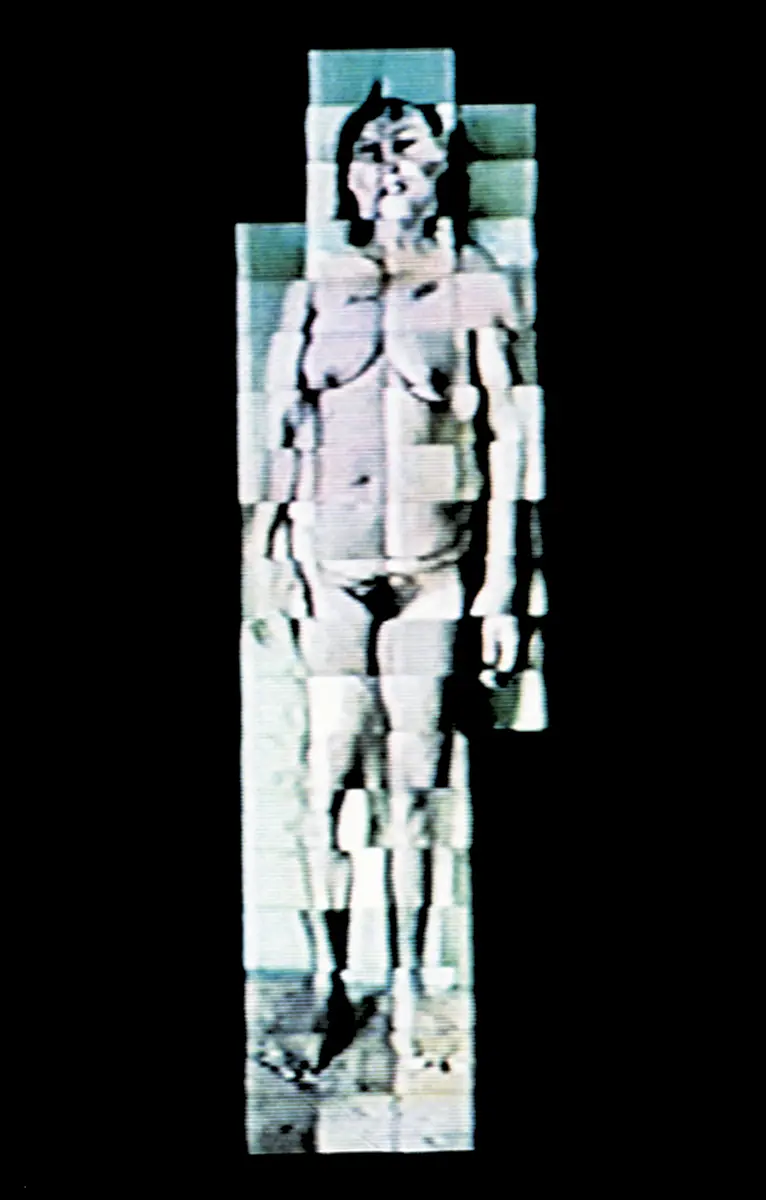
The preponderance of photography and the influence of the language of film characterized the works awarded with First, Second, and Third Prize. Panamanian artist Brooke Alfaro received the First Prize for Aria and Yuri, two 3.40-minute videos. Aria offers a decolonizing view of cultural phenomena and integrates the visual arts into groups of people, music, and song. We are guided through a building in ruins by a singing voice, the origin of which turns up to be a young black woman accompanied by a choir of young back girls and an improvised orchestra that uses straws and plastic cups as their instruments. This piece transforms the prose of the everyday into symbolic poetry while touching on themes of universal import such as the re-localization of people within the urban space. The images of Alfaro’s second video come from the gay counterculture, excluded and marginalized by hegemonic discourses. The narrative is centered around female nudity. The artist de-sacralizes and remodels the human body, conceiving it as a patchwork or a giant puzzle with pieces that move and come alive as if echoing the protagonist’s sensual monologue. Through technology, with a well-defined aesthetic perspective, Alfaro transforms the body into a liberating instrument —liberating of the subconscious, in a legitimization of the in-between as a category designed to re-signify the marginality of those located in the extremes and to provide them with an identity.
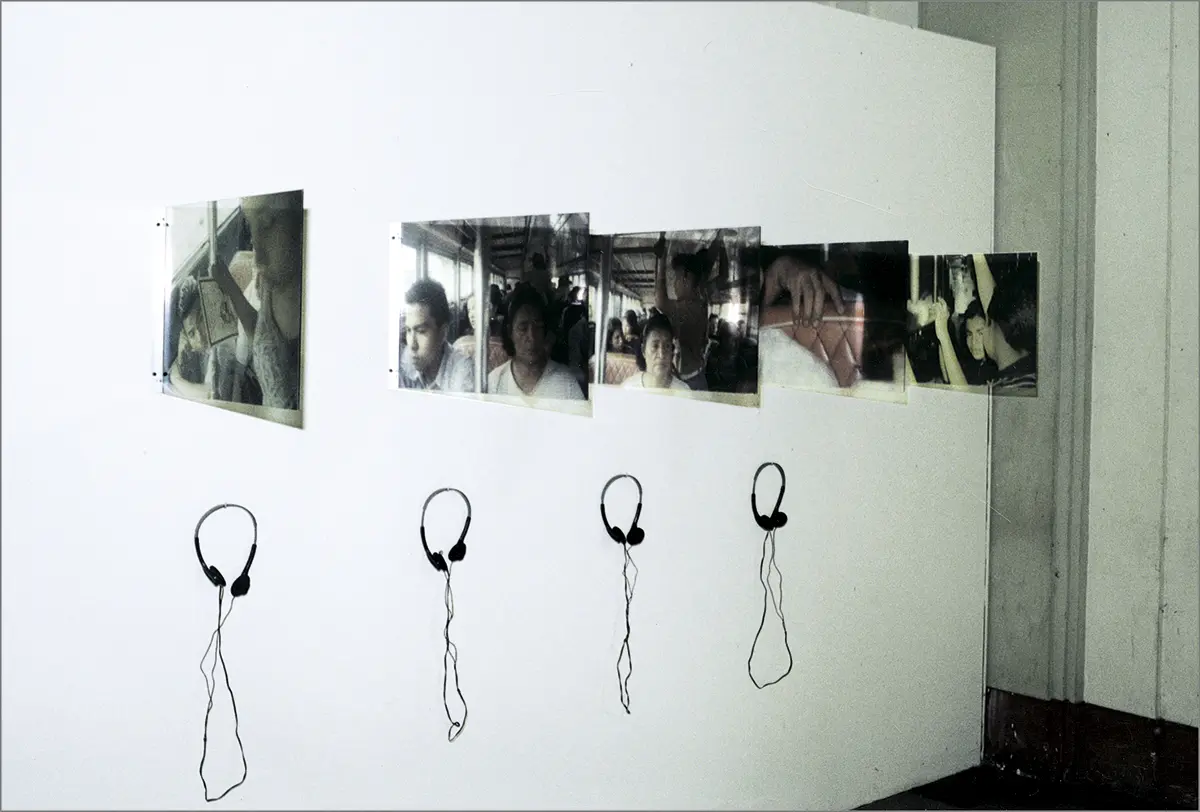
Ramón Zafrani’z photography and sound installation, winner of the Second Prize, explores the themes of alienation, loneliness, and isolation in an urban context. Through five photographs in acrylic, this Panamanian artist has recreated a scene from daily life with bus passengers as protagonists. A pair of headphones allows the viewer to participate in collective action and an interactive project, entering other people’s private worlds and getting involved in specific problems, all of which are presented with irony and humor. The construction of these peripheral identities reaffirms the culture of difference against the culture of the elites, in a context that has plenty of surreal and paradoxical elements.
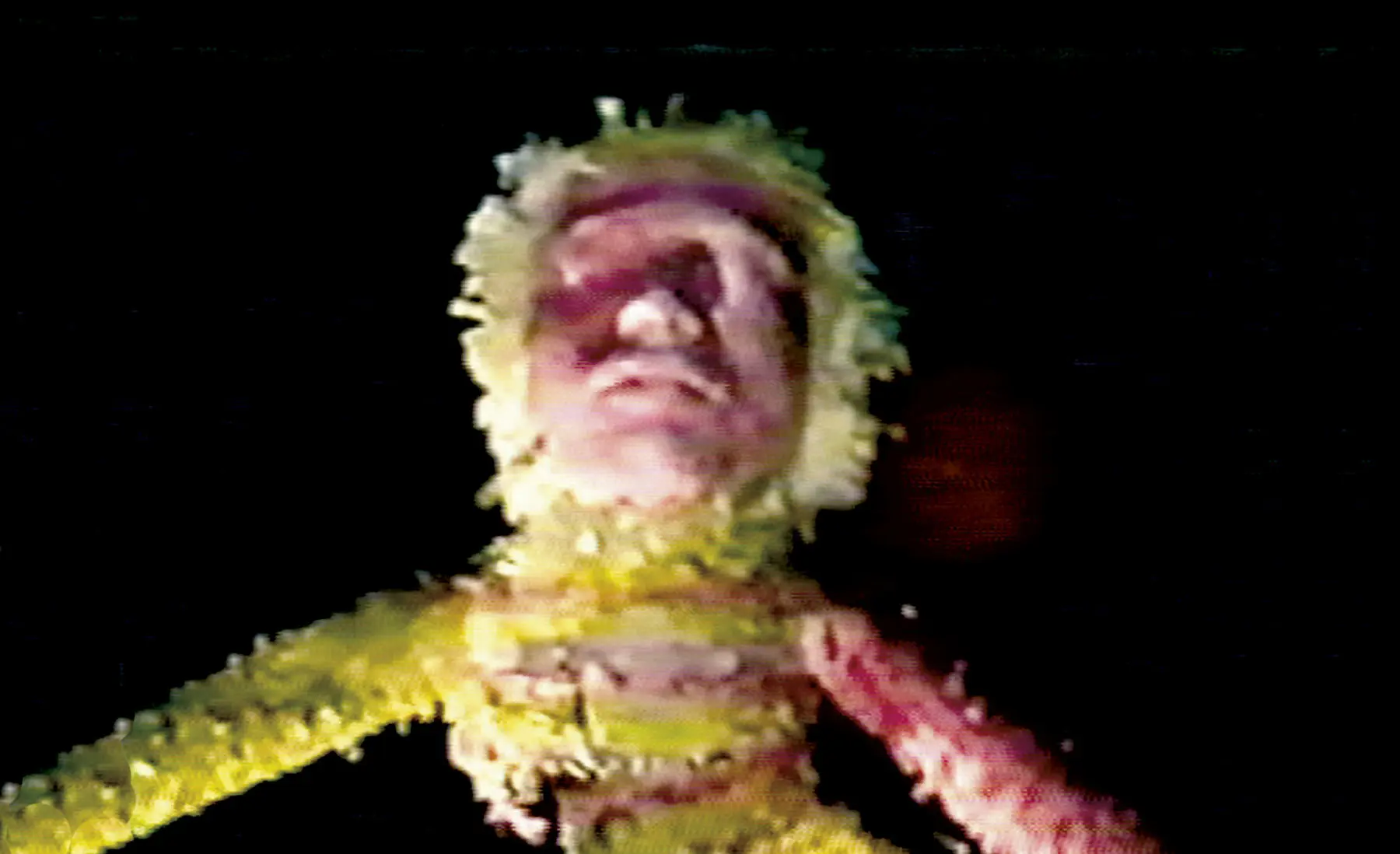
The third Prize went to Patricia Belli (Nicaragua) for Sisiphus and Resiliencia, two 3.30-minute videos. In Sisiphus, Greek mythology provides the basis for an original mise-en-scene in which several interpretations of the body as a plural signifier are announced: fingers ascending and descending through life’s high wire to represent Sisyphus’ fate: to forever fail as he carries the stone that is his punishment. Subverting the myth, Belli transforms the story of Sisyphus into a sort of circus spectacle, through the relationship between the human body and the visual images. For its part, Resiliencia finds its inspiration in popular traditions: a human-faced piñata is hit by several characters, their identities covered by carnivalesque masks. The supposedly festive game turns into a reflection on the human condition and its resilience in the face of adversity. When the piñata is destroyed, what flows out of it is not candy or little presents, but a number of glass balls, metaphors of our transit through life, which roll away in the city and disappear on a highway as if in search of their destiny.
The three winners have worked from an interdisciplinary perspective, opening the field of art to participation, promoting a more direct relationship between art and life, and breaking with the idea of the aesthetic experience as a passive contemplation. The same spirit is in evidence in the three Honorary Mentions: Cecilia Paredes (Costa Rica), Priscilla Monge (Costa Rica), and Humberto Vélez (Panama). All of these artists explore various techniques and materials, such as organic refuse, wood, carbon, pencil paper, photography, sound, and video, integrated into the work’s content as part of the artistic discourse.
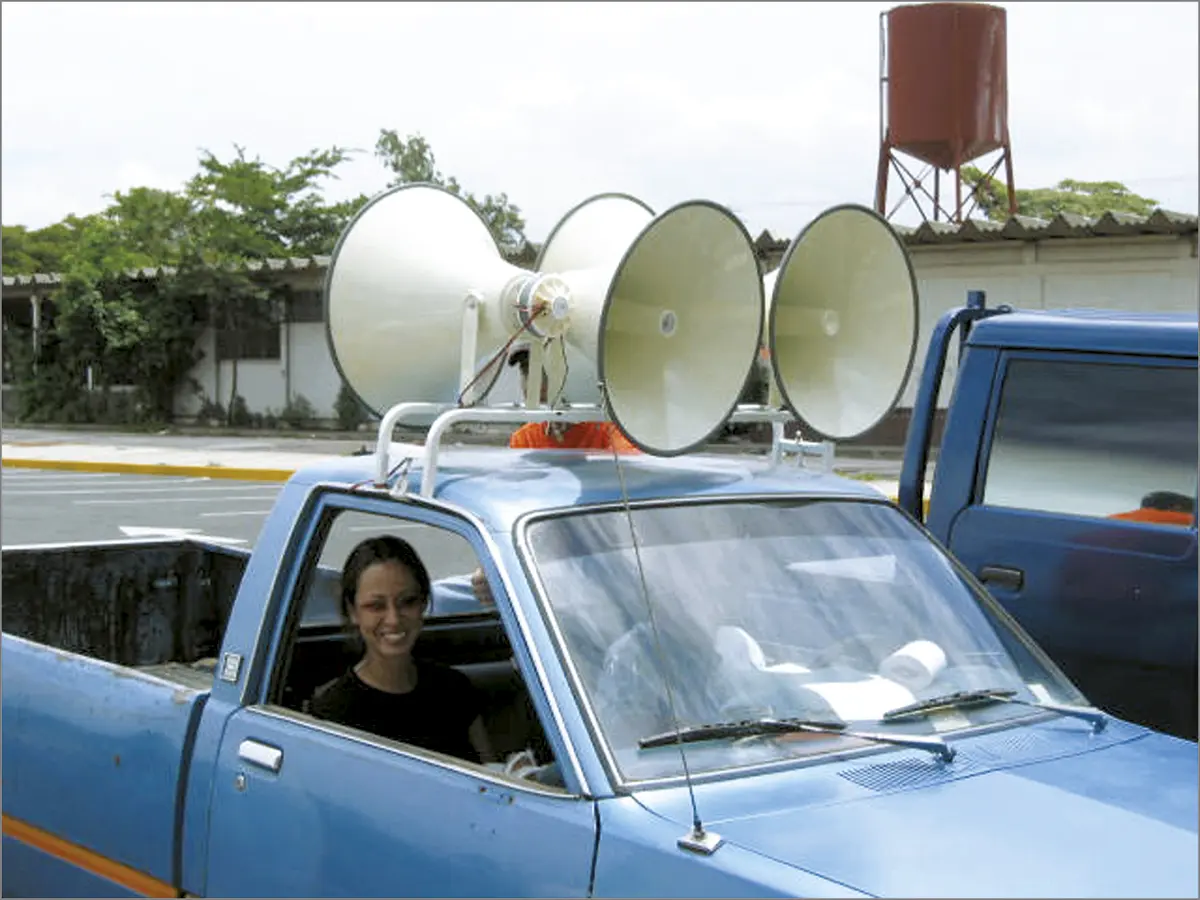
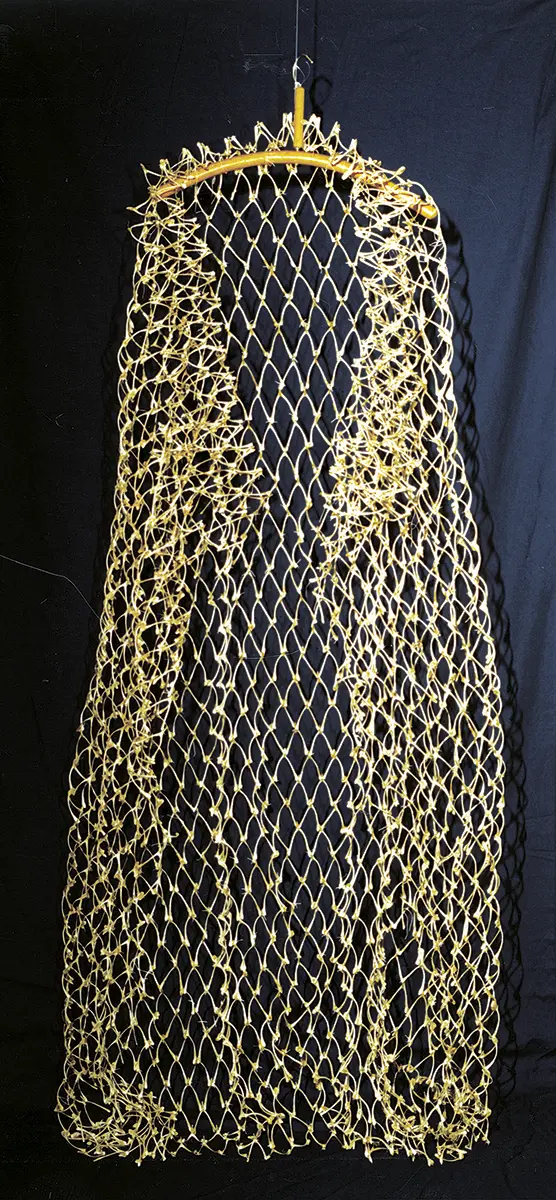
Cecilia Paredes’ Recursos humanos para la obtención de lo divino (Human Resources for the Acquisition of the Divine), deserves attention for its handcraft-like qualities and for its deployment of unusual materials towards the expression of the artist’s ideas. Paredes creates textures, shapes, and volumes through the complex, involved process of weaving a shawl out of 1,700 “good luck” bones, transforming an organic material into a work of art. Household skills are used here as the language on which a discourse of liberation can be based, inviting us to reflect on the idea of gender and women’s issues which the art system has traditionally relegated to the margins. With a multidisciplinary vision, Priscilla Monge’s La barata (The Sale) presents an imaginative appropriation of street vendor’s calls, symbols of an anonymous, oral popular culture. The definition of a barata, megaphone-aided sale, advertisement for flea markets, social events, or death notices... is given in the first of the five drawings included in the project. In the remaining four, Monge details the event; an automobile will cruise through the streets of Managua for three hours, and the hawker will, using the same intonation he would use when promoting his wares, read aloud the first chapter of Kandinsky’s 1912 Spirituality in Art, beginning with the historic assertion that “Every Work of Art is a child of its time, and often it is also the mother of our feelings."2 The event was carried out once, but during the award ceremony, the different setting and torrential rain made it impossible for the audience to appreciate its sheer oddness and to fully comprehend its message: that cultural innovation is a historical product.
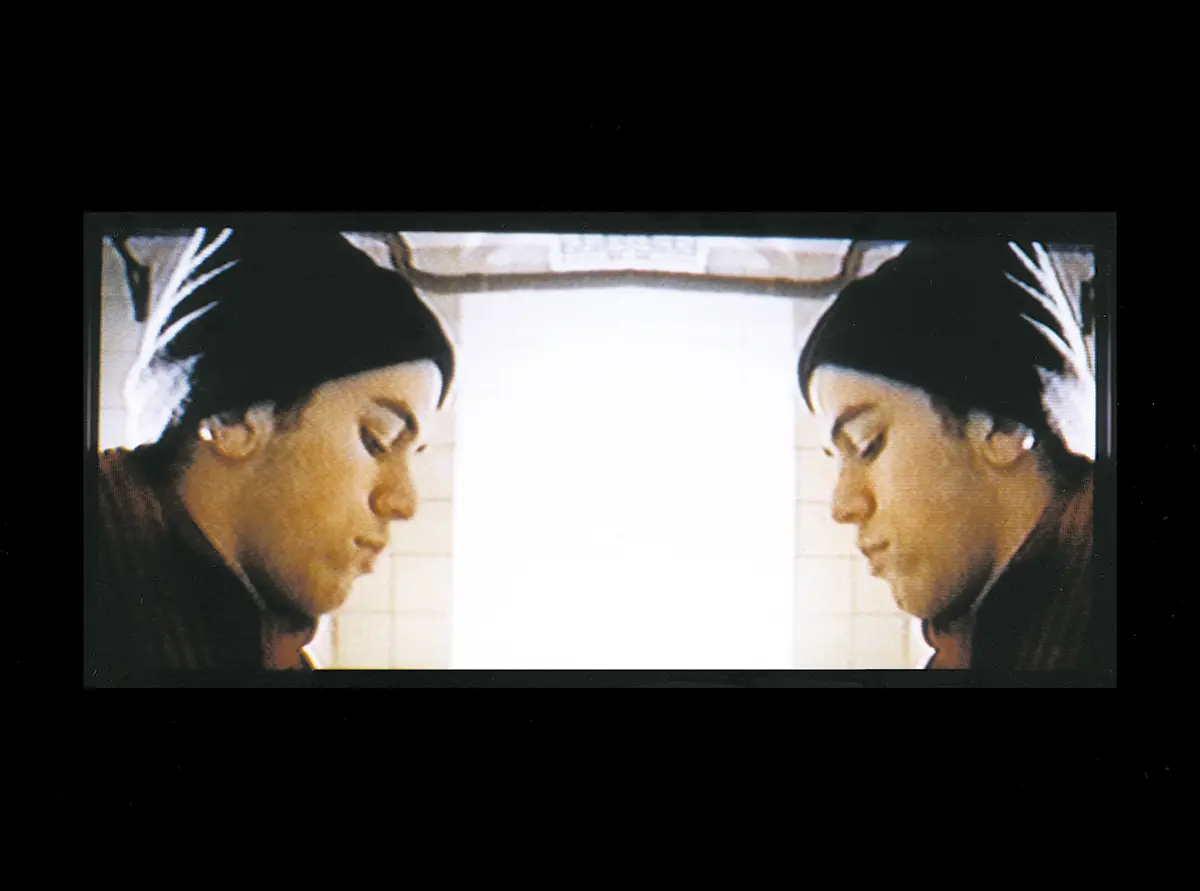
The surreal components of everyday life, its isolation, and incommunication, are the themes of Humberto Vélez’ 3.40-minute video Guachimán (Watchman), receiver of the last Honorary Mention. Vélez presents situations marked by monotony, duality, and rote repetitiousness, through various sequences involving the duplication of shots, figures, and intertexts. These artists all share a multicultural strategy, and they all create images where the narrative component takes precedence as a guide for comprehension.
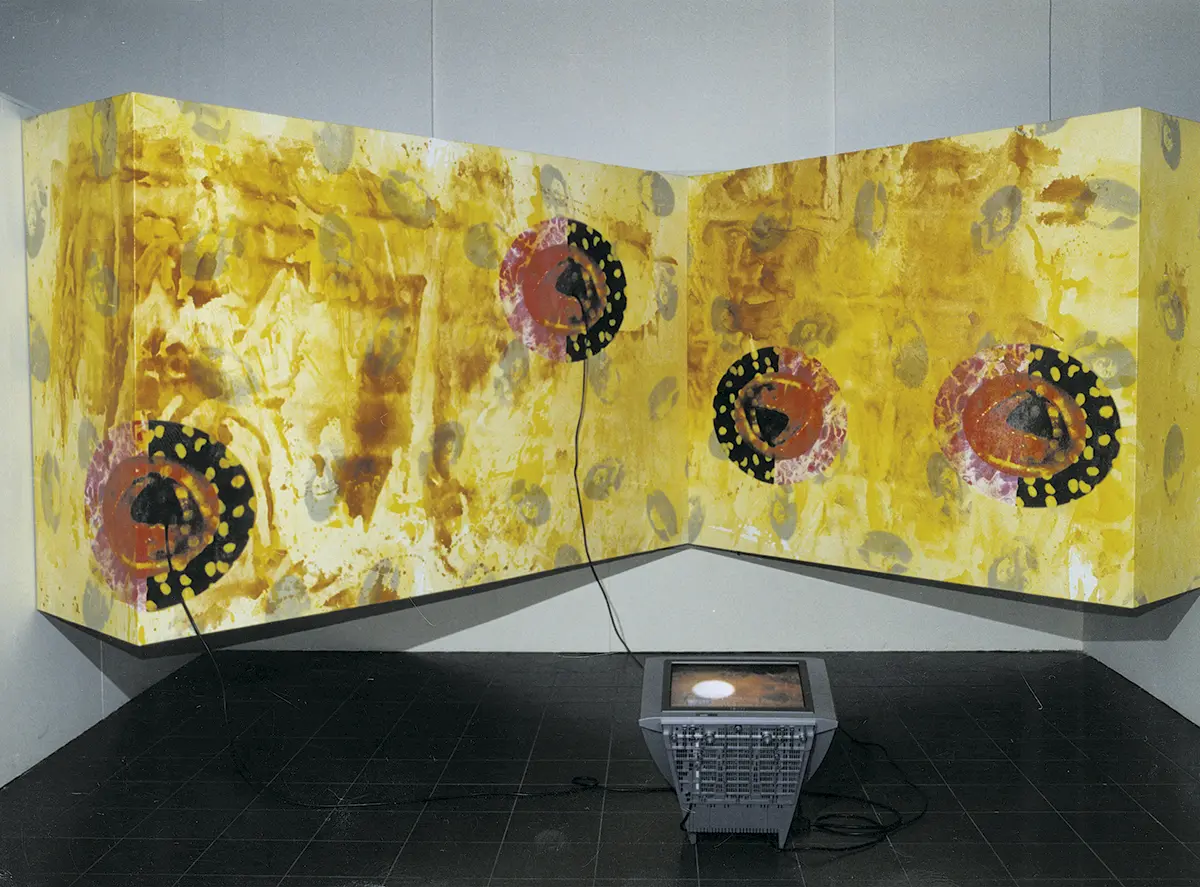
This being an open Biennial, it became evident that there exists a tight competition between techniques and modes of expression, transformed into a kind of mirror for the situation of art and cultural pursuits in each country. Figurative elements, including the representation of the human figure, have been notoriously present in this Biennial. It is in this perspective that we can highlight the work of Walterio Iraheta (El Salvador), whose photographs are not only of excellent quality but carry an interesting critical discourse, inscribed within his aesthetic vision. In his series Ecce Homo, Iraheta assigns a dual identity to the man he portrays: a macho identity and a cross-dressing identity, coded through different icons. In the first case, a condom, a soccer ball, a gun, and a beer bottle; in the second case, a white bra —which also acts as a veiling, a cover for occultation. The human figure is also the protagonist of Los caídos (The Fallen), a Sila Chanto (Costa Rica). Chanto’s piece is a multimedia installation with a slide projector and a boxing ring, the latter transformed into a site of conflict where bodies lose their identity and the borders between masculine and feminine, inside and outside, violence and heroism are erased in a space saturated with visual information.
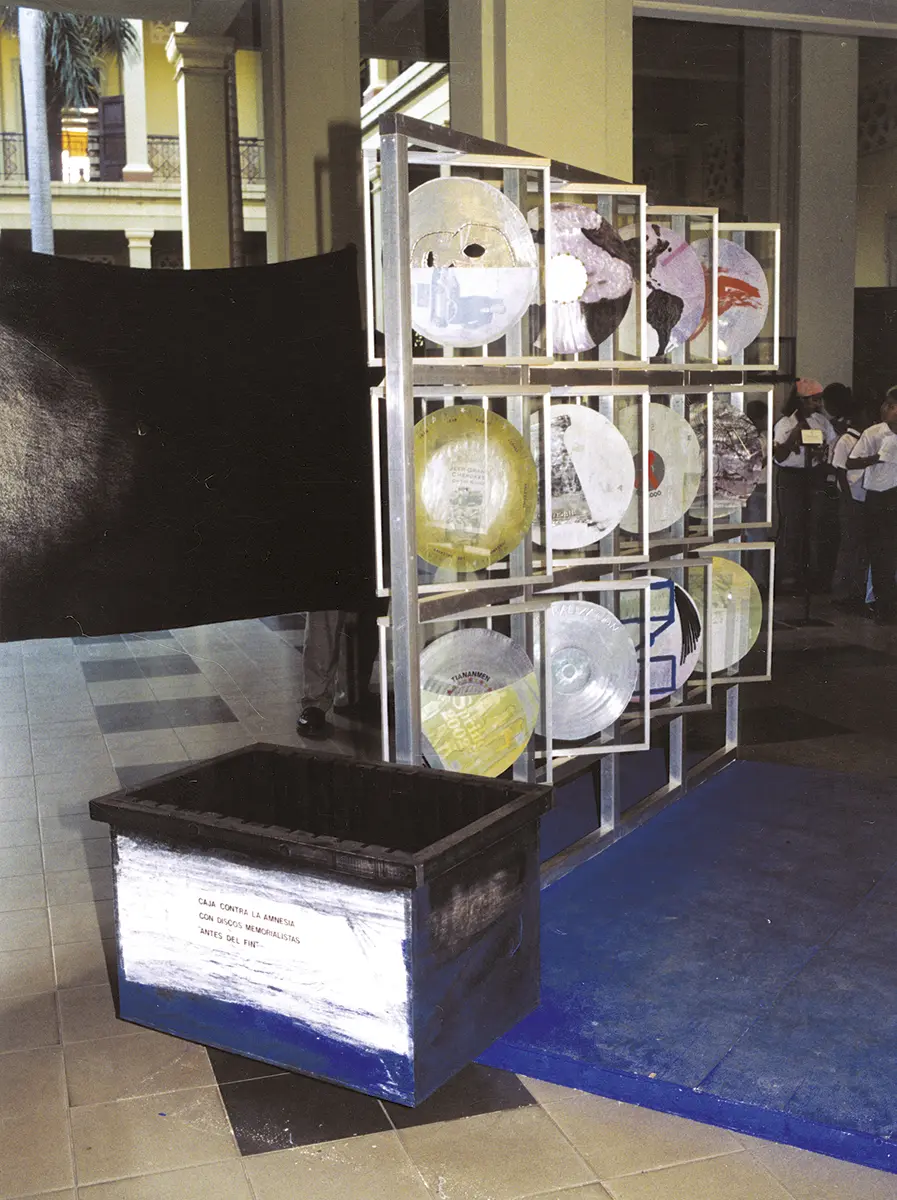
Again, the confusing somatic reality of the human condition, especially as a result of transculturation and of new technologies, becomes the central topic in the work of Patricia Villalobos (Nicaragua). The very title of her piece, Rastreo-Tracking, declares an interest in the reconstruction of identity beyond geographic displacements. Through video, installation, and sound, using self-portraits and personal images, Villalobos gives voice to her own “vagaries of the body” and transforms herself, by means of self-representation, into the possessor of an image and a name of her own. At the same time, the inverted, repeated imagery that appears on the screen brings back an awareness of the self. Narrative, both of private individual stories and of contemporary history, has been an insistent feature in the work of many works present at this Biennial. Nicaraguan artist Luis Morales Alonso’s installation Dos cajas con discos (Two Boxes With Discs) creates a narrative about the relationship between the past and the present, from the creation of the world —Caja primigenia cn discos esenciales (Box of Origin With Essential Discs)— to its eventual destruction —Caja contra la amnesia con discos memorialistas antes del fin (Box Against Amnesia With Memorial Discs Before the End). The latter represents many of the defining events of the Twentieth Century, a history of violence culminating with the terrorist attacks of September 11, 2001 in New York City.
The idea of spectacle is inherent to every art biennial, and it is justified to a degree as a means to achieve recognition and notoriety, particularly in this case since the lack of a coherent art historiography in Central America has been an obstacle to integration and has propitiated exclusion such as that of Belize. This edition of the Central American Isthmus Biennial deserves credit for opening new cultural spaces, despite its irregularity and the differing quality of the delegations sent by each country. In the history of these events, some countries have maintained a consistent level, but others have not: Guatemala, El Salvador, and Honduras sent the most interesting delegations to the 1998 Biennial, but Panama and Costa Rica dominated the 2000 Biennial. These two countries, joined now by Nicaragua, achieved pride of place in the 2002 edition. The universality of contents that are, nevertheless, rooted in the local; the relationship between human beings and their socio-historical context; and the surreal character of everyday life —these have been among the basic themes uniting artists from different regions. Lastly, the III Biennial was not able to cover the entirety of Central American art, but it did present the contributions of the region’s most recognized artists to the cultural development of their countries.
NOTES
1. Rosina Cazali, II Bienal de Pintura del Istmo Centroamericano, Reflexiones:. Art Nexus 39, January-March 2001, p. 78.
2. Wassily Kandinsky, De lo espiritual en el Arte. Barral Editores, Barcelona, 1973, p. 21 (translated by ArtNexus).
MARÍA DOLORES G. TORRES
Art historian and researcher at the Instituto de Historia de Nicaragua y Centroamérica of the Universidad Centroamericana in Managua, Nicaragua. Professor of Nicaraguan and contemporary art.