
It has become increasingly apparent in the last few years that the designation “Latin American Art” is becoming more and more obsolete and unnecessary as artists transcend definitions of border and nationalism to create works of international context and significance. The only obvious characteristic the ten artists from Latin America in this exhibition share is their Spanish heritage and its cultural and linguistic links. All of them represent a generation that reached artistic and intellectual maturity in the 1980s, and all of them share the same concerns as artists in other parts of the world, who developed in the same particularly materialistic and dynamic period best described as postmodern. In the United States in particular, during the time aptly described by Tom Wolfe as the decade of “money fever,” there was an emphasis on making money, commercialism, and entrepreneurship that affected the production of art. In fact, art became an integral part of commodities and big business, and the art world was a complex web of big money, exhibition politics, dealer-gallery relationships, and conflicts between artists and the marketplace. Art was a status symbol that put unusual demands on the artist, who was lost in the midst and still searching for something more.
The artists from Latin America were not exempt from this and often their quest for identity took on a particularly eclectic and personal response. It was a journey in search of new meanings, and a passionate, imaginative, and often-tactile imagery resulted. Even the act of painting was revitalized with form and content that was heroic and aggressive, or subtle and beautiful. The ten artists in this exhibition demonstrate all of the above.
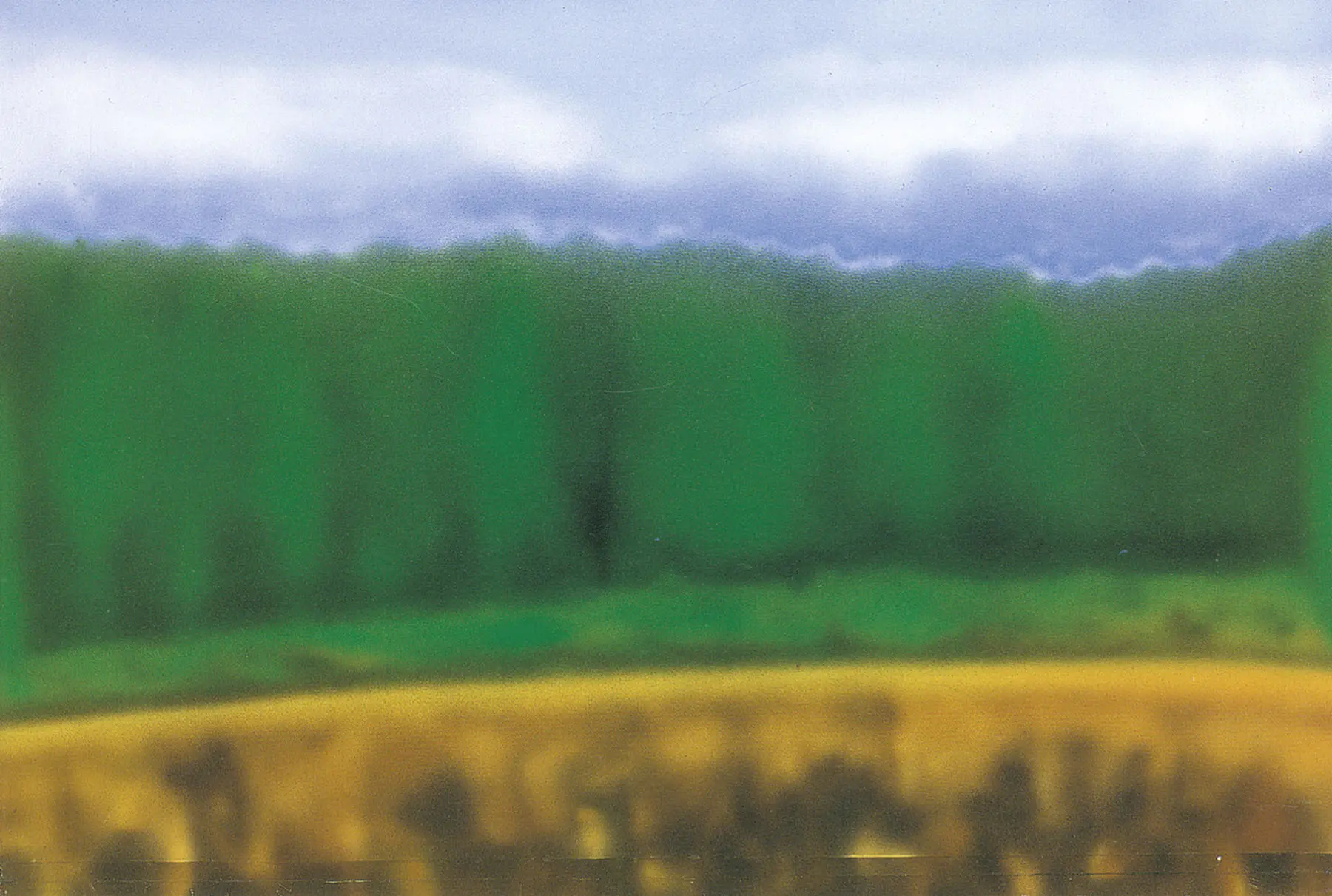
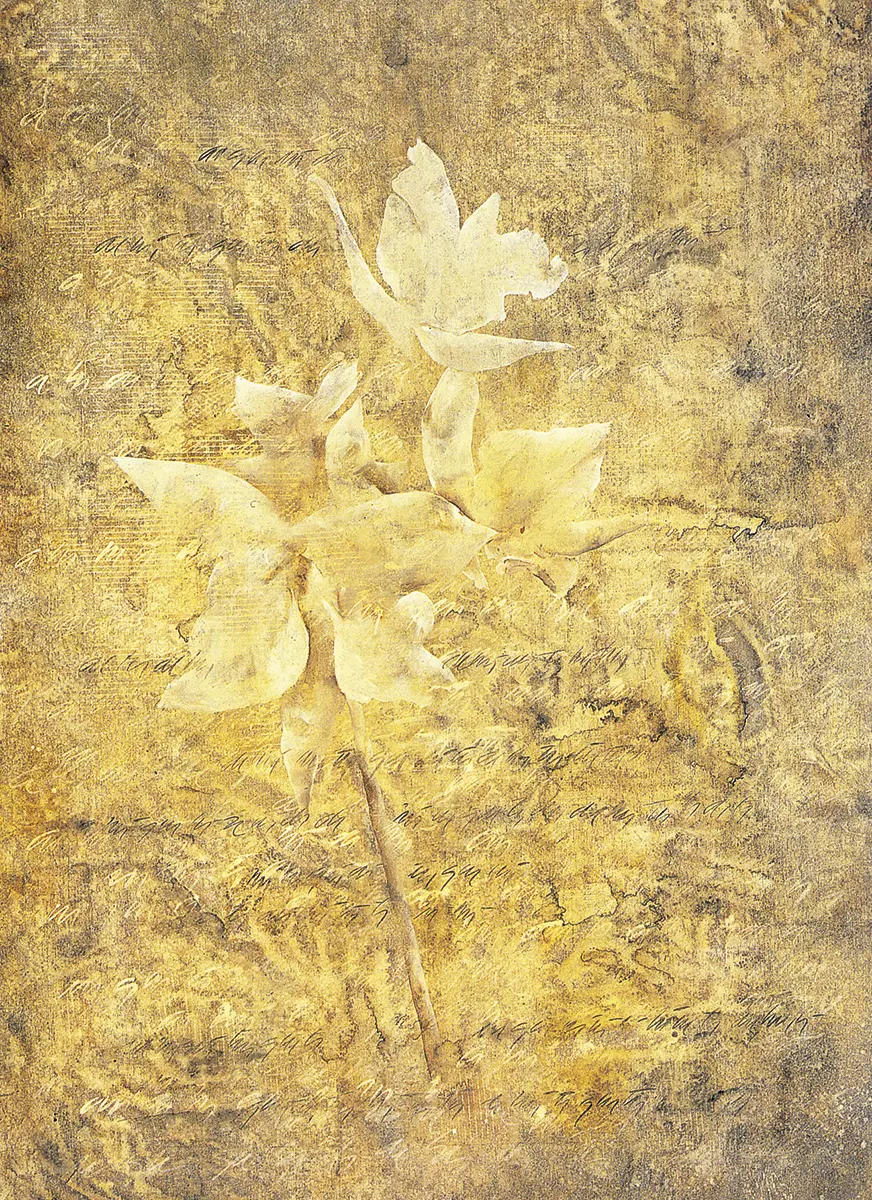
Neo-expressionism was the answer for artists who longed for passionate experience and imaginative solutions to the modern problems of urban existence. This new painting was an international tendency; artists from Latin America, frequent travelers, and insightful viewers were aware of this trend even from afar and became active participants. They experimented with new media, dramatic effects, self-portraiture, and new pictorial vocabularies and techniques. Guillermo Conte’s paintings are excellent examples of superimposed layers of color that result in painstakingly crafted and ethereal images of nature and other luxurious objects. Conte is not afraid to confront issues of beauty and nostalgia, and re-examines old notions associated with vanity and the passage of time. Daniel Scheimberg also provokes the viewer to look at old ideas in new ways; his blurry shapes force one to fill in and recast the objects personally. Paisaje Ruso, 1996, while beautifully painted, is both inviting and disturbing. This concern with the nature of painting and all its implications is basic to an appreciation of all of the works in this exhibition.
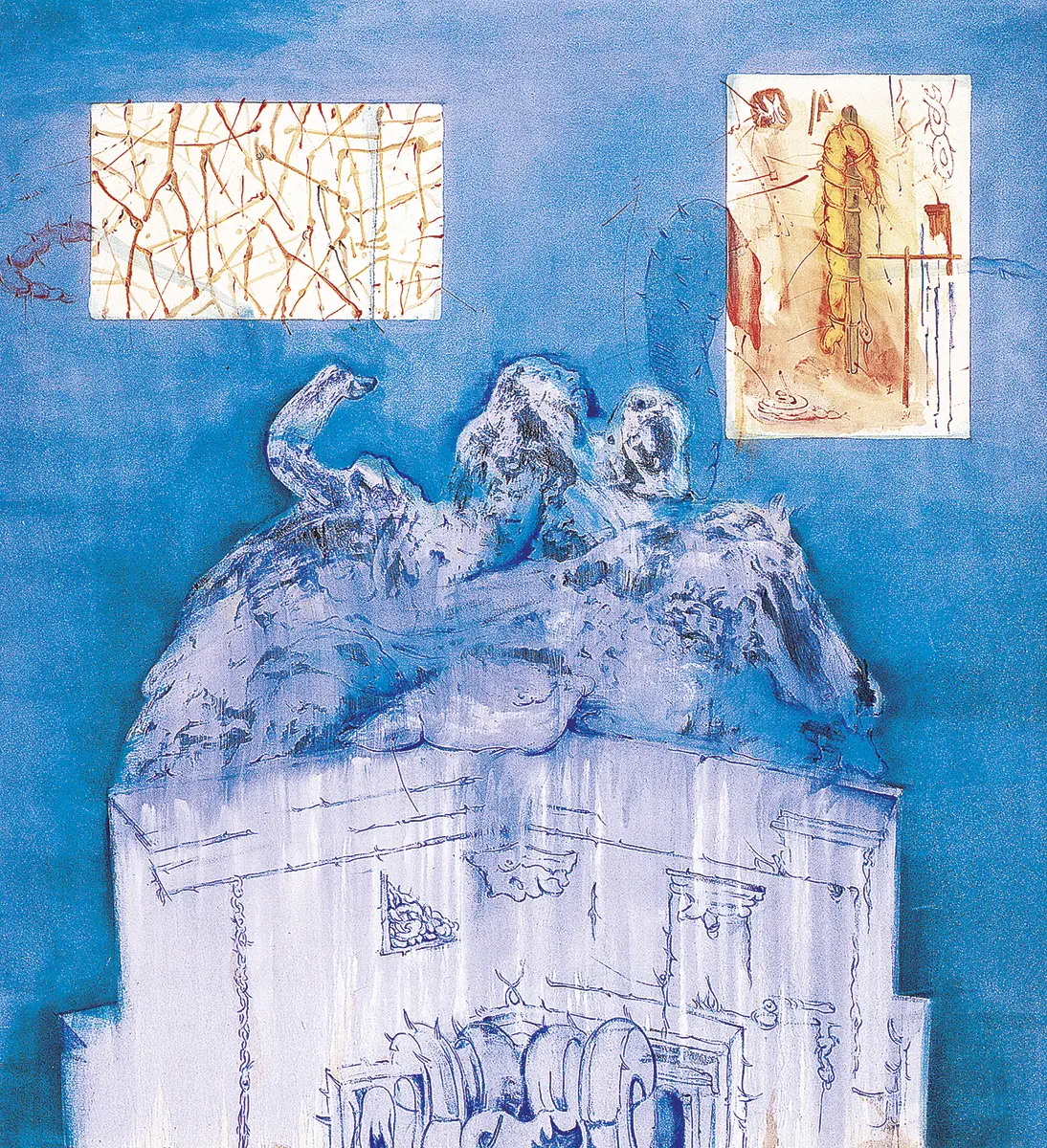
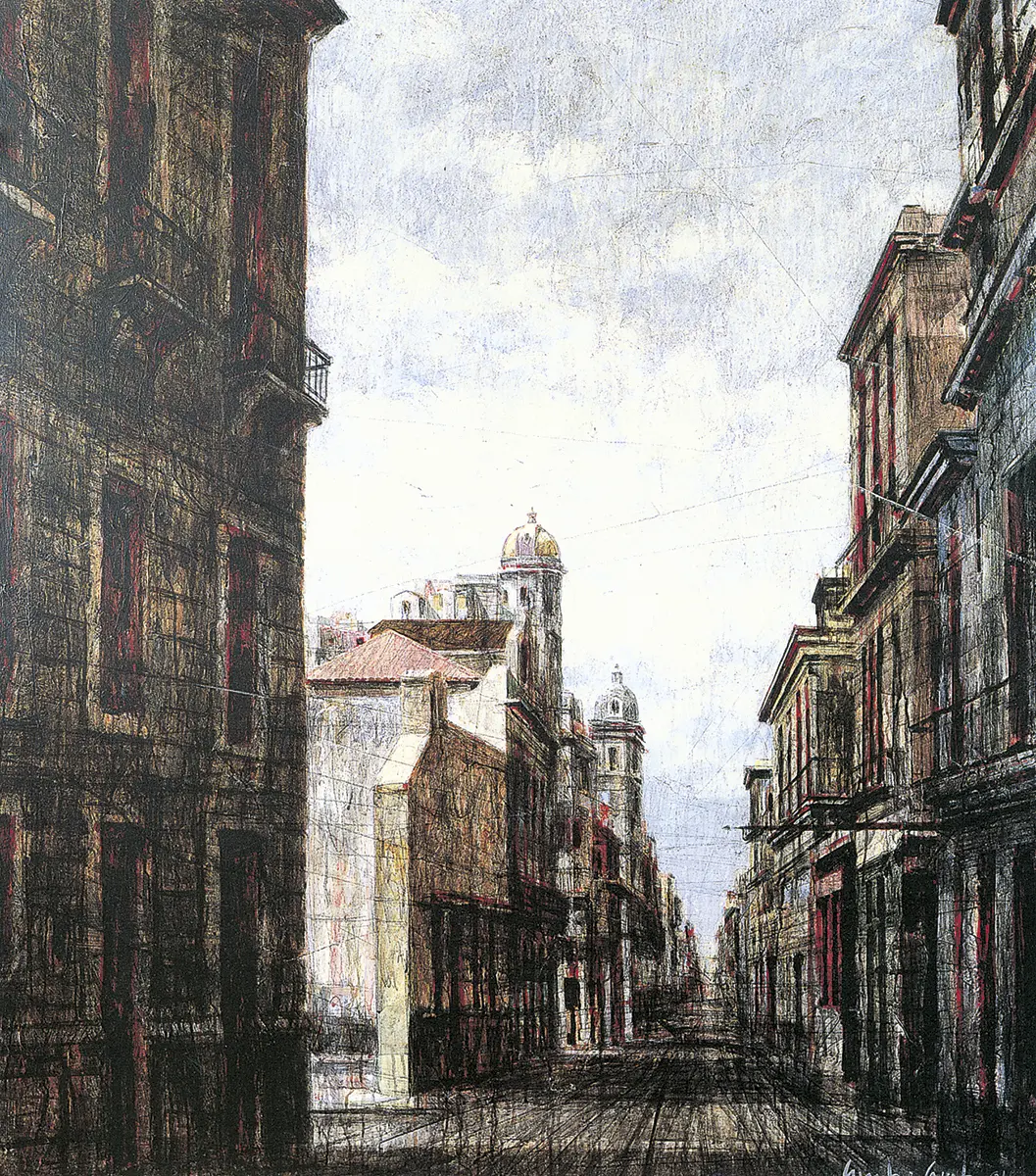
Daniel Senise obtains rich expressionistic images through a confrontational relationship between the canvas and the medium of paint itself. As he rubs, stains, digs, and distorts the surface, paint becomes the subject. Jorge Tacla achieves similar results in more freely described markings that are as calligraphic as Senise’s are formal. In Arteria, 1998, gesso is applied so heavily to the canvas that painted forms barely emerge from its luxuriant depths. There is no need to be obvious or realistic, emotional and psychological provocations exist to fill in the gaps between the physical and the fantastic. Guillermo Kuitca also forces the viewer to fill in the story in works that seem to be haunted by the figure who is definitely absent from them. His paintings are about the drama of loss and he sets up each one like a stage set or an ancient arena, waiting for the action to begin, as in Untitled, 1999. The same emptiness prevails in the architectural mise en scène created by Gustavo Acosta. The dialogue that is signified in Diálogo con las Piedras, 2001, is a silent one.
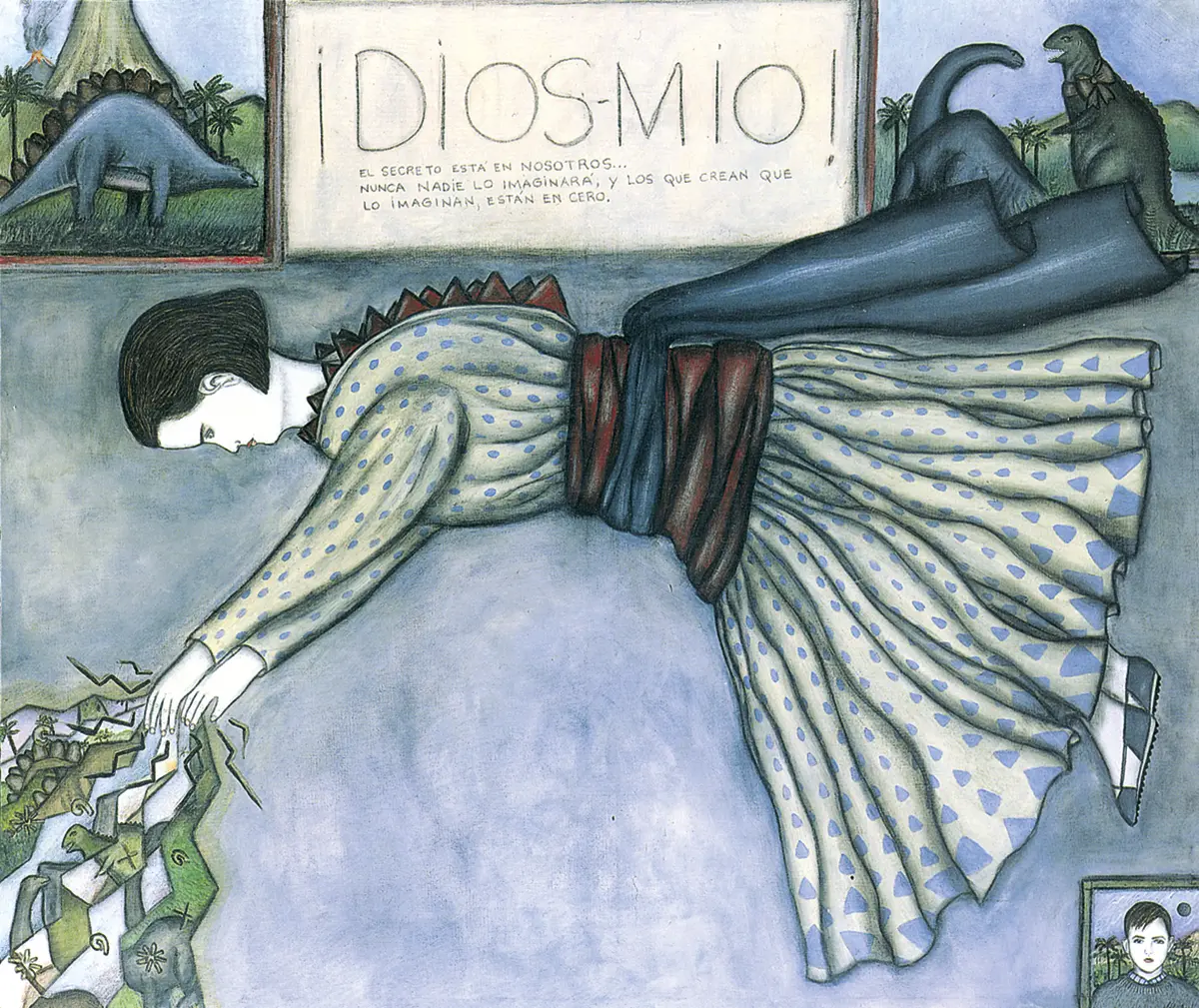
Other artists are far more blatant in their approach to this new, psychologically and emotionally expressive painting. Julio Galán uses garish figures and autobiographical references to comment on dichotomies in life: sacred and profane, pastoral and urban, ego and alter ego. Luis Cruz Azaceta also confronts the angst of urban existence in works that address social and political issues. He invents a symbolic language that is as pertinent to the present, as it is a warning for tomorrow. The personal and symbolic languages that inform the artists of the ’80s go beyond Western traditions as they embrace multi-culturalism and a diversity of rhetoric and contemporary reverence.
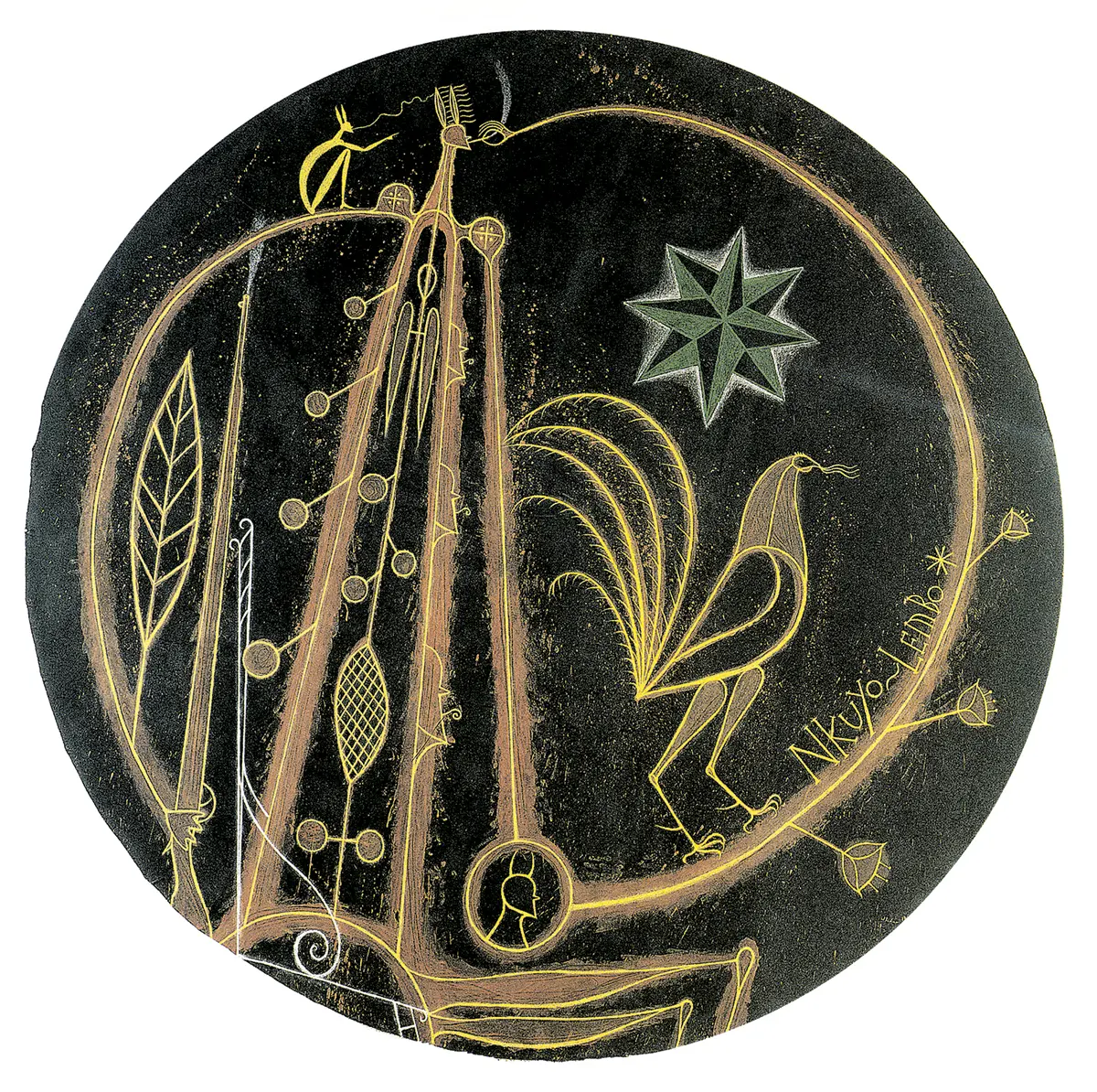
José Bedia has created a now-familiar pictorial and symbolic language characterized by a distinctive graphic style inspired by the ledger drawings of the Lakota Indians. His stylized figures represent mythological and ritual creatures and spirits derived from his interest in Afro-Cuban religion, and Native North American and Mexican cultures. Recent travel to Africa has enabled him to enlarge his pictorial repertoire with animals and stories of universal appeal.
The artists in this exhibition continue to expand the boundaries between North and South, East and West, as they introduce new ideas, images, techniques, and personalities that transcend issues of time and place, to the world of art. The exhibition represents only a small selection of artists who share the same creative characteristics, but each is a striking example of what is best about their work and of their ongoing exploration of painting. Accompanied by a succinct and well-written catalog, Reality and Figuration provides a focused view of Latin American artists sharing the same concerns as artists everywhere.
CAROL DAMIAN