Art Miami 2003 managed to keep up with the excitement generated by a winter full of Art in South Florida with 162 galleries from 32 countries participating. It maintains its reputation as a major showplace for the art of Latin America and Spain, and its ongoing effort to introduce vibrant contemporary/cutting-edge work of emerging and established artists in carefully curated exhibitions and installations, as well as lectures, panel discussions, and other activities planned to enhance the art experience and education of the audience. This year there is no doubt that the Currents 03: New Perspectives area of the exhibition hall was the highlight. (Currents is in its fourth year and the creation of Director Ilana Vardy who has made it one of the most distinguished and serious projects to be found among the many art fairs throughout the world.)
This year Currents was redefined for its own space to include 40 galleries from 15 countries and to provide an intriguing glimpse at a cross-section of young, emerging artists from around the world. The presence of artists and artwork from Russia, Cuba, Denmark, Norway, Poland, Spain, Haiti, and Germany, and many others who have never exhibited in the United States, or at an international art fair, made the experience of viewing the area (and listening to the languages spoken) especially exciting. It was also interesting to note the amount of painting in the area, and its ability to compete absolutely successfully with New Media. Galerie Bourbon-Lally (Haiti) exhibited complex mixed media works by Elsa Mora (Cuba) and powerful photographs by Cirenaica Moreira (Cuba) among other important Caribbean works. Galeria Cànem (Castellón de la Plana, Spain) also included monumental photographs and C-prints by Pilar Beltrán Lahoz that were some of the strongest in the entire Fair (which lacked a significant variety of photography in the main exhibition area). Alejandro Mazón (George Billis Gallery, New York) uses Art History as the basis of his paintings and works on paper that combine words, drawings, and images with elegant results. More Conceptual Art can be found at Grapa Studio of Art (North Miami) where young artists, including Luciana Abaid and Carolina Sardi, use photography, metals, and a variety of media to question issues of identity and Art History in their works.
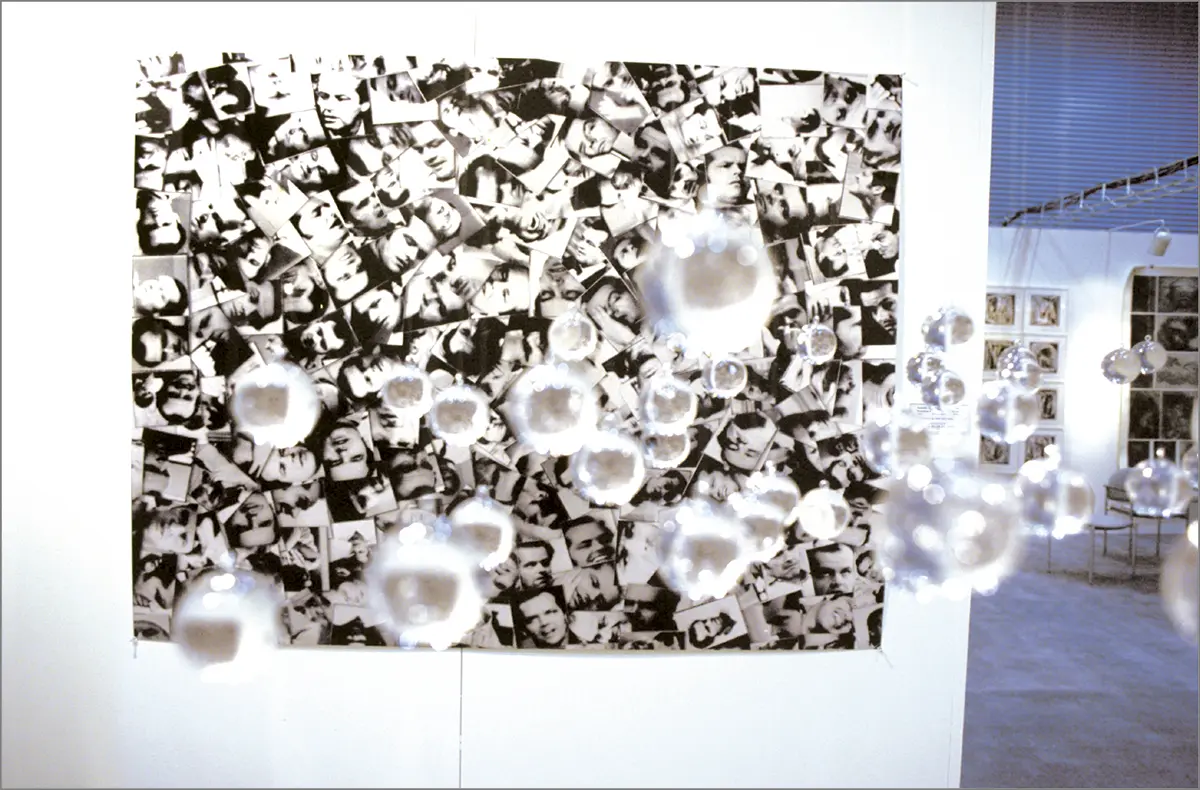
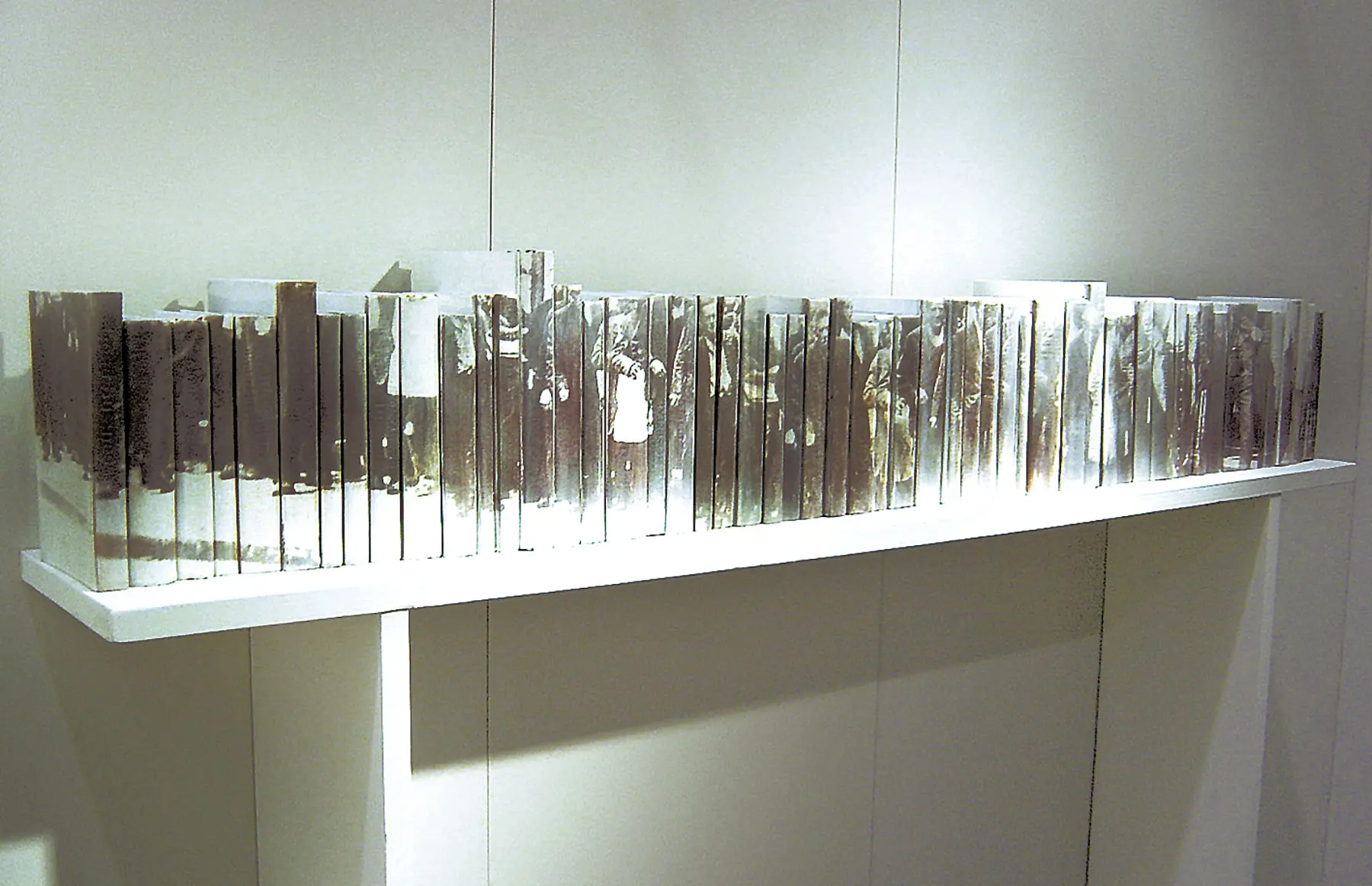
The photography brought by ARKA from Vladivostok introduced a particular aesthetic that could also be found at Krokin Gallery from Moscow that was minimal in conception and strong in technical skill. More impressive photographs could be found in the installation of Blink, 600 miniature images mounted on clear acrylic spheres the size of a ping-pong ball at ArtSpace/Virginia Miller Galleries (Coral Gables, Florida). Russian artist Antolij Shuravlev lured the viewer to stop and study every detail of his tiny stills as they dangle and turn, refracting their changing environment, which also included a line of 88 fingernail-sized photos mounted on another wall and an outside display with 400 minuscule works. Taken from television, magazines, movies, and other sources available in Moscow when Western images were not, the mini-details are at once recognizable and fragmented. Priska C. Juschka Fine Art (Brooklyn) brought the carefully drawn works of Tamara Geyer that featured large-scale cityscapes and architectural constructions (Urbanics) exactly geometrically rendered on vellum for extraordinary results that play subtle mind games with the eye. Raquel Paiewonsky’s hanging dresses made with cut glass and nails evoked disturbing images of women’s obsession with clothing and its effect on relationships at Lyle O. Reitzel Arte Contemporaneo (Santo Domingo) that was surpassed only by Luis Vidal’s arrangement of a dead family sculpted from plastic resin and severed heads displaying his own image in a space shared by Espai 292 (Barcelona) and Christian Dam Galleries (Copenhagen, Denmark). His figurations point out the modern dilemmas of acceptability that confront lesbians, gays, blacks, and other minorities, and force the viewer into a fatal attraction. Lyle Reitzel brought another inclusive group from the Caribbean with resin objects by Edouard Duval-Carrié (Haiti); the strange autobiographical paintings of García Cordero (Dominican Republic) and fantasy archiscapes by Eleomar Puente (Cuba) among the most notable.
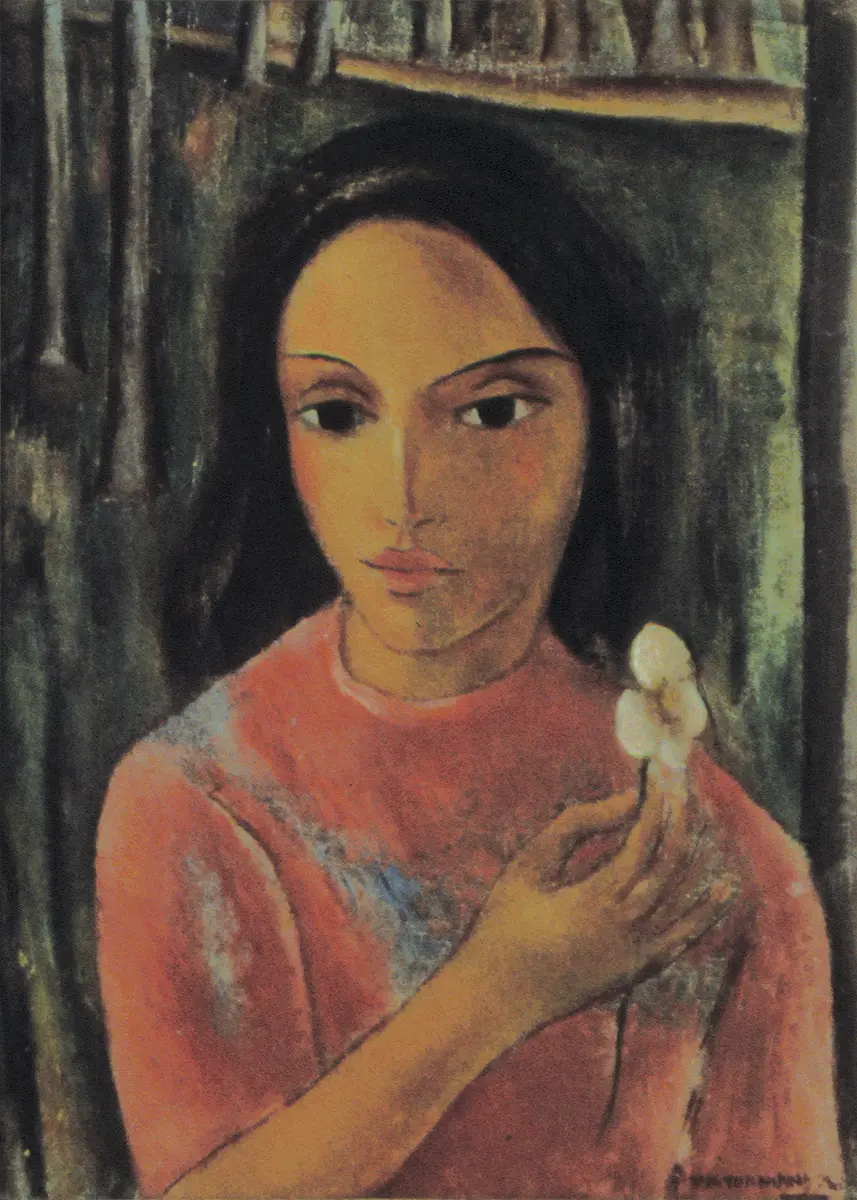
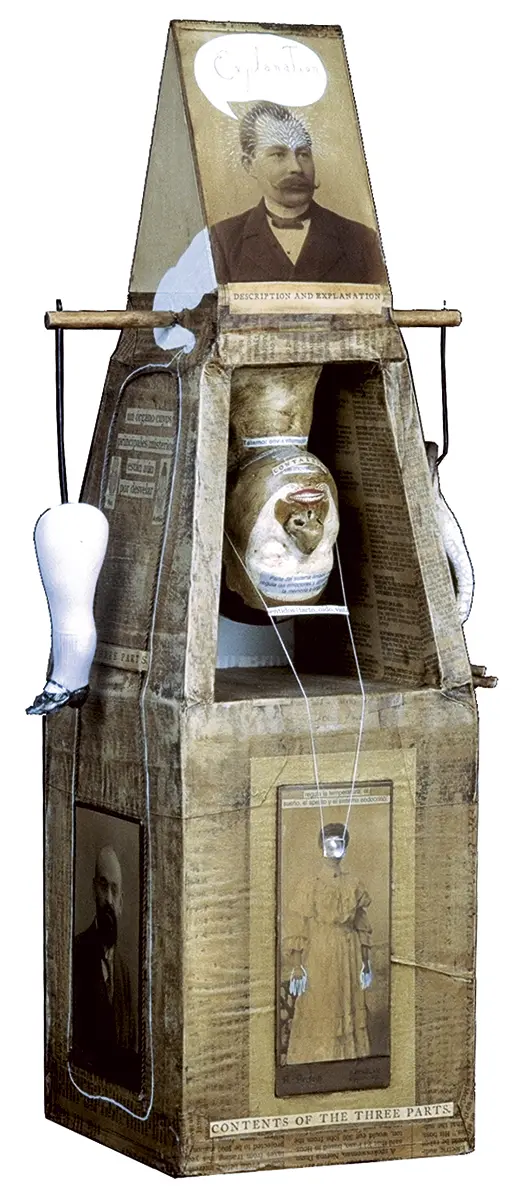
The entry and central exhibition spaces of Art Miami seem to present the galleries with art of the highest quality and interest, with galleries of lesser status (often with pleasant surprises or terrible disappointments) on the outer perimeters. It is always good to give special attention to one-person exhibitions and to the galleries that are confident enough to fill their space with a single artist. The experience provides the viewer with a valuable source of information about an artist’s career and developmental phases. At the Pan American Art Gallery (Dallas), the works of Cuban master Víctor Manuel were featured and included an important and rarely seen work from his Russian period that allowed the viewer to enjoy a selection in series. Quinta Galería (Bogota) also provided an educational experience with works from Uruguayan Master Joaquín Torres García and members of his school, including a wonderful wood construction by Manuel Pailos. Here we can also highlight the exhibition of works by Hugo Zapata the Colombian sculptor. At Arden Gallery (Boston), the surreal fantasies of Norma Bessouet featured her exploration of the Moghul techniques in her India series. Praxis International always satisfies the audience for Ignacio Iturria’s works, in mixed media and sculpture. Gallery Eighty-Six (Curacao) exhibited 23 box-like (Pandora’s Box) constructions by Henrica Houven that were particularly intriguing.
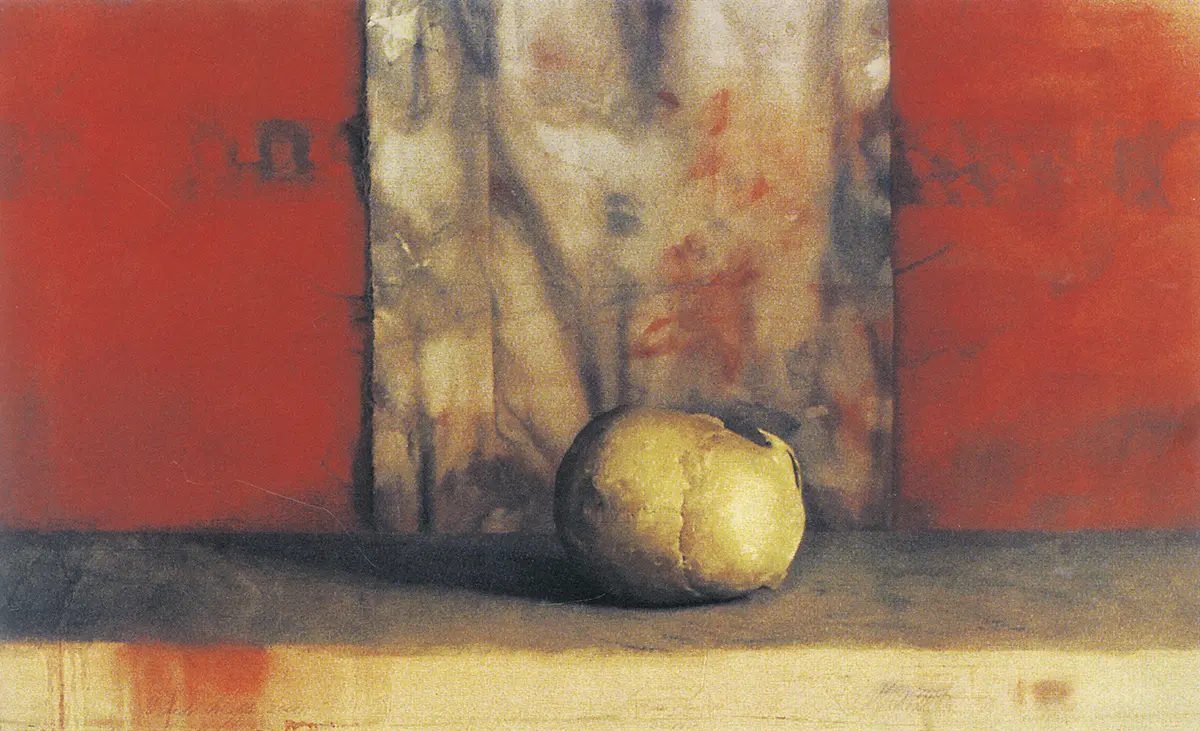
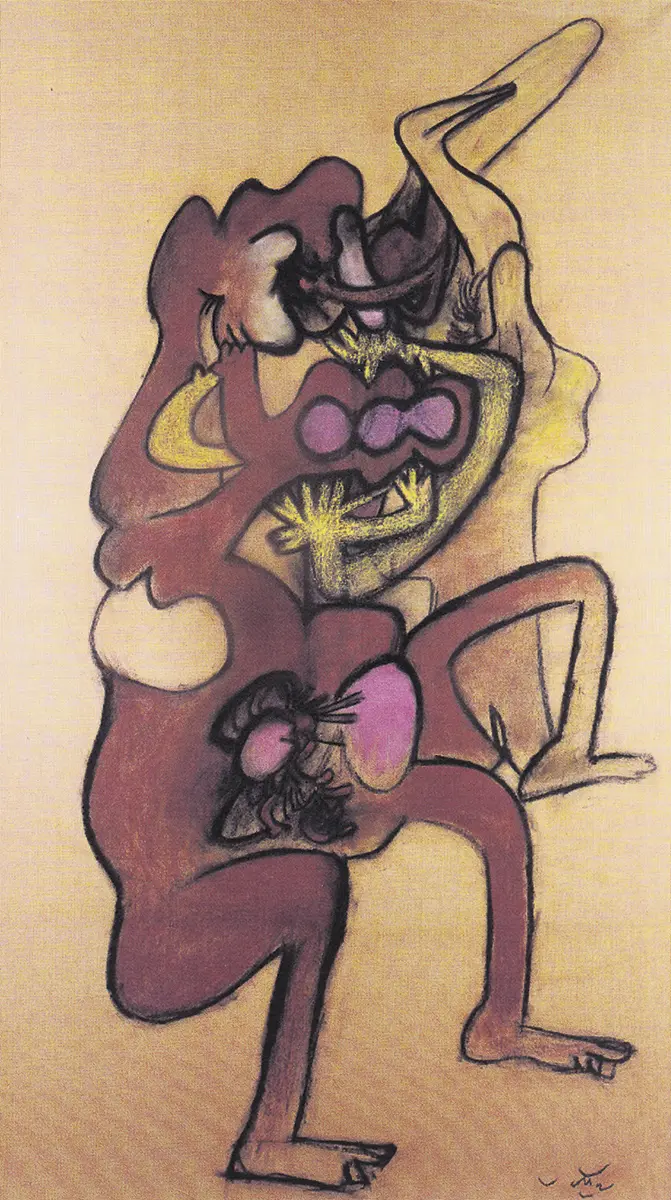
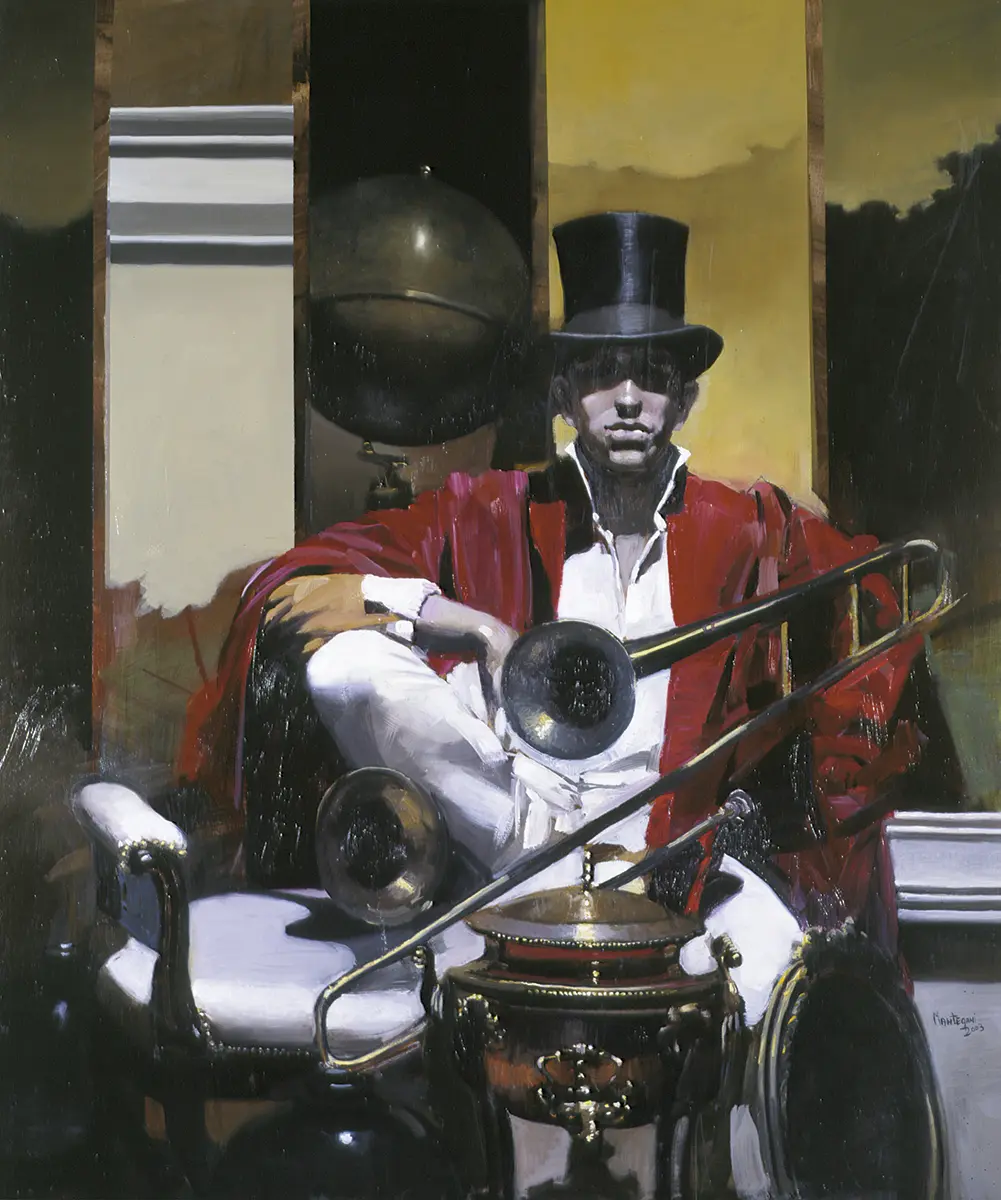
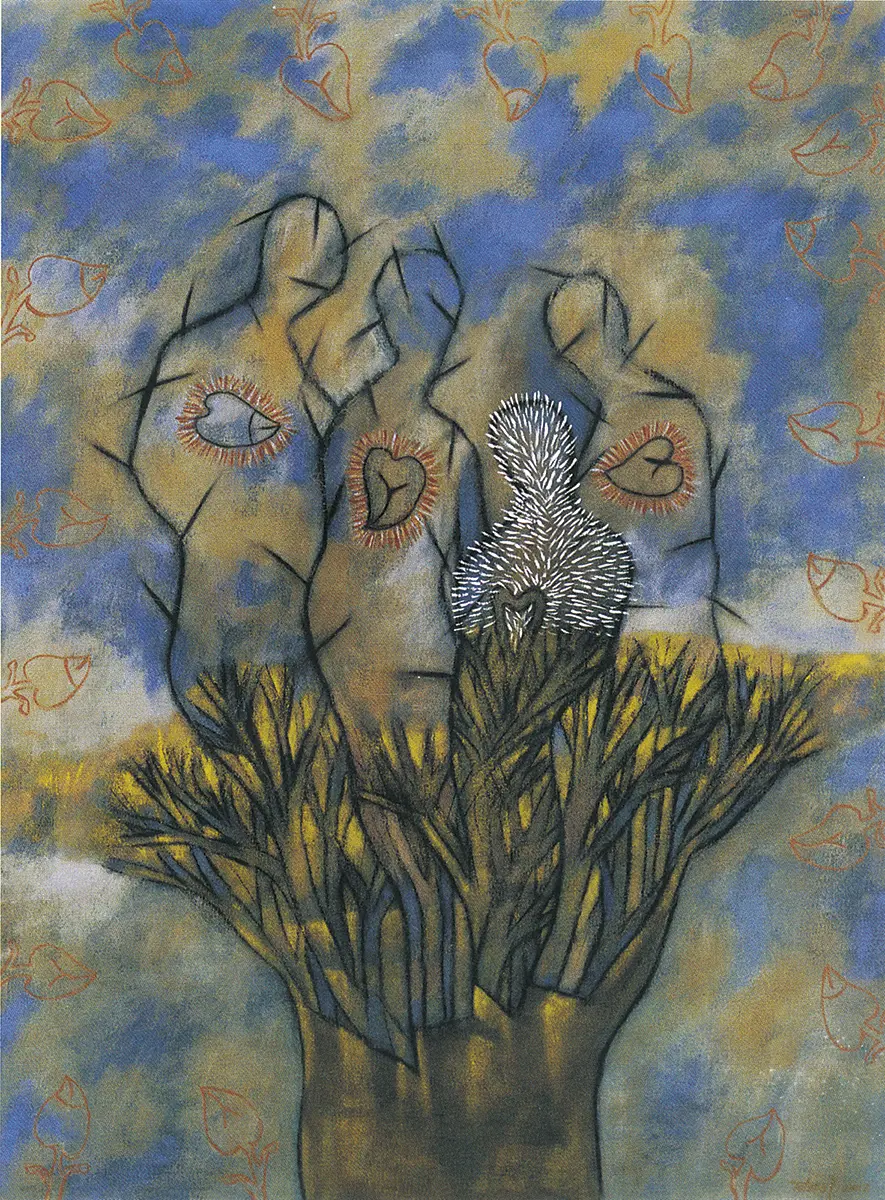
Praxis Mexico brought their renowned artists Santiago Carbonell, Roberto Cortázar, and Roger Mantegani with new works by Bruno Widmann and Chris Ofill providing an international counterpoint. The works of Cuban artists Kcho and Manuel Mendive could be found at Joan Guaita Art (Palma de Mallorca) and Mendive was one of several Cuban artists, including Flora Fong and Vicente Hernández, that fascinated an audience not yet accustomed to seeing the art from the island in Miami, at Cernuda Fine Art (Coral Gables). There was considerable action at Galleria Tega (Milan) where some of the most extraordinary works at the Fair were exhibited. Masterpieces by Matta, Wifredo Lam, and Botero shared space with a beautiful still life by Luciano Ventrone, and stunning works by Tomás Sánchez and Julio Larraz. Nearby at Santa Giustina (Lucca), the Italian artists were side-by-side with some of Latin America’s finest talents, Gustavo Acosta, Jorge Tacla, Guillermo Conte, and Carlos Capelán.
Jacobo Karpio (San José, Costa Rica) occupied a small space with large powerful works. The Cibachrome photographs of Lluis Barba and paintings by Carlos Quintana and Carlos de Paz were showstoppers. A new Miami gallery called Miami Art Gallery debuted with a strong selection that included works by Chris Ofill, Fabián Marcaccio, Fabbio Nitti, and Rubén Torres Llorca. For a completely different look, the dress in a box by Ellen Bell and Peter Clark’s “paper-doll” suits at Rebecca Hossack (London) made some of the most interesting comments about gender and identity, as did Graciela Sacco’s Cuerpo a Cuerpo installation/wall piece of helligraphy on wood at Berkeley Square (London). There was also a series of video stills by Bill Viola in the space, while World House Gallery (South Orange, New Jersey) showed one of the few videos at the fair, Anne McGuire’s I Like Men, which repeated its message endlessly. The lack of photography and New Media, outside of Currents, was again evident at Art Miami 2003, as it has been in the past. Fortunately, Gallery Marion Meyer (Paris) returned with the best selection of photos, including works by Louis Stettner, Duchamp and Man Ray, and Yves Klein’s Blue Slave. Haim Chanin Gallery participated as well with notable works by the Cuban sculptor Agustín Cárdenas and beautiful drawings by Matta. Lelia Mordoch (Paris) had interesting vintage photos of the work of Arthur Allen from the 1920s. Mordoch’s exhibition of Patrice Girard’s extraordinary mixed media “still life” objects was as provocative as usual, and Cocteau's drawings completed a fascinating exhibition. Another good selection of European and International modern masters could be found at Walker Fine Art (San Diego, California) which not only had Hans Bellmer etchings and Tamayo and Matta drawings but also exhibited a Wifredo Lam Totem from 1953 between two African masks for one of the most beautiful aesthetic and conceptual associations. Other African masks in the gallery from the Luba, Fang, and Baule peoples displayed the elegance of line so inspirational to the art of the early 20th century. Tucked in a corner, Skot Foreman Fine Art (Atlanta, Georgia) exhibited strange portraits by Yigal Ozeri, and offbeat paintings by Allan Madsen and Outsider artist Purvis Young.
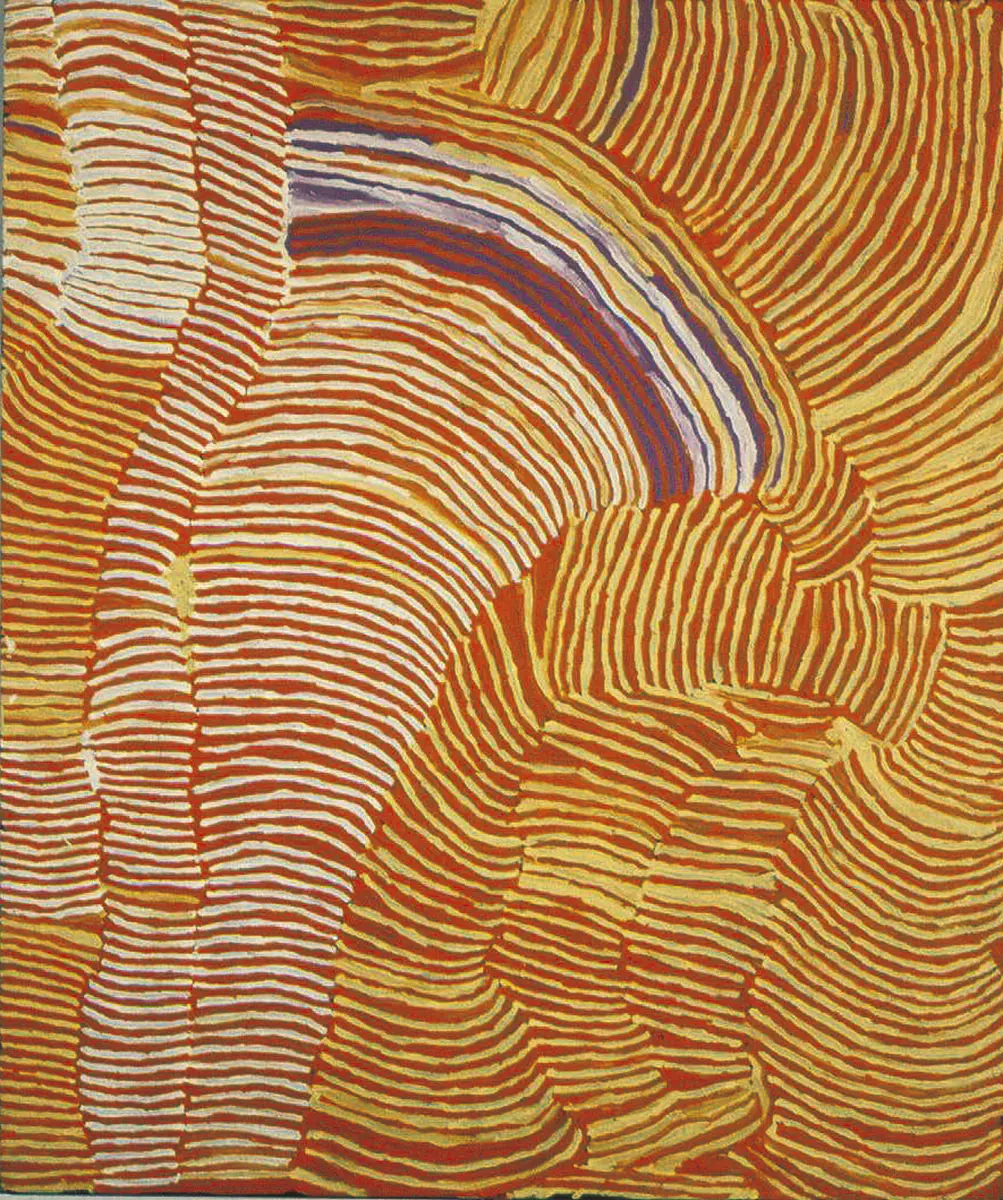
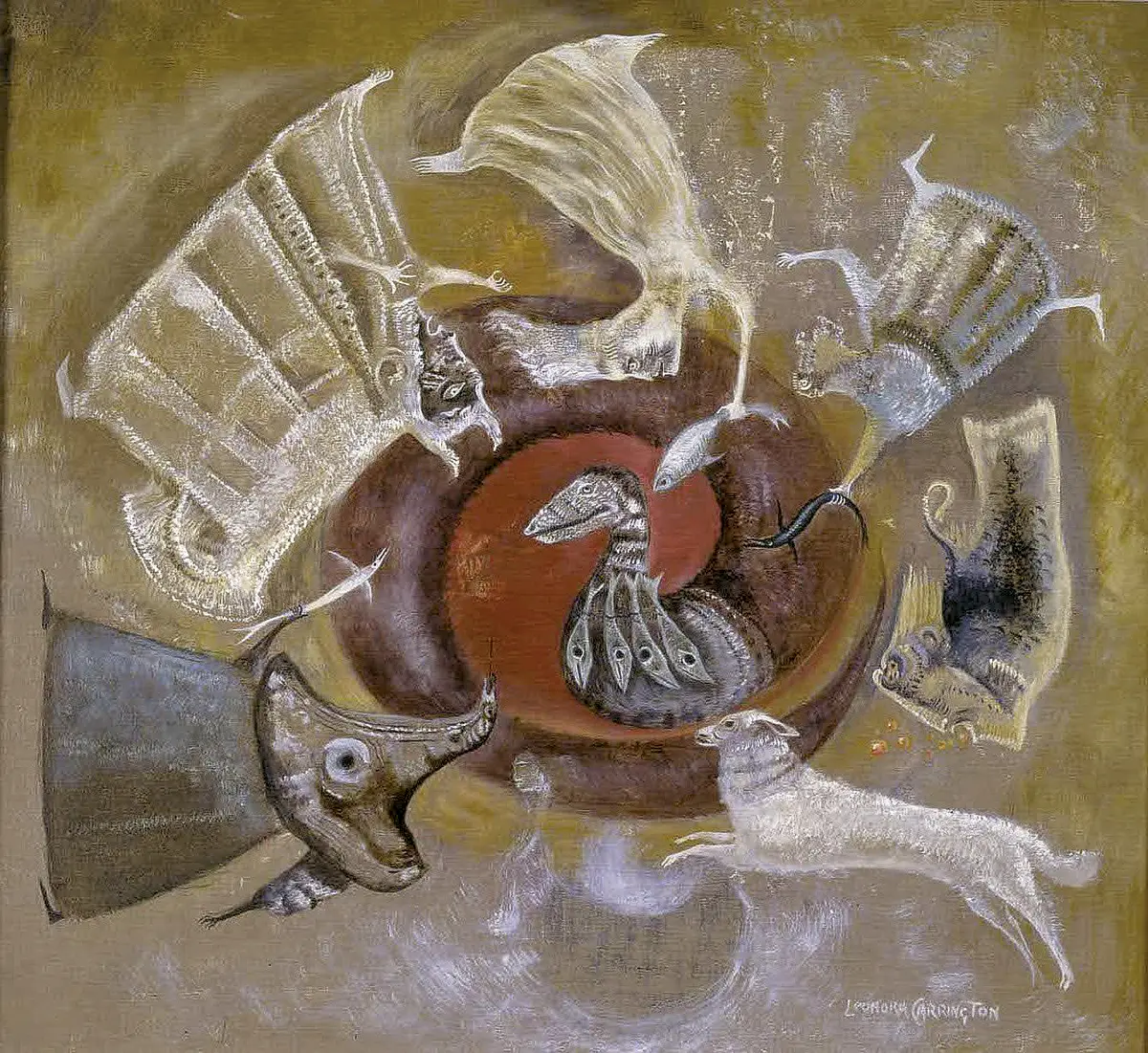
More highlights of Art Miami 2003 can be found at the new Roth & Juvelis Fine Art (Fort Lauderdale-Mexico City) includes excellent Toledo and Carrington drawings and a classic photo of Frida Kahlo by Nicolás Murray among its impressive works. Casas Riegner Gallery showcased excellent works by Eugenio Espinoza, certainly among the most interesting of the fair. Also focused on the production by young artists was Galería 39 with attractive works by José Antonio Fernández and Carola Bravo. also from Venezuela was the Ninoska Huerta Art Gallery exhibiting works by Carlos Cruz Diez, Jesús Soto, and Víctor Valera. The Peruvian Gallery Forum presented interesting works by Augusta Barreda, Eduardo Tokeshi, and Rosi Schwartzman among others. Piramide Gallery from Guatemala focused on painting with works by artists such as Fernando Toledo and Elmar Rojas. AMS Marlborough (Santiago) brought the work of Ricardo Maffei, a pupil of Claudio Bravo with a similar sensitivity to Realism. Aboriginal works at Gallery Gabrielle Pizzi (Melbourne) never cease to amaze for their extraordinary designs. Their decidedly different aesthetic stimulated exactly the kind of conversation that Art Fairs should inspire and the more diverse Art Miami can become, the more it will captivate its audience and create its own unique niche. The international spirit in Currents should set the pace for years to come.
CAROL DAMIAN
Professor and member of the Directive Board of the Department of Visual Arts at the Florida International University, Miami.