
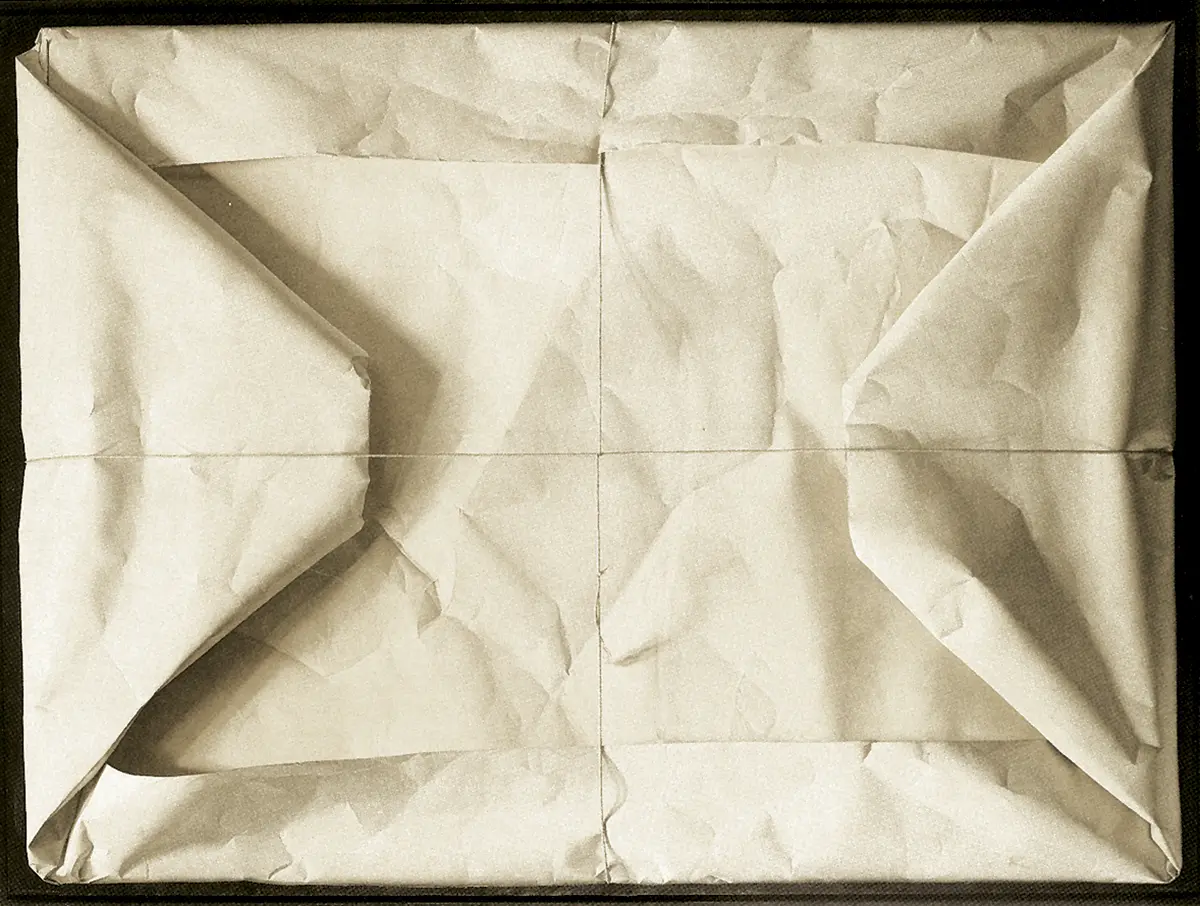
The highlight of the season was Sotheby’s magnificent Claudio Bravo, Paquete Marfil. The painting sold above the $900,000/1,200,000 estimate at $1,300,000 and set a new world record for the artist. Both the buyer and the underbidder were reportedly not Latin American. This continues a trend whereby paintings sold for over $1,000,000 in the past five seasons have gone to collectors in America or Europe; Latin American collectors are much warier of the million-dollar psychological barrier. At any rate, it was also a typical case where good marketing pays off; the buyer of the Bravo was in New York for the Impressionist sales and first noticed the painting among the highlights of upcoming sales.
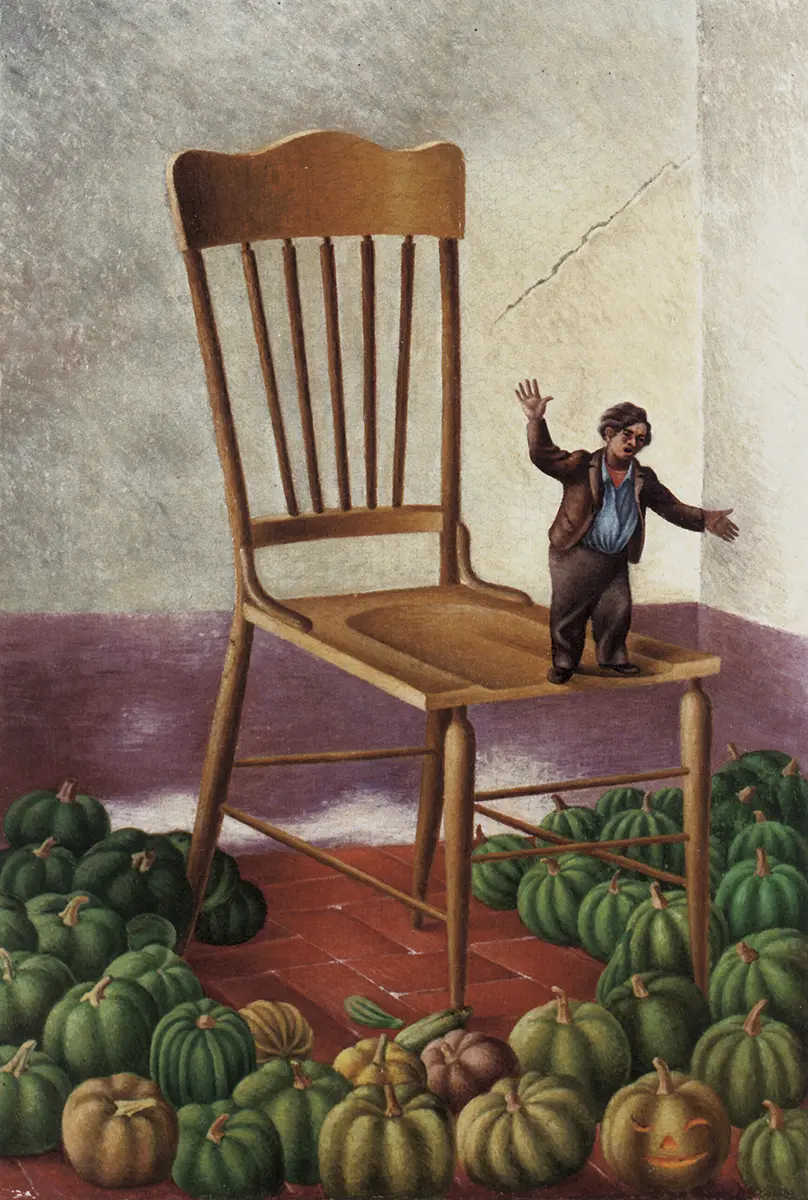
Sotheby’s also had property from the Estate of Stanley Marcus for sale. A small, but well-selected collection, the works included an amusing Covarrubias entitled El Hueso, which was estimated at $18,000/22,000 and quickly soared to $65,000; and the cover lot El Líder by Antonio Ruiz, better known in his native Mexico as El Corcito, which soared above its $200,000/300,000 estimate to sell at $280,000 and marked a new world record for the artist. Another success was scored by the Siqueiros, Cabeza de Hombre; estimated at $40,000/60,000 it sold well above the estimate at $80,000. Although only one painting went unsold from the twelve lots that belonged to the Marcus estate, it was interesting to note that the two Cubist works by Diego Rivera, which carried the highest estimates of the entire collection, both sold significantly below the low estimate. In the first instance, a Naturaleza Muerta from 1916 had been estimated at $450,000/500,000 and sold for $360,000. The second Rivera was a more difficult picture, a portrait of a man estimated at $350,000/450,000 that ended up selling at $310,000. The same situation was repeated with the beautiful still life with watermelons by Tamayo. A typical, though early depiction of this popular theme, dated 1928, it carried an estimate of $250,000/300,000 and was sold at $220,000.
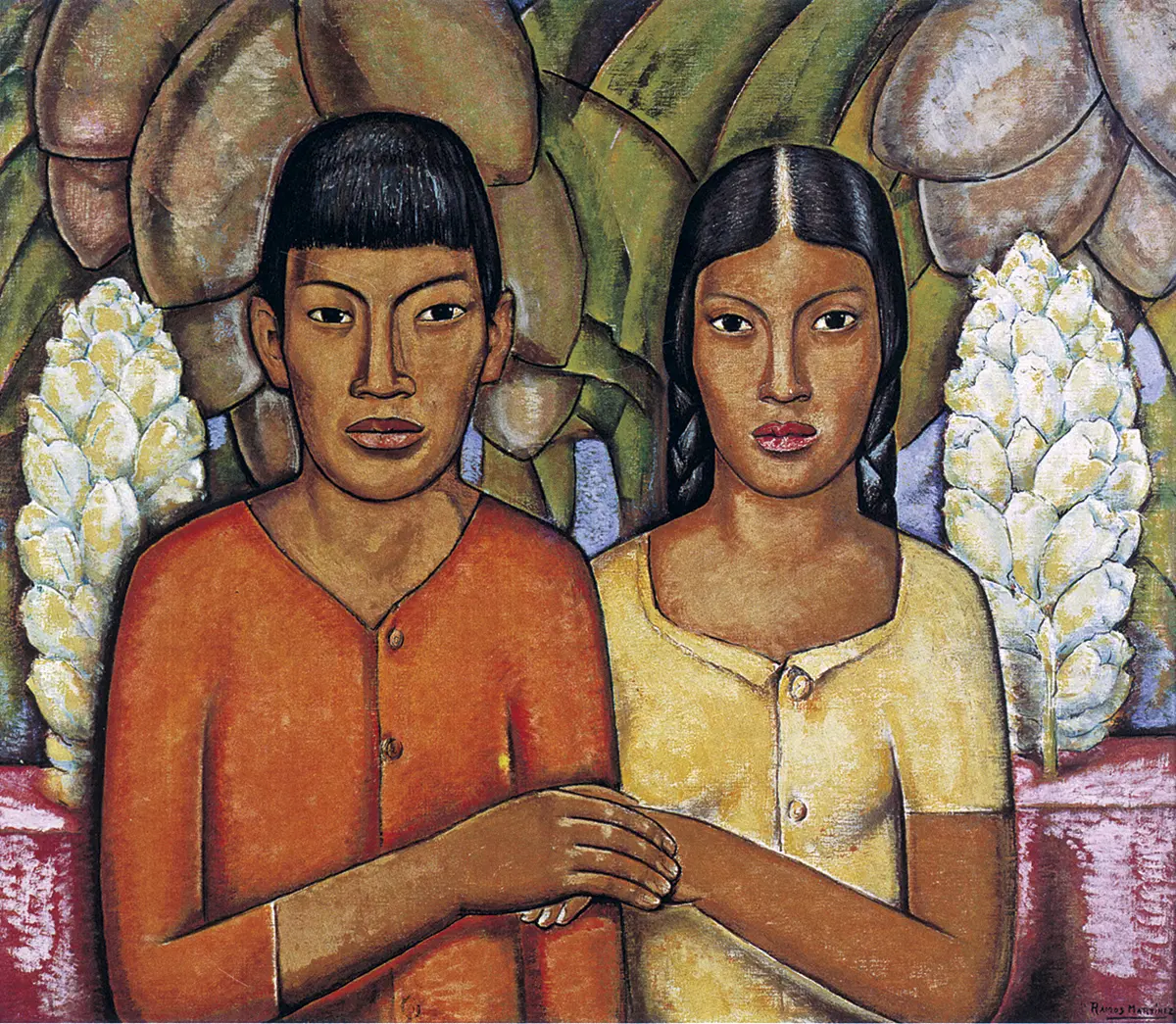
Strong prices continued for beautiful flower pictures by Alfredo Ramos and marked another success for Sotheby’s. His colorful Casamiento Indio was offered at $125,000/175,000 and more than doubled the high estimate, setting a new world record for the artist at $360,000.
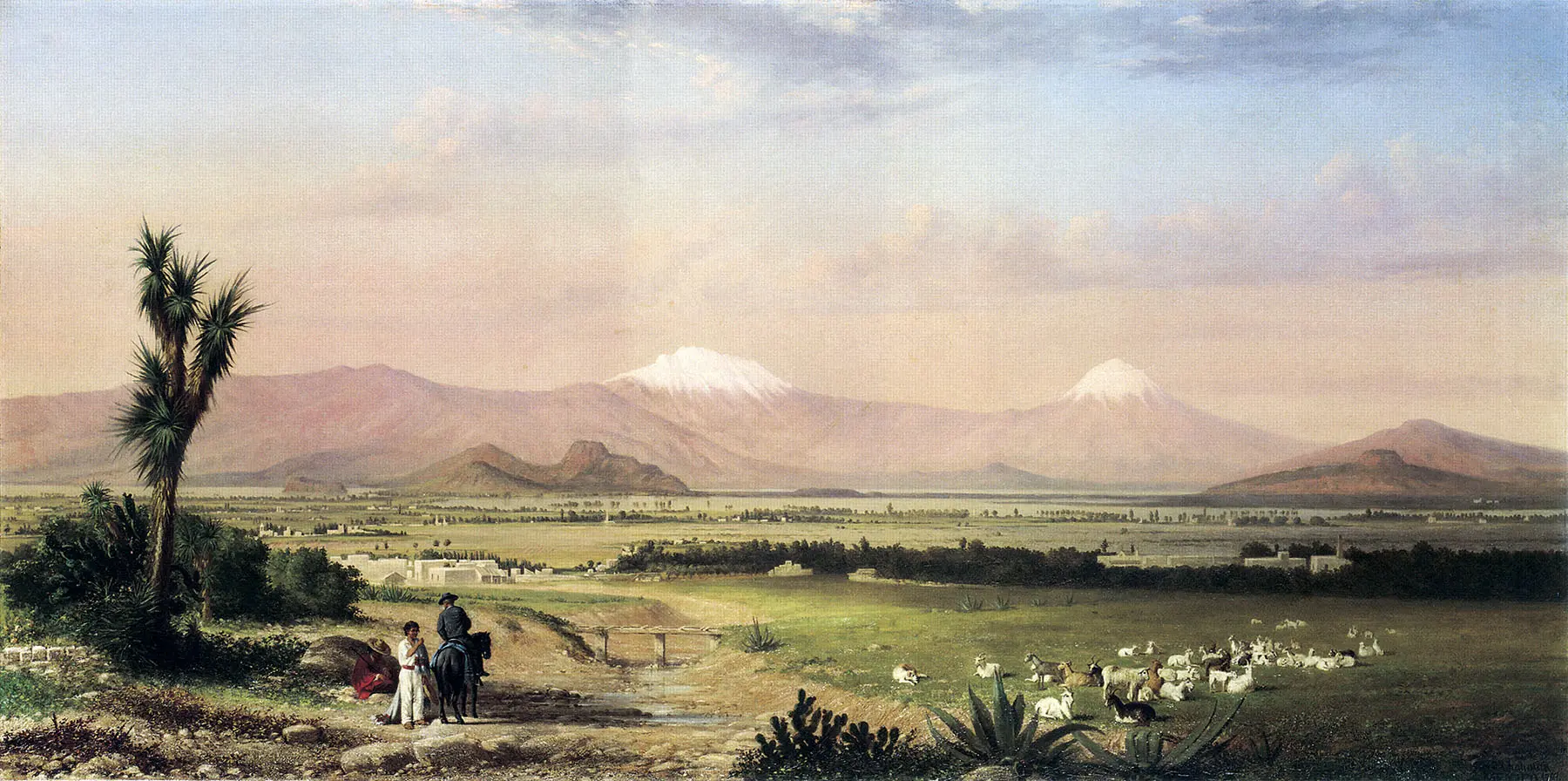
The highlight at Christie’s evening sale was the cover Tamayo, Bailarinas from 1942. Estimated at $800,000 /1,000,000 it was sold at the low estimate for $800,0000. The true surprise of the evening however was the new world record for Conrad Wise Chapman, which was set when his beautiful and quite large painting, Valle de Mexico sold for $140,000 (estimated at $140,000/180,000). This particular area of the Latin market, namely nineteenth-century topographical landscapes, had not performed well at auction in quite a while and it was a relief to see quality prevail and gain the market recognition.
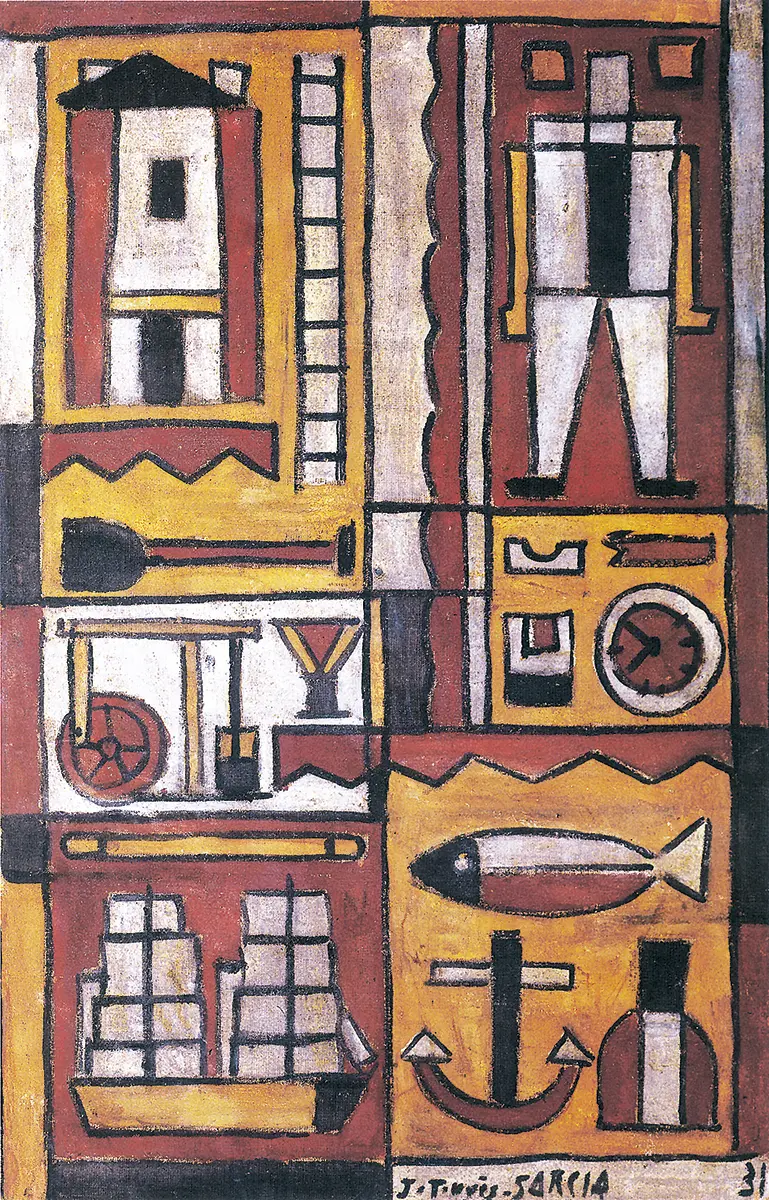
Two other paintings in the Christie’s evening sale were in a particularly difficult sale situation. Antonio Berni’s El torero Calvo is not only not at all recognized as his signature style, but the present shambles of the Argentinean economy made it more difficult for buyers to come forward for a work like this. Yet it sold for $90,000, slightly below its estimate of $100,000/200,000. The other painting was Retrato de mujer con mono by Armando Reverón; not one of his more desirable beachscapes, or one of his strong expressionist works, this painting still managed to bring a very good price selling at $140,000 with an estimate of $120,000/160,000. Another amazing result was the price obtained by Torres-García’s Constructif avec items dentéles. It carried an estimate of $200,000/250,000 and after strong competition from four bidders sold at $320,000.
That the buyers for these three pieces were from Argentina, as usual, for the Berni and the Torres, and a Venezuelan, for the Reverón, is an indication of a new trend in the Latin American art market: As economies in the region have settled into several years of severe market problems and, in some cases, highly unstable political situations, buyers, most of whom have always had a large part of their assets invested outside of Latin America, have recently stopped regarding the situation within Latin American as a decisive factor for purchasing art.
Years ago a sudden devaluation of a currency, or changing presidents and the political climate in a country would have a direct impact on the New York auctions. The impact would be keenly felt in terms of collections and artists traditionally associated with the country that happened to be in turmoil.
Buyers now realize that at a certain market level, works of art from Latin America by well-known artists will continue to hold value. This fact has also been reinforced by the diversification of the collectors inside Latin America which started about ten years ago and ended the predictability of matching artists with their native countries and markets. In the past five years, there has been a wider dissemination of top-quality Latin American art by well-known artists into international collections, primarily spearheaded by collectors of Frida Kahlo from outside Latin America.
The Latin American art market had been slow in establishing itself, but by the end of the eighties and beginning of the nineties, it was totaling $15–18,000,000 per auction, which is now roughly the combined results of both auctions. This shift came about around 1994–1995 when the Mexican economy had a major devaluation, but it has been maintained at that level due to other shifts of misfortune in the region. Once collectors accepted the fact that the totals were not going to be comparable to the past and that there would be major players from outside Latin America for the important works in the millions, they became more secure in the realization that the market had reached a point of stability. Amid the chaos of the political and economic scenarios, it actually offers a haven of security in the ongoing dramas of socio-economic conditions that far surpass the creativity of any popular telenovela.
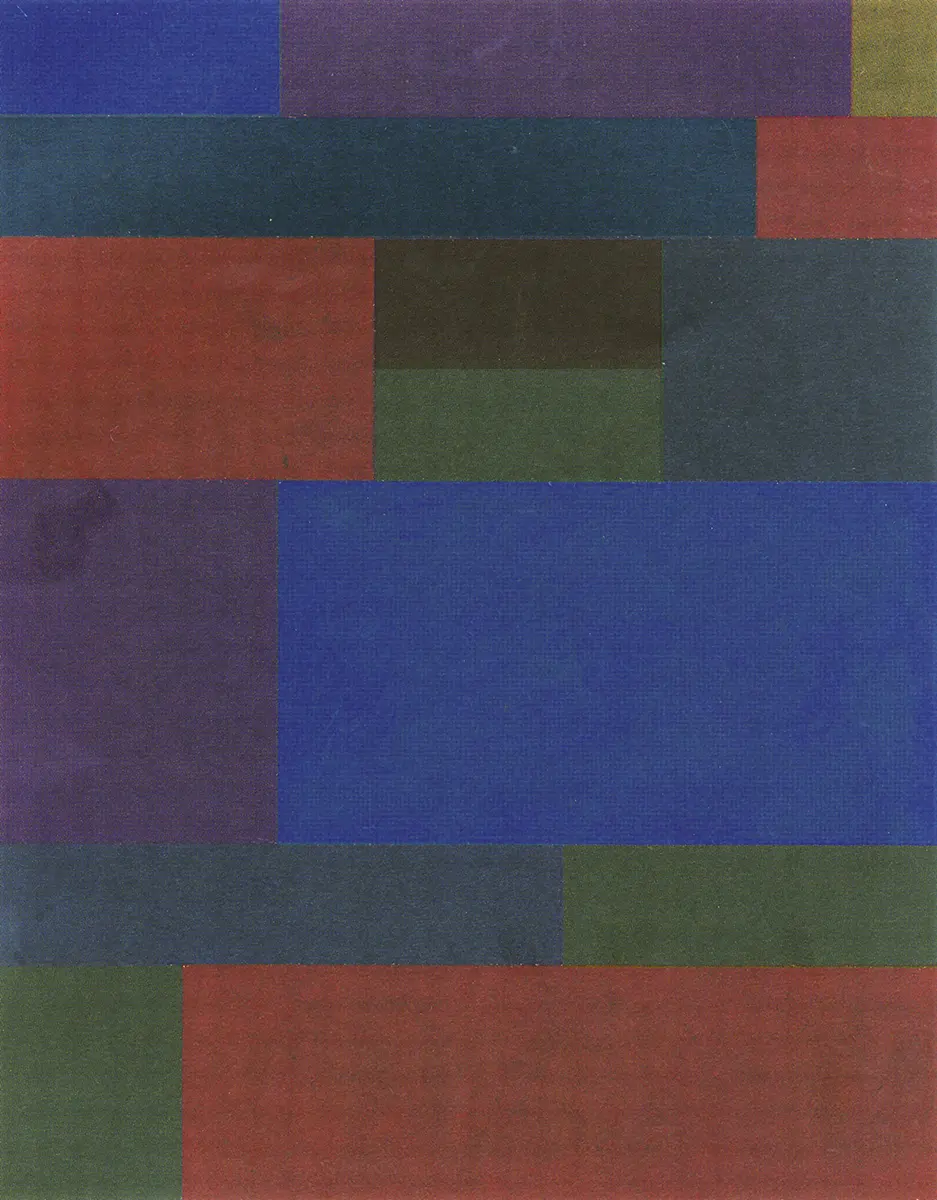
Contemporary works of art have been an area of growing interest in Latin American art for the past five years, and it is reassuring to see a sustained interest in the quality of work that is being produced throughout the area. As usual, Christie’s selection was more comprehensive and offered the more interesting, arresting pieces. Hélio Oiticica, a master of Brazilian minimalism, was represented by a beautiful color abstract work from 1956. Very reminiscent of Rothko, it was estimated at $10,000/15,000 and sold beautifully at $14,000. Gego’s ethereal construction, Tronco was estimated at $100,000/ 150,000 and sold for the low estimate. Ana Mendieta’s untitled photograph from the Sandwoman series was estimated at $25,000/35,000 and sold slightly below the estimate at $22,000. Sotheby’s also offered a photograph by Flor Garduño; it was actually a group of four prints estimated at $10,000/15,000 that also sold below the estimate at $9,500. At Christie’s Maria Fernanda Cardoso’s American Marble was a beautiful installation of cattle bones that sold slightly below the $15,000/20,000 estimate at $12,000. Francis Alÿs’s series of intriguingly cropped small canvases was estimated at $30,000/40,000 and sold above the estimate for $42,000 and Guillermo Kuitca’s Come Thick Night from the theater series sold for $45,000 (estimated at $40,000/60,000). Julio Galán also scored on the sale of his paper collage on canvas Como un jardín, which sold below the $50,000/60,000 estimate at $48,000.
It was most interesting to note the reappearance at Sotheby’s of Pedro Blanes Viale’s Sol y Sombra, a work which had sparked a furious bidding battle in November 1992, when it was offered at Sotheby’s evening sale with an estimate of $90,000/120,000 and the heated phone bidders brought it to an unbelievable hammer price of $175, 000. It was now offered with a dramatically reduced and very conservative estimate of $50,000/70, 000 and sold for $59,000, yet another example of how the caprice of two buyers can set a record price, but in the long run cannot determine true market value.
Among the top casualties at Sotheby’s was a beautiful Matta from 1940, Light Forms. Perhaps at $250,000/300,000, it carried too high an estimate for a small picture, but the other Matta canvas, an attractive and quite large work from 1954 offered in the evening sale within the same range at $200,000/250,000 also remained unsold. The very impressive Armando Morales Selva Tropical, Decidua did not find a buyer. With an estimate of $350,000/450,000, the bidding stopped at $270,000. Nor did his Annunciation sell, carrying an estimate of $50,000/70,000. Only Sueño en la madrugada sold, and that is below the $90,000/120,000 estimate at $60,000. At Christie’s a more impressive and typical grouping of female nudes did very well selling at $ 160,000 (estimated at $140,000/160,000). Although the market is still in the process of adjusting the price levels of Armando Morales, Botero finally came out from behind the dark cloud of consistently unsold paintings that he has been under for several seasons and was selling well at both houses. His Bodegón con fotografía from 1982 sold at Christie’s for the low estimate of $200,000 (estimated at $200,000/250,000) and his humorous interpretation of the colonial painting, Arcángel sold slightly below the $220,000/260,000 estimate at $190,000. At Sotheby’s his beautiful watercolor Woman in Red surpassed its estimate of $80,000/100,000 and sold for $130,000.
Christie’s total: $6,288,994; Lots offered: 157; Lots sold: 96; 61% sold by lot, 76% sold by value.
Sotheby’s total for Part I: $6,070,105; Lots offered: 50; Lots sold: 37; 74% sold by lot, 77.96% sold by value.
Total for Part II: $1,973,710; Lots offered 97; Lots sold: 67; 69.07% sold by lot, 80.41% sold by value
ALBERTO BARRAL
Art Advisor, New York.