Art Basel Miami Beach was a resounding success. The mood was enthusiastic as thousands of international collectors, curators, museum trustees, and dealers descended on the city for 4 non-stop days of art-related receptions and programs. After last year’s cancellation owing to the events of September 11th, the organizers gained one extra year to get it right—and get it right they did. Nothing was left to chance, fresh orchids were distributed throughout the exhibition hall, tours of private collections, roundtables and lectures, and crossover events were scheduled throughout the city. The main challenge was attempting to schedule the countless visits to private collections, satellite exhibitions, and parties all within the short space of a few days.
The art fair itself was a high-spirited production with an estimated 30,000 visitors, in addition to the 7,000 attendees of the opening night vernissage. The main hall hosted 160 international galleries, offering a selection of everything from a 1917 Picasso portrait of his wife Olga Koklova together with 2 drawings selling for a reported 45 million at Galerie Jan Krugier, to small, playful drawings by William Cordova at Ambrosino Gallery, and electronic light sculptures by Leo Villareal at Sandra Gering. Two darlings of the art fair were Teresita Fernández and Sarah Morris, whose mosaic wall sculptures and large grid architectural paintings respectively seemed ubiquitous throughout the exhibition hall.
Along with those exhibiting in the convention center, there were another 20 galleries selected to present work in converted shipping containers located directly on the beach. One New York gallerist actually wore a bikini during the day so as not to miss the sunny Miami weather. These mobile spaces, created as an alternative to the pricier exhibition hall, offered a cool and relaxing environment to view art and became a popular place to convene in the early evening hours.
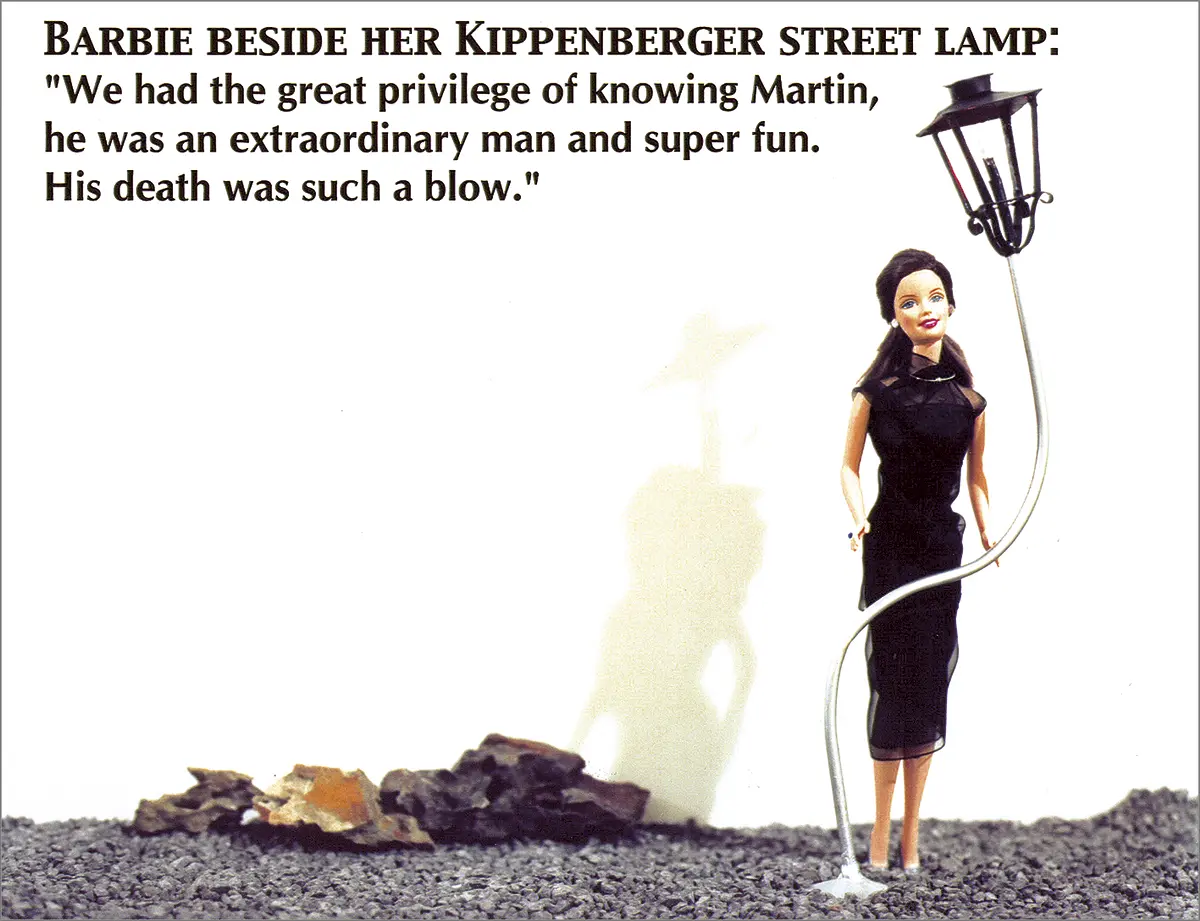
Humorous photographs by Cristina Lucas at Espacio Minimo, a Madrid-based gallery exhibiting in the container village, explored the high-powered world of art collecting. Using a Barbie doll—a collectible item in-and-of-itself—Lucas satirically portrayed the life of a wealthy collector photographed in her chic penthouse standing “between her simply marvelous Calder, and the Penone she picked up in Paris.” Another witty, yet somewhat more sobering look at 1990s excess was a video by Aernout Mik at Carlier Gebauer depicting expressions of misery and despair by brokers during a stock market collapse. Concave wall sculptures by Ricci Albenda at Andrew Kreps, collage paintings using hair salon supplies by Mark Bradford at Lombard Fried, and an amusing video by Brice Dellsperger at Air de Paris were also notable standouts.
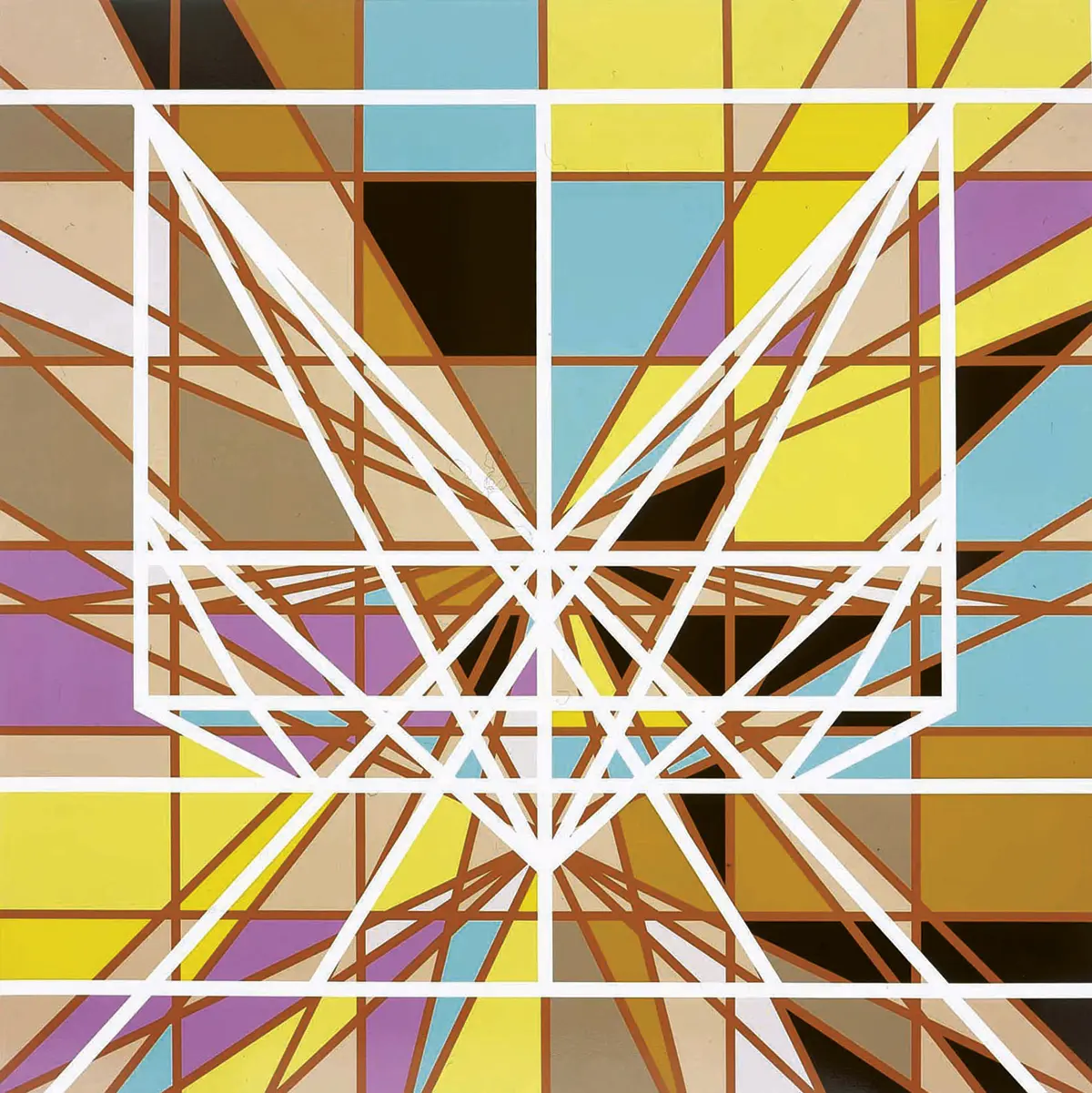
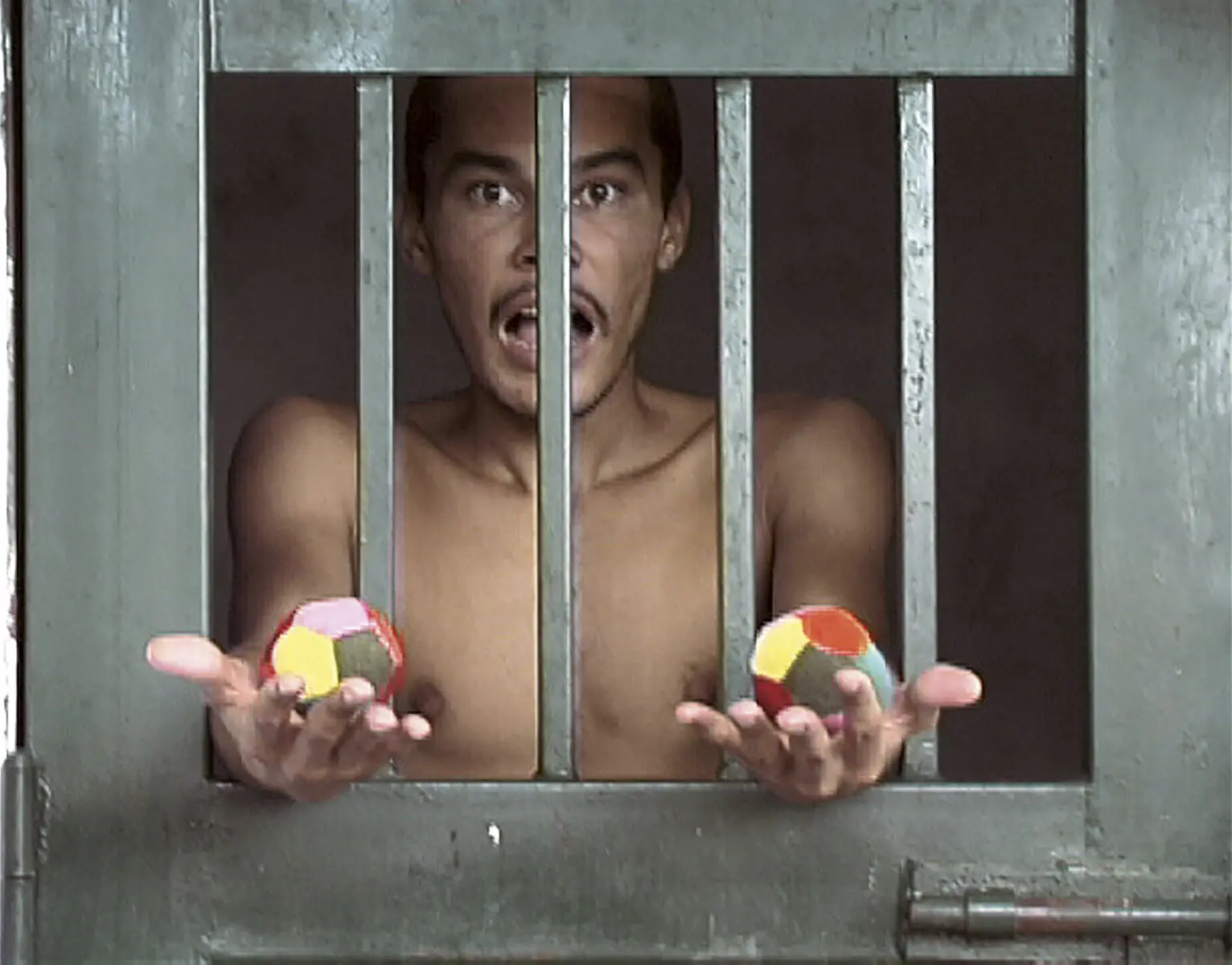
Another initiative sponsored by the Art Basel organizers was Art Statements a platform whereby 21 young artists were selected to present one-person shows in the main hall. Up-and-coming artists such as Javier Téllez, Alessandro Pessoli, and Mr. were among those selected for this visible venue. Javier Téllez’s installation looked provocatively at Venezuela’s Nirgua Psychiatric Hospital as a site of behavioral regulation. Working in collaboration with patients, Téllez supplied them with colorful cloth balls of various dimensions—the largest being about one-and-a-half meters in diameter—and filmed their physical interaction and free expression. His DVD explored both the therapeutic effects of play, as well as the darker side of confinement and social control.
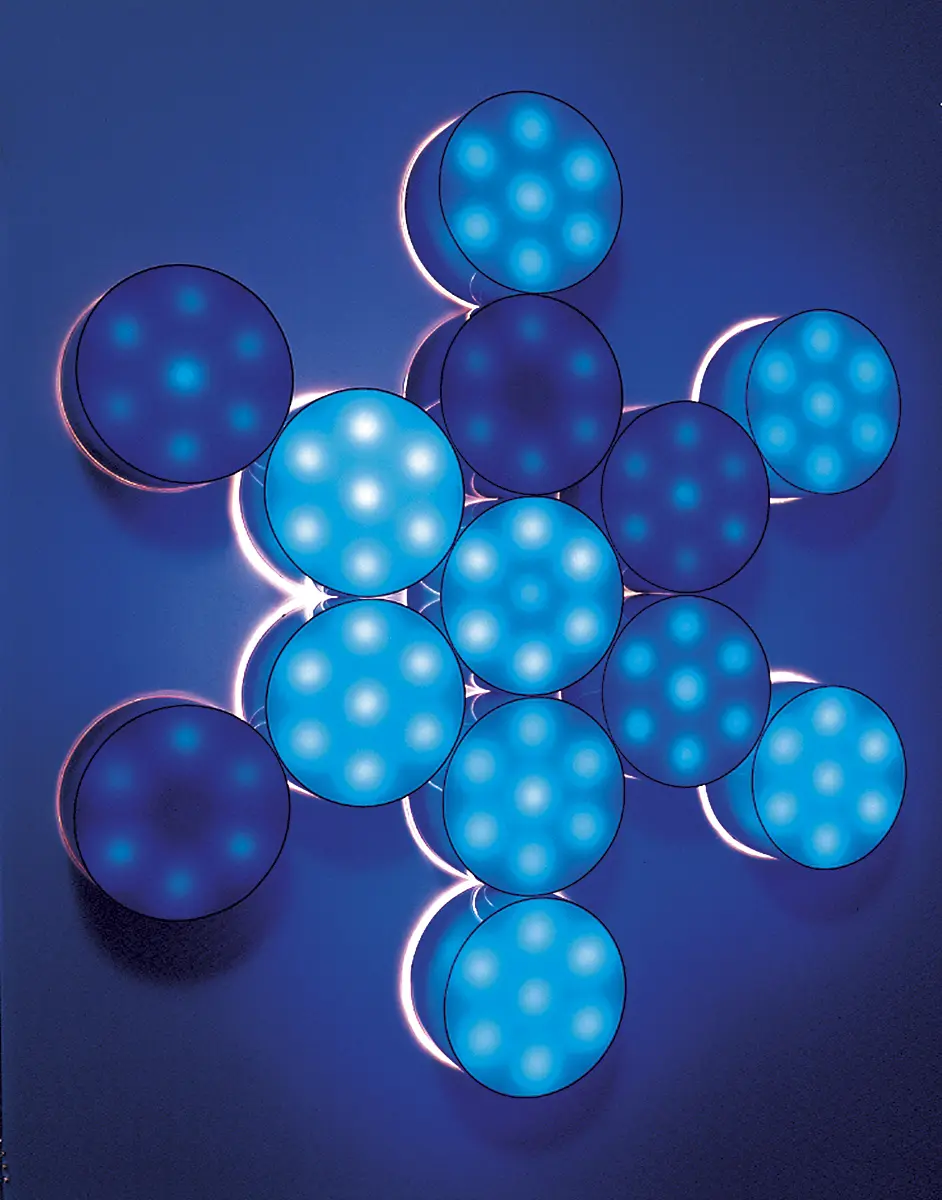
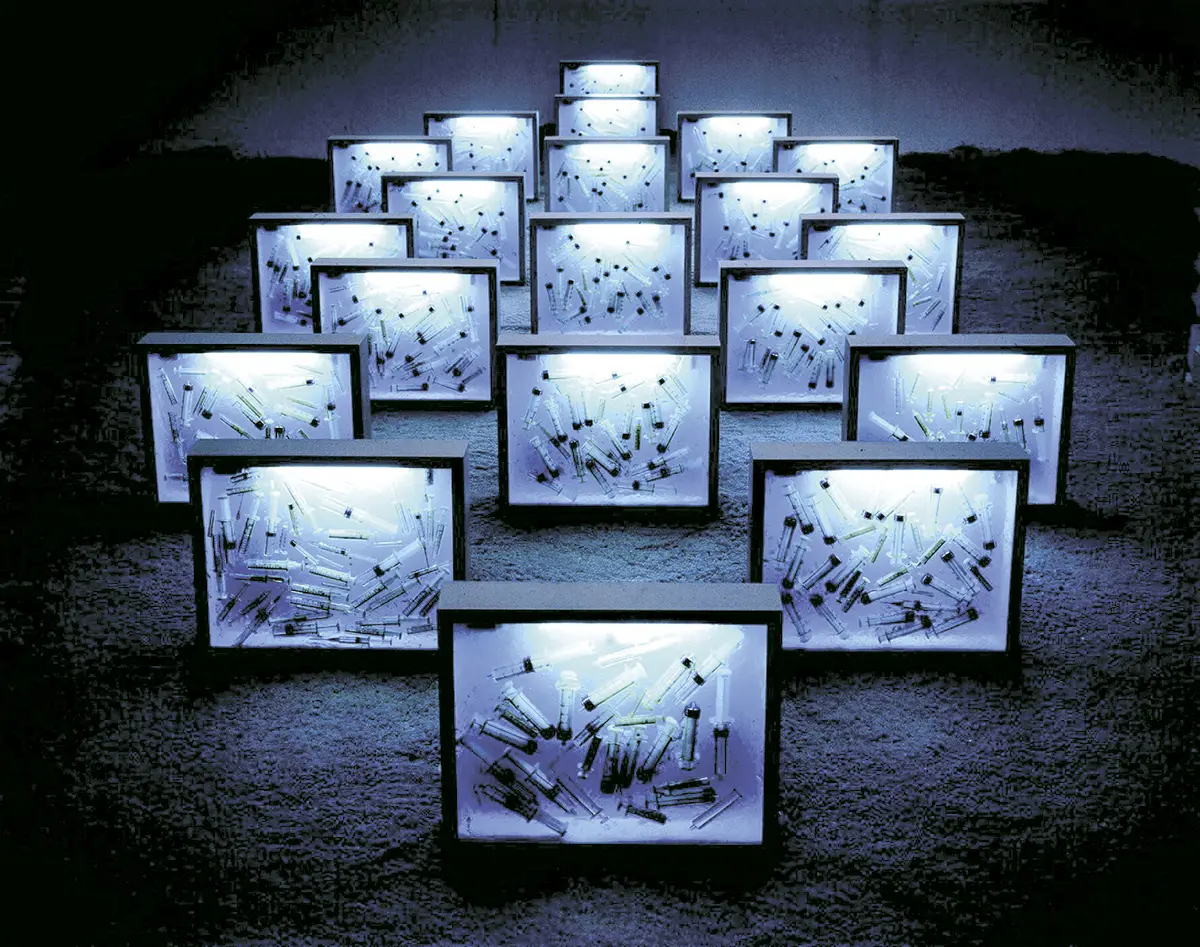
Miami-based galleries presented a mixture of local talent and internationally known names. Edgy and provocative photographs by local artist Naomi Fisher and barrio-girl imagery by Brooklyn-based Luis Gispert were on view at Frederic Snitzer Gallery. Gispert’s video, Block Watching, offered a highly entertaining look at a self-absorbed hip-hop cheerleader dancing for the camera to the sounds of a high-pitched and relentless car alarm. At Bernice Steinbaum Gallery Pepón Osorio exhibited a beautiful installation of portrait busts of young black men, a possible reference to slavery in the Caribbean and the ways in which its legacy still permeates contemporary society. Carlos Gallardo’s installation, On & Off, at Diana Lowenstein Gallery incorporated twenty box-like constructions filled with syringes suspended in clear resin. Lit from within, these boxes created an ominous blue hue that evoked thoughts of disease, biological weaponry, viruses, and the pharmaceutical industry.
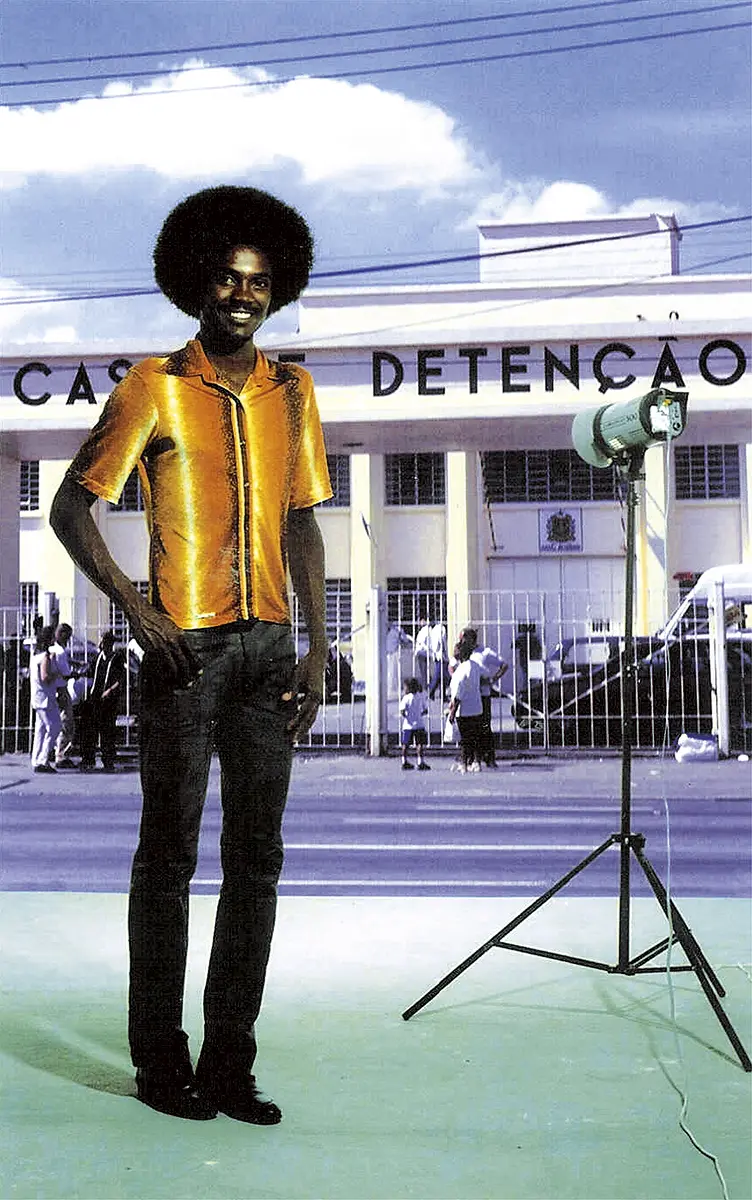
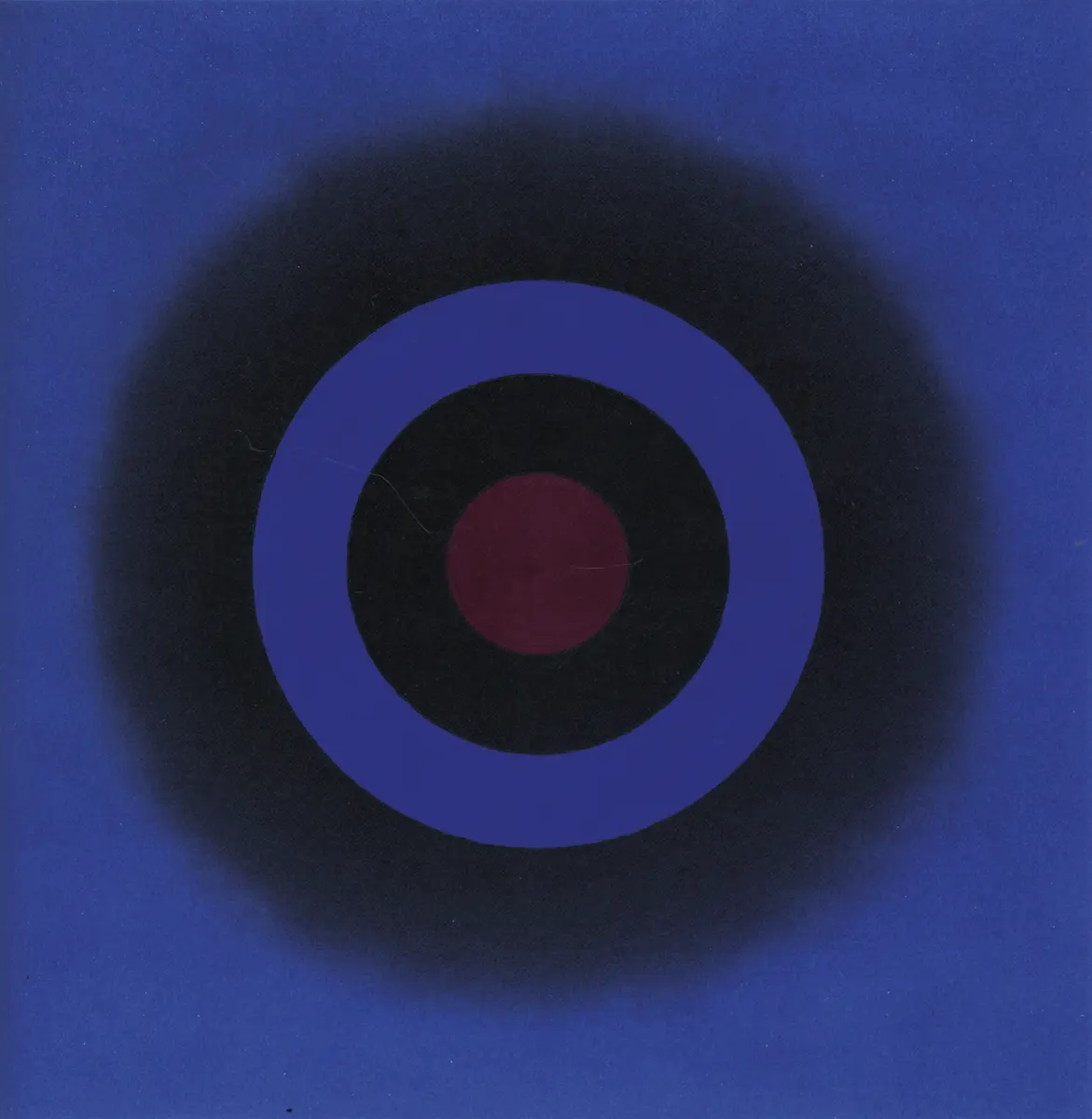
Incisive social commentary was presented in works by Caio Reisewitz at Galeria Brito Cimino and by José Antonio Hernández at Elba Benítez. Reisewitz’s photo montage, Carandiru, used the idea of the tourist snapshot and positioned a sightseer in front of the infamous Casa de Dentenção in São Paulo—the site of the 1992 massacre of 111 prisoners by armed security guards and local policemen. In his series, Reisewitz photographed atypical tourist destinations to provide a more complex image of urban life, while also pointing to the larger issue of abuse of power and authority, in Hernández clever photographs using athletic shoes—a popular symbol of identity particularly for teenage consumers—Hernández spells-out the names of important Western thinkers using trademarks and identifiable brand name labels. By constructing the name of Marx using the fetish of the gym shoe, Hernández satirically reveals how everything can be commodified and culturally digested including ideas, personalities, and identities.
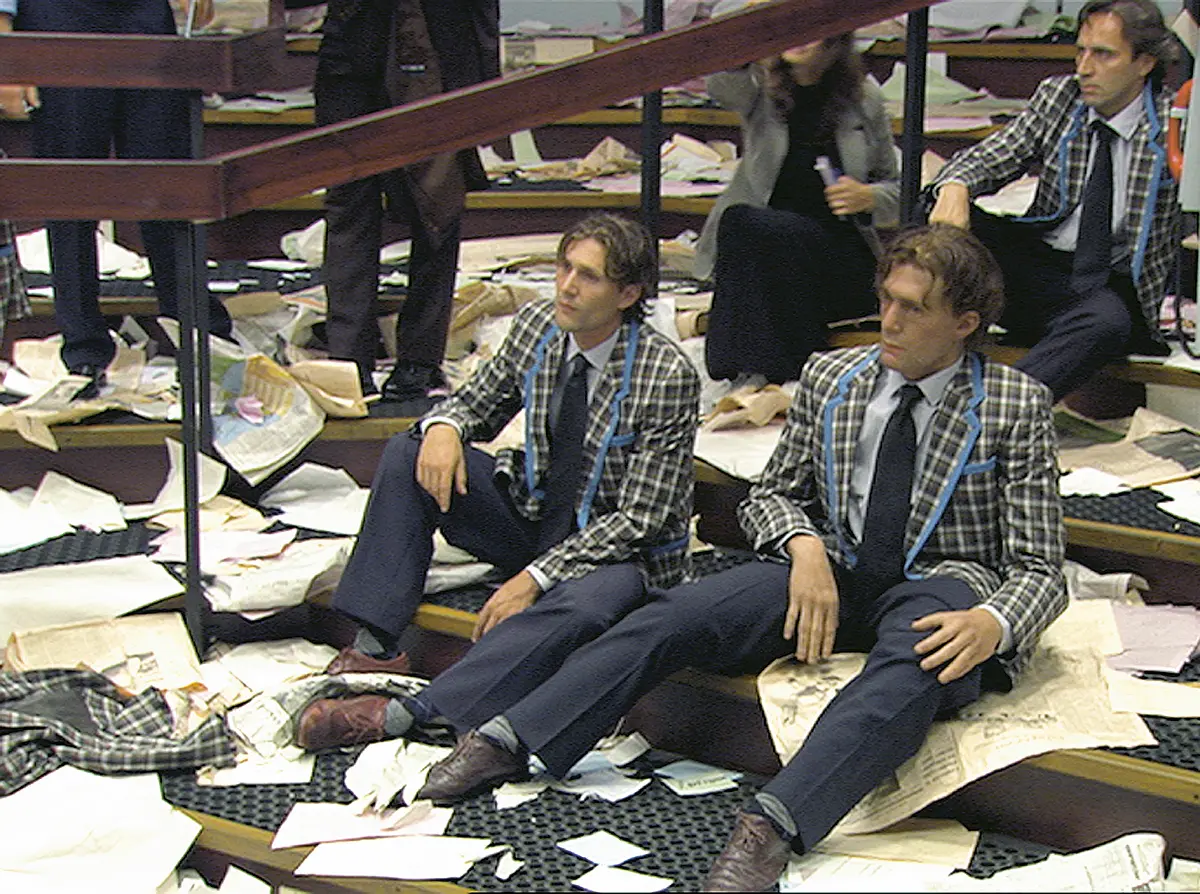
A related theme runs through the latest work by Gustavo Artigas at Iturralde Gallery. In his performance and video piece, Duplex, Artigas looks at the loss of personal identity through systems of classification. By “cloning” himself using look-alike models, Artigas makes an ironic allusion to the debate between the original and the copy—in this case, the artist himself has the aura of authenticity—while also obliquely addressing in his speech the common tendency of classifying artists according to nationality. Also at Iturralde Gallery were compelling photographs by Óscar Muñoz from his Narciso series. Taking Colombian newspaper obituaries as his model, Muñoz rendered self-portraits using carbon powder suspended in a sink filled with water. His photographs capture the disintegration of his image as his portrait is gradually washed down the drain—an action that poetically suggests the fragility and vulnerability of human life under volatile conditions.
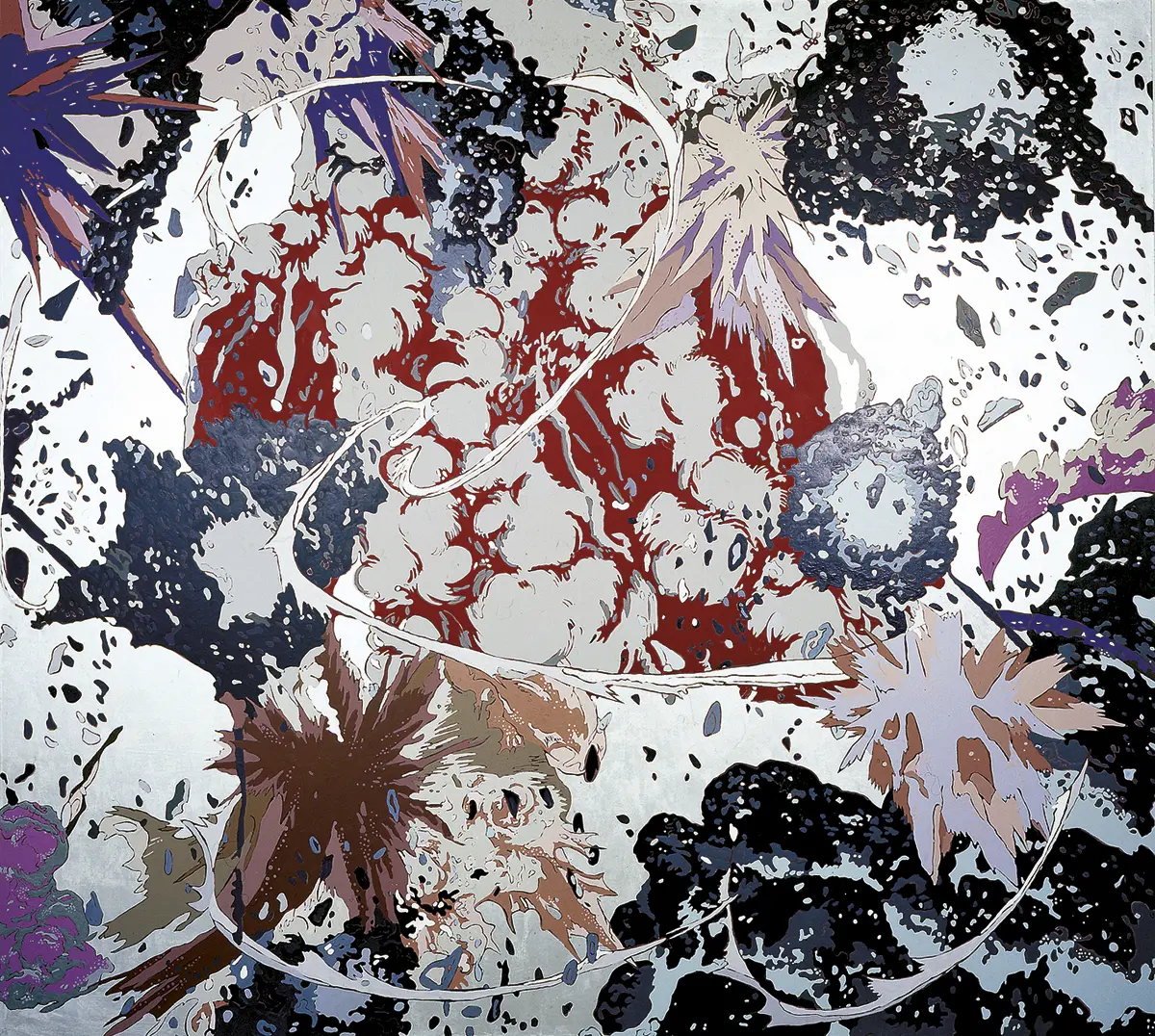
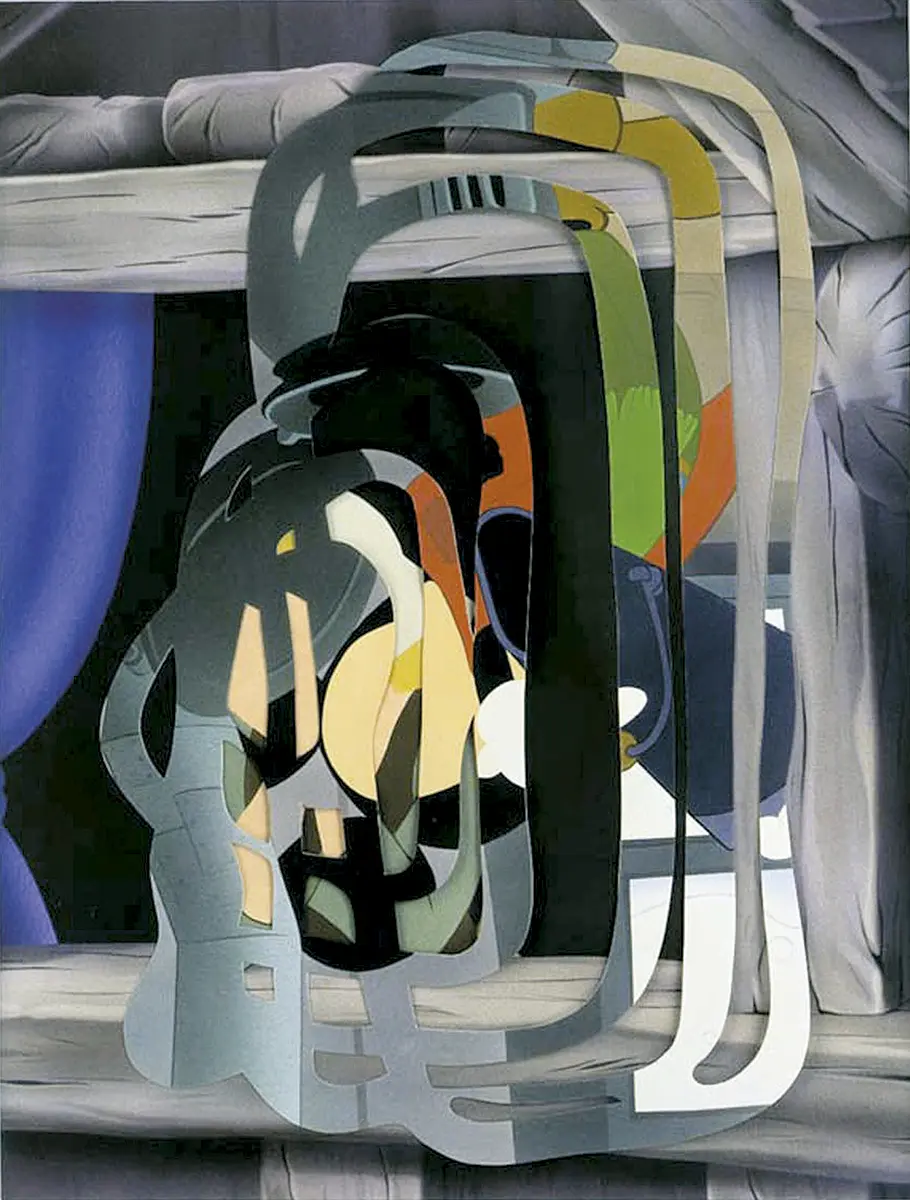
Although a large percentage of contemporary art at the fair was devoted to photography, video, and installation art, works on paper and painting made an exceptionally strong showing and are making a comeback. Beautiful and enigmatic collages by Arturo Herrera at Brent Sikkema combined colorful abstract forms with architectural elements taken from Disney animation. Fragmented childhood referents, sensual contours, and shifting perspectives suggest the more complicated regions of childhood where behaviors and desires are initially formed. The idea of layering, both formally through collage and metaphorically through fragmented memories and subconscious musings, is central to the work of Herrera who creates Alice in Wonderland worlds filled with obscure psychoanalytic meaning. Also impressive were oil and acrylic paintings by Fernanda Brunet at Galería OMR whose imagery is reminiscent of the quirky and organic paintings of Inka Essenhigh. Influenced by Japanese comics and Ukiyo-e prints, Brunet gives her paintings comic book action titles such as Plazzh, Fump!, Kapoow! and Shoo! adding to the playful spirit of the work. Abstract technically-oriented paintings by Pablo Siquier at Galería Ruth Benzacar, striking new works by Beatriz Milhazes, and small, playful drawings presented in acrylic boxes by Mauro Piva at Fortes Vilaça are also worthy of mention.
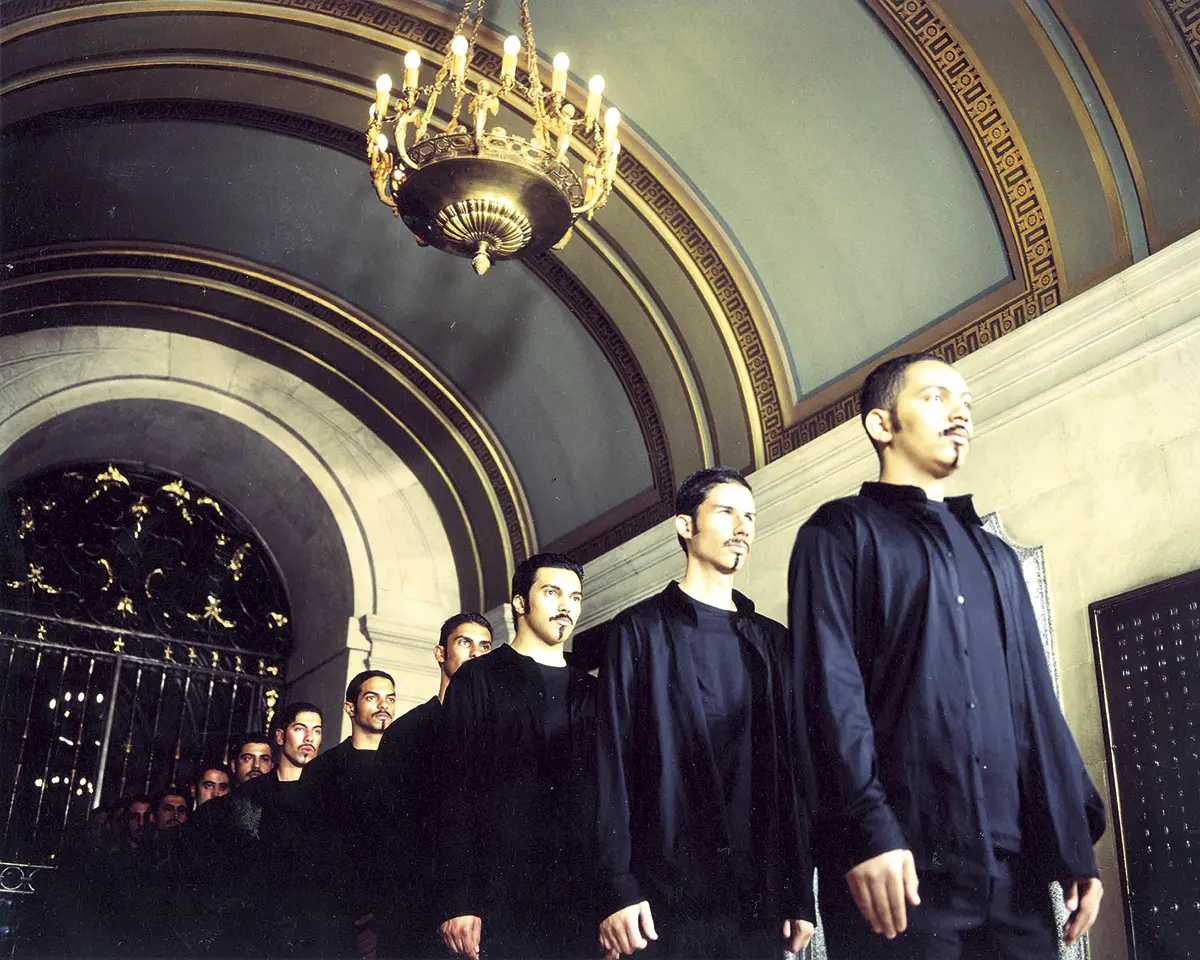
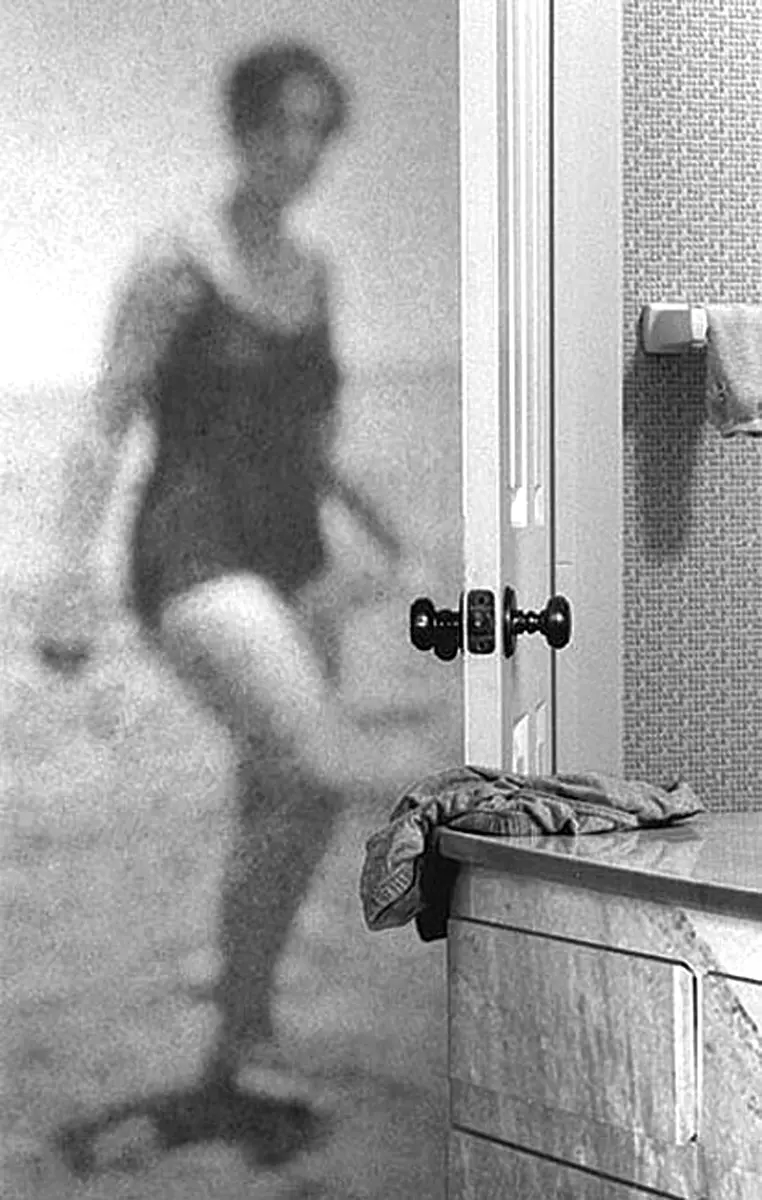
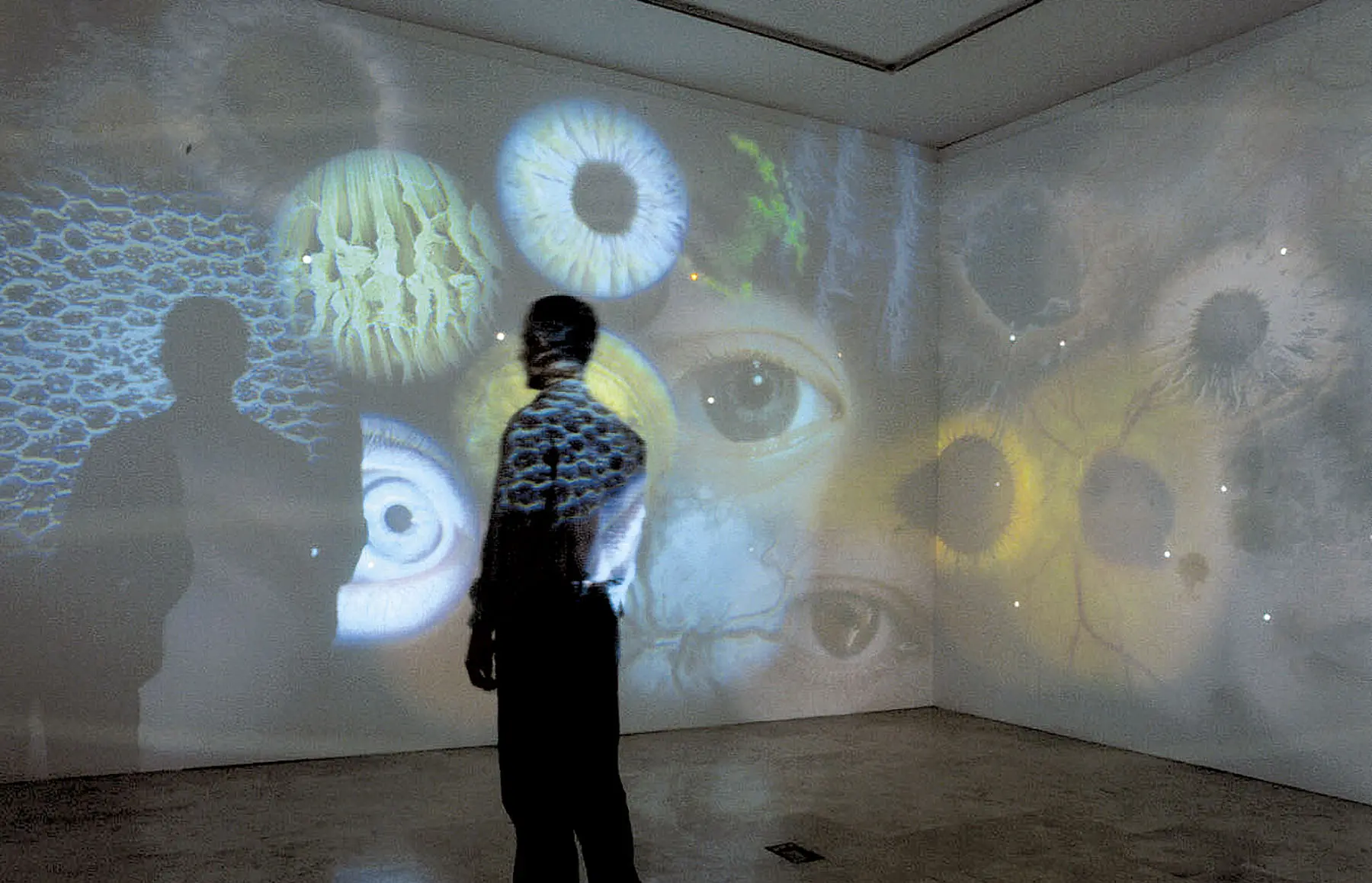
A few galleries created theme-oriented group exhibitions—at Galería Helga de Alvear the subject was Elements of Nature while at Nina Menocal the booth was dedicated to water imagery. A wide spectrum of artwork was shown at De Alvear including a fiber optic installation by Daniel Canogar, large-scale photographs by Thomas Ruff, and elegant paintings by Prudencio Irazabal. At Galería Nina Menocal, artist Eduardo Muñoz presented Untitled from his Low Tide series—an image of his mother taken years ago on the Malecon which he projected through the open door of his bathroom. By creating a portal to the past, Muñoz generated spatial and temporal layers that are as much nostalgic as eerie due to their Borges-like reference to time travel.
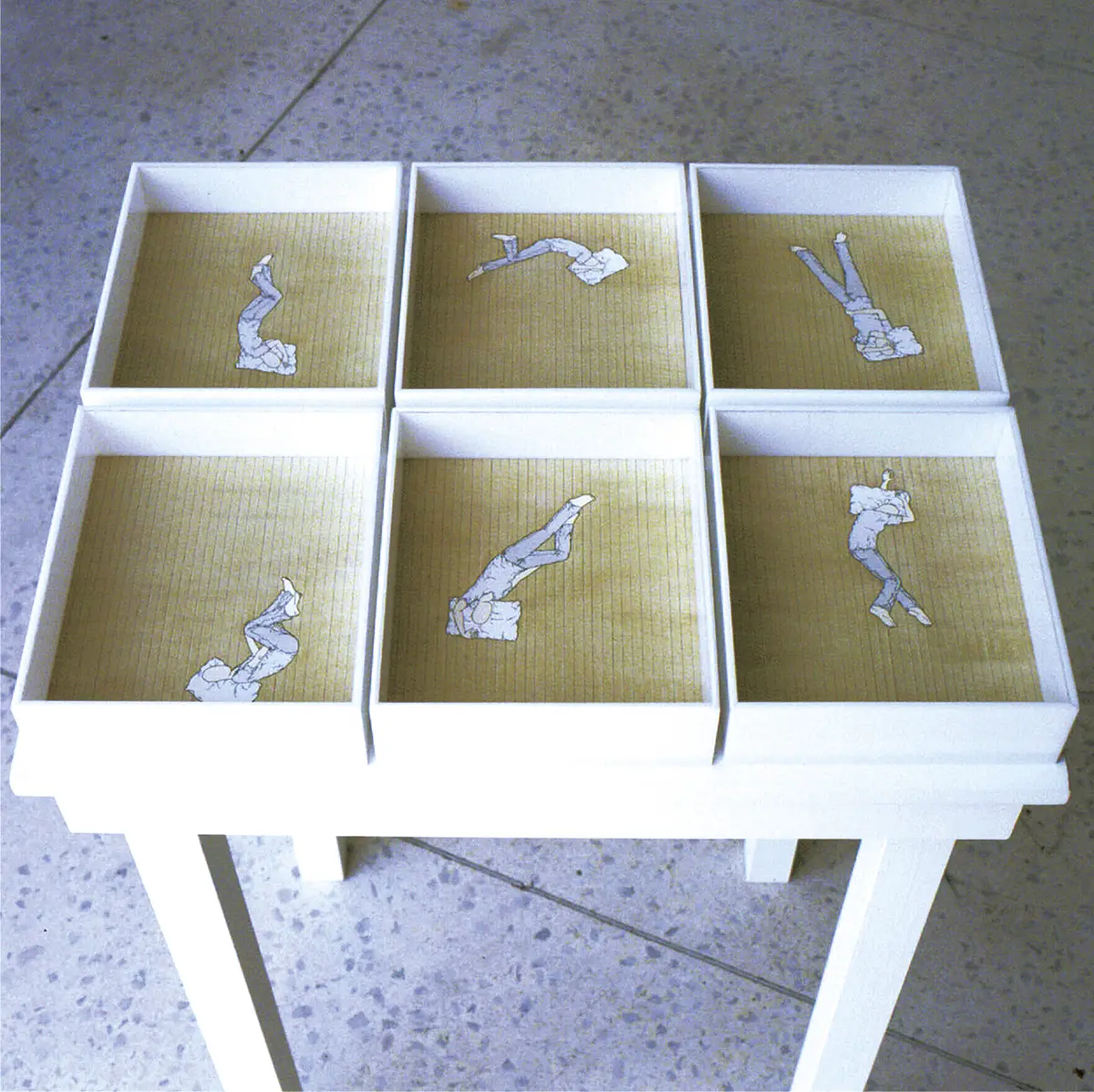
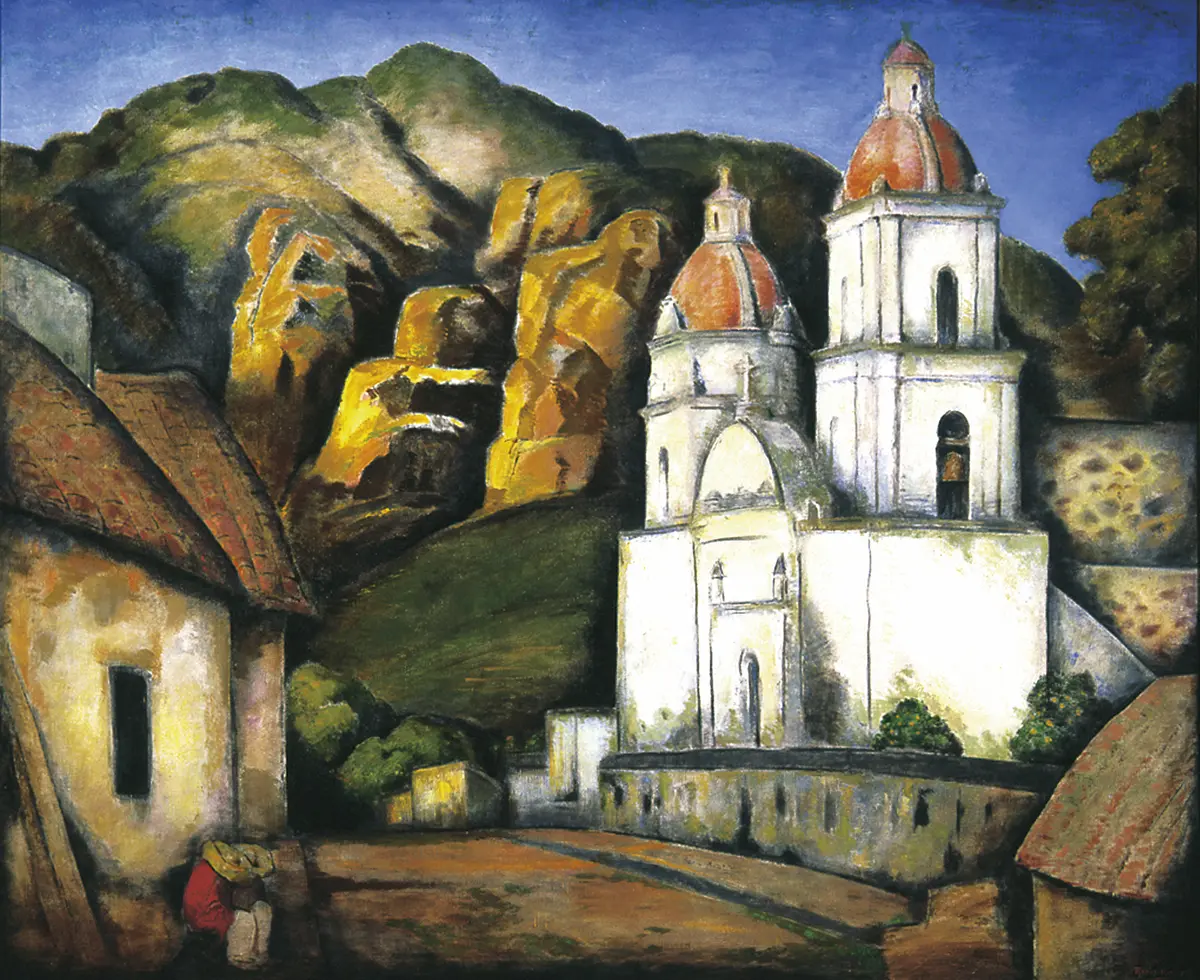
While the fair focused largely on contemporary work, there was plenty of high-quality Modernist art to be found. Outstanding examples of paintings by Léger and von Jawlensky were on view at Landau Fine Art while equally imposing works by Lhotte, Duf,y, and Ramos Martínez were exhibited at Louis Stern Fine Arts. Modern assemblage and constructive works were well-represented with exceptional pieces by Antoni Tàpies and Jesús Rafael Soto shown at Mary Anne Martin Fine Art. Also on view were elegant boxed constructions by Víctor Grippo at Ruth Benzacar, and a treasure trove of works by Duchamp, Man Ray, and Picabia at the Marion Meyer Gallery.
The Bernard Jacobson Gallery of London showcased the works of American artists such as Robert Rauschenberg, Kenneth Nolan,d and Frank Stella.
Two guerilla art fairs—Scope Miami at the Townhouse Hotel, and Contemporanea at the Coconut Grove Convention Center—took advantage of the art world’s focus on the city. The Scope fair, located equidistant from the exhibition hall and the shipping containers was perfectly situated, and the two fairs had a clear geographic advantage. Exhibitor Javier Peres of Peres Projects happily reported strong sales and vowed to return the following year. Although not directly linked to the main fair, these shows added value generating interest in alternative art scenes by promoting up-and-coming artists at affordable prices as in the case of the Scope art fair, and at Contemporanea highlighting Latin American art in a thoughtful show curated by Agustín Arteaga.
All in all, Art Basel Miami Beach was an undeniable success with substantial sales, local and international support, and real geographic desirability. According to Art Basel’s Director, Samuel Keller, Miami Beach was selected “because it is the perfect meeting place to bring together the art scenes of North and Latin America with Europe.” This decision, it would seem, was entirely correct offering an ideal destination for cross-cultural exchange and an opportunity to include Latin American collectors, gallerists, and artists in an important and substantial way. New positive energy flowing toward Miami has even led the Whitney Museum of American Art to consider opening a branch in the Miami Design District. With all eyes now focused on Miami it remains to be seen how the latest international fair will alter the current landscape, but one thing is clear Miami has come up with a winner.
CHARMAINE PICARD
Art critic and candidate for the Ph.D in Art History at the University of Chicago.