
Spinning away from the nationalistic emphases inherent in early modern Mexican art, Axis Mexico profiles the work of eighteen artists from Mexico City who explore the nexus between local and global cultural identities. While it could be argued that such syncretism appeared avant la lettre during the colonial period, these new works, which have their foundation in 1980s Mexican vanguard art developments, successfully deconstruct everything from colonial-inspired nostalgia to pop cultural fantasies. Generally infused with a social consciousness that remains one of its most prevailing characteristics, their art mingles Mexican, European, and North American idioms, yielding sophisticated images edged with global consciousness.
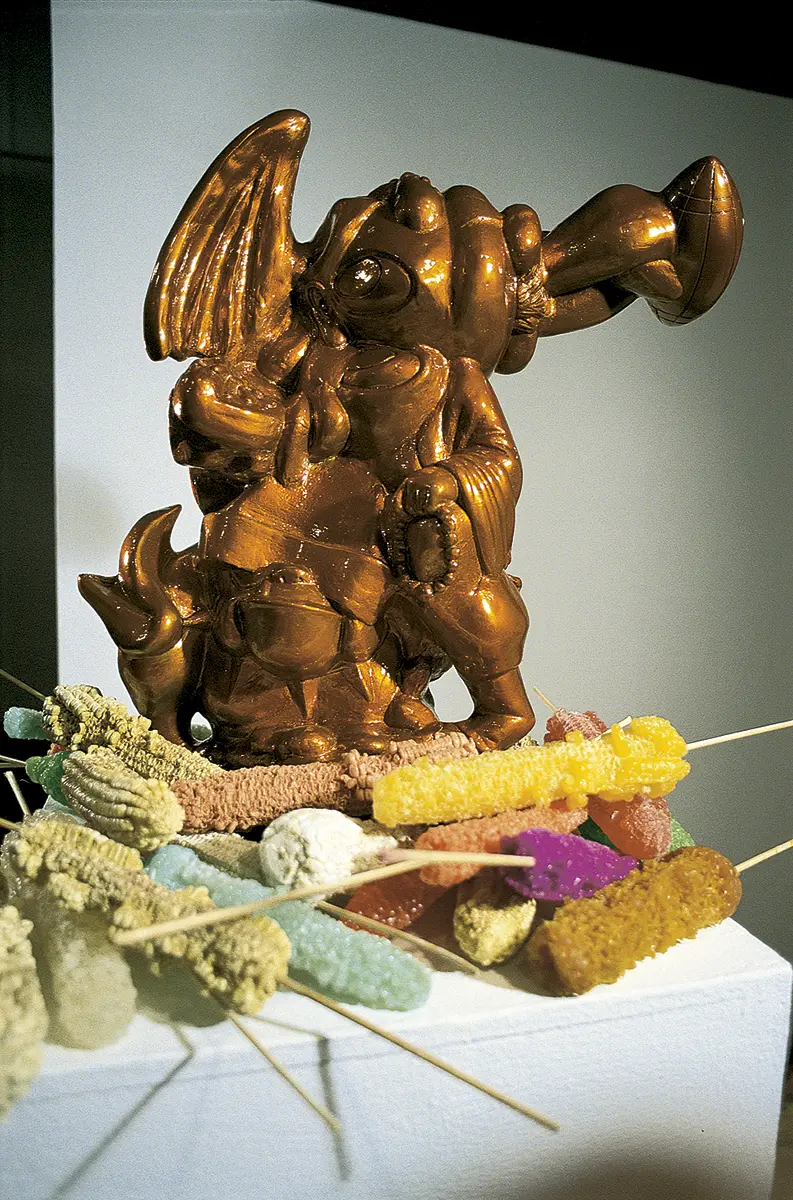
The opening room features El Bodhisattva, a video created by the artistic collaborative called Calimochco Styles that is comprised of Eduardo Abaroa and Rubén Ortiz Torres. These “ordinary folks from the two Californias,” as their name implies, suggest that media culture is transforming traditional identity concepts. If this looped video can be said to have a beginning, then it begins with an idealized seated bodhisattva figure. But as soon as the figure emerges it begins to dissolve, transforming sequentially into other idealized beings, many familiar from Hollywood television shows. Within seconds, the bodhisattva morphs into the Incredible Hulk and then into cartoon figures, such as Bart Simpson and Tweety Bird. Conceptually based on the cheap statuette souvenirs sold to tourists along the Mexico–U.S. border, the video studies the international fascination with idealized identities. It wryly replaces the older concept of fixed cultural distinctions with the image of an ever-changing trans-cultural being, suggesting that Baudrillard’s hyper-reality media world connects us all.
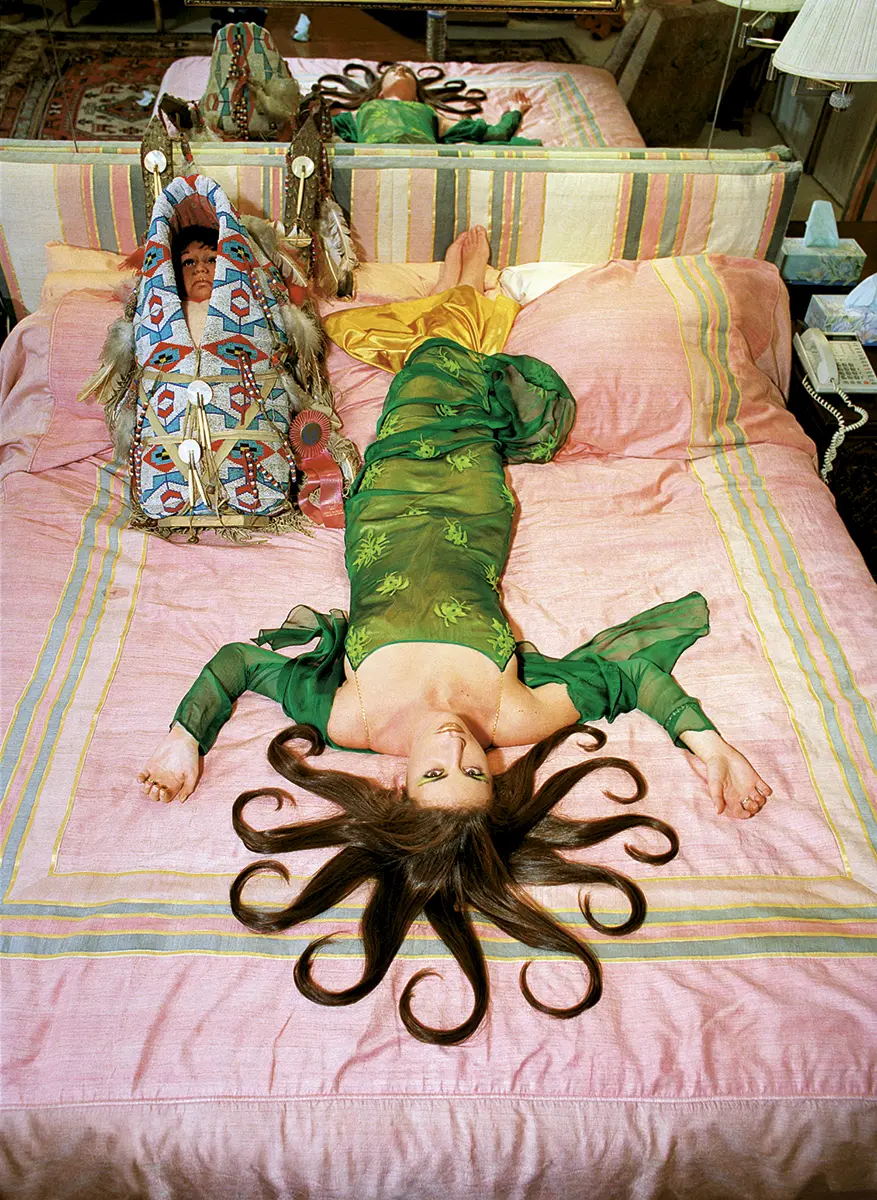
Focusing on the relationship between material possessions and individuality, Daniela Rossell’s photos of the Rich and Famous study identity from a different angle. Rossell, a member of the Mexican upper class, asked her friends to pose for her in their homes. The results reveal the ostentatious lifestyles of some of Mexico’s wealthiest families, and at the same time allude to the complex affinities between media advertisement, consumer consumption, and media-cultivated nostalgia for past aristocratic eras. She focuses her lens on her female counterparts for the most part and captures fantasies of the wealthy that range from rooms built to resemble those of King Louis XIV of France, to designer evening clothes that look pretentious in the ordinary daylight that illuminates the majority of images.
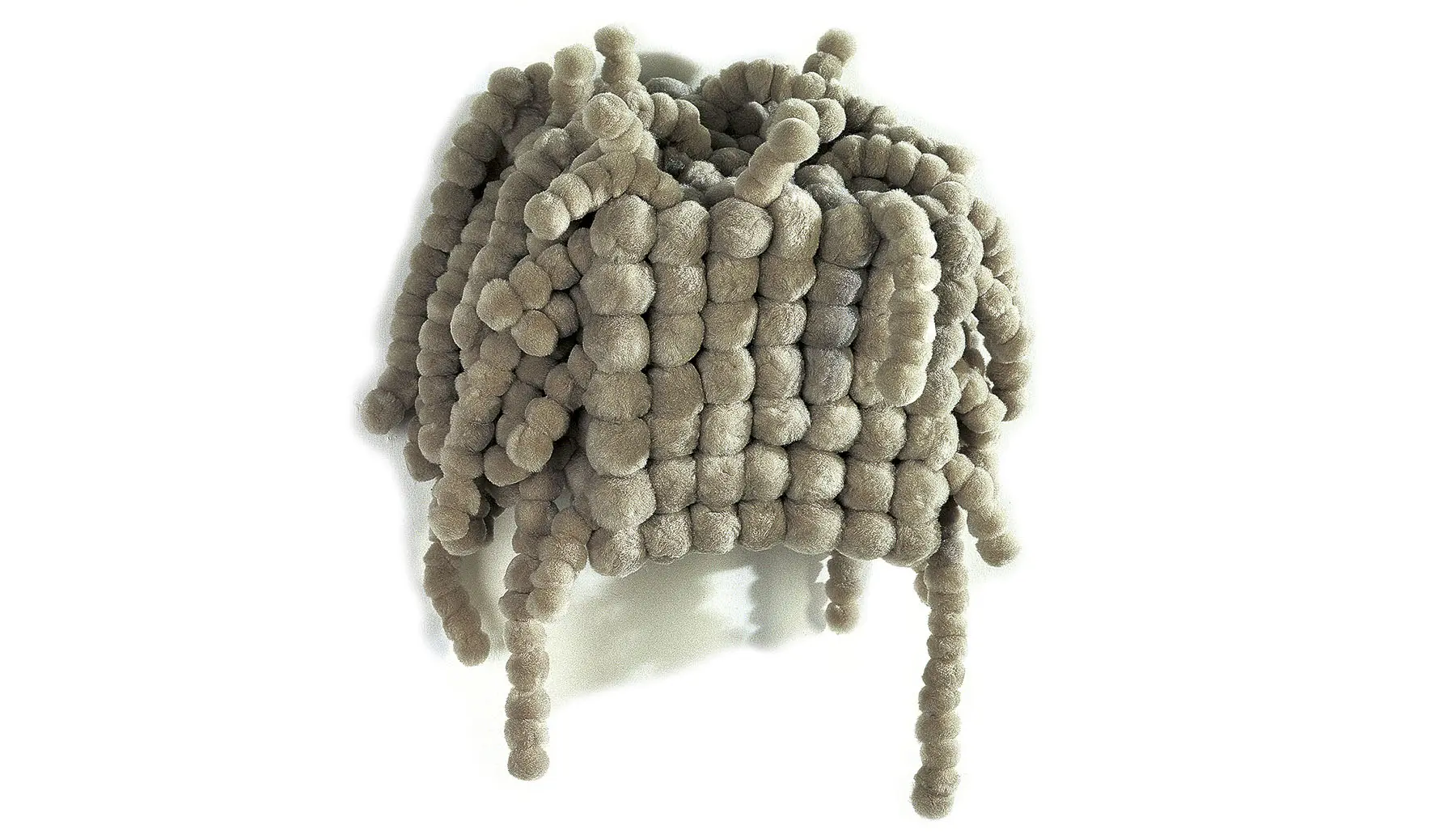
By contrast, the works of Carlos Arias, while elegant and refined, are filled with allusions to the struggling economic classes who earn their living through cottage industry jobs. Creating monochromatic, off-white images through repetitive construction processes, his works function at the threshold of perception, casting an array of social and artistic allusions. On one hand, they reference the virtual invisibility of the economically exploited, while simultaneously whispering of the visibility challenges facing contemporary Mexican artists who seek to establish global recognition. Mingling high and low cultural aesthetics, the Thread Wall (Muro de hilo) combines allusions to traditionally female manual crafts such as knitting, weaving, and sewing, with references to the Abstract Expressionist paintings of Jackson Pollock and the Arte Povera canvases of Piero Manzoni. Arias’s art draws from eclectic sources to construct what Homi Bhabha has called the “third space.”
These artists and their exhibition colleagues, Francis Alÿs, Gustavo Artigas, Iñaki Bonillas and Santiago Merino, Mariana Botey, Fernanda Brunet, Mónica Castillo, Claudia Fernández, Silvia Gruner, Gonzalo Lebrija, Marcela y Gina, Domingo Nuno, Jaime Ruiz Otis, and Santiago Sierra mingle the images of worlds once thought separate and distinct as they evolve new aesthetic concepts that locate identity between extant territories. Treading across demarcations of cultural distinction, they create works infused with metropolitan irony and radically reconstruct former ideas of art, culture, and identity.
COLLETTE CHATTOPADHYAY