
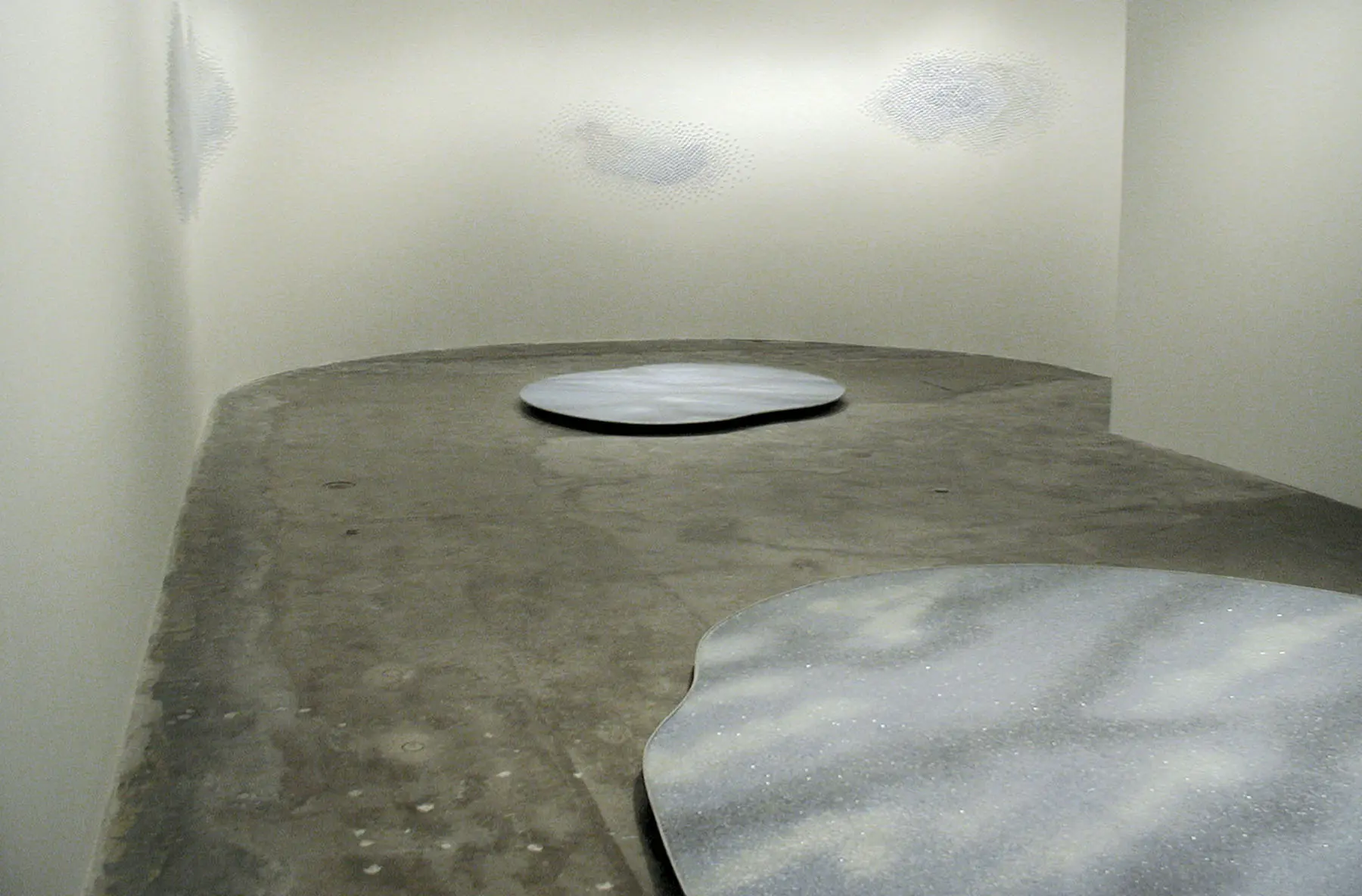
Art Basel made its American debut in Miami Beach in December and the entire South Florida art and cultural community welcomed it with numerous exhibitions, events, parties and more. The cities of Miami and Miami Beach were transformed by an exhausting whirl of openings and receptions for artists from the area and from around the world that extended from museums to galleries to alternative spaces to the streets and highway overpasses, from the local beaches to as far away as Palm Beach. The tone was set with luminary exhibitions: the Museum of Contemporary Art— MoCA—in North Miami featured “Yes: Yoko Ono;” the Rubell Family Collection of contemporary work and the Martin Z. Margulies Collection were shown at the Warehouse and included photography, video, sculpture and installations; the Miami Art Museum—MAM—presented Miami Currents Collection and the “New Work: Teresita Fernandez” exhibitions. The Bass Museum in Miami Beach celebrated Yayoi Kusama in its newly reopened building; the Wolfsonian–FIU Museum, Miami Beach, opened “From Emperors to Hoi Polloi: Portraits of an Era,” and the Art Museum at FIU opened another exhibition of the Martin Z. Margulies Collection with a lecture by Neal Benezra, Director of the San Francisco Museum of Modern Art. Public and private parallel events, too numerous to describe in detail, enriched the main attraction of Art Basel, with its own selection of prestigious galleries, programs, and panel discussions that attracted an estimated 30,000 visitors. Art Basel organized or inspired many of the satellite events, especially in the immediate vicinity of the Miami Beach Convention Center, that included an Art Video lounge at the Library and a unique “Container Village” built with the artworks’ shipping containers on the beach itself. The containers were transformed into twenty galleries carefully selected for the young international artists they represent. “Art Projects,” curated by James Rondeau, placed artwork in the streets to create a new urban landscape that enabled visitors and artists to interact with the familiar, often surprised, inhabitants of the area.
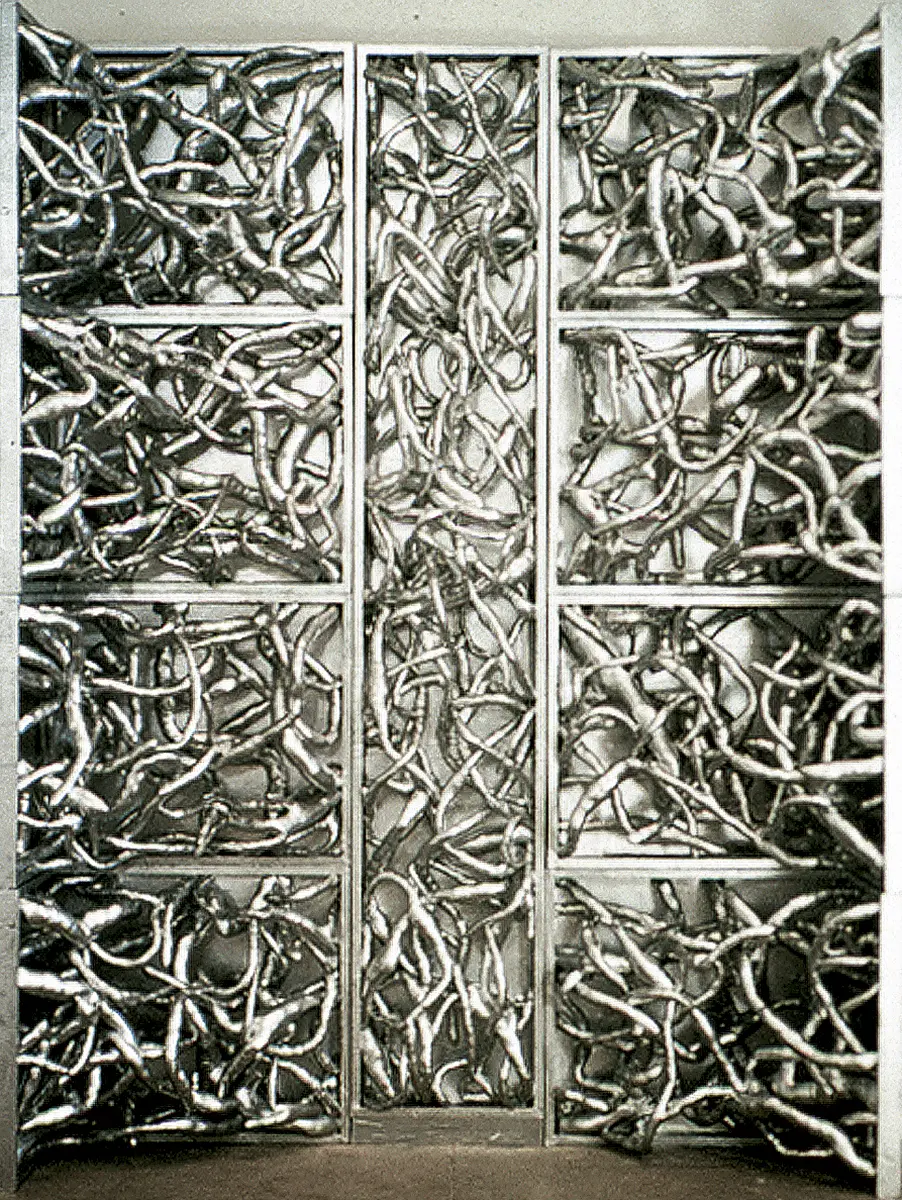
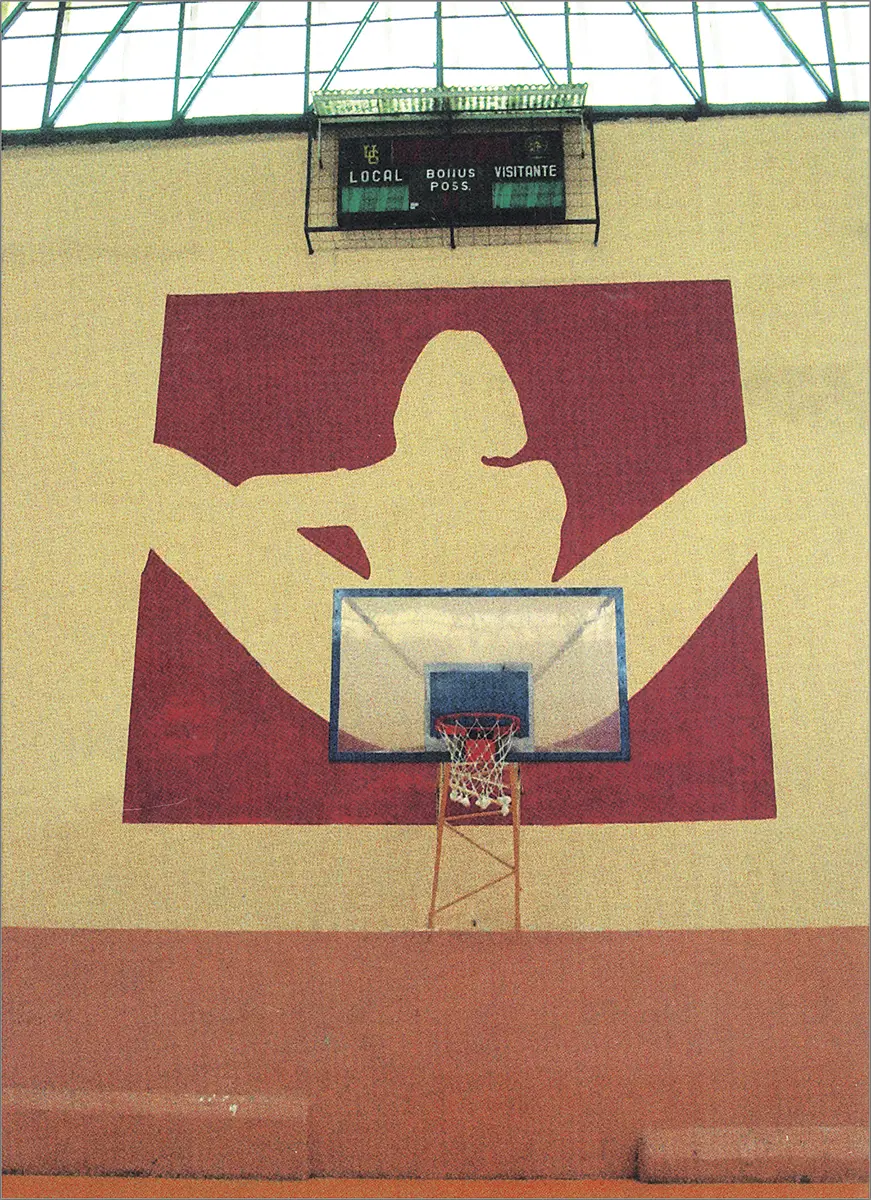
The Miami Design District was the location for some of the most exciting exhibitions and performances. In addition to the shows features in the traditional galleries of the district, including Bernice Steinbaum, Sylvia Facchini, Casas Riegner, and Daniel Azoulay, commercial dealers and other arts supporters worked with emerging artists to reclaim buildings in the more neglected parts of the surrounding area and organize their own ventures into art exhibitions. The events that filled the surrounding buildings and streets in the center of the district were spearheaded by the major developer, Dacra, and centered around one of the most interesting exhibitions in the Moore Building, a former furniture showroom that still houses some furniture and design businesses. Entitled “Interplay,” the exhibition was co-curated by Patric Charpenel and Silvia Karman Cubiñá, and featured works by more than twenty-five emerging and established artists from Mexico, the United States, and the Caribbean. Among the represented artists were Francis Alÿs, Daniela Rossell, Jose Dávila, Fernando Palomar and Quisqueya Henríquez.
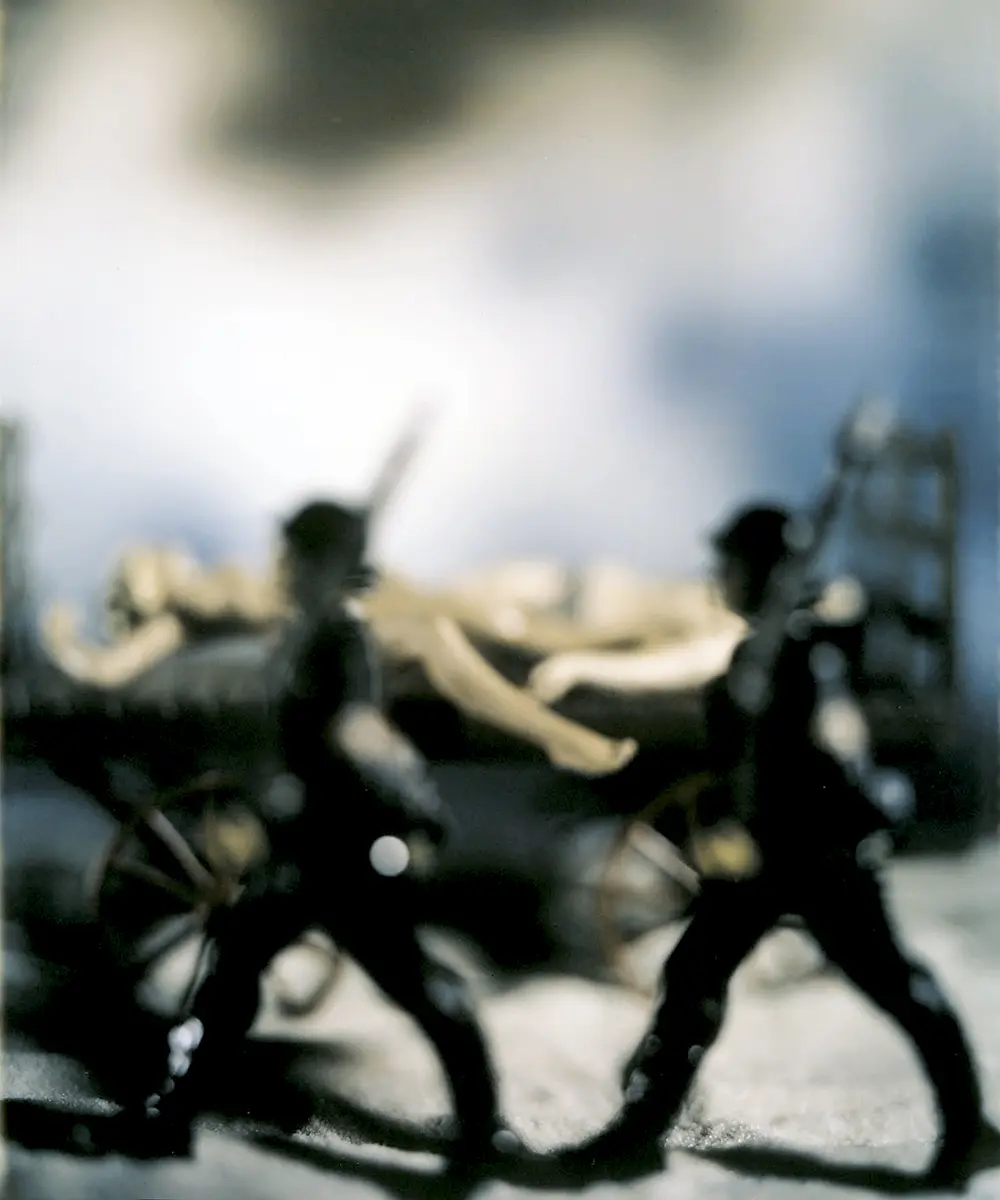
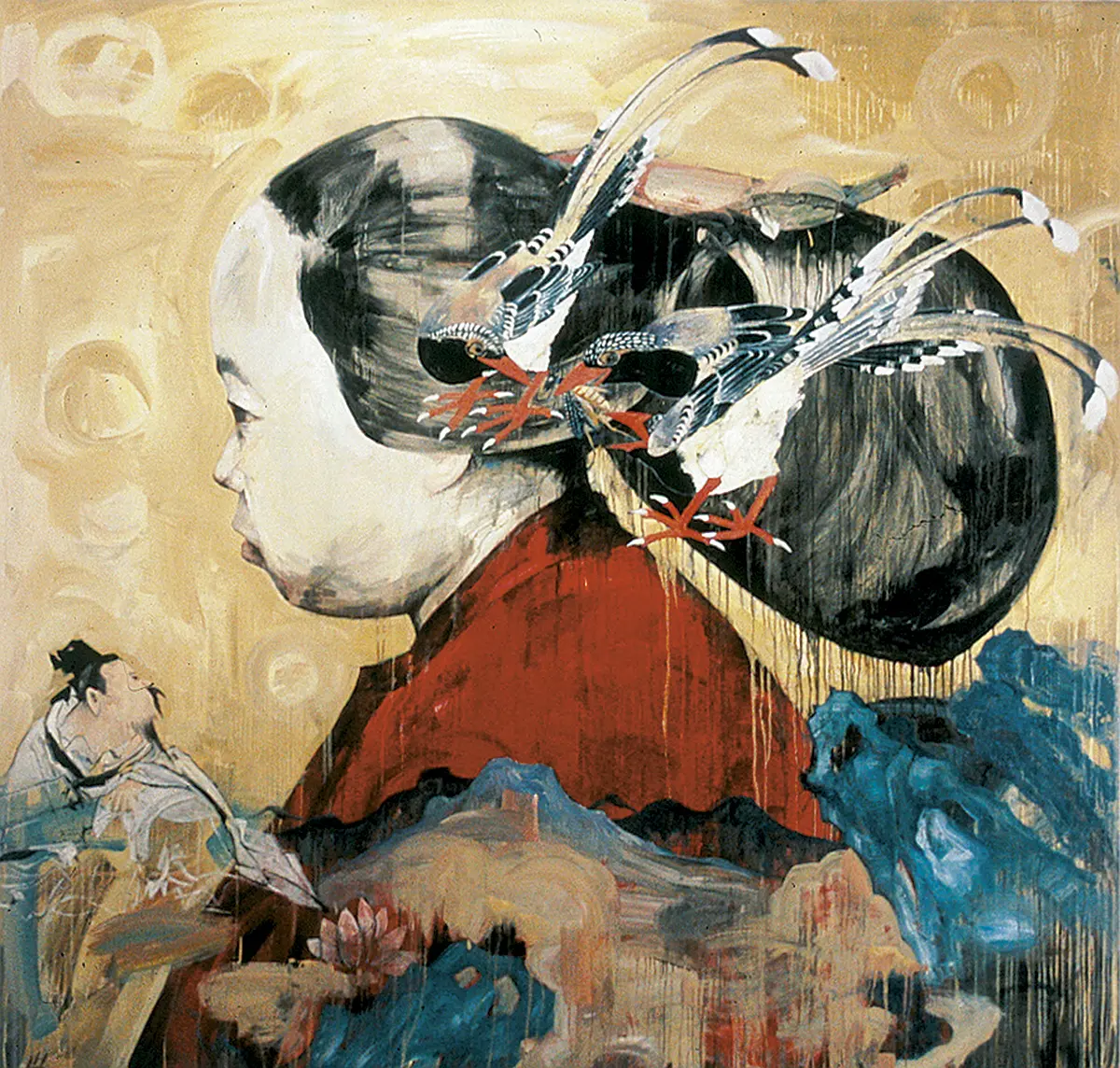
At Daniel Azoulay, the photographs of renowned artist David Levinthal told “toy stories” ranging from Barbie’s exploits from child star to porn star, to a pretend documentary of the Nazi invasion of Russia staged with toy guns and tanks. Jacob Karpio, owner of the highly respected gallery in Costa Rica, organized the group exhibition, “Suspended Animation” at Sylvana Facchini. Inspired by the Argentinean poet Arturo Carrera, who used conceptualization as the basis for his words, twenty-nine artists from Latin America and the Caribbean explored the concepts of space and time through suspended images. Bernice Steinbaum featured the extraordinary, autobiographical paintings of Chinese-American artist Hung Liu, whose huge works combine figuration with a personal lexicon of symbols and narrative elements that have universal value.
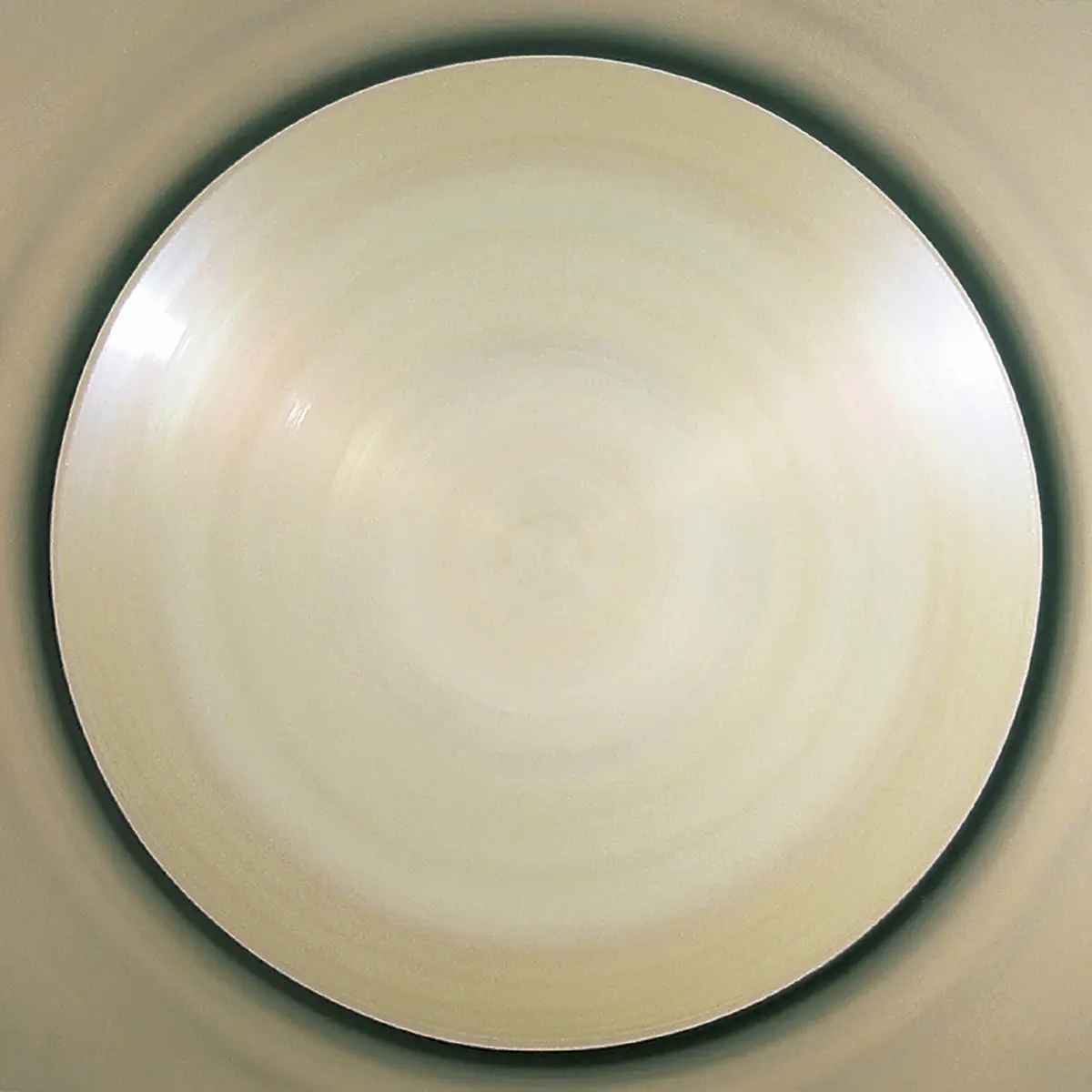
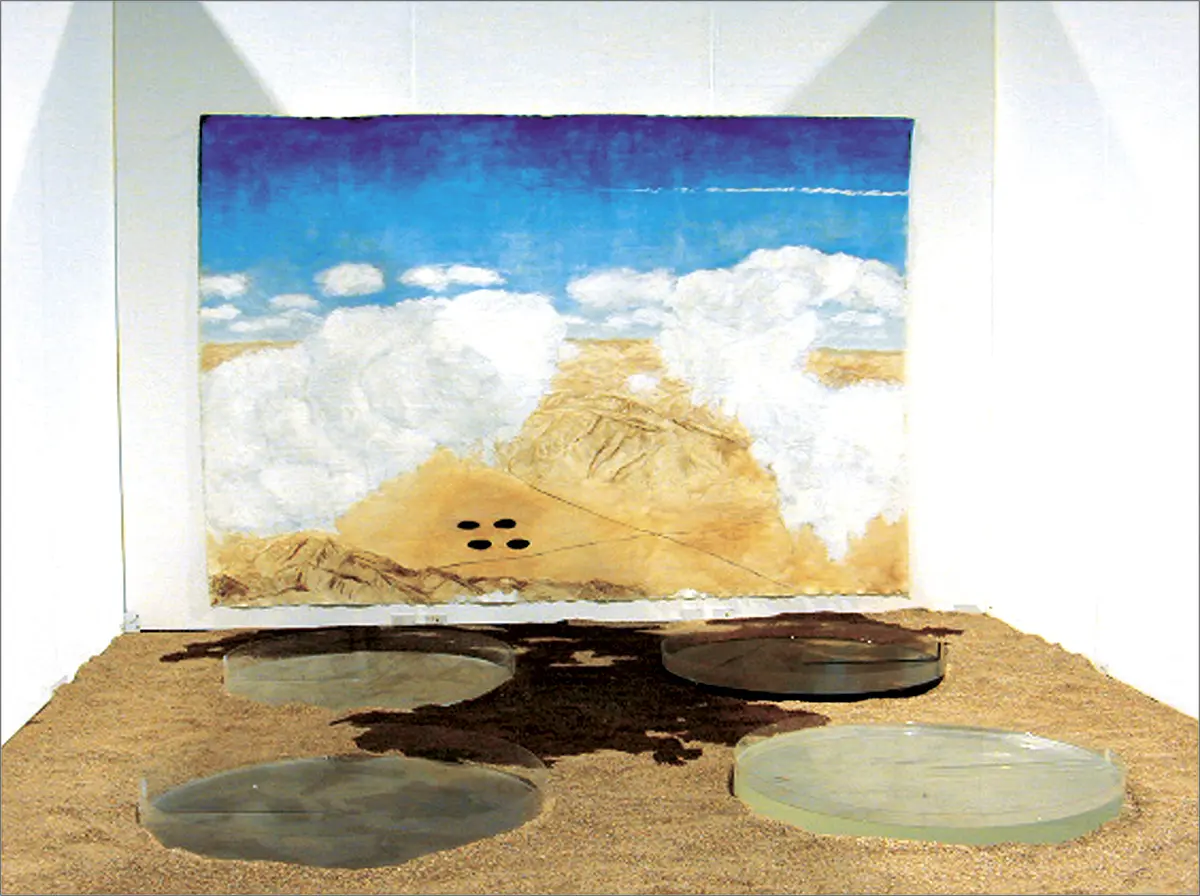
One of the original proponents of activities for local artists, especially those not affiliated with galleries, Bernice Steinbaum Gallery organized the Miami Art Exchange in preparation for the 2001 Art Basel. A visionary who understood the impact the Fair would have on Miami long before others jumped on board, Steinbaum encouraged the local community to join together and arranged for the Living Room Building to mount a juried exhibition of paintings, sculpture, videos, and installations. Blane de St. Croix’s installation Gathering Secrets was one of the most disturbing and provocative in the exhibition, which also included Cibachrome photographs by Eduardo del Valle and Mirta Gomez that commented on the Florida ballot fiasco; Edouard Duval Carrié’s huge loa standing guard at the entrance; the paintings of Yolanda Sanchez; and Bill Burke’s fascinating fossils and insects captured in cast glass. The space was exciting and the works complementary, surprising for such a diverse group of artists and media. The House presented artwork in the setting of a real house, and Dorsch Gallery and Locust Projects featured a bombardment of sight and sound. At The Design Lab, “Pares & Ones”(“Evens & Odds”), an exhibition of contemporary photography from Haiti and the Dominican Republic, presented images of artists from the two neighboring countries that are not ordinarily seen together, but should be. They included Elia Alba, Carlos Acero, Vinicio Almonte, Dario Oleaga and Roxane Ledan. Conceived by Alanna Lockward, the twenty-nine works in the exhibition demonstrate the disparate realities of the two neighbors that share Hispaniola, the only island in the Caribbean with a territorial and state frontier. Different genres, media, and techniques that range from photojournalism, to classic 35mm, to digital are displayed.
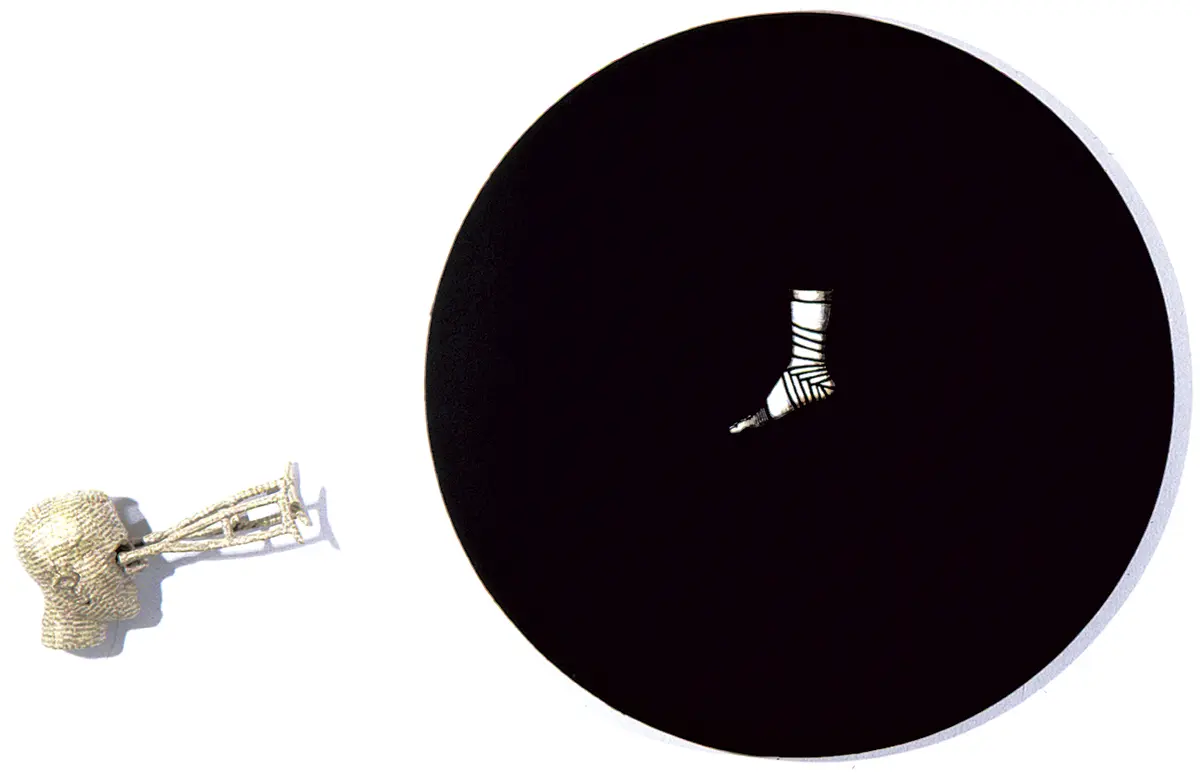
Latin Collector, from New York was also present with an exhibition space in the Desing District that opened with Art Basel and ran through Art Miami. The group show included works by Gego, Toni Bechara, Hélio Oiticica and Ana Patricia Palacios among others.
“Amigos” was organized by artist Tina Spiro in a vacant space that called for artwork, and included jewel-like paintings by Victoria Gitman and giant work by Carlos Bettencourt; a wild installation by Charo Oquet, and videos and photographs from Jamaicans Paul Stoppi and Albert Chong. Spiro’s own spiritual paintings of Jamaica and a remarkable installation of the Shekkinah Scrolls, inspired by the Kabbalah and the Dead Sea Scrolls contributed to the diverse language of the show.
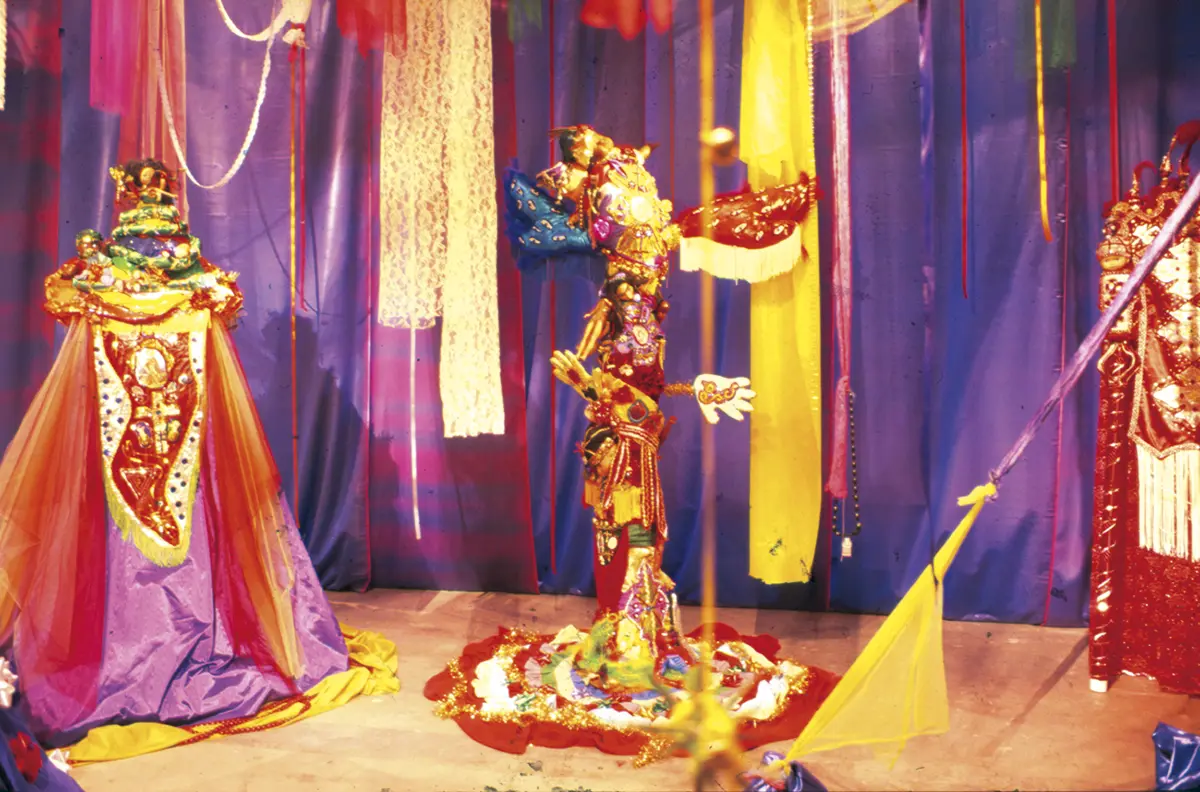
Across town in Coconut Grove, Gary Nader Fine Art presented “Contemporánea,” which included a large-scale exhibition of artists’ project rooms titled “Erased Borders” in the huge space of a convention center that was able to accommodate installations, large paintings, and video projects with little distraction. Curated by Agustin Arteaga, the selection reflected the globalization of the art market and the integration of artists into an international context. Extraordinary works by artists from Germany, Spain, Mexico, Argentina, Brazil, Chile, Venezuela, the United States, Cuba, and the Caribbean, included Brooke Alfaro’s videos, which explore the relationship between high culture and popular culture; the exhibition of Walter Goldfard Federico Uribe with his work Por si las moscas, inspired by migration; and Lothar Müller’s environmental installation as well as installations by Miami artists Ruben Torres Llorca and Nicolás Leiva.
The Miami art scene put its best forward for the world to see and it is obvious that Art Basel was the force that united the cultural community. Hopefully, this will be more than an annual event and everyone will appreciate the rich cosmopolitan environment of the city and all it has to offer throughout the year.
CAROL DAMIAN
Professor and member of the Directive Board of the Department of Visual Arts at the Florida International University, Miami.