
Despite opening to wet winter weather, The Armory Show 2003 in New York succeeded in attracting large crowds and generating a mood of excitement and expectation. Twenty-three thousand seven hundred people attended the art fair, most of them curious New Yorkers drawn to witness first-hand the latest trends in contemporary art, along with a significant number of local and international collectors. The fair took place on Piers 88 and 90 on the Hudson River. The converted ship terminals offered ample room for the 175 galleries in attendance, selected from a pool of more than 400 applicants. Despite the sagging economy sales were strong, generating a total of $30 million, which approximated last year’s figure. Most of the exhibitors were based in the United States and Europe, with numerous galleries from New York City. Only four Latin American galleries attended this year: Nina Menocal (Mexico City), Jacob Karpio Galería (San José), Galeria Luisa Strina, and Galeria Fortes Vilaça (São Paulo). Notable additions to the fair included Jacob Karpio, Galerie Anne de Villepoix (Paris), Wang Galleri (Norway), as well as two Russian Galleries (Aidan and XL). Three Brooklyn-based galleries participated, Pierogi, Bellwether, and Roebling Hall, indicative of the new alternative art scene in the Williamsburg district.
The emphasis was on saleable mediums, particularly paintings and works on paper, with fewer videos, installations, or site-specific works. Color photography was especially prevalent; large-scale, glossy prints by German favorites Thomas Struth, Andreas Gursky, and Thomas Ruff were ubiquitous. Cartoons and illustrations, ranging from the work of Raymond Pettibon to Japanese anime, were common as well, pointing to a greater tendency to figuration as opposed to abstraction. Overall, the trend was towards a globalized art with immediate impact and few local references.
Despite the impending attack on Iraq, hardly any of the works of art in The Armory Show offered direct political commentary. Instead, the excitement and the crowds generated by the fair gave a false impression of normalcy, and the upbeat tone, exuberant colors, and general din offered comfort and escape from the events of the outside world. Last year The Armory Show took place despite the September 11th attacks and its triumph was a testament to New York’s capacity for regeneration and continued dominance in the art world. This year, the organizers of the fair planned a commemoration for the victims of the World Trade Center attacks: a site-specific installation by Víctor Matthew consisting of 2,985 hand-painted umbrellas with images of butterflies, intended to float in the Hudson River between Piers 88 and 90. The plans changed, however, and the installation was moved to another pier, where, as a result of the distance and bad weather, not many visitors actually saw it.
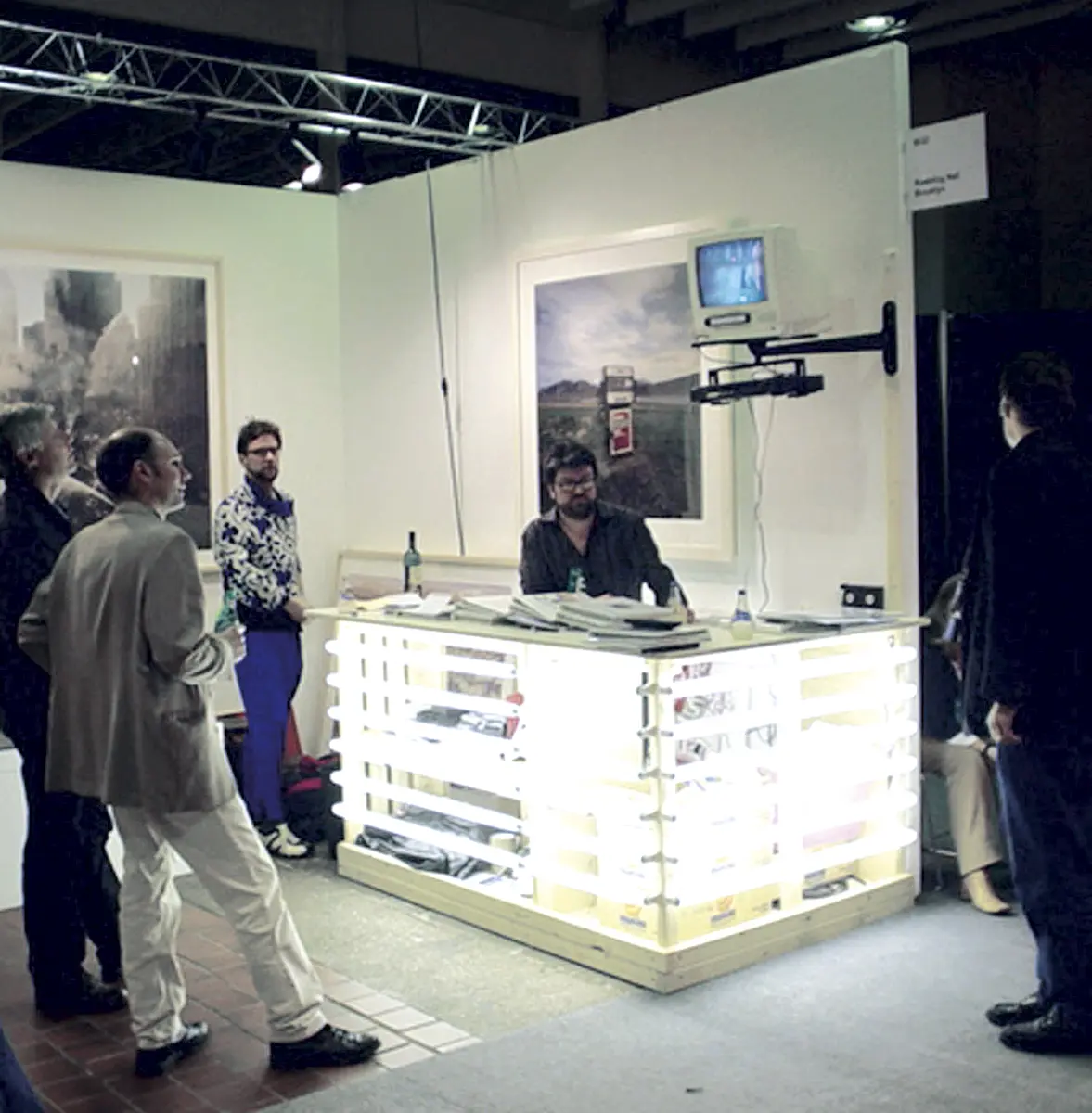
Although few in number, memorable site-specific installations inside the exposition offered an antidote for the predominance of painting and photography. Carlos Gairacoa’s construction at Lombard Fried, an intricate work crafted out of thread wound around nails and placed directly on the wall, described industrial towers receding into perspective. Using thread as a medium to draw in air, the compositions juxtaposed taut lines with amorphous clumps hanging on the fringes of the space, as a means to expose the materiality of the work. At the Roebling Hall booth, Iván Navarro presented a witty installation: a sales counter made of neon bulbs and wood. Christian Viveros-Fauné and Joel Beck, co-directors of this Brooklyn-based gallery, stood behind it like shopkeepers. Navarro’s counter subverted the neon work of Dan Flavin as a means of favoring the functional over the decorative, and also exposed the commercial nature of the art fair, recalling the historical avant-garde’s mission to unite art and life.
After a while, the experience of visiting The Armory Show becomes exhausting because of the sheer magnitude of the piers and the number of galleries. Within this sea of cutting-edge art, certain booths stood out as being particularly well curated, among them, Sandra Gering and Nina Menocal. Gering’s space included only works made with the latest technology and new media. She presented a pink light piece by Leo Villarreal, whose pulsations cast a warm glow over its surroundings, as well as C-prints by José Antonio Hernández-Díez from his MP3 series. MP3, also presented by Galeria Fortes Vilaça, references a chaotic music collection and juxtaposes superimposed titles and computer icons to create the hectic effect of information gone haywire.
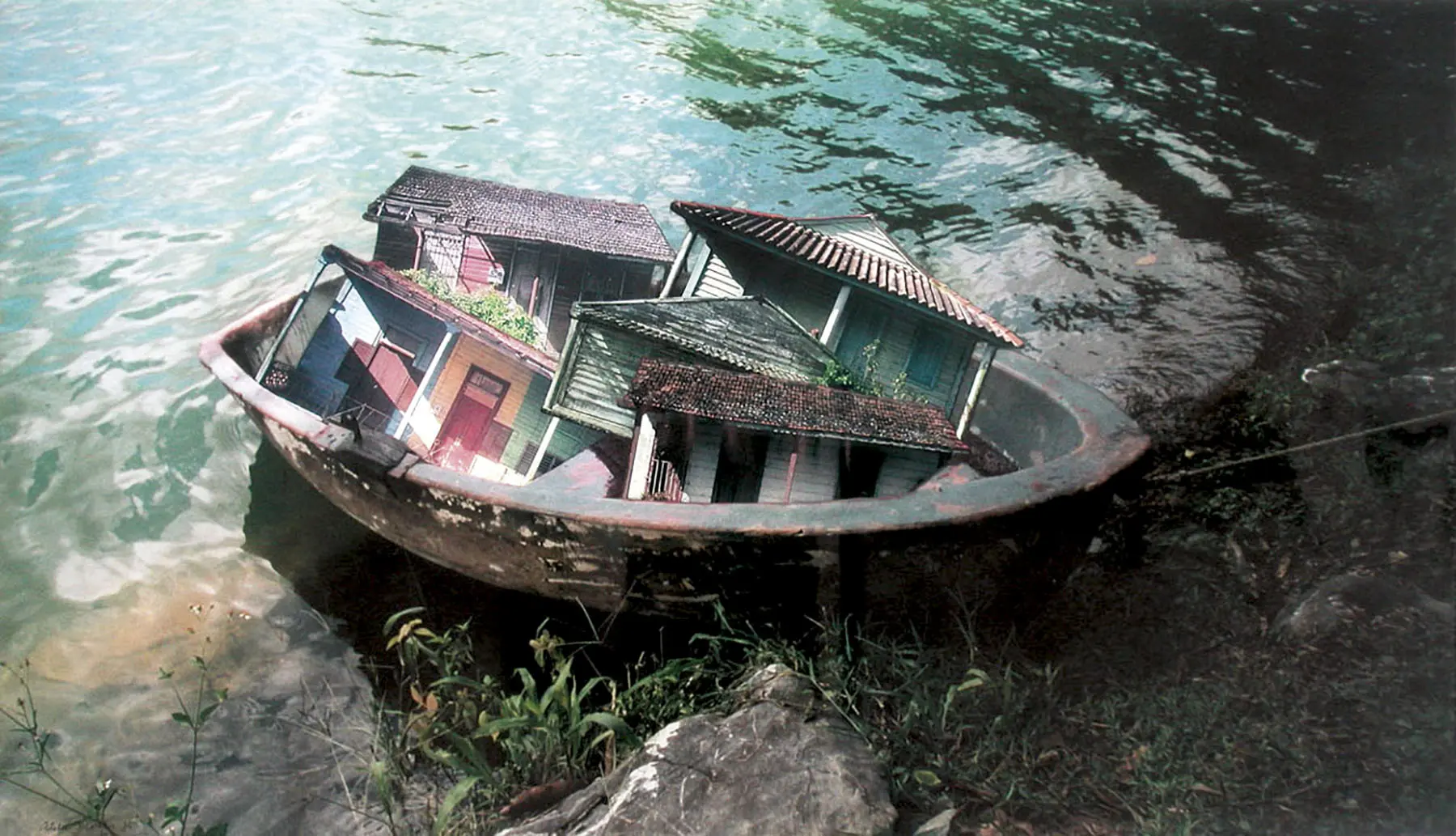
Nina Menocal curated a formal exhibition titled Rêveries and Recuperations in her booth; it was previewed as a special event at El Museo del Barrio. Hers was one of the few spaces that made reference to the approaching war and employed many shades of the color green to symbolize hope and renewal. Among the artists Menocal included were José Bedia, Boris Viskin, and Atelier Morales. Bedia executed the new series of paintings specifically for The Armory Show: Plants evoked the healing properties of plants as well as their totemic qualities in African and Amerindian cultures. Viskin’s series Paletas (Popsicle), painted on rectangular canvases with an appended wooden stick to recall an ice cream bar, are multisensory works that appeal to vision, touch, and taste and evoke childhood memories. Among these, a canvas painted in green tones blurred the lines between abstraction and figuration as well as between painting and sculpture. Atelier Morales presented the series Bohíos, manipulated photographs that “document” the guajiro (peasant) homes in Cuba, picturesque dwellings with thatched or terracotta roofs. In some images, the houses appear with fictitious, post-dated captions to reference a culture on the verge of extinction and to protect the hope of their survival. In a fair dominated by accessible, international idioms, the Atelier Morales project stood out for its local referents.
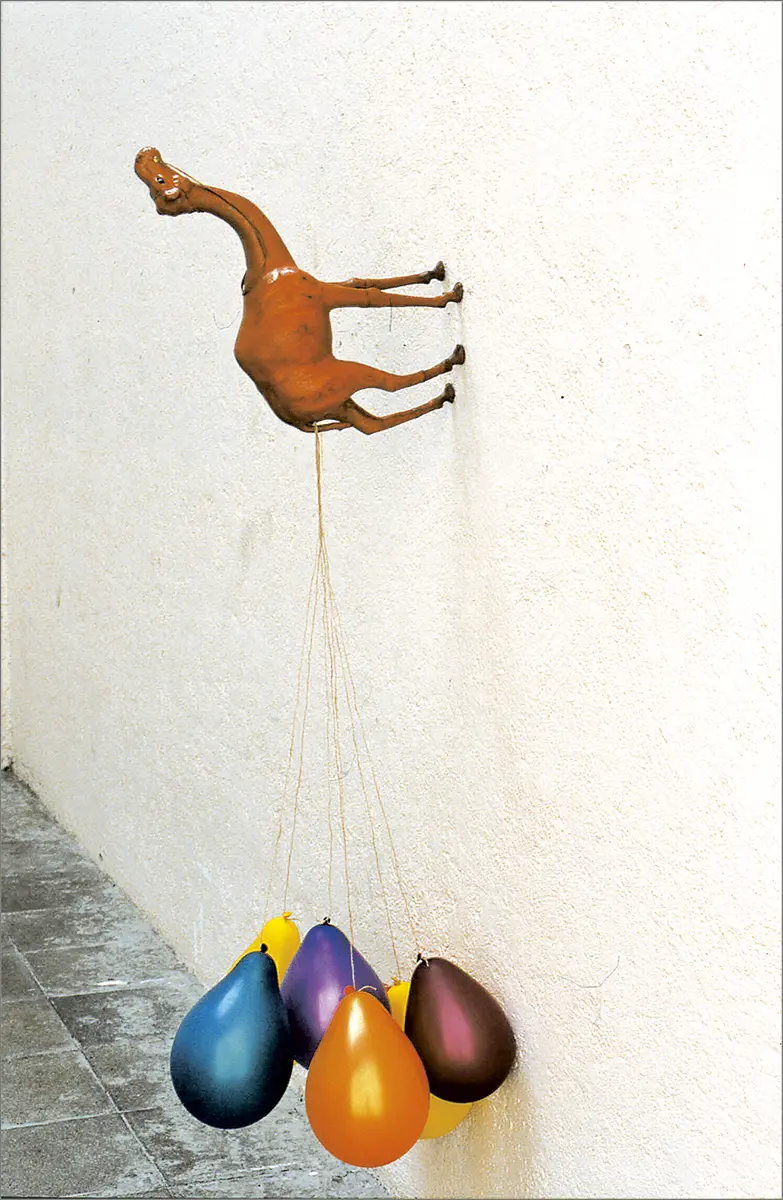
Among so many paintings and photographs, three-dimensional works had a distinct presence. Jack Tilton and Anna Kustera featured sculptures by Eduardo Abaroa and Abraham Cruzvillegas, Mexico City-based artists who work with unconventional materials. Abaroa contributed a recent untitled construction made of plastic straws cut into small pieces and glued together to resemble honeycomb patterns. The painstakingly crafted sculpture is a reflection of the organic versus the mass-produced. Cruzvillegas makes a similar juxtaposition in El desnivel, which features a camel constructed of leather and other materials with colorful balloons attached to its tail. Jacob Karpio’s selection of sculptures was based on functional objects, including a stationary bike decorated with forged silver plating by Darío Escobar and a stool with a photographic image by Anavia. Sculptures by Ernesto Neto were featured in several galleries: Galeria Fortes Vilaça brought a small early work that hangs on a swing, and Yvon Lambert presented Humanoide, an amorphous white creature resembling a little alien. The sculpture looked lonely, for in other venues, such as Santiago de Compostela, it has been exhibited with its entire family. The decontextualization of works of art is one of the major drawbacks of The Armory Show.
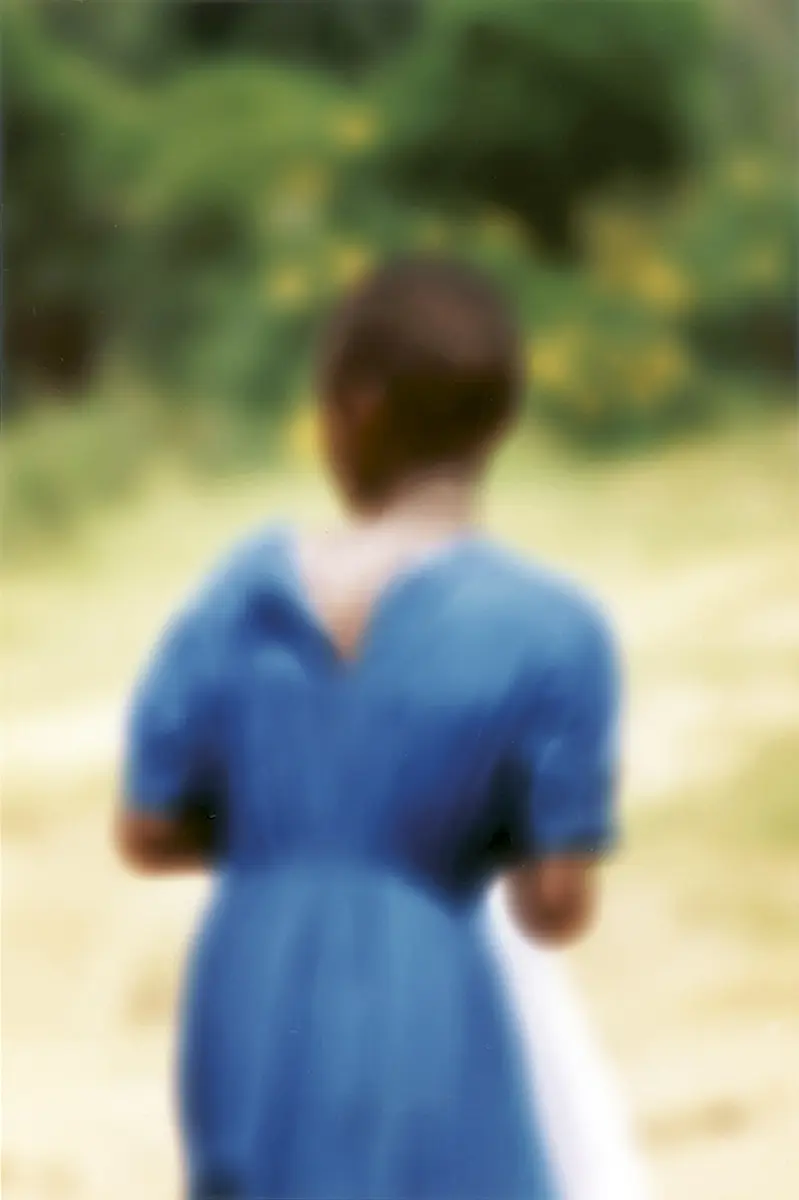
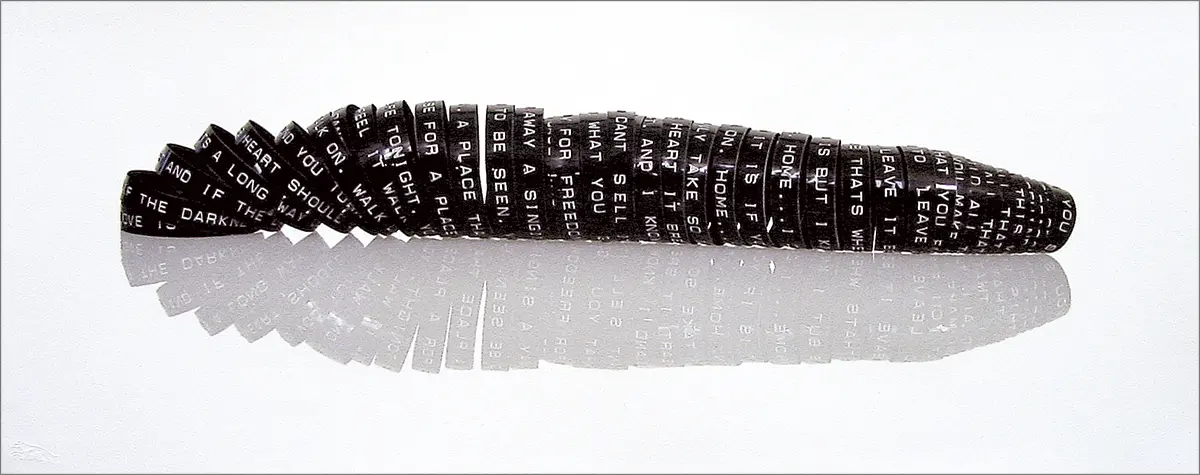
Notable works in photographic and video mediums included Alfredo Jaar’s Six Seconds presented by the Galerie Thomas Schulte of Berlin. This photograph is part of the Rwanda series that reflects on the horror of the 1994 genocide in which one million people lost their lives. Jaar recently created a new edition of photographs from the project, including this lyrical and haunting image of an anonymous young woman depicted from behind. Like Gerhard Richter, in this work, Jaar blurs the boundaries between painting and photography, using the photographic medium to convey inexpressible loss and the overwhelming nature of the tragedy. Fortes Vilaça presented the posthumous series Cosmococa, based on the quasi-cinemas of Hélio Oiticica in conjunction with the filmmaker Neville d’Almeida. The current edition of this attractive series of C-prints juxtaposing the face of Marilyn Monroe with lines of cocaine was created thirty years after its first production. The work of Vik Muniz was featured in several galleries, including Brent Sikkema (New York) and Rena Bransten (San Francisco). Notable prints included Prisoners XIV, based on Piranesi images and made entirely of thread, and Beggar III after Rembrandt, composed of nails. Rivane Neuenschwander was also well represented, particularly by the London-based Stephen Friedman Gallery, which featured work from the series Deadline Calendar that uses “sell-by” dates cut from the containers of perishable goods, as well as the video Love Lettering, in which goldfish with different words attached to their fins swim around in a bowl. In these and other works, Neuenschwander succeeds in rendering poetic the most mundane subjects. Brigida Baltar’s video Collecting Mist and Air, presented by Spencer Brownstone, similarly finds beauty in a seemingly futile activity.
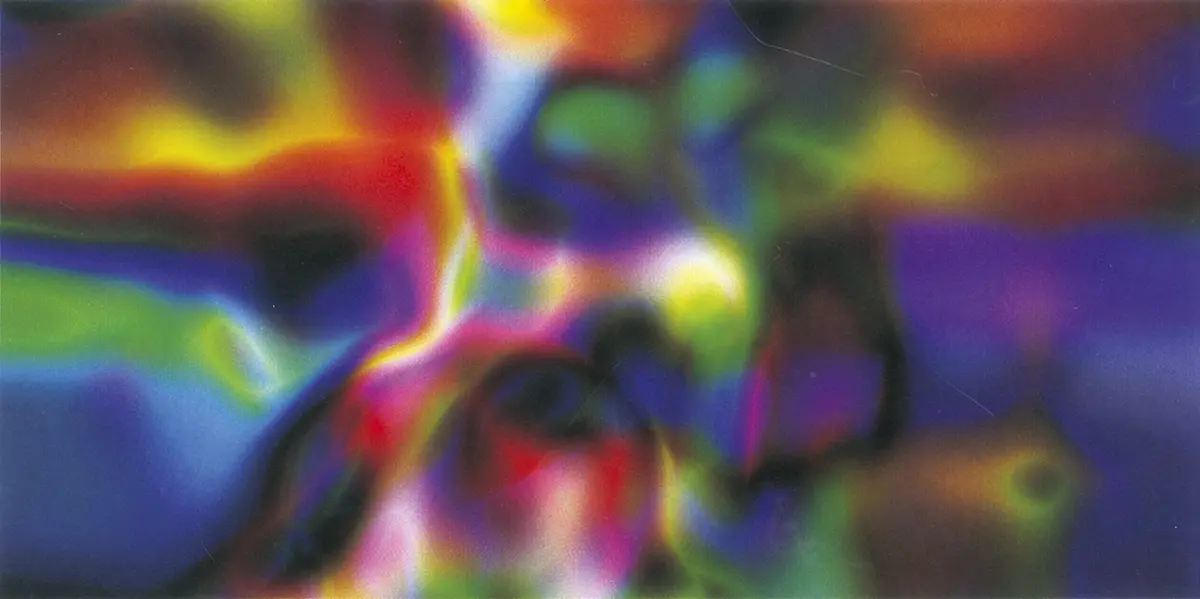
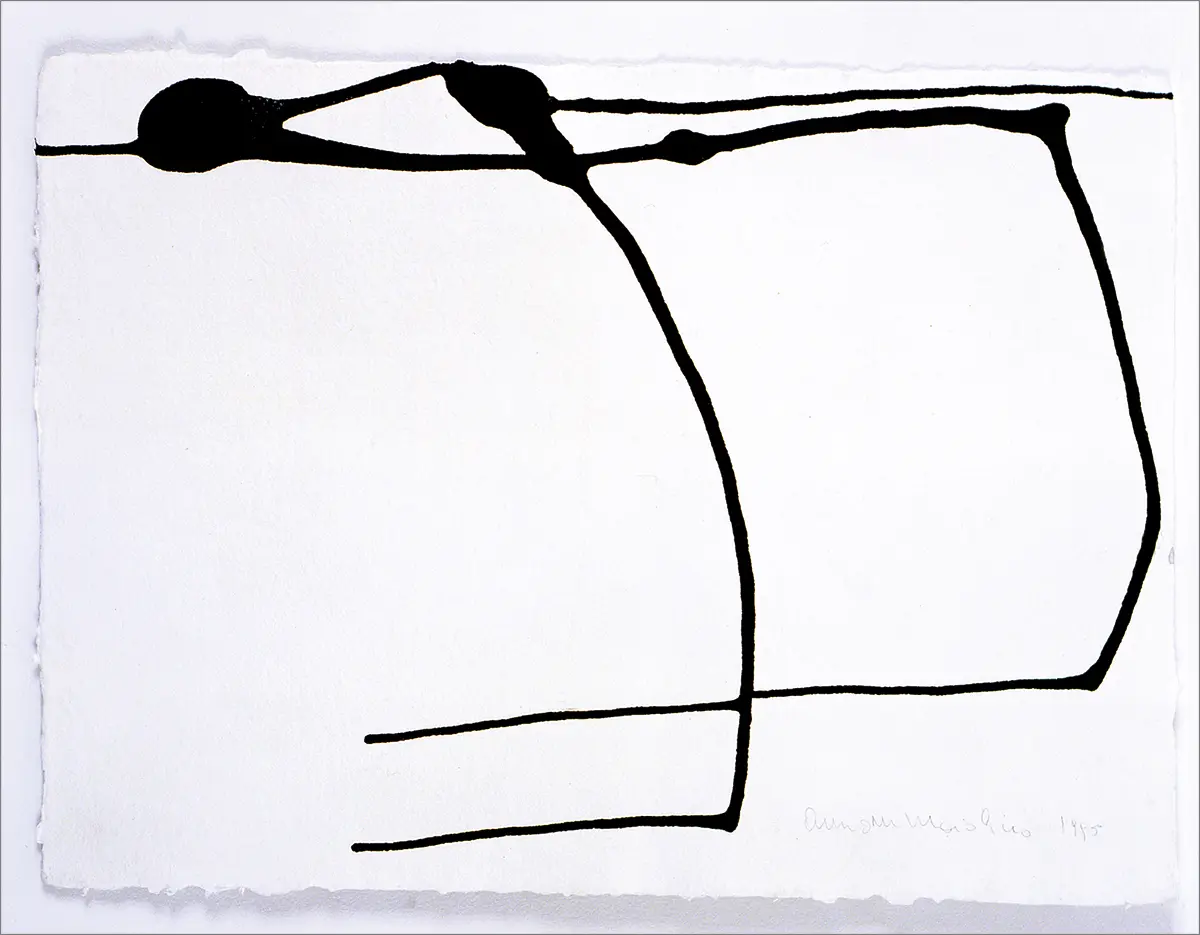
Among the noteworthy paintings in The Armory Show, was Adriana Varejão’s Macau Wall, a deceptively simple monochrome triptych with a cracked surface. The work was featured by Victoria Miro and juxtaposes the search for the absolute, implied by the use of monochrome—particularly in the work of Malevich, to the utterly mundane texture of an aging wall. Diverse works by Anna Maria Maiolino were on view at Anne de Villepoix, ranging from Neo-Concrete geometric images to calligraphic abstractions, all in stark black and white. An untitled work by Paul Henry Ramírez from the Space Addition series played with the ideas of organic and mechanical, and rendered forms that evoke the female body in metallic-colored enamel paints.
Simultaneous with The Armory Show was Scope New York, a fair of new art that celebrated its second year in New York at the Dylan Hotel in midtown Manhattan. The 7,500 visitors who attended were rewarded with riskier art and greater flexibility in its display than The Armory Show provided. Works of art were exhibited in hotel rooms—on the walls, laid out on beds, in the bathrooms—no space was unsuitable for exhibition. The labyrinthine experience of going up and down the hotel stairs and weaving between rooms offered a welcome change from the rigid format of The Armory Show. Many videos and installations took advantage of the unique setting. Forty-nine galleries, non-profit institutions, and independent curators participated in Scope, and the total sales exceeded $850,000. From Mexico City, Enrique Guerrero brought black and white photographs by Santiago Sierra, while the non-profit space Art and Idea featured diverse works by Emiko Kasahara. Finesilver Gallery of San Antonio stood out for the quality of its artists Jesse Amado and Chuck Ramírez. Amado pondered the limits of representation in sculptures made from letters, while Ramirez meditated on high and low in his Piñata series. Espacio Minimo of Madrid featured a site-specific installation by Enrique Marty while Nina Arias, a Miami-based independent curator, featured paintings by Emilio Pérez and Brandon Opalka.
TATIANA FLORES
Critic and art historian who recently completed her doctoral dissertation Estridentismo in Mexico City: Dialogues between Mexican Avant-Garde Art and Literature, 1921-1924 in the Art History Department of Columbia University.