
Celia Sredni de Birbragher: How did the idea of collecting art originate?
Hans Michael Herzog: That’s a long story, but I’ll try to explain it as briefly as possible. There are two collections: the Daros Collection and the Daros Latin America Collection. The former was a collaborative effort between Thomas Ammann, the Swiss art dealer, and Alexander Schmidheiny. Their acquisitions during the 1980s resulted in a beautiful collection that consists mostly of paintings and represents artists from the United States, like Warhol, Twombly, and many others.
When both collectors died in the early 1990s, the greater part of their holdings was bequeathed to Stephan Schmidheiny, who decided to continue developing the collection. He hired professionals to set up archives and also make new acquisitions, including the work of Louise Bourgeois and some German artists like Gerhard Richter, Sigmar Polke, and others. Now, in 2003, the Daros Collection has in a sense fulfilled its mission because it is devoted to what you might call the classical masters of contemporary art.
But then Stephan Schmidheiny decided to branch out and establish another collection from scratch. His focus on Latin America is a logical consequence of his interest in that continent, where he travels extensively because his main businesses are located there. Even more important, however, is the fact that he runs the Avina Foundation. Stephan was a crucial representative at the Rio conference on Sustainable Development in 1992. Following the conference, he established the Avina Foundation to foster leadership in civil society and the private sector that has innovative ideas on how to promote a more sustainable development of society.
So it was only natural for Stephan to complement the core collection with an additional thrust in a different direction, where he could contribute his expertise on the continent and implement his desire to give Latin America some kind of support. Having decided to establish a collection of Latin American art, he hired me as the director and the curator for it.
C. S. de B.: What is the concept of the collection?
H. H.: Well, of course, it’s always difficult to express that sort of thing in cinco palabras (five words). As a rule, we collect art dating back to the last 20 years and from all Latin American countries. This includes Latin American artists living in their home countries or abroad, as well as European artists who live in Latin America. It doesn’t matter how old the artists are. Some are in their late eighties; others are in their mid-twenties. And it doesn’t matter at all which media they use. The collection is just as wide-ranging as the age of artists. More than 50 artists are already represented.
But the objective is not unlimited accumulation. It‘s an ongoing process and it will take another couple of years before we can say that a whole body of representative work is integrated into the collection and this is how we would like to present it. We have achieved maybe a third or half of our ultimate objective, I don’t know yet. Most importantly, we want the collection to circulate; we want it to be alive, which means showing it to people who will discuss it in the Latin American world. We are already connected and intend to be much more connected, with the art world in Latin America, with artists, curators, critics, collectors, dealers, and gallerists. Only in this way can we understand and have a broader vision of what Latin American art is.
We already have an exhibition space in Zurich that opened in 2001, not only for the Latin America Collection but also for the Daros Collection. We just organized a two-part presentation of photography, La Mirada, and will mount another exhibition in about a year. This is our European base, but we also plan on establishing a presence in Latin America, setting up small centers —not many, maybe one or two, depending on the situation— that would include a modest exhibition space, just big enough for shows that can really be profoundly discussed afterward, as well as a database, a communications center, an information center, and maybe a couple of studios for artist residencies. Although grants would go largely to Latin Americans, other artists would be invited as well to encourage cultural exchange in the visual arts.
I think centers of this kind are extremely important. Not only the non-Latin world but even the Latin world needs to learn about the extraordinary and still underrated potential of Latin American visual arts. But as they say in Spanish, nadie nunca mira al vecino (nobody ever looks at his/her neighbor). Anyone who can afford it or acquire funding goes to L.A., Miami, New York, or Europe. Hardly anyone takes advantage of what neighboring countries may have to offer. There is a real lack of shared information and mutual contact. People do, of course, get together at all those international fairs and exhibitions but I think it is essential to invite artists and offer opportunities for in-depth exchange, where artists can work together and discuss all the problematic issues regarding not only Latin but also world art.
To me the most important aspect of the collection is to create a pool of artworks, hopefully very good artworks that can speak for themselves without our direct interpretation. My goal would be for them to be able to make an impact anywhere from Yokohama and Sydney to Johannesburg —but always within the context of exploring what Latin America is or might be.
My goal, in a way, is to hold up a mirror to Latin Americans because I think they see only parts of themselves and I want to encourage them to see all of themselves. If they could fully understand the impact they make, they would have a completely different self-image and a different awareness of themselves. And I think that would give them great potential, great power and dynamism.
C. S.de B.: The Daros Collection owns several large bodies of works by single artists. Are you following the same policy with Latin America? Are you trying to collect a body of work by certain artists?
H. H.: That depends entirely on the individual artist. In some cases, one artwork is enough, at least for a couple of years, because it is essentially representative of what an artist has done in the course of many years. In other cases, you can trace an artist back in a historical sense and then, if possible, we want to acquire important key works representing the different periods.
Actually, we have already bought almost the lifework of certain artists. We are collectors first and buyers second. It is extremely important to us to follow artists closely, to really understand and appreciate what they’re doing down to the smallest gesture, and to give serious thought to why and how works might be added to the collection or might be an integrated part of the collection in the future. We are lucky to have the means and the manpower to do that.
C. S. de B.: How many people work in the Daros Latin America Collection?
H. H.: Very few so far. I have a staff of four highly skilled collaborators and some outsourced positions, like a restorer and a treasurer, but that’s it at the moment.
C. S. de B.: Do you produce catalogs in conjunction with the shows that you curate?
H. H.: We’ve just started. La Mirada was our first public appearance. We published a catalog for the show, which is rather beautiful —at least people say so. It is divided into two volumes, one of which contains only the interviews I conducted with each of the nine participating artists. The publication is in four languages and therefore became more elaborate than originally planned. We want to do the best we can, we want to do justice to the artists and to the requirements of scholarship, and that, of course, includes well-researched bibliographies. We want to maintain a certain standard.
C. S. de B.: From the early twentieth century up to the fifties or sixties, which artists are the Daros Latin America Collection mostly interested in?
H. H.: We are not really into so-called modern Latin American art because we think the field is more or less exhausted in terms of acquisitions, and we don’t want to acquire second or third-rate works even by an important artist.
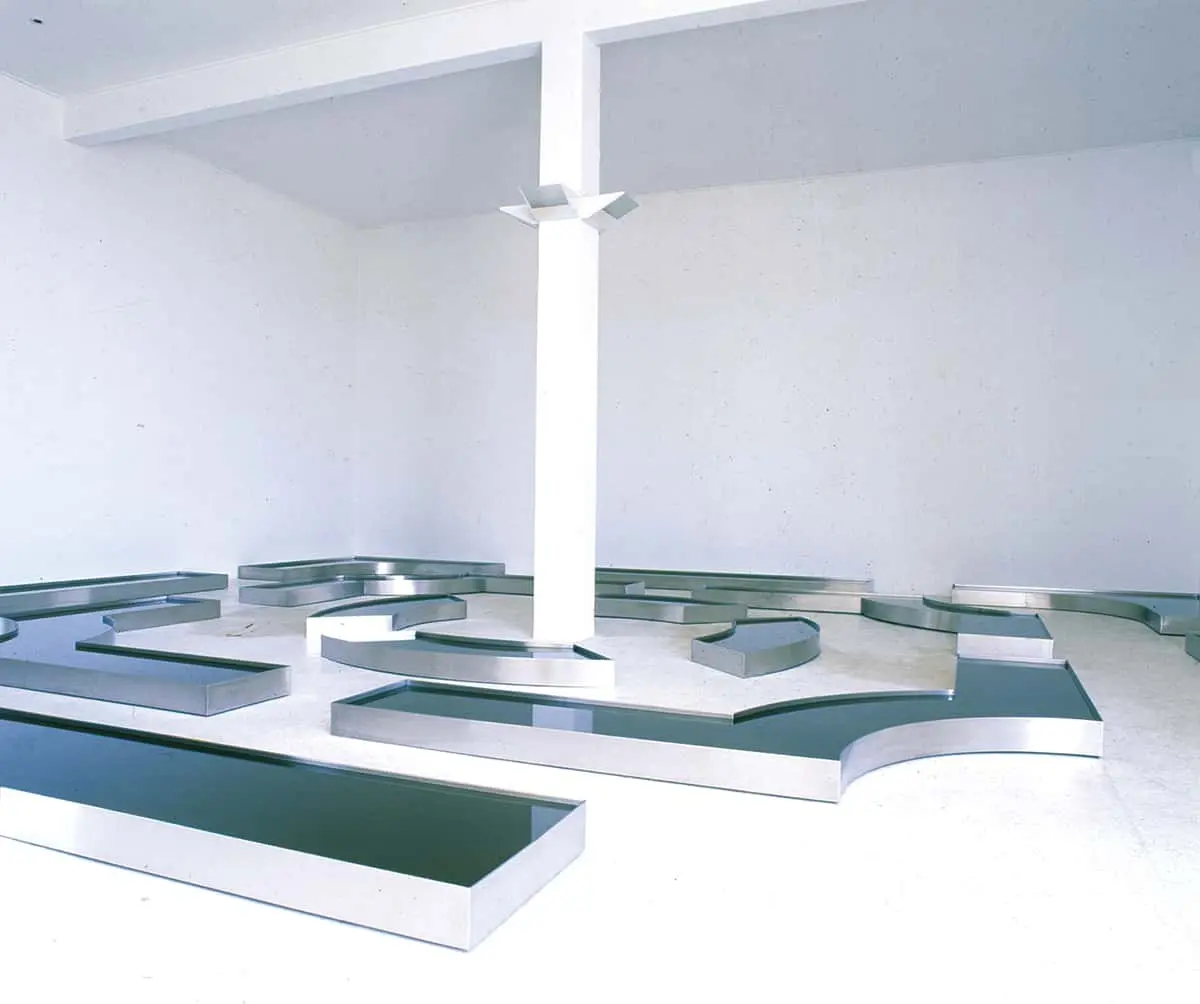
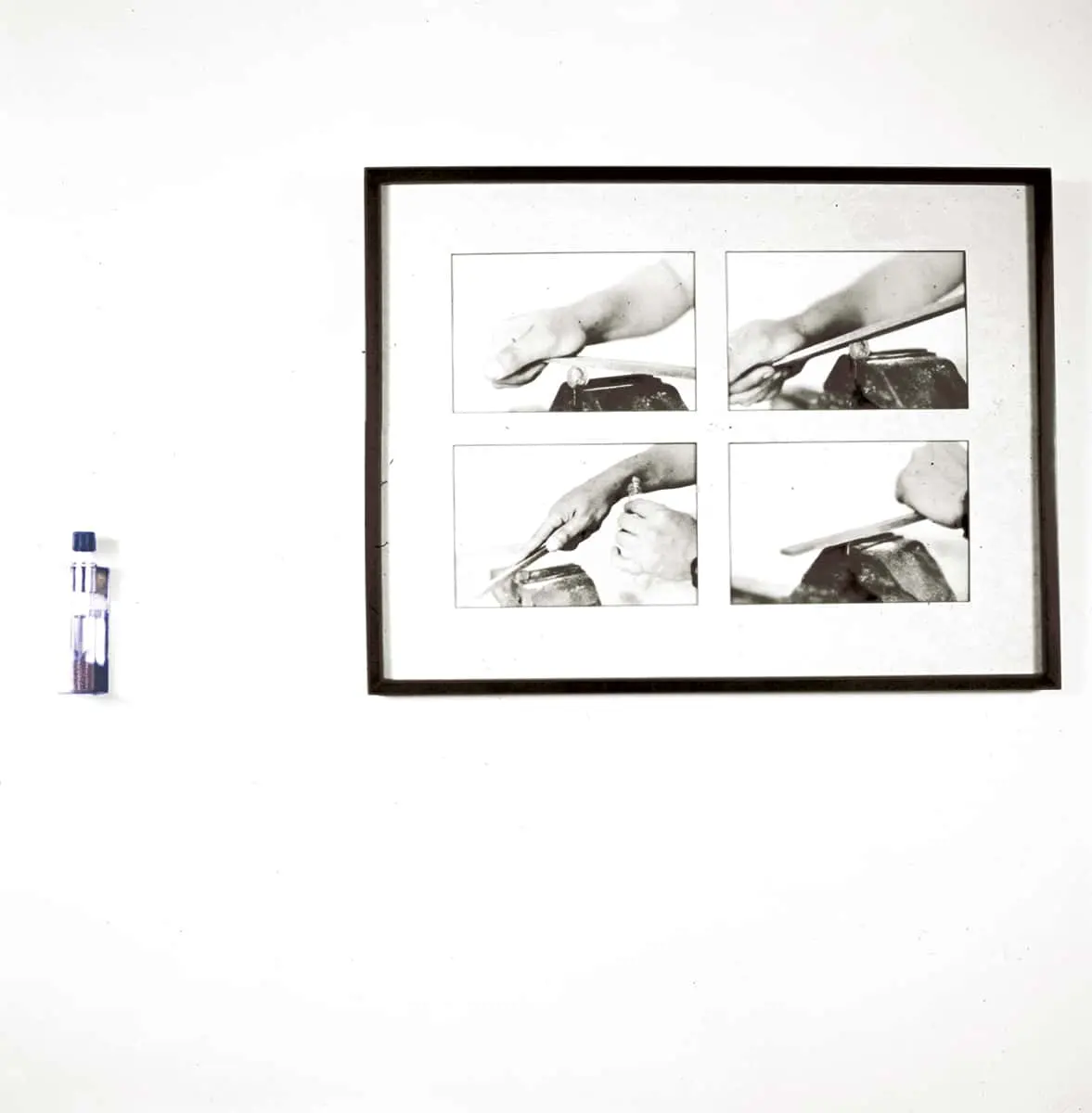
The oldest piece in the collection is a Torres-García from 1938 —and that’s an exception. I like it very much because of its connection to Picasso’s surrealism. So, in historical terms, this piece acts like a bridge between Europe and Latin America. On the other hand, we have started and will continue collecting a few conceptually oriented artists from Brazil, Uruguay, and hopefully Venezuela as well. The importance of these works of the sixties and seventies lies in the fact that they are actually key works for the current generation of younger and middle-aged artists.
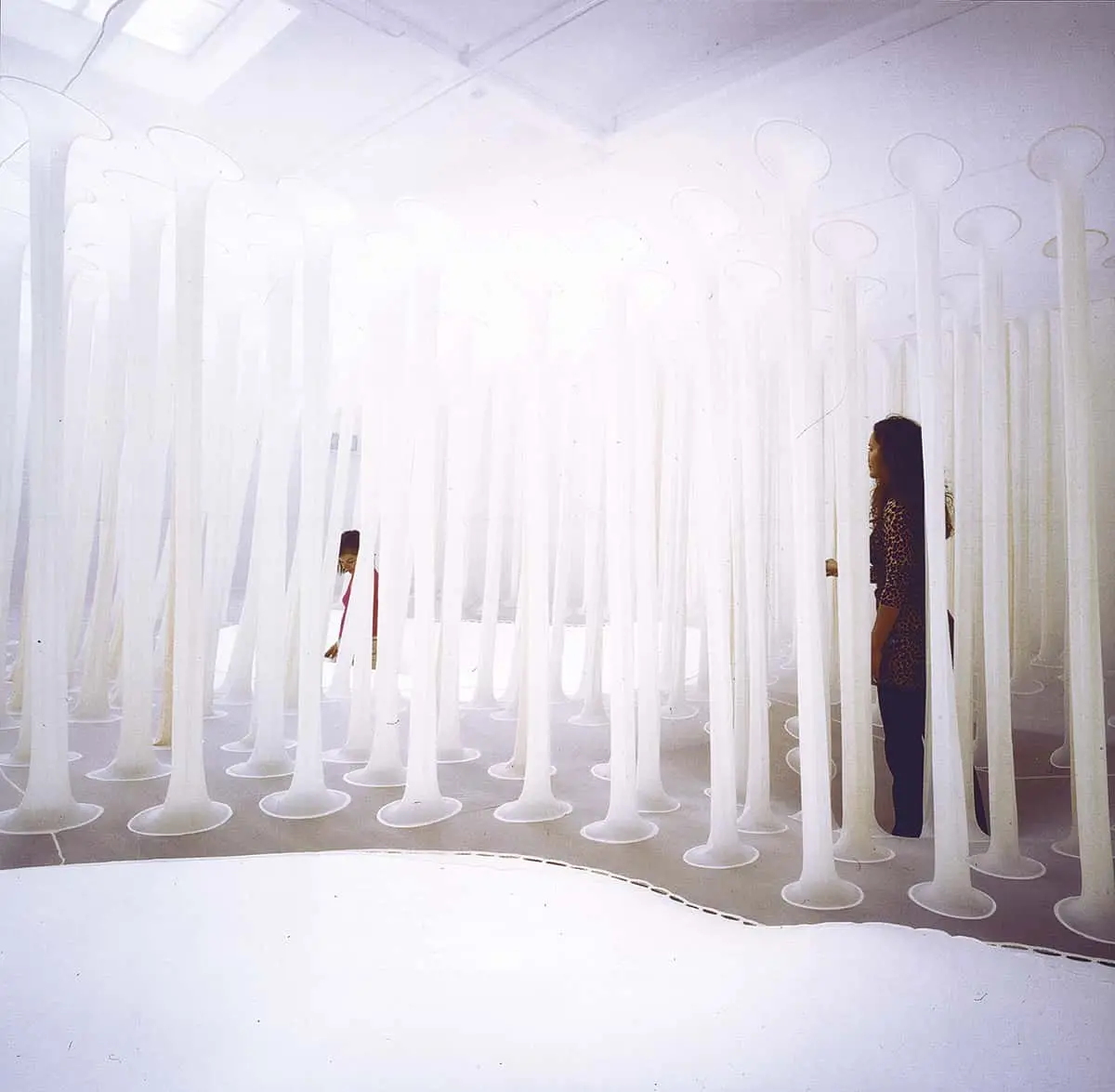
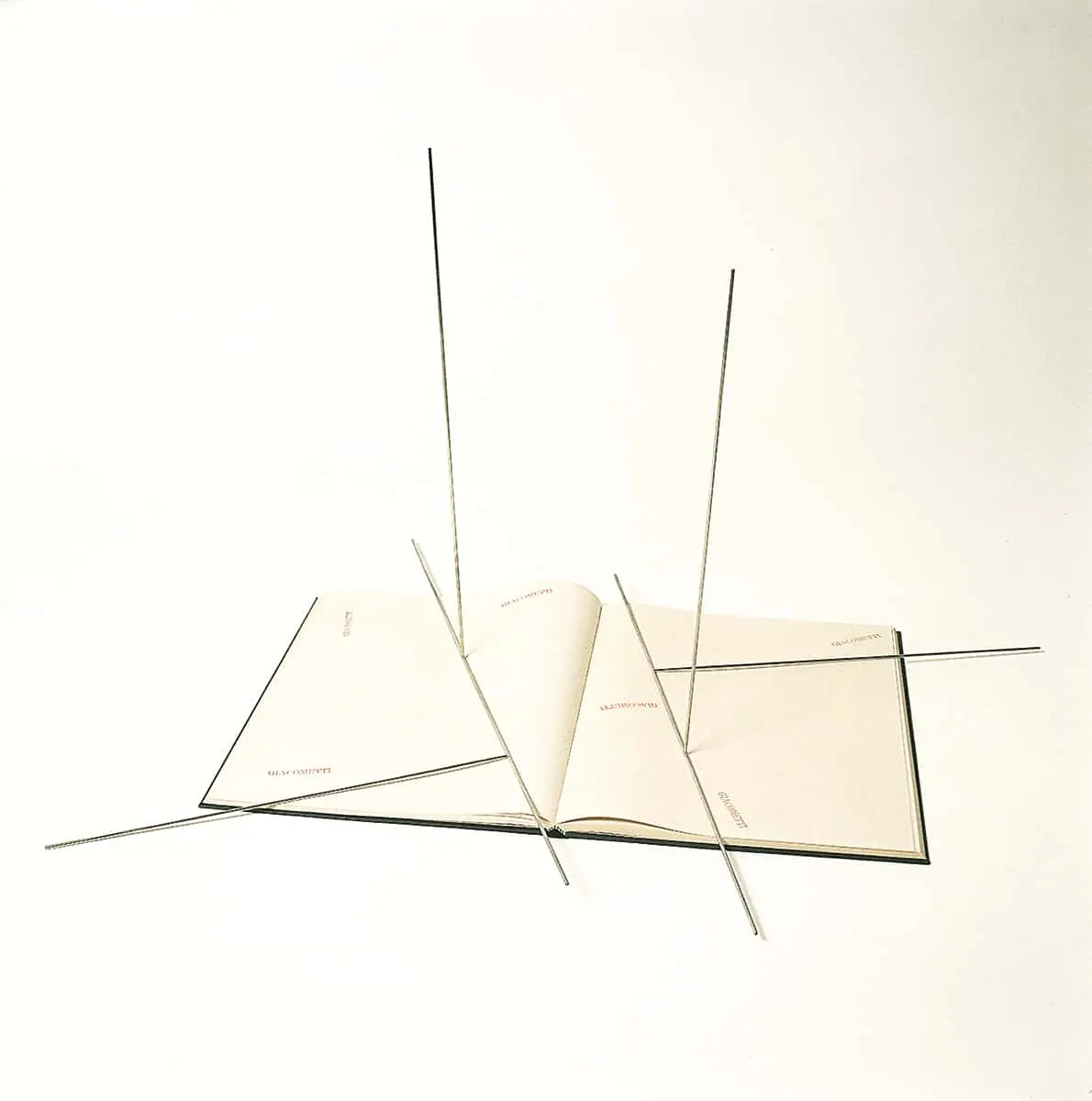
But then again it is difficult to acquire suitable work. For example, Hélio Oiticica is not represented in the collection because so far I haven’t seen a piece that I really wanted or would like to have. But we do have works by Lygia Clark and Mira Schendel and sometimes you find an erratic piece here and there. You just pick it hoping that in the future you will find more to establish a little mosaic.
C. S. de B.: You mentioned the requirements of scholarship and maintaining a standard. How do you envision that?
H. H.: First of all, we have to build up a library and archives of our artists. That’s the beginning, the foundation. And I think we have to start in Latin America because there is still no substantial audience in Europe, while there’s a great need to develop services of that kind in Latin America. So we want to go there.
C. S. de B.: Do you think there’s a growing interest in Latin American art or is it just the impression you get from here? What impression do you get from Europe?
H. H.: That’s a very complex, multi-layered question. Because of the growing number of biennials, triennials, and multinational shows worldwide, you certainly do come across more Latin Americans. It’s just a fact and it has worked out beautifully. That’s one thing.
On the other hand, I fear it’s not enough. We want something that is more than a flash in the pan, like the street painters in New York or the boom with African artists years ago. There’s always something that survives, of course, and given the truly rich and prolific output in Latin America, some of the work has qualities that will last, enduring qualities.
People who are involved with art in countries like Spain, France, or Britain realize how much Latin America has to offer. But in Central Europe there are still many people —I have to say this— many very good colleagues that I have regular contact with, who don’t have the slightest idea what’s happening. They’re not informed and they don’t understand. Sometimes I think they don’t even want to understand, as if they had a notion of Latin America like some have of African inhabitants living in trees.
Today the world’s nations are themselves divided into first, second, and third-world countries: it’s only the proportions that differ. There is a huge, first-world population in Latin America with great knowledge and education, but being farther away from mainstream centers, they have to invest so much more money, time, and energy in getting information than people elsewhere. And maybe the very fact that they have to make such an effort explains why they are often more informed and less ignorant than, say, German artists. Even in Cuba, people make their own CD ROMs, which is still uncommon in Germany.
A lot of work still needs to be done in Europe to foster an understanding of Latin America. Just take the name: Latin America. That’s equated with Spanish. For German curators, Spanish is Spanish. No distinction is made between Spain and Latin America, let alone between countries in Latin America itself.
C. S. de B.: What is your background, where does your interest in Latin American art come from?
H. H.: I studied philosophy and classical archaeology with a Ph.D. in medieval, Venetian, and early Byzantine art, but as time passed I kept moving closer to the 20th century. I worked in museums in Germany for twelve years, doing shows on modern and contemporary art. Some 10 years ago, I did my first show on a Spanish artist, Manolo Millares. When I traveled to Spain to make the connections, I found out that there was much more on the other side of the ocean.
I have to say that my link was through Spain and not through Britain or France. I met a couple of people at the time —curators, artists, etc.— who kept me informed about shows and told me about Latin American art in general. From then on, whenever I had the time and the means, I would go to see shows in Spain and I also traveled to the Havana Biennial. I was equally attracted to African art and went to other international events as well, like the Dakar Biennial in Senegal. Not only the obvious link between Africa and Latin America, but also between Europe and Latin America forms a triangle that exerts a great fascination.
I immersed myself in the subject by reading all the journals, magazines, books, and catalogs that I could find about Latin American art. After a while, it dawned on me that I was not going to be able to mount an exhibition on Latin American art in Germany. When you talk to politicians or colleagues, it’s as if you were talking about outer space. The idea is inconceivable to them.
C. S. de B.: How do you see Latin American art? Do you see it as an extension of European art or in terms of individual artists? We’re always talking about Latin American art but that’s such a broad field and, at the same time, it can be so narrow.
H. H.: I would never consider it an extension of European art. Maybe in modern times, in the very first decades of the last century, but now it is absolutely and completely autonomous.
Of course, you can debate the term “autonomous.” We all have roots and origins; we don’t exist in a vacuum. On the other hand, think of literature written in a common language. Every user has his or her own take on that language and besides, languages grow, and expressions change. I think the same thing applies to the term "Latin American art." Because we have the term, we tend to lump together an extremely complex and heterogeneous field. That’s why I prefer to say we are working on a contemporary collection from Latin American countries. Traveling throughout Latin America, I understood very quickly that every single lugar (place) has its own history.
You can see certain developments in a single country, a single city, and a single individual: aspects that define a person’s art and the way s/he is received by the public. That’s what I’m interested in. In fact, understanding these developments, their background, and history, is the ongoing process of a lifetime. It’s the basis but first of all, I look at the artist and the artwork and then I work on tracing it back to where it might have come from or projecting it into a future by combining it, or letting other people combine it, with other artworks. That’s the idea.
I’m not dodging the Latin American discussion. It’s so important to reach a broader public, but not by labeling classifying, or giving answers. My objective is to work with artists, to stay with them, and to present possibilities in such a way that viewers reach their own conclusions and arrive at a better understanding of what is happening in Latin America.

C. S. de B.: Would you like to talk about certain artists that you have a special interest in?
H. H.: No, it wouldn’t be fair to single someone out. We already have about 50 artists from all over the Latin American continent in the collection, but if I published the list, people would instantly begin asking “Why isn’t so and so included, Why this, Why that”, and so on… I would rather not publish that list officially, at least not until I feel convinced that the collection as a body of work is consistent enough. After all, our collection is only three years old. On the other hand, we are completely open to interested colleagues or artists and we’ve already had a few visitors, who have come to study our files and collection.
C. S. de B.: Let’s talk about the photography project, the exhibition La Mirada.
H. H.: It includes all nine photographers represented in the collection so far. There will be more in the future, of course. They are not artists who use photography once in a while as a conceptual tool. These are people who really relate to photography, and who come from photography. For example, Paz Errázuriz from Chile is a straight photographer. She has done beautiful black-and-white work throughout her life. There are four Brazilians, Mario Cravo Neto, Rosângela Rennó, Miguel Rio Branco, and Vik Muniz. We have two Cubans: Manuel Piña with his Malecón series from the early 1990s and Marta María Pérez Bravo, who is living in Monterrey now. We also have works by Maruch Sántiz Gómez, a very young Indian woman from Xiapas. And finally Luis González Palma.
At the opening —everybody was there except Vik— we had all these creative people sitting at the same table, relating to each other and maybe even discovering things they had not known about their own continents or countries. There was already such a fruitful exchange in this very small circle: that’s what we really want to develop on a much broader scale in the future.
Nine artists and nine completely different agendas, completely different ways of telling their own stories. As I said before, it’s a heterogeneous and complex context. There’s no obvious coherence and I don’t think there has to be. In the future we might have shows based on a theme; this is something that will grow out of the collection. Most importantly we bring things together, we make it possible to link ideas, concerns, and agendas so that people can discuss them —and maybe move on.
CELIA SREDNI DE BIRBRAGHER
Founder, Editor, and Publisher of ArtNexus.