First-time buyers and young collectors were the target audience for the second annual Affordable Art Fair held in New York City in early November. The original AAF was established in London in 1999 by Will Ramsay as a way to bridge the gap between under-recognized contemporary artists and emerging collectors. Ramsay’s idea was to create a more accessible and less intimidating environment with artwork priced under £2,500 ($4,200 U.S.). For the fair’s New York venue, contemporary artwork was priced up to $5,000, reflecting a slightly higher limit.
Interestingly, the fair seemed designed to educate the buyer by offering guided tours, panel discussions on art collecting, and a series of demonstrations of print- and sculpture-making techniques. Of the 135 participating galleries, nearly half were based in New York. The remaining exhibitors were mainly from the United States, Canada, and Great Britain. Attendance was strong and the four-day affair resulted in sales of more than $3.7 million, with an average price of $1,500 per work.
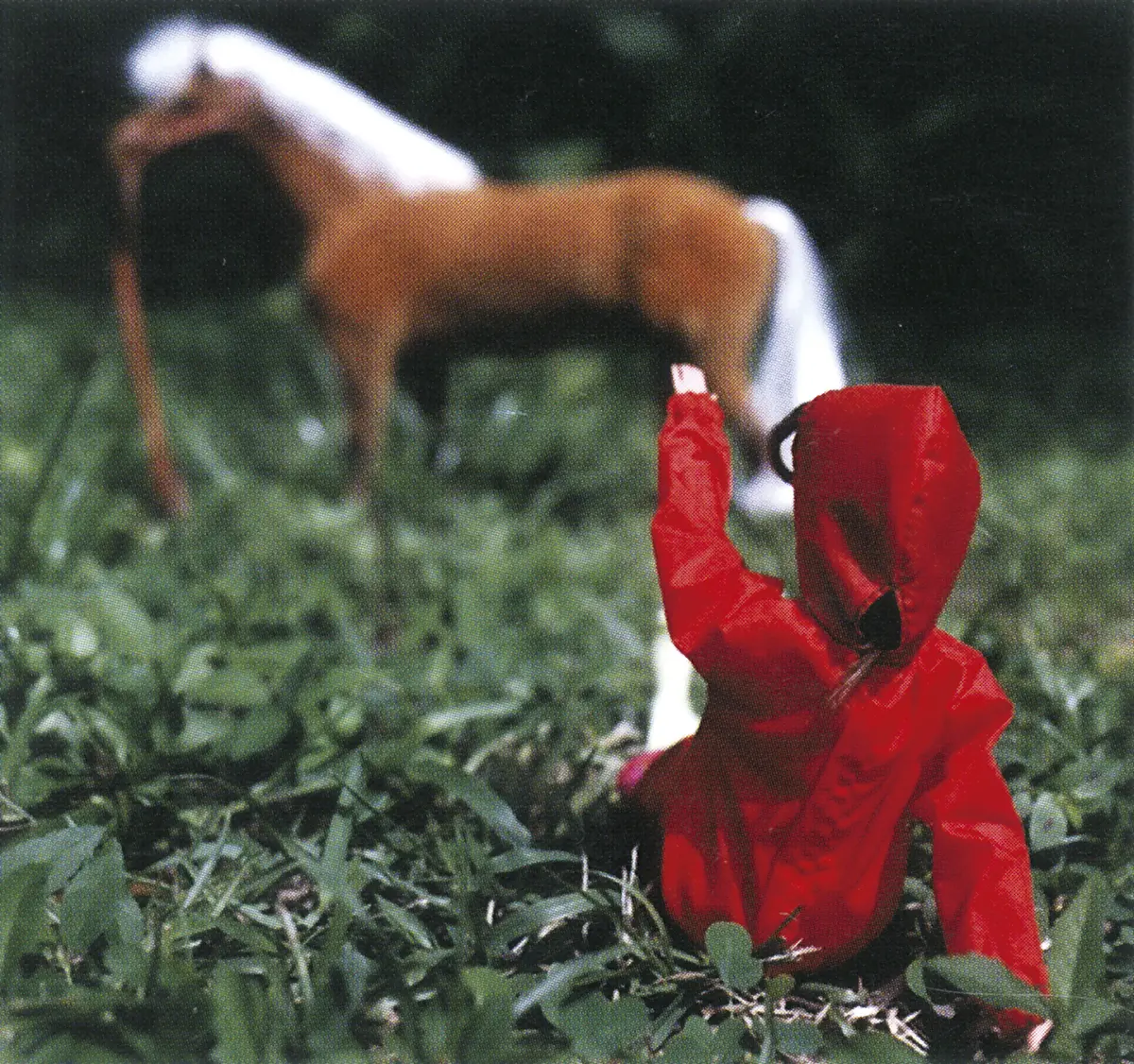
A noticeable effect of selling “affordable art” was the clear correlation between scale and price: in other words, size does matter. Many gallerists took advantage of the opportunity to fill their booths with small-scale works, often making the viewing experience challenging and time-consuming. Yet some, like Ingalls & Associates, presented clear and uncomplicated groupings of engaging artists such as Eugenia Vargas, Gabriel Delponte, and Annie Wharton. Vargas’s psychologically-charged photographs of female dolls and toy horses in lush landscapes represent a combination of erotic and romantic clichés, Greek mythology, and personal childhood experiences. Alternatively, Delponte’s and Wharton’s work reflected an observable trend toward abstraction. Delponte’s concentric rings of color made of epoxy resin bring to mind the work of Kenneth Noland, yet on a more intimate scale and with a more up-to-date feel. Like many of the galleries participating this year, Thatcher Projects also highlighted abstract art and focused on appealing paintings by Markus Linnenbrink and Jerome Powers, and sculptures by Vanske & Spänle.
Works on paper, editions, and photographs seemed to be the primary media of the fair, by artists that ranged from relative unknowns to more recognized names like José Bedia (Tamarind Editions), Sandro Chia (Fine Art Under 5K), Louise Bourgeois (Solo Impressions), and Richard Serra (John Szoke Editions). Large-scale, one-of-a-kind pieces such as Kcho’s charcoal drawings (Juan Ruiz Galería), or mixed media works by Antonio Carreño (G.R. N’Namdi Gallery) were priced at just under $5,000; printed editions like José Bedia’s monochrome lithographs were a reasonable $700—a perfect investment for a first-time buyer. Industrial landscapes by Canadian photographer Ed Burtynsky (Paul Kuhn Gallery) priced at $5,000 (framed) were also a bargain. Considering the international exposure his work is receiving, it is only a matter of time before his prices begin to soar. At M.Y. Art Prospects digital flexi-prints by Cleverson that use traditional shadow play and amusing silhouettes to capture the imagination were available for $500.
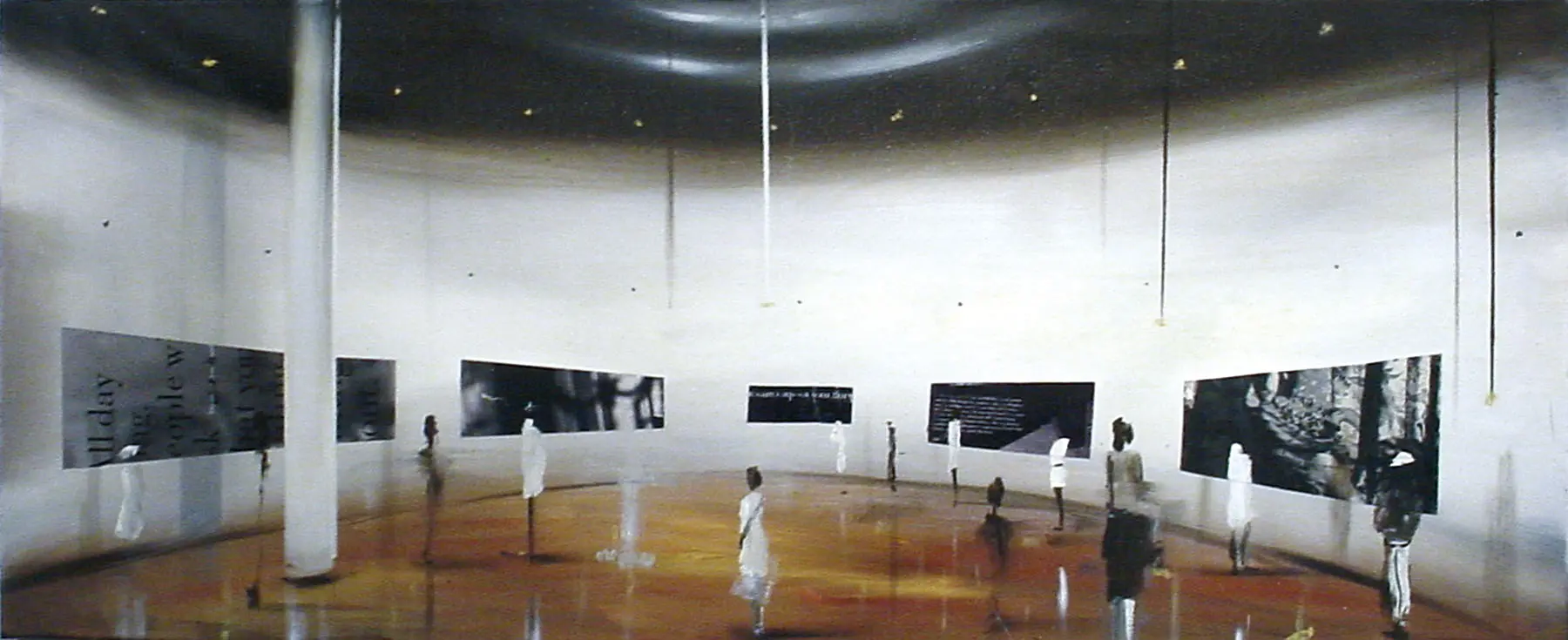
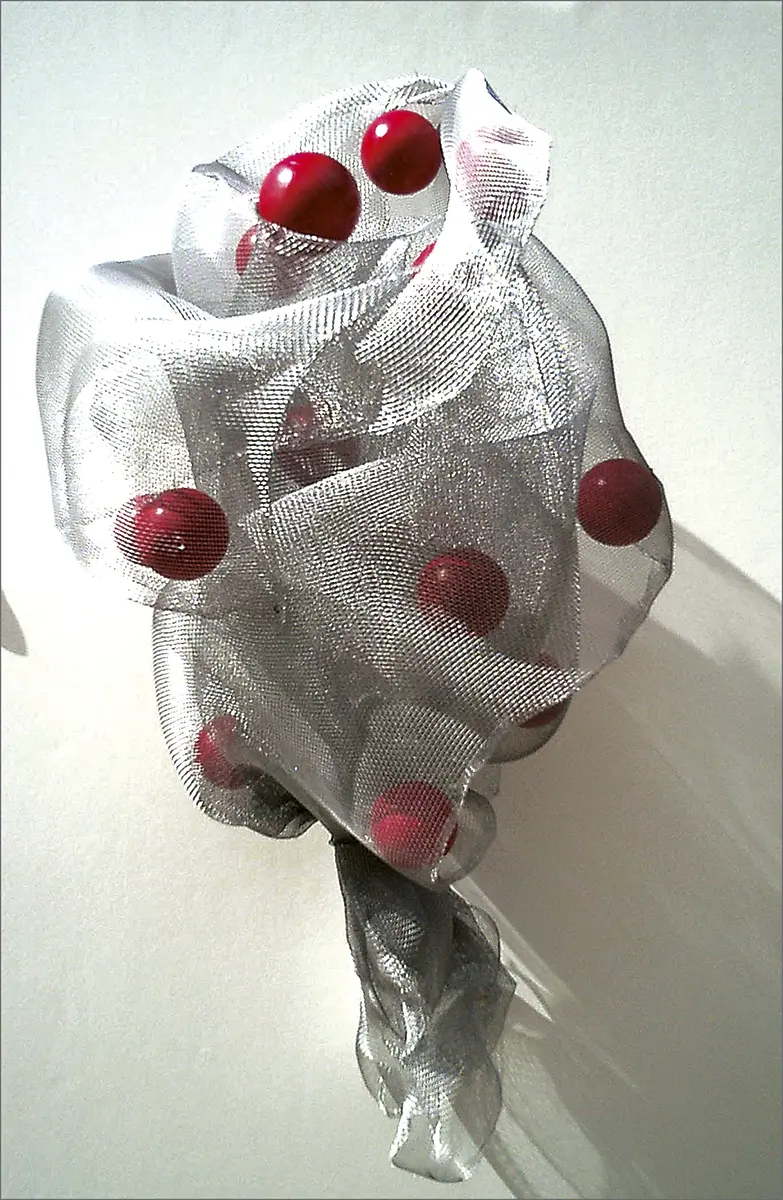
Although paintings were less abundant than prints and photography, there were some exceptions: works by Francisco Luna (Praxis International Art), Heesung Yang (Paradigm Art), and Ana Palacios (LatinCollector) offered the public an opportunity to purchase an original and unique work of art. At the Richard Levy Gallery, Dean Bienvenido Ramos’s work was particularly strong and dealt with human perception and phenomenological experience. Delicate and subtle images from his Road series, drawn with gold leaf on gessoed panels, and Suspension, an elegant hanging sculpture were notable standouts. Sculpture generally was scarce at this fair, but could be found at the Marina Kessler Gallery where Sylvia Riquezes’s minimalist work of wire netting and red spheres engaged the viewer.
Overall the fair could be overwhelming at times and had the feel of an extended shopping trip, yet with some time and effort one could find interesting and collectible works of art. As a concept the AAF seems to be filling a demand for well-priced and accessible art; the organizers continue to expand by adding shows in New York, Bristol, Sydney, and Melbourne to the original London-based fair. By providing a space where young collectors and first-time buyers can whet their appetite with affordable works, the fair is generating a site for individuals to learn more about the art market and perhaps become savvy and knowledgeable collectors.
CHARMAINE PICARD
Art critic and candidate for the Ph.D. in Art History at the University of Chicago.