As a site of exchanges that are at once commercial and visual; as a link between the gallery and the marketplace; as a display of excellence and, occasionally, of innovation; and as an opportunity for artists to make themselves known and sell some of their work, the art fair is undergoing an identity crisis in France and perhaps throughout the world. Indeed, the French capital with its two fairs —FIAC and Art Paris— is not exempt from the proliferation of these events that have been seen in recent years, with varying levels of success, both in Europe and the United States. Yet the current economic crisis in Europe’s wealthy democracies could impact the situation and help to clarify the issue of whether it is really practical to have two fairs in a city like Paris, and more generally, in a saturated European context. We believe that the recent explosion of such art market platforms will soon demand a local and international redefinition with regard to both their form and their content.
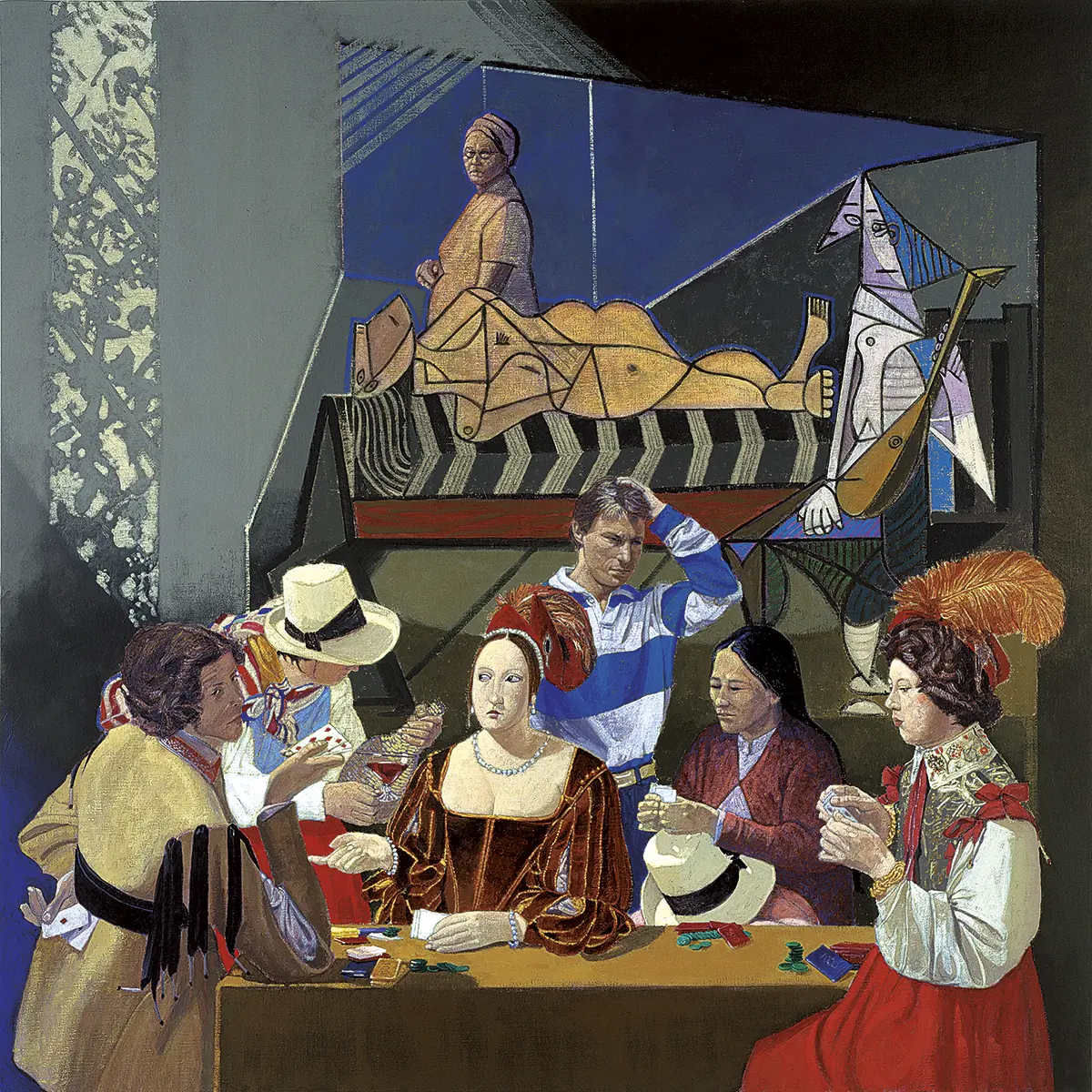
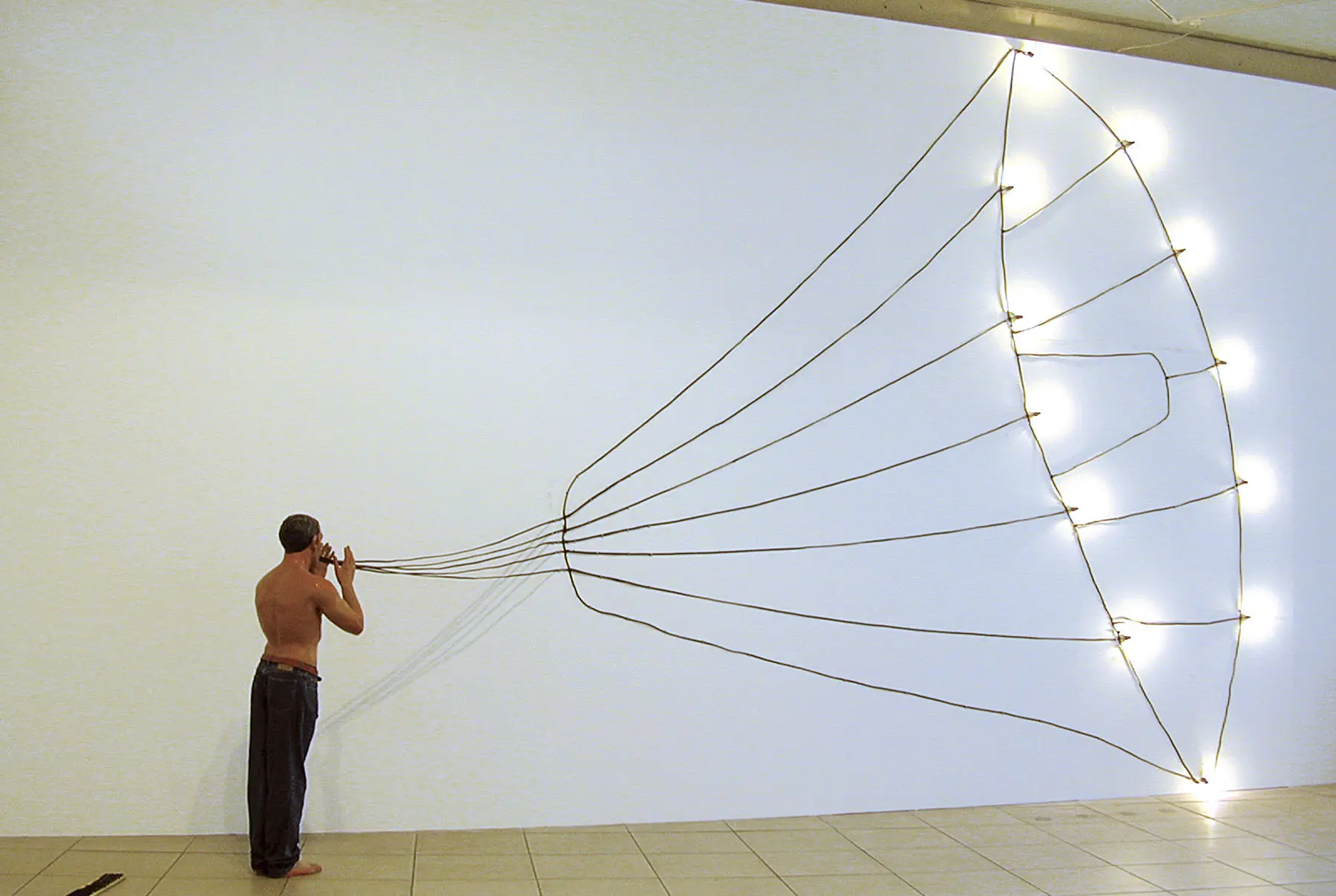
The Art Paris fair, established in 1998, first entered the fray of Parisian art commerce with the goal of presenting a competitive and opposing perspective to that of FIAC. This is why it opted for dates that were concurrent with those of its older sibling. After five years, Art Paris has now chosen dates that are a few days earlier than FIAC’s, in order to assert its difference as a medium-sized event (eighty-five exhibitors) that invites visitors and clients on a leisurely stroll for contemplation and enjoyment, and which includes a more classical selection of artists: internationally renowned painters and others who are better known in the French market. The care in the selection of galleries is unquestionable, with Paris-based Durand-Dessert (works by Balthasar Burckhardt, Alan Charlton, and Pino Pascali), Farideh Cadot (installations by Carlos Garaicoa and Esterio Segura), Maeght (the "safe bets" Joan Miró and Manolo Valdés), the Centro gallery (a mini-retrospective of works by Peruvian artist Herman Braun-Vega), Gana Beaubourg (a Korean group show), and Leila Mordoch’s gallery (an aerial exhibition by Emmanuel Fillot). We must also mention Arlette Gimaray (Paris,) which against many odds has retained its long-held preference for gestures and materials (Jean Degottex and Leopoldo Novoa, among others), as well as for paper (Bernadette Chéné’s newsprint constructions).
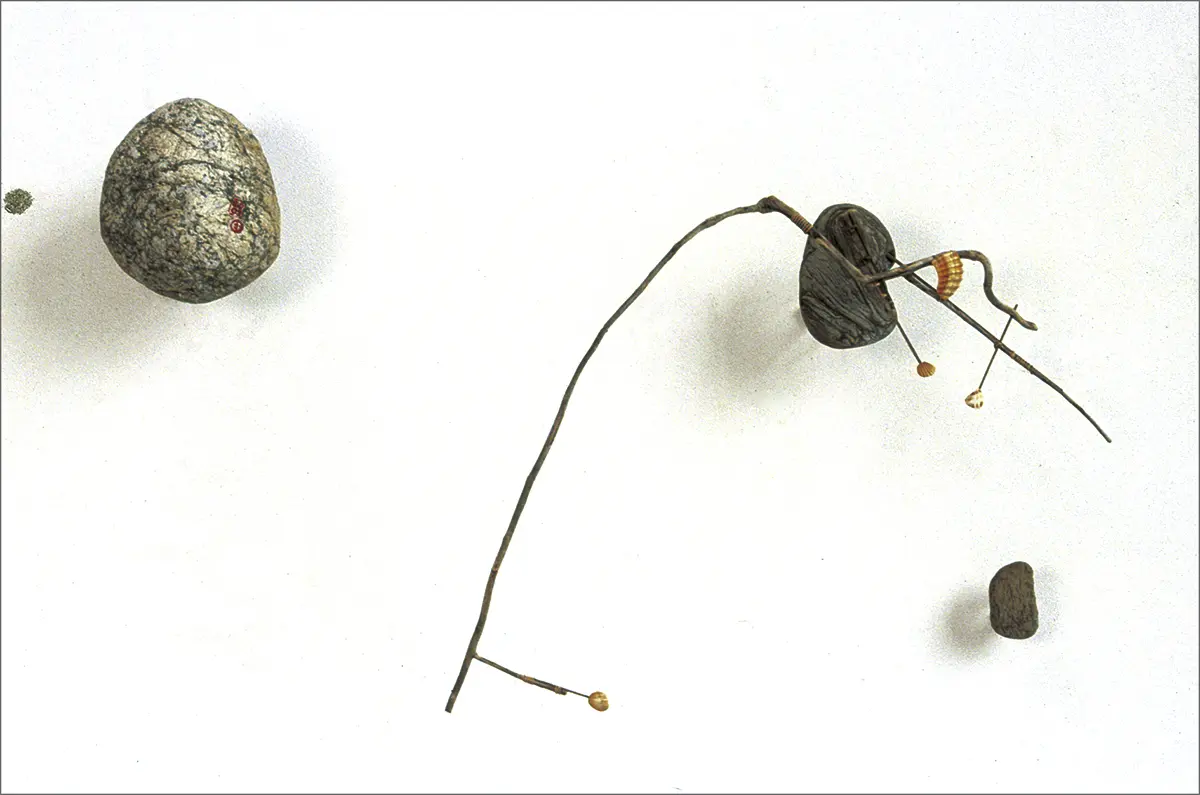
French galleries shared space with European ones: Annette Birch (Copenhagen) showed Antonio Saura, Jan Voss, Bengt Lindström, Wifredo Lam, and Alechinsky. We again encounter the latter accompanied by Bram Van Velde at Willy d’Huysser Gallery (Brussels). Sonia Zannettacci of Switzerland devoted its space to Peter Stämpfli, whose presence reinforced the emphasis placed on narrative figurative by Pop-Galerie-Laurent Strouk (Antibes), and Salvador (Paris) with Adami, Erro, Klasen, Monory, Rancillac, and Télémaque. Photography and installations were almost entirely absent, and in terms of video, we can only mention The Sea of Darkness by Paris-based Peruvian artist Santi Zegarra, a video installation that included coal mounds and dealt with the corruption of mining in Central France.
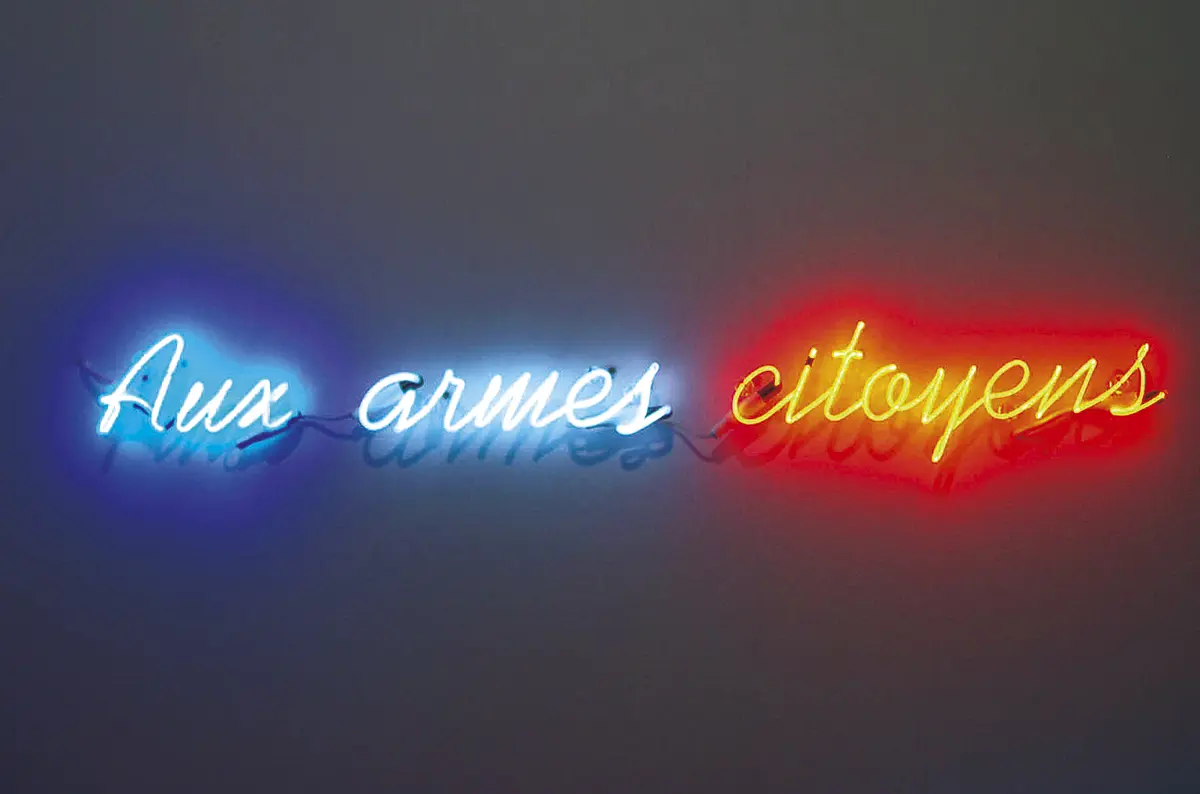
The general feeling of visitors to Art Paris was nevertheless softened because, during most of the event, one had the impression of being in the 1960s and 1970s again, even though some stands were able to unite quality and uniqueness and justified a detour either by the collector willing to buy or the unencumbered visitor. Art Paris continues to assert its preferences, which allows this small art fair to solidify its position with a kind of art (modern painting and printmaking) that is appreciated by a large number of collectors and gives meaning to its presence in the Parisian square.
CHRISTINE FRÉROT