Sponsored by British American Tobacco and its Kent brand, Habitart was a breath of fresh air —no irony here— for the region’s emerging contemporary art scene. Curators and directors of Central American museums and institutions know all too well that although the boldest, most avant-garde art thrives in the region it does not have the space or opportunity it deserves.
Thus, displaying a remarkable sense of opportunity, Habitart made an unusual, interesting, and appealing invitation: on average ten artists from each country would have the opportunity to execute one work inside a home or housing structure. Each artist would have an average area of fifteen square meters and would receive approximately $500 US toward the completion of his or her work. The subject was somewhat vague —because it was so vast— and had many implications: artists were invited to reflect on the meaning of living in a city on the Isthmus. The icing on the cake was that the winner would go to the Venice Biennale, with an additional $1,000 US for the trip.
Gallery owner and critic Klaus Steinmetz was named general coordinator of the event. He was in charge of designing the curatorial concept, appointing regional curators (one per country), and carrying the whole process forward. The appointed curators were José Osorio from Guatemala, Rodolfo Molina from El Salvador, Alicia Zamora from Nicaragua, Clara Astiasaran from Costa Rica, and Eduardo Araujo from Panamá. Honduras did not participate due to logistical problems. In addition to the exhibition and the competition itself, Kent organized a cultural series in each country that included literary readings and lectures on design, video art, and the like. It must be added that all these activities, including the exhibition’s opening, were held simultaneously.
By Country
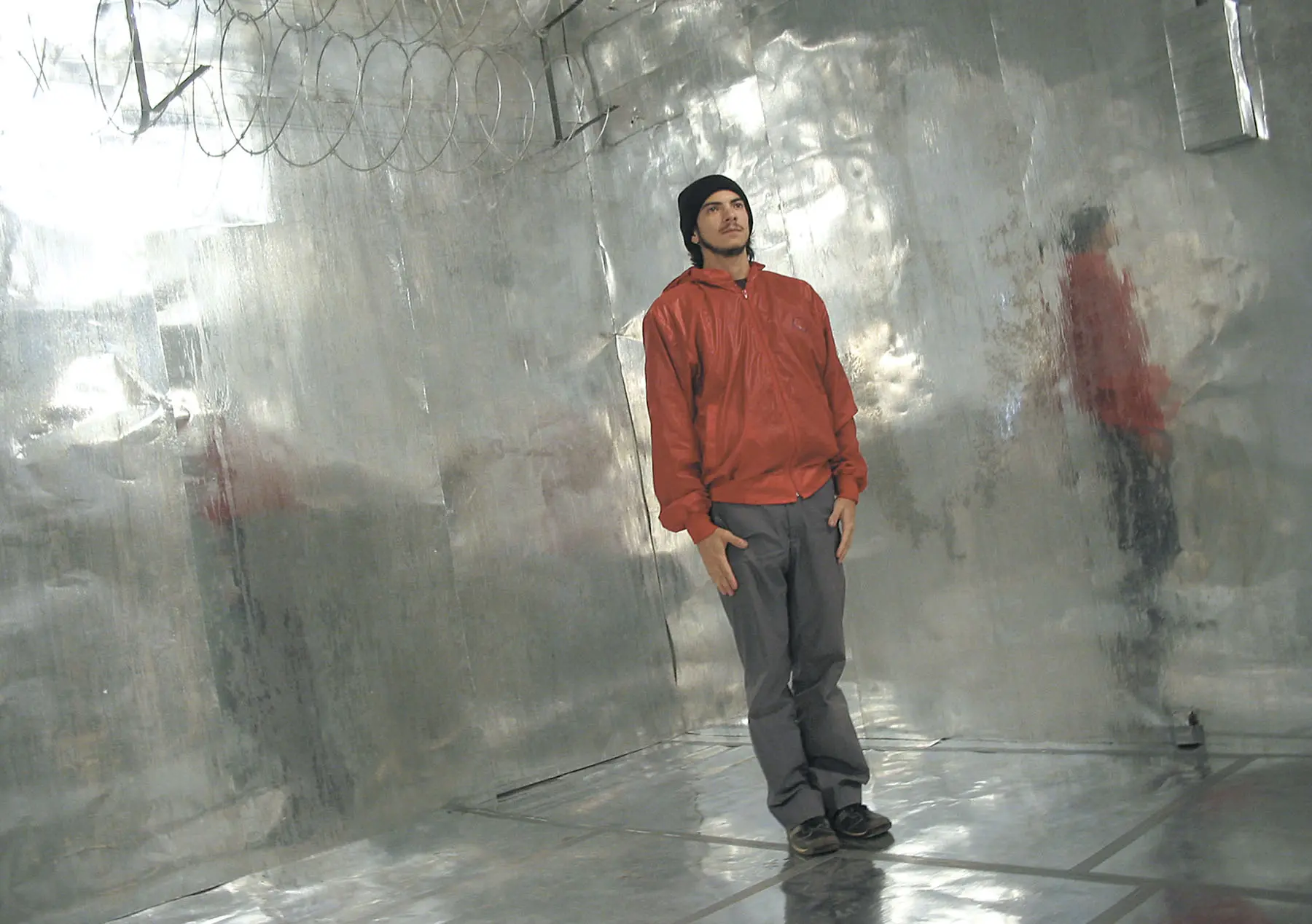
In Guatemala, curator José Osorio selected the following artists from twenty-five proposals: Pedro Antillón, Alejandro Marre, Pablo Bolaños, Regina Galindo, Grupo 2 (G2) —Javier Payeras and Alejandro Miguez— Alexis Herrera, Ángel Payón, Benvenutto Chavajay, Alejandra Hidalgo and Pablo Robledo. Here the selection and the general spirit of the entries had a highly politicized character. As in the rest of the participating countries, it became evident that the Guatemalan artists entering the fray had ample knowledge and command of contemporary art idioms and techniques: video installations, performances, and video projections dominated the selection. Painting in its most traditional format —canvas hung on a wall— was nowhere to be found, nor was bulk or relief sculpture in evidence. It could be that the nature of the event privileged contemporary idioms, or more simply, that younger artists identify with these art forms more than with traditional ones. The winning entry by Pablo Bolaños Sittler was a room entirely covered in a metallic laminate that gave it a cold appearance, part antiseptic abattoir, part atomic shelter. The author also had recorded himself chewing toasted corn tortillas so that as one entered the metallic room, with its vague reflections and unnerving sound, the feelings of claustrophobia and unnamable foreboding were very convincing. Another relevant entry was from Alejandra Hidalgo. Within a minimalist vocabulary, Hidalgo used dozens of tortillas to create columns or bands that moved in all directions inside the room and even outside. Soon the tortillas went bad and filled the air with a particularly foul smell that made it necessary to “isolate” the piece behind a glass panel. Regina Galindo, clearly alluding to the work of Mexico’s Teresa Margolles, painted her room in white paint mixed with human blood. In an act that is becoming increasingly popular, Alejandro Marre decided to “give away” the $500 US he had been given as a budget for his work by tossing it from a rooftop. He recorded the event and its impact in a series of snapshots. In a way, the snapshot format did not truly capture the action, perhaps due to its scale inside the room, and one wondered whether a video would not have been more effective.
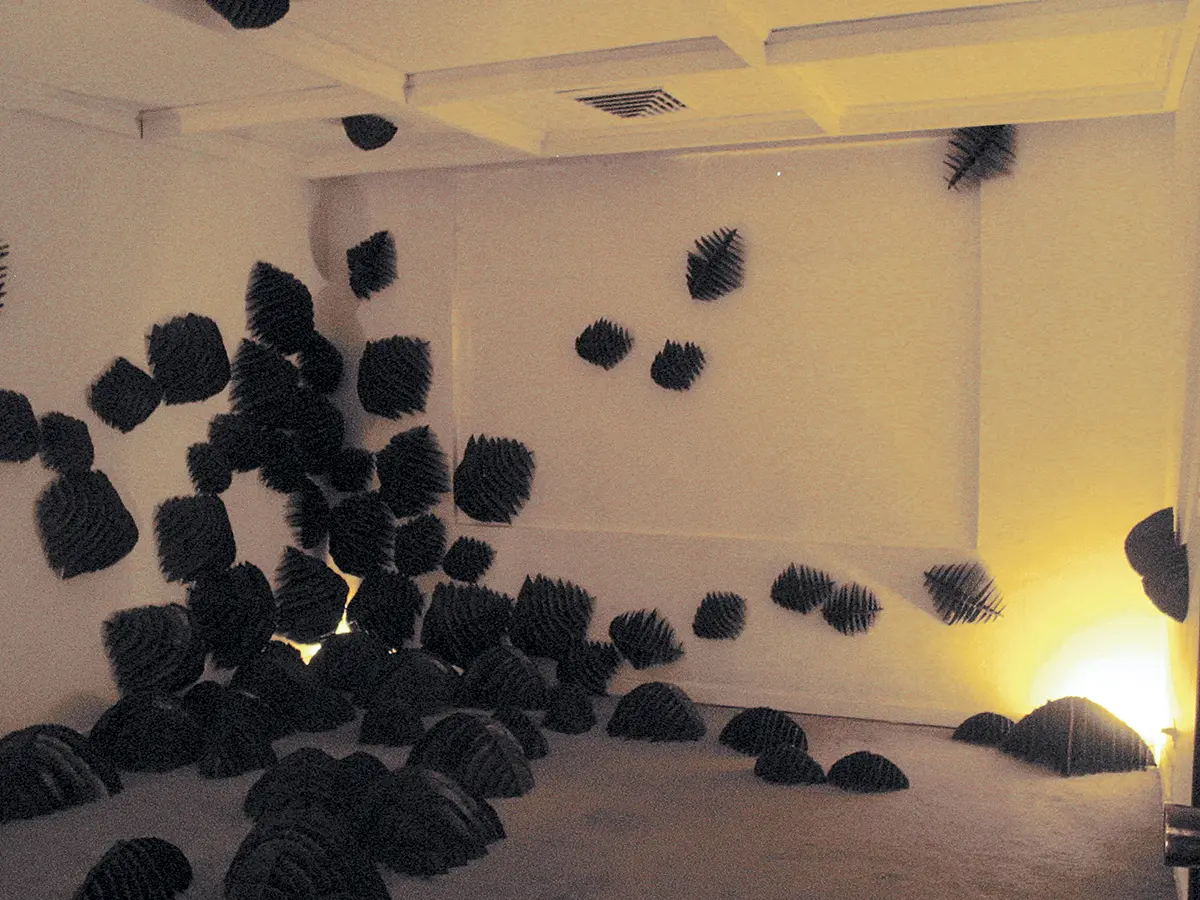
In El Salvador, it was evident that the kind of project and opportunity offered by Habitart had been long awaited by both artists and the public. Here, all the activities presented around the exhibition were extremely well attended, and the project’s impact was reflected in local newspapers almost daily. This was largely due to the good management efforts by curator and artist Rodolfo Molina, who selected: Mauro Arias, Walterio Iraheta, José David Herrera, José Mario Henríquez, Renata Huete, Patricia Márquez, Alexia Miranda, Ronald Morán, Simón Vega and Verónica Vides. The winner was Polillas de hierro by Vides, whose “invasion” of the room by an object that resembled some sort of prehistoric animal staggered viewers; the intelligent use of lighting gave the whole environment a science-fiction look.
An immediate and perhaps expected (but no less admirable) result of the event was to find works with similar formal solutions in different places: Ronald Morán’s room, where all objects had been wrapped in white cotton and all the walls were painted in the same color, was noticeably similar to Honduran artist Hugo Ochoa’s white room with altered objects and video, which was the winning entry in Costa Rica. Morán’s piece alluded to the ability of a single material, cotton, to isolate or “soften” other materials, displacing them in an operation similar to those practiced by the Surrealists, but with different undertones and intentions. In both cases, we recognize the impulse to whiten or to cleanse symbolically through the use of a color associated with notions of purity and cleanliness.
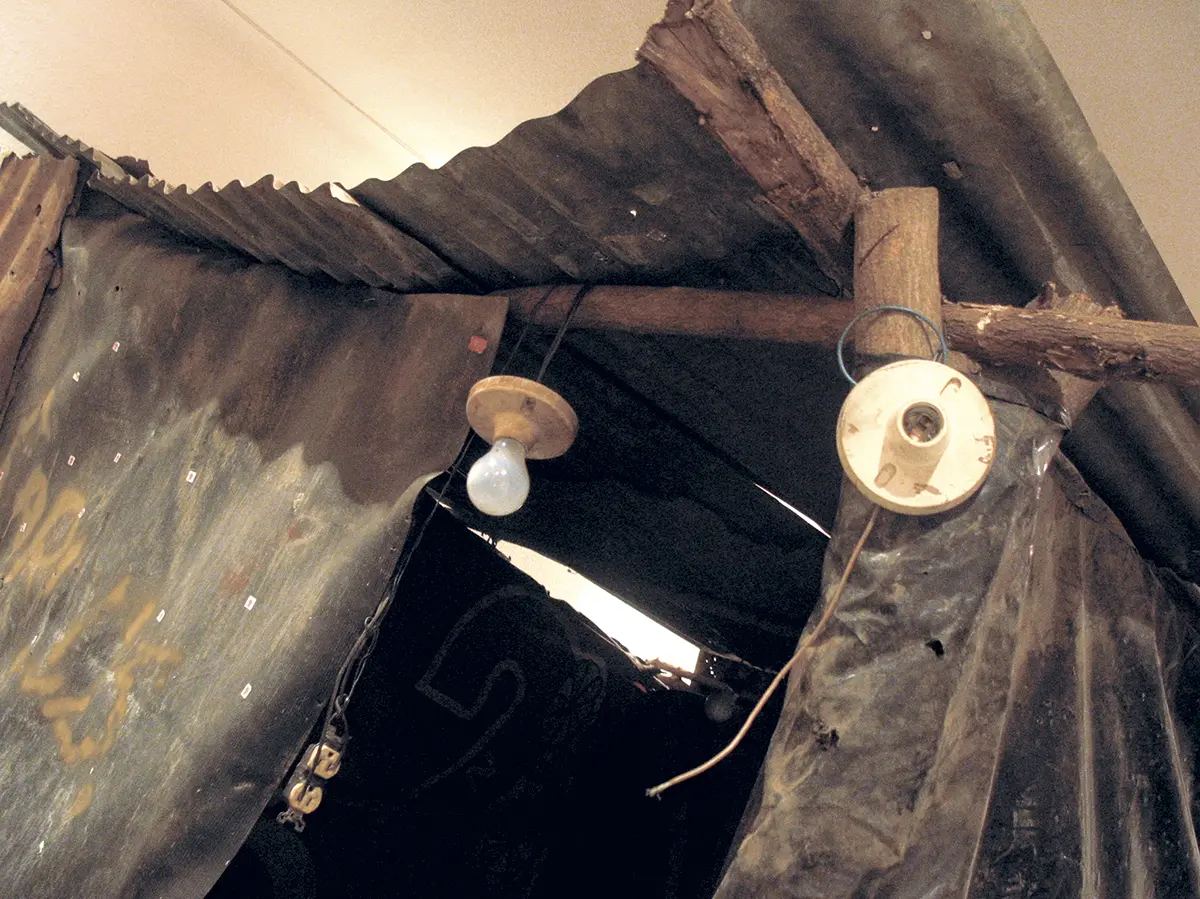
In Nicaragua, curator Alicia Zamora received forty entries and selected ten by the following artists: Ricardo Miranda, Óscar Rivas, Rodrigo Pacheles, Gabriela Cienfuegos, Eduardo Herrera, Emilio González Romero, Óscar García, Miguel Ángel Bonilla, and Katia Argüello. Nicaragua being the Central American country in the direct economic and social conditions today, it was no surprise to find the Habitart entries there infused with the strongest social content —“protest” works, as we used to say in the 1970s. The winning piece was Habitafagia, by Eduardo Herrera Scott; it was the careful reproduction of a slum using discarded materials and built inside a room. The slum itself was not shocking for viewers —Managua is surrounded by them— but the maximum effect was achieved by locating it inside a well-to-do home. Another work of high visual intensity and strong content was Mercado de libre comer salcucharas, by Rodrigo Pacheles. Its use of scale and repetition reminded one of Cildo Meireles, although, in Pacheles’s case, the reference to hunger was entirely original and very effective. As I said before, it was evident that local artists are well-versed in the visual codes and the critical, fresh imaginary that characterizes young creators throughout the world.
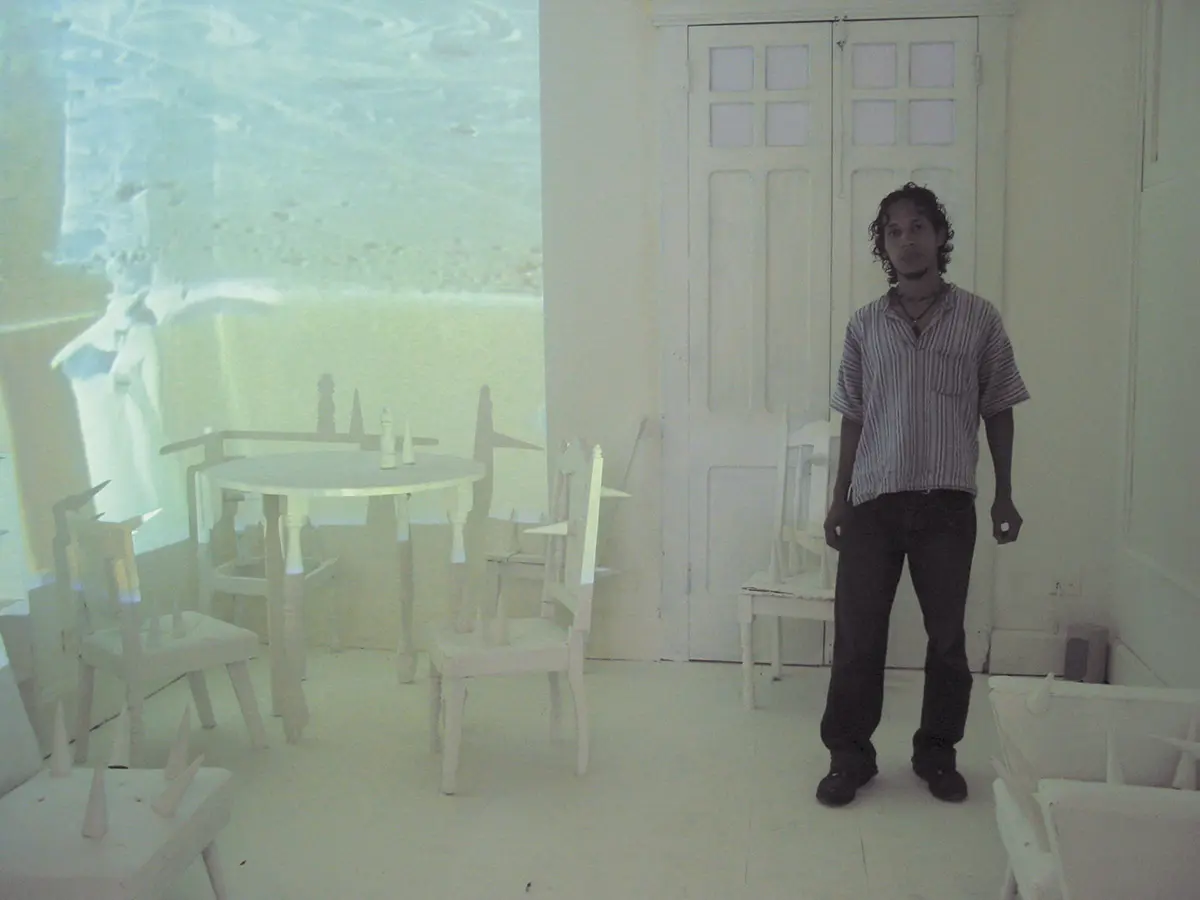
In Costa Rica, perhaps the Latin American nation with the most solid infrastructure in terms of state-sponsored museums, art and design schools, and alternative spaces, the call for entries attracted for the most part very young artists, some of them still students. Clara Astiasarán and Klaus Steinmetz took on the job of selecting nine participants: Errol Barrantes, José Pablo Cortés, Mimian Hsu, Cristian Navarro, Hugo Ochoa, Óscar Ruiz-Schmidt, Esteban Piedra, Karla Solano, and Manuel Zúñiga. Just as in other countries, the difficult social and economic conditions dominated the event thematically, in Costa Rica the common denominators were themes of identity and personhood. As mentioned, the winner was Blanco, by the San José-based, Honduran artist Hugo Ochoa, a work mixing video with the altered room. The old, deteriorating furniture was rendered useless by pike-shaped pieces of wood, painted white. Room deodorizers of the kind used in public restrooms hung from the walls. The domestic space as a projection of the superego and ideas about routine and “cleanliness” was all part of the complex readings suggested by the piece. Honorable mention was given to Esteban Piedra’s Espacio de protección y aislamiento, an elegant and exquisite allusion to our condition as captive mammals given to establishing ourselves, through the use of refined and cruel methods of subjugation, as the dominant species. Another honorable mention went to Paisaje Interno, by José Pablo Cortez, perhaps the most technologically complex piece presented. Cortez used six monitors to show different elements, such as headlights, exterior paint, etc., of the same bus. Fresh and gracefully designed, using synthetic gauze and PVC tubes, the piece was completed by bus seats where viewers could sit down to enjoy the videos and the music sequence.
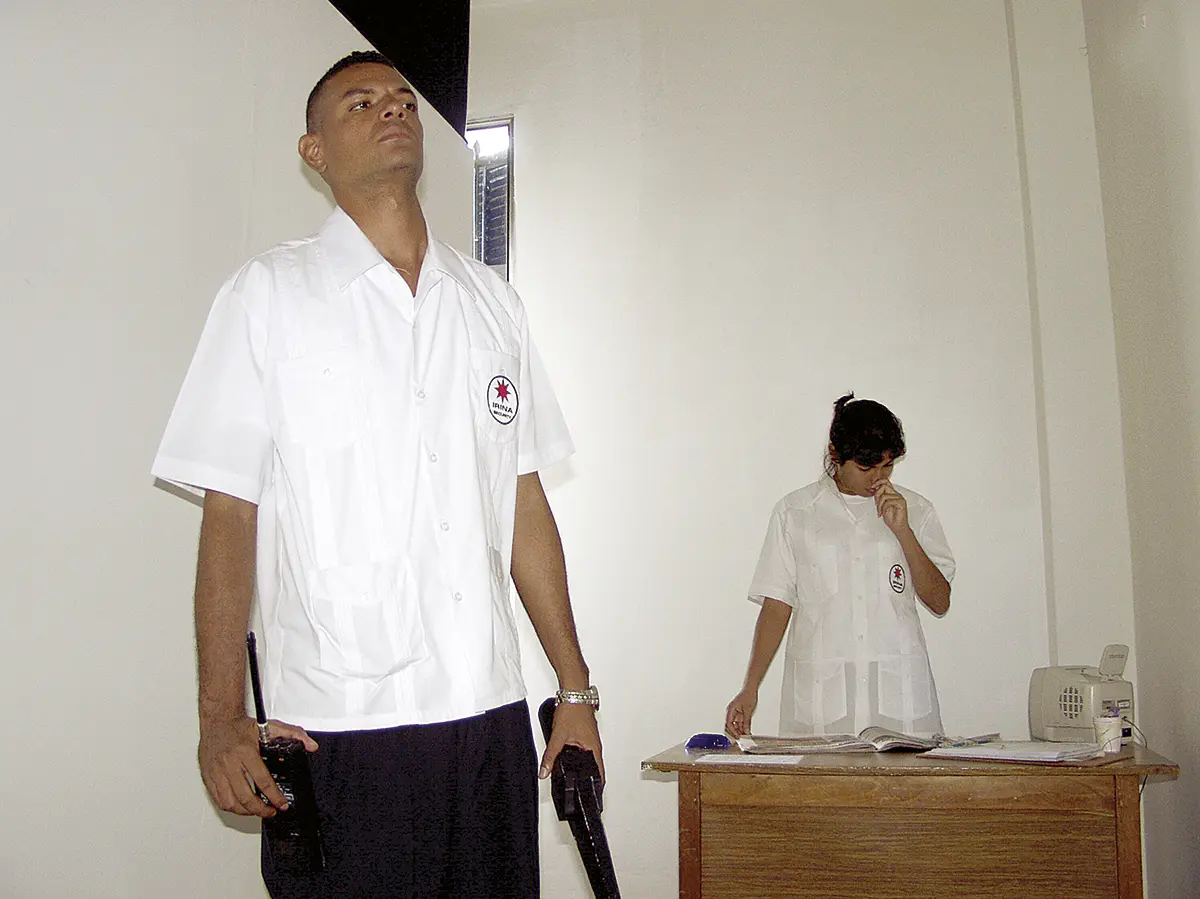
In Panama the winner was Edduin González; the following artists also participated: Ramsés Giovanni, Jonathan Harker, Mira Valencia Enrique Castro, Miguel Fábrega, Ramón Zafrani, and Rich Potter. González’s work included a security guard who stopped visitors, frisked them, and ordered them to empty their bags and wallets in the rudest tone of voice. Once access was gained, one found an empty room. In a similar vein to Ronald Morán and Hugo Ochoa, Mira Valencia returned to the color white: her installation in a room entirely painted in white also used pike-shaped elements, very similar to the ones Ochoa used on his furniture. Jonathan Harker presented still another work of tremendous visual richness that at the same time introduced the sounds of car horns, traffic, and urban noise, in general.
Undoubtedly, the Habitart: Kent Explores Contemporary Art initiative has contributed to the vivification of artistic activity in Central America, and it has also revealed important correlations in terms of urban themes and the subject of identity. It also made abundantly clear the fact that “ephemeral” art —most works were conceived and designed for specific spaces, and were to be dismantled after those spaces were closed— unquestionably has become a valid option and one of increasing popularity among young artists. This first event will leave a profound mark on the region’s artistic life, especially thanks to the flexibility shown by the sponsors, who gave the regional curators free rein. This resulted in a competition and an exhibition of young art of the highest quality. One can only hope that the event continues.
JOAQUÍN RODRÍGUEZ DEL PASO