
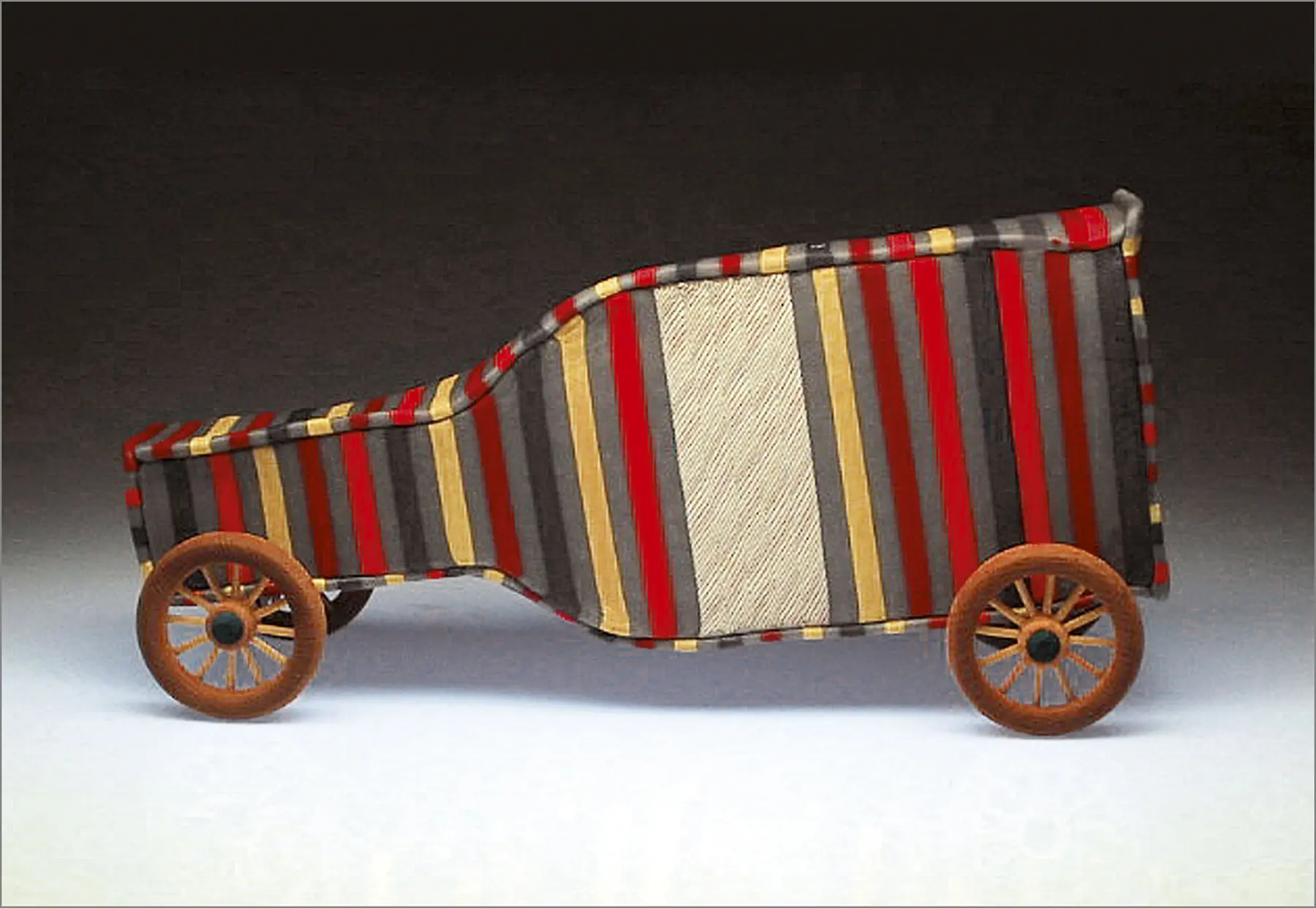
Art Miami 2004 set out to prove that after fourteen years it was still the major art fair of Miami and could upgrade, improve, and attract quality galleries and a quality audience. As Miami has grown into a cosmopolitan venue of choice for international travelers and buyers, it has also felt the effect of the success of the many competing events held in the area during the tourist season. Art Miami rose to the occasion this year and the result was a smaller, better-designed, friendlier show with a clearer vision. Determined to clearly establish and maintain its identity as the best venue for the art of Latin America outside of Latin America, with stricter criteria and vetting processes, Art Miami 2004 was greatly improved over last year; Director Ilana Vardy should be congratulated for listening to the critics and advisors and making the necessary changes and additions. There were 120 galleries from Europe, Asia, and Latin America; numerous discussions and panels; open collections and special venues in the community; and the return of the Currents section of cutting-edge work and Project Spaces, among the many provocative exhibition spaces.
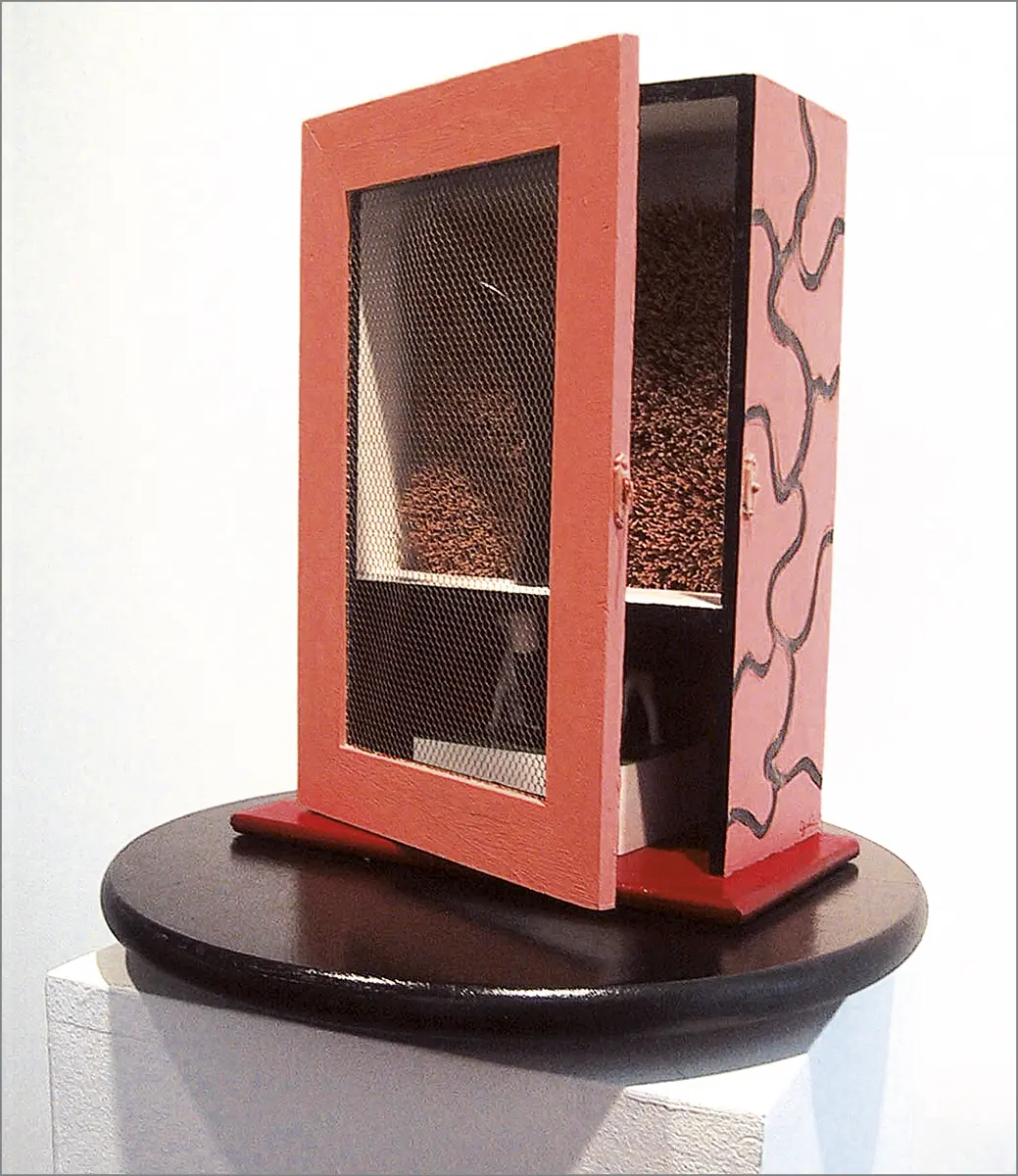
Highlights included more photography and projects ranging from small installations, videos, and an excellent selection of sculptures and glass from all over the world. The small objects and glass were a welcome addition, not usually found in contemporary art shows, as opposed to the decorative arts, which added a new dimension of interest for particularly good sales. Art Miami can establish its own direction with an emphasis on high-quality contemporary photography and glass.
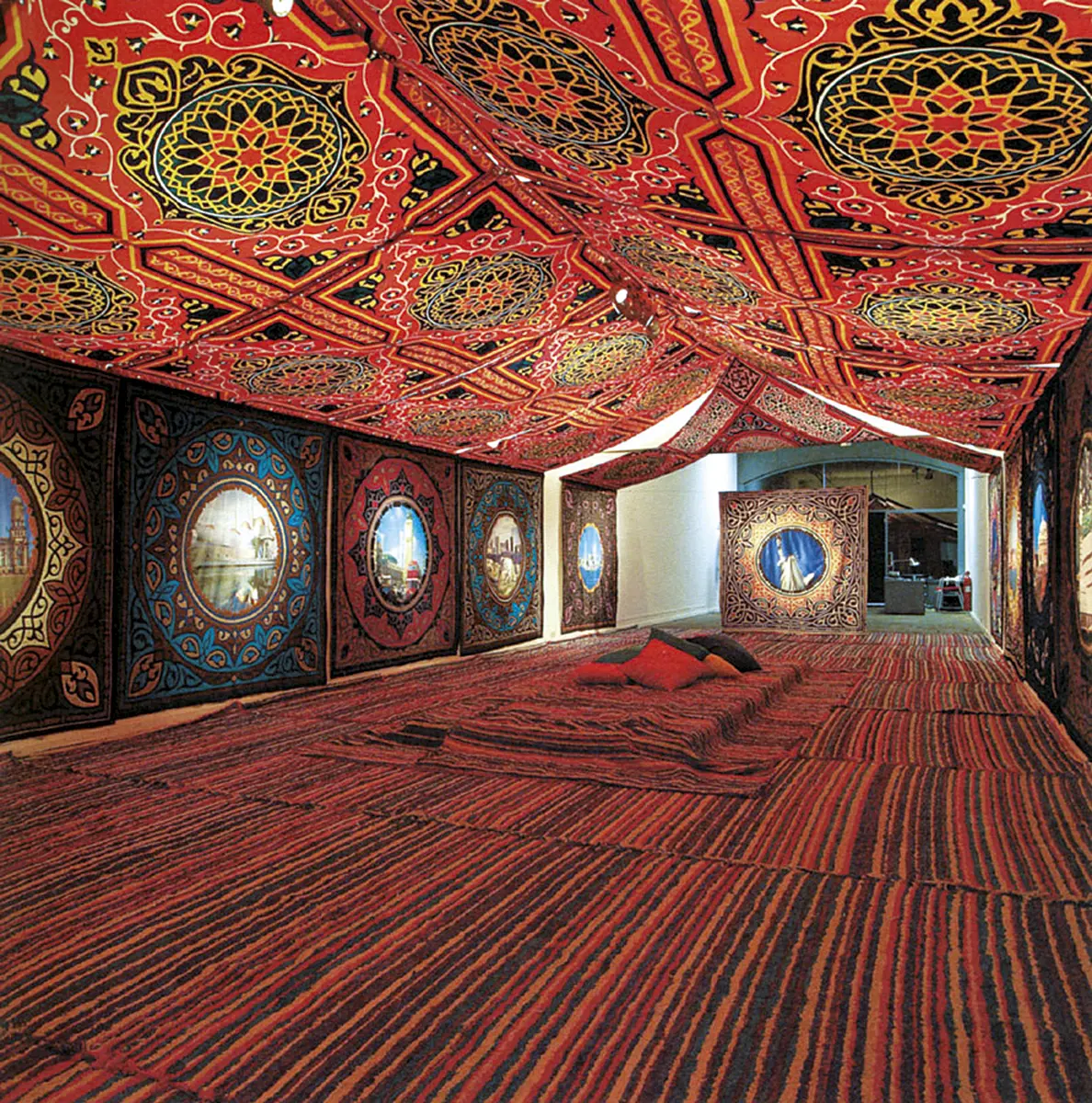
One of the most remarkable projects was presented by COFA (Claire Oliver Fine Art, New York). Called Oasis, the installation dominated the fair as a lounge in the form of a gigantic, lush Bedouin tent with handmade carpets and Islamic images. A meditative environment is part of the ongoing Islamic Project, started in 1996 by AES+F, a Russian Jewish collective from Moscow that continues its running commentary on the Western world’s fear-based reactions to Islam. Another fascinating project, Games and Toys, was a confrontation between Silvia Levenson (Argentina) and Richard Marquis (Arizona, USA) at Caterina Tognon Arte Contemporanea (Italy) that featured glass as the playful and disturbing medium of reflection and commentary.
In the Currents area, a number of galleries presented cutting-edge works that included the best examples of photography. Gallery Irmgard Heyd (Stuttgart) displayed the strange photographs on aluminum of Marcus Dreisigacker, while certainly among the most disturbing images were the photos/video of Gustavo Artigas at Claudio Poleschi Arte Contemporanea (Italy). Mixed media works at Solar Latin Art and Design (New York) and Schopf Gallery on Lake (Chicago) combined printmaking and a variety of processes dependent on new media. The large paintings by Cuban artist Yunior Mariñ at Myto (México) were extraordinary combinations of detailed drawing, writing, and series of images that were as real as photographs, and as illusive as the natural phenomena they attempt to capture.
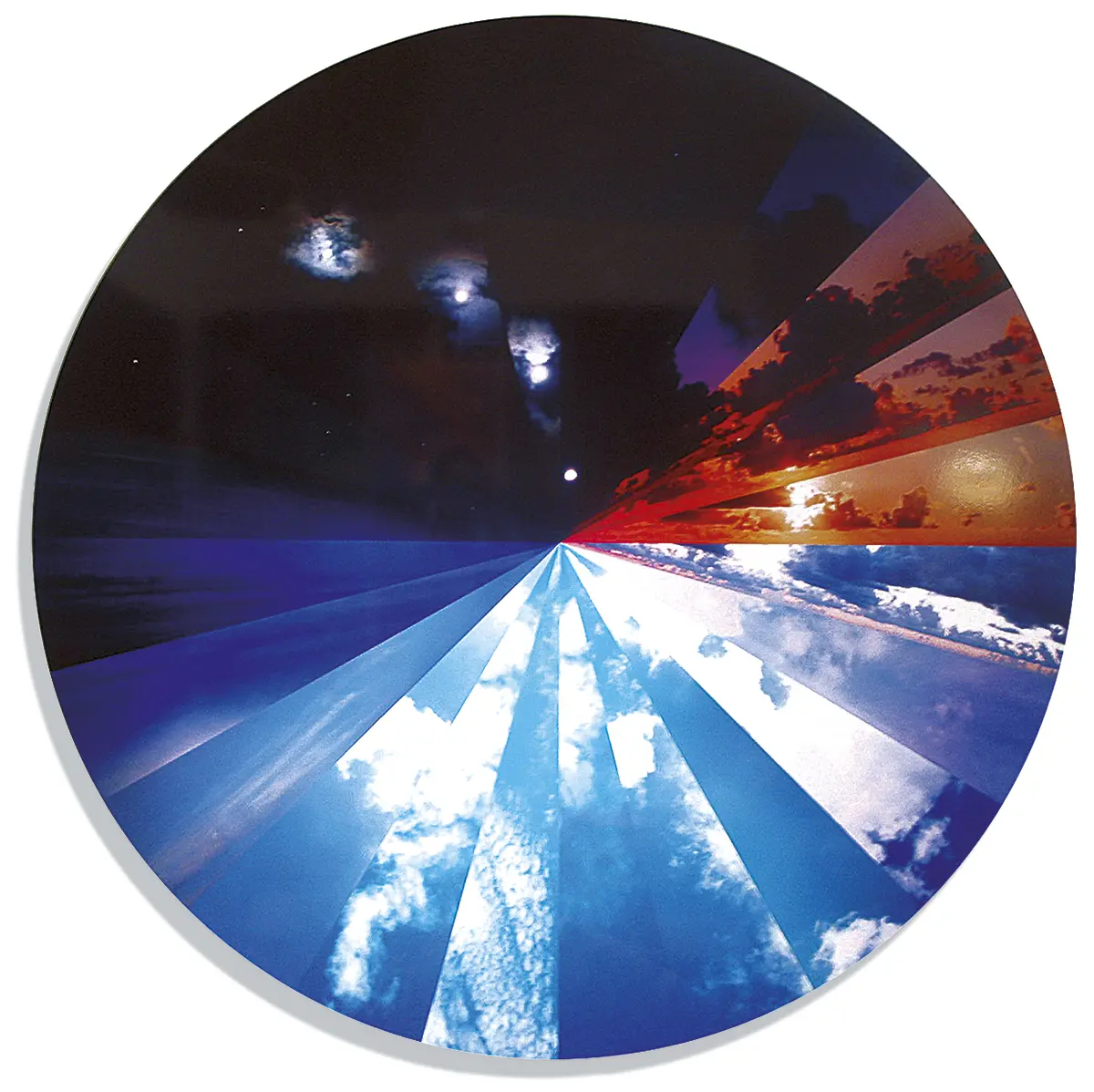
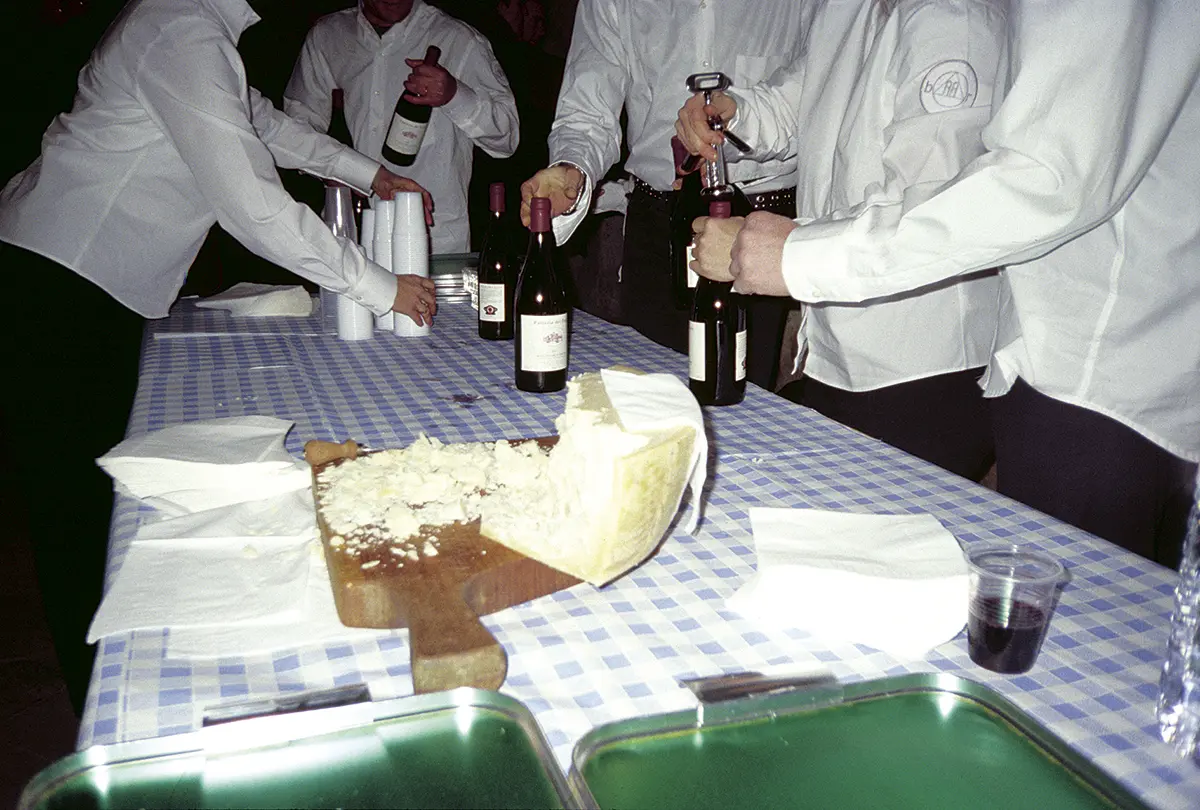
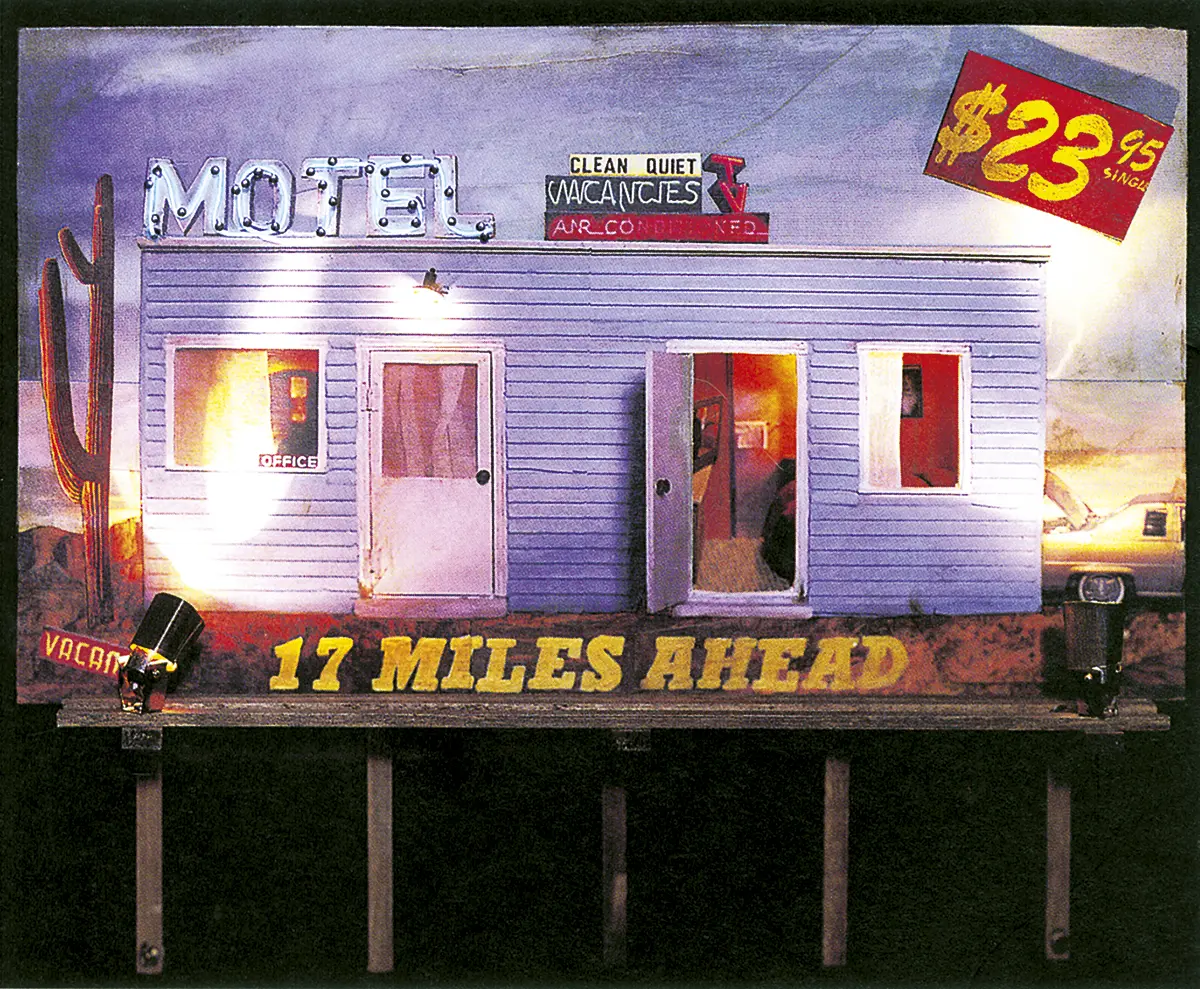
Latin American masterpieces were present throughout the Fair with Juvelis-De La Guardia (Florida) setting the standard at the entrance with a magnificent Wifredo Lam among its treasures. Praxis International (Florida, New York, Argentina) presented Iturria’s new direction; Praxis México included some of Roberto Cortázar’s most compelling works; Juan Ruiz Galería (Venezuela) brought Kcho; Santa Giustina (Italy) featured the sculpture of Deredia and Botero among the stunning paintings of Luciano Ventrone and Julio Larraz. At Cernuda Fine Art (Florida) were works by relatively unknown (in Miami) Cuban artists Vicente Hernández, Flora Fong, and Miguel Florida in the same space as familiar masters Amelia Peláez, Wifredo Lam, and sought-after works by Mendive and Sosabravo. Durban Segnini Gallery (Florida and Venezuela) featured sculptures by Soto, Cárdenas, and Negret, and Peruvian master Fernando de Szyszlo was present to sign a new book on his work and speak about his newest prints and sculpture. Worldhouse Gallery (New Jersey) constructed an installation area for the remarkable works of Graciela Sacco and introduced the C-prints and objects of Tracey Snelling. The Pan American Art Gallery had an exhibition of works by Roberto Diago and his grandson Juan Roberto Diago. The elder is an important figure in Cuban visual arts during the avant-garde. His contribution to issues of identity dealing with religion and popular culture was passed on to his grandson who is also a skillful artist.
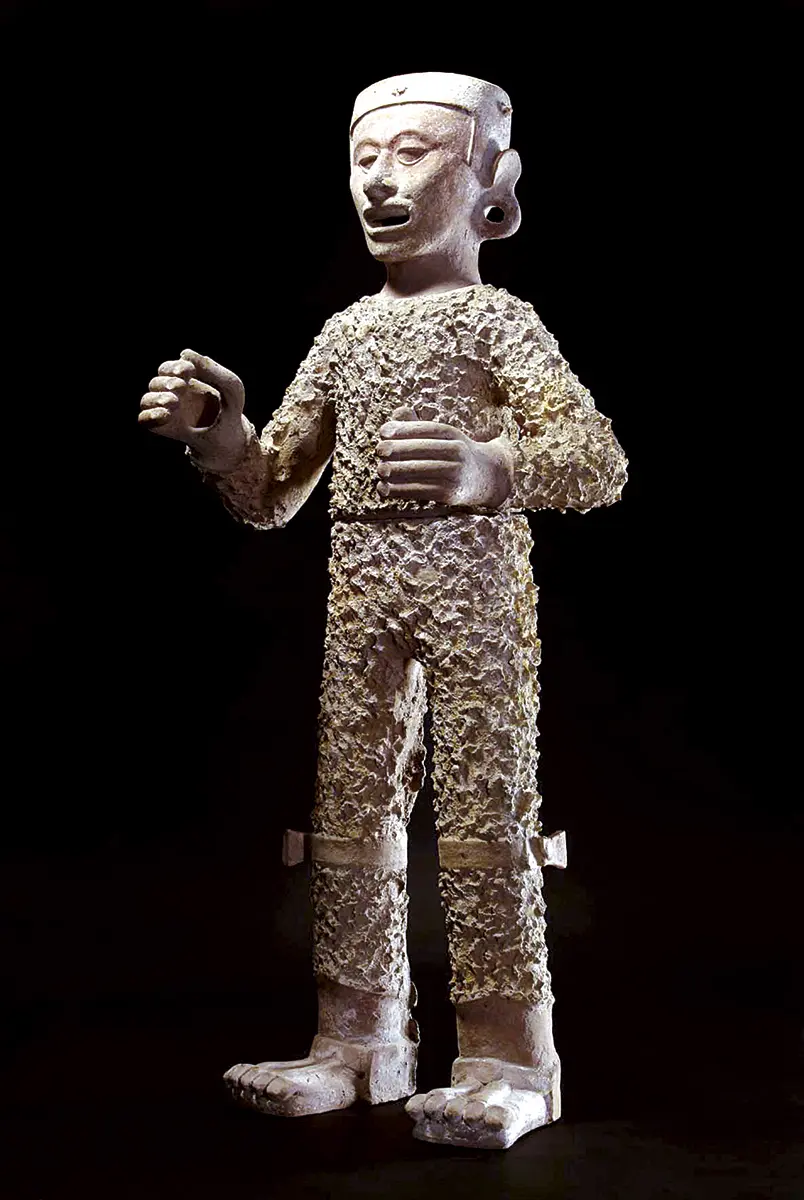
The strange works by Inés Vega and Guillermo Rodríguez at Galería Isabel Anchorena (Argentina) were among the many objects of wood and glass at the fair that provoked interest. At Option Art (Canada), extraordinary wood vessels by David Samplonius and tiny paper constructions by Cybele Young demanded close attention. The glass figures at Berengo Fine Arts (Italy) and Galleri Udengaard (Sweden and Denmark) were the finest examples. Sculpture definitely competed with painting and painting was often as sculptural as mixed media allowed, as demonstrated by Ofelia Rodríguez at Haim Chanin Fine Arts (New York). However, there is no doubt that the masterpieces of the Americas and Asia at William Siegal Galleries (New Mexico) made everyone think about the past and appreciate the great masters of pre-Columbian textiles, gold, and ceramics; the basket-makers of the Wounaan people; and Indonesian weavers. There is little that can compare to the awesome statue of Xipe Totec from Veracruz, México, AD 500–1521, who was the star of the show.
CAROL DAMIAN
Carol Damian is a professor and member of the Directive Board of the Department of Visual Arts at Florida International University, Miami.