
Between the shows of Polidoro da Caravaggio in September, and Bosch and Bruegel in January, London’s National Gallery took an unusual —yet remarkable— step in dedicating an individual exhibit to the acclaimed contemporary video artist Bill Viola (1951). Boasting one of the world’s most comprehensive collections of European artists from 1250 to 1900, the Gallery’s decision to replace those paintings with LCD and plasma screens is somewhat intriguing. The Passions was the title of Bill Viola’s show, an indication that art has much more than mere aesthetic functions, for even though many view technology as a threat to the principles of artistic expression, Viola’s panel screens depict life and emotional transformations equally or maybe even more powerfully than sixteenth-century paintings.
Viola introduced his video installations to museums and galleries during the 1970s, when he began to use the camera to create powerful environments. The visuals and sounds of videos allowed him to create and depict non-linear experiences filled with dream patterns and universal cycles of time, including the themes of birth, death, and human consciousness. Viola brings paintings to life using electronic images; they transmit his concerns about the spiritual self and the boundaries of perception related to it.
The idea to create The Passions came to Viola in 1998, when he was invited to be a guest scholar at the Getty Research Institute where, alongside art historians and scholars, he studied The Representations of Passions. For the first time, he was faced with the question: how can one show extremes? Although Viola was well acquainted with Hindu, Buddhist, and Sufi texts, current critical thought on Christian mystics and medieval devotion, and depiction of emotions throughout the history of art were subjects that were new to him. Viola studied works at the Getty Museum, such as Dieric Bout’s Annunciation, the 1450s; Caspar David Friedrich’s Man at Dusk Contemplating a Tomb, 1826; and Hans Memling’s Virgin Mary, Saint John and Mourners, taking notes and jotting down his reactions and insights on the pieces. At the same time, Viola was invited by the National Gallery to participate in a show of commissioned works that were to be based on the Gallery’s collection and turned his interest to the Gallery’s painting of Christ Mocked, by Hieronymus Bosch. The combination of the National Gallery’s invitation and the intellectual confrontations at the Getty served as a departure for the creation of Viola’s The Passions.
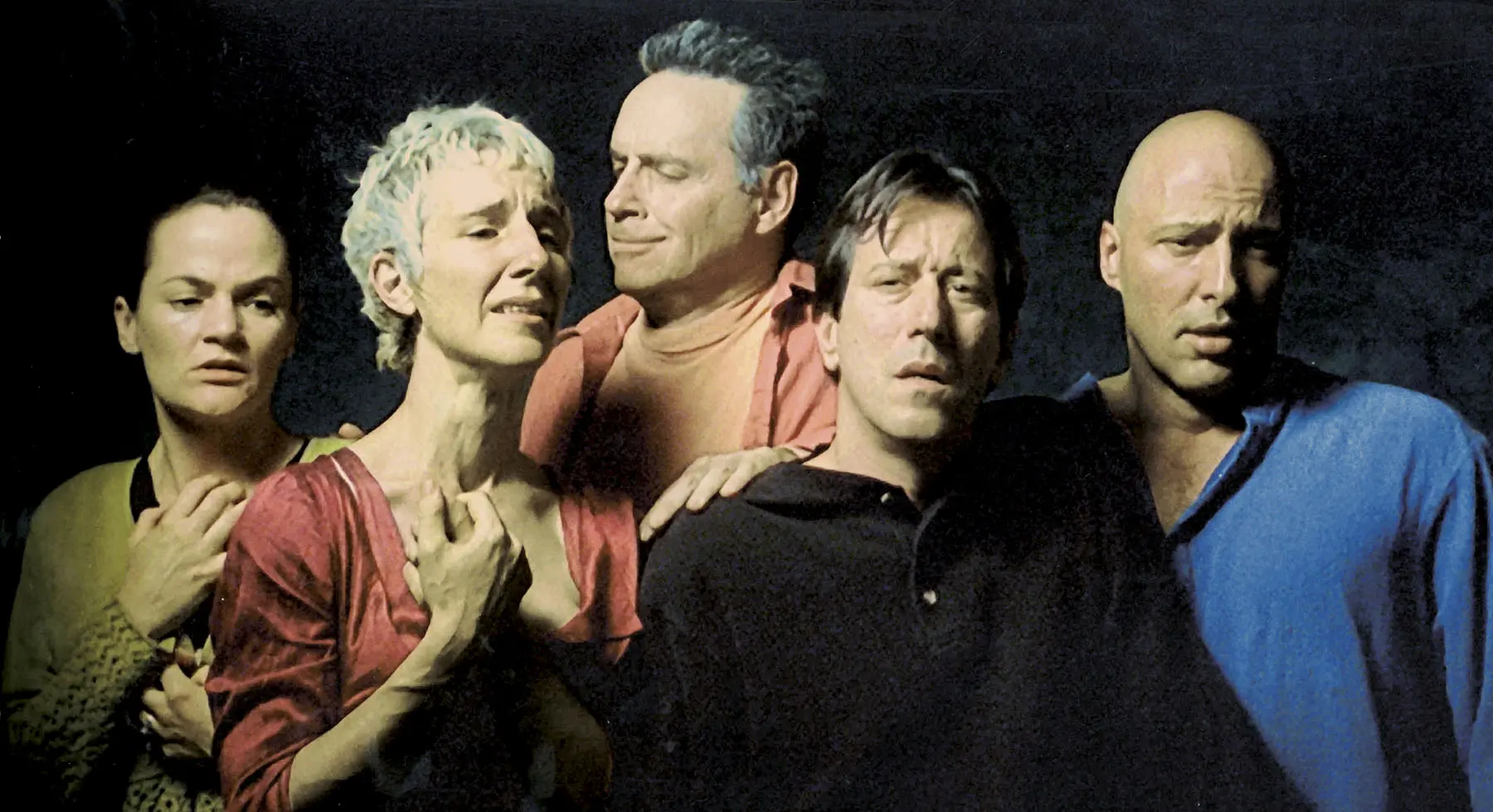
The Quintet of the Astonished, 2000 became Viola’s first project for this series. The idea —a group of five actors each expressing five different emotions— diverged from Bosch’s Christ Mocked. Viola’s purpose was to create an atmosphere where characters dissociate one from the other while sharing a tight space, just as the executioners appear to do in Bosch’s painting. The actors in The Quintet of the Astonished each act out a different feeling in slow motion, unaware of the actions of the others and, despite making physical contact in several instances, each one focuses solely on his or her own sentimental experience. Viola transforms normal emotions into mesmerizing moments filled with intensity and speculation by altering the speed of time on the video, causing spectators to analyze each of the actors’ movements in spite of themselves, the same way they would in a framed, carefully composed painting.
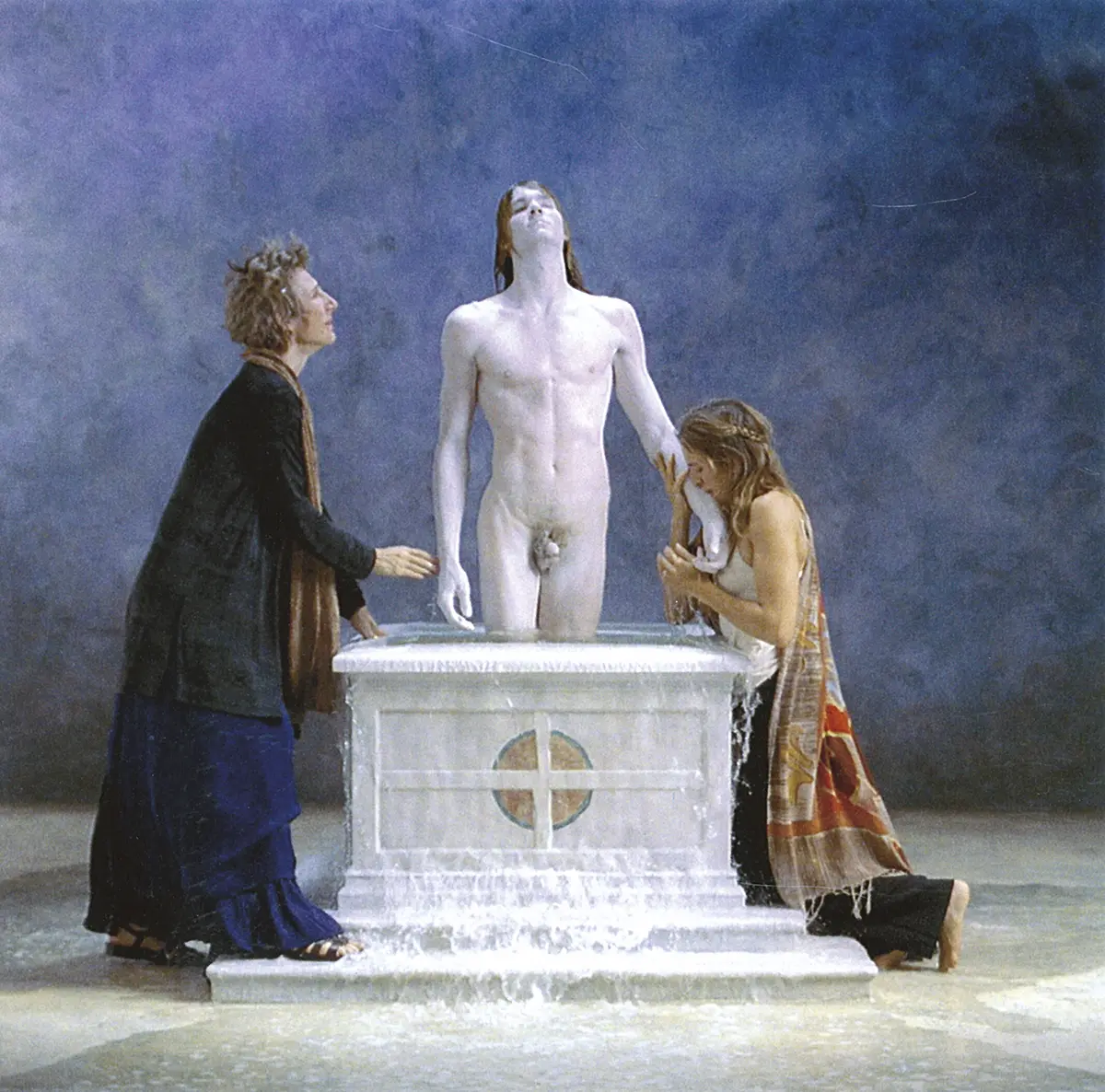
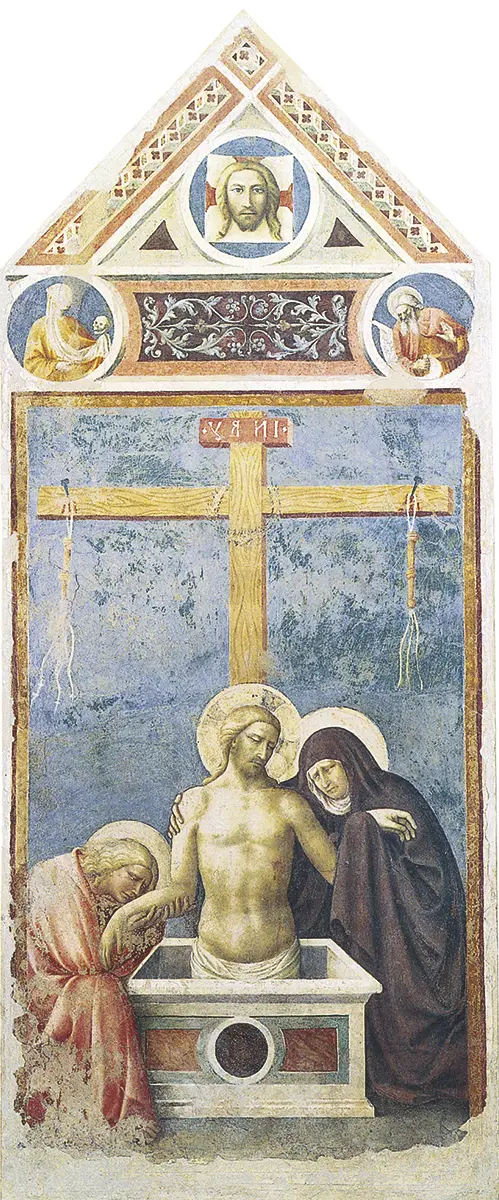
Although Viola has no interest in mimicking historical paintings, the similarities in the settings of his altarpiece video Emergence, completed in 2002, and fifteenth-century Italian artist Masolino’s, Pietá are striking; however, Viola’s ability to alter the concept and theme of the Pietá gives Emergence a voice and vision of its own. Masolini’s fresco of Christ half-length in the sarcophagus, supported by the Virgin and Saint John, evokes the biblical miracle of the Resurrection. Emergence, shot in 35mm film and done in slow motion, shows two women seated by a well, from which a pale, slender young man rises from the water with an unexpected gush of water. Both women lift the man out of the water onto the ground: is he dead or has he just been born? Has he drowned or does the water signify rebirth? Because the video is set in a contemporary setting, Viola is able to play with concepts, creating an intimate situation in which the viewer concludes and dictates the verdict of the event.
Of the fourteen works on exhibit, only two were done prior to the year 2000 when the project for The Passions was already well-structured and underway. These were The Greeting in 1995, and The Crossing, in 1996.
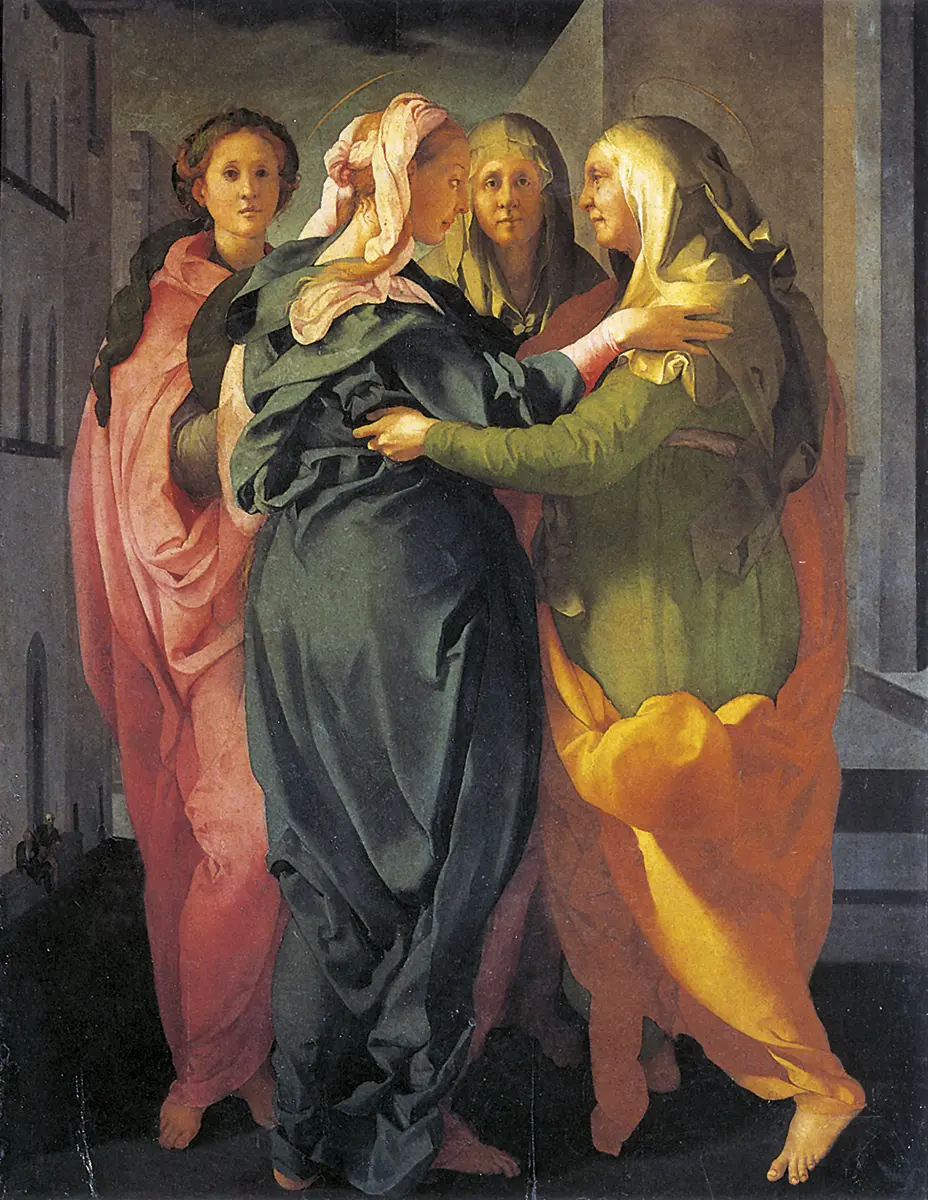
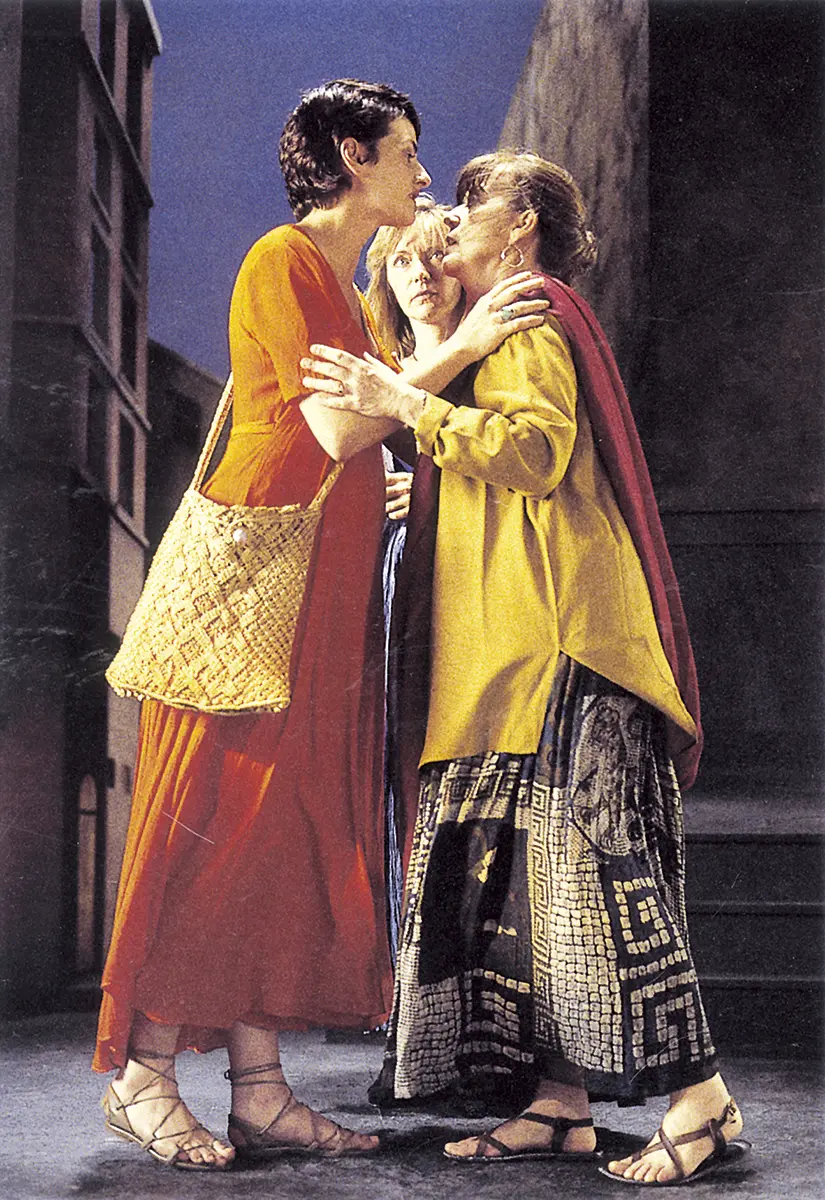
The Greeting anticipates Viola’s future works; now a part of The Passions, the life-size image was first projected during the 1995 Venice Biennale, a departure from his previous works, which were generally filled with raw and emotional energy that avoided theatrical encounters. Not only does The Greeting take Viola to a whole new production level —casting and directing actors, and handing out scripts made his crew resemble that of a movie set— but unlike earlier works, the work presents human nature in a social situation where actions and reactions are exposed yet perceived by viewers in an intimate setting. The Greeting, which coincidentally opens the show at the National Gallery, is inspired by Pontormo’s sixteenth-century painting The Visitation, in which a pregnant Mary meets her cousin Elizabeth, while two other women stand watching. The Greeting shows three anonymous women moving in extreme slow motion —it takes ten minutes to unfold forty-five seconds of action, making the viewer doubt the figures are moving at all. A conversation between an elder woman and a younger one is interrupted by a third pregnant one, who whispers something into the older woman’s ear. The encounter shows every moment of tension and emotion between the three women with excruciating detail, provoking tension as the third woman is left out until the elder woman eventually introduces her to the newcomer. Overall, the event remains an ambiguous, speculative gesture to the viewer.
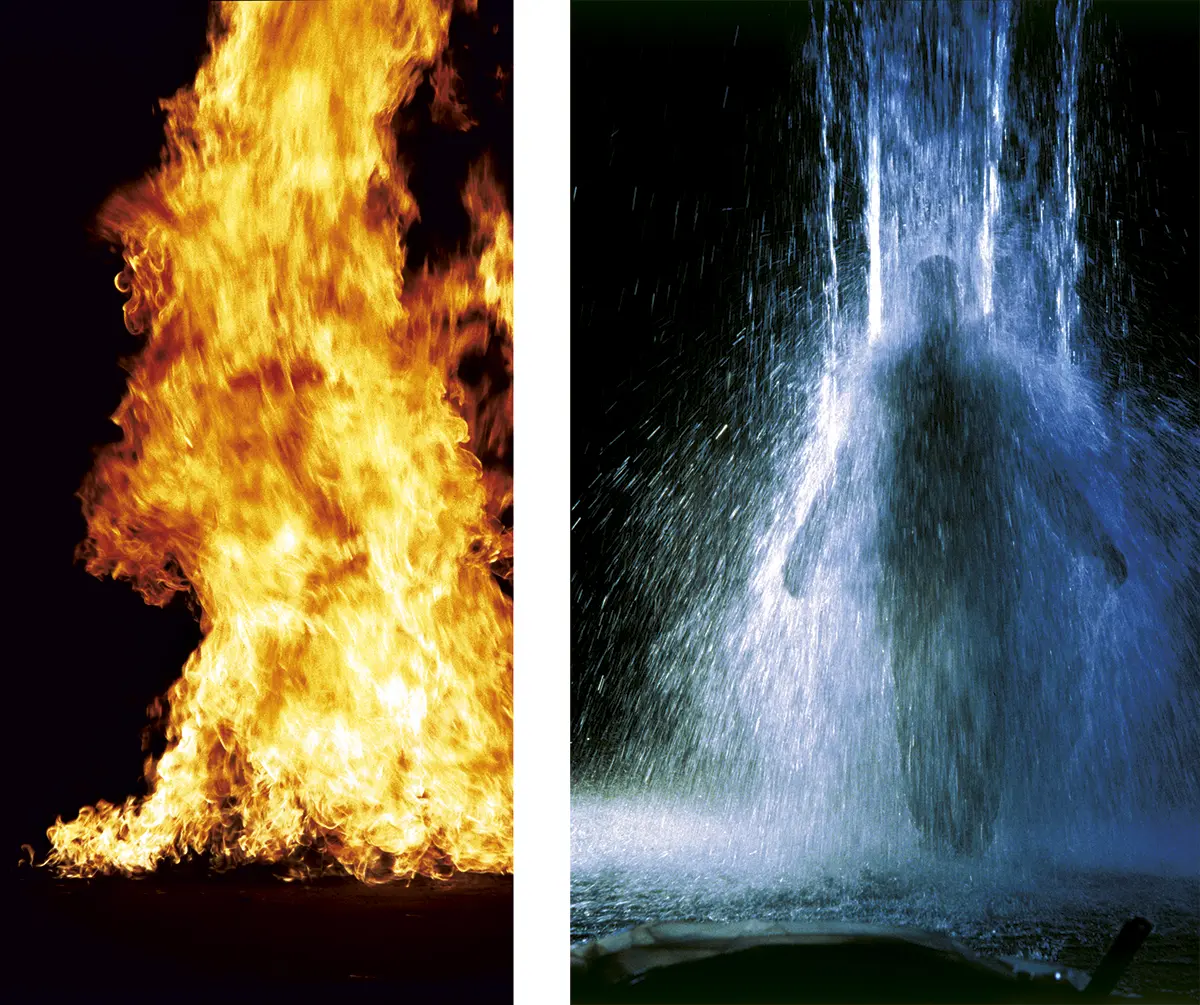
The Crossing, on the other hand, emulates themes from the productions that earned Viola his prominence: a video-sound installation that explores self-destruction, using water and fire as metaphors for death and renewal. On either side of a two-sided screen, a man walks toward the viewer; a frightening roar cues water on one side to inundate the man, while fire devours him on the other. Yet it is not the actions per se that awe spectators, but the element of slow motion that provokes an almost intolerable eagerness and tension that consumes and overwhelms. The Crossing uses fire and water not only to imply the process of self-annihilation, which Viola believes “becomes a necessary means to transcendence and liberation, "1 but also to manifest the therapeutic and transformative capacities of both elements, making the work relevant to the exhibit’s purpose to define human emotional conditions.
One is aware that the characters of the videos are actors, that the pain, fear, anguish, joy —whatever it is they are experiencing— is not real. Nonetheless, an intimate relationship develops between spectators and the actors on the screens: individuals recall moments of their own intense emotional states and anticipate the actors’ next moves; we find ourselves imitating the facial expressions of the actors, realizing that feelings are in fact complicated matters that should not be taken so lightly. We realize the difficulty of documenting human emotions —ranging from simple joys to complex and intricate states of mind— one of art’s principal tasks and dilemmas. Through sculpture, painting, or through photography, installations, and video art, the recurrent search for artists to portray as well as stimulate emotions has transcended time. Viola achieves the portrayal of extreme emotions through close-up and slow motion.
*Acknowledgements to James Cohan Gallery, New York.
NOTE
1. John Walsh, “Emotions in Extreme,” in Bill Viola: The Passions (Los Angeles: The J. Paul Getty Museum, 2003), 52.
CARINA GALLEGOS
Journalist, artist, and art critic.