I quote these antecedents not to voice a lament for the crisis of globalization or to anticipate a coming crisis of biennialization, but to open what is perhaps the best possible approach to the Third Berlin Biennial, inaugurated in February, which can be justly called the anti-biennialization Biennial. And I say this not only because this edition moved away from the biennalization model in several decisive points, such as its deliberate attempt to skirt or attenuate the level of spectacle or the number of invited artists (barely fifty), so distant from the exorbitant numbers of Documenta or Venice, and, last but not least, the fact that most of them had not appeared previously in any comparable international event. No. These differences, albeit significant, are not as momentous as the fact that this time around the Biennial was organized around a thematic axis whose foundations or motivations are clearly anchored on the situation or the current juncture in Berlin. Contrary to what has happened until now with the majority of biennials where the concept of biennalization has developed. True, this thematic axis was defined by Ute Metta Bauer —director of this edition— and her team as a series of hubs, a term borrowed from two privileged spaces of globalization: information science and air travel, where it designates blocks or knots that simultaneously gather and distribute information. But those five hubs —"Migration," "Urban Conditions," "Soundscapes," "Fashions and Scenes," and "Other Cinematographies"— are rooted, I insist, in the current conditions and problems of Berlin. Immigration is of course an issue affecting the whole of Europe, not only the German capital. But there it presents at least two unique features. First, immigration coming from Eastern countries, was unthinkable before the fall of the Berlin Wall, with all that it means. And second, the fact that the current closing of Europe to the migratory waves coming from the Third World subtly evokes the “Fortress Europe” the Nazis attempted to build, complete with a policy of mass deportations planned precisely in one of the Biennale’s three sites: the Martin Gropius Bau. This Nineteenth Century palace was originally the locale of a trade school and later, under the Nazis, it functioned as the official organism in charge of ordering and programming deportations. Thus the evocation by Hito Steyerl, the hub’s curator, of the fortified city that is Brussels today as the headquarters of the European Union could not help but send a chill through our spine.
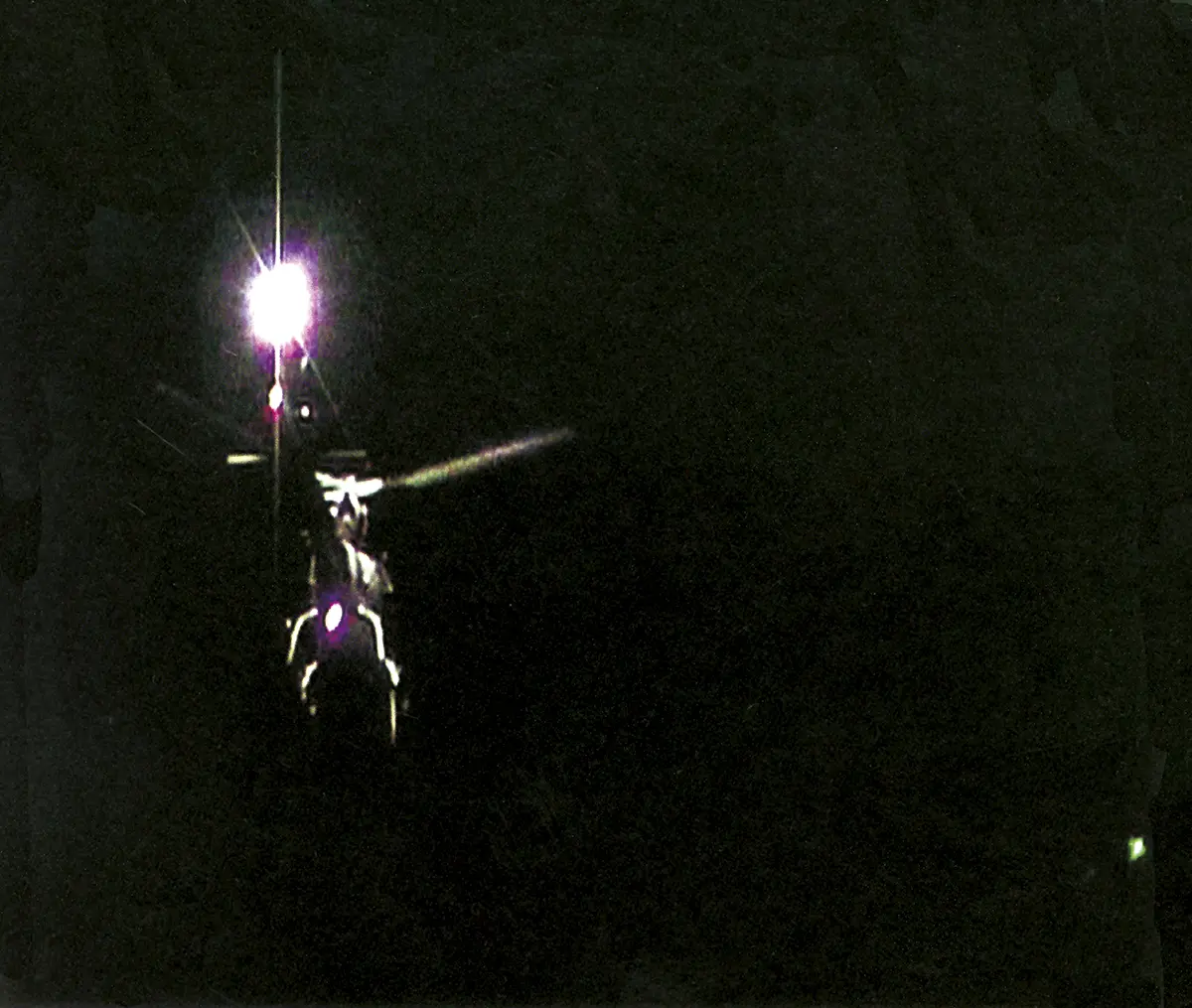
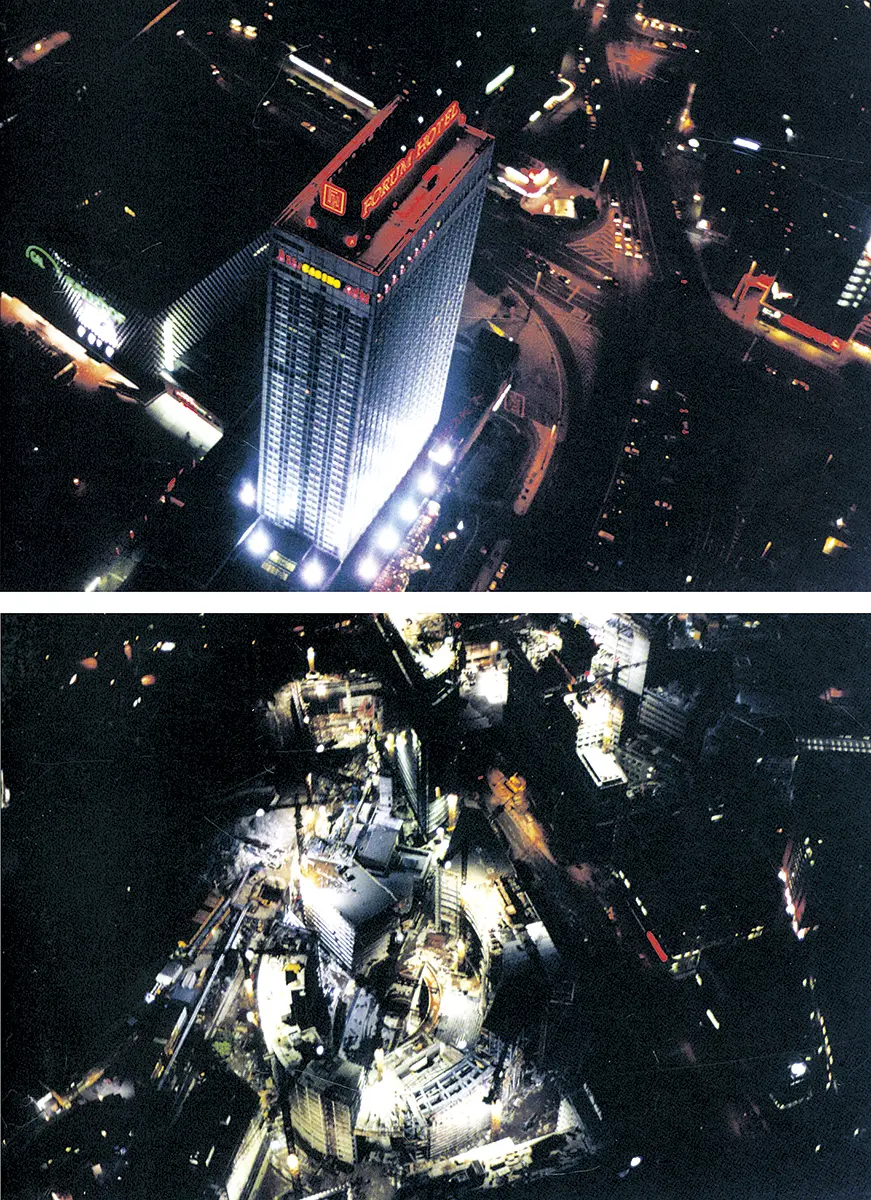
Something similar happened with the "Urban Conditions" hub, dominated by works that referred directly to Berlin, to the point that Argentinean artist David Lamelas, based in Los Angeles, presented a mono-channel video that was a reading of the German capital from a helicopter. The vanishing point here was the work of Bulgarian artist Ergin Cavasoglu, who presented Entanglement, a video installation comprising six projections on a ditch showing the incessant night flight of the helicopters that patrol the city. Any city. The "Soundscapes" and "Fashions and Scenes" hubs are also related to Berlin. The former through the new Berlin cabaret organized around DJs and young female performers who have opted for a post-punk style of music that incorporates stridency and noise. And the latter through experimentations in the field of fashion inspired both the constructivist tradition and the legacy of designers from the former DDR.
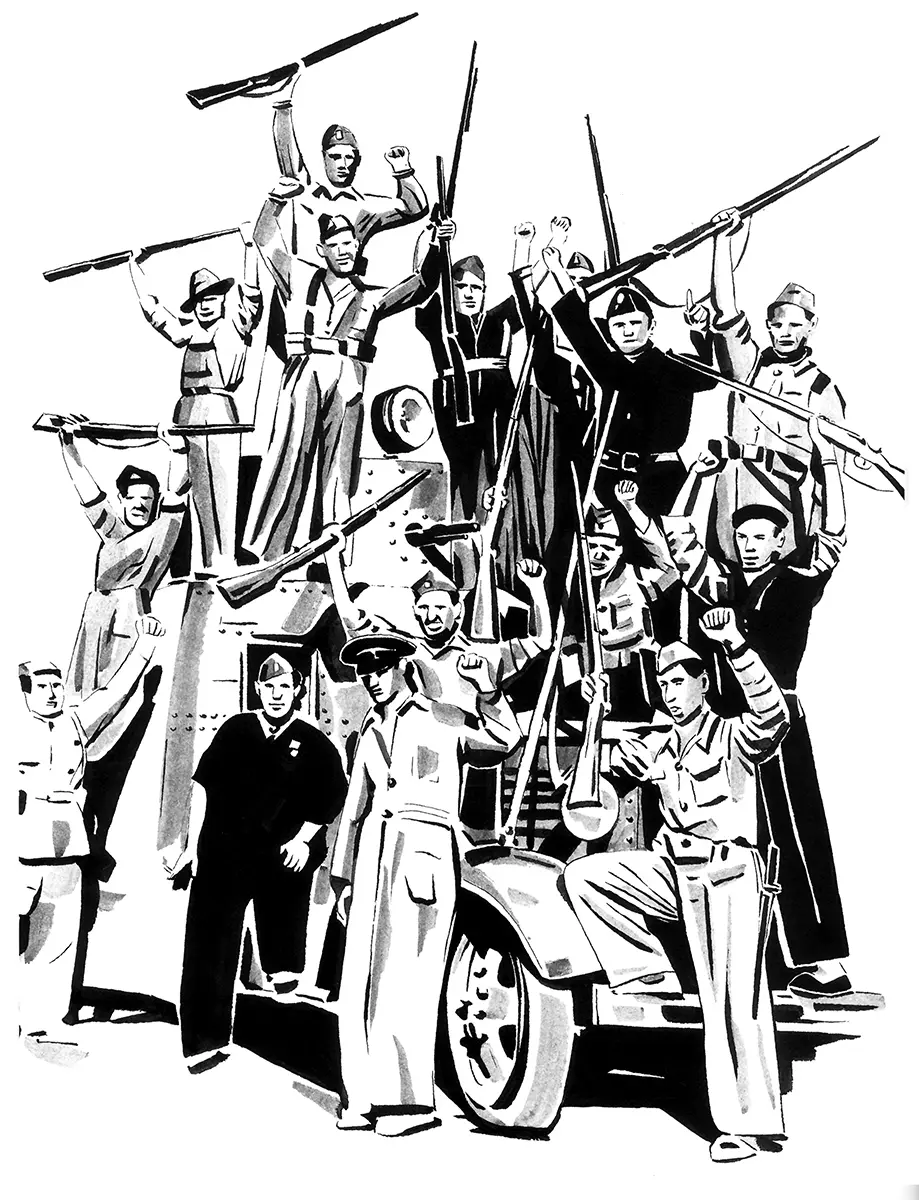
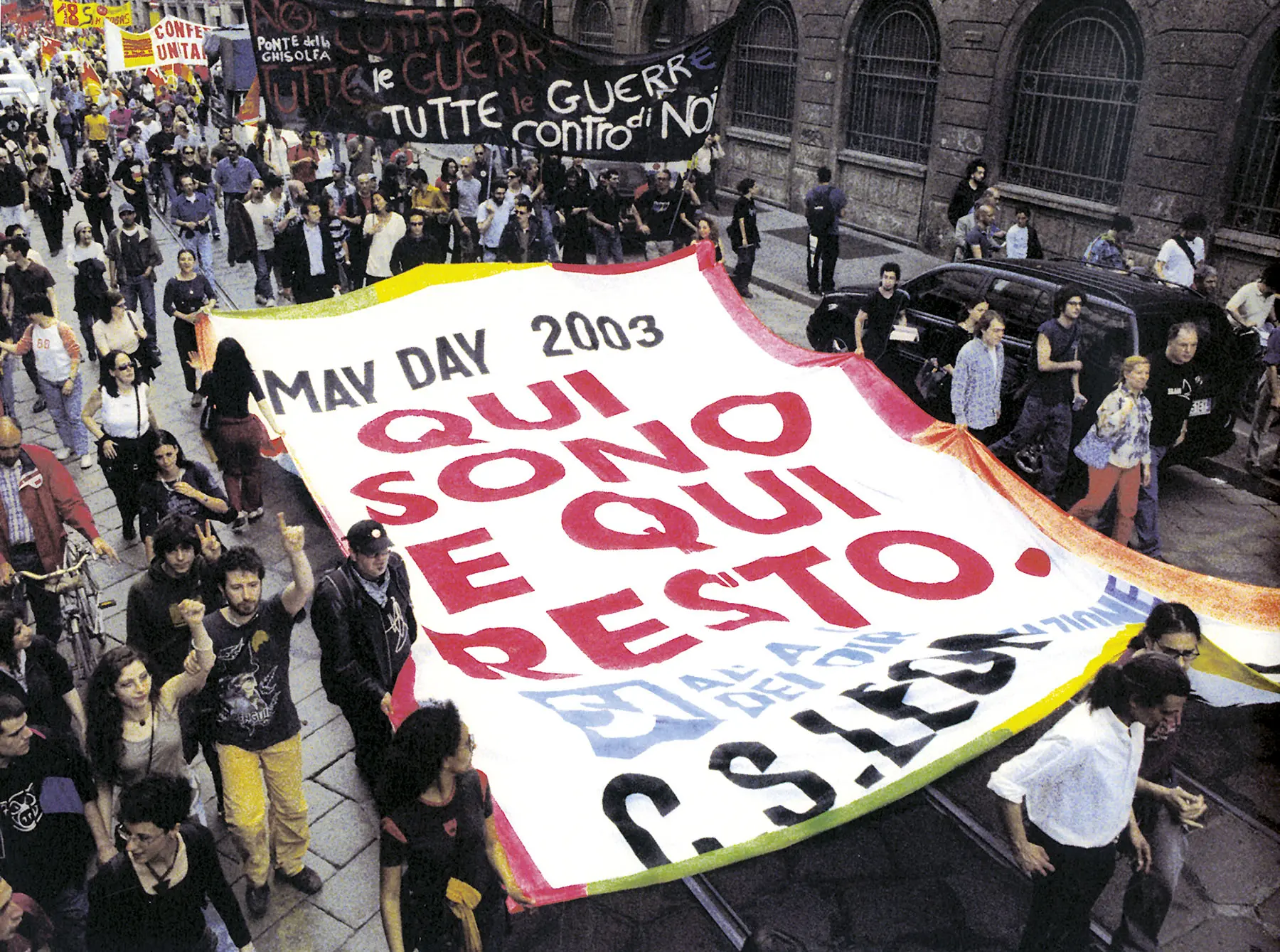
Before ending we should highlight two artists: Spain’s Marcelo Expósito and Peru’s Fernando Bryce. Expósito presented A Dream: May First, a video installation using the transformation of a historic FIAT plant in Torino into a dazzling Mall in order to articulate a discourse about political action, in what Paolo Virno has called “post-Fordist societies.” With two extensive series of drawings devoted to the Spanish Civil War, The Spanish War, and The Spanish Revolution, Bryce demonstrates once again his intention of subjecting historical documents to what he calls “mimetic analysis.”
CARLOS JIMÉNEZ