
When Santiago Olmo and Virginia Pérez-Ratton decided on the title and leitmotif for this collective exhibition devoted to current Central American art, that offer was precisely what they had in mind—the bait, if you will—that tour operator often include in their promotional packages: All included. In exchange for your money, you receive not only plane tickets but also the assurance that all costs will be covered from airport taxes to cab or bus fares, to the last lobster and the last cocktail consumed during the trip. All included is also, subliminally, a guarantee that nothing, no accident or mishap, or no unforeseen event will ruin the pleasure of your experience. In that sense, it is the promise of an ephemeral but limitless satisfaction that will ipso facto turn the traveler’s destination into paradise. And among the many earthly paradises available today to the moneyed traveler, thanks to the mega-tourist industry, very few are as prestigious and dazzling as the Caribbean, a topical and utopian tropic comprising “beaches, breezes, and oceans” as well as picturesque and helpful natives. Whether this tropic is located in the Virgin Islands, in Isla Margarita, in Punta Cana, or in the splendid beaches that line Panama, Costa Rica, or Belize, tourists, absorbed in narcissistic enjoyment, see only the images minted by their own desire and remain blind to the world beyond the resort and its impeccable horizon of beaches and palm trees.
Yet that world exists, for example under the name Central America, and it includes not only perverse geopolitics that never get tired of multiplying borders and stagnant compartments but also flesh-and-blood people who increasingly abandon peaceful provincial hamlets and towns to move to ever-growing and dislocated cities. Cities like Panama, Colon, San José, Limón, Managua, Tegucigalpa, San Salvador, or Guatemala, where the thirty-seven artists assembled by Olmo and Pérez-Ratton for this show live and work. The experience that occupies these artists is not that of the topical topic, but that of a deep immersion into urban life, even though several of them (especially Jonathan Harker and Moisés Barrios) deal openly with those topics and the tension between them and the realities they omit and displace. Harker, an Ecuadorian artist living in Panama City, on this occasion, showed Postart, an ironic, fun piece comprising a dozen postcards that show the artist as the main character in scenes from several of the country’s many paradisiacal locations, accompanied by slogans that parody the rhetoric of tourism: “Panama. Rich in Flora and Fauna;” “Panama. Always Forward;” or “Panama. Total Sovereignty.” Barrios, a Guatemalan painter, is even more ironic. He showed a half-dozen paintings shamelessly inspired by the advertising images of Banana Republic, the well-known North American apparel brand. The result of bringing together the reality of a true “banana republic” with the designs of the brand’s creators was almost explosive.
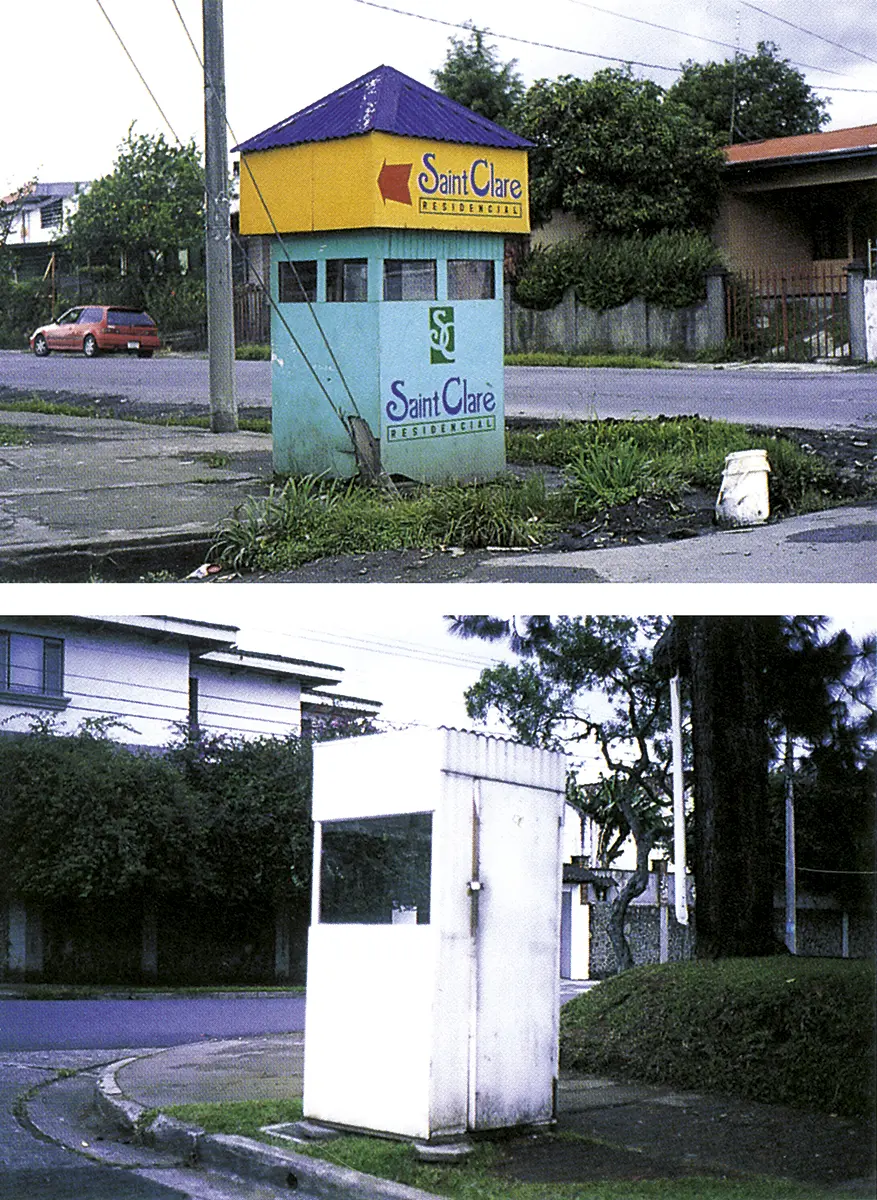
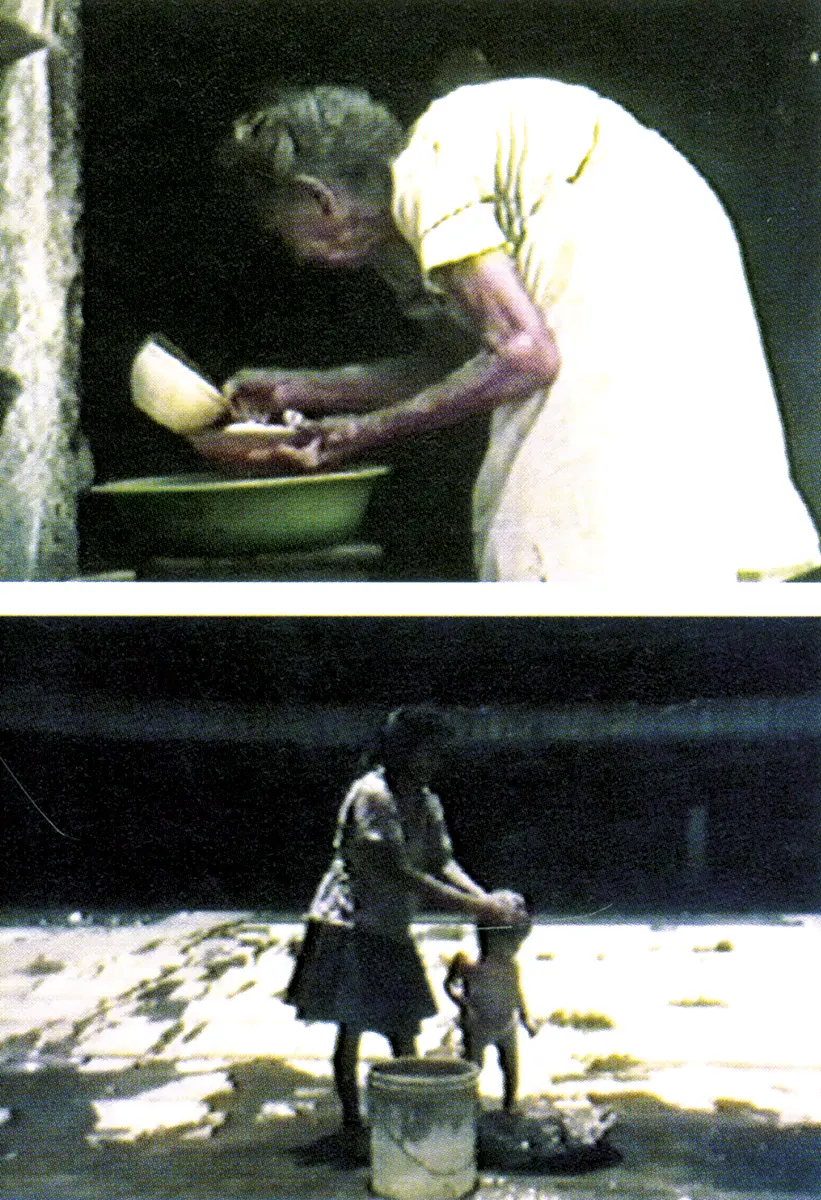
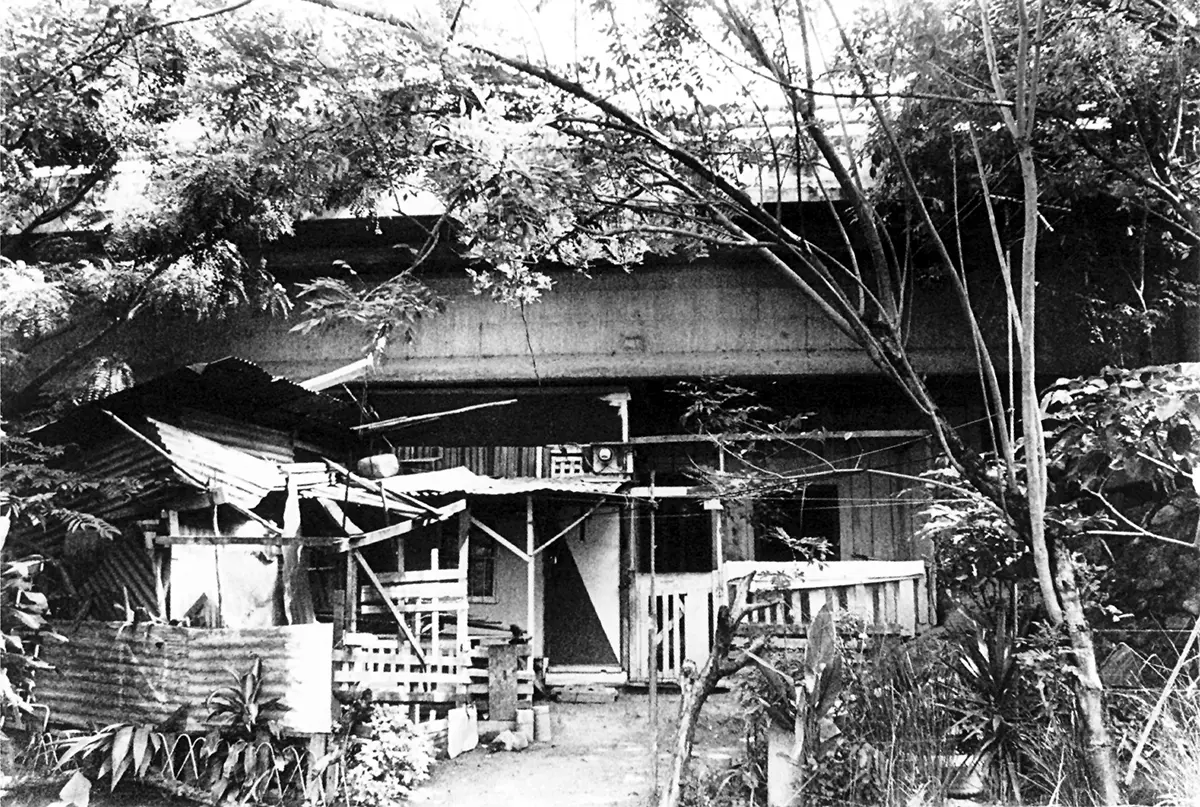
The remaining artists preferred to deal with issues related to everyday life in Central American cities, marked as they are by numerous cultural shocks and grave social and political conflicts. This is what, in a rather skin-deep fashion, Costa Rican painter Federico Herrero has done. Imágenes encontradas (Found Images) presents a selection of photographs of his colorful interventions in improvised booths in parks and streets. These were designed to provide shelter to the legions of private guards that patrol these public areas, who were hired by the neighborhood to achieve a measure of safety. In turn, Spanish painter Ana de Vicente’s Mecánica popular (Popular Mechanics) transforms a series of fragmentary photographs of cars and buses into abstract paintings that are sometimes lyrical, sometimes geometrical. Costa Rican artist Eugenia Picado, on the other hand, explores more deeply issues such as the urban consequences of dramatic social inequality. Picado presented a series of photographs documenting the dignity and courage of those who have been forced to build their shelters under the Costa Rican capital’s bridges and viaducts. Filmmaker Florence Jauguey presented a short feature titled Cinema Paraíso, an intimate portrait of a family that lives in the ruins of a famous movie theater destroyed by the 1972 Managua earthquake.
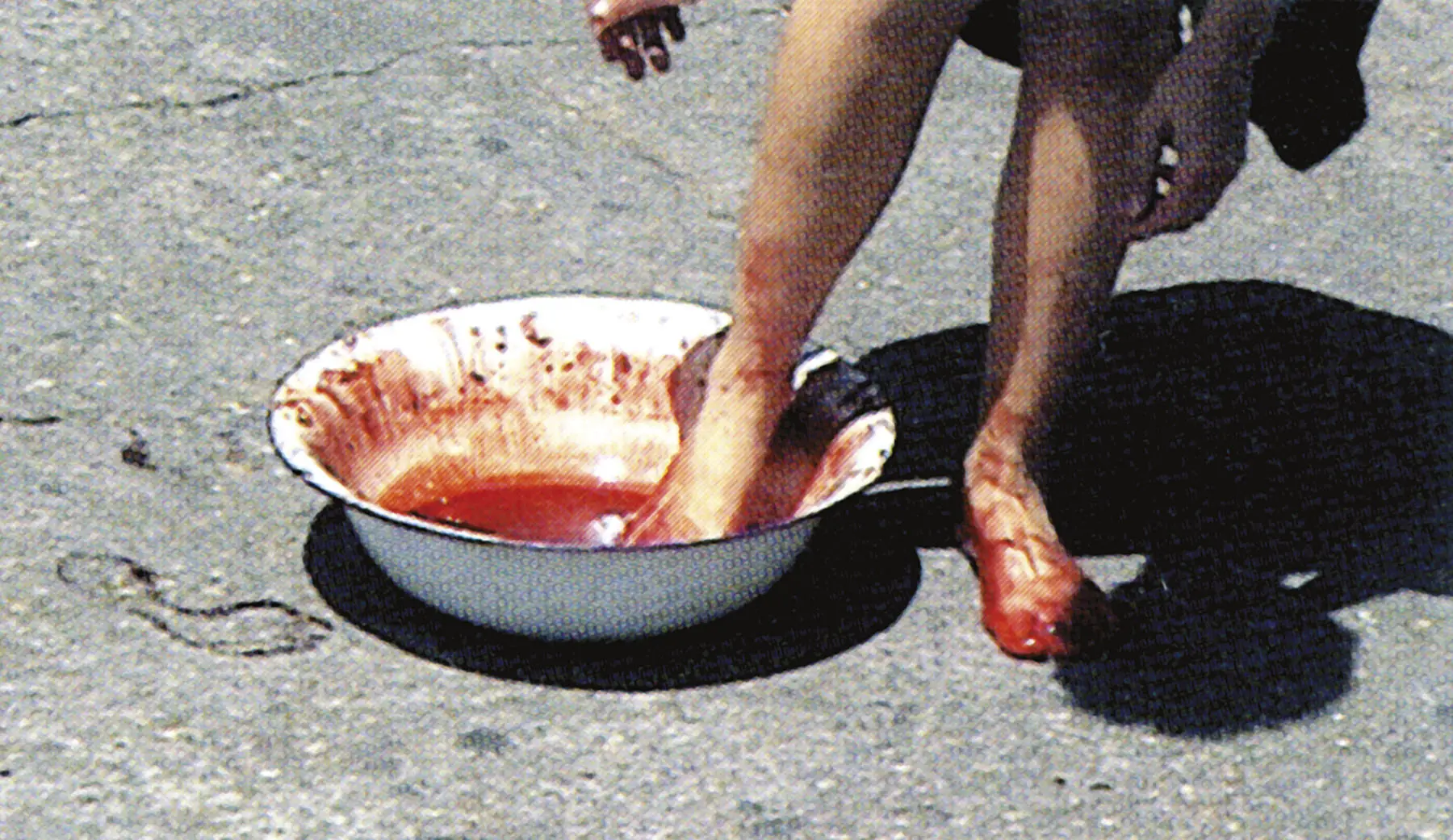
The work of photographic documentation carried out by Trinidad-born Abigail Hadeed underscores the reality of racial conflict. It explores the community of English-speaking black people who traveled from Jamaica to Puerto Limón, where they settled and became railroad workers even though for decades afterward they were denied basic political rights. The terrible face of the wars that ravaged (and continue to ravage) the region, be they the civil wars in Guatemala, El Salvador, or Nicaragua, or the gang wars that grip these nations’ cities, comes to the fore in all its bitter brutality in the works of artists like Luis González Palma and Regina Galindo, both from Guatemala. González Palma exhibited Tensiones herméticas, a series of photographs that differed from his usual pieces in its hieratic poetics since the photographs were framed in iron and set behind metal bars. Regina Galindo’s video, ¿Quién puede borrar las huellas? documented an action held on July 23, 2003, when she walked barefoot through downtown Guatemala City, her feet stained with blood, in protest against the authorities’ decision to allow Ríos Montt, a former dictator and war criminal, to run for the presidential election. Panama’s Brooke Alfaro is someone who, on the contrary, prefers to provoke joy and calm. At least that is what he did with Nueve en vivo, a project in which he proposed a “battle of the bands” as an alternative to mortal combat between neighborhood gangs, as well as in the elegiac marvel that is his video Aria.
CARLOS JIMÉNEZ