
During the months of September and November, the Casa Republicana at the Luis Ángel Arango Library hosted the traveling exhibition Naturaleza Muerta (Still Life), presented by the British Council and Banco de la República, with the participation of a large number of contemporary British and Colombian artists. Ann Gallagher and José Ignacio Roca, visual arts director for Banco de la República, were in charge of the curatorship.
This exhibition, with an excellent selection and display of works, intended to show how the category of the “still life,” which designates a specific genre of paintings from the Seventeenth Century, is a “flexible concept capable of adapting to changes in culture and thought and to a great variety of technical interpretations. Perhaps his humble status and his lack of association with achievements and greatness have facilitated that potential for transformation. There are still references to the past in ways to arrange everyday objects and even direct references to one particular period, artist, or work of art: but the relationship with past symbolic and formal structures has changed, it has been radically altered. However —Gallagher points out— almost none of the artists present in this exhibition will consider himself or herself a contemporary practitioner of the still life genre. What they share is a connection to the genre’s basic premises."1
This reflection allowed them to bring together a vast group of artists who work with very different media, a set of works that take as their point of reference everyday natural and artificial objects of varied character. As the catalog warns, this genre, dismissed by the French Academy in the Seventeenth Century, was revitalized in the Twentieth with surrealism, ready-mades, and the irruption of Pop art, regardless of whether artists work far from the precepts of the “still life.”
What the exhibition reveals is that the genre brought about a way of looking at the everyday, the commonplace, the seemingly “intrascendent.” But these objects, as pointed out by Richard Wentworth, one of the principal artists in the show, have acquired new meaning in contemporary life. “We are surrounded by the objects exhibited. Each store window is a theatrical space filled with things arranged to cause an effect. Parked cars are on exhibit. In the underdeveloped space we all inhabit, it is difficult not to attribute intention to all we survey."2
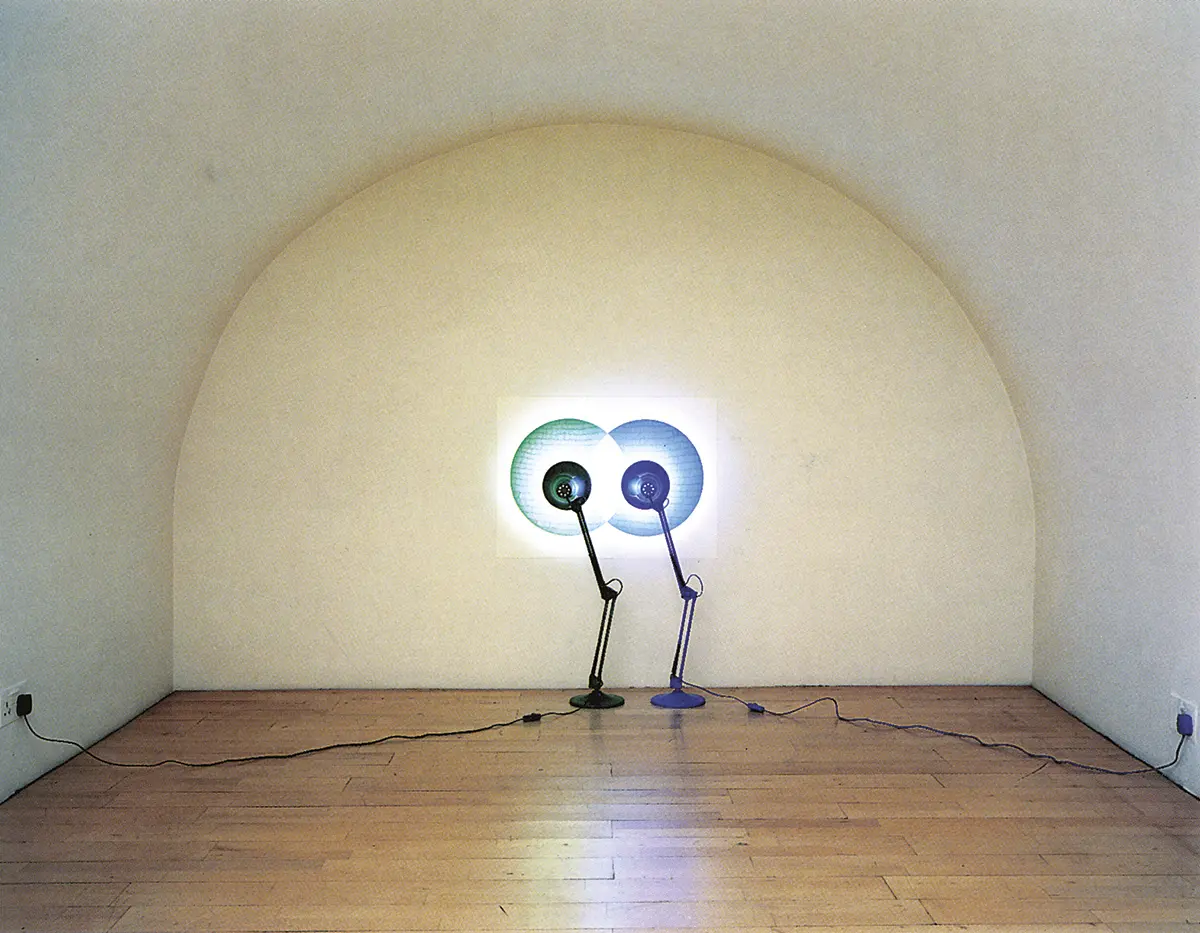
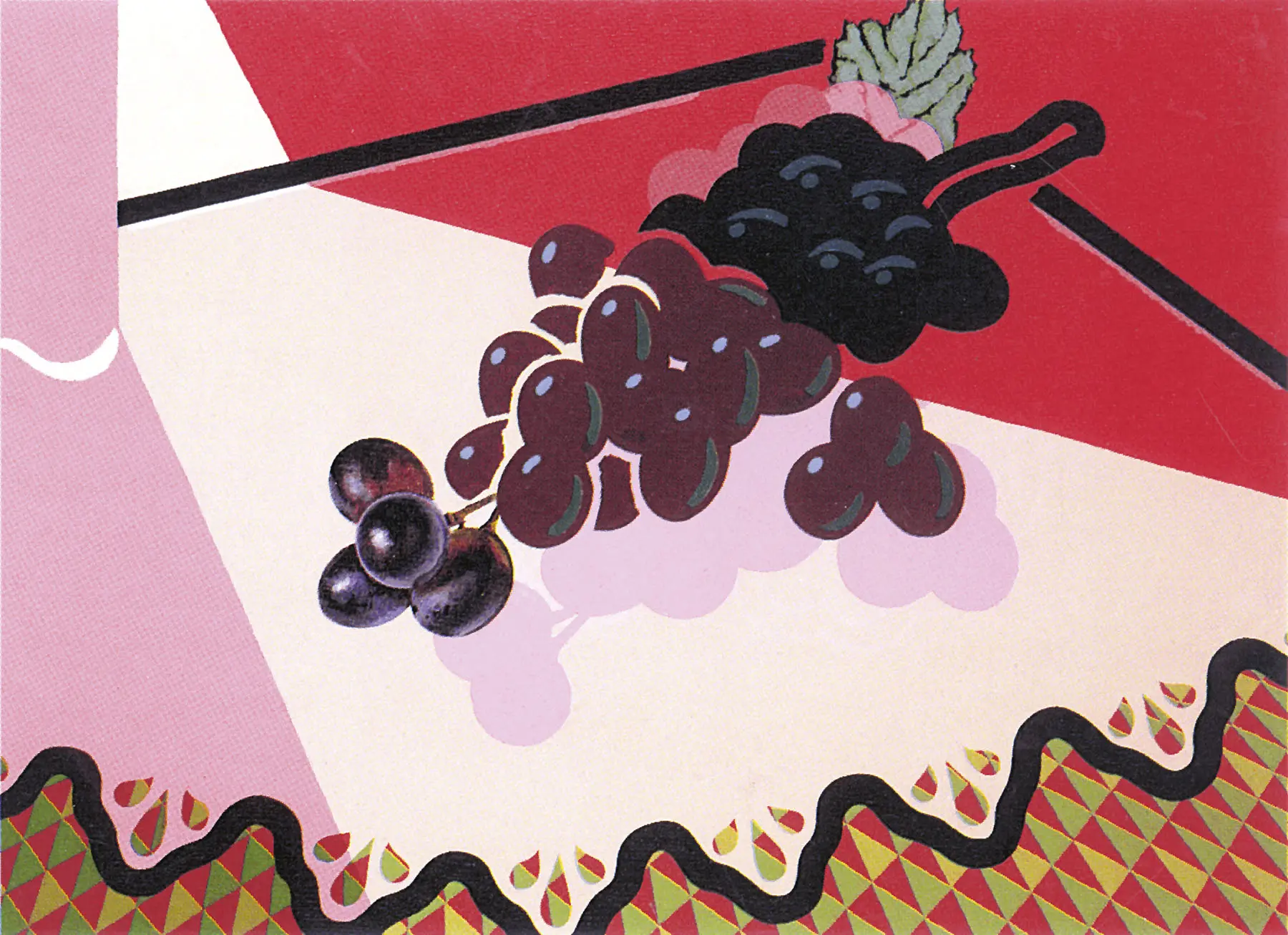
The show’s trajectory started with two artists: Patrick Caulfield, well known Pop Art figure and the oldest in the group, and Anna Barribal, the youngest British participant, so their works revealed two different attitudes towards objects and art. Caulfield’s three pieces, one painting, and two serigraphies, remain close to the images of the still life, presenting different aspects “from the repertoire of everyday urban life: through an iconography that carries Twentieth-Century painting’s ample baggage. A bunch of grapes on a tablecloth, a restaurant’s corner, or three glasses on a table, become the theme for Cauldfield’s beautiful and simple compositions indebted to Cubism, through that power of synthesis achieved by the modern gaze; to which characteristic the artist adds an interest for banal objects and flat colors evident since Pop Art. Barribal’s work, two real-life lamps covered with marker paint, whose reflection is drawn, also with marker, against a sheet of paper placed on the wall, accounts for another moment in the history of art, one when the artists intervene with his or her work on the “real world’’ the objects that surround us and the space we inhabit.
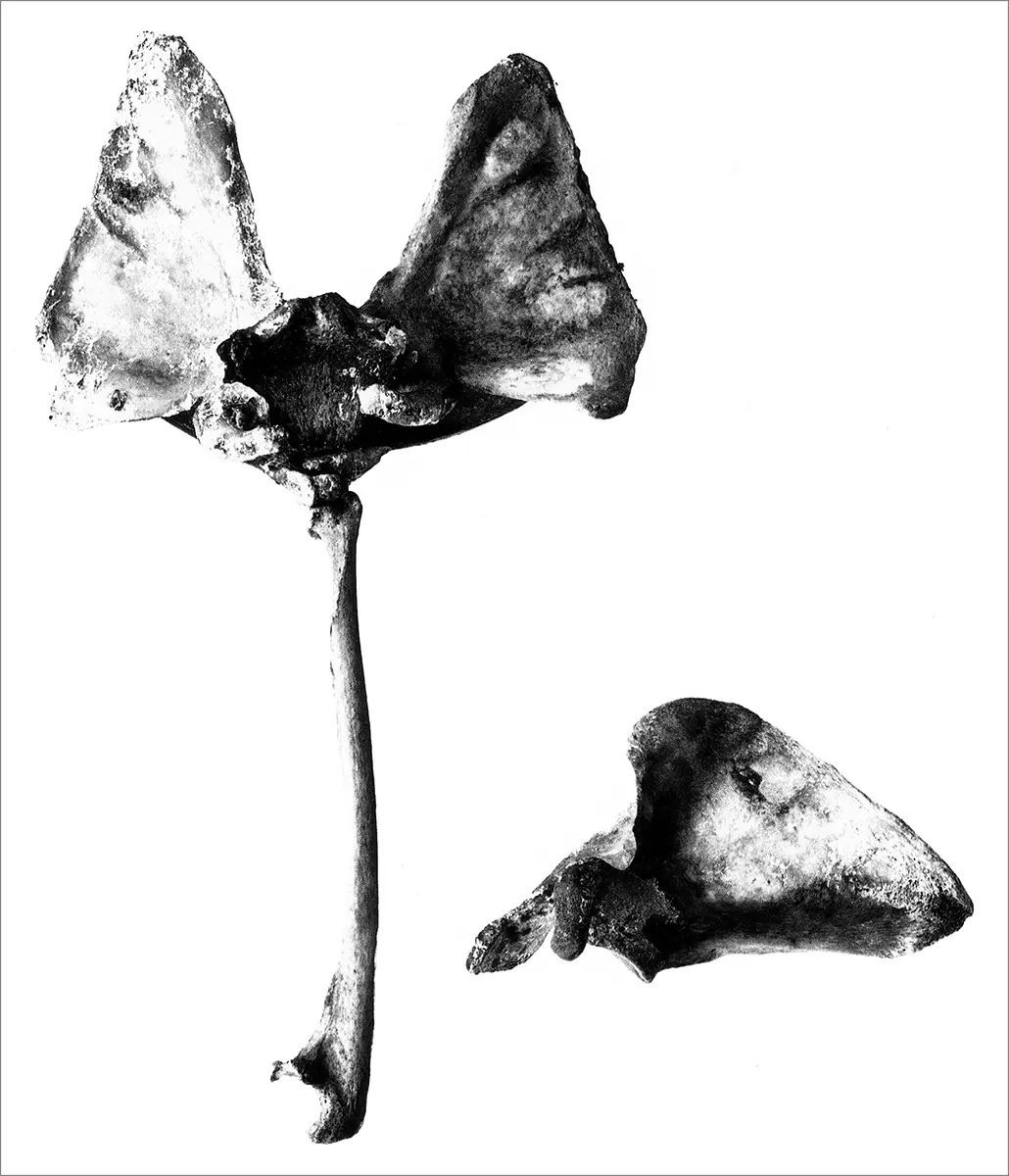
As Ann Gallagher tells us in the catalog, one of the most important categories in still life, especially in Dutch painting, has been the representation of flower vases. Works whose theme is related to flowers were gathered in one of the show’s most special galleries, where we found Anne Katherine Doblen’s beautiful video and Juan Fernando Herrán and Juan Manuel Echavarría’s impressive photographs. Doblen’s video showed a tulip flower, covered in white paint, as a dense layer of white was slowly peeled off using a fine brush so that the delicate red petals emerged freed, trembling, and natural before the viewer’s marveling eyes. The work of the Colombians relates the peaceful theme of flowers with moments in the country’s difficult and violent history. Juan Fernando Herrán’s poppies emphasize the conflictive aspect of a plant that has changed life in Colombia; his forceful images make evident the stigmatization of a flower charged, given the world’s current circumstances, with many meanings. As José Ignacio Roca says, “the series Corte de florero —by Juan Manuel Echavarría— refers to the sinister practice of cutting up bodies and rearranging the parts according to certain images that were used in Colombia during the 1950s, during the period known as The Violence. Echavarría arranges anonymous human bones in the shape of flowers, and then photographs, names, and organizes them into a series of great beauty. His formal composition makes explicit reference to the illustrations produced by the Botanical Expedition, a seventeenth-century enterprise whose goal was to classify all American plant species.”
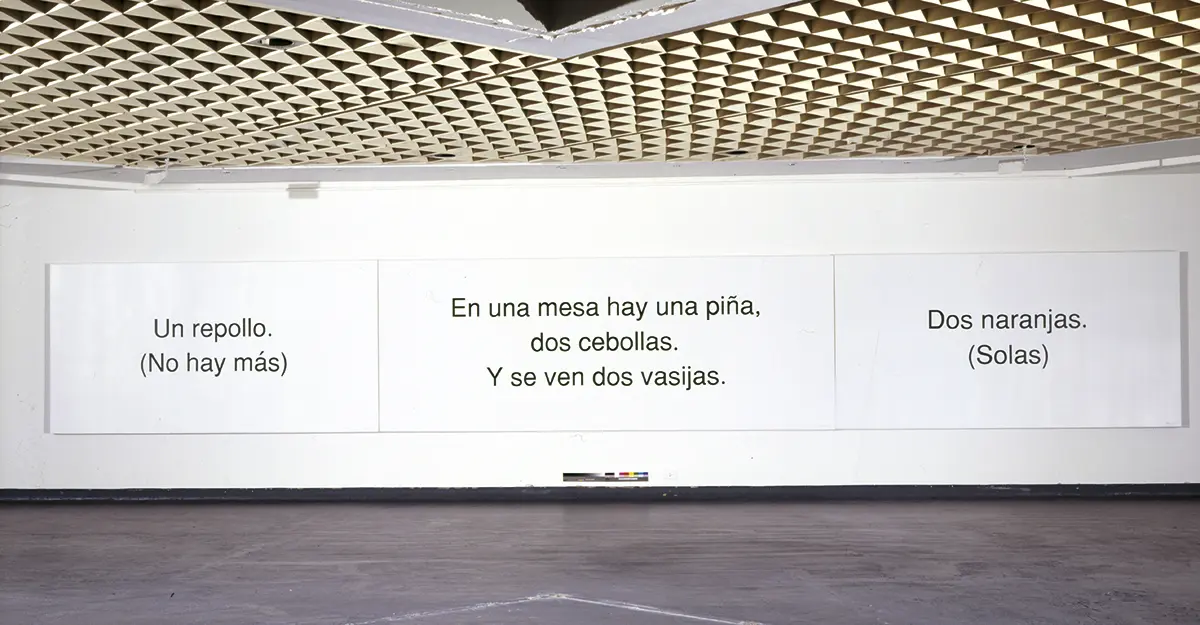
In another gallery, we found some contemporary reflections on the still-life genre. Bernardo Salcedo’s work, in tune with the best conceptual art, names the elements of the still life tradition through the written word against a white background. Beatriz Eugenia Díaz's installation, titled Vanitas, originates in a series of pastel drawings representing bottles and grapes. Of these drawings, the final work only preserves the traces of pastel dust that fell to the floor, transferred to real space in an installation done with white wooden frames that allude to an empty painting, whose representation lies horizontally on white wooden boards. At the center of this construction, the artist has placed a green bottle from which an air sound emerges, as subtle and delicate as the traces of the objects drawn. Adding to these “still lifes” are Jane Simpson’s four photographs showing objects submerged in milk. The white liquid foam creates a creamy texture from which the simple, rounded shapes of several cooking utensils stick out. Beatriz González’s colorful paintings were placed near these works dominated by white, among them a bed titled Naturaleza casi muerta, which presents the image of a fallen Christ. An ironic reflection of this traditional artistic genre.
Another form of still life is perhaps to be found in the work of Milena Bonilla and Simon Starling. The works of these two artists, as Beatriz Eugenia Díaz commented during a guided tour of the show, show how plants that grow in their native terrain have become light and portable objects. Milena Bonilla presented a series of species planted in precarious cardboard and tin containers and food boxes; thus a corn plant grows in a box of corn flakes, and a cacao plant in a Milo package (Milo is a chocolate drink), signaling with humor the natural origin of foods we consume, properly processed and packaged, every day. Starling’s work revealed through photography different stages in the journey of a plant native to Scotland that was transplanted to the Alcornocales Park in Spain. The images show packaged treeless, arranged in a kind of “still life” that includes also a red van and an ever-shifting landscape. The trees are carefully posed in order to be photographed in a rigorous study of light and composition.
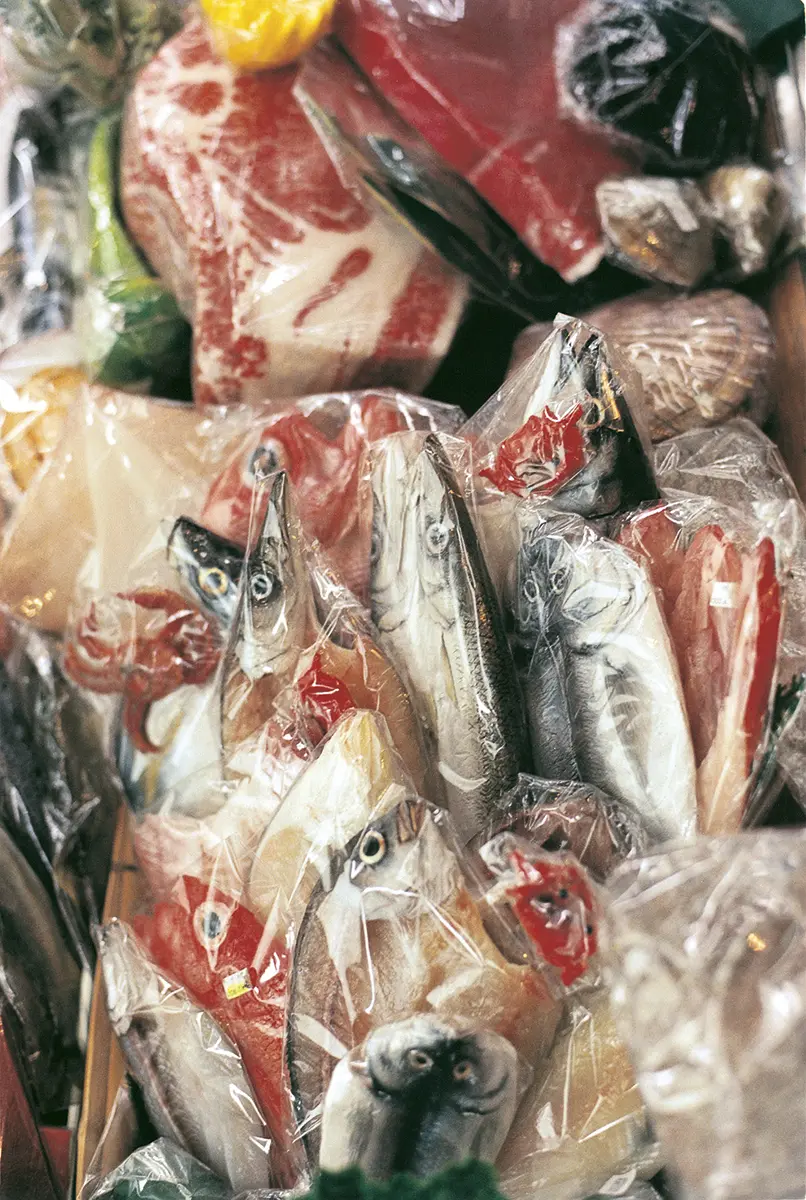
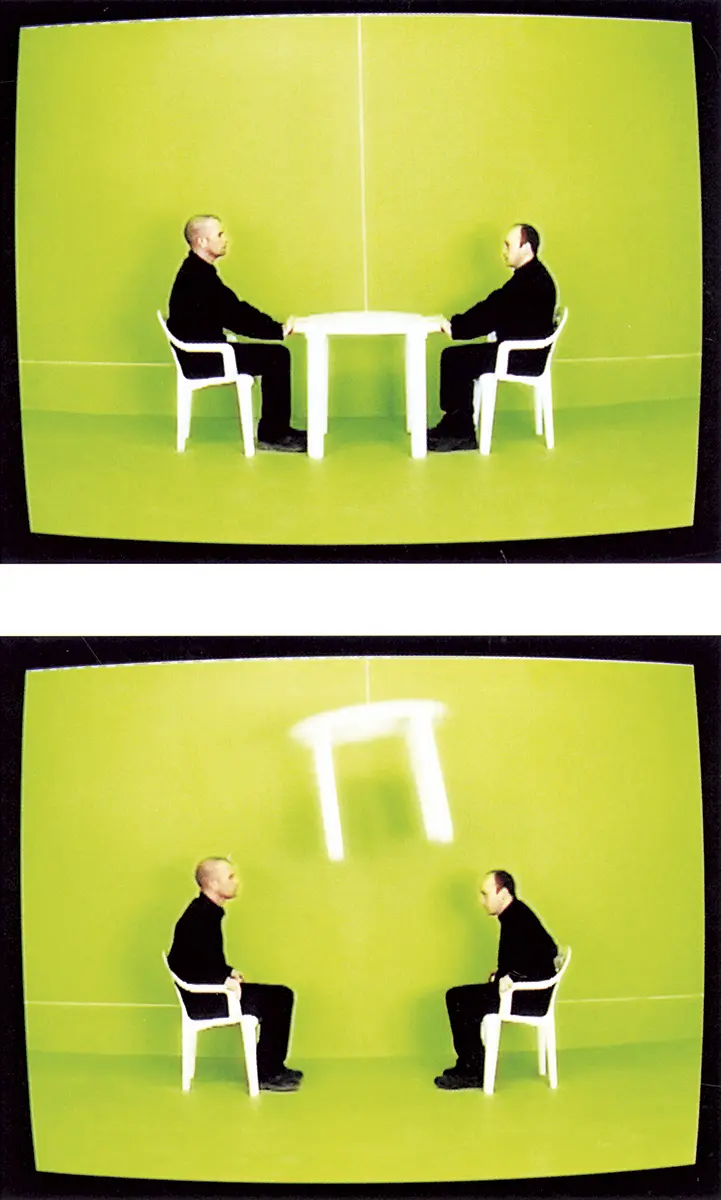
In general, the works in this show how man has created a “second nature,” a world filled with objects in which we are immersed. For example, Lina Dorado’s and Luis Cantillo’s photographs present fresh and natural food items, packaged in plastic bags; John Riddy’s interiors, impeccable black and white photographs, let us see spaces and furniture from houses that remain loyal to a modernist design style; the works of the British group Bank and of Colombians (Angélica Jaramillo, Miller Lagos, Ricardo León, Camilo Martínez, and Catalina Rincón) paint with great realism and in great detail, everyday objects, some even scrap, in plastic and cardboard, and create classical compositions with them. Mike Nelson does not use any means of representation; he brings directly to the gallery tables and objects from his study. John Wood’s and Paul Harrison’s videos showed a series of actions that also involve the human figure, but in which chairs, buckets, and showers become protagonists of a humor-filled sequence reminiscent of silent film. In Emma Key’s work, objects are presented through texts from the bible, blown up and framed, in which through writing there appear 2,717 different objects. Of course, this enumeration makes for a long list where natural products such as fruits, metals, and stones alternate with man-made ones such as silk and bread.
The kind of gaze promoted by this show brings to mind a comment by Roland Barthes, where he says that Pop Art’s point of reference continues to be nature, but warns that ”this, not a vegetal, landscape-like, nature, or even a human, psychological one: today, nature is the social absolute, or, rather, gregariousness (the world of the masses.)” While contemporary artists are not as exclusively committed to this phenomenon of the masses as their Pop predecessors were, they are the direct heirs to that gaze trained on the objects that surround us, objects inherently attached to the physical and cultural environment we inhabit, an environment where objects acquire intricate and complex meanings. Through the various works that comprise it, Naturaleza muerta allows us to explore these shadings, these multiple intentions hidden behind the simplest things around us, which while close to “still life” are nothing but “culture in movement’’.
NOTES
1. Ann Gallagher, in the show’s catalog.
2. In the catalog.
MARTA RODRÍGUEZ