
For a second consecutive year, Mexico City has seen a significant contemporary art fair, although its director (Monterrey’s Zélika García), its partners, and its sponsors (SPOT magazine being the main one), as well as its location, have changed from one edition to the next.
Well organized and given ample, albeit somewhat disorganized space, this edition, which in truth is Maco’s first, saw a clear increase in the number and the quality of participating galleries with respect to what we saw last year at the WTC. Many galleries are repeats, such as most of Mexico City’s important names and Valencia’s Luis Adelantado, among others, in terms of private initiative, as well as almost all of Mexico City’s important institutions dedicated to contemporary art, such as ex-Teresa Arte Actual, Sala de Arte Público Siqueiros (SAPS), the Carrillo Gil and Rufino Tamayo museums, where we often encountered bolder proposals than in the commercial gallery section.
In the words of artist and theoretician Pilar Villela, who was in charge of communications for SAPS, it would seem that these institutions have become the most solvent refuge of contemporary art, a kind of avant-garde when one would expect the contrary to be the case.
As befits this kind of event, especially here where the number of participants from all over the world was high, proposals were many and varied. Besides the expected dominance of Mexican galleries, the countries with a large representation are Spain and the United States, Costa Rica (Karpio Facchini Gallery, in good form), Brazil, and Argentina were present from Latin America.
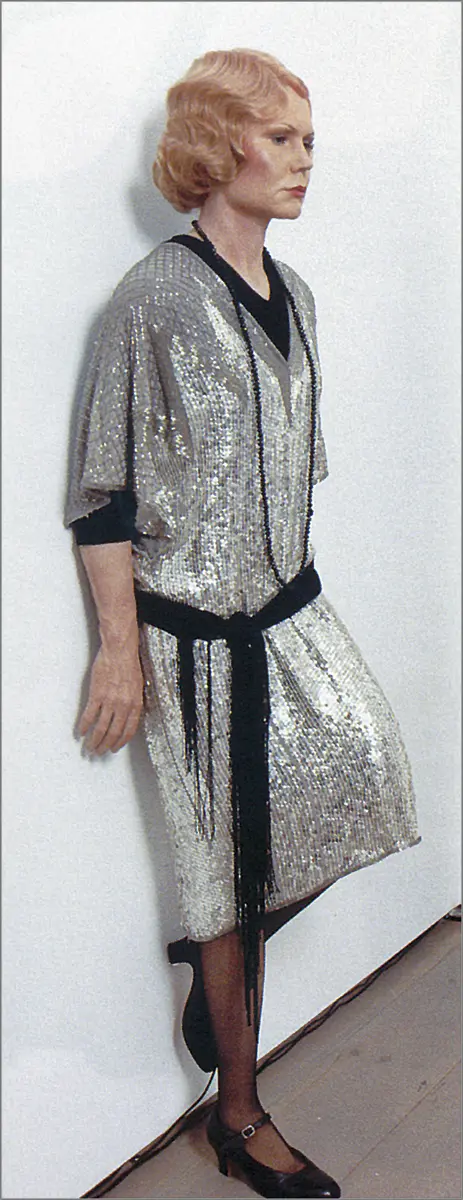
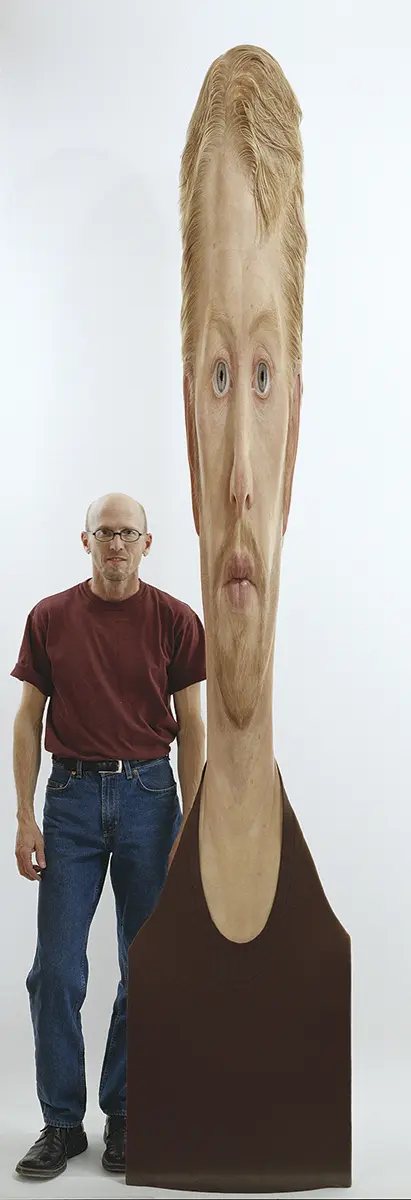
The most radical gestures came from Toronto, Canada, with Artcore Gallery to be precise, presenting a series of spectacular silicone self-portraits by Evan Penny and a piece by the already-classic Joseph Beuys. Also of interest were Berlin-based galleries Arndt & Partner with chilling female dolls to scale; and Voges + Partner, with several large-format photographs by Martin Liebscher displaying a character—the author himself—cloned numerous times, and Wolfang Winter’s futuristic installations.
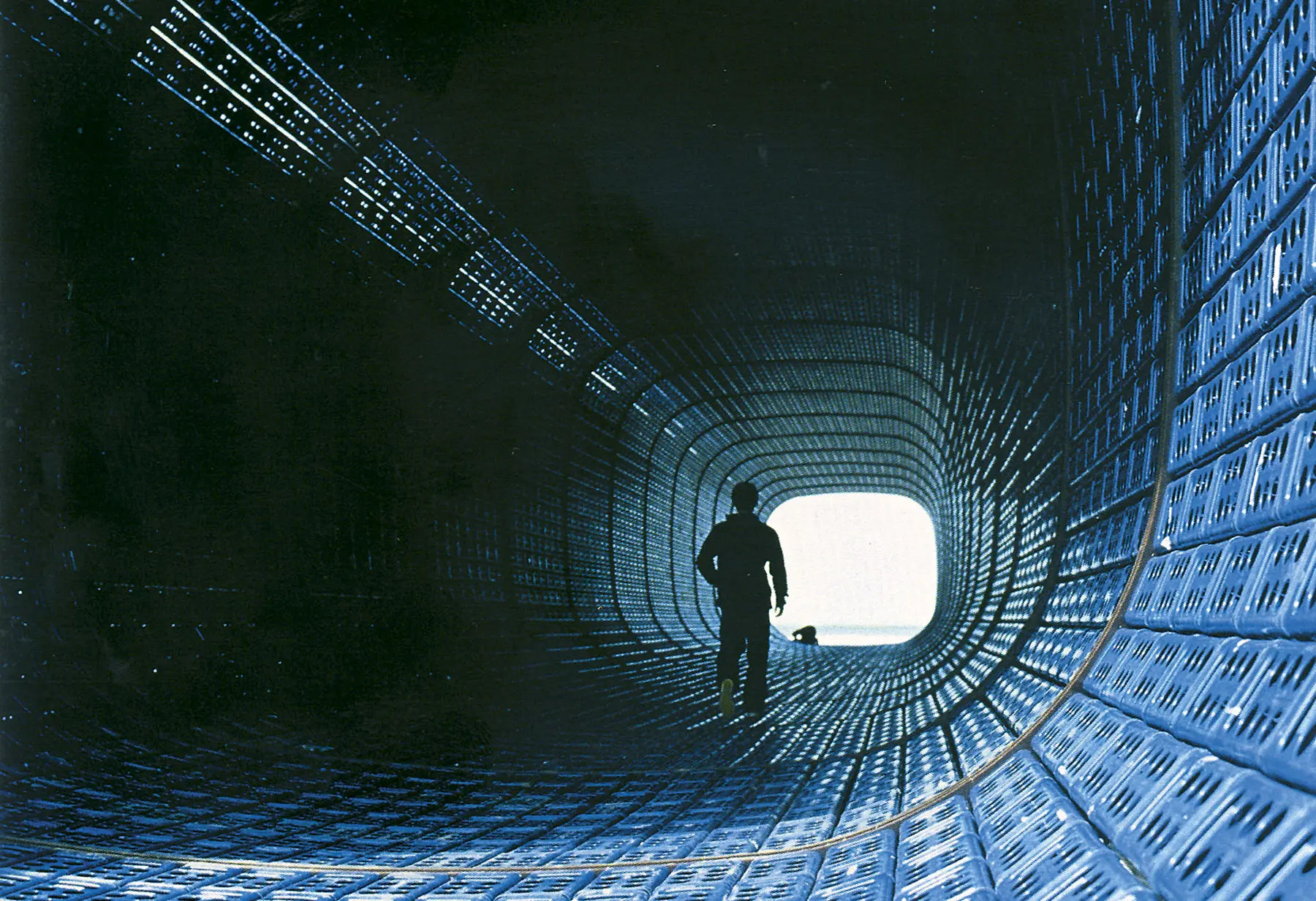
Most of the galleries present brought a bit of everything, painting (the most abundant,) installation, sculpture, and video (also video installations like Greer boiling pal, by Peter Sarkisian), trying to cover the broadest possible range of genre and artistic modes. This gave the show a rather heterogeneous character and made it difficult to identify a dominant formal trend. Although the level of quality was generally high, many of the pieces on exhibit had an already-seen quality, with an overabundance of the self-referential element.
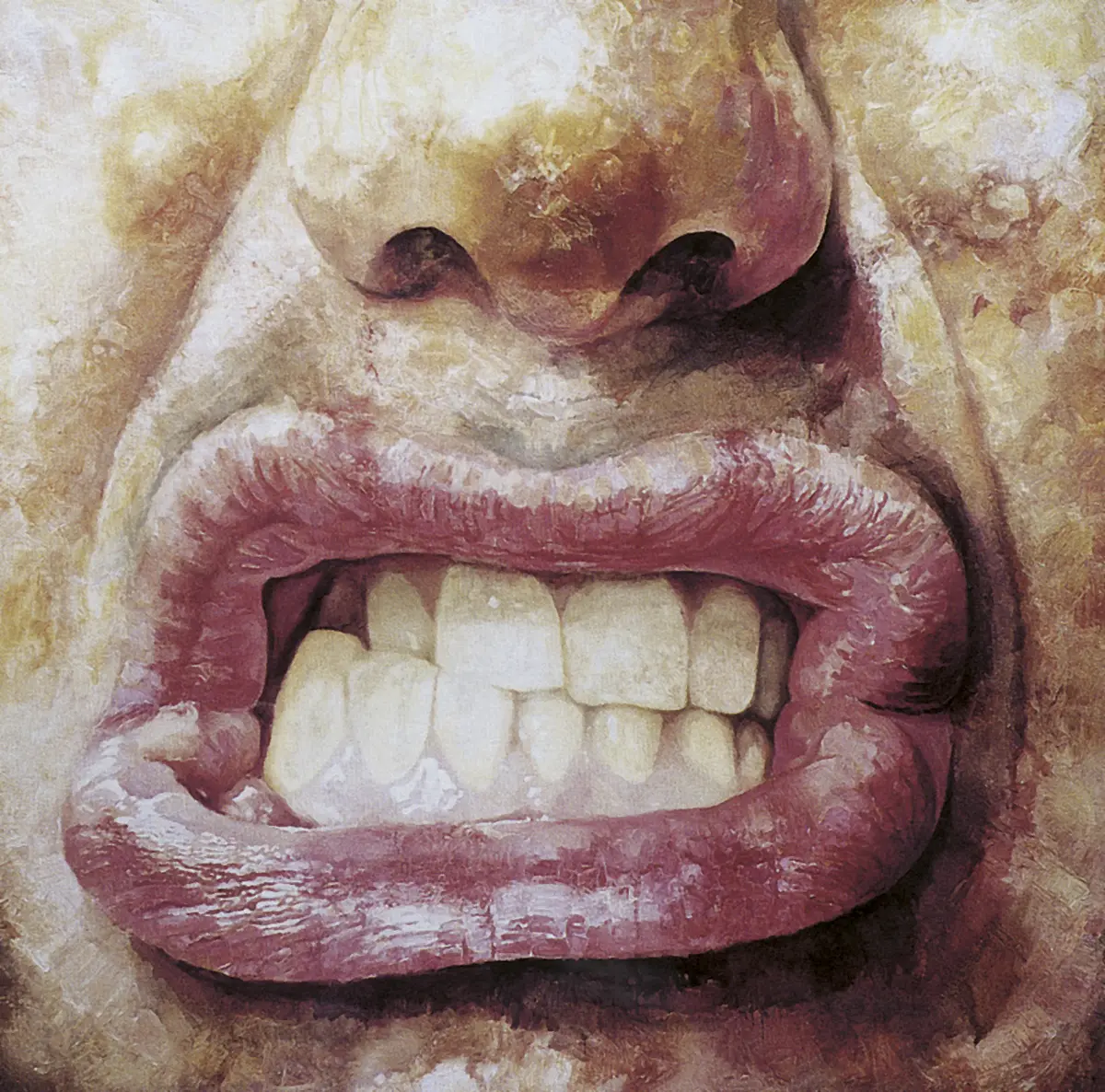
The selection at Enrique Guerrero gallery stood out, essentially with Mexican artists such as Yoshua Okón and Pedro Reyes, both with installations, and Miguel Cerdá’s 3-D paintings, where one color blocks another creating the interplay of contradictory images: both sides of a coin, or of a discourse.
Few galleries maintained a clear and distinct line in terms of genre, or in terms of a specific artist. Mexico’s Kurimanzutto presented a wooden cube/labyrinth, an installation by Yugoslavia’s Sosnovska; Daniel Hugh (L. A.) represented only Miguel Calderón with a series of post-apocalyptic photographs, and Malaga’s Casaborne, whose emphasis on painting had its best example in the realism of Torregar or the Japanese-like drawings of Paco Montañés.
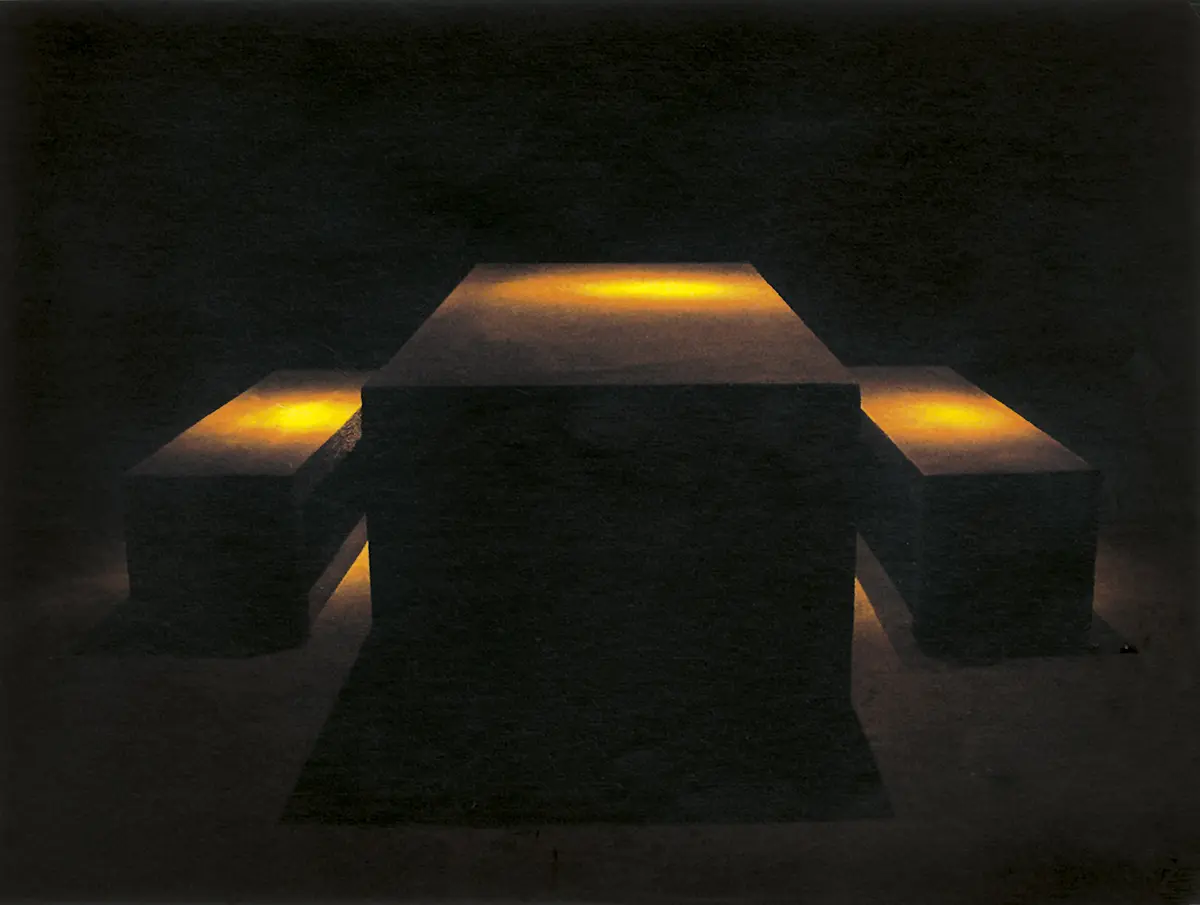
Yet what is heterogeneous in these cases is the tone of the works. Serigraphs by Miró and Damien Hirst coexisted with the work of Teresa Margolles, Thomas Glassford, or Fernanda Brunet (OMR artists); Ambra Polidori’s photographs shared space with Abraham Palatnik’s kinetic objects, while the industrial residue at the Garash booth mingled with the exhibition of videos at Luis Adelantado.
The general balance is positive, although many gallery professionals complained of the low volume of sales. The show served for the promotion of artists among galleries and institutions, and to move collecting beyond the realm of large foundations, which today are almost nonexistent. The public, basically artists and art-world people, had a chance to take the pulse of what is happening with galleries all over the world.
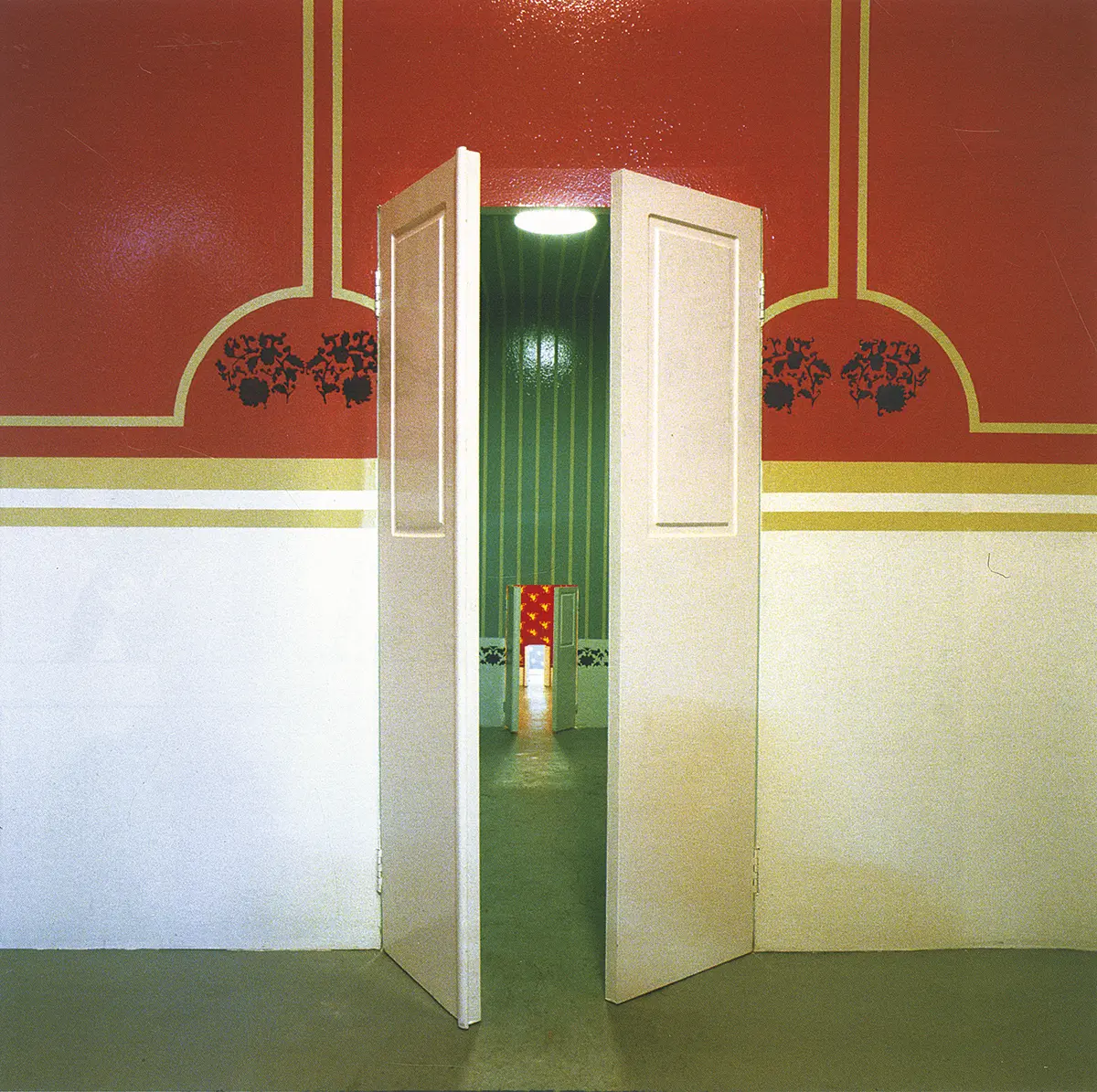
For a first edition, Maco gained significant space in the press, although, unaccustomed as the Mexico City public and media are to this kind of event, the coverage was deficient. Without the media prestige and volume of sales of fairs with a longer trajectory such as Documenta, Basel, and Arco, this first edition could be the anchoring tone for a series of events that will place Mexico City in the circuit of large art fairs. There is plenty of talent.
RUBÉN BONET
Barcelona, 1967. Writer and visual artist. President of Adopt a Writer Foundation.