In recent years, a large part of the debate about contemporary art has turned on two large models of diffusion and promotion: art fairs and biennials. These two models constitute a kind of yin and yang: they complement each other, and they need each other in order to exist. It is not by chance that the more spectacular and grandiloquent the biennials become, the more they depend on—and generate—an art market through which equally spectacular amounts circulate.
If Documenta is seen as the art Olympics, the Basel fair is its equivalent in market terms and its levels of quality are such that it is probably the only fair where “biennial pieces” ( pieces that are conceived and produced directly for the realm of public exhibition) are shown and sold. This is not a mere anecdote; on the contrary, it is a symptom of the new relationships established today between artists and art promoters and sponsors, which have transformed the role of the private collector who buys medium-format works for his or her own enjoyment. In other works, the market anticipates public commissions and generates a new species: the biennial artist who works almost exclusively on large-scale projects that, given that characteristic, have no option other than to be included in large-scale exhibitions. In some cases, galleries take it upon themselves to promote small-format shows that are more manageable for the private collector, but these will never lose their succedaneous character.
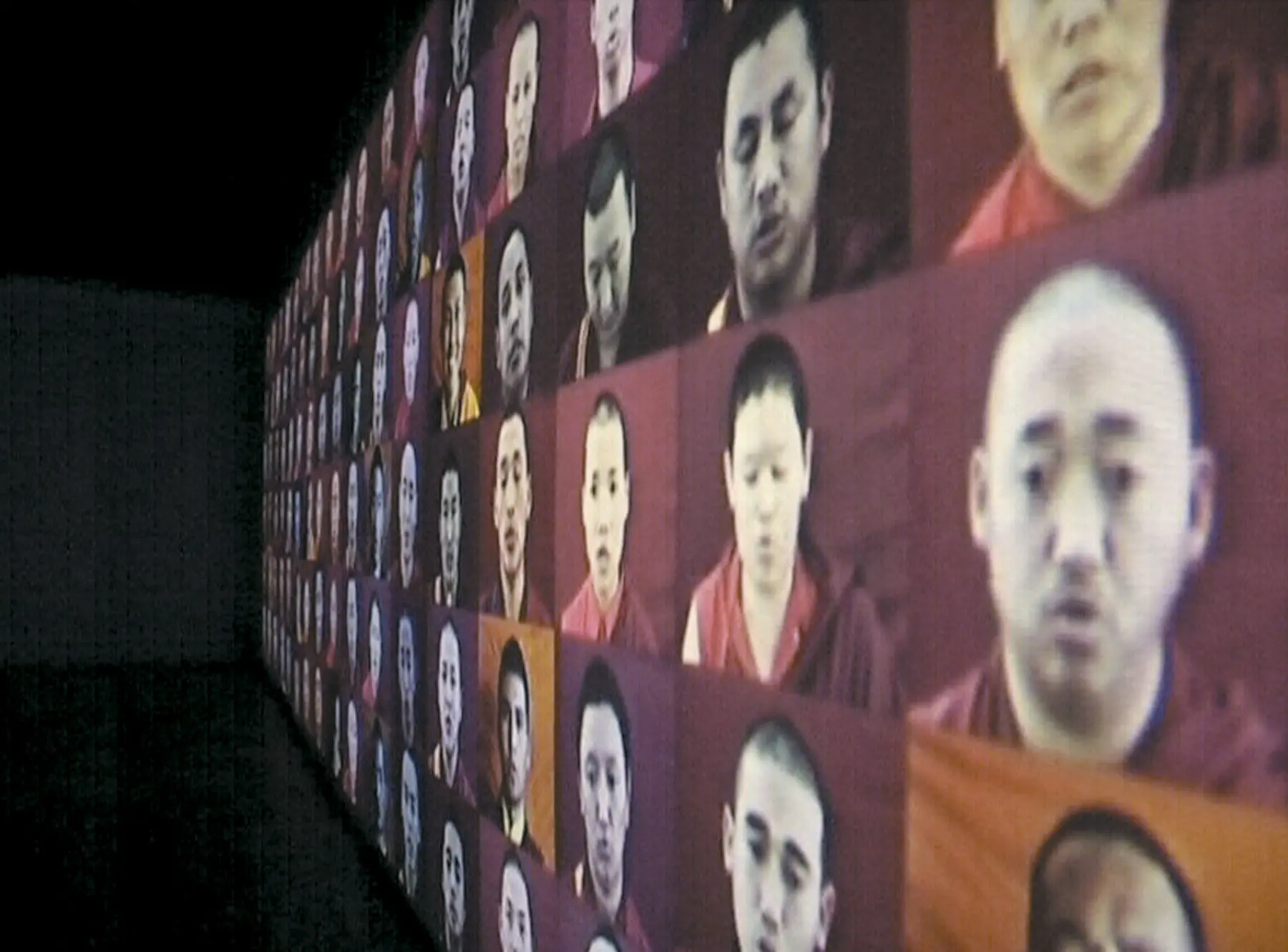
Art Basel’s Art Unlimited pioneered the experiment of placing for sale works that have been exhibited publicly or that are destined for public exhibition, in a kind of recycling that has transformed ephemeral installations and ambient art pieces into tangible objects inserted in the market. This of course does not act as a detriment to the works; on the contrary, such an expanded view of the art fair results in very interesting works that, freed from curatorial discourses and the exhibition environment, can finally be seen just as they are. In this case, a piece such as Marina Abramovic’s At the Waterfall clearly stands out. It is a video installation that projects on a wall dozens of faces of monks in prayer. The audio effect was that of a deafening and relaxing waterfall, and it could be enjoyed from couches especially placed for that purpose.
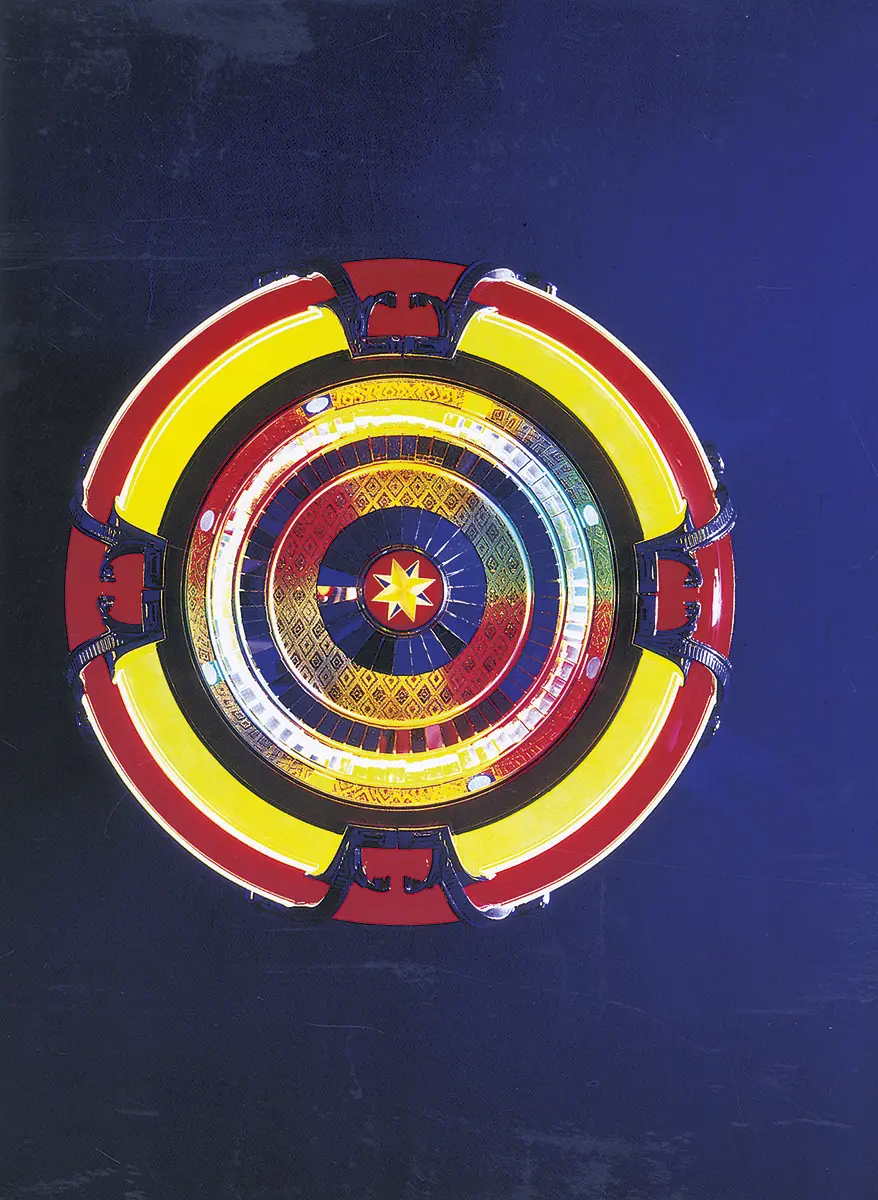
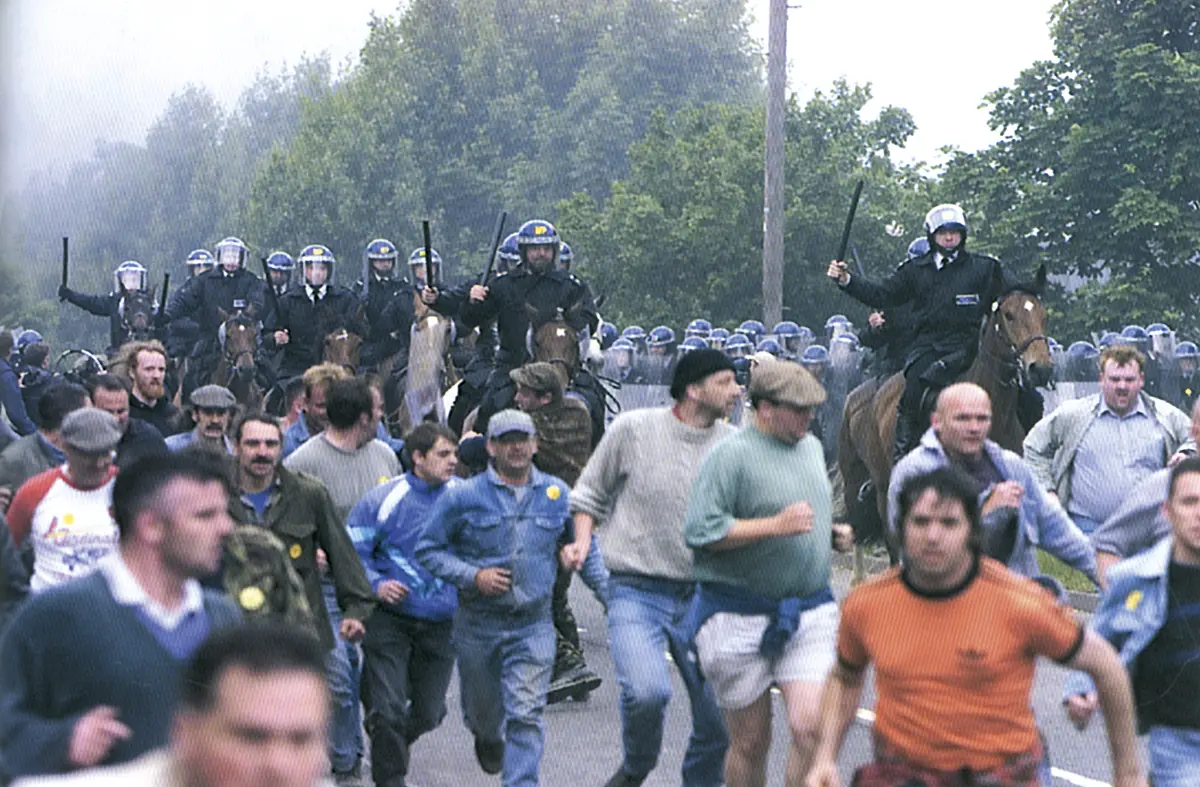
Jeremy Deller presented all the documentation and the historical recreation that, under the title of The Battle of Orgreave, recovered a key moment in British labor history. At the opposite conceptual pole, we found Sylvie Fleury’s 8: a kind of capsule, golden on the exterior and covered in Swarovski crystals on the interior, which appeared as the materialization of luxury concentrated in a bubble. Some more discrete but also noticeable works were Waterline a video by Ceal Floyer, who continues to experiment with the representation of emptiness, in this case, a line of water that gradually goes up and down to collapse our perception of the empty/full duality, and Kimsooja’s precious jukebox-like mandalas, Mandala: Zone of Zero. Equally remarkable was Ann-Sofi Sidén’s video 3MPH (Horse to Rocket), which, in 35 minutes, courses through a region of Texas and unveils, subtly and effectively, an American imagination. Less subtle and less successful was Teresa Margolles installation En el aire, comprised of a machine to make bubbles with water used to wash corpses at the morgue. A resource that has become merely rhetorical, it did not really have a place in the large building that held Unlimited. Other, more successful Latin American presences were Miguel Angel Ríos with his video A morir, Rafael Lozano-Hemmer’s large installation Standards and Double Standards, and Mira Schendel’s bold montage that, despite harking back to the 1970s, has not lost any of its force and beauty.
Other works seen at Unlimited made a more direct reference to the fair itself and, in a more or less playful, more or less effective fashion, became a self-reflection along the lines of that recycling I mentioned earlier. For example, Tadashi Kawamata built a kind of catwalk suspended over the building—Catwalk at Art Fair—that opened up an entirely different point of view for Unlimited; the piece worked strictly as an agent for the visualization of the works, although the aesthetic sensation provoked by the long hanging walkway had to be taken into account.
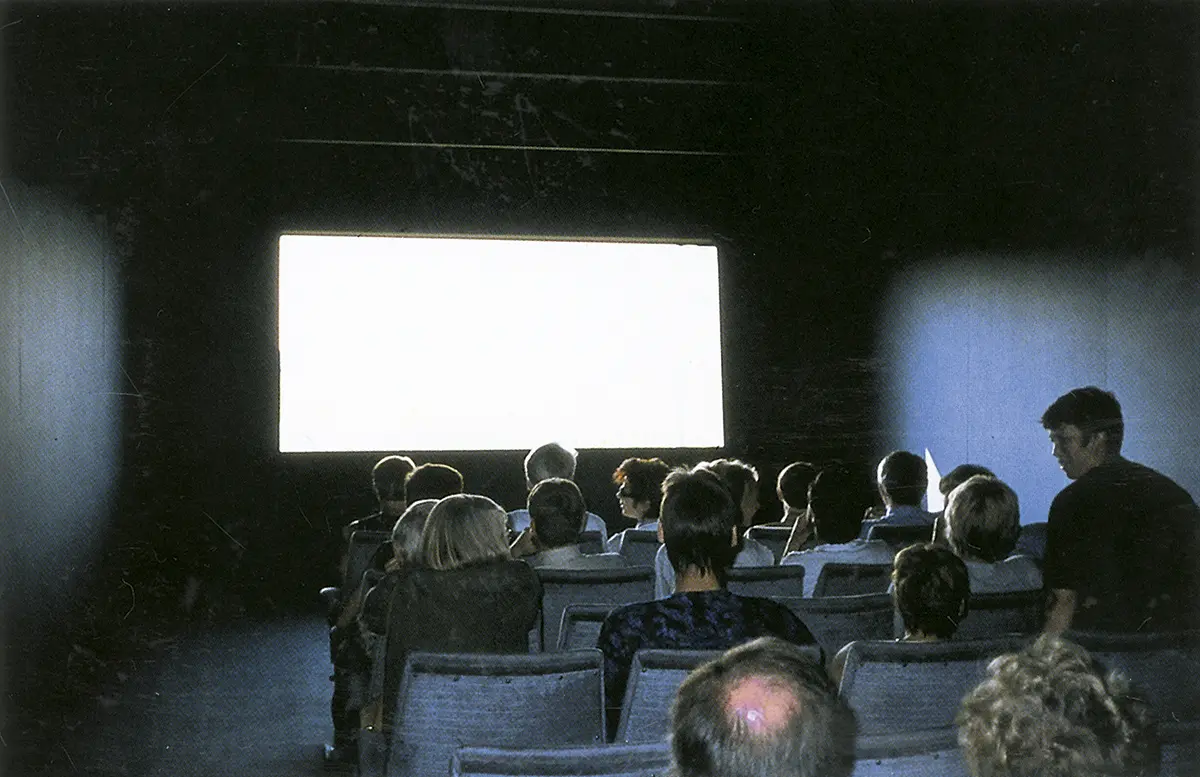
Job Koelewijn presented his Cinema on Wheels, a construction that seen from the outside resembles a common container while its interior reproduces a movie theater, seats, and all. The back opens in a rectangle in the shape of a movie screen, but it is a window to the exterior. Wandering visitors became the unwitting character in a film that, with the help of a powerful soundtrack turned, moment by moment, into a romantic comedy or a spy flick. The way in which this simple structure suddenly generated a distance that turned the world—in this case, the fair—into fiction was interesting.
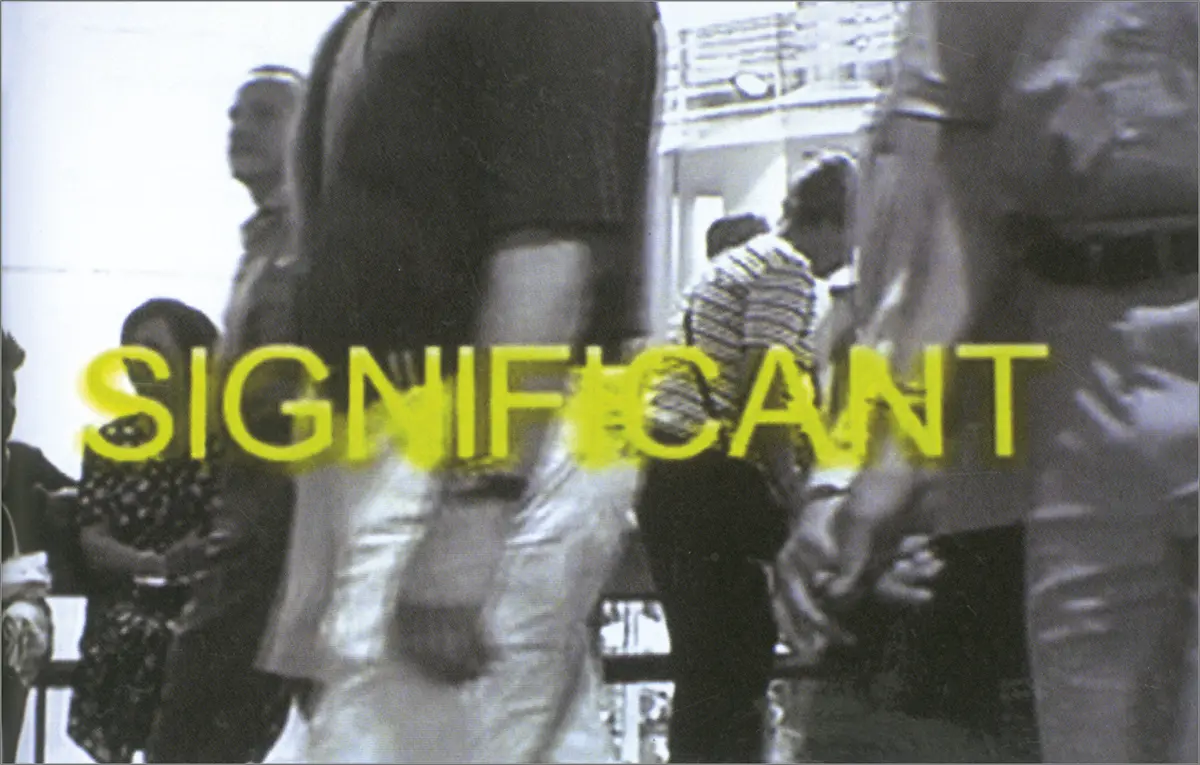
Two more literal instances were offered by two artists of a markedly conceptual bent: in Something Less, Something More, Pierre Bismuth poked holes in the false walls of his own space at Unlimited, turning them into kind of a giant blind next to which the perfect circles carved from each wall piled up. Robert Barry presented The Basel Art Fair, a video registering without significant manipulation precisely what it announced, the Basel art fair, its hallways, the people, etc. Over the black and white image, words appeared intermittently and acquired a special meaning in the context of art: elusive, significant, boring. What we find here is almost a new turn for the biennial artist who in these cases becomes a “fair artist” capable of posing, in terms of spectacle, his or her participation in the marketplace as a theme on its own.
In this context, a visit to the gallery section was at least an invitation to reflect: the concentration of high-quality art is very intense, albeit presented without any further organization than the location of the booth on the floor plan; the fair does not allow for the well-paced, pre-selected visit to a curated exhibition. On the contrary, it demands a special exercise in judgment, forcing us to jump constantly from one piece to the next and adjust our physical perception and conceptual framework. Undoubtedly, the fair is an event for professionals, and there must be some significance to the fact that contrary to what occurs in biennials, not many artists are seen while curators, hunting for treasure, abound. To a degree, such grandiloquence generated the opposite effect and it was the small things that captured the attentive eye. The work of Hamish Fulton, one of the great conceptual artists currently being revisited, at least by the market, could be found in several galleries, and that was also the case with Hans Peter Feldman, whose work was generously represented at 303 Gallery, and Richard Prince, present throughout the fair in what amounts to the definitive coronation of 1980s appropriations—not by chance did Basel’s Contemporary Art Museum hold, concurrent with the fair, an exhibition of works by none other than Louise Lawler. The presence of these solid and prepositive artists with long careers behind them contrasts with the art system’s frenzy for launching ever-younger artists. At any rate, the fair made manifest the latest art history jump, thanks to which we can already identify the new classics. Even in the fair’s lower level, traditionally devoted to classic modern art (from Picasso to Manzoni), that is to say, art from before the 1960s, there are more and more galleries dealing in recent art.
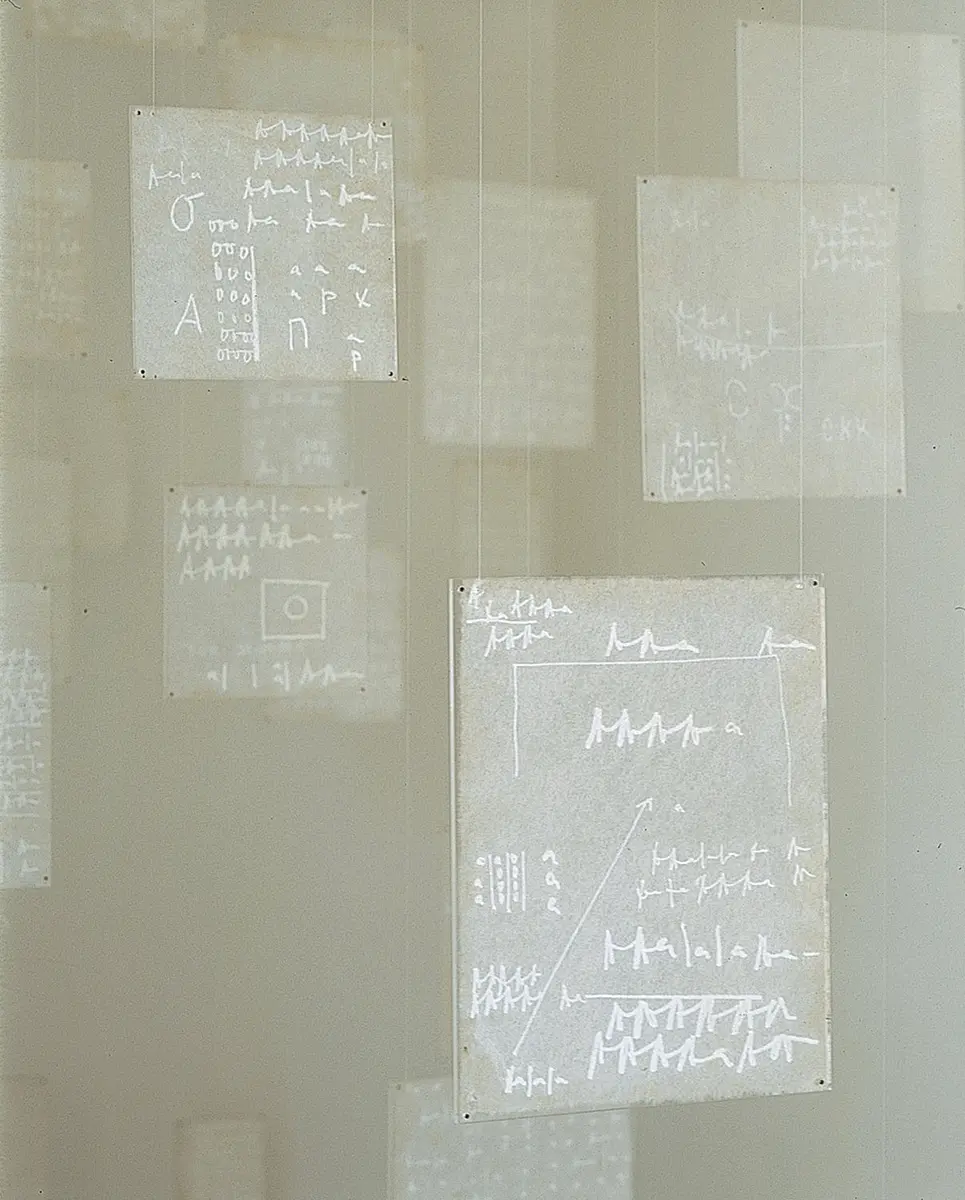
Among the wide range of offerings, several pieces by Jonathan Monk stood out, inscribed in a way along the line of Feldman’s work, especially the series 36 photographs with their subject removed at Yvon Lambert Gallery, and the ample selection of his work at Nicolai Wallner Gallery. Almost hidden at Marian Goodman Gallery was one of the fair’s most beautiful pieces: under the title Hypnos/Thanatos, Tacita Dean presented four quadrants in semitransparent stone inscribed with very small texts that appeared and disappeared following the stone’s own veins. Also spectacular was Tunga’s installation at André Millán, Bell’s Fall, and Nelson Leirner’s photographic installation at Brito Cimino, which reproduced a section of a shelf in his home. Not to be left behind, was Thomas Glassford’s sculpture made with plastic plates and cups in different colors, at OMR, which also presented an impressive Melanie Smith painting and Pablo Vargas-Lugo flowerpot sculptures in asphalt.
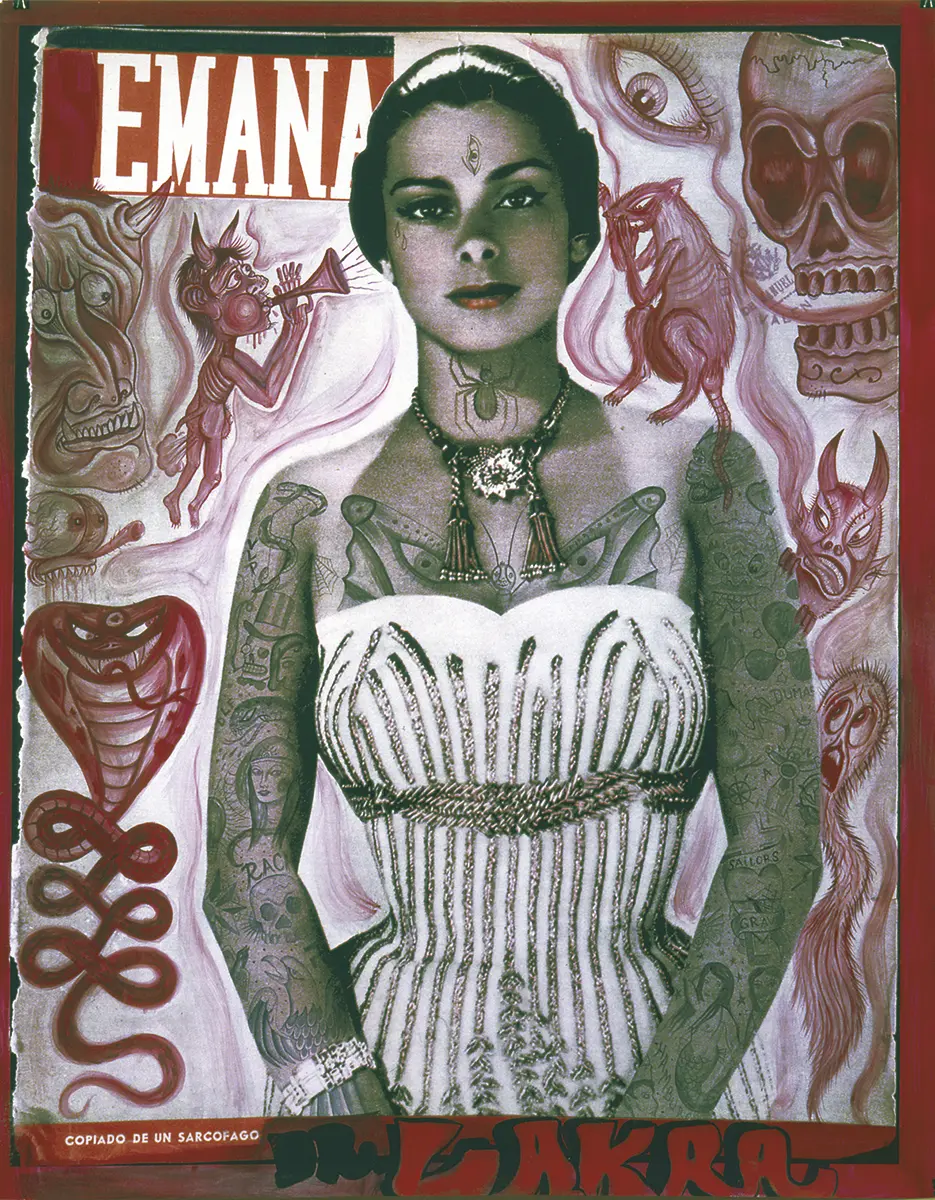
In the sieve that occurs at a fair like Art Basel, it is increasingly easier to identify the group of Latin American artists who are gaining acceptance in the international circuit, some supported by the work and constant presence of their galleries in that same circuit: Fortes Vilaça, Luisa Strina, OMR, or Diana Lowenstein—absent this year—among others, have played a key role in the gradual insertion of Latin American art. It is already commonplace to find in Basel works by Rivane Neuenschwander, Carlos Amorales, Francis Alÿs, Guillermo Kuitca, Alfredo Jaar, Gabriel Orozco, Nelson Leirner, Cildo Meireles. This year, the Mexican gallery Kurimanzutto began a foray into these major leagues within the program Art Statements, where galleries presented concrete projects by a single artist. Kurimanzutto showed the visual work and tattoos of Dr. Lakra, not in the guise of an exhibition but by reproducing a tattoo workshop where the artist tattooed whoever was willing, an offer that even an important European collector could not resist.
Finally, this interplay of exclusion and inclusion, of visibility and invisibility, is more and more unattached to geographical factors and closer to issues that revolve around the relationship between quality and market. In the line of the reflections that opened this review, the distinction between the market and the non-market, between artistic presence and commercial presence, is increasingly more ambiguous and complex; this of course does not act in detriment to art itself. For a long time, art has been able to find inspiration in that very context.
Several Art Unlimited projects were erected on the lawn at the entrance of Art Basel. Among them, a perfectly cubic, closed body made with mirrors clearly stood out. Many people came close to examine it and discovered that it had a doorknob on one side. When one tried to open it, it was usually locked and access to the interior of the crystal cube was denied. This situation generated great curiosity; people surrounded the cube, studied it from a distance or up close, attempted unsuccessfully to find a crack and peer inside, and finally decided that it was probably something by Donald Judd or Dan Graham. Those who were patient and simply waited in place, however, eventually got to see the door open to let someone out. Then they realized that it was a restroom, perfectly installed and functional, and that from inside the mirror was see-through. That is why it was locked most of the time. Once inside, it was a true spectacle to observe people’s reactions when faced with this minimalist cube, and the slightly perverse desire to use it grew with the feeling of vulnerability that came from the one-way mirror. I am sure people took their time coming out because being inside a bathroom gave an unexpected turn to the spectacle of the public coming to see a work of art. Monica Bonvincini’s don’t miss a sec is not only an ingenious construction: it also brings to the fore that condition of contemporary art that appears at once hermetic and mysterious on the one hand, and vulnerable on the other, depending on who is looking at it. Perhaps it also speaks to the short distance that exists between the perfect construction that blends into the environment and returns our reflection, and the toilet, which has been at the center of artistic explorations at least since Duchamp’s Fountain was first exhibited.
ISSA MARÍA BENÍTEZ DUEÑAS
Art historian, a specialist in contemporary art and art theory. She is currently a doctoral candidate at the Universidad Carlos III in Madrid.