
In its second year, the Frieze Fair—sponsored by the owners of the magazine of the same name—attracted an important group of gallery owners from the international artistic community. 148 galleries devoted to contemporary art were present: 35 from the United Kingdom, 40 from the United States, 61 from the rest of Europe, 3 from Latin America, and 4 from China, Japan, and Korea.
The same as last year, the fair was held in London under an enormous marquee in Regent’s Park and attracted big crowds. The catalog, titled Frieze Art Fair Yearbook 2004–2005, unlike catalogs in other fairs, was not classified by galleries but by artists in alphabetical order. Each entry included a color photograph of one work and a brief critical text, in addition to a selection of exhibitions, a bibliography, and the names of the galleries representing the artists.
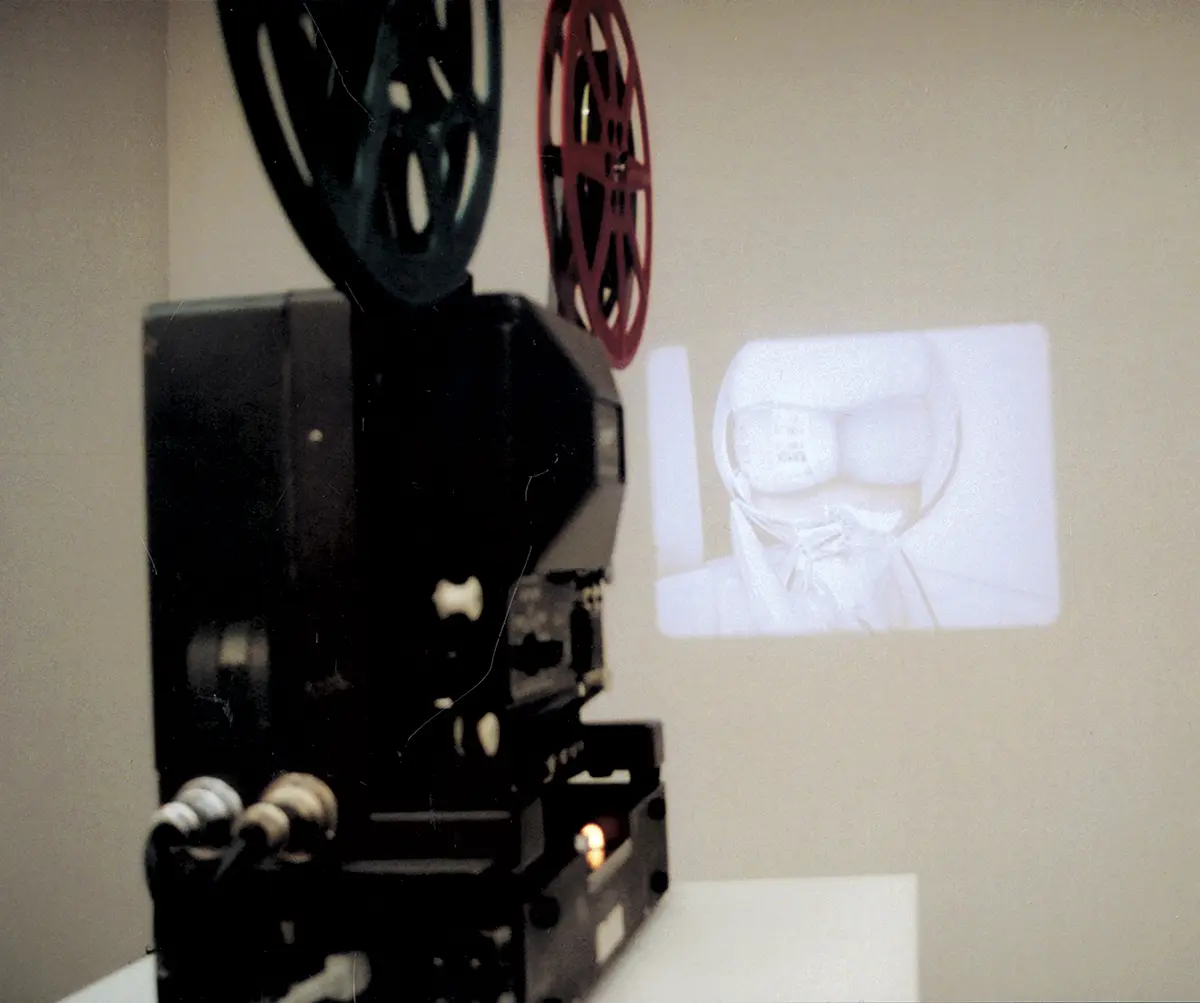
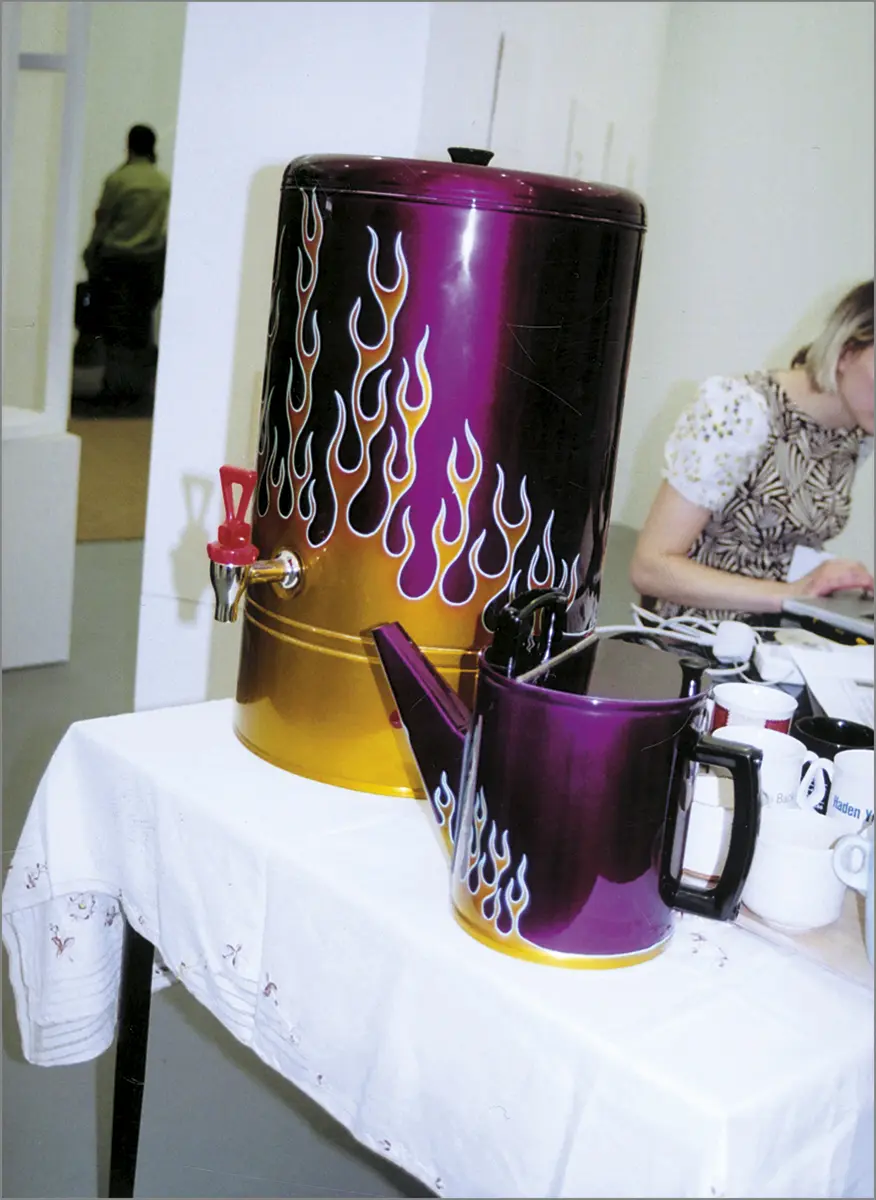
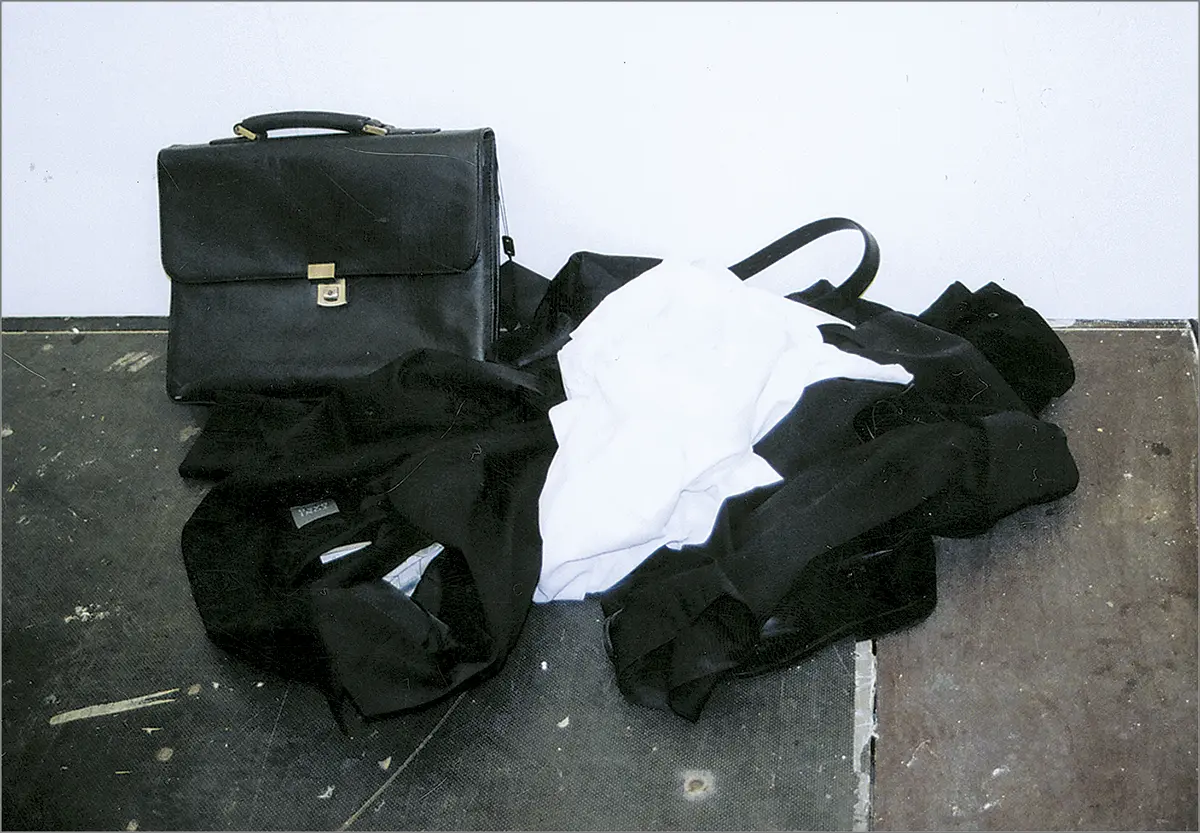
The Fair and the Tate joined with a group of collectors to organize a fund to purchase works. Last year, the fund totaled the sum of 100,000 pounds sterling; this year that figure increased to 150,000. The selection this year was entrusted to Richard Flood, chief curator of the Walker Art Center of Minneapolis, and to Kasper König, director of the Ludwig Museum of Cologne, with the collaboration of Jan Debbaut, director of the Tate Collection. Thirteen works were purchased; among them was the performance of the Polish artist, Pawel Althamer: Self-portrait as a businessman, in which the artist arrives dressed as a businessman; a passport is visible in one of the pockets of his suit. The artist undresses and comes out naked, leaving his clothing behind, which constitutes the purchased work. Other acquisitions included the work by Atlas Group/Walid Raad, titled My neck is thinner than a hair with 100 out of 245 impressive images of car bombs that exploded in Lebanon between 1975 and 1991, shown at The Modern Institute; two very amusing objects by Jeremy Deller and Alan Kane—an enamel kettle and teapot painted in mauve with golden flames in the style of racing cars; and in the Gavin Brown gallery an old 16mm projector running a movie titled Made in Heaven by Mark Leckey.
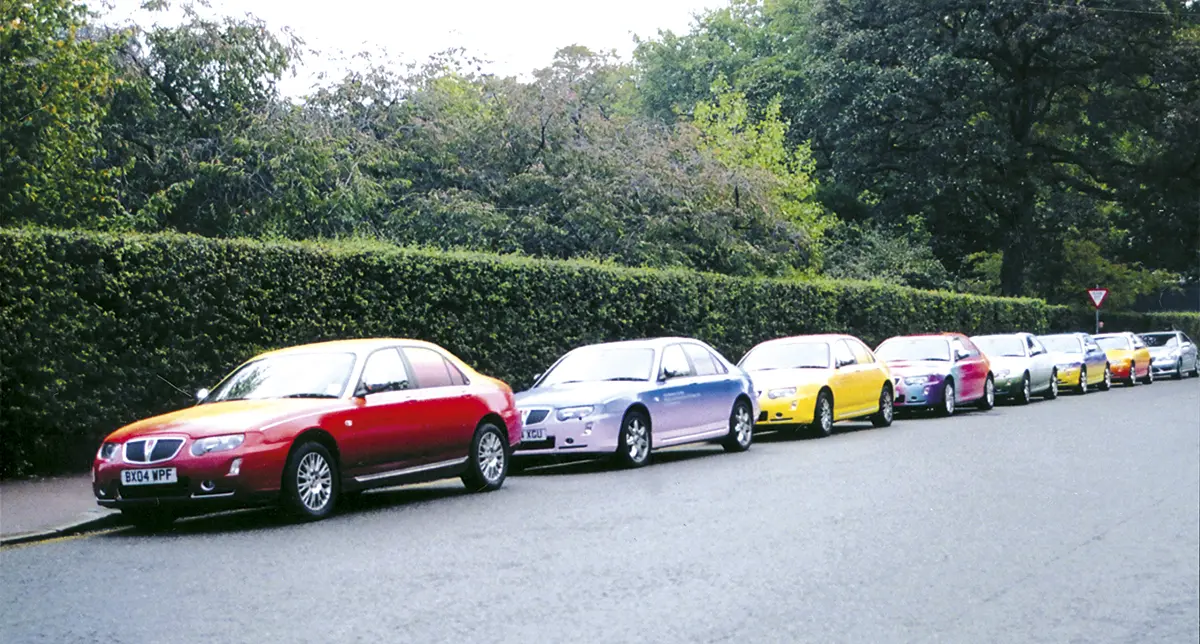
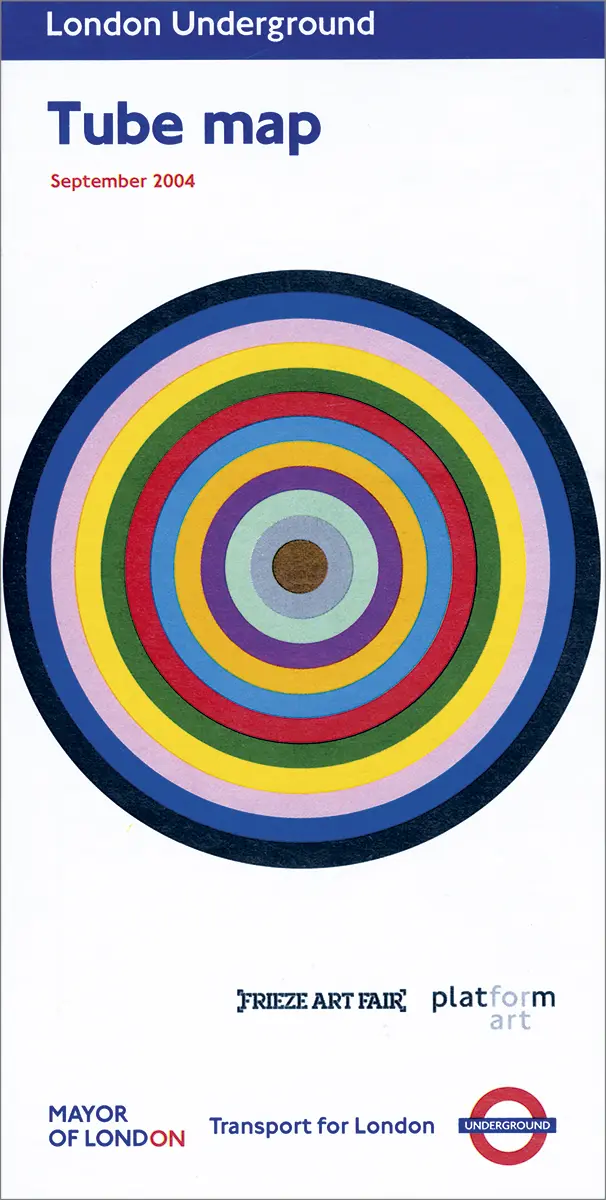
Also as last year, the fair organized projects with the artists. Polly Staple selected ten artists. Among those who achieved more visibility was Pae White, who painted each one of the Rover cars assigned to the VIPs with two different colors, which added a festive note on arrival to the fair because the vehicles were parked on the street in front of the entrance. Emma Kay designed a round, dartboard-like symbol with the colors of the underground lines and printed it on small maps that she distributed throughout the fair (very useful). Aleksandra Mir published the second volume of Living and Loving, the biography of Zoé Stillpass, a collector’s daughter. The public could take away free copies of the book. Annika Eriksson placed an announcement in a London newspaper: “Anyone who wants an audience at the Frieze Art Fair to contact me.” Songs and dances were staged on a green set with folding seats, whose backdrop had a handwritten text in red—“Do you want an audience?” The Super Elegant with assume vivid astro focus—who participated in the last Whitney Biennial—created a space where a “Show Dance Club” or the representation of a dance club was programmed. The artists and their friends looked for partners to dance with during the fair, but in fact few accepted because most of the public was more interested in seeing art than in dancing. Joanne Tokam and Tom O’Sullivan made a performance with their theater troupe.
The Seven Sculptures project in two gardens included an outstanding work by Richard Long, presented by Haunch of Venison, as well as work by Mimmo Paladino of Waddington Galleries, and by Julian Opie of Lisson Gallery.
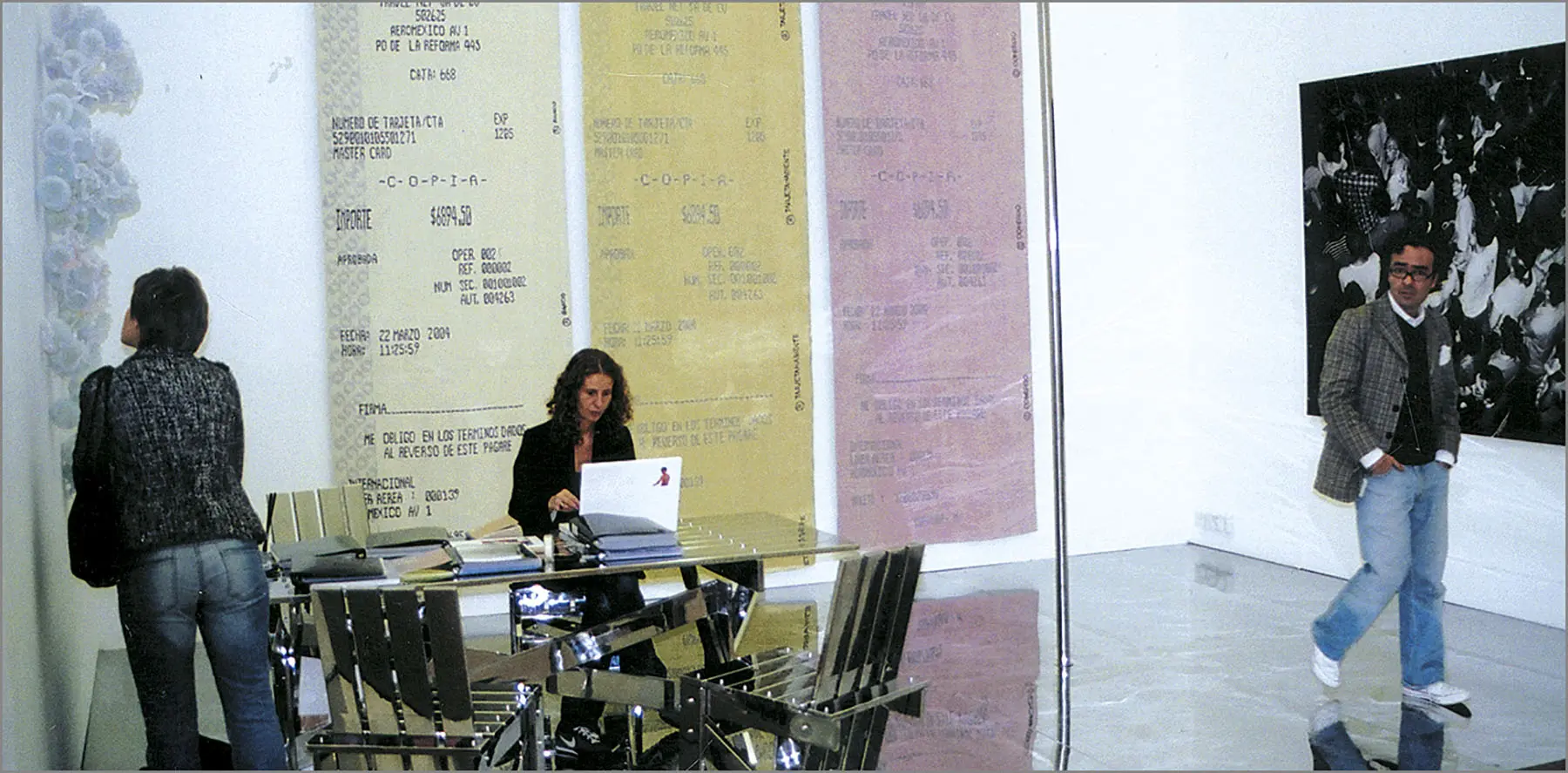
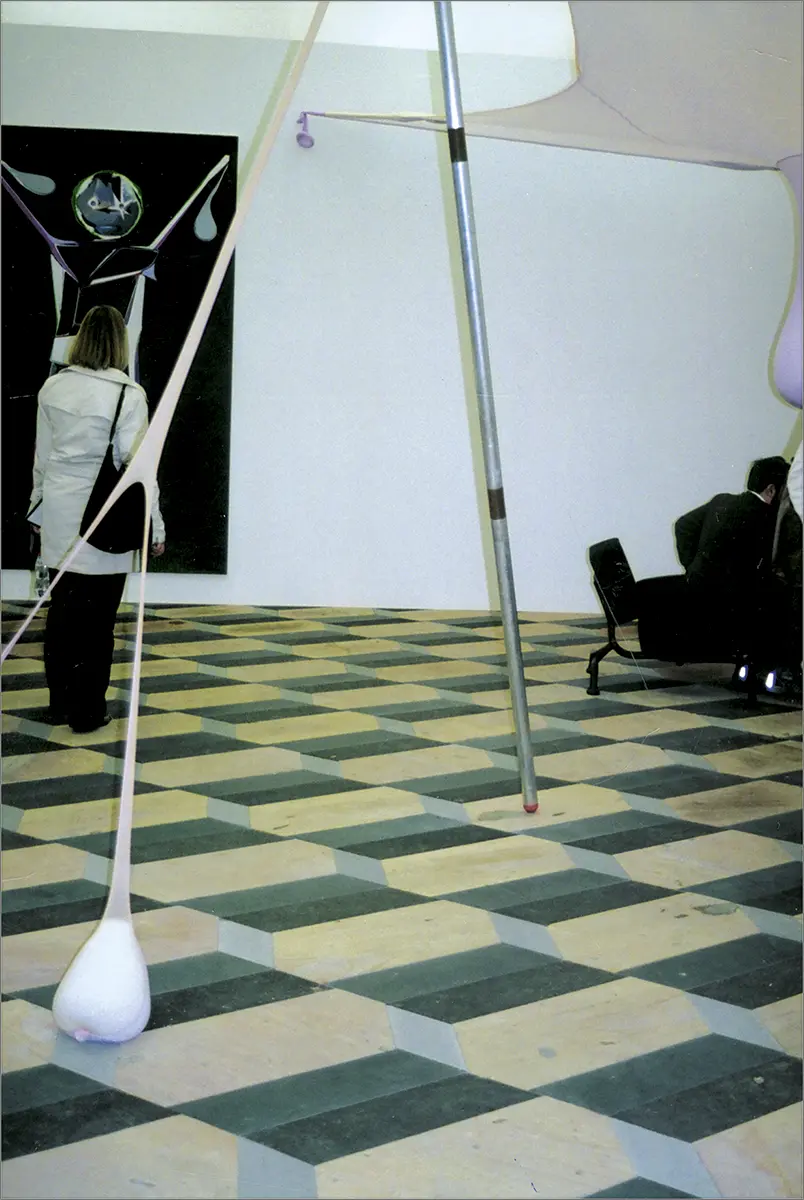
A new characteristic of the fair was the transformation or intervention of the physical space of dealers’ stands. The Tanya Bonakdar gallery installed a floor with a strange trompe l’oeil in different tones that compelled the public to ask who the artist was (Olafur Eliasson). The Kurimanzutto Gallery from Mexico presented the work of the Thai artist, Rirkrit Tiravanija; the entire floor of the stand was made of stainless steel and a bar stood out where a Mexican exotic dancer (stripper) was to have made an appearance, but she was stopped at immigration when she said that she was going to work at the fair. The gallery owners had to look for a stand-in for the inauguration, in addition to assisting the girl who was detained. At the far end of the gallery space, Gabriel Kuri exhibited a project consisting of three tapestries reproducing three purchase receipts with all the details of the store, price, etc. One was beige, another yellow, and the third one was pink, and they served as a backdrop for the stand.
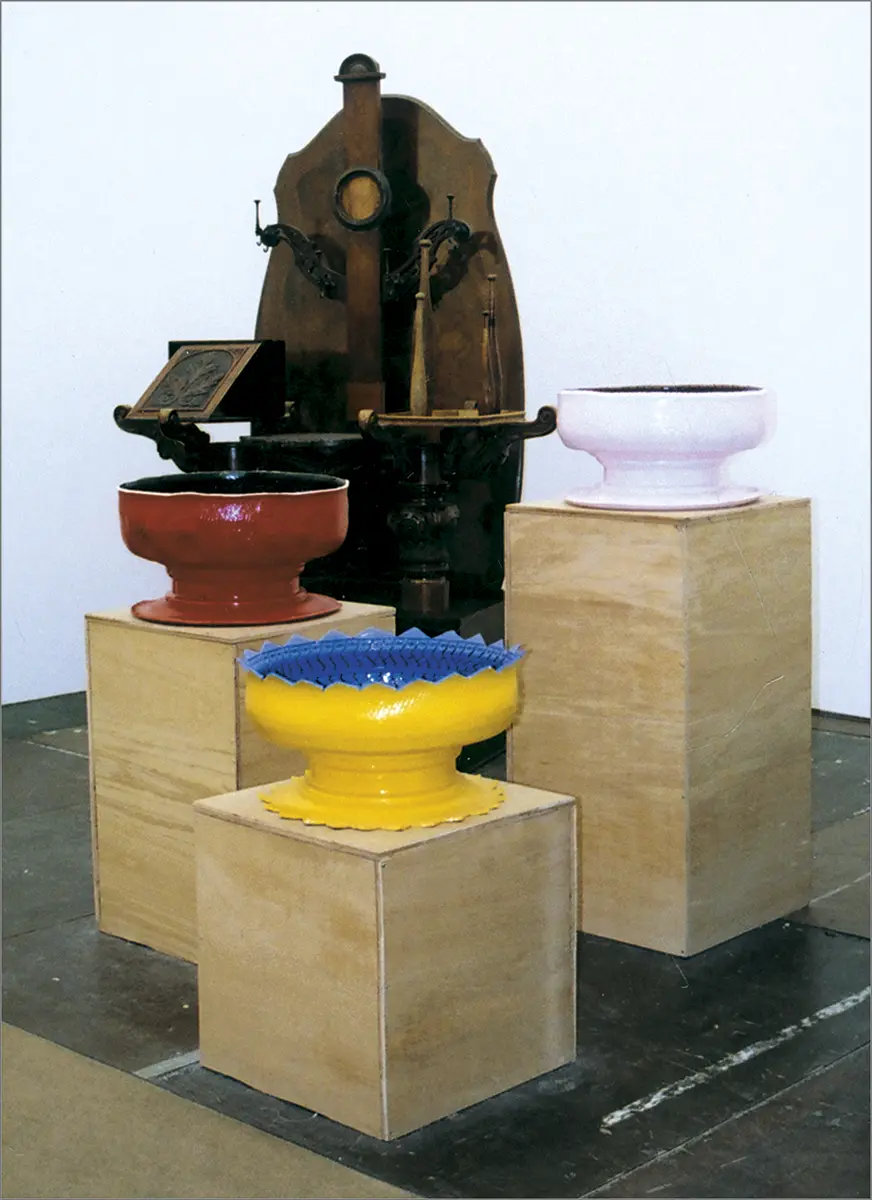
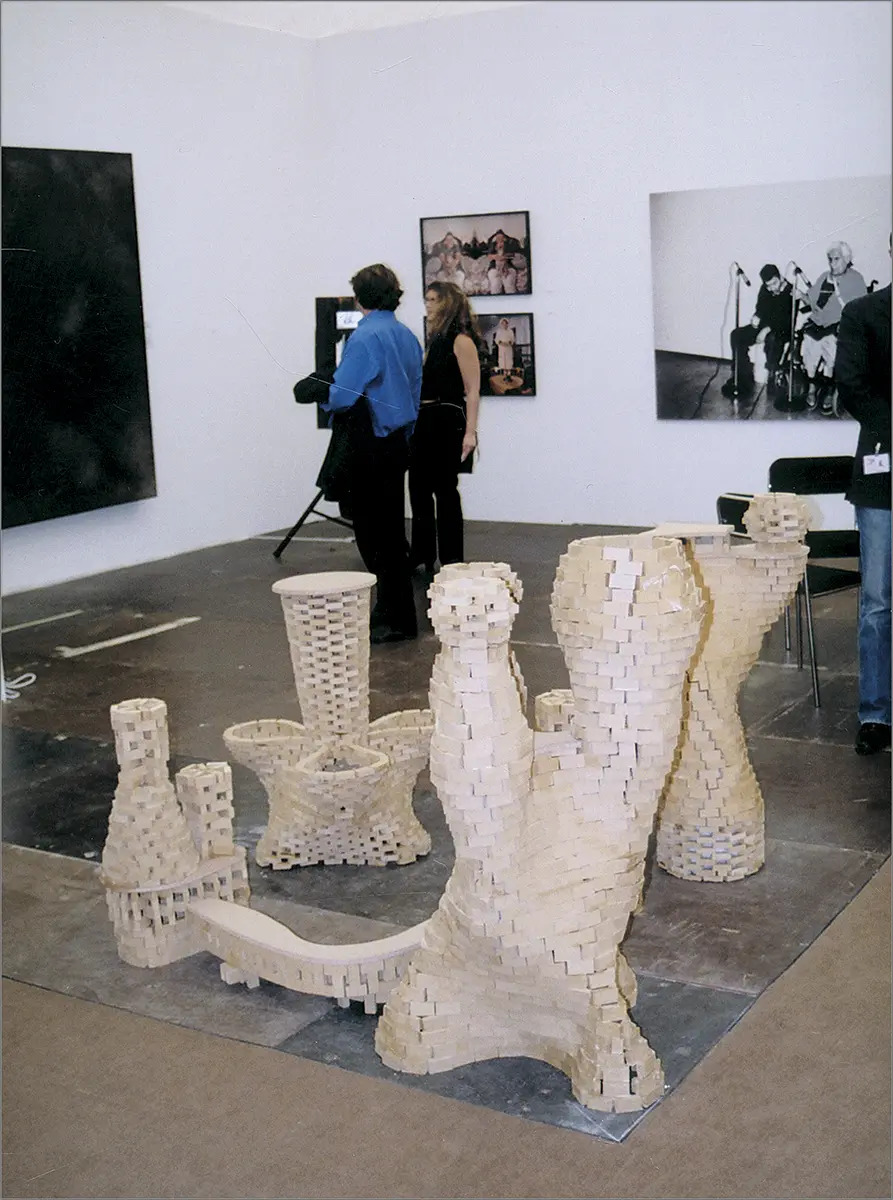
Of the other Latin American galleries participating in the fair, Luisa Strina from Brazil stood out with an interesting wooden furniture/object with the nostalgic aura of Brian Griffiths in contrast with several immense vessels of Alexandre da Cunha in very brilliant colors; and the Enrique Guerrero Gallery from Mexico showed an unusual architectural construction by Pedro Reyes and one of the black paintings made with fire by Santiago Sierra, as well as the crude exhibits by Teresa Margolles.
As for the works in the galleries, all the well-known contemporary artists were present as well as many unknown artists. In such an endless group of works, it is worthwhile to highlight the Johnen + Schöttle Gallery with an impeccable assembly against a gray backdrop: an excellent photograph by Jeff Wall; and a sculpture by Stephan Balkenhol; as well as a bizarre work by Rafal Bujnowski of a portrait that gave the impression of being ancient, whose subject was distorted, and was shown with an iron chandelier and candle on each side. In the Gladstone Gallery, there were five small photographs of a 1970 Vito Acconci performance. In the Jablonka Gallery and also worth mentioning were 30 erotic Polaroid photographs taken by Andy Warhol and titled Ladies and Gentlemen, Sex Parts, and Torsos.
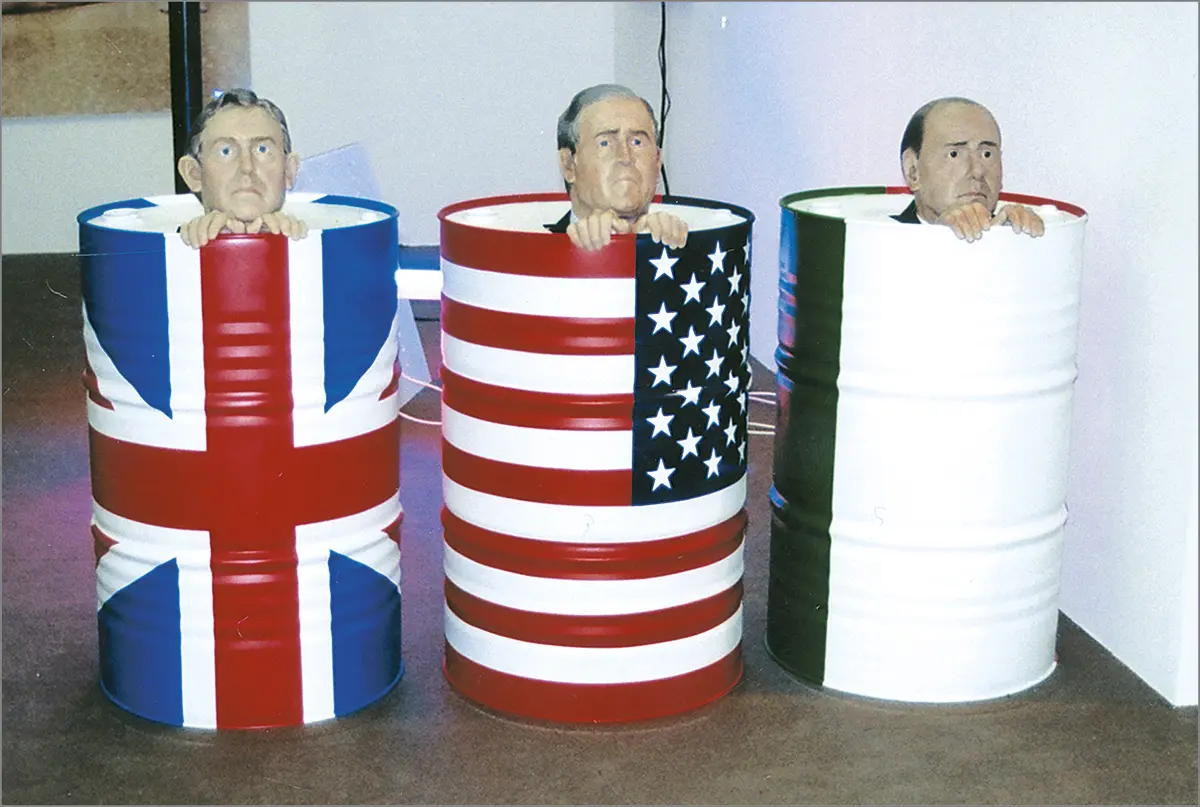
As to the Latin American artists, in the Massimo Minini gallery the work of Jota Castro, BBB oils shame II, consisted of three oil barrels painted with the flags of England, the United States, and Italy out of which emerged the heads of their respective leaders Blair, Bush, and Berlusconi. There was an important painting by Fabian Marcaccio in the Thaddaeus Ropac Gallery; Jorge Pardo’s work was presented in several galleries, and some small paintings by Federico Herrero were shown by the Japanese Koyanagi Gallery. Several paintings and silk screens by Beatriz Milhazes were presented by James Cohan’s Gallery and the Stephan Friedman Gallery, and Peter Kilchmann Gallery had works by Francis Alÿs and Santiago Sierra.
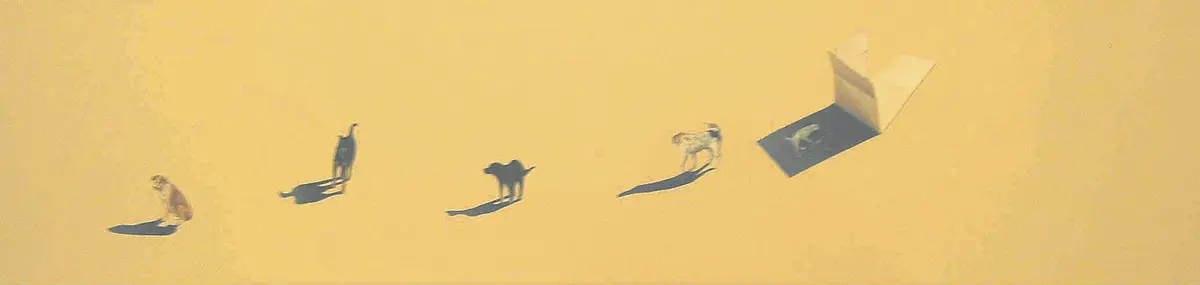
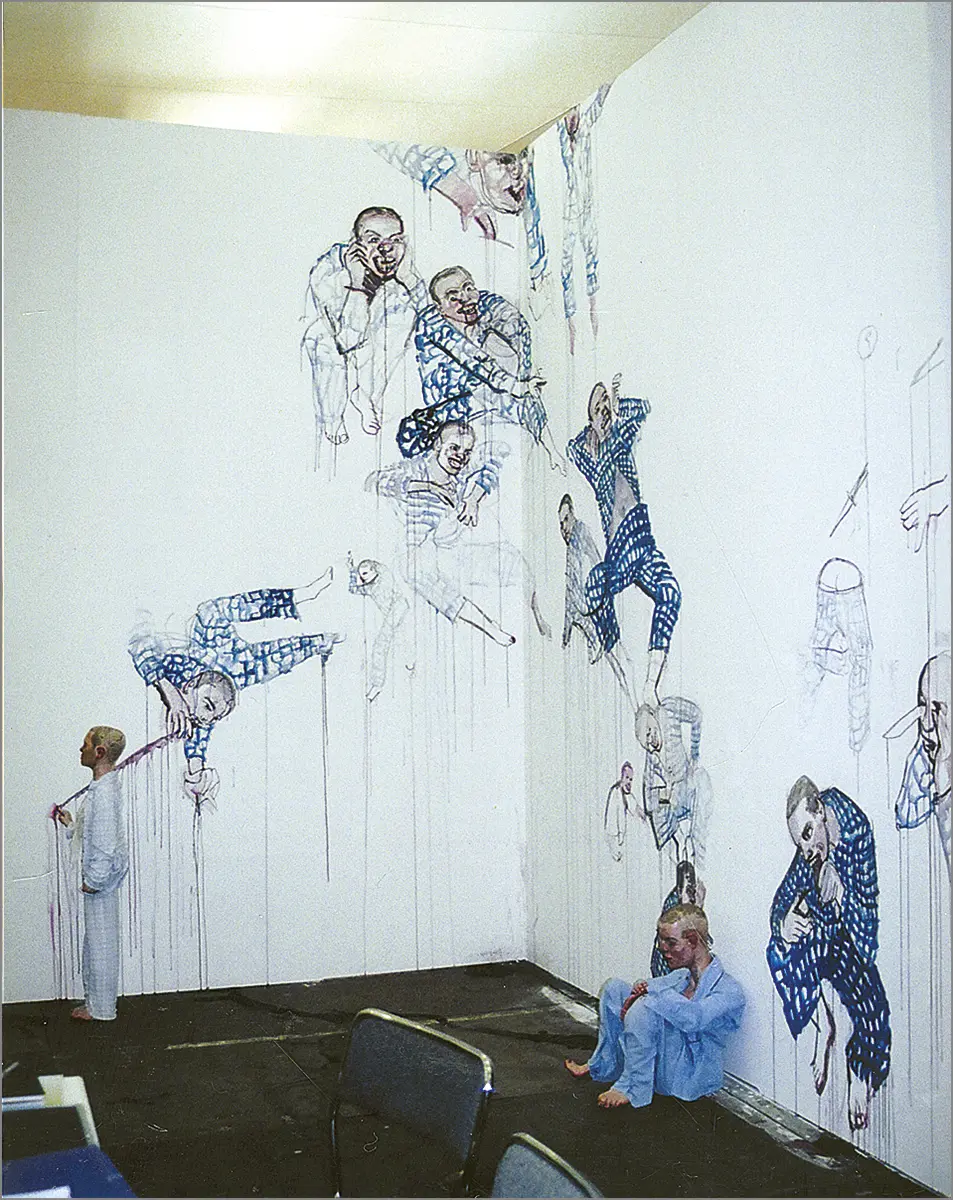
Two Spanish galleries participated this year, in contrast to the last fair in which there were none. The Espacio Minimo Gallery brought Enrique Marty, among other artists. Marty built an installation with drawings and sculptures on the wall that were, as always strange, violent, and disturbing.
A program of roundtables was included as a complement to the fair with topics that included: “Collections, new internationalism and the psychology of collecting,” as well as a program of electronic music at the edge of cultural Pop music, organized by Steve Mackey and Dan Fox as an evening event.
Taking advantage of the wave of publicity and the atmosphere that the Frieze Fair generated, two parallel fairs also took place: The Zoo Art Fair on the grounds of the zoological gardens, with very young galleries and artists; and Scope London. The latter is an alternative fair that is held in hotels in cities such as New York, Los Angeles, Miami, and now London at the Meliá White House, a short walking distance from Frieze. Each gallery takes a room where it exhibits work. They generally show small format work of new artists and it is fun going in and out of each room to see them. On this occasion, there was an interesting work by Andy Díaz Hope, La Tourels ´04, from the series Everybody is Somebody’s Terrorist, which used knitted ski masks, embroidered with flowers and accompanied by sensual garments.
The Nancy Hoffman Gallery mounted a solo exhibition by Michele Pred of sculptures made with objects that do not pass airport security detectors, such as scissors, pen knives, etc. Artcore/Fabrice Marcolini placed inflated and deflated characters by Max Streicher on the bed in the hotel room, along with some small paintings of a new stage by Miguel Ángel Rios. The Michael Petronko Gallery exhibited several photographs by Vik Muniz of the series Pictures of Soil and Sugar Children of 1997 and 1996, works by successful Brazilian artists seldom seen nowadays. The Caterina Tognon Arte Contemporanea Gallery introduced Silvia Levenson, the Argentinean artist who produces familiar objects in iron and glass.
Finally, we could not conclude this note without mentioning Doris Salcedo’s extraordinary installation shown at the White Cube Gallery concurrent with the fairs. On entering that gallery room, one could barely perceive the texture of the walls, but once inside, the visitor discovered that the walls were covered with a mesh. The mesh was visible at some points and at others, only the texture could be perceived. The place was so sordid that it ended up making a deep impression on the spectator who suddenly realized that the mesh was the same one used in the Guantanamo cells. On the second floor, the living room was empty and it was necessary to look out the window to see an installation by Damián Ortega, who used recycled materials to create labyrinths based on the word INSIDE. These were two interesting proposals by Latin American artists in an important week for art in London.
With these fairs, London enters the circuit of international events visited annually by collectors and art personalities.
* Photos by León Birbragher.
CELIA SREDNI DE BIRBRAGHER
Director, ArtNexus.