To evoke the word terror before September 11, 2001, was to think of myriad things, ranging from barbarians at the gates to Robespierre; the Holocaust to the Cambodian killing fields; natural catastrophes to epidemics; the Baader Meinhof Gang to Sendero Luminoso; or from Freddy Krueger thrillers to leukemia. But as we all know, after the devastating attacks on the World Trade Center and the Pentagon, the word was transformed and appropriated by certain politicians with a neoconservative agenda. Suddenly terror was not only a tactic used by extremists but a state of mind and something that could be fought by means of war. Since the fall of the towers, the mass media has not only exploited the sense of fear and uncertainty provoked by the attacks but also has encouraged paranoia mainly by erasing the differences between news and entertainment, a trend that predates September 11. The success of extremely popular reality shows like Fear Factor (a collection of scares which often involve making the participants eat revolting vermin and perform idiotic and potentially dangerous stunts), Big Brother (the glorification of surveillance), The Mole, and Survivor (game shows celebrating betrayal) on network television seems to indicate that more than indulging a simple vicarious pleasure, the public has developed a voracious appetite for the grotesque. Since then, other fears have become the object of entertainment, like the fear of being fired on The Apprentice, and the fear of surgery and bodily mutilation in the series Extreme Makeovers.
In a time when culture is obsessed with terror and saturated by its representations in the media, nothing could seem more appropriate than an art show offering artists and the public the opportunity to reflect on the nature of threats (real and imaginary) and evade the daily dose of fear. Terrorvision, presented by Exit Art and conceived before September 11, is a multidisciplinary collective art project that “examines how definitions of terror in today’s society are shaped by individual and collective visions, experiences, memories, and histories.” It is an effort to investigate the relationship between terror, history, politics, geography, and personal experiences beyond clichés, Hollywood fantasies, and racial stereotypes. The show was organized by curator, Papo Colo, who created the strategy called Conceptplus—an open call for artist submissions on a certain subject. Out of 650 proposals, 36 artworks and 18 videos from 59 international artists were selected.
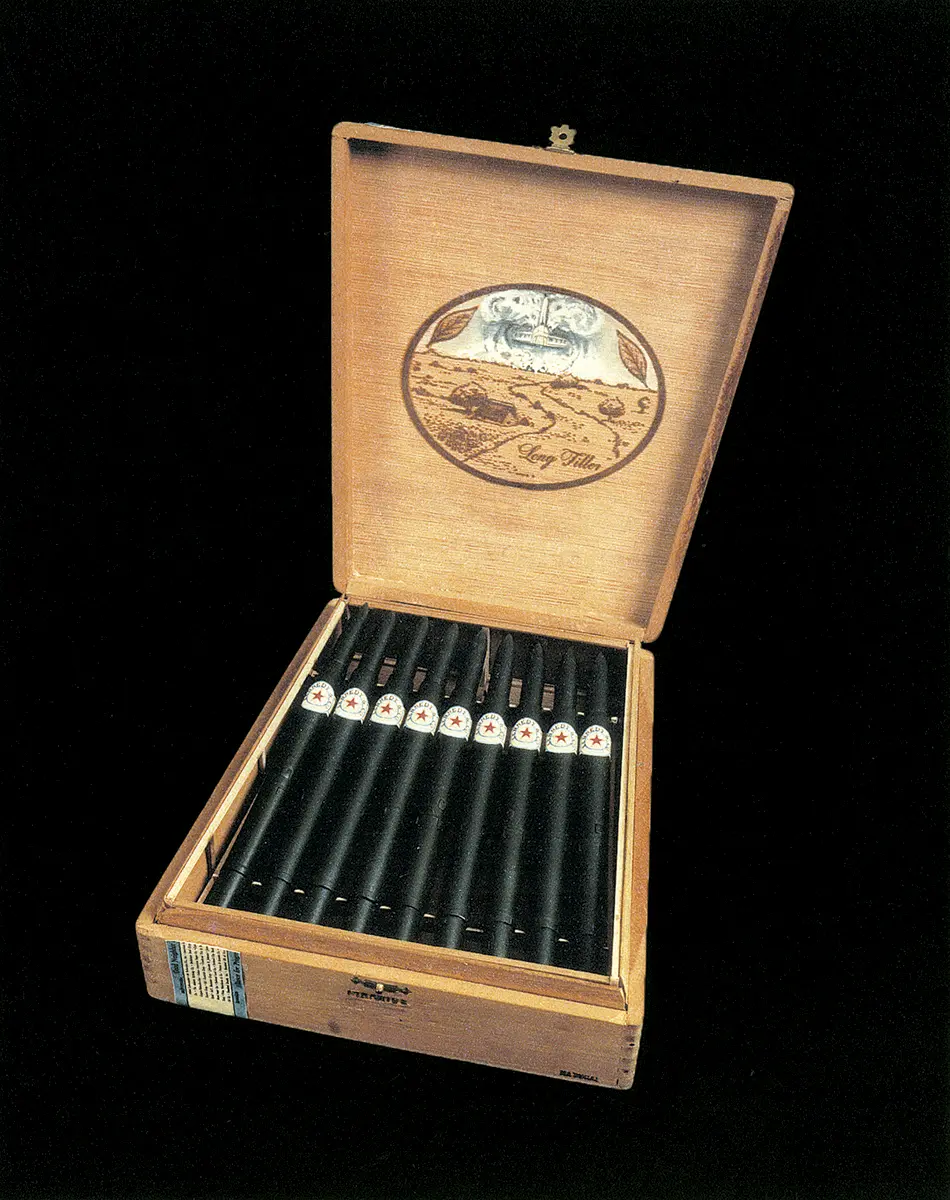
Subjects of the works range from the most intimate anxieties, such as in Gideon Gechtman’s Beds (1984), a piece representing the pain, suffering, and loss caused by illness, surgery, and death, and Ariela Shavid’s breast cancer scars; to the fear of annihilation represented by the atomic bomb, as in Barbara Broughel’s Cuban Long Filter (2004), a cigar box filled with miniature replicas of Soviet nuclear missiles, a satiric reminder of the Cuban Missile Crisis, the closest we have ever been to nuclear war. Joy Garnett also uses images of atomic bomb tests in her double-channel video piece, Dominic Sunset (2003), a reflection on apocalyptic images and nuclear war myths.
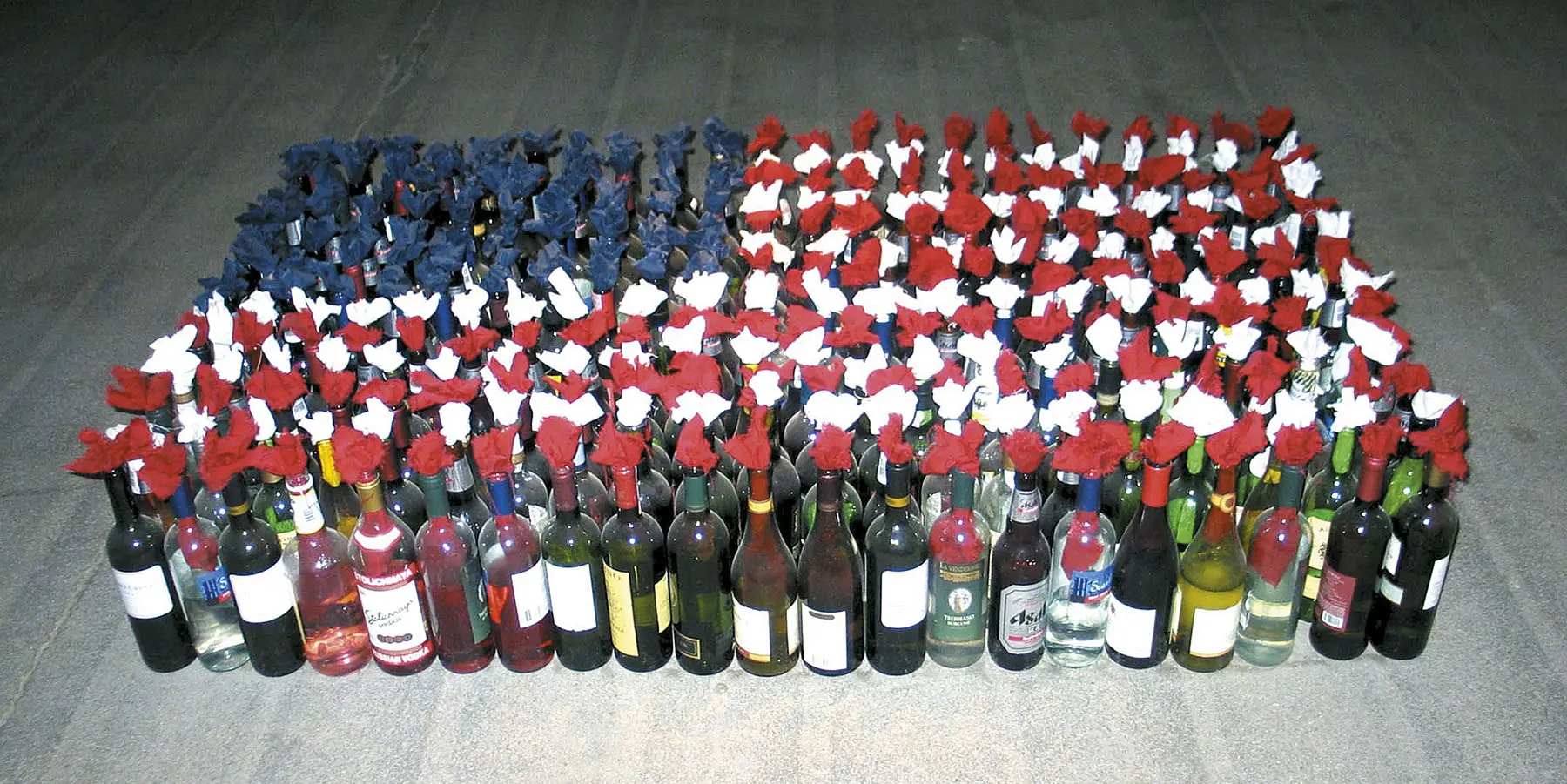
Few works address the attacks of September 11 and its consequences, still very delicate subject. An artist named Flash Light has created, I am Terrified of the Patriot Act (2004), an interactive video installation that scrolls sentences expressing fears related to the trashing of the constitution, the surge in censorship, and the loss of personal liberties, but when the spectator approaches, the words are replaced by an American flag in an obvious reference to flag waving as a defense mechanism in a society overtaken by paranoia and jingoism. Gabo Camnitzer also uses the American flag, but in his case, it is made of 273 Molotov Cocktails (2004), an apt metaphor for the explosive state of the world after the most recent American wars. Mark Gould and Michael Zansky created a video piece called I Live for Art, a reference to Karlheinz Stockhausen’s characterization of the attacks of 9-11 as “the greatest work of art in the history of mankind,” a statement for which he later apologized. On the more conspiratorial side, Carina Gosselé and Michael Laird present their video Cui Bono (2002), which, by lampooning the format of infotainment shows, speculates on those who benefit from the events of September 11 and the possible involvement of the Bush administration in the attacks.
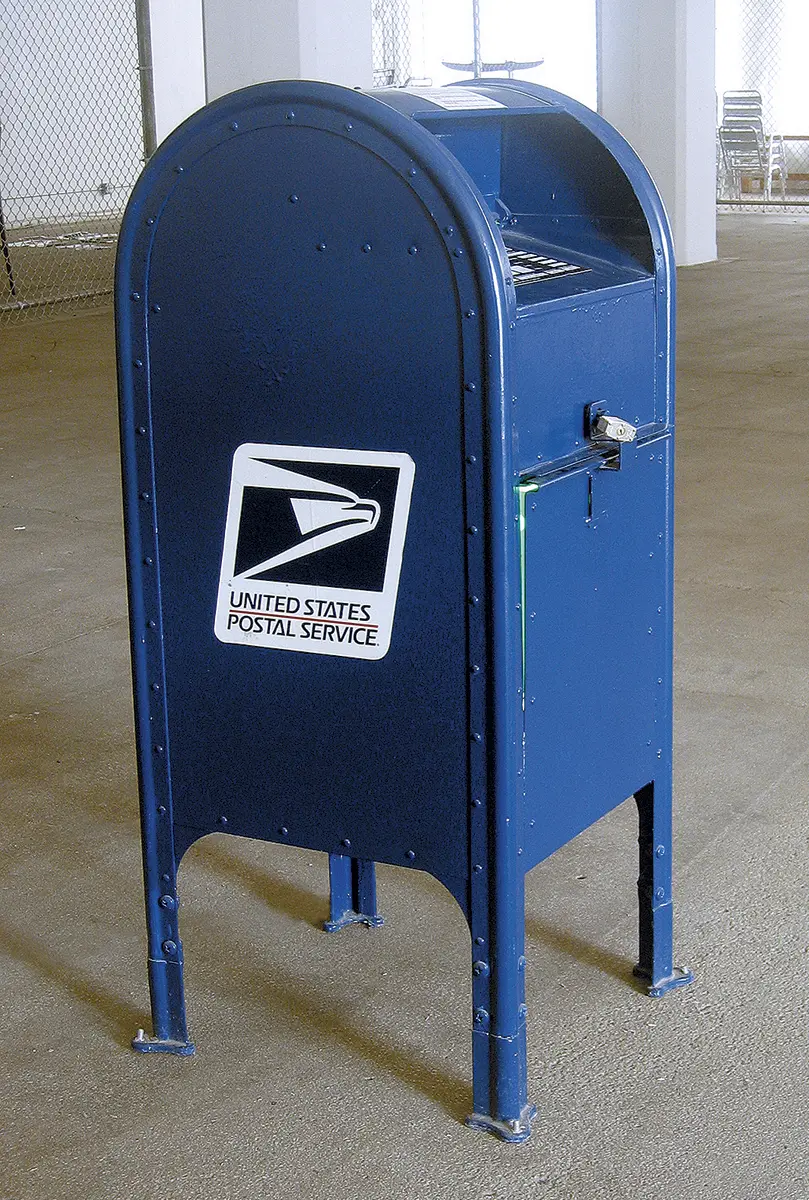
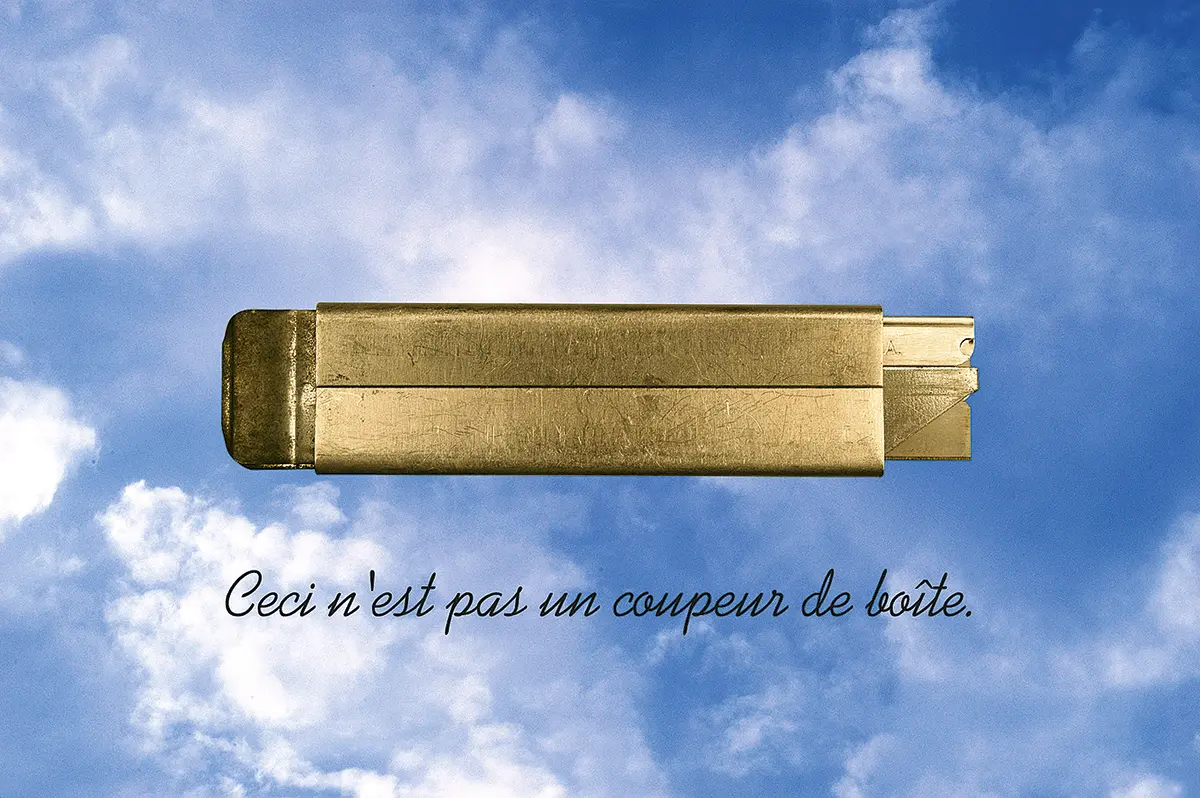
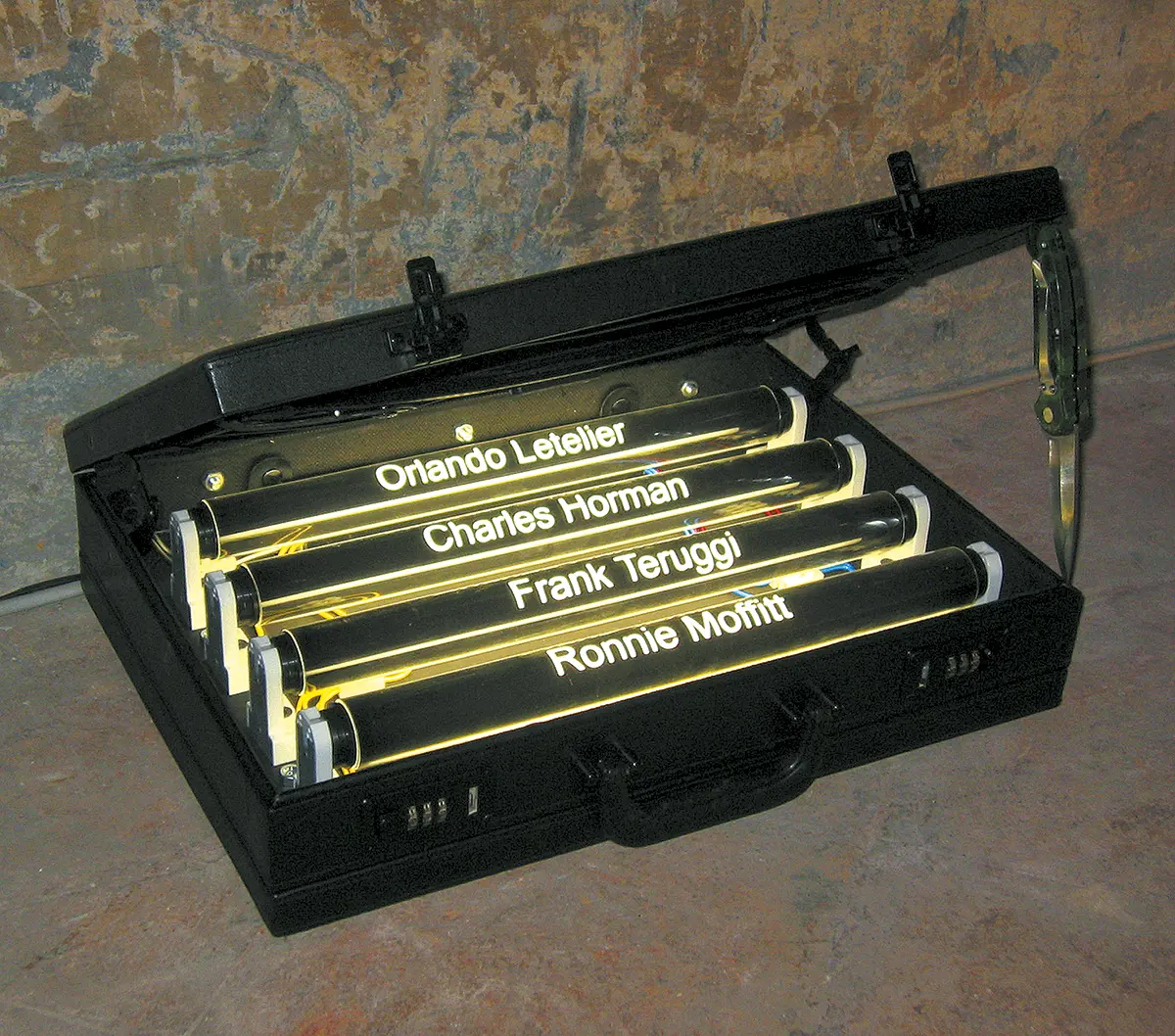
One of the most recurrent themes of the show is the Palestinian-Israeli conflict, but Hitler and Pinochet are also present, the former in Hitler with Bitten Off Mustache: Erasing the History (2004), a bust of the dictator with the mustache literally bitten off by Bulgarian born artist, Kosyo. Pinochet is remembered by Iván Navarro with The Briefcase (2004), a briefcase with four fluorescent light bulbs, one for each American citizen murdered under the Chilean general regime. Even though Terrorvision tries to include references and reflections on most of the terrors that afflict our time, it does not try to scare the viewer; instead, it is a subversive show capable of laughing at fear. Humor is present in Robert Hickman’s You’re Killing Me (2004), a piece that invites the public to shoot with a revolver the artist’s image moving as a target in a computer-generated interactive video projection. Gary Keown paraphrases Magritte’s Ceci n’est pas une pipe, in the Age of terror by transforming it into Ceci n’est pas un coupeur de boîte (This is not a box cutter), a piece that emphasizes that the box cutter has become a weapon of terror and will no longer be seen with the same eyes. Something similar happens to Fawad Khan’s US Postal Mailbox, (2004), which consists of a simple mailbox, another object that after the anthrax scare of 2001 was transformed into a potential vehicle of terror.
Due to its very nature, Terrorvision is unfocused, chaotic, uneven, and deliberately disorienting. It may be compared to a ride through a haunted house that takes the viewer from the tragic to the absurd, the political to the intimate, the comedic to the atrocious, without attempting to really understand or make sense of the meaning, causes, and objectives of terror, but rather to create in the viewer visceral sensations reflecting the devastating effect of confronting extreme violence directed against innocent civilians.
NAIEF YEHYA