
For the third year, the Miami art community
has created a veritable “art overload” of special projects, site-specific
installations, exhibitions, and other events in celebration of Art Basel Miami
Beach 2004. Art Basel Miami Beach has become a destination for the
international art world, which could not ask for more activities in more places
for a full week, and beyond.
#
Some of the main projects associated with the fair include Art Nova, Art Positions, Art Statements, and the Art Video Lounge, all on Miami Beach and a short walk from the main event. Art Nova galleries (22 galleries this year) show work created in the past two years; Art Statements, new to the event this year, features solo shows of 15 emerging artists. The popular Art Positions places art in 20 shipping containers on the beach, and on the walk back to the Fair, one can pass through the Miami Beach Botanical Gardens to see art in nature, a video lounge, and the premiere of the puppet rock-opera, Don’t Trust Anybody Over 30. The Art Video Lounge is in the rotunda of the Miami Beach Public Library, close to the new, finally completed Bass Art Museum and its beautiful space dedicated to Art Deco work, Paris Moderne, and the Wolfsonian-FIU and its complementary exhibit, Streets and Faces: Jazz Age Paris, London, Berlin and New York. Other Miami Beach locations dedicated to special exhibitions for Art Basel could be found on Lincoln Road, where Edouard Duval Carrié curated Objects of Virtue to showcase the eclectic talent of the resident artists of the Art Center South Florida, and at the Ritz Carlton South Beach where students from Florida International University produced the popular Masters Mystery Art Show, which gave visitors an opportunity to guess the artists who made the small cards.
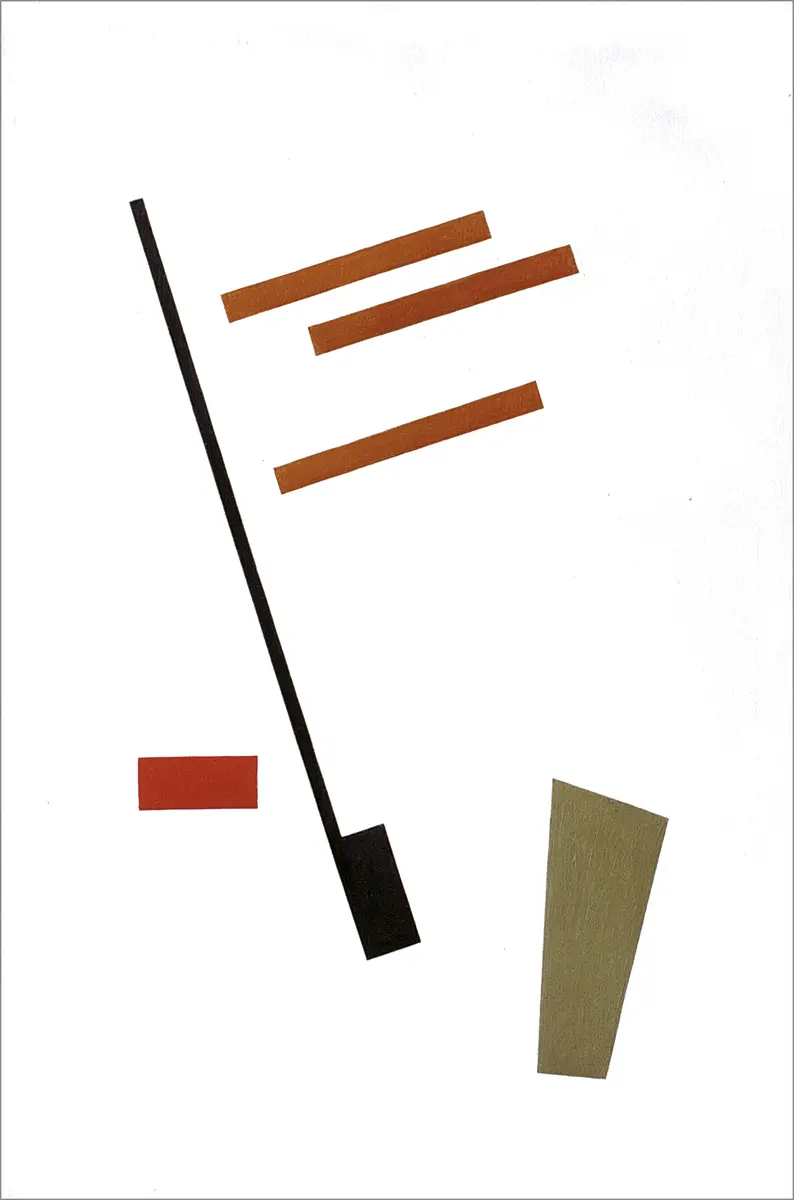
Art was everywhere: in restaurants, bars, hotel lobbies, on the beach, on the street, in parks, private collections, warehouses, and formal institutions. Xavier Cortado used student volunteers from the art schools to paint a 60-foot alligator mural under the expressways and its supporting posts. Crossing the causeway to the city of Miami lands the intrepid visitor in the Design District and more than a mile of surrounding collections and projects. The Art Loves Design party in the Miami Design District set the stage for the multitude of galleries and exhibitions, some of which are resident in the area and others organized by DACRA, the company headed by the intrepid Craig Robbins, who must be given credit for the district=s renaissance and for the vision to open up so many spaces for artists and curators for this event. Some of the highlights took place in the Collins Building, where Deitch Projects presented the multi-media installation Riddle of the Sphinx by the collective Dearraindrop, and in the Moore Building with Drift, a cinematic collaboration by such luminaries as John Baldessari, Juliao Sarmento, and Lawrence Weiner. The numerous exhibitions in the Buena Vista Building included photographs by Naomi Fisher and Iran Issa-Khan, and the wonderful, historically significant Utopia of Form: Argentinean Concrete Art at Alejandra von Hartz Gallery, a jewel of a selection of paintings and abstract objects from the minimalist movement. The work in I Feel Mysterious Today, in the Melin Building, included enigmatic phenomena as described by 25 international artists.
Artists run the Placemaker Gallery, where cutting-edge art by emerging artists gives visitors some of the best impressions of what is happening in Miami. Established galleries in the area, including Chelsea Galleria, Barbara Gillman Gallery, and Diaspora Vibe, featured their impressive artists. A highlight at Bernice Steinbaum was Hung Liu’s Relic, a major installation of paintings based on the image of the Chinese prostitute in the late-nineteenth century. The gallery Dot 51 sponsored ID International and invited a consortium of 13 consulates and cultural institutions to create an exhibition for artists from their respective countries that included paintings, drawings, works on paper, photography, sculpture, and video. The creative modes of expression of each artist demonstrated that art and culture can transcend political boundaries.
At the intersection of the Design District and Wynwood, the newest location for art entrepreneurs, Damien B Art Center, a non-profit center for promoting artists in a “nurturing atmosphere,” presented “Is It Inflated?” The group of artists demonstrated how inflatable sculpture can be used in remarkably funny, serious, absurd, and creative ways. Wynwood stretches for 15 blocks beyond the Design District and contains more than 30 galleries, studios, and extraordinary collections. With their ever-expanding warehouse spaces the Martin Z. Margulies Collection and the Rubell Family Collection may be considered the first to envision a future art district. The two collections have been reinstalled to show their most recent purchases. Among the works at the Margulies warehouse, now a mammoth showcase of art, more than 45,000 square feet of space, is Korean artist Do Ho Suh’s reconstruction of the corridor and other rooms inside and outside his New York apartment. The installation is made of translucent pink nylon and is a poignant metaphor for loneliness. The Rubell Collection has been expanded by 12,000 square feet to house 14 new galleries and now has a total of 29 spaces, plus a research lab, library, bookstore, and the actual home of the owners. The exhibition called Supersize celebrates their collection and lifelong dedication to art.
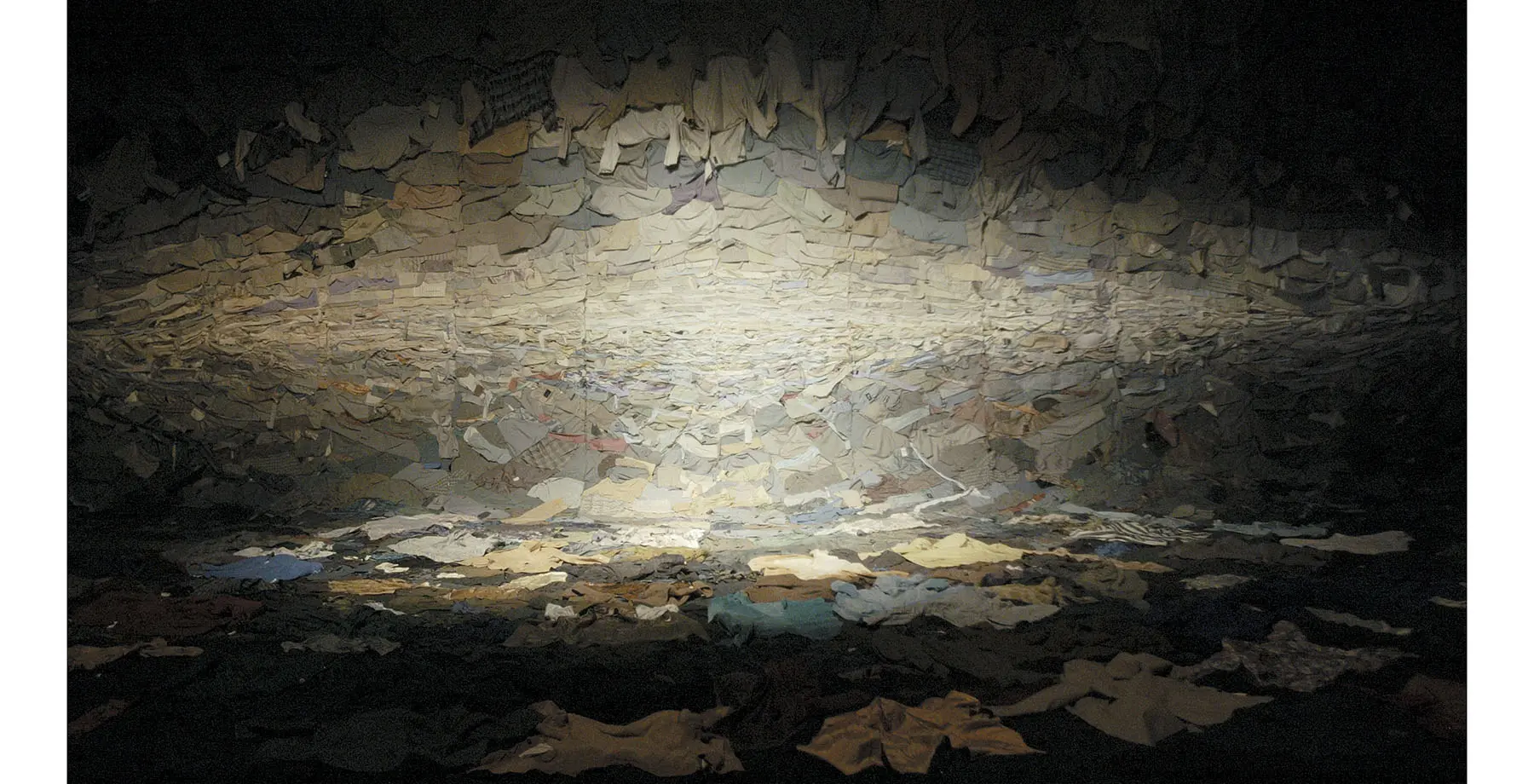
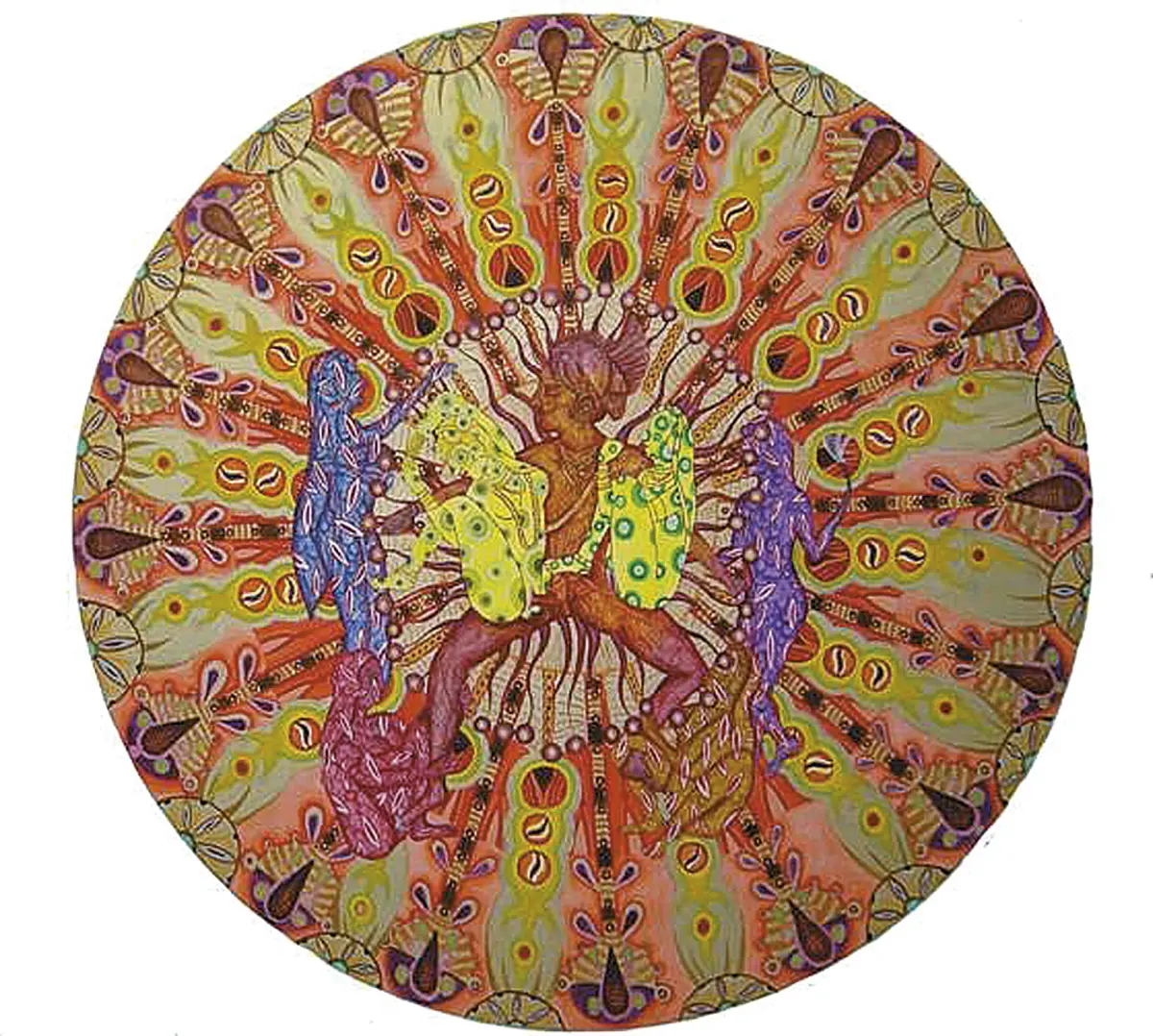
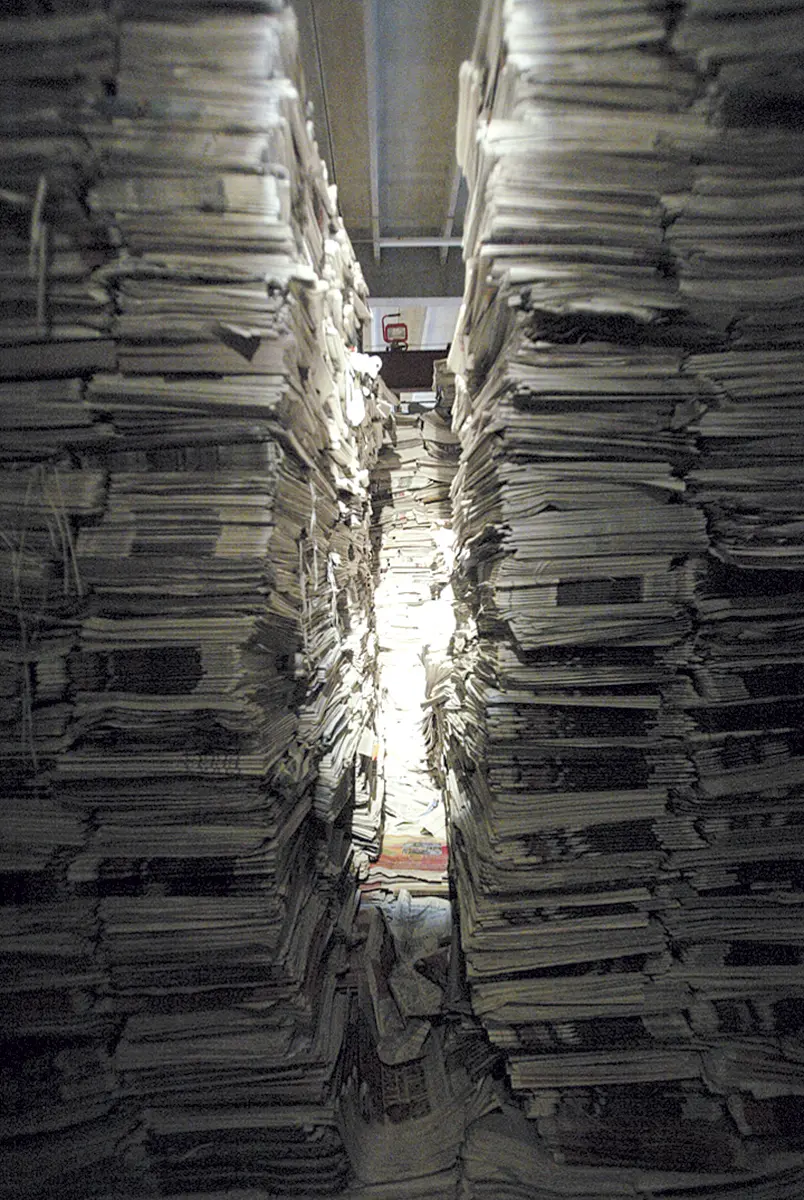
The area continues to develop as more galleries and alternative spaces are welcomed into the neighborhood. For the Frederic Snitzer Gallery, Dorsch Gallery and Objex Artspace, Ingalls and Associates, Rocket Projects, Locust Projects, The Yard, and many others, Wynwood is the prime location for the emerging art scene in Miami and the world. This year, World Class Boxing arena became a venue for the extraordinary photography collection of Debra and Dennis Scholl. Now, a wider audience can enjoy the works in a grand space. There are always surprises among what may be described as “rogue” galleries in warehouses, streets, and alleys, and their energy is contagious. At the World Art Building, Miami Now, curated by Charo Oquet and David Vardi, presented Edge Zones as part of a commitment to establish an artist initiative in the area. The diverse works of 32 artists included installations and performances that were among some of the most interesting events of the week. A few blocks away near the new Performing Arts Center construction, Omniart made its debut as a promising multi-media event that will invite local art institutions to participate. Omniart included the work of 40 artists from all over the world presented in three huge warehouse spaces in a small building waiting for destruction; it became the location for a sound/light installation, outdoor sculpture, a street fair, and music and other performances. Tania Bruguera, one of Cuba’s most renowned artists, recreated her Havana sound installation, which evokes the horrors of propaganda. In And It Was Empty, Kaarina Kaikkonnen from Finland hung 1400 men’s jackets to create an almost-ritual-like space that was one of the most impressive sights of the Fair’s satellite exhibitions. It shared the building with Carlos Betancourt’s tribute to Yemaya, goddess of the waters, which included thousands of small sand castles bathed in beautiful blue light. Icelandic artist Magnus Sigurdarsen’s installation consisted of 24 tons of newspaper arranged in the form of a massive fortress. Works of Anne Wilson, Inigo Manglano Ovalle, Tina Spiro, and numerous others from Miami and beyond filled the spaces with their energy.
Down the road, Miami art dealer Gary Nader rented a space for the work of Nicolas Leiva, whose colorful ceramics now compete with his popular paintings, painted cars, and motorcycles for attention.
One of my favorite site-specific installations was easily missed, unfortunately. Sites in the City of Miami’s Lummus Park, the oldest park in the city, downtown on the river, gave the city a historical perspective (Miami does have a history, and an interesting one). The 34 artists who worked in the park transformed trees, playgrounds, old buildings (very old for Miami), and walkways in a prodigious variety of interventions on its five acres. Art and nature, inseparable in Miami, no doubt inspire new ideas and perhaps may be seen as a defining feature of Art Basel Miami Beach and its environs, and a source of so much of its energy.
CAROL DAMIAN
Professor and member of the Directive Board of the Department of Visual Arts at Florida International University.