
Simultaneous with the 26th São Paulo Biennial, the most prestigious contemporary art galleries of this second-largest Latin American megalopolis developed a systematic and unrelenting method of diffusion of Brazilian art and artists, geared toward both local and international markets. Two highlights among the rich supply of high-quality shows were the group exhibition Paralela 2004 and the most recent solo show of works by Waltercio Caldas at Gabinete de Arte Raquel Arnaud.
During 2004, as it celebrated its 450th anniversary, São Paulo became a sea of culture. Known as the financial, industrial, and entrepreneurial heart of Brazil, it is also the country’s brain. In São Paulo, culture is within everyone’s reach and for decades has been the powerful machinery that involves millions of producers, commercializers, and consumers of knowledge, art, entertainment, and information. The city, called “Sampa” by its citizens —an astonishing number of 10,679,760 people— boasts 55 art galleries and 126 museums.
One cultural phenomenon characteristic of São Paulo’s art circuit, which has been particularly fruitful for two decades, is undoubtedly its well-rounded consolidation that works from its own context but with a kind of internationally-minded nationalism. This implies emphasizing São Paulo’s own rich visual repertoire and imaginary, exploring in depth topics and aesthetic strategies that highlight its hybrid roots while avoiding the pitfalls of a “light,” predictable, and easily digestible folklore. Instead, it recovers the great humanistic and universalistic impulse of current art, and is backed by an intelligent sponsorship law that is still fully on the books. In that sense, São Paulo’s toniest galleries —the core of contemporary art in Brazil— provide the necessary space for the work of local and foreign creators through the support and follow-up given to their careers in international fairs, biennials, and other events in Brazil and abroad.
A significant example of this international projection of Brazilian artists was Paralela 2004. The exhibition was inaugurated on September 26 and opened to the public through November 14, in a large site located in the Vila Olimpia neighborhood, and with Moacir dos Anjos, art critic and director of MAMAM (Museu de Arte Moderna do Recife) as its general curator, who selected one previously unseen piece to represent each of the 157 artists in the show’s roster. Among these were figures like Abraham Palatnik, Adriana Varejão, Ana Maria Tavares, Angela Detanico & Rafael Lain, Antonio Dias, Brigida Baltar, Cabelo, Caio Reisewitz —recently designed Brazil’s representation for the 51st edition of the Venice Biennial— Cildo Meireles, Laura Vinci, José Damasceno, Ernesto Neto, Vik Muniz, Nelson Leirner, Valeska Soares, Artur Barrio, Artur Lescher, Beatriz Milhazes, Daniel Senise, Dudi Maia Rosa, Edgar de Souza, Leda Catunda, Oscar Oiwa, Paulo Queiroz, Paulo Climachauska, Regina Silveira, Rosangela Rennó, Tunga, Tomie Ohtake, Paulo Pasta, Efraim Almeida, Thales Pereira, Niura Bellavinha, and Mariannita Luzzatti.
It bears pointing out that the works on exhibit here —all of them of the highest quality—became an index of the many highly varied facets of today’s contemporary art.
The exhibition was conceived with the purpose of promoting the vibrant production of artists from several generations, at a time when the city, with its anniversary celebrations, had become a crucial meeting point for artists, curators, galleries, art dealers, historians, art critics, journalists, sponsors, and the general public, at a national and international level. Nine São Paulo-based galleries —Thomas Cohn, Luisa Strina, Nara Roesler, Brito Cimino, Fortes Vilaça, Casa Triângulo, Marilia Razuk, Vermelho, and Milan Antonio— came together under the guiding concept of “galleries tearing down walls to reveal the strength of contemporary Brazilian art.”
The exhibited works were connected by means of their poetic affinities, and were arranged in nine thematic cycles that included proposals as diverse as: the mutability of the landscape; the place of dreams created by art; architecture as an organizer of life; the ambivalence between matter and form; the uncertain space occupied today by the language of the body; the field of knowledge continually reinvented by painting; forms, trapped in the surface of things that mystify our gaze; and the centrality of flux in the contemporary world. The exhibition was not divided by gallery, which made unusual approaches between artistic projects possible. The curator also avoided structuring the show according to the obsolete paradigm of grouping works on the basis of technique and language (painting, photography and post-photography, sculpture and objects, drawings, site-specific installations, and video art) and at the same time chose not to give it a thematic unity around a single agglutinative topic.
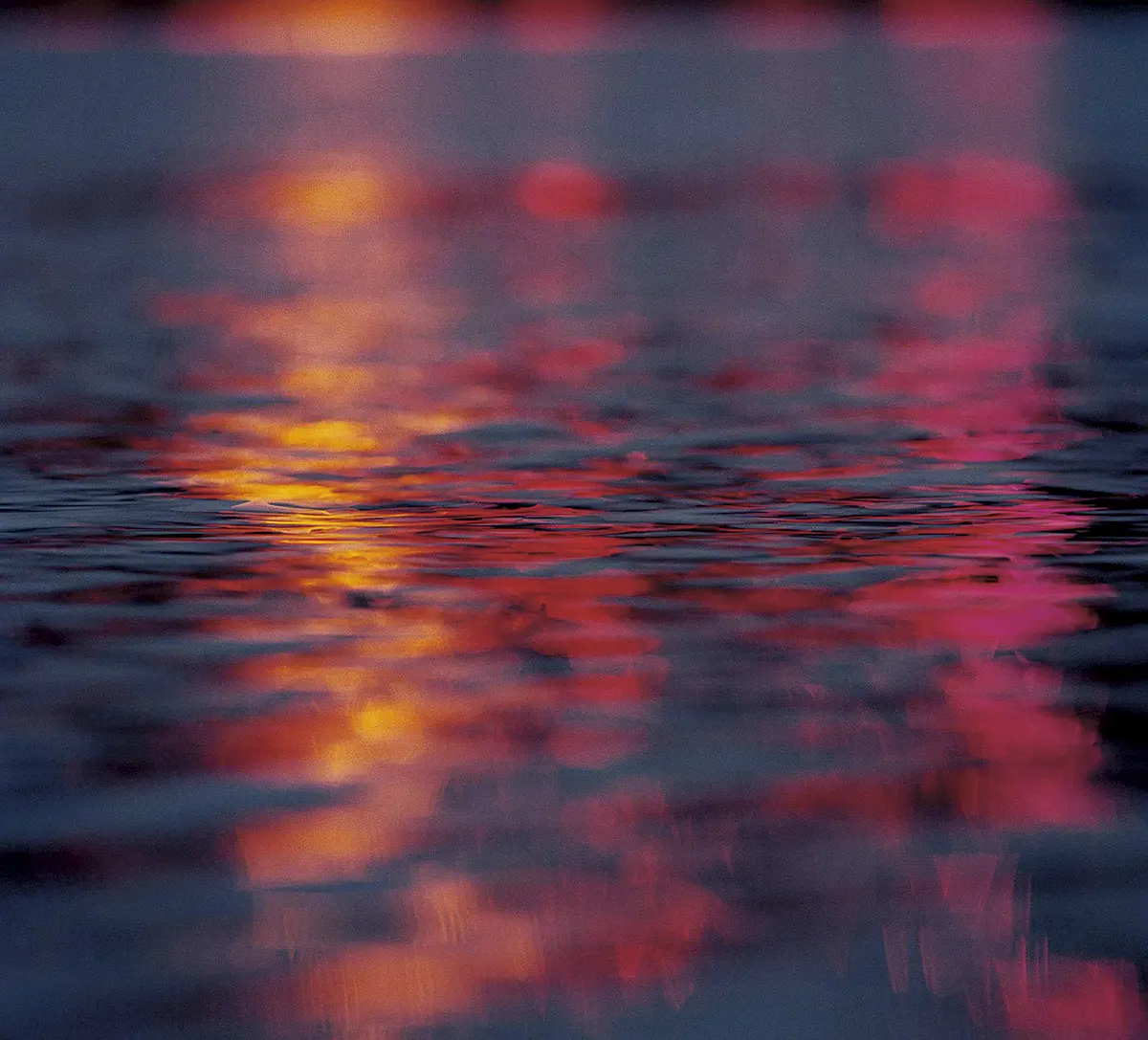
Niura Bellavinha’s series Re-Turner comprised 127 x 140 cm photographs where the artist manipulated “the medium of the fleeting instant” using clearly pictorial criteria. Conceived as pictorial expansions or “overflowings” of contemporary photographic language, these large works displayed high chromatic saturation —the same seen in the artist’s most recent paintings— and with a punctual reference to the “landscape” format and to nature, the artist revisited both from the perspective of the most up-to-date technological media and resources. Thus, sea landscapes became spaces for hyper-simulation and mixing of genres and expressive languages. It should be noted that the variation of color saturation is at the base of Bellavinha’s work, whether in painting, photography, or interactive pieces. In these works, the Brazilian artist explores the relation of image/time and image/movement as a condition for contemplation and for the viewer’s sensory stimulation.
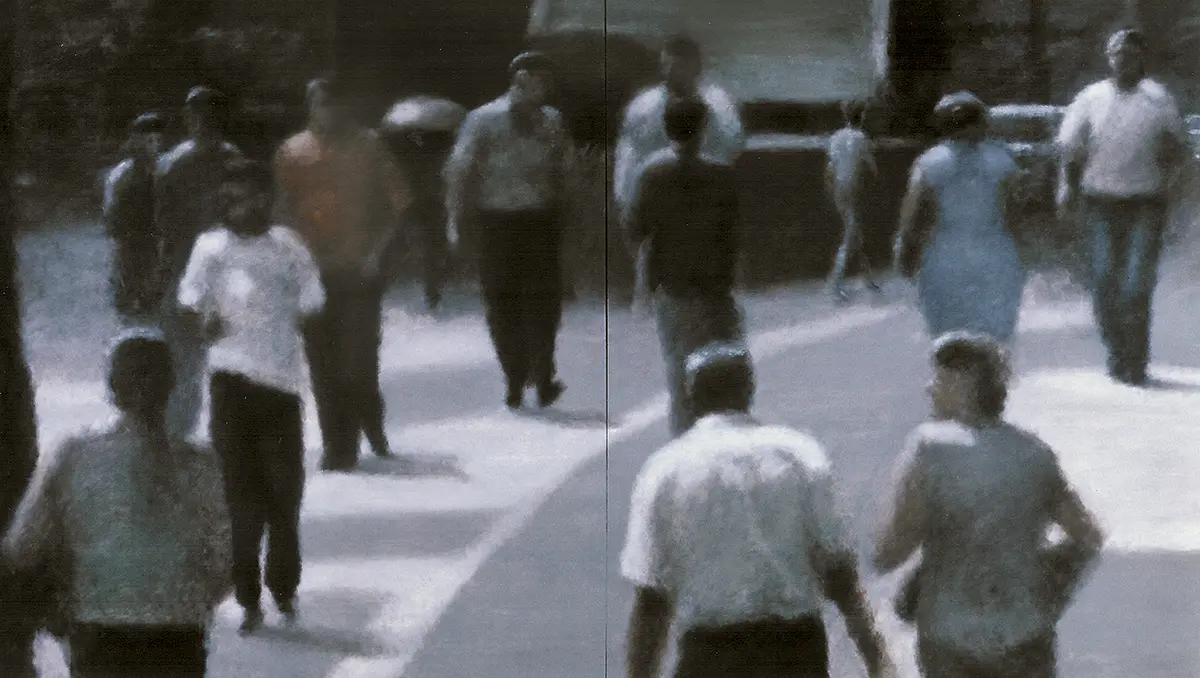
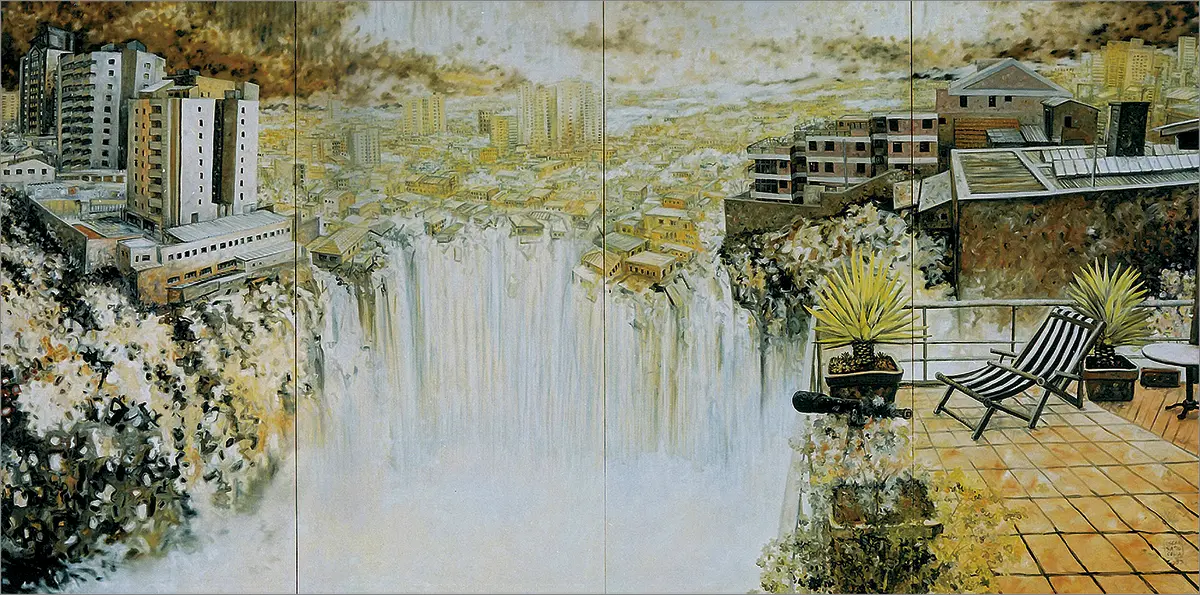
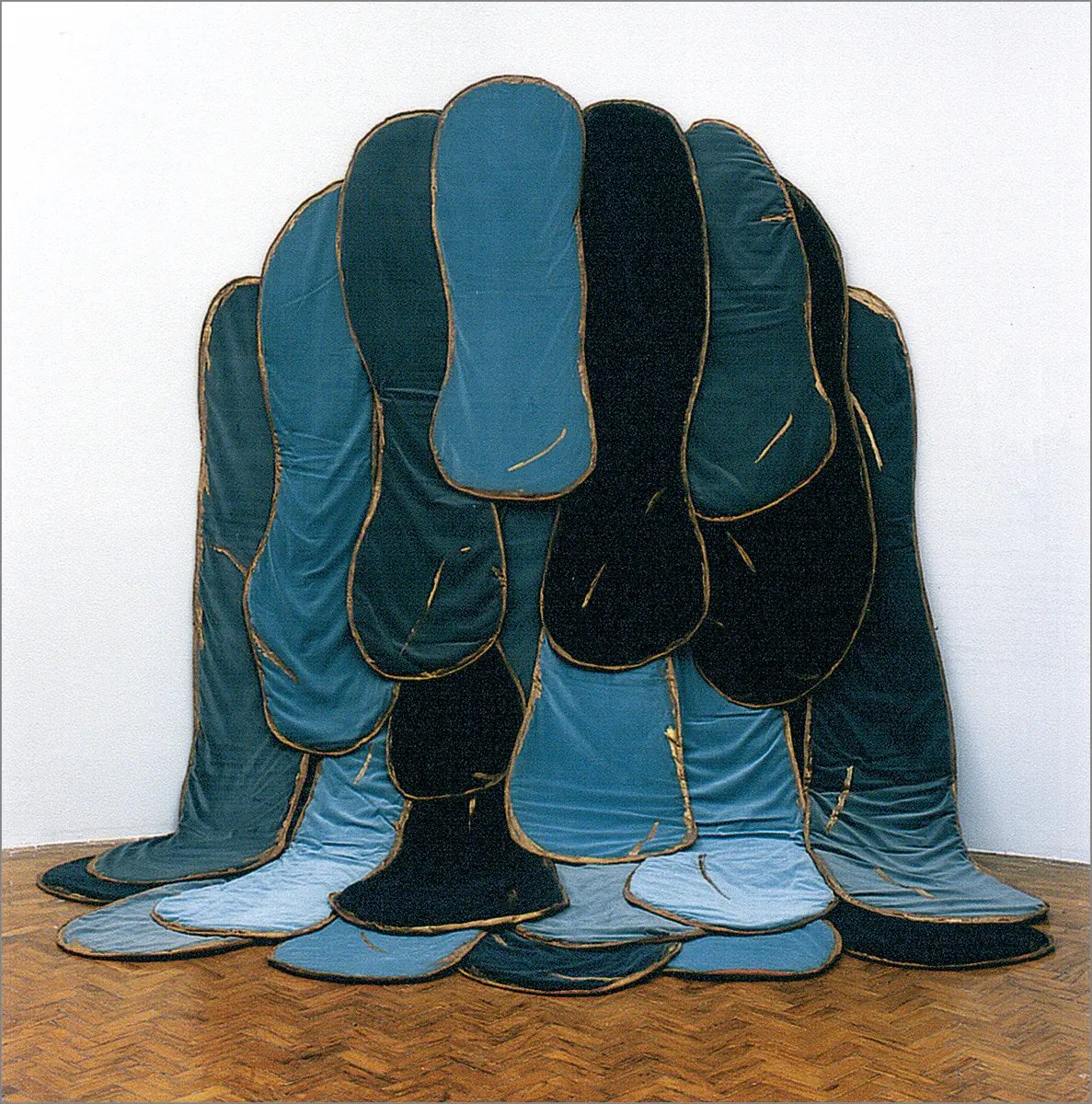
Oscar Oiwa presented a large painting titled City Fall (2003). This impressive 227 x 444 cm oleograph portrayed a colossal collapse in the middle of a big city —possibly São Paulo–in an ironic panorama from the rather privileged perspective of a rooftop equipped with a telescope and lounger to facilitate viewing such an apocalyptic event. The strategies of transversality and content-crossing add a highly paradoxical element to Oiwa’s work, which is considered, along with Paulo Queiroz’s and Thales Pereira’s, among the most representative of Brazil’s new pictorial generation. From Queiroz, the curator chose Rápidos (2003), a large-scale painting where the artist captured urban views with movements of human groups that left a fleeting, mobile, blurred, phantasmic wake on the canvas. By retrofitting painting with other artistic languages, Queiroz’s painting resembles out-of-focus photographs, some that quote works by Gerhard Richter, in particular his celebrated Gray paintings. Leda Catunda was present in Paralela 2004 with Derretido (2002), a large, soft, padded sculpture of biomorphic appearance that used large velvet tongues intervened in acrylic.
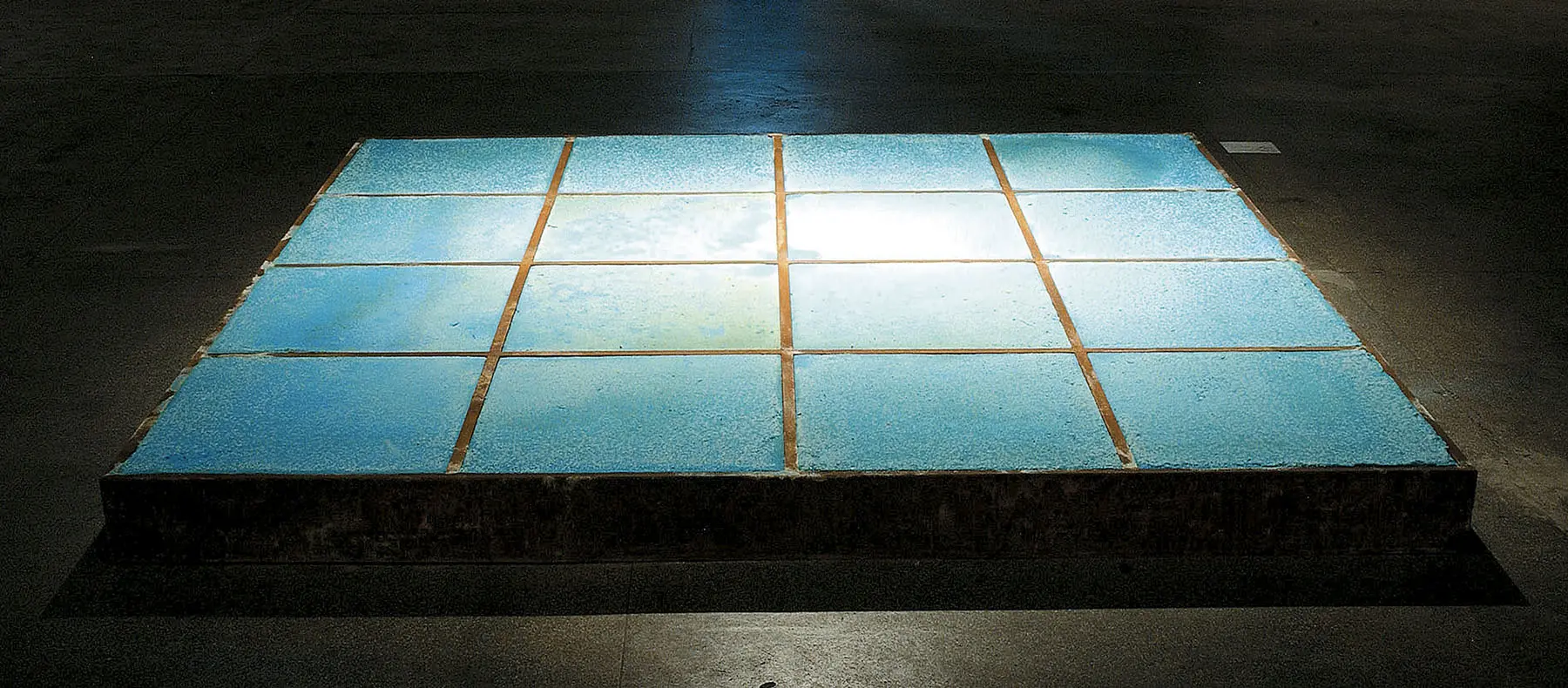
Artur Lescher arranged a large-scale sculpture installation on the floor of the exhibition space. In this piece, Lescher took advantage of the interaction between materials such as copper salts, as they eroded a perfectly symmetric, modular metallic sculpture. Lescher was working within a post-minimalist option, intentionally “contaminated” through the oxidation effect of the copper salts on the iron structure.
In a way, we can think of Paralela 2004 as a brilliant and effective precursor to the first edition of the São Paulo International Modern and Contemporary Art Fair, which will take place from April 28 through May 2 at the Biennial Pavilion in Ibirapuera Park.
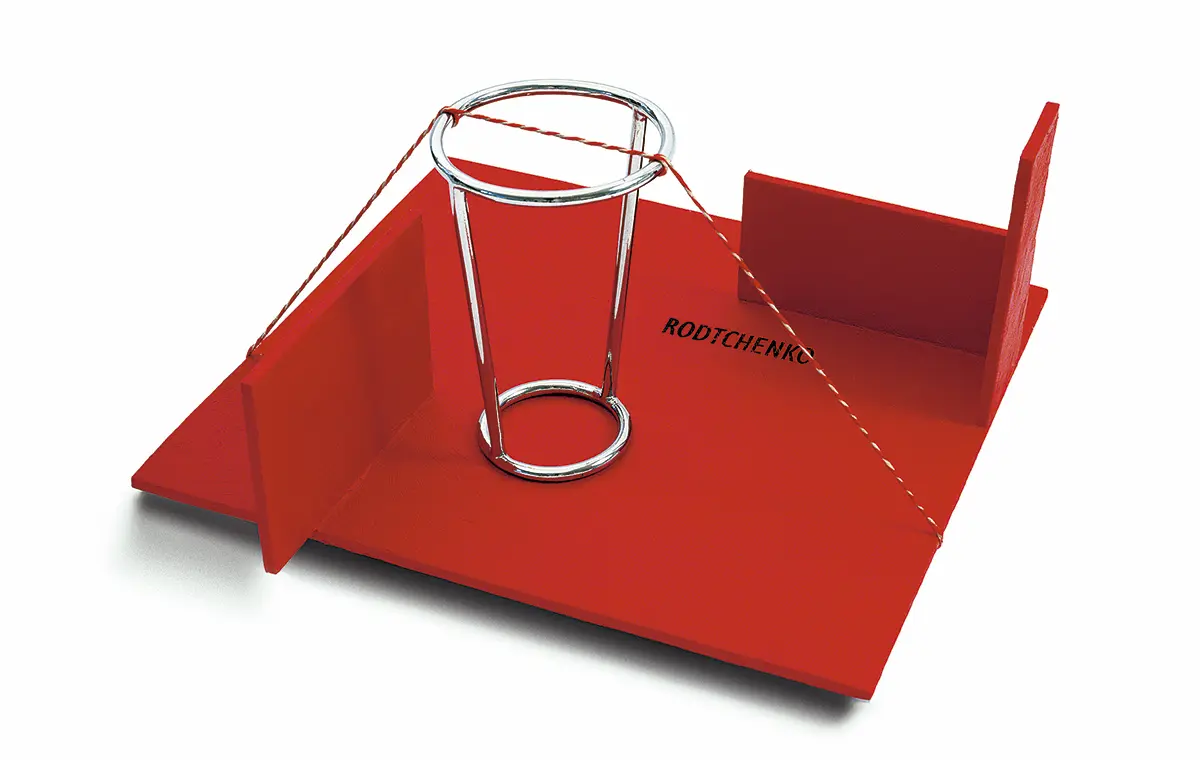
Meanwhile, Gabinete de Arte Raquel Arnaud —devoted to exhibiting three-dimensional works and projects with attention to the incidence of light, the space, and the specific placement of each piece— offered a new and tight individual show of recent sculptures and drawings by Waltercio Caldas (Rio de Janeiro, 1946). This show was held from September 20th through October 30th. Caldas is a poetic artist who simultaneously explores the domains of neo-sculpture, drawing, and contemporary graphic art, and is considered a key figure in the current Brazilian art scene. On this occasion, he exhibited five sculptures and twelve drawings. The latter incorporated materials such as crystal and metal, which release them from the orthodoxy of flatness and give them a three-dimensional shape, transforming them into drawing objects. The ranges of color, lines, and shadows were freed from their limits by the artist, with the intention of having the body of work understood as a sculptural group. According to Caldas, “A drawing is a paper object, and I always say that a sheet of paper is emptier than a blank canvas, which makes it almost a fragment of space that does not stop at its edge.” The series of five sculptures was an “installed” whole integrated with the gallery space. Done in steel, with intense colors, its counterpoint of transparencies fostered light relationships and playful movements that depended on the angle of perception. For Caldas, each piece is a tabula rasa from which he is able to start from scratch, and this diversity is an essential feature of his heterodoxy and valuable poetics.
CLAUDIA LAUDANNO