
The
most recent edition of the Palm Beach art fair, held in the city’s Convention
Center, arranged its space in a rather different way than in years past.
Wanting to respond to the tastes of its closest public —the residents of Palm
Beach— this year Art Palm Beach kept photography, contemporary art —including
visual arts– and SOFA (devoted to sculpture, objects, and functional art) under
the same roof. Missing from the 2005 fair, despite the fact that it offered
visitors more options, was a projects section, which in the past provided a
forum for the most recent work and the most innovative techniques.
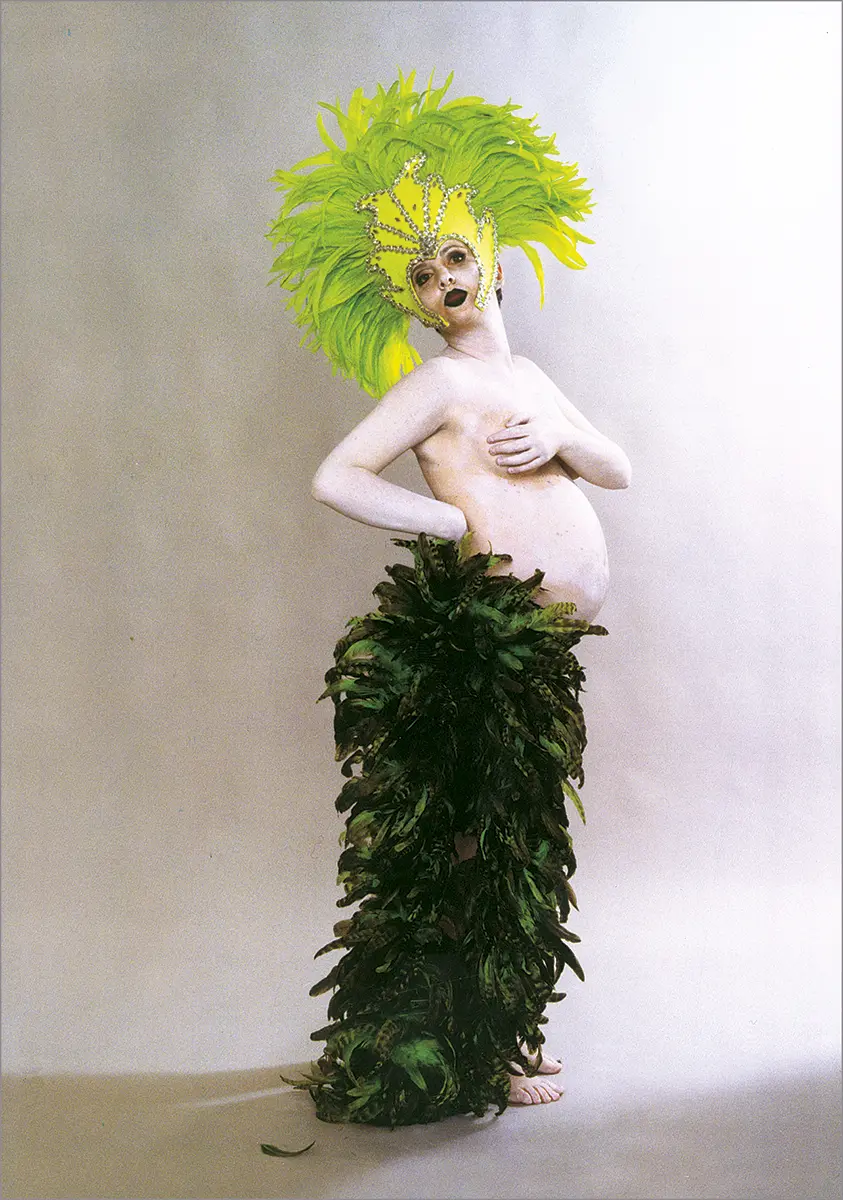
The photography selection was particularly consistent. Twenty-nine galleries participated, showing the broad range of possibilities that exist in this artistic genre. Some galleries chose to devote their space to a single artist; this was the case of ArtSpace/Virginia Miller, Miami. The excellent photographs of the Italian-Persian artist Howtan dealt with different topics related to women. His work displays an ambiguous aesthetic, in Next in Green for example, in which a pregnant woman appears with a tail and a feather hat. The attitudes of many of his women move back and forth between the dramatic and the violent, representing soul and personality. Howtan’s technique, which involves using a crystal in order to create a three-dimensional effect and provoke our senses, leaves room for action against neutral backgrounds.
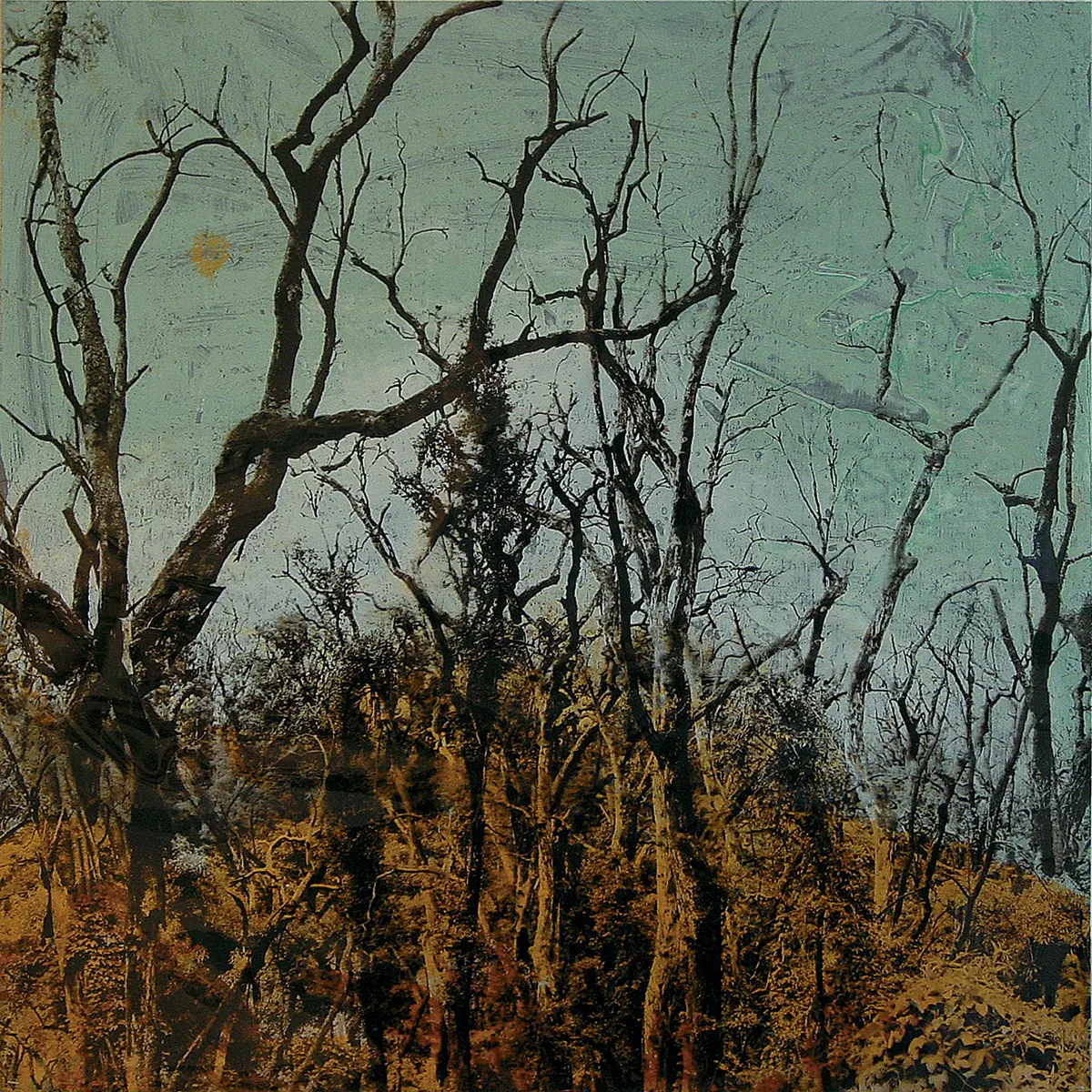
Equally interesting were Pablo Soria’s photographs at Ambrosino Gallery, Miami. With a technique that mixes collage and photography, Soria produces a variety of landscapes recreating nature in a tangible way. His very personal poetics evokes images and contexts that allude to memory and awaken the viewer’s sensibilities.
Chelsea Gallery, also from Miami, presented an impeccable selection of photographs by Rogelio López Marín (Gory) and Luciana Abait, centered on the subject of swimming pools. These two artists have focused on the same subject but deal with it in entirely different ways. In his series Es sólo agua en la lágrima de un extraño, Gory juxtaposes different vistas showing the decomposition and degradation of various places with to shots of a single pool. Abait uses the inside of swimming pools and makes water the protagonist of her comments about depth, movement, and the environment around the city of Miami.
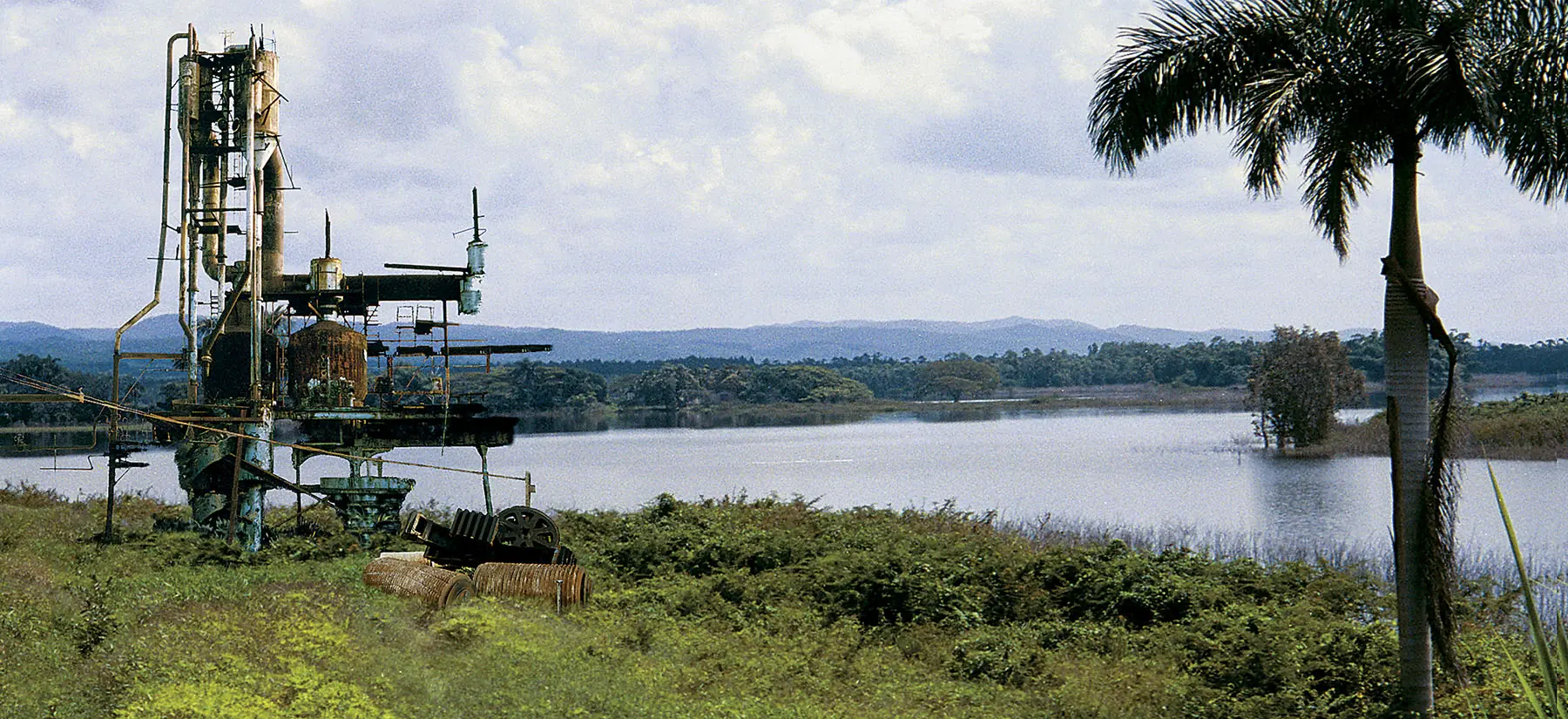
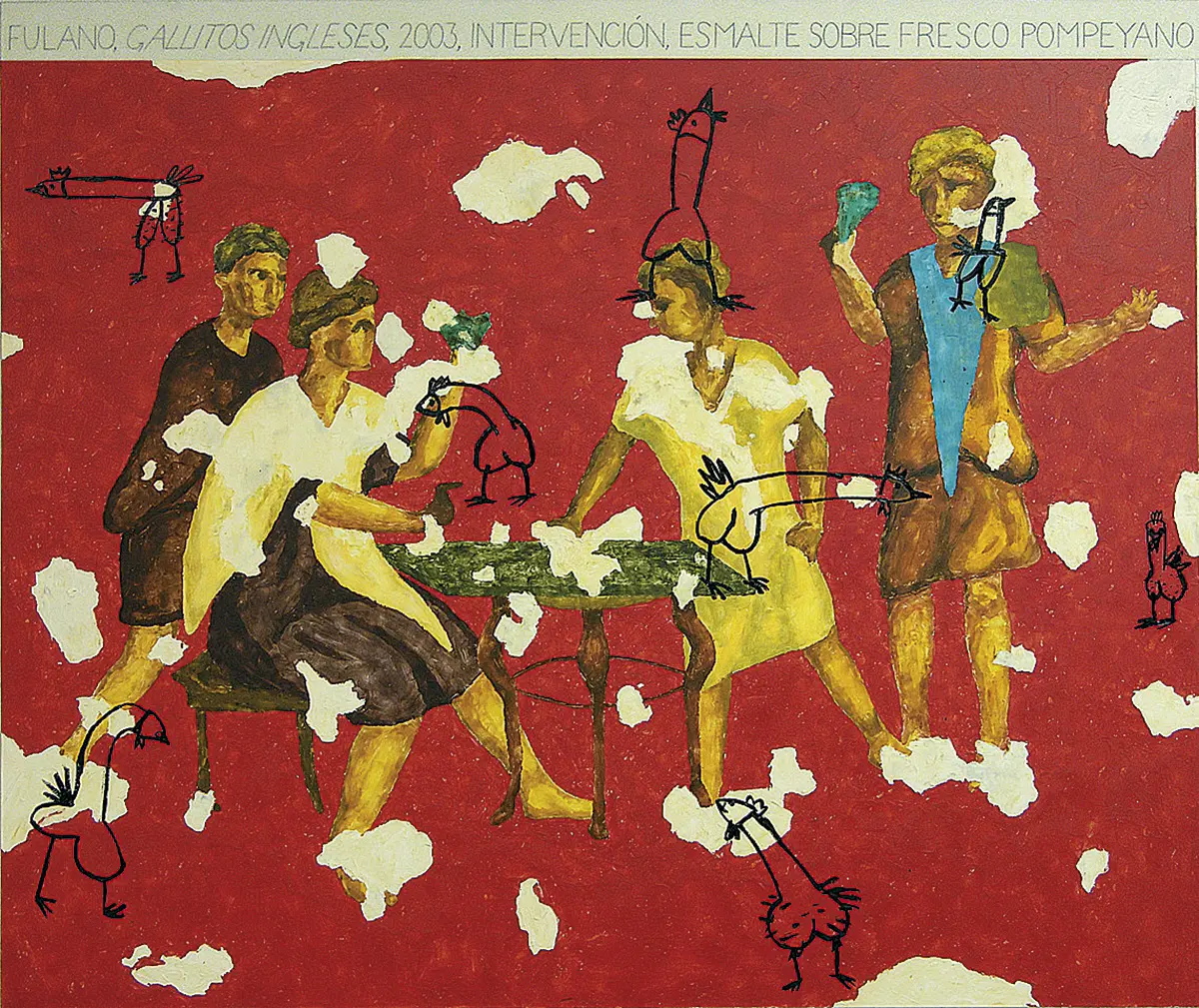
One gallery that divided its space between photography and other visual arts was Nina Menocal, México. The work of Atelier Morales, a duo formed by two Paris-based Cuban architects, recreated, by means of the photographic image, a series of lithographs by Eduardo Laplante, a French painter who worked in Cuba in 1849. These artists “rescue” abandoned sugar processing plants, the main engine of the industry for which Cuba was one of the largest exporters. In the section devoted to contemporary art, Nina Menocal presented works by Ángel Delgado and Agustín Bejarano; both artists, who are also from Cuba, comment on issues that affect their country today.
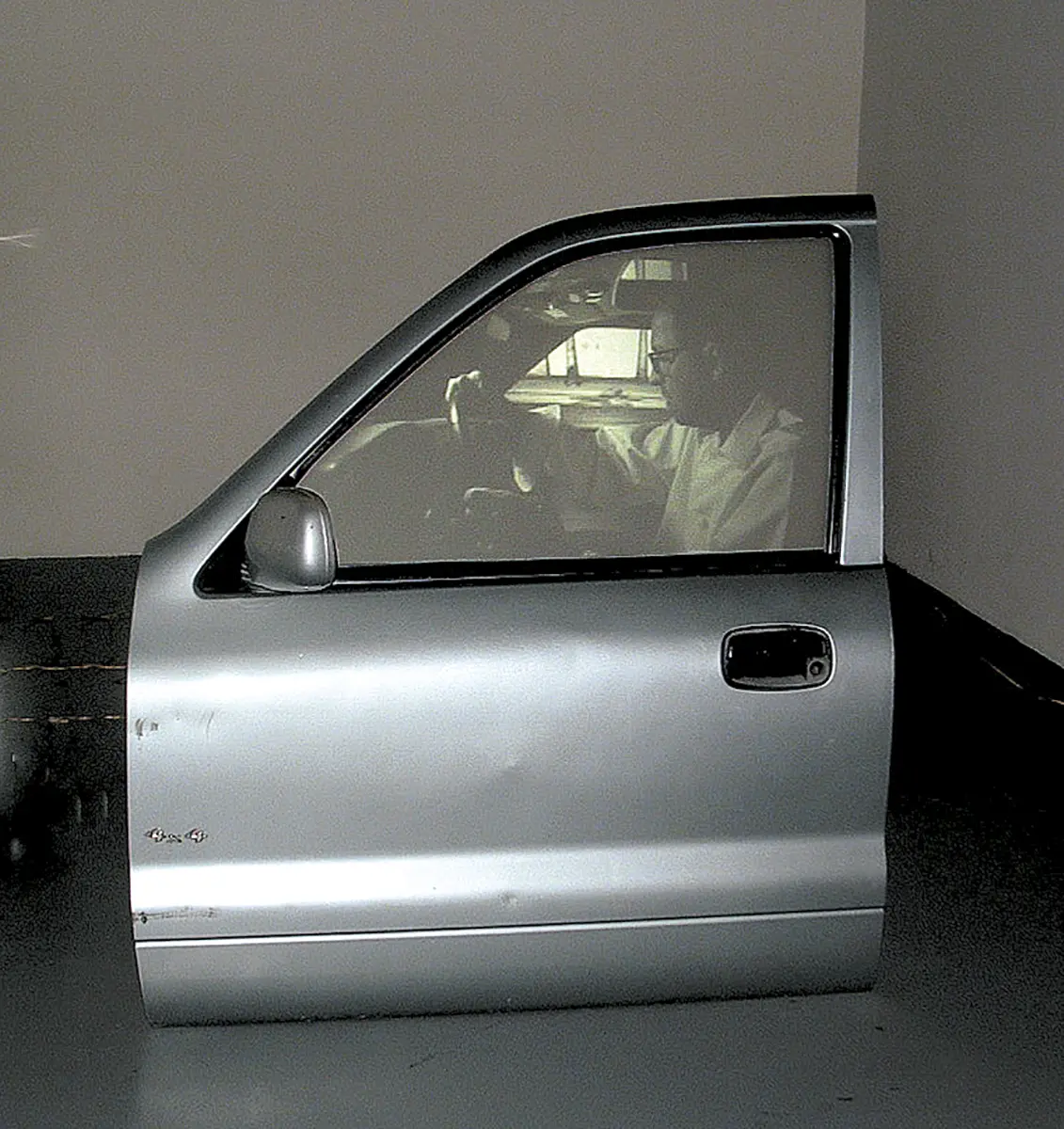
Bernice Steinbaum Gallery, a veteran of these events, presented an excellent selection that included Elizabeth Cerejido’s black and white photographs, in which the bodies of nude men and women, black and white themselves, portray movement and bring an impressive plastic beauty, reinforced by their chiaroscuro contrasts, to the scene. Glexis Novoa’s poetic urban landscapes took over one of the spaces and in one corner there was an interesting video by Peter Sarkisian, where a driver’s image is projected onto the actual door of his vehicle. Sarkisian works on the spatial correspondence that arises between object, projected image, and viewer, and establishes a play of relationships between the parts that is complemented by the piece’s audio.
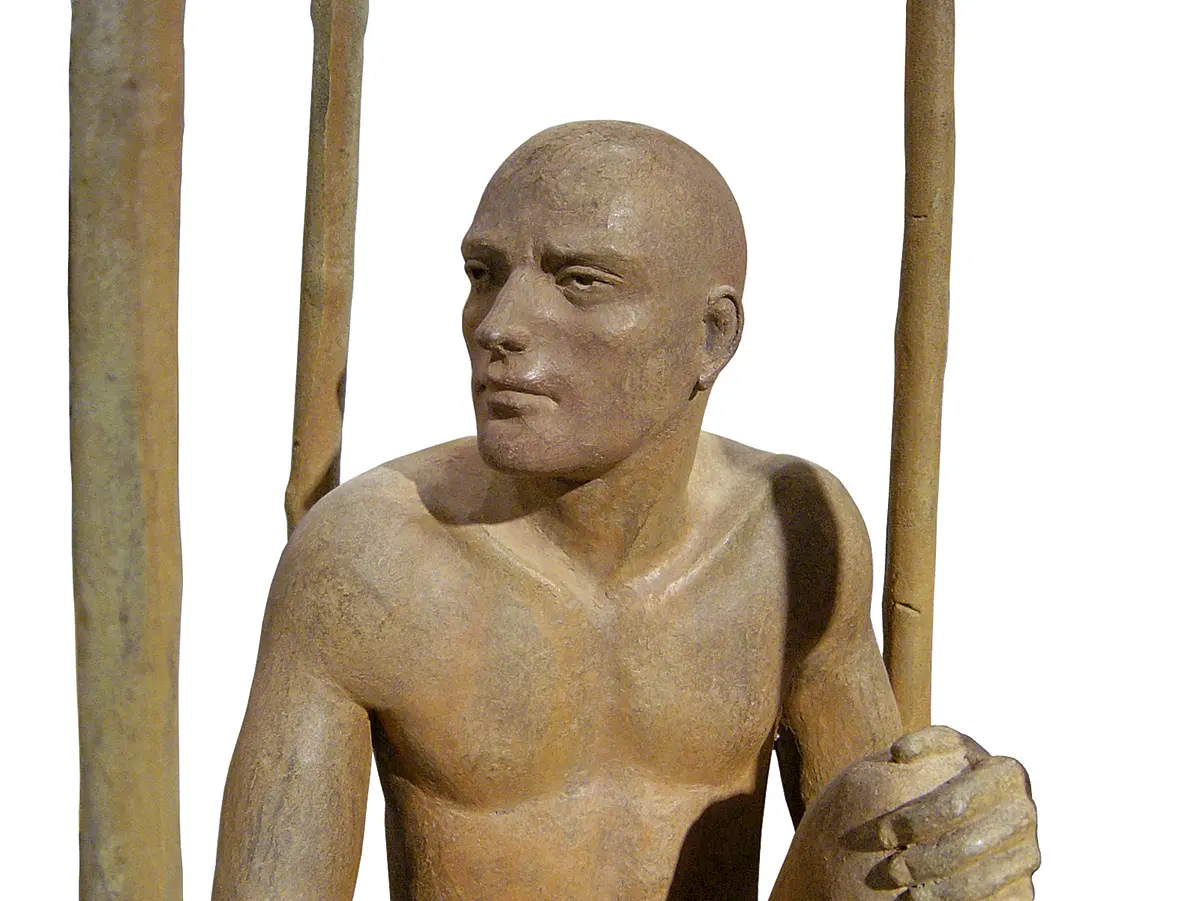
Aurora Cañero’s elegant, large bronze sculptures at Galería El Museo were among the most attractive works. Cañero’s pieces express her command of the traditional technique and articulate a contemporary concept as she explores the cosmic view and the meaning of being human. Reflexión sobre los cuerpos celestiales shows a man sitting on a table that is much larger than him and on which a protractor and other symbols reminiscent of the Masonic lodge are displayed.
Sammer Gallery, Miami presented several ceramic pieces by Picasso, from the 1950s, examples of his frequent incursions in this field, where he further developed the theme of bullfighting that was also present in the rest of his oeuvre. Another artist in this gallery was Ricardo Pascale, with his representative works in different South American woods. Pascale’s oeuvre makes reference to points of encounter with the recent past and is indebted to the Escuela del Sur and to constructivism.
Galleries like Diana Lowenstein and Karpio/Facchini came with their artists. Lowenstein had Eduardo Hoffman, Graciela Sacco, Darío Baso, Carlos Estévez, and Milagros de la Torre, the latter with an interesting series of photographs commenting on the terrorist activities of groups like the Shining Path. Karpio/Facchini as usual, showed new proposals of young artists such as Franco Aceves and Rolando Caldera besides artworks of Daniel Scheimberg, Adriana Carvalho, Gabriel del Ponte, and Cinthya Soto, who in a nine-photograph series recreated a kitchen/dining room from points of view that shifted imperceptibly and underscored the place’s unfocused (and unfocusing) decor, revealing the kitsch taste of its inhabitants.

From Miami, Fredric Snitzer devoted its stand to the work of José Bedia with new works in which the artist continues to elaborate on Afro-Cuban topics, but in a new variation, now with color as an added protagonist.
In the Contemporary Art section, many galleries repeated their participation with the best examples of contemporary and modern art. Eckert Fine Art was almost entirely devoted to Robert Rauschenberg, a master of American Pop, with works such as Jammer, a 1976 series for which the artist, a former Navy recruit, found inspiration in the force of the sea and the wind in order to construct, with very few elements, a truly moving work of art.
Also present in this fair were many Latin American masters. At Archeus Austin/Desmond, London, it was possible to find works by Matta and Soto alongside Vasarely, Warhol, Wesselmann, Whiteread, and Wilson.
The area devoted to SOFA was not, in my opinion, successfully executed. Last year’s gallery selection was considerably better, and so were the curatorships on display. This year, although the arrangement of some stands resembled a department-store counter, it was possible to find works of a high artistic and functional quality, like Buffet femme girafe, by Ingrid Donat it was in the impeccable booth of Barry Friedman. Buffet femme girafe is a beautiful piece of furniture that combines bronze and fabric, and for decoration and support uses highly stylized African female figures influenced by Giacometti, one of the artist’s teachers. Donat’s furniture items and lamps, as well as her sculptures, all reveal a taste for Art Deco and Art Nouveau. Another woman whose work is both functional and beautiful is Alejandra Tolosa/Artempresa, who presented trunks and screens that used xylographic matrices. Tolosa uses motifs from Argentine colonial art to bring life to her constructions.
Photography was, to be sure, the fair’s main protagonist, with a wide variety of topics and manifestations.
MARISOL MARTELL
Art historian and critic. Assistant to the Director, ArtNexus.