
Beyond Geometry was originally presented at the Los Angeles County Museum of Art, and more recently at the Miami Art Museum (MAM). Curated by Lynn Zelevansky, Beyond Geometry examines and demonstrates the way in which the geometric concepts of the avant-garde of the 1940s and 1970s laid the foundations for the artistic scene of our period.
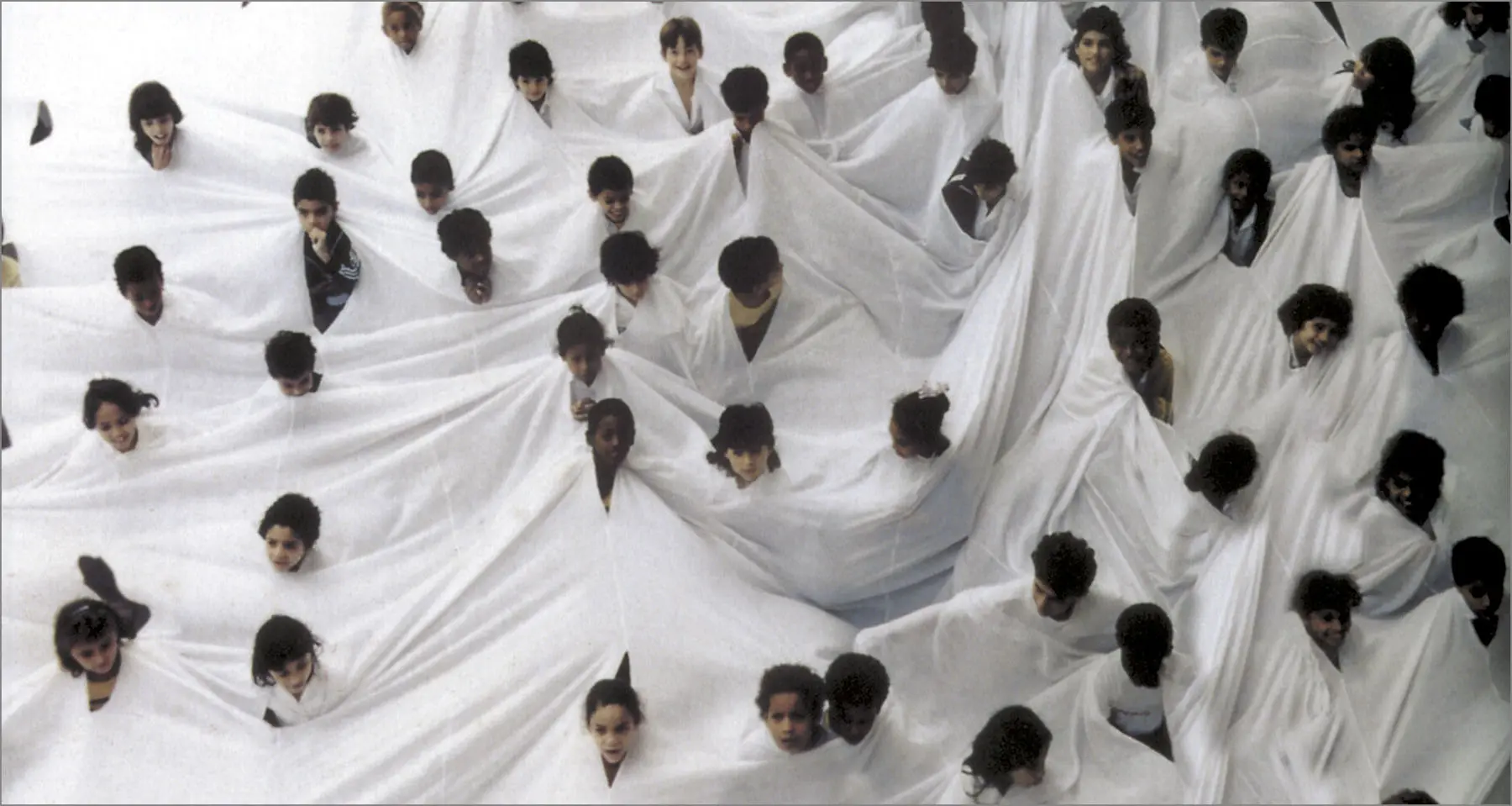
It was interesting to see the confirmation that works by these artists clearly formulated the avalanche of installations and photographs of recent decades. Lygia Pape’s 1968 performance Divider is especially eloquent: the heads of a multitude of adolescents emerge from a white canvas as they walk around a public space. Even more astonishing is her Ballet neoconcreto of 1958, where the dancers move around the stage inside imposing cylinders and rectangles. Undoubtedly, this piece would be astounding even if made today.
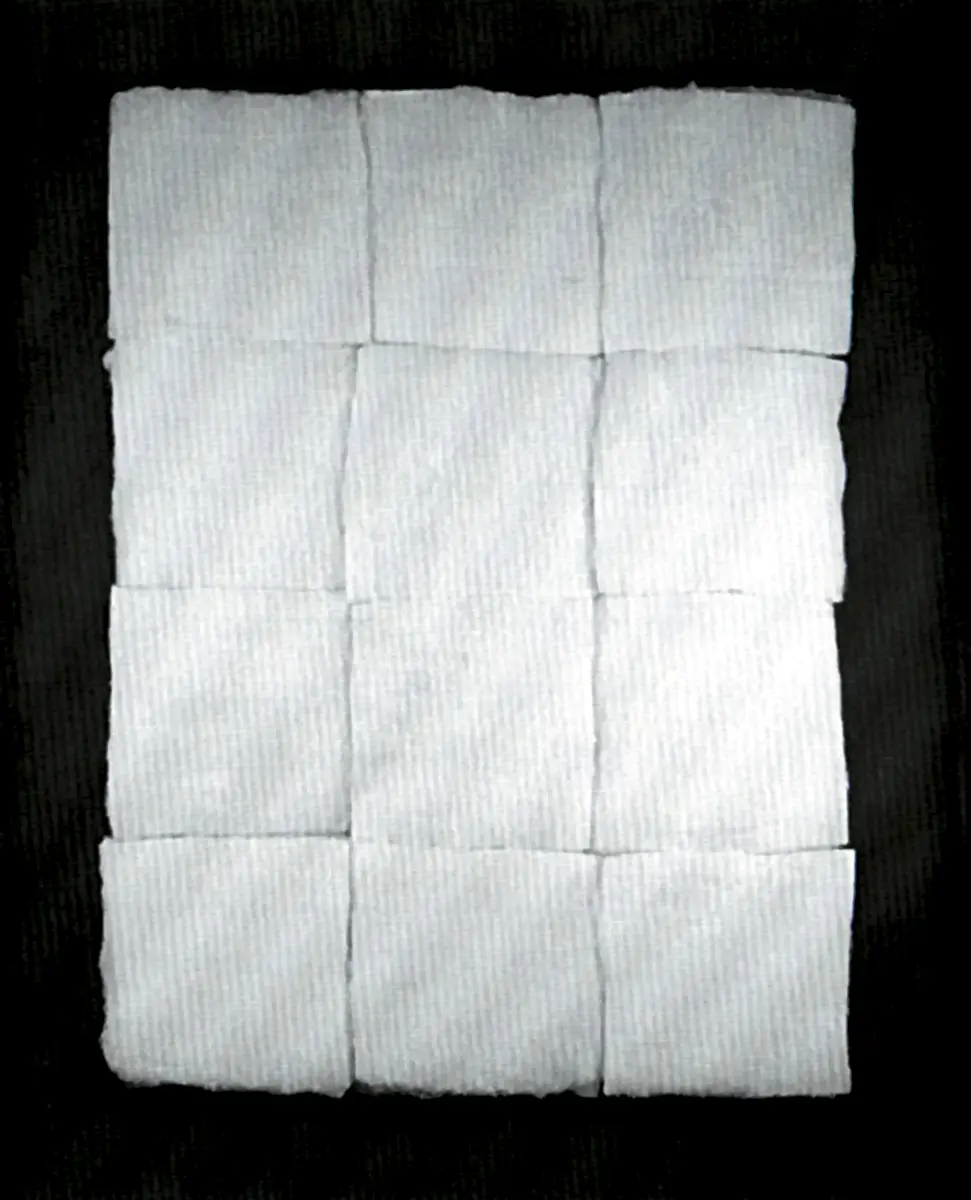
It is equally surprising to see the selection of photographs by the conceptual artists that broadened the functions of that medium in the 1970s.
A notable aspect of the organization of Beyond Geometry was the inclusion of an array of artists of different nationalities. Pioneering artists from Latin America converge with those from Russia, Poland, and other countries that are not often brought together in this kind of curatorial overview.
A question that remained open was; what is the true intention behind the show’s title? It would seem to point towards a very interesting fact, yet at the same time toward a cul-de-sac. One could ask, somewhat naively: is what goes beyond geometry still geometric? What comes before geometry?
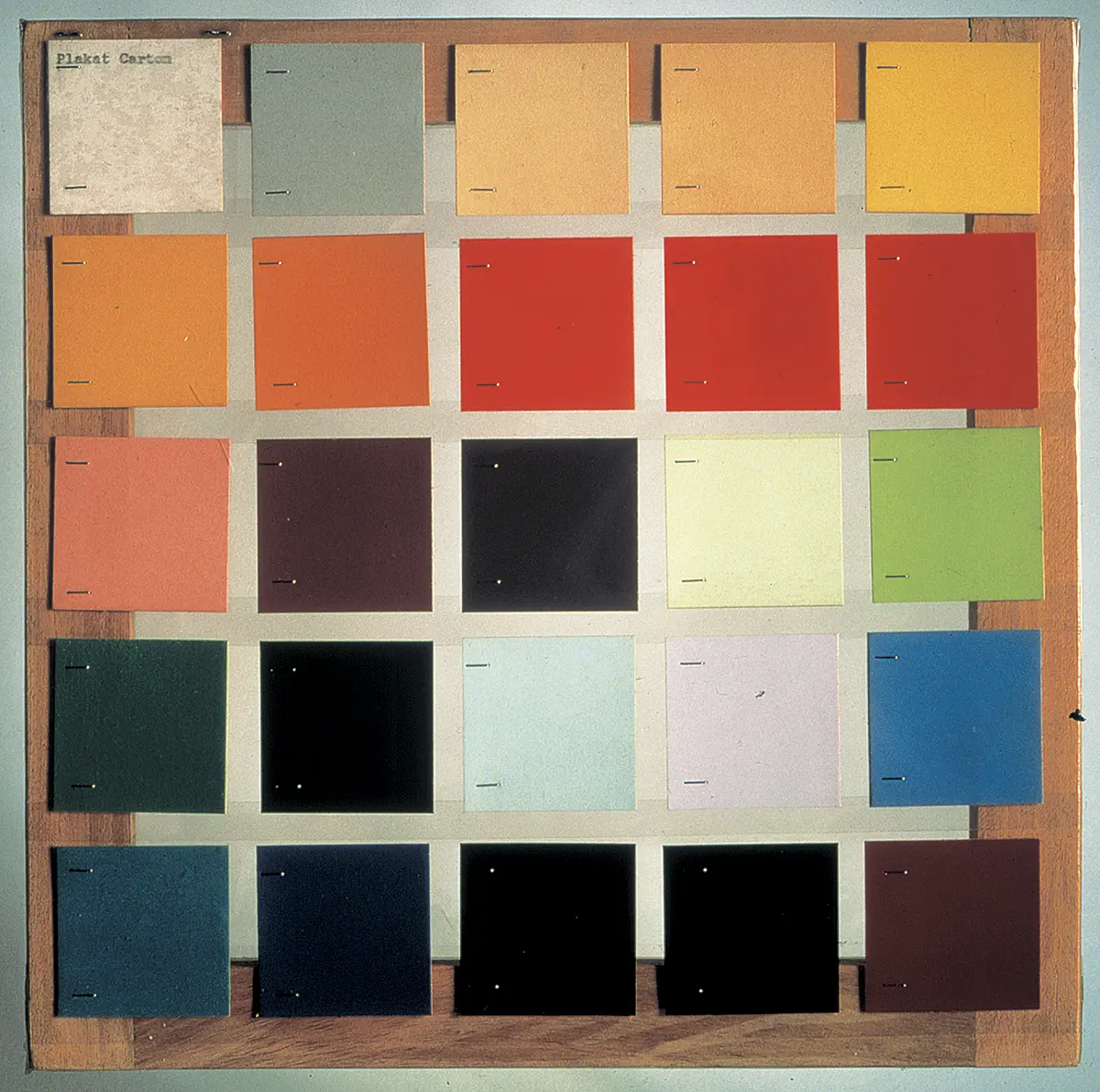
Does the universe have a geometric order? Could chaos also be a geometric expression? Many things occur beyond geometry. Artists work with both reality and subjectivity; even if results are complex, vague, or imprecise, this quest never ceases to be an intermittent impulse.
Beyond Geometry reveals the differences between these artists in their attempt to find solutions to similar problems. Tony Smith’s or Robert Morris’s cubes are not the same as those of Cildo Meireles, whose argument is political. The same is true of Antonio Dias; his geometric flag, El país inventado, alluded to the dictatorship governing Brazil in the 1970s. Infinite Line, a 1960 piece by Piero Manzoni, is fundamental to understanding this show or any conceptual art expression.
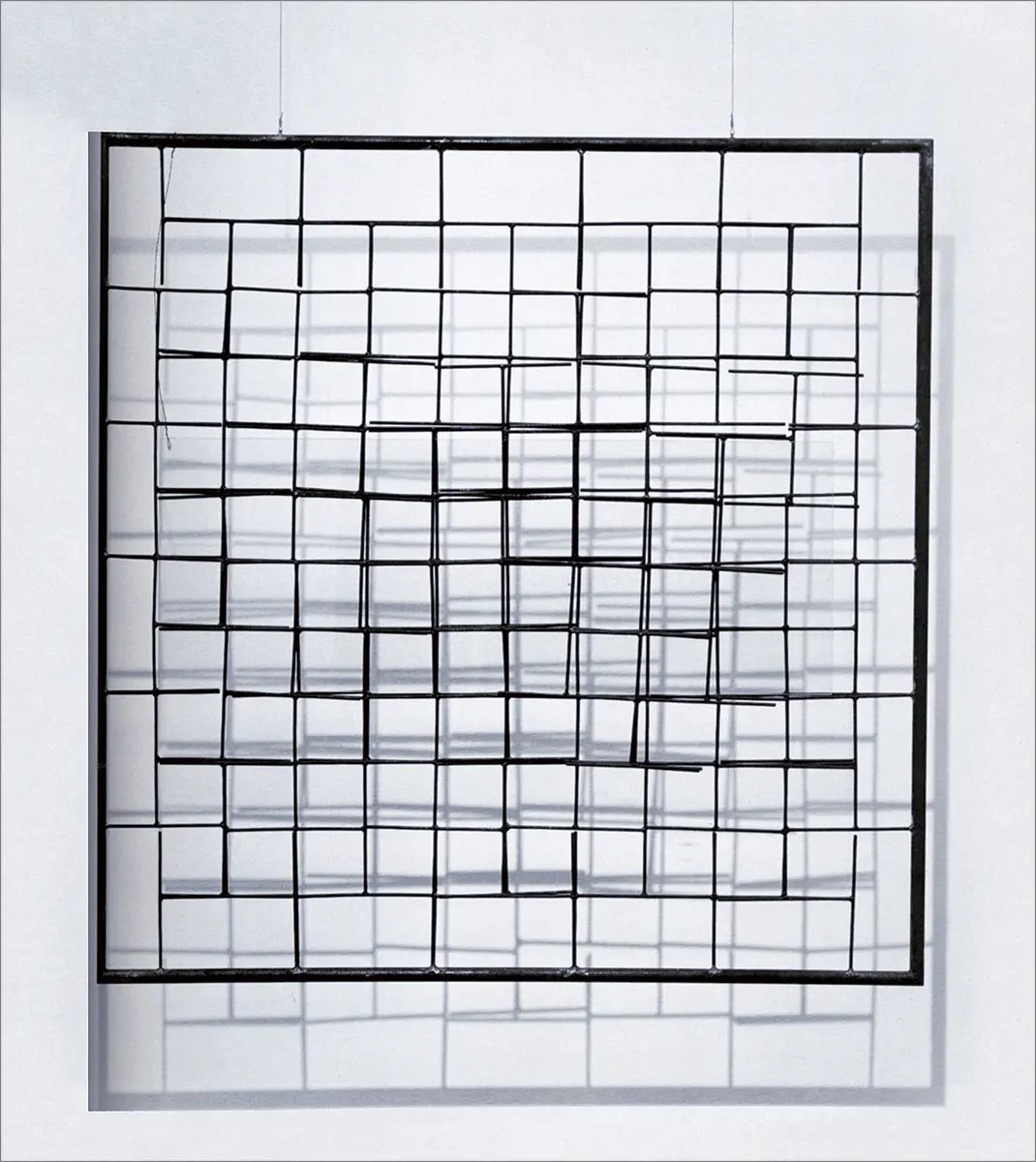
The show’s catalog is also the result of a long investigation. The chronology and notes offer extremely valuable information.
The presence of Blinky Palermo’s work was truly justified. This German artist, almost unknown to the general public, was, like Oiticica, one of those who discovered the motif for a new language in this geometry-non geometry, as well as the motif for a new defeat.
All these artists employed a different way of being rational; they sought solutions through logic. Essentially, they are all constructivists, but with a different attitude, like that of Martin Barre, who used spray paints in 1965 to create a square with a single gesture. Hélio Oiticica appears in the show as a new protagonist, responsible for a new creative dimension.
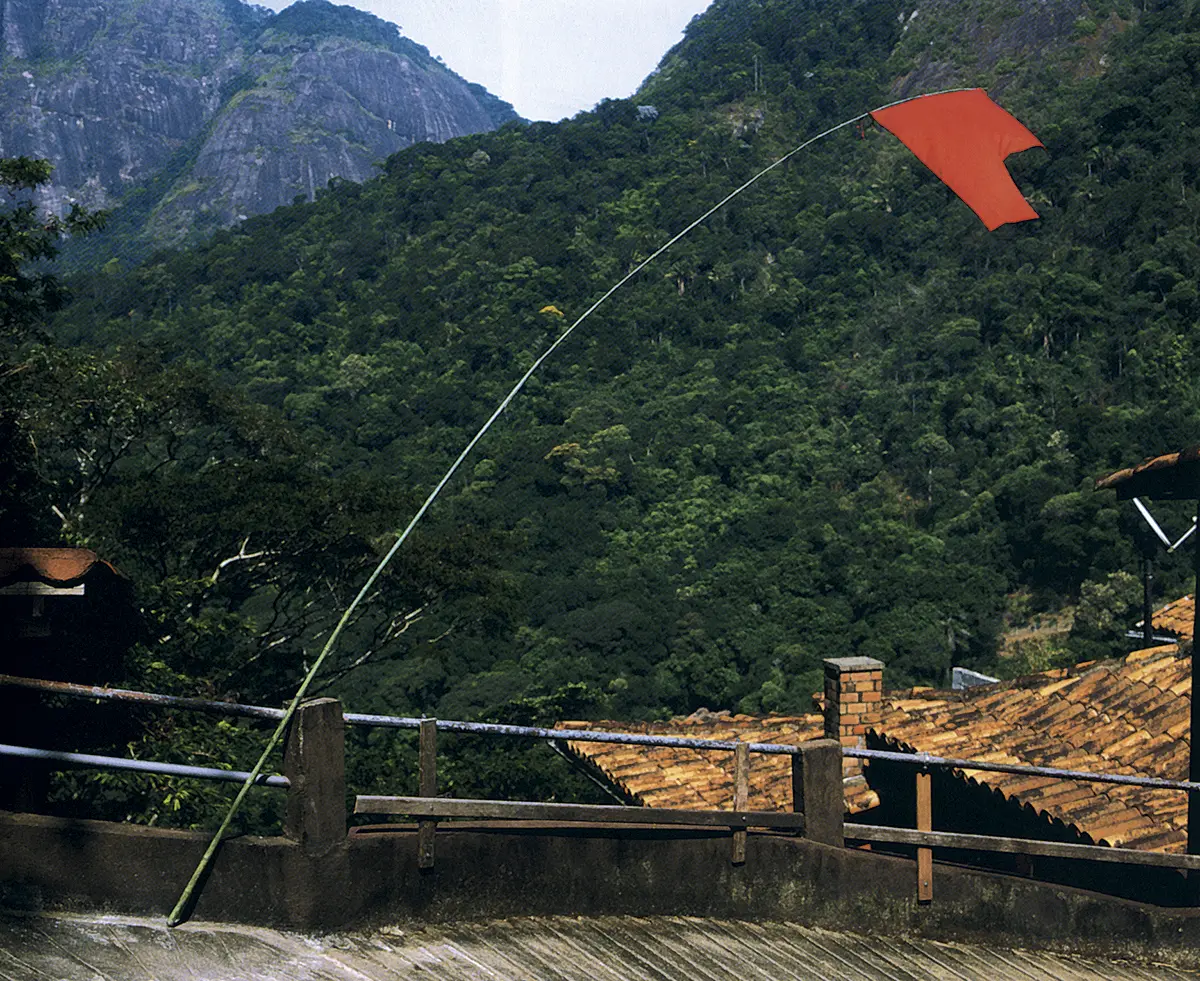
In reality, Beyond Geometry is a wide-ranging historical show that establishes well-defined criteria and turns around the value of minimalist and conceptual art. Over time, these artists drove the change in structure and disciplines of museum studies that did not exist during their time. Almost nowhere in the world was there a specialization in contemporary art. Today, contemporary art is a new academy that demands high levels of specialization.
Nevertheless, it is not customary to encounter a range of Latin American, Russian, and Czech artists as conceptual art pioneers, alongside minimalist and conceptual artists from North America, Germany, France, and Italy, even though the fact that conceptual art and its variations were also an invention of Latin American artists was convincingly proved in Inverted Utopias at the Houston Museum of Art through the vision of Mari Carmen Ramírez and Héctor Olea.
The roster of Latin American artists in this show includes: Ronaldo Azevedo, Waltercio Caldas, Sergio Camargo, Luis Camnitzer, Aluísio Carvão, Lygia Clark, Raimundo Colares, Carlos Cruz-Díez, Agusto de Campo, Antonio Dias, Manuel Espinosa, Gego, Mathias Goeritz, Eugen Gomringer, Gyula Kosice, David Lamelas, Julio Le Parc, Mauricio Nogueira Lima, Raúl Lozza, Tomás Maldonado, Antonio Manuel da Silva Oliveira, Cildo Meireles, Juan Melé, Hélio Oiticica, Lygia Pape, Rhod Rothfuss, Mira Schendel, Iván Serpa, Jesús Rafael Soto, and Mary Vieia.
EUGENIO ESPINOZA