
There is a dilemma of sorts considering the art and relationship of Edward Weston and Tina Modotti. The basic problem revolves around how to reconcile the practices of the two photographers. In a relatively short period of time, Modotti has gone from being regarded as an unknown figure to a key collaborator of Weston’s to, finally, a photographer in her own right, with her own subjects and aesthetic. The more familiar her pictures become, the more clearly they stand apart from Weston’s, which brings us back to the question of how, or even whether it continues to be fruitful to consider the two figures together.
The recent exhibition of Weston and Modotti’s work is subtitled The Mexico Years, and it is through this framing device that the show attempts to clarify things somewhat by arguing that it is the shared experience of being in Mexico, more than any other factor, that connects these two photographers. The 1920s in Mexico was a period of new beginnings, with optimism placed in a government that promised progressive reform and was actively sponsoring contemporary art. Weston and Modotti arrived there as teachers and students as well as lovers; she was recently widowed and he had left behind his wife and children. Before long the two had opened a photography studio together. By 1930 Weston was no longer living in Mexico and he and Modotti, who chose to remain, had separated.
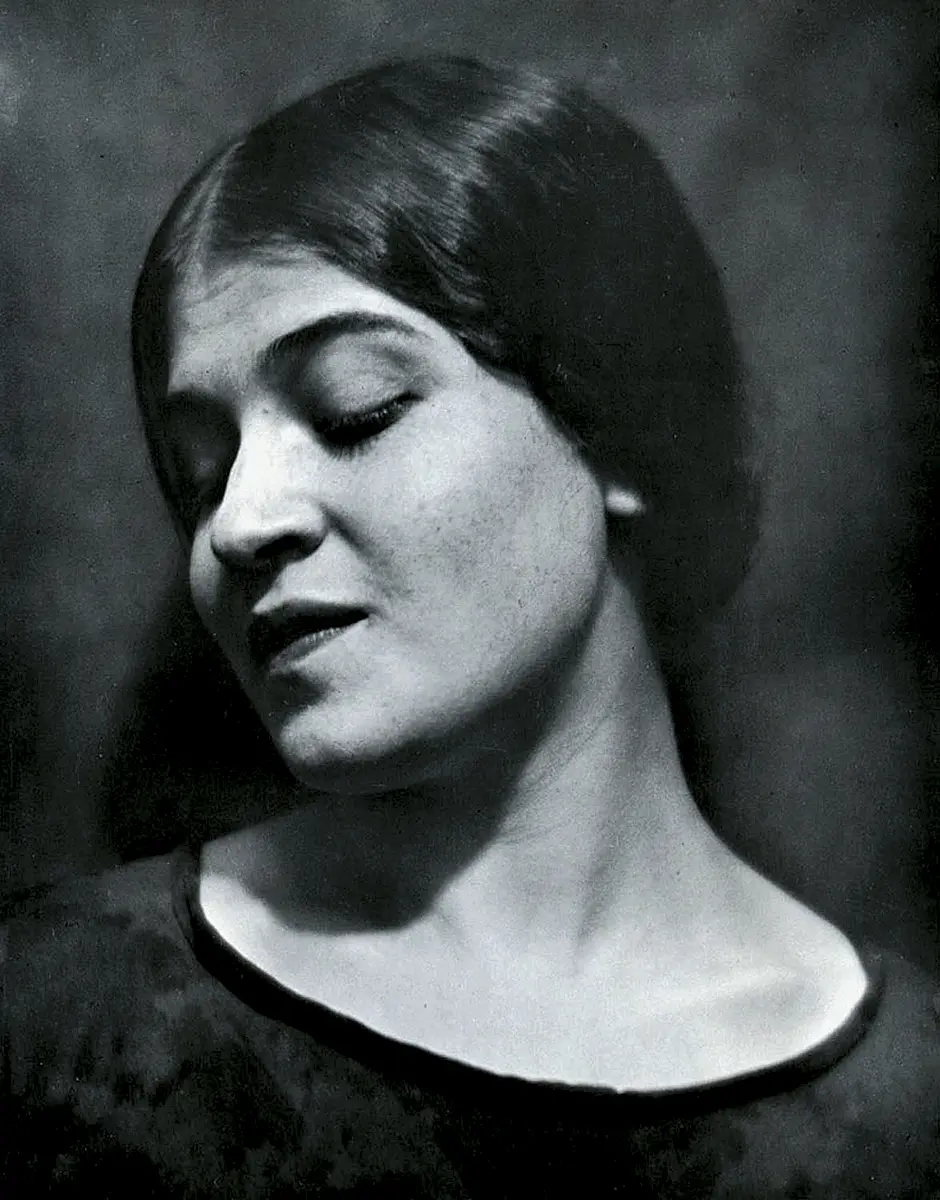
The photographs in the show, therefore, span a relatively short period of time in which many images were made of a wide variety of subjects and in as many techniques. The works on view are but a small sampling of what Weston and Modotti produced during this moment, but certain salient points are clearly documented. First of all, Modotti unquestionably learned much from Weston, including his preoccupation with the craft of photography and its professional execution. We can also see in works such as Telegraph Wires, and Experiment in Related Forms or Glasses that she was not completely adverse to or unfamiliar with Weston’s formalist tendencies. Nevertheless, it does not take long for Modotti to embark upon a trajectory that diverges from Weston: caught up in the drama of a new age dawning around her, the excitement of being immersed in an unfamiliar and vibrant culture, and personally inspired by the radical politics espoused by many Mexican artists and intellectuals at the time, Modotti developed a body of work that focused much more on the human element and documentary narrative. By the time Weston was ready to return to the United States, Modotti was far too engaged in local events to follow him.
What then, are we to make of the time they're together, and why do we continue to focus on them as a team? Despite their personal relationship and the fairly unsuccessful studio they tried to run, little seems to connect these two. Yet despite recent scholarship and projects like the mid-90s retrospective of Modotti that was held at the Philadelphia Museum of Art, it is still conventional to treat her as an adjunct to Weston, or a footnote to his history. Much of this is undoubtedly due to gender politics, and he was the man most responsible for Modotti becoming a photographer. Moreover, Modotti lived and worked for a short span of years whereas Weston enjoyed a much longer career and legacy. Nevertheless, by now one can easily recognize the difference between a picture by Modotti and one by Weston, not only by subject matter but through compositions and finish: Weston’s is always the more stringently composed and he tends to favor richer contrasts while there is a more faded delicacy to Modotti’s works. Taken together, with their portraits, still lifes and landscapes, and street scenes, both artists create a full document of a society at a particular moment in time.
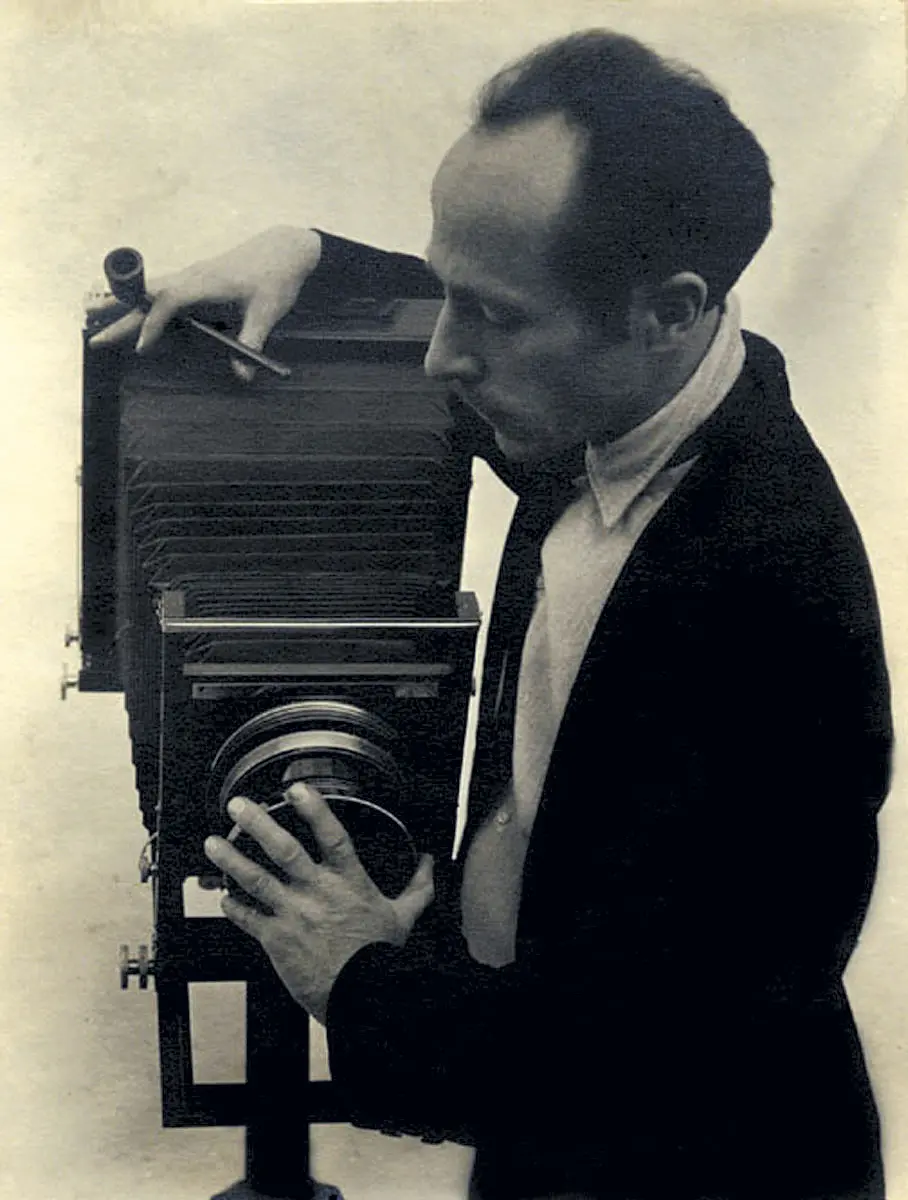
More importantly, there is the question of the impact of Weston and Modotti’s visit. In many ways, the Mexican sojourn represents the birth of Modotti and the rebirth of Weston as a photographer. Equally significant is what these two brought to Mexico. Through their efforts, photography gained a greater artistic legitimacy in Mexico and many nascent photographers felt encouraged to pursue their craft. Photography also became a crucial point of connection between Mexico and international modernism and communism, which would find the medium of photography increasingly useful to its ideology and its ends. And finally, Modotti’s work in particular has left behind a thorough and complete portrait of Mexican life and culture —from “high” to “low”— at this time.
This show handsomely represents many aspects of the era. Through the included photographs one sees a wide array of reflections upon the land and its people, as well as different facets of Weston and Modotti themselves as they thought through their own practices and strategies at this time. What would have truly made the exhibition new and special, although probably beyond the scope of a gallery show, as if it had managed to illustrate the way Weston and Modotti exerted their influence upon Mexican art and photography. To some extent this is discussed in the useful and informative catalog that accompanies the exhibition; the next step is to display this artistic dialogue visually, for it is truly this relationship, more than that of Weston and Modotti, which needs attention now.
JOHN ANGELINE