
Jorge Rivas’ furniture and objects combine excellence in craftsmanship, expressed through their impeccable manufacture, with their modern, and both elegant and austere design concept. This is due to the confluence of several factors. First, Rivas’ background as an architect graduated from the Universidad Central de Venezuela with a postgraduate degree in Industrial Design from the University of Florence. Rivas is also a researcher in the history of furniture, an interest that comes from his family tradition. He currently works as a researcher at Fundación Cisneros, and as an exclusive designer for Casa Curuba, a firm that more than a commercial institution specializes in selling Venezuelan crafts and furniture, and is recognized for the excellence of its products, which is a certain way identify our Venezuelan-ness.
There is a shared goal in the Rivas-Curuba association. They want to integrate design with the manufacture and the deep knowledge of wood possessed by the communities of Guadalupe and Quibor in the state of Lara. Hence the titles of Rivas’ two simultaneously opening shows, Maderas, at the Alejo Zuloaga House, Fundación Polar, San Joaquín, state of Carabobo, and Jorge Rivas. Diseño y comunidad at the Trasnocho Arte Contacto gallery at the Trasnocho Cultural Center, Paseo de Las Mercedes. Both shows presented a significant election of chairs, benches, tables, bookshelves, and objects such as boxes, mirrors, and CD carriers, among others. What distinguishes all these objects and pieces of furniture is the integration of design and manufacture in wood by those Lara craftsmen. This confluence has generated a collective experience that deserves consideration. Artisanal work gains transcendence from the moment in which the created object starts with a design. This brings the piece above mere manual labor.
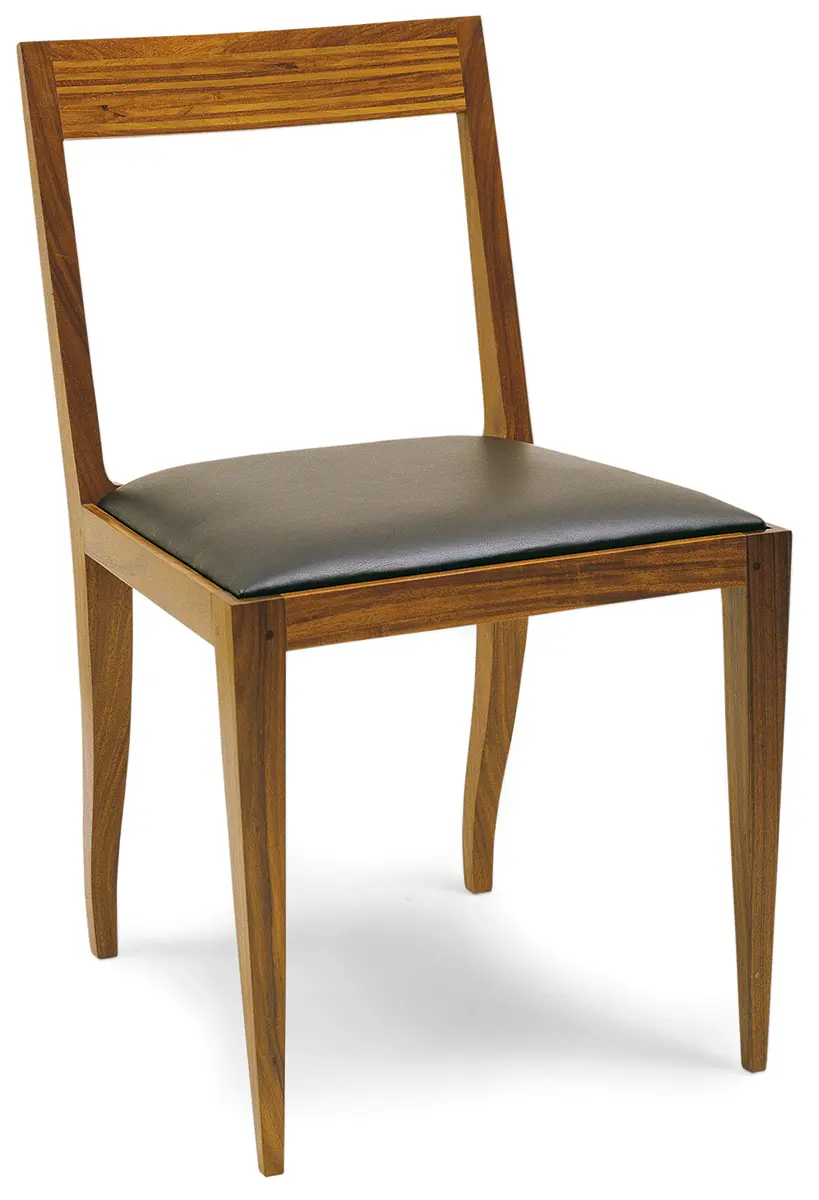
High-end woodworking has a strong tradition in the history of Venezuelan furniture, since the colonial period when several Master cabinet makers arrived in the country and left a legacy. In a way, then, a woodworking culture has remained alive, manifesting itself in various crafts. Yet the integration of design into handcrafts is uncommon in Venezuela. Rivas’ experience with the Lara communities demonstrates the creative power of such integration, where both disciplines acquire a positive new dimension. Together, designers and craftsmen have created the style that defines them.
Rivas has developed a technique, called “disconcerting” —with the help of Master Cabinet Maker Doménico Stefani—, that consists of combining wood from all kinds of trees, not too dense, usually considered waste in a chromatic variety which generates a “disconcerting” effect on table tops, chair finishes, ornaments, etc. The use of this resource has resulted in the creation of a design pattern that distinguished these products and Rivas’ work. Working with discarded wood has also allowed him to assume an ecological awareness.
Artisanal, collective, and in a way anonymous work that exists in the country, acquires a new dimension with Rivas’ creative input. In this experience, handcrafts are an essential resource for a kind of contemporary Venezuelan design. The result is pieces that identify the culture of a country that, for years, saw itself as lacking images and memory. This experience proves the contrary is true.
SUSANA BENKO