
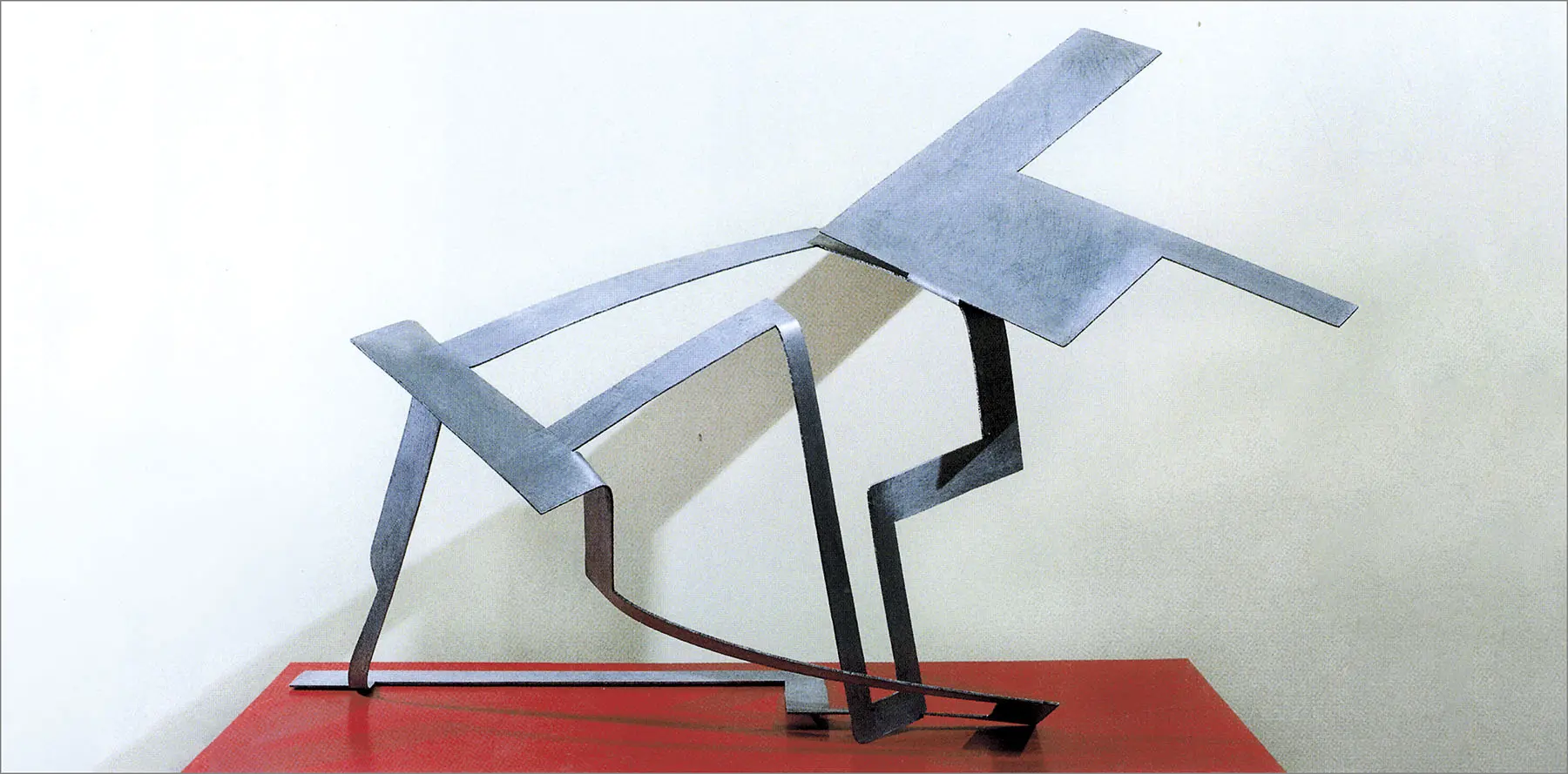
The Arte Concreto Invención movement, together with Madí, represents the first group of Argentinean artists to work in constructivist abstraction. Constructivism rose in Russia in response to the Futurist cult of the machine first proposed by Vladimir Tatlin in 1913. By the early 1920s, his ideas assumed the importance of a movement associated with the utilitarian aesthetic of the industrial design. The principles of Constructivism quickly spread to Europe, where they combined with the abstract tendencies emerging in Paris, the Netherlands, and Italy, and influenced an entire generation of artists. Although it may be said that Constructivism (even abstraction) came late to the artists of Latin America, there were a number of significant abstract movements in Argentina, Uruguay, Brazil, and Venezuela, that are only now receiving proper respect for their vanguard approach —often before that of European and North American artists— and intellectual contribution to the theoretical base of such actions.
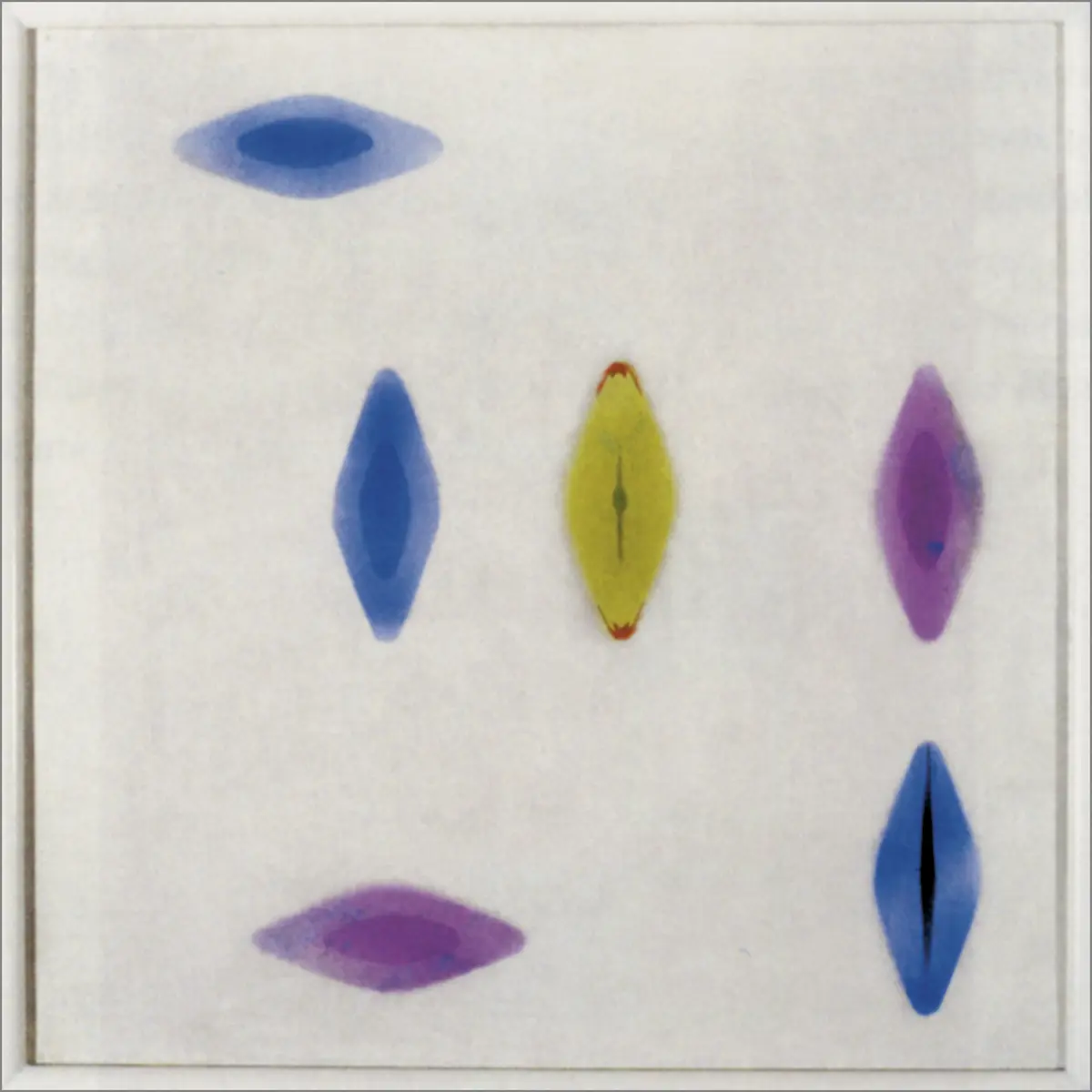
This small, elegant exhibition introduces eight artists who were active participants in Argentina’s Concrete Art version of Constructivism in the 1940s and 1950s: Lidy Prati; Enio Iommi: Tomás Maldonado; Claudio Girola; Raúl Lozza; José Antonio Fernández-Muro; Juan Melé; and Manuel Espinosa. All but one (Fernández-Muro) signed the 1946 Manifiesto Invensionista, one of the most consequential documents in the vanguard of Argentinean and Latin American art. Like their European counterparts, the artists realized that artistic production had to derive from daily life and they choose the motto: “Art should shape and organize daily life, not decorate it.” The manifesto declared that the “artistic era of representational fiction is coming to an end. Man is becoming more and more insensitive to illusory images.” Their works in painting, drawing, graphic design, and three-dimensional objects are geometric, minimal, and almost scientific in their calculated compositions. The artists insist on the rejection of painting as romantic, creative, and spontaneous and adhere to the idea of “invention” as the basis of their work.
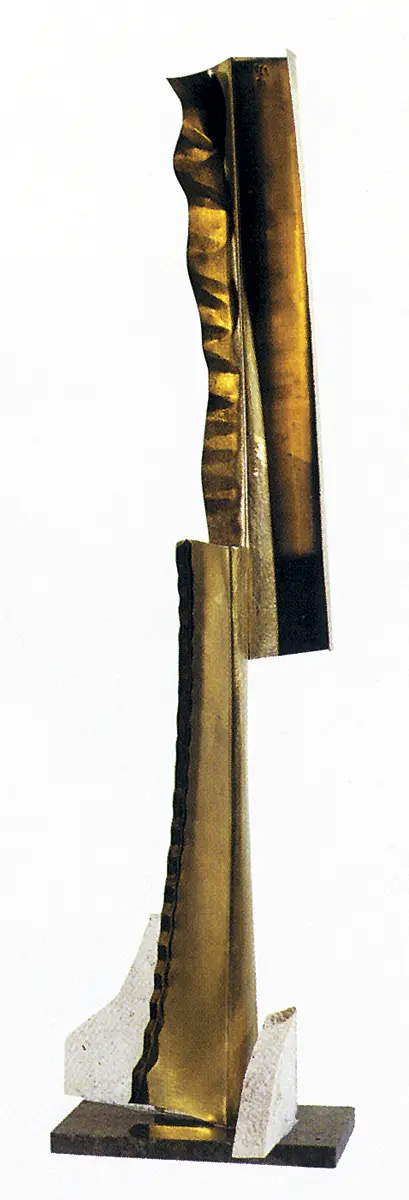
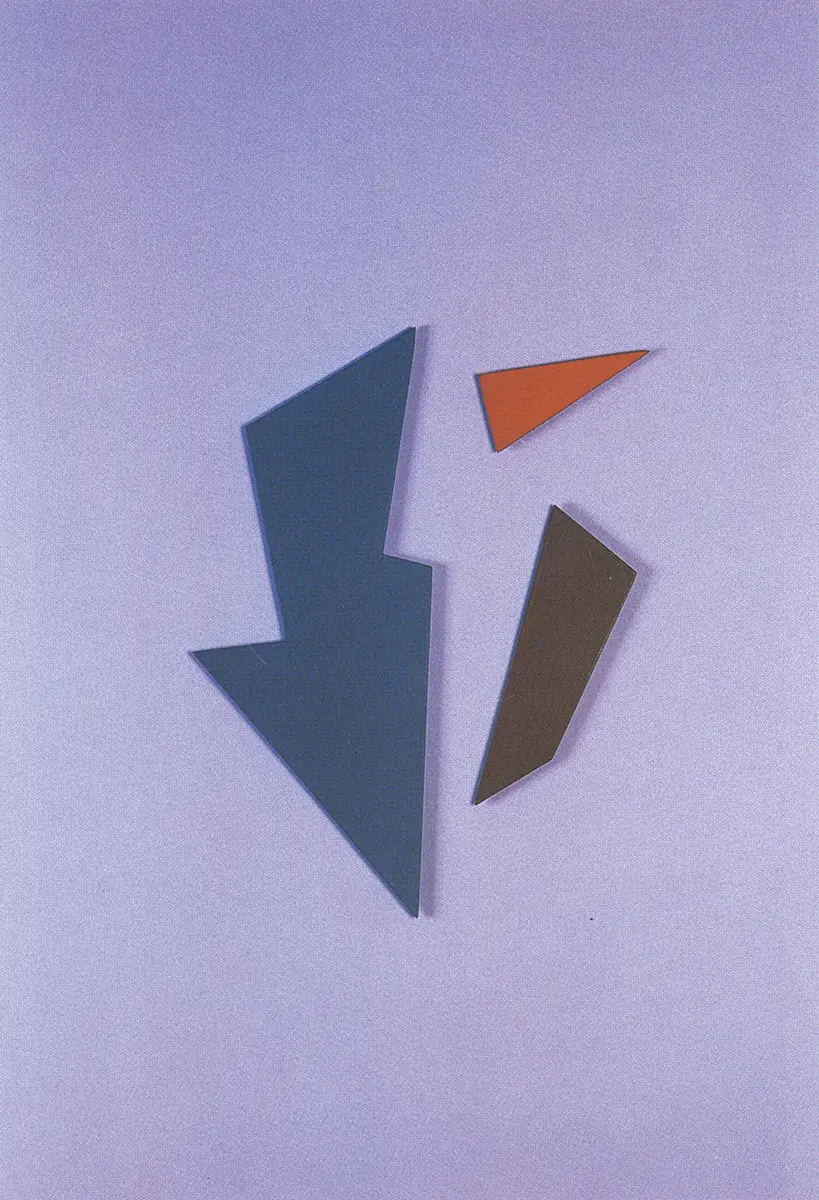
The Group of Concrete Artists proclaimed their intentions, based on the manifesto, and exhibited together from 1952–1955, and this historical exhibition presents a significant sample of their work, including such remarkable objects as the aluminum Planos en desarrollo (Plan in progress), 1949, by Enio Iommi, and Elevación (Elevation), 1955, small bronze and marble sculpture by Claudio Girola. There is a work done in enamel on plywood by Raúl Lozza, and Juan Melé’s No. 30, 1948, that pays tribute to Suprematist geometric abstraction. Tomás Maldonado co-founded the Asociación de Arte Concreto Invención in 1945 and was one of the writers of its manifesto and a contributor to Arturo, the group’s magazine (only one issue was published in 1944). He remains one of its most recognizable proponents and in this exhibit, his Estructura ascendente sobre dos pentágonos (Ascendant Structure over Two Pentagons), 1952, may be considered a masterpiece of the geometric invention in its minimal compositional arrangement of white lines and floating rectangles.
Abstraction, Concrete Art, Non-Objective Art, and other conceptual movements appeared in Latin America in the early twentieth century as artists questioned the role of figuration, and theoretical debates and manifestos followed closely. Influenced by nineteenth-century independence movements and the need to break away from academic tradition with its ties to the past, the artists of Latin America were able to move toward abstraction with the same fervor as their European colleagues.
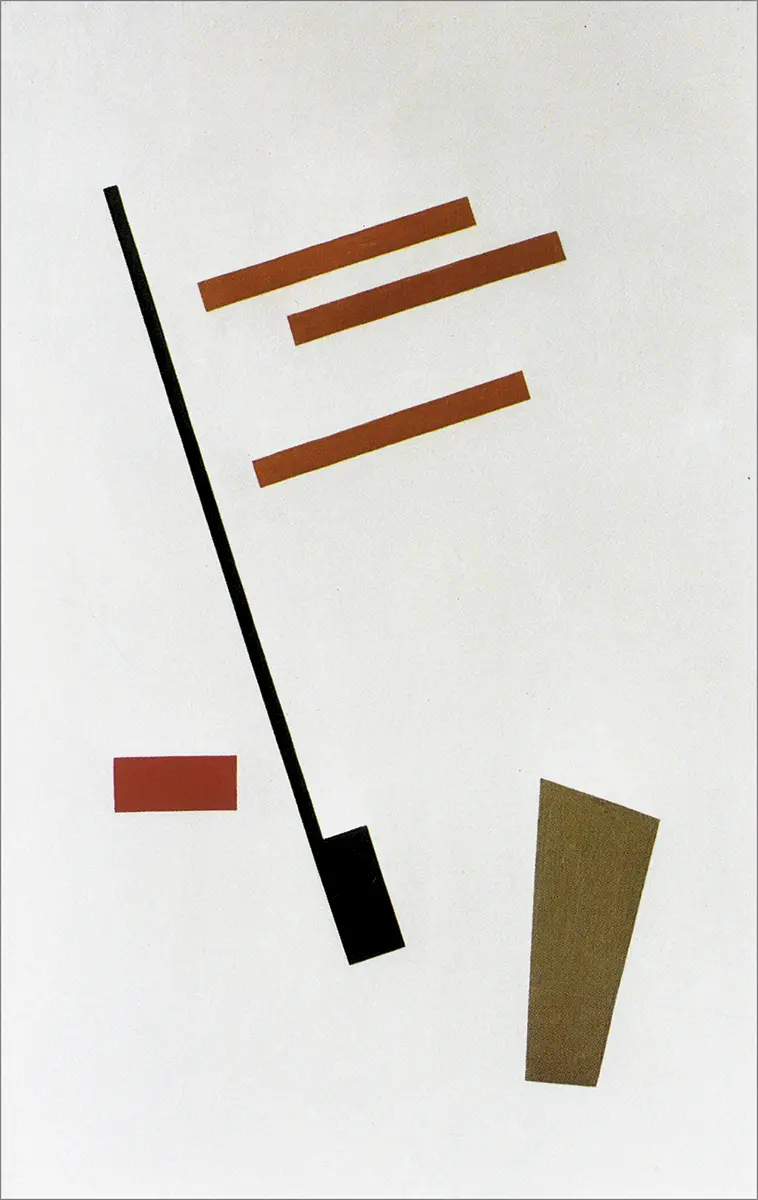
In Argentina, numerous factors —social, political, and intellectual— contributed to the particular strength of abstraction and led to the distinct movements associated with Constructivism and Concrete Art. This exhibition revitalizes the often-neglected discussion about influences vs. autonomy and must be considered a significant presentation in defense of the artists’ need to protest against the traditional and represent themselves as part of a universal vanguard.
CAROL DAMIAN