

This year’s Merrill
Lynch Arteaméricas started long before the opening day at the Coconut Grove
Convention Center. The fair’s executive team, along with its sponsor, Merrill
Lynch, decided to organize a series of events in some of the participating
Miami-based galleries. The initiative promoted above all dinners for
collectors, artists, gallery owners, critics, and journalists, who, in addition
to socializing, were beginning to come together in an atmosphere that would
culminate with the festivities of the fair.
Contrary to the expectations of many, Arteaméricas has consolidated as a space devoted to Latin American art. Although the idea seemed fated to fail to come at a moment when Latin America is becoming more and more integrated with the international art circuit, it is useful and advantageous for galleries and dealers from Miami to offer a space for Latin American art. Without the pretensions and the bustle that characterize other fairs, Arteaméricas has created a “comfortable” space for the interaction between galleries and collectors.
This year there were 50 galleries at Arteaméricas, and welcome was extended to spaces like Klaus Steinmetz (Costa Rica), returning to Miami with works by Ronald Morán, whose new installation once again captured the attention of the public; Lucía de la Puente (Peru), with works by Muss Hernández, where the manual tradition is joined by the intention of contemporizing the work of art; Acquavella (Venezuela); and Walter Otero, Galería Botello, and Viota (Puerto Rico).

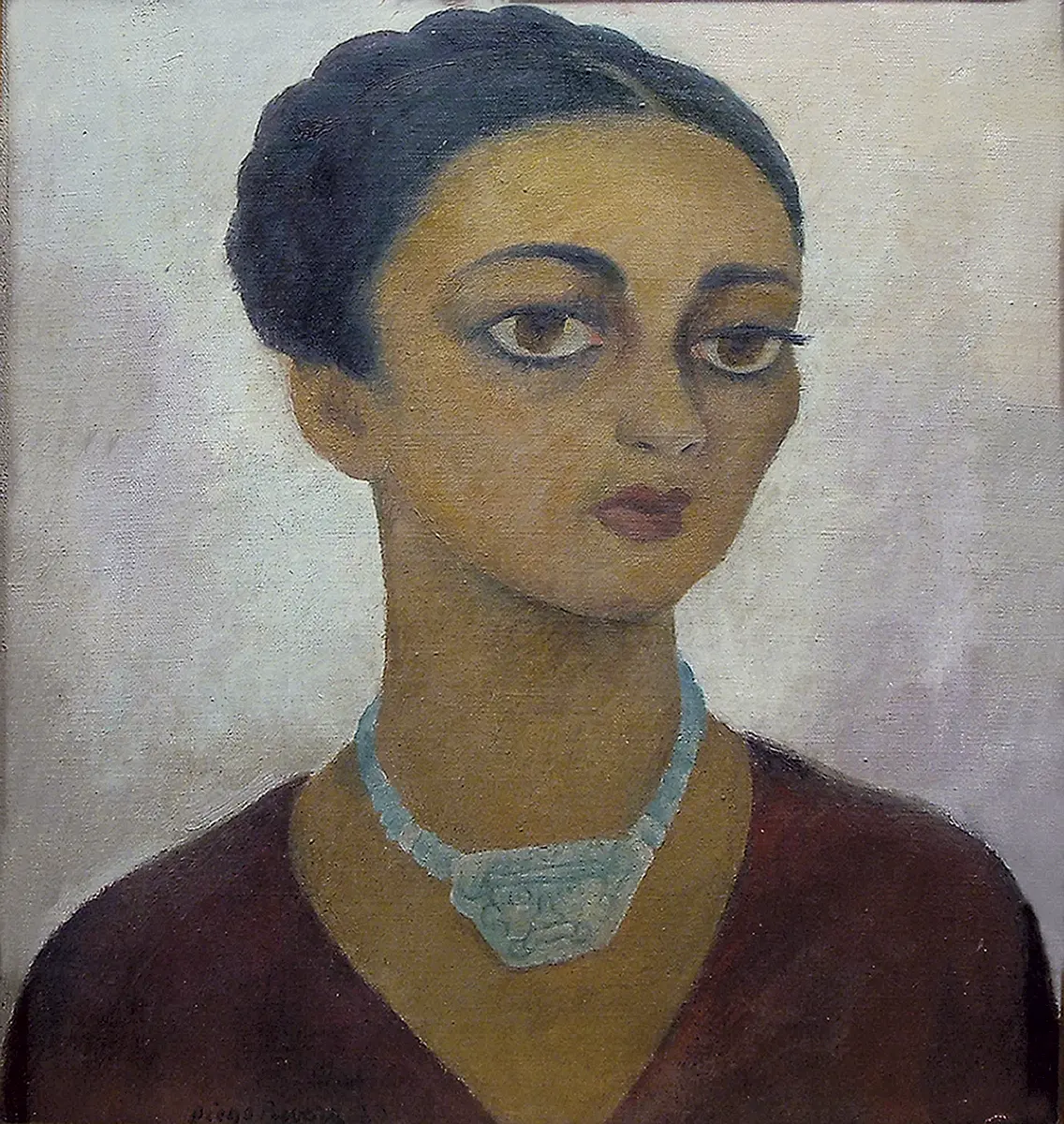
Also, deserving of mentions are León Tovar (New York) and Sicardi Gallery (Houston), two spaces characterized by the presence of important Latin American artworks. León Tovar brought an excellent group of classics like Matta, Lam, Tamayo, Orozco, and Rivera, among whose pieces the highlight was a beautiful pastel in blue depicting the figure of a child, from the 1930s. Siccardi Gallery showed an impeccable selection by Carlos Cruz, Óscar Muñoz, and Liliana Porter; the arrangement of the booth was a great help for appreciating these works.
A felicitous representation was that of Mexico’s Nina Menocal Gallery, which celebrated its fifteenth anniversary; under the curatorship of Juan Luis Morales, the gallery gathered works and artists that have been with it since its beginning. It was an excellent idea to bring together pieces by that generation of Cuban artists of the 1980s, like José Bedia, Arturo Cuenca, Gustavo Acosta, Carlos García, and Pedro Vizcaíno, among others, in a space where the artists could also be found.
A similar welcome had to be extended to galleries that are not exactly from Latin America but have for many years shown an interest in these artists, such as the young gallery George Billis (New York); Mackey Gallery (Houston); Joan Guaita Art (Palma de Mallorca); Jerald Melberg Gallery (Charlotte); Walter Fine Art (San Diego); Arden Gallery (Boston); and Galerie Intemporel (Paris).
It must be mentioned that an important group of galleries at the fair presented abstract works of the highest quality. Eugenio Espinoza’s works were broadly represented at Alejandra Von Hartz Fine Arts (Miami), and shared the space with excellent pieces by Ennio Iommi, Eduardo Costa, and Susana Lezcano, among others. Espinoza, an important Miami-based artist inscribed in the tradition of Venezuelan abstraction, showed a selection of pieces on raw canvas, using the square as a geometric element and working in black or white on the canvas’s hue. A piece like Sombra blanca, 2004, expresses an inexorable sense of painting in its purest impression. The same rigor is displayed by Magdalena Fernández’s pieces in her series Dibujos móviles, which could be seen at Durban Segnini (Miami), or the works of César Paternosto, at Cecilia de Torres (New York).
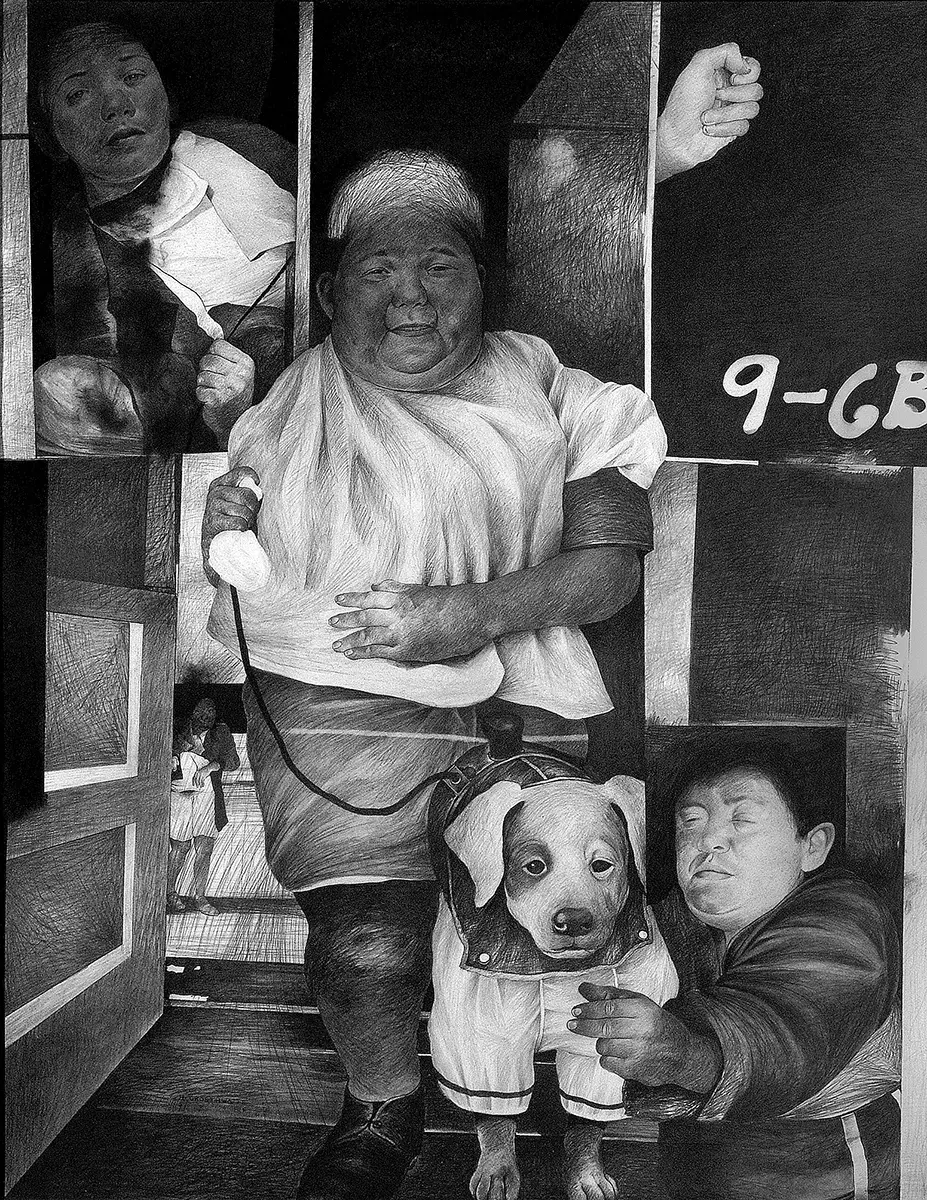
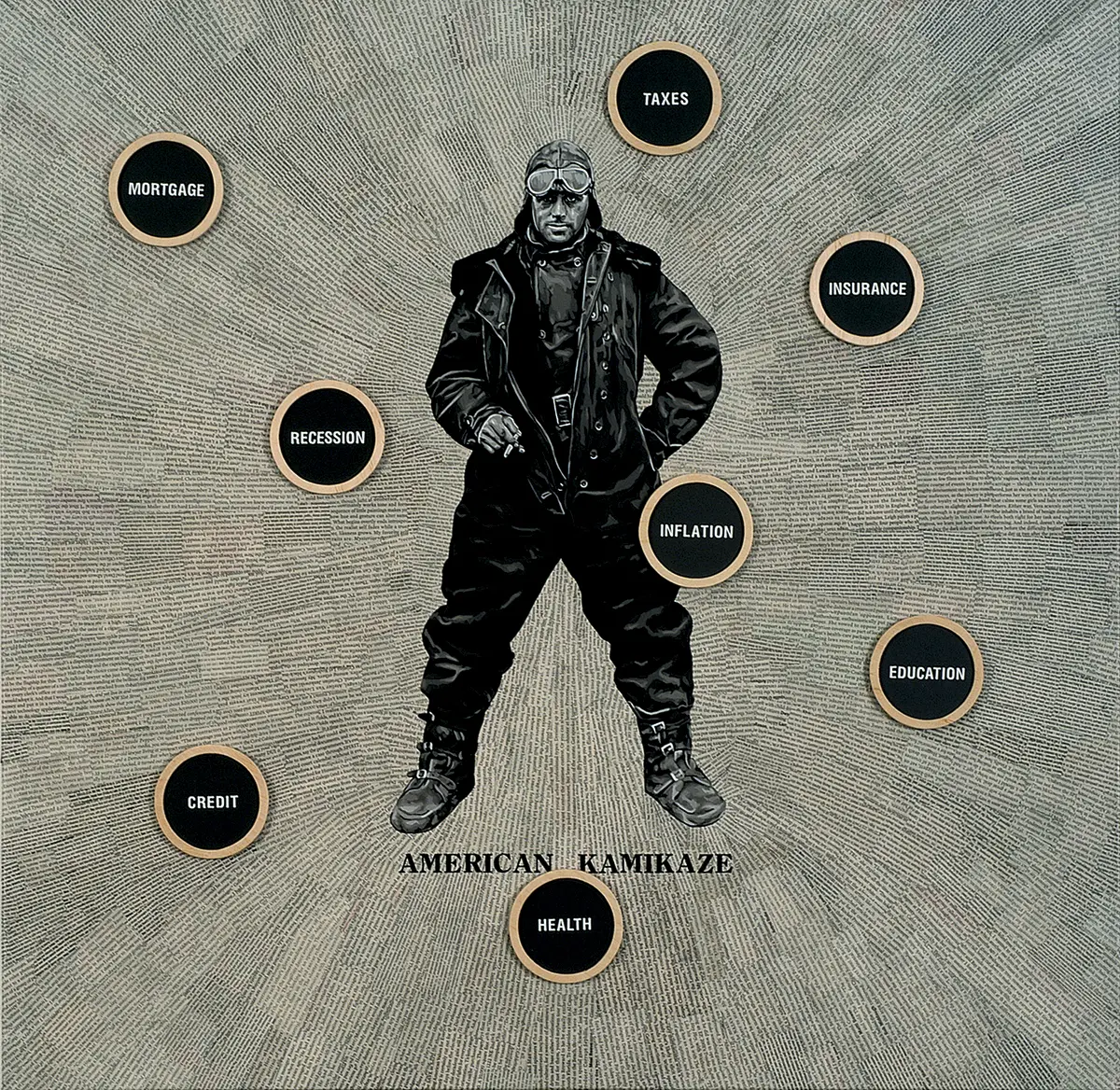
Something else that made enjoying the work easier was the galleries’ preference for exhibiting only a few artists, which allowed a clear appreciation of each piece and offered greater possibilities for each artist’s work. Such were the cases of ArtSpace/Virginia Miller Galleries (Miami), which presented the work of Hugo Crosthwaite, an excellent draftsman with great mastery of chiaroscuro. Praxis International (Miami) presented works by Iturria, Molina, and Torres Llorca, the latter with a group of mixed technique pieces that employed a mistrustful irony as a commentary on the preoccupations of contemporary men and contemporary artists, as in American Kamikaze, for example, where the figure of the pilot once again adopts a suicidal attitude when faced with the threat of words such as mortgage, taxes, or insurance.
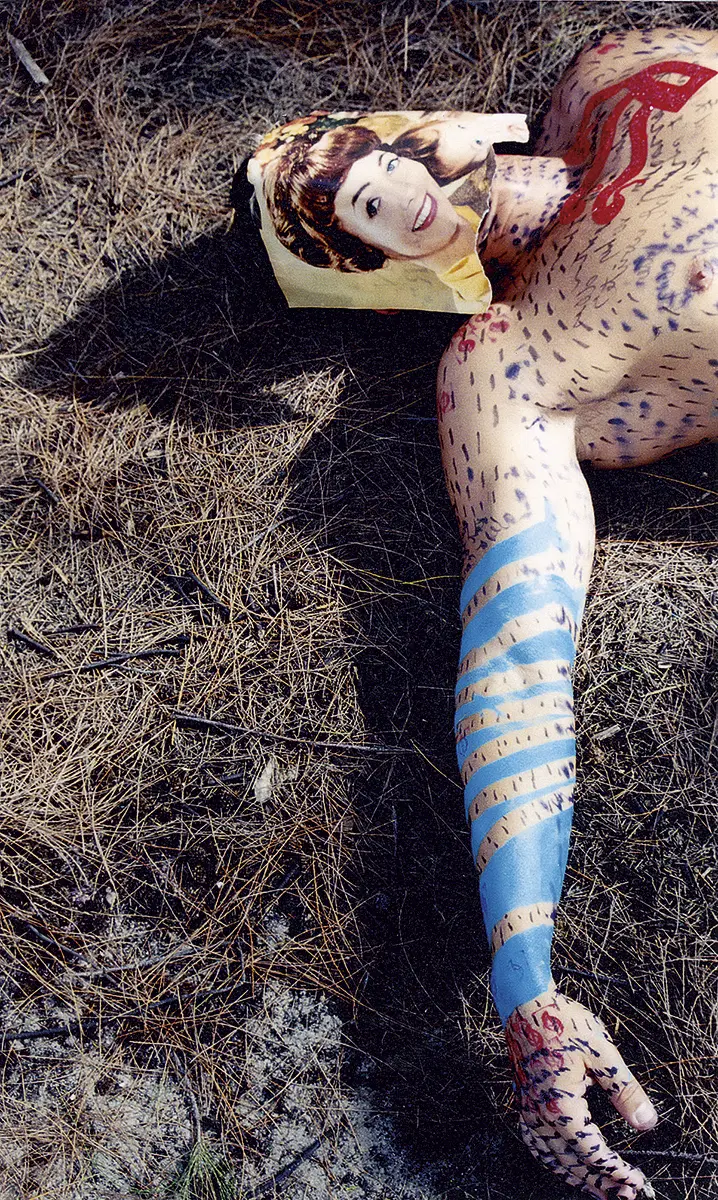
Juan Ruiz (Venezuela) brought an interesting group of photographs by Patricio Reig that was an allusion to memory as documented through personal objects such as photos and letters. It is impeccably produced, with highly poetic features. Colectivo de Arte en Memoria was featured at Galería Isabel Aninat (Chile) and its work also alluded to memory, with photographs of the process of erecting and destroying a wall in front of the kneeling figures of two young women. Teresa Aninat and Catalina Swinburn sought to create an intervention in a space where, in addition to a physical presence, a place was left for traces and memories. The forcefulness of the photographs in the work of Carlos Betancourt, at both Diana Lowenstein (Miami) and Walter Otero (Puerto Rico), was impressive; it was recognizable in both spaces for its work with the body and with nature. In the latter gallery, it is important to mention the presence of Arnaldo Roche Rabell, who was also visiting the fair.
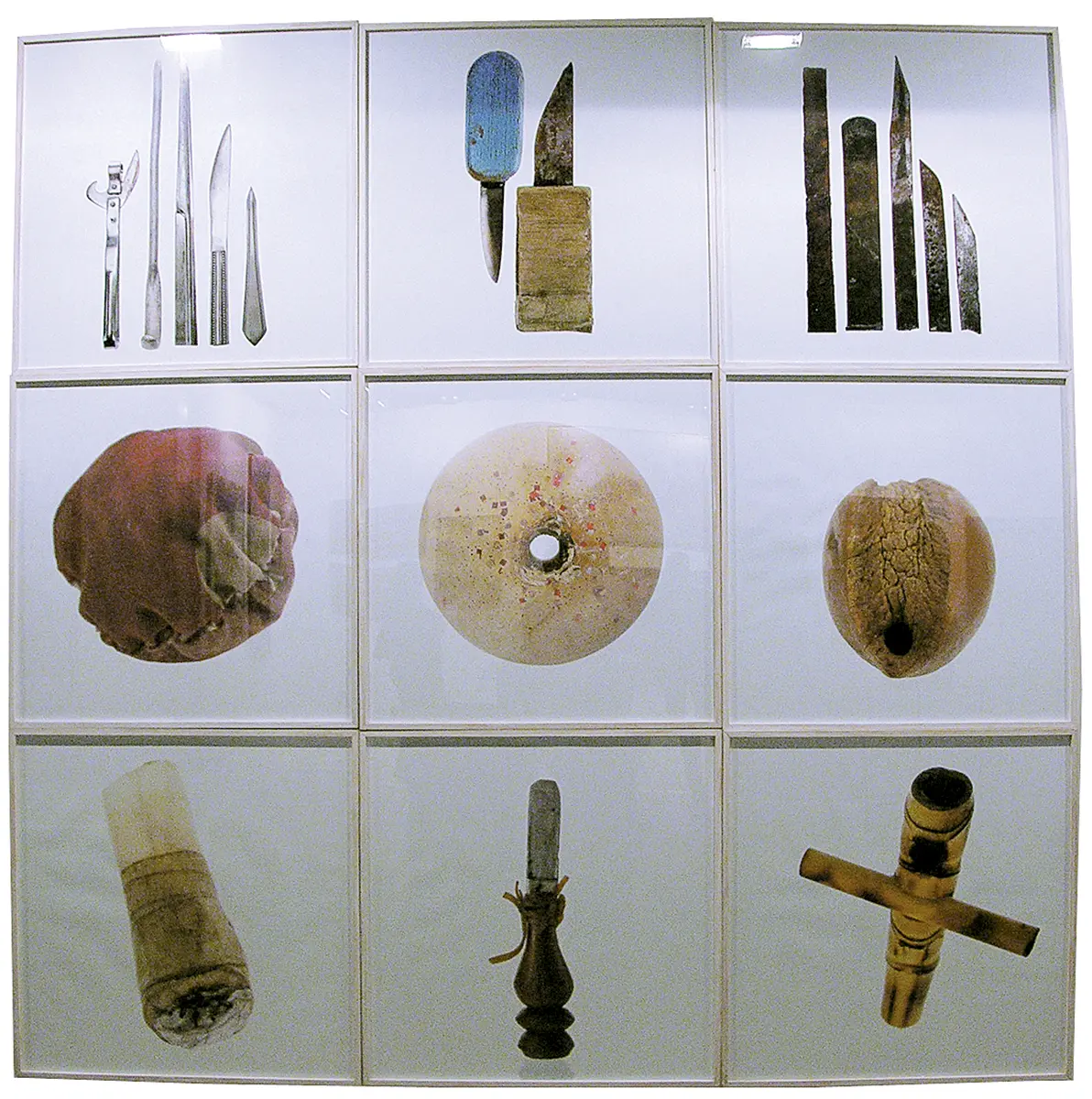
One of the most conceptually solid proposals was that of In Dubia Ttempora, presented by Miami’s Karpio Facchini Gallery. The project began when reporter María Montero visited the prison on assignment and met Jhafis Quintero, a convict who had begun rehabilitation work through art. Jhafis created objects clandestinely, and Montero began to recontextualize them, and she invited photographer José Díaz to document the work. The Latin titles and the description add new meaning to the objects created inside the prison as defensive weapons.
The high level of artistic quality was in evidence throughout the fair, in the work of artists such as Rochelle Costi at Brito Cimino; Santiago Rodríguez Olazábal at Bourbon Lally; Juan Rainieri at Aldo de Souza; Paul Jáuregui at Luis Pérez; Fernando Toledo at ArteConsult; and Rodrigo Cunha at Thomas Cohn, among many others.
It may be said that Arteaméricas has established its profile as a fair with a measured proposal, where one can certainly find excellent artists and galleries that complement the quality of the show with their presence, like Lyle O. Reitzel (Santo Domingo), The Americas Collection (Miami), Pan American Art Gallery (Dallas), and Kunsthaus Santa Fe (Mexico), to mention a few.
MARISOL MARTELL
Art historian, critic, and assistant to the editor of ArtNexus.