
The fact that the world seems increasingly smaller goes without saying. Paradoxically, however, the art world is becoming larger: events, exhibitions, museums, publications, galleries, and of course artists, proliferate, which does not mean that the variety of art offered (and I don’t choose this term gratuitously) has increased. If some years ago there still existed remote spaces where the processes of creation and artistic systems tended toward immediate contexts and strategies that were diverse and customized, today it is increasingly difficult to find a space untouched by the tentacles of the mainstream, which at any rate completely eclipses the ones that do exist. Such is the price we pay for the information age and for the gradual but unstoppable socialization of contemporary art, an art that has ceased to be the privilege of cultured elites to become a fashionable product, a lifestyle.
Like all commercial products, art —and I am not talking only of the work of art, but the whole apparatus of promotion, diffusion, and criticism that envelops it— places itself within the reach of many, but at the cost of reiteration and mass-production. Thus, if up until very recently it made sense to attend a variety of group shows and art fairs to acquire a broad perspective on what was happening within contemporary art, today such visits are as repetitive as reruns of old TV shows. One never tires of seeing again the best works and artists; others, however, will only prove that they have nothing more to offer; and we devote our time to revisiting the known figures and items while we wait for better programming.
The Basel art fair belongs to the category of those things that are known and good: as always, an excellent selection of artists and works, the majority of them of unquestionable quality, but repetitions nonetheless. This situation is exacerbated every two years when the Basel event coincides with the Venice Biennale, which turns the former into a kind of shopping outlet for works signed by Biennale artists. It has been mentioned in previous reviews of this fair that one of Art Basel’s main virtues is the fact that it approaches the art market without hypocrisy, idealism, or false expectations. The Basel fair epitomizes commerce in its purest state, and precisely because of this it is important to point out that the feelings of dejà vu obey, in large measure, the demands of the marketplace. This is to say, as, in many other facets of the capitalist system, it is not a variety of artistic production that the art market wants; rather, the market demands a certain kind of work, certain signatures, certain presentations, etc., and in consequence determines what we can see at fairs like this one, where this process is presented in a transparent fashion. In this context, and despite the many economic crises that the world is supposedly going through, this year’s Art Basel was once again an absolute commercial success. I personally saw a booth change its configuration three times in order to respond to the collector’s demand. We are once again witnessing a period of art fever that would require rigor and discrimination to survive in other spaces —museums, publications, criticism, education— but that effort is not evident at the fair. This year we encountered a parallel fair that, clearly and with some justification, seeks to take advantage of the influence of an event like Art Basel.
For a number of years, the Basel event was complemented by the Liste Show, an alternate fair for young galleries to acquire experience. The character of this mini-fair possesses the right amount of transgression and a high dose of freshness, and indeed it was a perfect, unobtrusive complement for the economic and historical heavy-hitters at Art Basel. This year, though, the Volta Show joined the roster of events, with twenty-three galleries from ten countries in a fair that, according to its organizers, has been conceived as a platform for the presentation of renowned international contemporary art galleries whose artists represent positions that are new and relevant for curators, collectors, and art enthusiasts. This includes good, well-known galleries that are nonetheless unable to gain access to Art Basel (it would be difficult to believe that they declined an offered slot). The effort is laudable, but it does emit a certain opportunistic aroma; the quality of the proposals seen at the Volta Show was for the most part unimpeachable and there were many interesting things, but it doesn’t stand to reason that a city like Basel and an art system that is already saturated will be able to support yet another fair with its special events, parties, performances, and other complementary activities. The idea of having a medium-scale fair, less institutional and with greater control from the galleries themselves, does not seem absurd, and in fact, it works relatively well in other instances (MACO Mexico is one of them), but to attempt this under the shadow of Art Basel seems too much. This, of course, doesn’t affect the commercial realm, and in fact, the Volta Show achieved great commercial success and was a hit with the public, especially those tireless collectors who will not miss the latest novelty, perhaps with the hope of being surprised by something really different. Among the highlights here were Enrique Guerrero Gallery, particularly with José Dávila’s photographs and Enrique Jezik’s drawings; Spencer Brownstone with works by de Zilla Leutenegger, Mathieu Mercier, and Ian Burns; and Espacio Mínimo with work by Erwin Olaf; Art Core, and the Japanese gallery Taro Nasu.

Meanwhile, at Art Basel, a potent conservative marketplace is coming into its own, pushing for the consolidation of a group of artists that were new a few years ago while conferring the status of Great Master to the main representatives of art in the second half of the twentieth century: Beuys (at Werner Gallery, one of his celebrated blackboards was protected by an acrylic sheet), Warhol, Manzoni, Rauschenberg, or Twombly occupied the place of Picasso, Miró, or Chagall. Conceptual artists are also gaining a space of their own in a marketplace very much capable of digesting it all, and more often we found seemingly impossible-to-sell pieces by Robert Barry, Stanley Brown (both at Yvon Lambert), Hamish Fulton, Sol LeWitt, or Richard Long, the last two represented by more than ten galleries each. Daniel Buren, Joseph Kosuth, and Long presented large installations at Art Unlimited. One of the fair’s best pieces —perhaps the best— was Bruce Nauman’s Plaster Steps at Donald Young Gallery, confirming that the 1960s generation of conceptual artists had a solid project against which a large portion of recent works appears derivative, at the very least. Among them, we can mention the lesser-known but extraordinary Icelandic conceptual artist Kristjan Gudmundsson, who had several pieces at Anhava. Galerie Scheiber displayed Öyvind Fahlström’s impressive 1967 collage Life Curve n°1 Ian Fleming, undoubtedly a museum-quality piece.
In terms of painting, it was possible to see a magnificent Helmut Federle at Nacht St. Stephan Gallery and some very interesting pieces by Clay Ketter at Sweden’s Brändstrom & Stene, such as Dead End, a large piece representing a sort of urban grid built using unfolded doll houses. One of the most spectacular pictorial works at the fair was Loschaug, an installation by Pia Fries presented at Art Unlimited by Nelson and Mai 36.
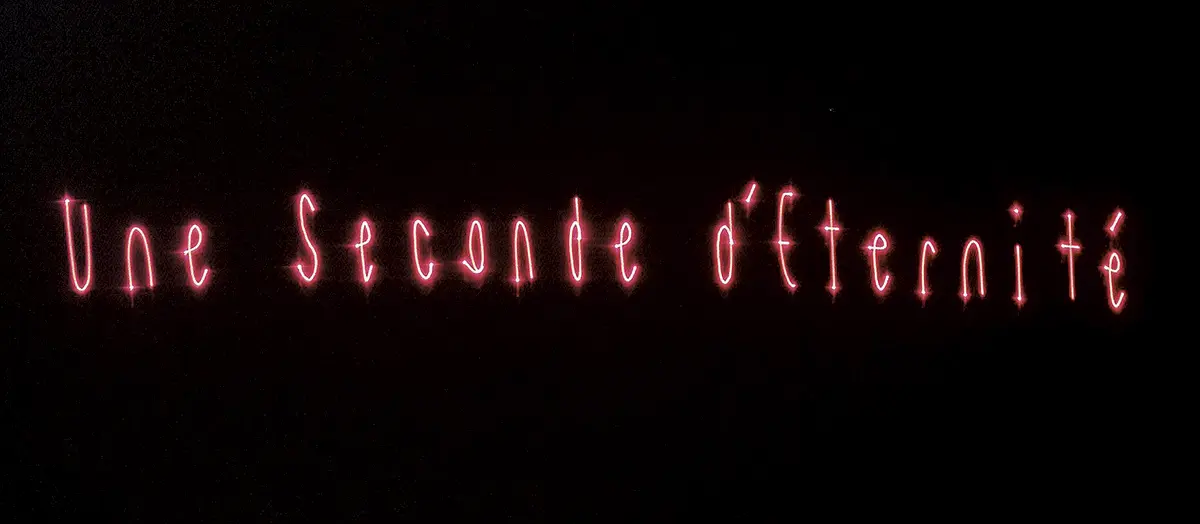
Among the more recent works, Thomas Ruff’s new series of “pixelized” photographs represented a refreshing and ironic turn on the fate of contemporary photography but, apart from this, his work didn’t offer any great novelty. Especially outstanding was a marine scene at Johnen + Schöttle. This acidic vision of the art system was also widely represented in works by Jonathan Monk at Wallner, Meyer, Riegger, and Yvon Lambert, especially the ephemeral laser projection presented at the latter, Une seconde d’eternité. Another one of contemporary art’s great jokers, Gianni Motti, presented Mani pulite, one of the fair’s most widely commented pieces, at the Ars Futura/Von Senger Gallery: a bar of soap made, as we were informed by the explanatory note, using fat extracted from Silvio Berlusconi is one of his liposuctions.
The presence of Latin American artists also served to consolidate the group of artists with a greater pull on the international scene. Carlos Garaicoa was represented at Luisa Strina and with an installation presented at Art Unlimited by the Italian gallery Continua. Strina also had some ladders by Cildo Meireles, seen in Venice. Stephen Friedman Gallery once again installed a participatory piece by Rivane Neuenschwander, comprising blackboards painted on the booth’s exterior walls, on which visitors were able to write or draw, while Fortes Villaça offered a more discreet but magisterial piece: Mapamundi BR, which, proudly displaying Neuenschwander’s attentive and poetic vision of the world, invited us on an imaginary tour around the globe without crossing Brazil’s borders. This space also presented some of Beatriz Milhazes excellent collages. Antonio Millán Gallery brought, among other things, an excellent selection of Mira Schendel’s works.
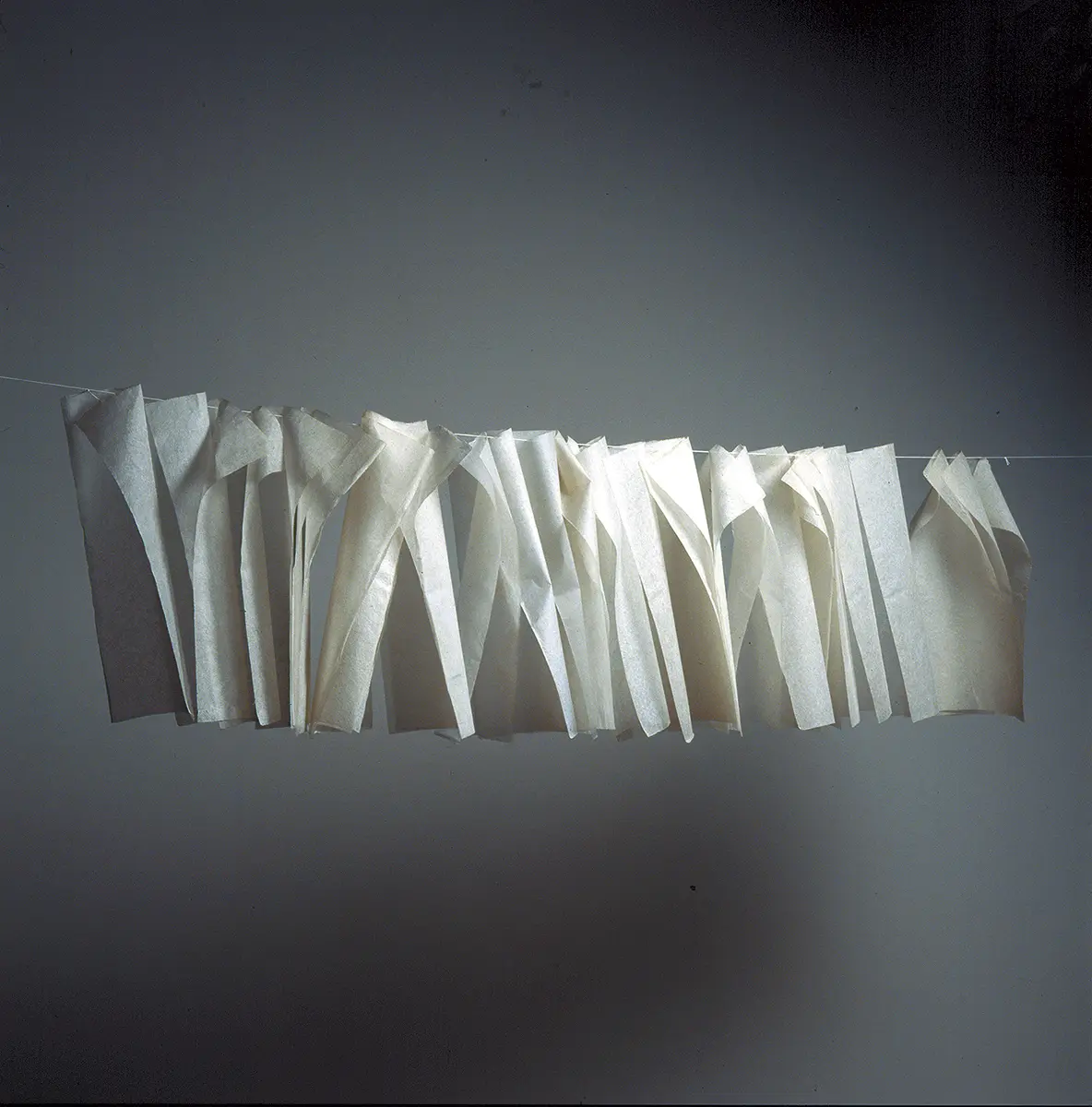
For its first participation in the Art Basel gallery program, Kurimanzutto had a discreet presence with some small, seductive pieces by Gabriel Orozco on the topic of soccer, as well as a spectacular table by Damián Ortega (who also had worked at Fortes Villaça and White Cube). OMR presented a wide selection of works by its usual artists, among which some highlights were Rafael Lozano-Hemmer’s digital images and Raúl Cárdenas’s and Torolab’s complex socio-culinary project, presented as a gastronomic performance that was held during the day and was devoted to professionals. Helga de Alvear Gallery presented the audio piece created by Santiago Sierra for the Venice Biennale, alongside photographs of his intervention in the Spanish Pavilion two years ago, while Zwirner & Wirth recovered older works by Francis Alÿs, from the series The Liar, the Copy of the Liar. Chantal Crousel presented photographs by Allora & Calzadilla, and White Cube did the same with pieces by Doris Salcedo.
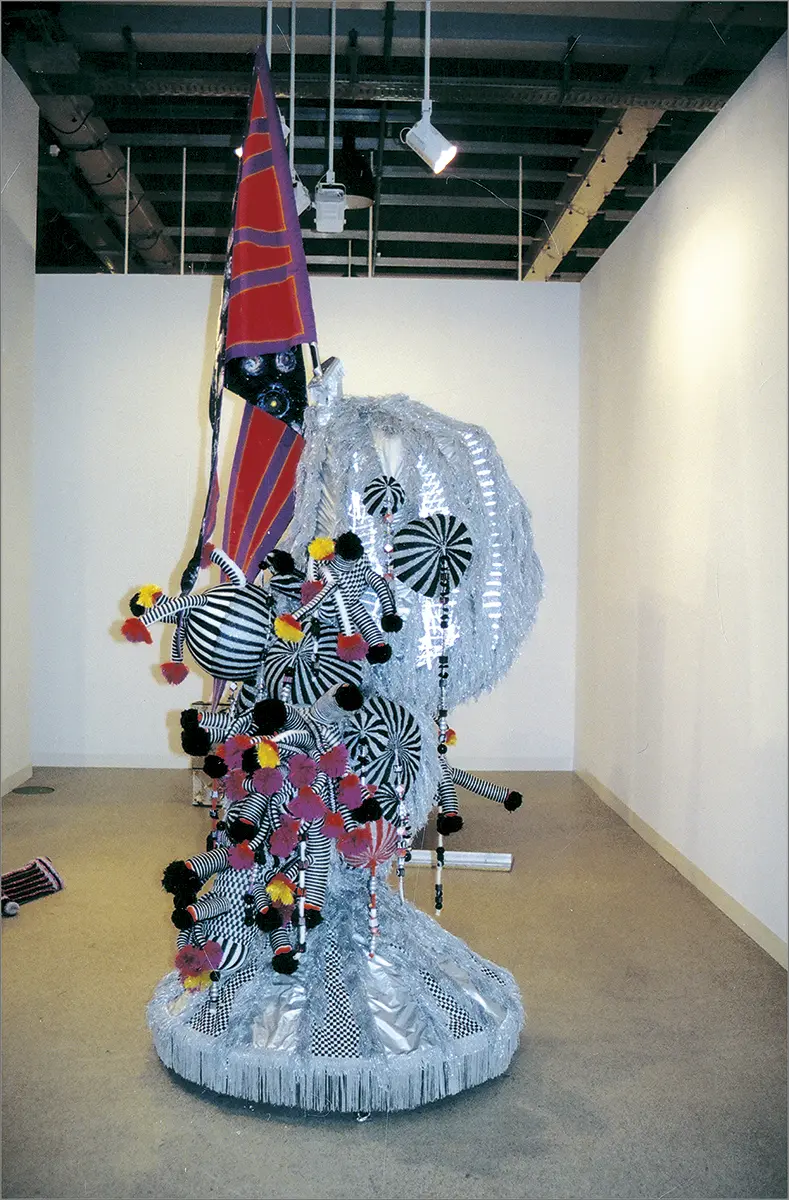
This year’s selection of artists was not very innovative, and, following the arguments developed at the beginning of this review, the most conservative aspects of the marketplace were clearly manifest. Hence, the feeling of dejà vu was even more noticeable than in previous editions. Even so, there was room for a truly radical, genuinely honest, and straightforward piece: Rirkrit Tiravanija closed down the booth of the Berlin gallery Neugerriemschneider, leaving open only an arch that he later closed using stones placed as a wall. On one of them he had written, in tiny letters, the phrase ne travaillez jamais (“never worked”). The gallery had arranged with the artist that they would not come to the fair and even refused to answer their cell phones during its duration (undoubtedly provoking anxiety attacks in more than one collector ready to buy this piece). It is impossible not to note the gallery’s willingness to pay for such an expensive and desired space as this, only to not occupy it. It must have been liberating. Lastly, it is worth mentioning American Jim Drain –who works with sculpture objects made with diverse materials questioning consumerism and the culture of celebrities– and British video artist Ryan Gander, both winners of the seventh edition of the Baloise Award.
ISSA MARÍA BENÍTEZ DUEÑAS
Art historian specializing in contemporary art and art theory. She is currently a doctoral candidate at the Universidad Carlos III in Madrid.