
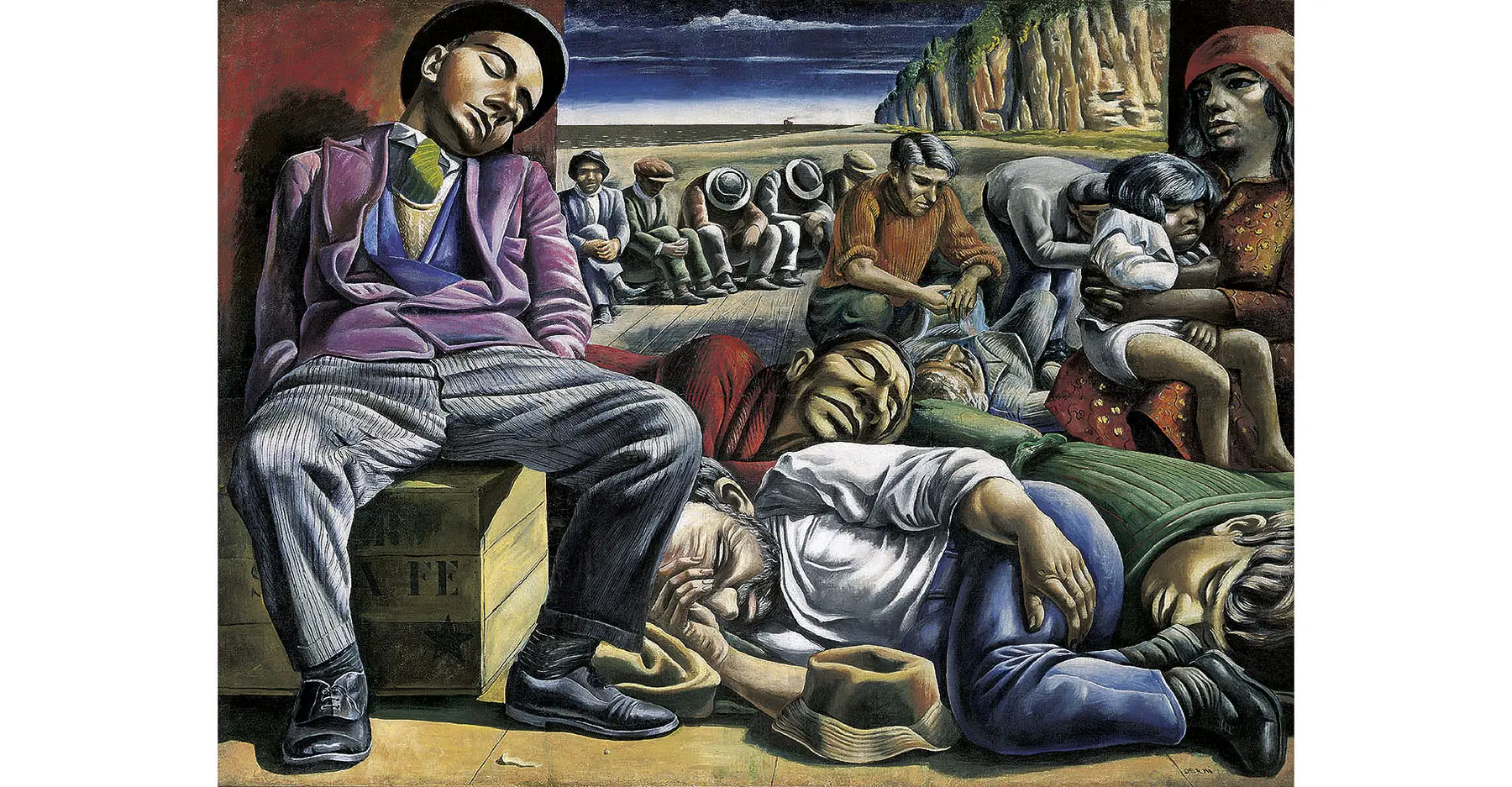
Berni is considered one of Argentina’s most representative artists. A prophet in his own land, he is the highest-valued Argentinean artist in national and international art markets.
The exhibition Berni y sus contemporáneos, Correlatos (Berni and his Contemporaries) presented at Malba-Colección Costantini, is the start of the celebrations scheduled for Antonio Berni’s one-hundredth anniversary (Rosario, 1905–Buenos Aires, 1981). The nation’s Secretaría de Cultura, the Universidad de Buenos Aires, the Academia Nacional de Bellas Artes, and a number of other institutions —even the Argentinean postal service unveiled a commemorative stamp— are driving forward a memorial program to position the artist and his work firmly in the country’s imagination.
Thanks to his talent and his aesthetic interests, Berni is considered one of Argentina’s most representative artists. A prophet in his own land, he is the highest-valued Argentinean artist in national and international art markets. In 1995 Desocupados (1934) changed owners at Galería Ruth Benzacar in Buenos Aires for $800,000 US.
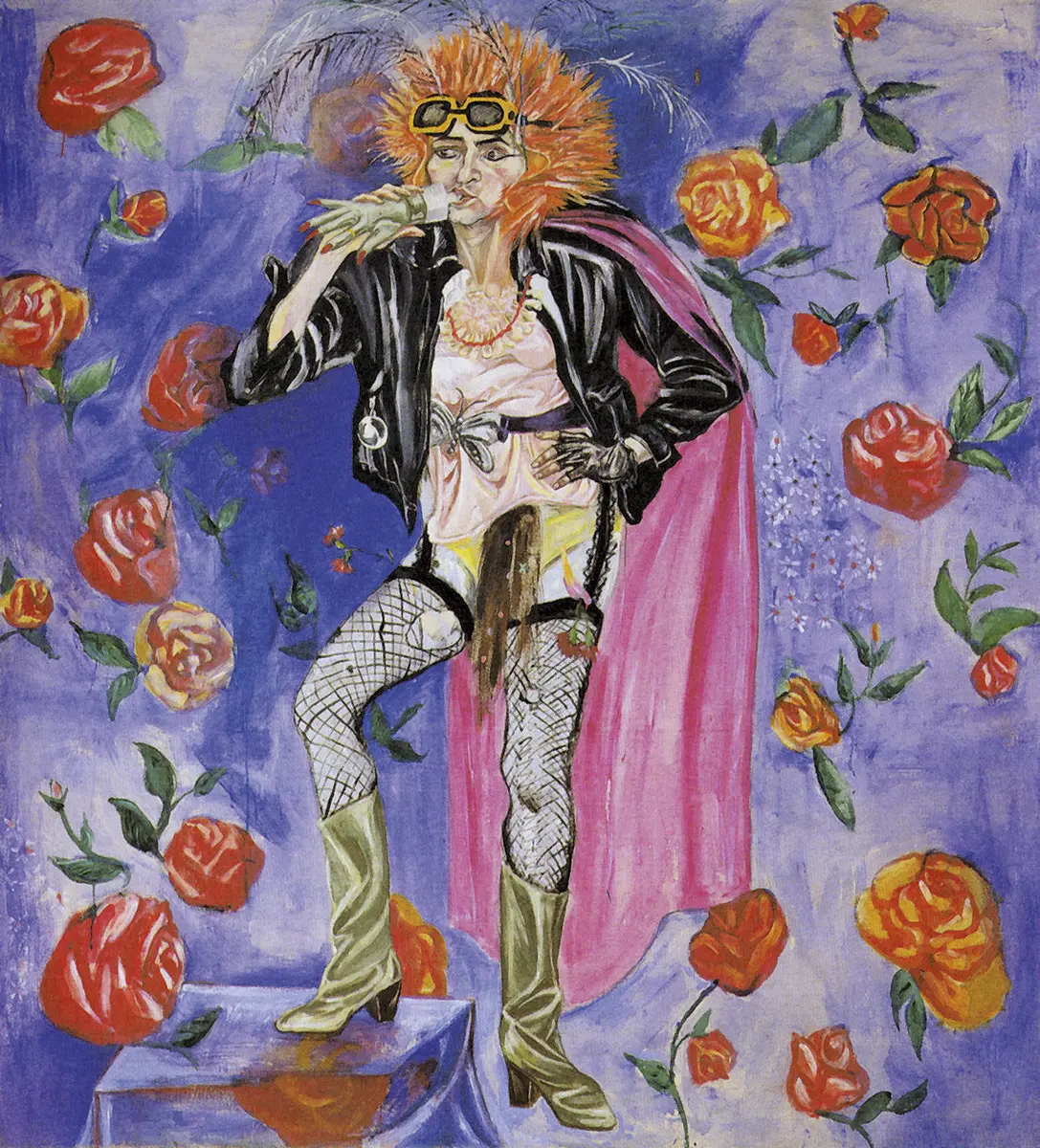
The exhibition includes 100 works: 50 by Berni and 50 by 19 other artists —Ernesto Deira, Luis Felipe Noé, Antonio Sibellino, Rómulo Macció, Raquel Forner, Emilio Renart, Libero Badii, Norberto Gómez, and Jorge de la Vega, among others– engaged in a fluid dialogue. Besides exploring the artist’s creative trajectory during a large portion of the twentieth century, this informative show curated by Adriana Lauría offers an opportunity to verify the inner freedom that always characterized Berni and to learn of his varying degrees of affiliation and filiation.
The tribute includes works from 1932 to 1981 and covers all the periods of his career, from the Modernist period of the early 1930s to the neo-expressionist period right before Berni’s death. Specialists are well aware of this, but it is only through this show that the general public will realize that Berni’s universe comprises much more than his famous socially oriented works of the 1930s. The public can also see clearly that his energetic work alludes to much more than the popular urban archetypes he invented around the 1960s: the boy named Juanito Laguna and the seamstress, later a prostitute, Ramona Montiel. The artist’s gesture was also highlighted by his use of everyday refuse materials that are as marginal as his protagonists.
The visibility gained by these characters and their poverty-stricken environment was unexpected, given that no one in the “big city” at the time saw them or took them into account. In that sense, we can say without paternalism and without blushing, that Berni is the artist of the cartoneros (as informal scavengers/recyclers are known). When, more than forty years ago, Berni imagined the stories of Juanito and Ramona, no one expected the public situation in Argentina to go so badly that we would find these workers at the door of our houses every night.
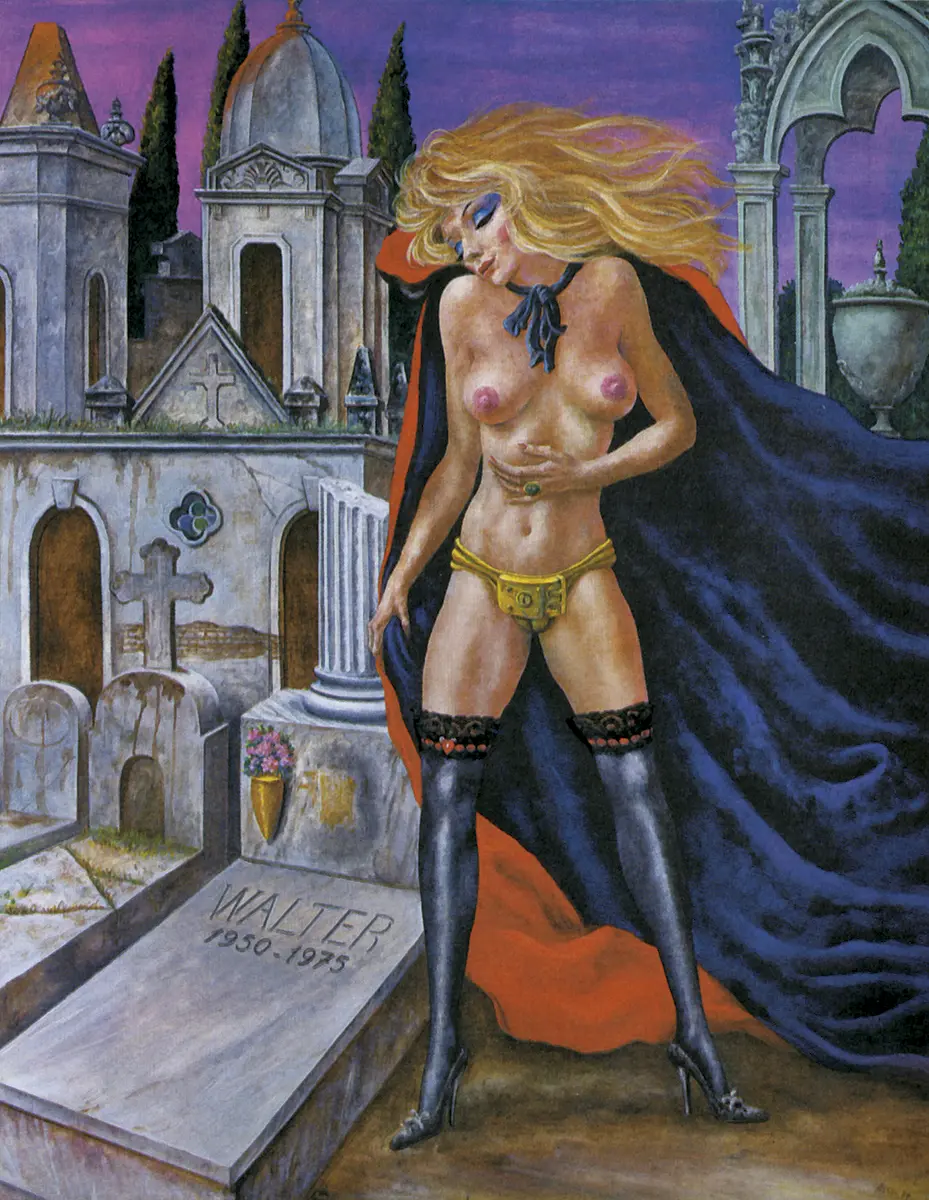
As his friend gallery owner Ruth Benzacar has said, “Berni allowed himself a constant quest, unattached to rigid codes in an open and fruitful process. He was a large-looming artist, and the common denominator is that Antonio Berni comes through the apparent multiplicity of his work, which can go from figurative to surreal, may adopt the banners of social realism, explore expressionism, and find marvelous expression in printmaking.” Today, the whole of Berni’s work —painting, inks, prints, collage, and objects— is celebrated for its creative capacity and the humanity it projects. The different pieces in this show cover the whole range of his social, political, metaphysical, and poetic interests.
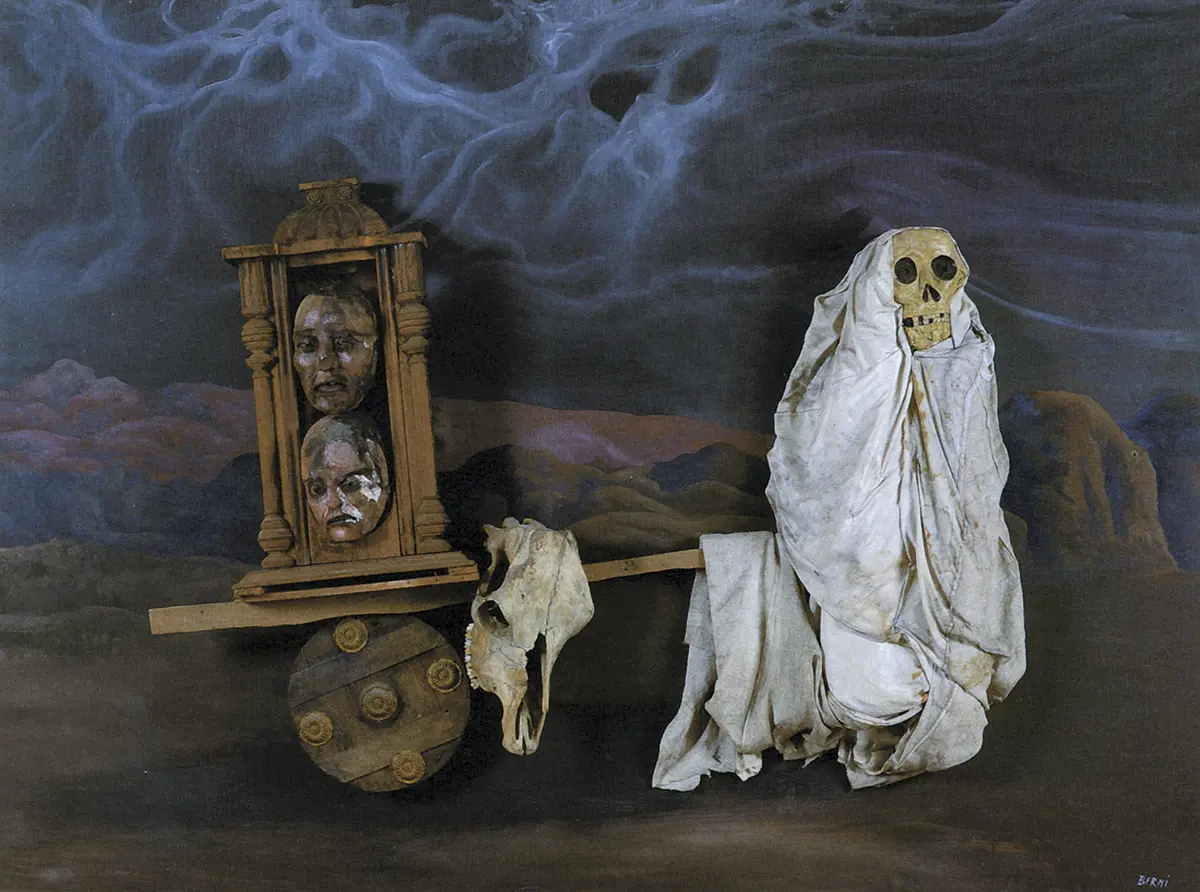
The curatorial thesis of Berni and his Contemporaries divides the trajectory of the show into eleven subsets: "The Avant-Garde Spirit;" "New Realisms;" "Splendor and Melancholy: The Human Figure;" "Hard Life: Emma and Ramona;" "Meanings of Matter; Neo-Figurations;" "Monstrosities;" "The Triumph of Death;" "Contemporary Calvaries; Body, Sex, and Marginality;" and "Under the Same Sky." All of these sections, some more well-rounded than others, have Berni as their axis.
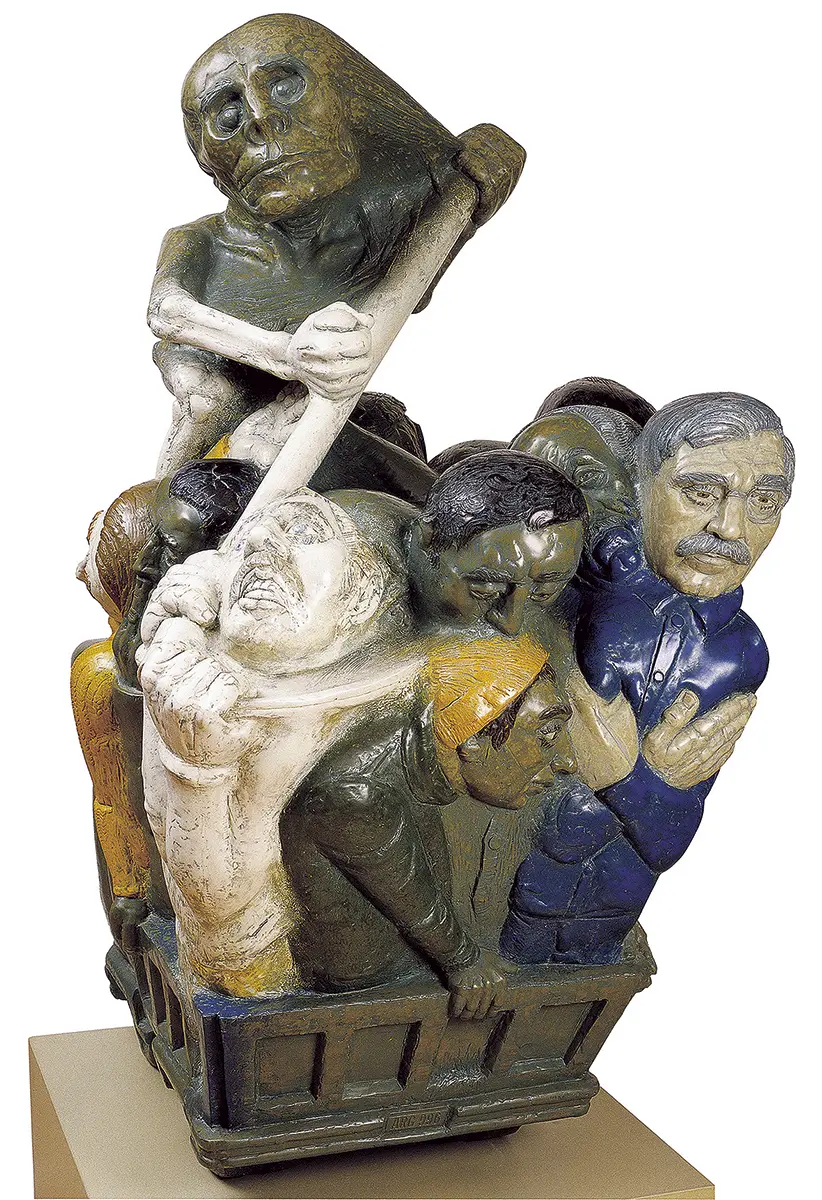
There are many great findings here, such as an extraordinary point-counterpoint with Lino E. Spilimbergo that includes several analogous paintings (Berni’s Retrato of 1939 and Spilimbergo’s Retrato of 1936) and a series of engravings around Breve historia de Emma (1936), with Emma, a prostitute, and a marginal figure who evidently was the basis for the Ramona saga, as its protagonist. Equally effective and felicitous is the confirmation of the connection between Berni’s work and Mario Pucciarelli’s paintings, Kenneth Kemble’s collages, Alberto Greco’s works in ink, and the sculptures of Juan Carlos Distéfano’s and Alberto Heredia’s.
Among the obligatory comparisons is the situation imposed by the presumed similarities between Juan del Prete’s abstractions and Berni’s surreal/metaphysical painting. But after a short time in the show, we find two pieces (La metamorfosis del pájaro azul (1932), a painting by Berni, and Sin título (1933), a sculpture by Del Prete) that do indeed converse formidably. In the same vein, a strange relationship is established with the paintings of Oscar Bony. Marcia Schwartz’s works of 1986 and 1989 appear in correlation to Berni’s, but in this case, there is no parallel since Berni passed away in 1991.
Although the introduction to the show makes it clear that it does not aspire to deal in absolutes or biographical torch passings, it must be noted that the presence of works by some of Berni’s colleagues, those with whom he dreamed and developed joint projects, such as the murals at Galerías Pacífico (in Florida street, Buenos Aires) would have been welcome, among them, Juan Carlos Castagnino, with whom Berni shared a workshop for a while. It was precisely alongside Castagnino and Spilimbergo that Berni collaborated with Mexican artist David Alfaro Siqueiros in 1933 for the historic mural titled Ejercicio plástico.
A central figure in Argentinean art, Berni is also recognized internationally, in Europe, Latin America, and the United States, where his work has been exhibited at various institutions and under many circumstances (The Museum of Modern Art in New York City owns his outstanding Club Atlético Nueva Chicago, 1937).
In 1962 Berni received a prize in the Venice Biennial for his engravings of the figure of Juanito, his family, and his environment in Flores. These are the works Marta Traba exhibited in Colombia in 1965, at the then-young Museo de Arte Moderno de Bogotá. They were also the subject of an individual show at the Museo de Bellas Artes in Caracas in 1977, where it was criticized in political, rather than aesthetic, terms. In recent years, Berni’s work has been included in large shows of Argentinean and Latin American art such as Cantos paralelos (1999) and Utopías invertidas (2004) circulated throughout the world.
This show, which confirms that Berni always kept the best company, is complemented by a 220-page bilingual Spanish-English, catalog.
VICTORIA VERLICHAK