
In this year’s edition
of FIA, 12 foreign galleries and 16 galleries from the host country came to
Caracas’ Tamanaco Inter Continental Hotel from July 6 through 11 in order to
present, to the local and international public, the work of their artists. An
impressive selection of works by established names and by some young talents,
analyzed by the gaze of the gallery managers and chosen with collectors’
expectations in mind, was the stimuli that attracted a large number of
visitors. As parallel events, FIA had: the 7th CANTV Young Artist’s
Salon, at Corp Group, and the 4th Iberoamerican Photography
Conference, held in two spaces, at Sala Mendoza and Chacao Cultural Center.
Also, the FIA-Trasnocho Exhibition Park and FIA-Virtual, all under the
direction of well-known curators, showed the work of emerging artists. Present
in the publications booth were ArtNexus,
Arte al día, the Venezuelan Visual
Arts Bibliographic Dictionary, the Narváez Foundation (ready to celebrate
Francisco Narváez’s 100th Anniversary,) and Mundo, from Colombia.

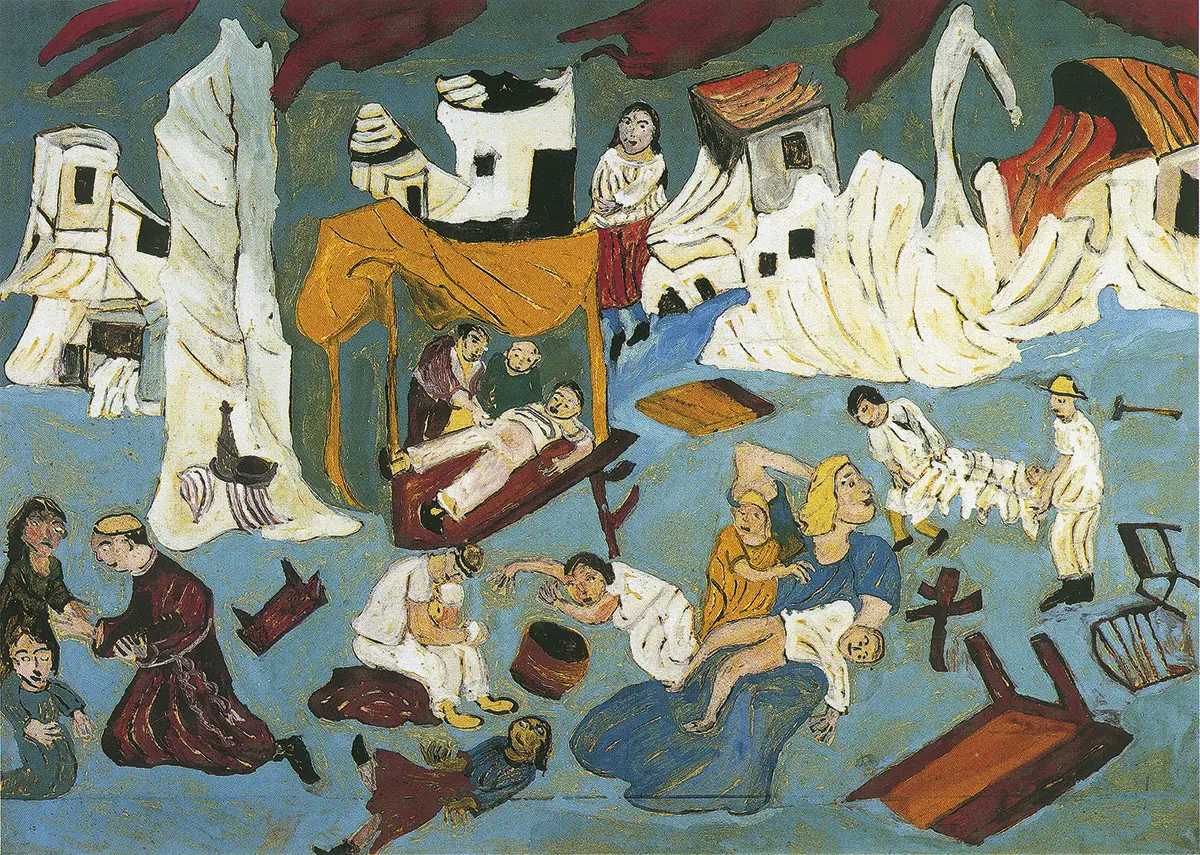
It is important to underscore the presence of private institutions like Panorama Italiano, which gathers the contributions of artists of Italian origin, such as Domenico Casasanta, Paolo Gasparini, and Nedo, to Venezuelan art; as well as other important organizations who have given crucial support to visual artists and to the cause of cultural promotion. Bárbaro Rivas’ extraordinary exhibition, representing the curatorship of Arte Mercantil; some of the essential pieces from the great Cisneros Foundation collection; the small but highly significant selection of ceramic works from the collection curated by Roberto Guevara in the 1980s for Corporación Telefónica —all of these conferred special status to the fair, a special value derived not only from the exceptional character of the works on exhibit but also from the rigor and professionalism with which these collections have been put together. In that sense, they become models, essential points of reference for collectors in Venezuela.
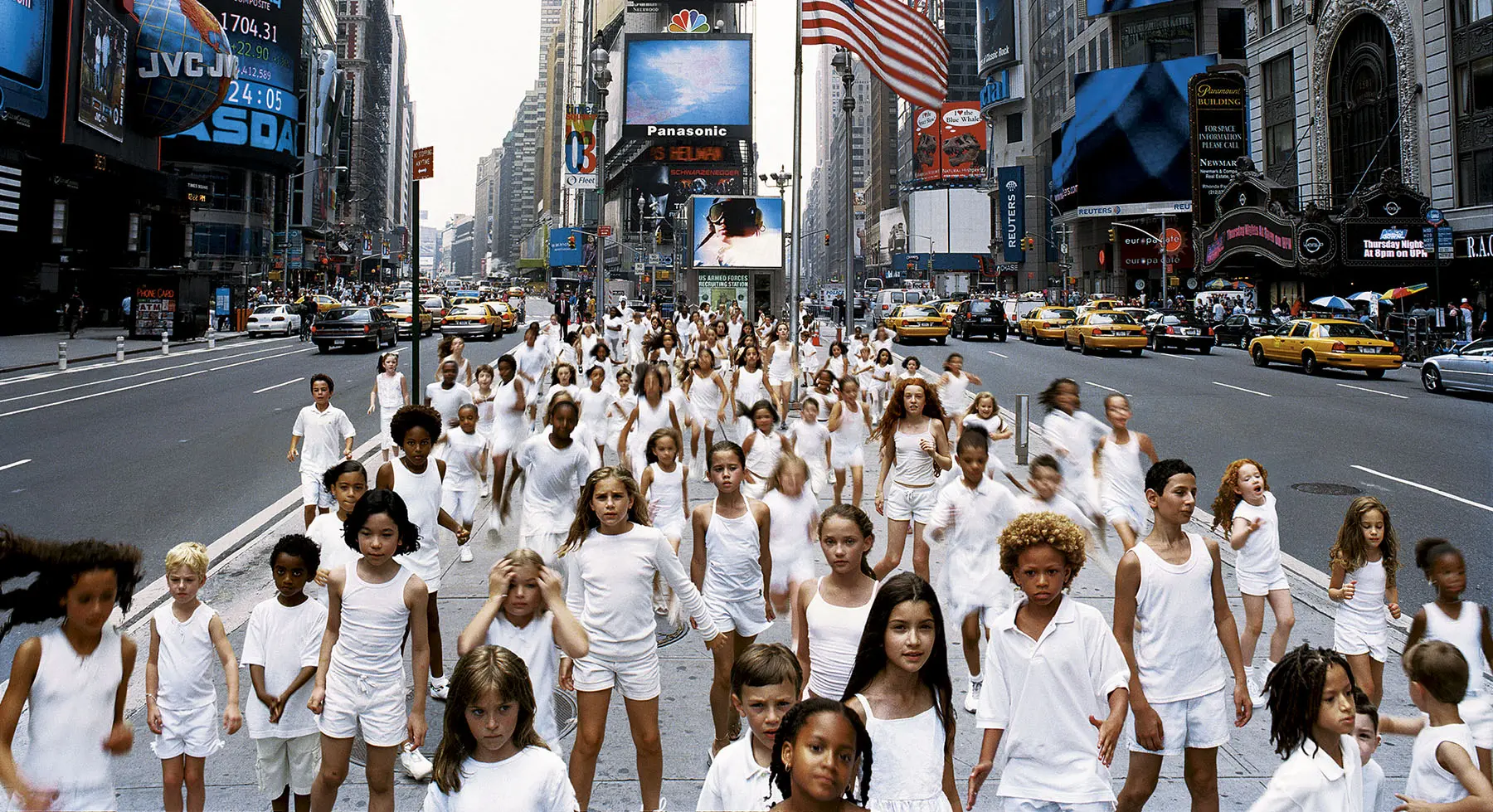
As its special guests, the Iberoamerican Fair proposed Venezuelan sculptor Lía Bermúdez and Argentinean photographer Marcos López. The nomination in itself was already a well-deserved tribute, and its justification was evident, both have made a means of expression out of the language of art, their proposals open, so to speak, the fair. In that crowded selection that left no room for surprises, the works of the great Latin American masters remind us of the contributions made by this part of the world to universal art: Reverón, at Arte Ascaso; Sergio Camargo, at Espacio Arte/Gabinete de Arte; Cruz-Díez, at Graphic Gallery; Negret and Ramírez Villamizar, represented by Luis Pérez Galería; and Jesús Soto, by Joan Guaita Art, take us on a tour of the consolidation of Latin American modernity as an artistic language and demonstrate why they have achieved international recognition.
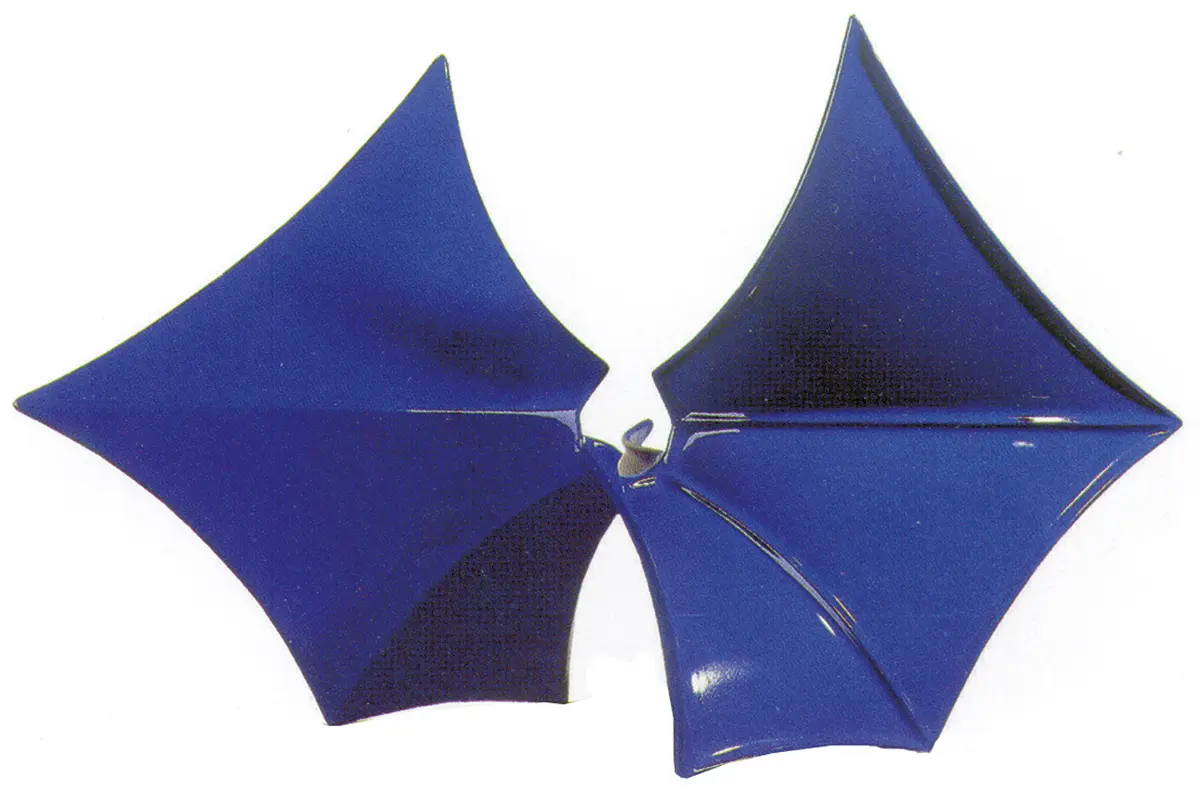
One thing was evident at this Caracas event: the visuality that categorizes modalities and expressivities move, within the stage that is the art market, in a space delimited by the modern tradition and contemporary creations that tend towards the stable character granted by collective acknowledgment. Seen as a large exhibition, we find that FIA was dominated by the paradigmatic schools of the Twentieth Century: Figuration and Abstraction; and, in a way, the proposals of the honored artists confirm this perception. In Lía Bermúdez, abstraction responds to a process of reflection around other ways of expressing reality, and it gains concretion in geometric shapes filled with sensibility, lucidity, and passion for the constructed. Marcos López is interested in the human figures with a protagonist role, present in multiple situations and experiences as the focus of a nomadic ritual, the protagonist of moments that are, if you will, rhetorical, expressions of everyday life that he seeks to transcend.
Contained within that axis we have acknowledged as regulators of the activity of fair artists, that painting as a two-dimensional modality had a large presence, while photography was there in a more discreet fashion. On their part, constructed objects, be they figurative or abstract, are there to represent three-dimensionality; other contemporary means of expression, such as video art, were not on view; digital art appeared with a single piece, Andrés Michelena’s at Projects Gallery. The reason for this noted absence seems obvious: these languages are yet to capture the interest of collectors.
In the first vector, that of figurative art, the human image monopolizes the attention of artists and galleries. This millenary motif, argument, medium, and essential form of representation in artistic expression, appears from the individual to the collective, dominating space or immersed in it, be it a real location or one that has been recreated with intention. Between Marcos López’s characters, shrouded in a somewhat degraded high-fashion atmosphere, regardless of the situations they might be in —an autopsy, a naked couple like a modern-day Adam and Eve—, and Roger Montegani’s affected characters, or Javier Peláez’s delicate female forms of languid gaze at Praxis México, any difference is established by the pictorial or photographic medium; in every one of these cases, what we have are representations of real characters immersed in manipulated narratives, in the same way, AES + F Group manipulates multi-racial children and young people march along New York City’s 5th Avenue, at Juan Ruiz Galería.
Some less realistic representations of the human figure are those by Frank Hyder at Projects Gallery, by Carmelo Niño, and by two masters, Alirio Palacios and Cornelis Zitman, at Arte Ascaso. Other proposals linked to this interest in the human image are Carlos Sánchez Vegas’ portraits at Díaz Mancini; and the fragmented shapes of bodies, eyes, breasts, torsos by Harry Schuster and Gustavo Zajac at Okyo. The human transfigured was found in Alirio Rodríguez, Galería D’Museo; in Patrick Hamilton, KBK Art; and in Jonidel Mendoza’s interesting veiled figures at Artepuy, fleeting figures, figures that hide from the other’s gaze. In terms of three-dimensional proposals, the highlights are Zitman’s work, as well as Aurora Cañero, presented by Galería El Museo alongside Mariana Monteagudo, Jesús Fernández Peláez, and Juan Carlos Delgado. Cañero’s reinterpreted classicism shares common elements with the figures created by Elías Toro, at Da Vinci Art; and Monteagudo’s is an interesting variation on the theme, showing a disquieting series of dolls that are not really dolls; they are, rather, mutants, sort of small demons that have something human in them.
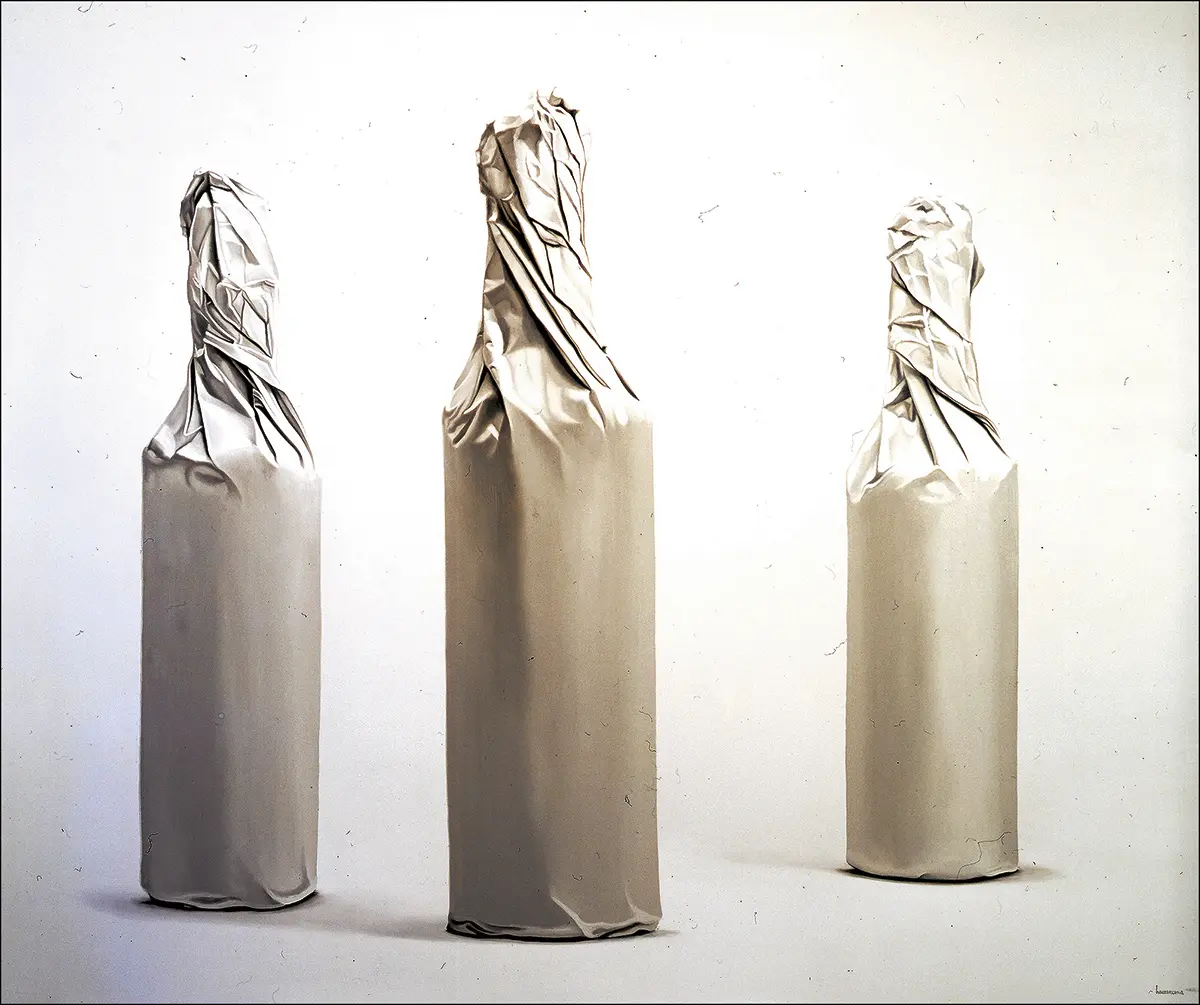
The built environment seen from a contemporary gaze that fragments, alters, and elaborates it on the basis of a critical image or through a manipulation that incorporates complex relationships between that environment and its inhabitants, is made evident in Alexander Apóstol’s digitalized photographs, at Sala Mendoza; blind constructions, closed to the presence of what is external to them, referring to a world that denies communication; and from a perspective that seeks to highlight plastic values in balance with the realities of the physical environment, we find it in the work of Lourdes Peñaranda, at Art Nouveau. Other works related to the nexus Man-Environment are those of Cuban artist Kcho, at Juan Ruiz Galería; Esteban Pastorino at KBK Arte Contemporáneo; and Muss Hernández at Graphic Gallery, his work, a kind of mosaic of photographic images in negative, posits for the viewer a realm of unsuspected relationships and suggestions on the basis of fragments of the world around us. Different gazes recreate the environment as an idealized stage, Antonio Scorches woodlands at Templarios; Chul Hwan Park’s oils on canvas; and Woo Myung Ae inks on Korean paper, at Bellarte. The reference to the real, expressed through the objects that accompany us in our daily lives, is present in Hugo Laurencena’s hyperrealist paintings, at Praxis Mexico; and in other forms of every day, like Ana María Nava’s iridescent glass dress, at Art Nouveau. Jesús Fernández, who also works with fragments of reality, puts in his boxes blurred images of an unrecognizable Caracas, situations that are trapped in nostalgia-fueled memories; while Juan Carlos Delgado uses his characters to hold on to memory, the unknown faces that emerge from his seals bespeak of an attempt to rescue the presence of those who have been left behind by the passage of time.
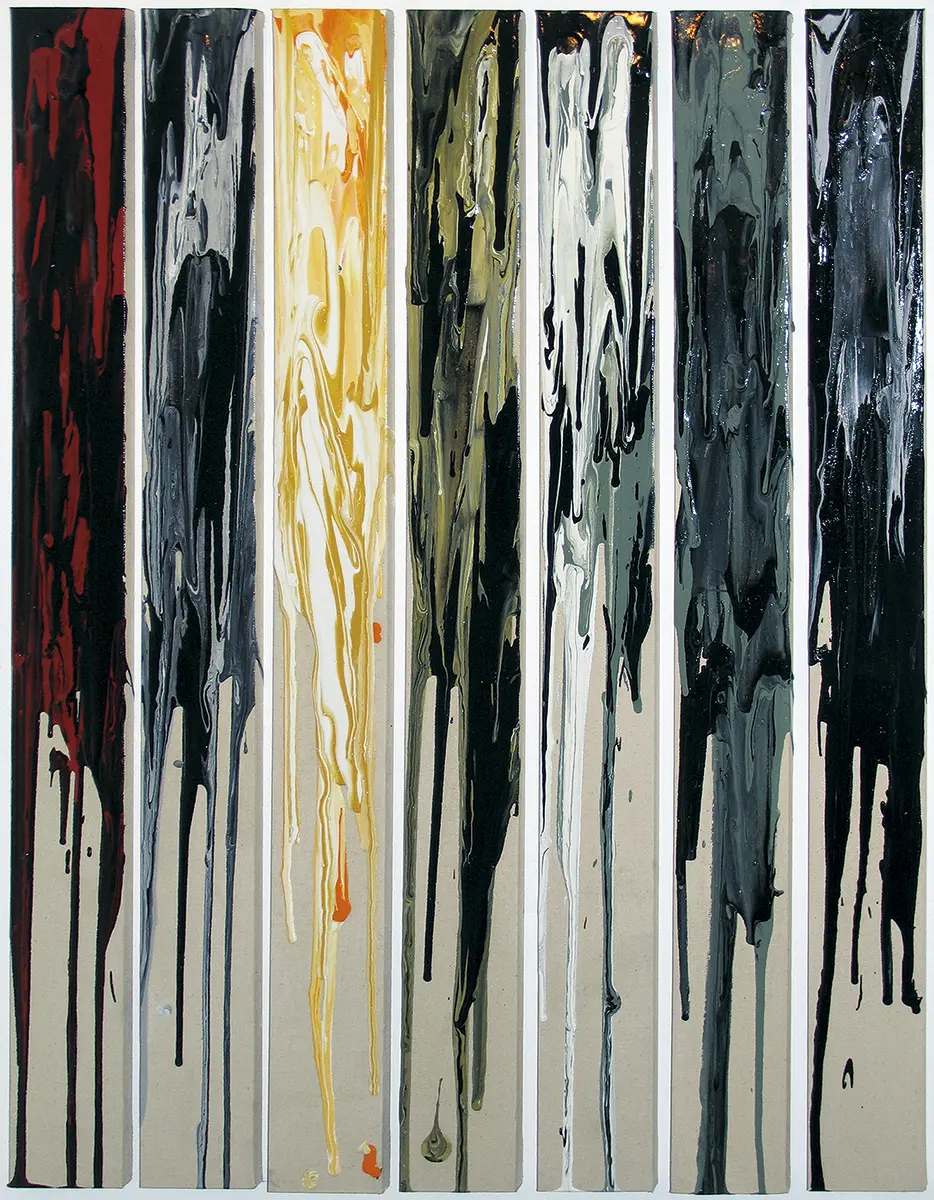
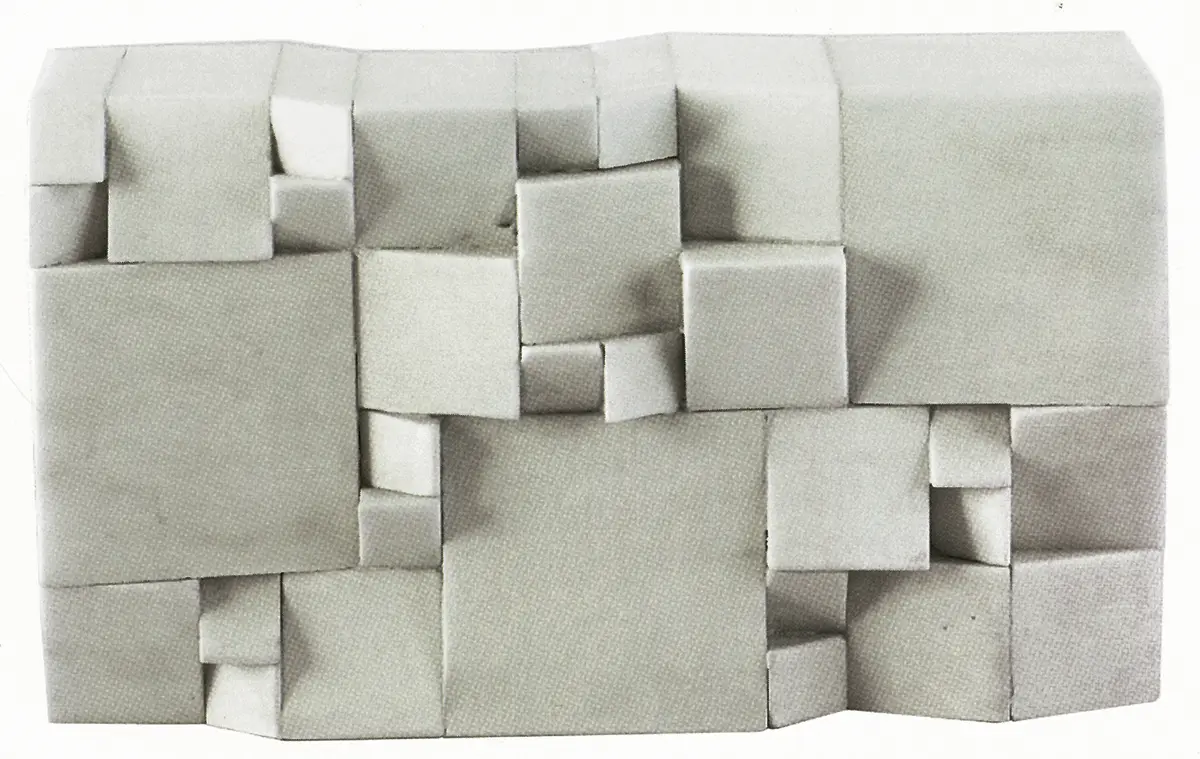
There are two bastions of abstraction, irreducible to figurativism: Arte Clave and Studio Soto. In the former, Juan Iribarren reigns alone; in the latter, Carola Bravo, Sigfredo Chacón, Joel Casique, and Gisela Romero share the space. All abstract proposals have in common their constructed character and are differentiated by the expressivity that articulates their components, each valuing different aspects. We can find subtle affinities between Celia Euvaldo’s forceful oil-on-canvas works at Espacio Arte/Gabinete de Arte, dominated by an interest in bringing to the fore the sensitivity of gestures, and Juan Iribarren’s warm creations, soft veilings that accentuate the poetic charge of color; also between them and the work of Susana Amundaraín at Díaz Mancini; Chacón’s dripping paintings, possessed of great plasticity; Romero’s chromatic organic abstractions; Carola Bravo’s suggestive cartographies on marble; and a different but equally significant abstract proposal, Cipriano Martínez’s crowded, sneaking paintings at Sala Mendoza.
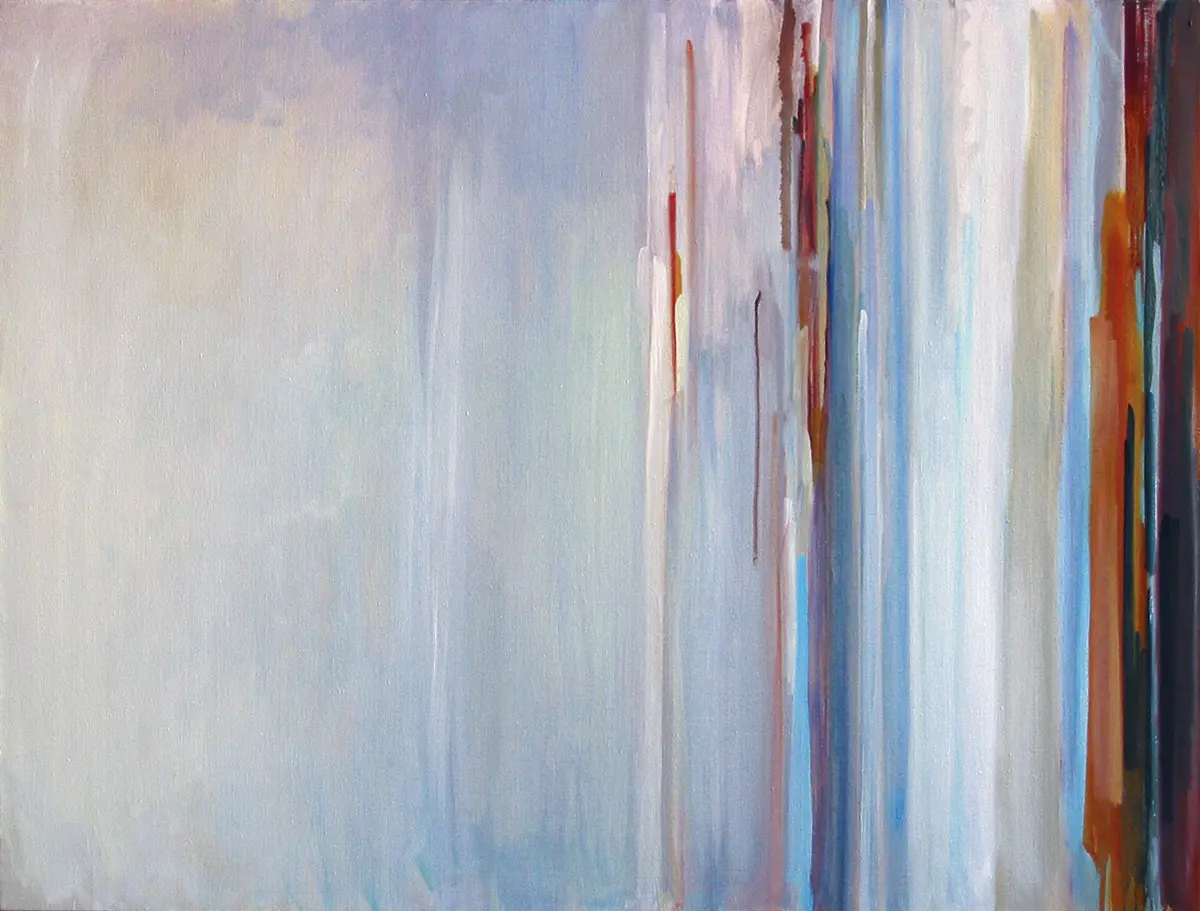
The need to account for an abstract and intense expressive will, although based on different resources, links three artists represented by Galería Medicci, Luisa Richter, Manuel Quintana Castillo, and Asdrúbal Colmenárez, present at the fair with a piece that takes him far from the conceptualism and minimalism of his previous work. While the rigor of the construction marks the patient, sensibly perceptive work by Enrique Sarda, unifies, from the space of the geometrical, the works of Pedro Fermín —a minimalist and an aesthetic group of thin painted iron bands—, and Nanín García —an abstract alphabet—, at Graphic Gallery. Eugenio Espinoza, represented by Sala Mendoza, reveals his great sensibility with a piece at once subtle and eloquent; Jesús Guerrero, at Artepuy, harks back with a contemporary bent to the conceptualism of the De Stijl group. Similarly in the abstract vector are Iván Rojas’ relief works at Okyo, distant evocations of pre-Hispanic culture, and Casique’s elegant “modernist” creations, dunes in bronze and silver. Closing the three-dimensional selection is the constructed and at the same time expressive piece on wood by Harry Abend at Templarios.
Without the pronounced highs and lows of previous editions, this 14th FIA was characterized by a discreet regularity and made evident the fact that there are no important novelties in the visual arts. Expectations remain open for next year.
FREDDY CARREÑO
Curator, researcher, and professor at the Universidad Central de Venezuela.