
The 14th
edition of ArteBA once again brought to the fore one of the institution’s
consistent characteristics: year after year it outdoes itself. Already well
established as a contemporary art fair, its objectives this time around focused
on giving an emphatic push forward to the event’s Latin American projects and
activating the current market for artistic productions. The vitality of
ArteBA’s new president, collector Mauro Herlitzka, translated into the
actualization of just those objectives. Julián Zugazagoitia, Paulo Herkenhoff,
José Roca, Gabriel Peluffo, Llilian Llanes, Justo Pastor Mellado, and Ticio
Escobar were among the many international guests. This well-appointed roster of
personalities fulfilled a dual function: to give lectures on topics of interest
about the Latin American art scene within the Auditorium program, and more
specifically, to interact from a front-row position with a significant and
plural panorama of Argentinean art.
The Zurich-sponsored matching-funds program provided an opportunity for the four invited museums to present their first acquisitions before the event’s opening date in a project where sponsors and institutions came together to jointly fund the acquisition of works for the institutions’ collections. The Museo de Arte Moderno de Buenos Aires, Córdoba’s Museo Caraffa, Rosario’s Museo Castagnino, and MALBA were the protagonists of this proposal. With a similar purpose, each year the well-established Chandón Award benefits a provincial museum with the donation of one piece selected by a jury; in this case, the beneficiary was Salta’s Museo de Arte Contemporáneo, which is celebrating its first anniversary. Joining these locally based buyers were groups of collectors from Houston and Austin, accompanied by Mari Carmen Ramírez and Gabriel Pérez Barreiro, Latin American art curators at the Houston Fine Arts Museum and the Jack Blanton Museum in Austin, Texas, respectively. In their genesis, these plans also attempted to become models for collectors of greater or lesser experience and for the general public, as they put both private and public modes of collecting on display.
The concept of the contemporary functioned as a continuous process of systole and diastole through various points of the location. The most recent works were grouped in Barrio Joven, a space provided by the fair at no cost to young groups, cooperatives, and emerging spaces, several of which, such as Estudio 13 from Nequén, La Baulera from Tucumán, Vox from Bahía Blanca, and MOTP from Mar del Plata, hailed from the country’s interior. The Boquitas Pintadas pop hotel from Buenos Aires set a dynamic pace for this area because it presented a new show every day. Among other obvious choices were the classic Belleza y Felicidad and Sonoridad Amarilla, which marked the idea of place as a symbol—the collective was transformed into a gallery that one had to climb onto and pay a “fare” for as if it were an urban transport system.
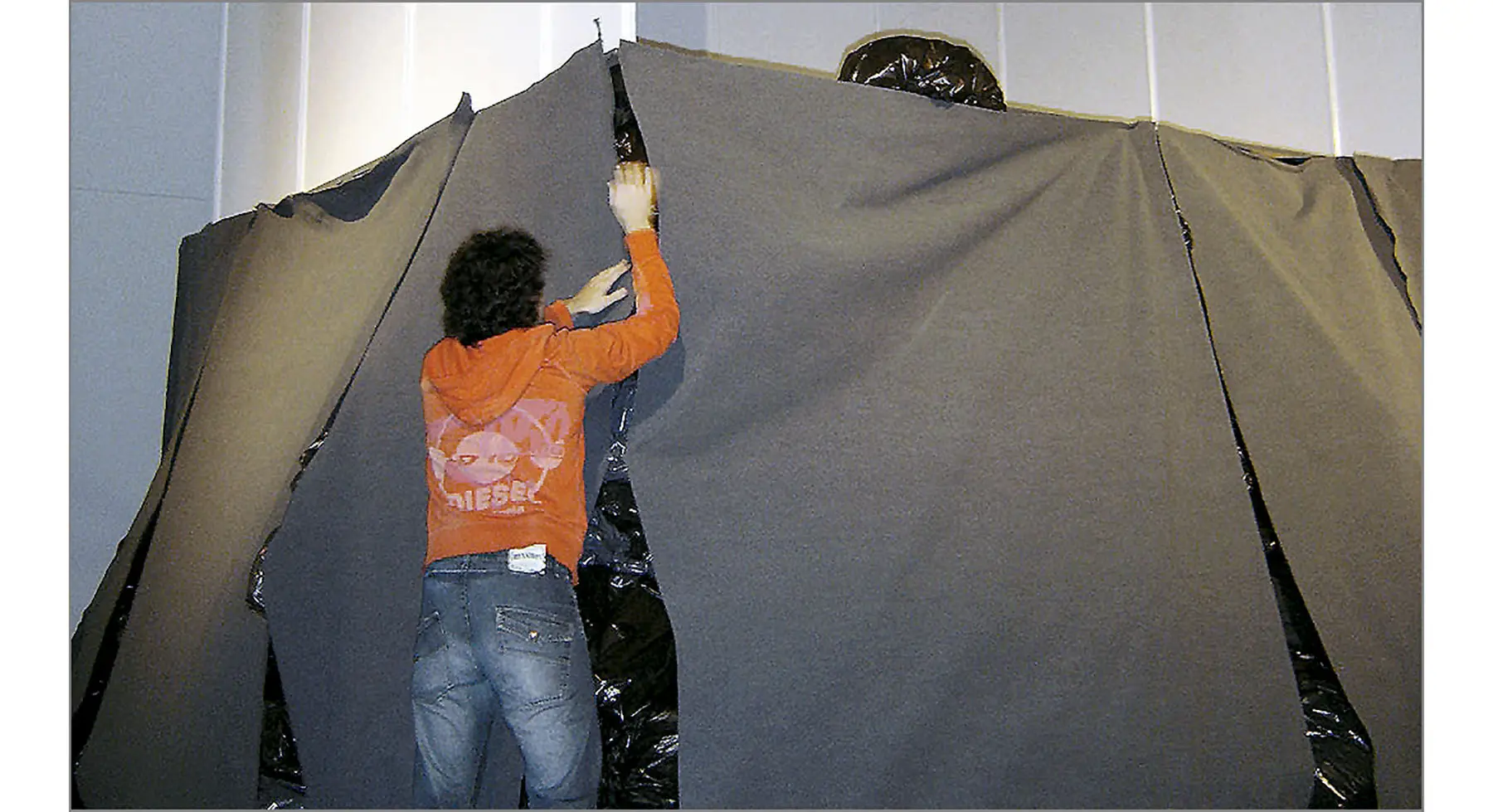
Another point strongly emphasized by the institution is the Petrobras award. Now in its second edition, it is intended not only to recognize but also to foster the creation of unconventional works. The jury selects eight projects, generally by artists at the beginning of their careers, which with this economic support are able to become actual pieces and are shown for the first time at the entrance to the fair. The final award recipients come from this initial selection. The winning entry, by the young artist Axel Straschnoy, was an invitation to reflect on the frantic flights taken by some artistic enterprises in the context of our post-industrial society; it delineated the space/platform of power, even if there is nothing to exhibit and its base every day grows thanks to the accumulation of garbage. Straschnoy was referring to institutional spaces, one of which could have been very fair that hosted his project.
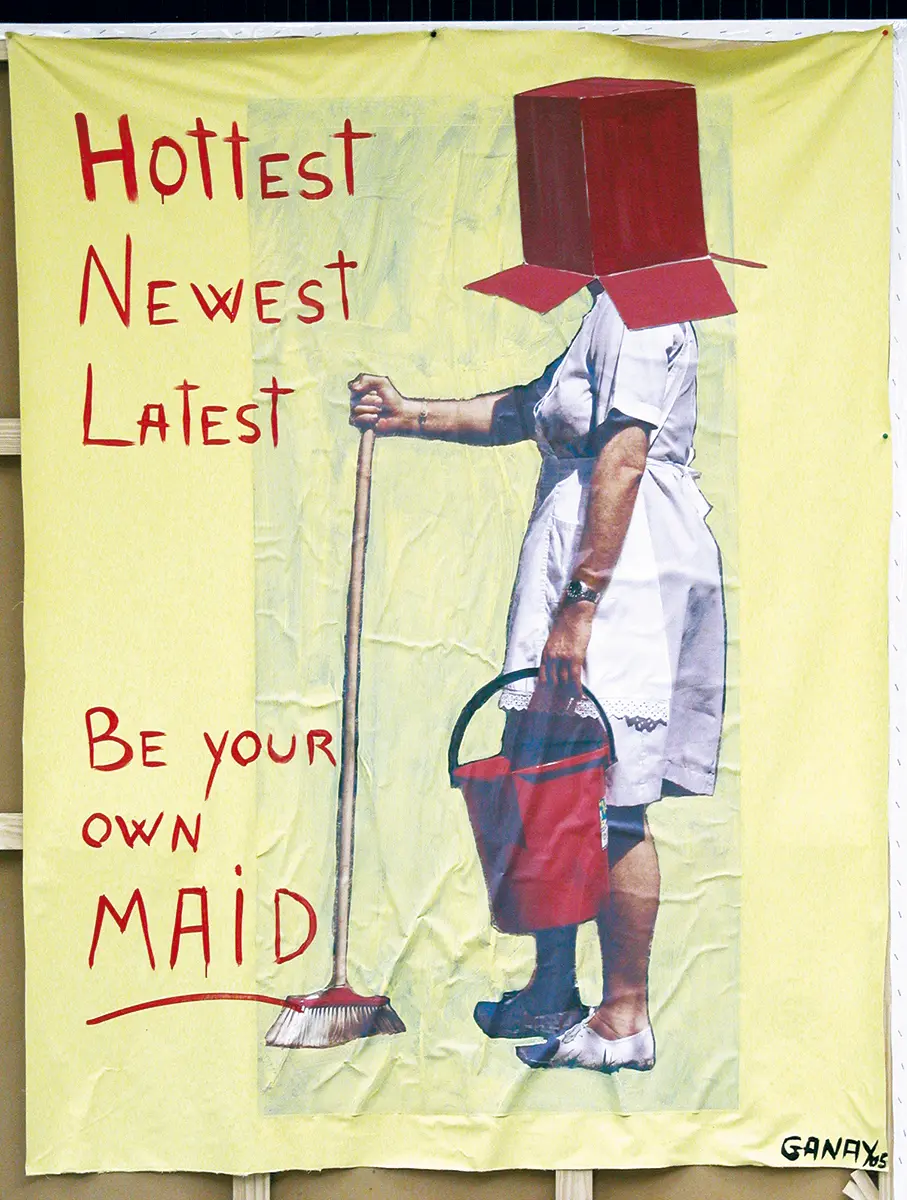
Another aspect of the contemporary appears within the structure of the fair, which offers itself to visitors as a space of ever clearer readings with well-organized booths. These are carefully presented in order to give greater visibility to the selections that are proposed, and they are subject to approval by a selection committee named by the organizers. We are talking about figures that can be considered historic: León Ferrari, Kenneth Kemble, Víctor Grippo, Arden Quin, Jorge de la Vega, Roberto Aizenberg, and Horacio Coppola among others, artists who in their time comprised the contemporary sector. Daniel Maman tends to specialize in this kind of work. GC Estudio de Arte surprised us in this edition with a museum-level selection, while Jorge Mara, Ruth Benzacar, and Principium, all excellent, often offer a well-balanced mixture of masters, intermediate, and young generations. On the other hand, there are those galleries that, while mindful of the quality of the work, also have innovation as a criterion, such as Dabbah-Torrejón, Braga Menéndez, Alberto Sendrós, Del Infinito Arte, Zavaleta Lab, Daniel Abate, or El Borde. There were also sparks of originality like the exhibition of erotic watercolors by Fermín Eguía at Sara García Uriburu.
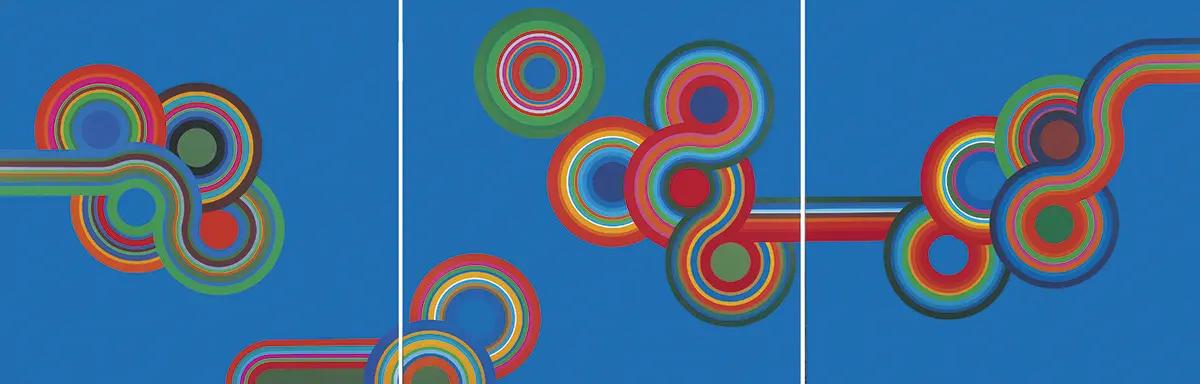
One wish that remains unfulfilled in its full potential is a greater presence of galleries from abroad, something perhaps influenced by the vicissitudes of the local economy. Nonetheless, Thomas Cohn, Cecilia de Torres Ltd., Dpm Arte Contemporáneo, Baró Cruz, Nara Roesler, Sur, Del Paseo, and Durban Segnini were a varied representation that announces a trend for expansion.
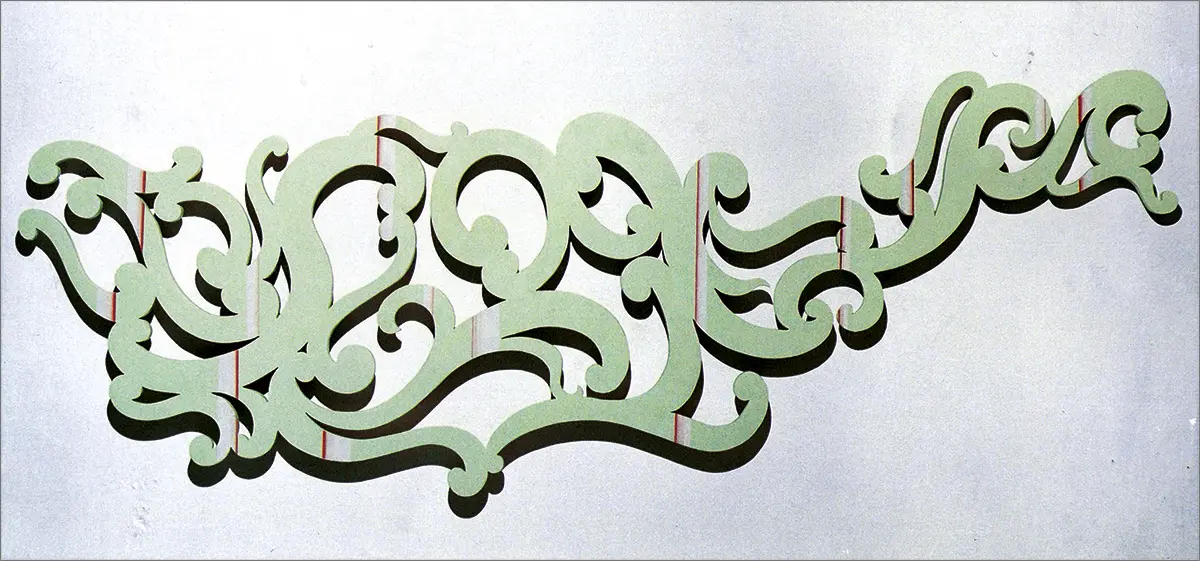
In the current Buenos Aires scene, the ArteBA fair has established itself as the year’s broad-based arena, in the absence of events like biennials or large-scale gatherings of the kind that existed in the past.
MERCEDES CASANEGRA
Art writer and researcher. President of the Argentinean Association of Art Critics (AICA).